- Tipik bir enjeksiyonla kalıplanmış parçanın birim maliyeti $0.15-$5.00 iken kalıbın kendisi, karmaşıklığa bağlı olarak $5,000-$100,000+ tutarındadır.
- Üretim hacmi en büyük maliyet etkenidir — $20,000 tutarındaki bir kalıp 10K birimde parça başına $2.00, 100K birimde ise yalnızca $0.20 ekler.
- Malzeme maliyeti genellikle parça fiyatının 20-50%'ini oluşturur; PEEK gibi mühendislik reçineleri standart PP'den 10-20x daha pahalıdır.
- Makine genel gideri, çevrim süresi ve işçilik birlikte parça başına maliyetin %30-60'ını oluşturur.
- Gizli maliyetler; ikincil işlemler, hurda, nakliye ve takım bakımı, teklif fiyatına 10-25% ekler.
Enjeksiyon Kalıplamada Parça Başına Maliyeti Belirleyen Başlıca Faktörler Nelerdir?
Enjeksiyon kalıplama maliyetinizi belirleyen beş temel etken kalıp üretimi1, malzeme, makine ücreti, çevrim süresi2 ve ikincil işlemlerdir. Tedarikçileri karşılaştırıyorsanız RFQ hazırlığı ve risk kontrolleri için enjeksiyon kalıplama tedarikçi seçme rehberimize bakın.
Bir enjeksiyon kalıplama parçasının maliyetini beş temel etken belirler: kalıp maliyeti, ham madde fiyatı, makine saat ücreti, çevrim süresi ve ikincil işlemler. Fabrikadan aldığınız her teklif, tedarikçi marjıyla birlikte bu beş girdinin hesabıdır.
Uygulamada çoğu mühendis, düşük hacimlerde kalıp maliyetinin ne kadar baskın olduğuna şaşırır. Bir konnektör muhafazası için hassas çok gözlü kalıp $35,000 tutabilir. Yalnızca 5,000 parçaya ihtiyacınız varsa reçine satın almadan veya makineyi çalıştırmadan önce yalnızca kalıp maliyeti parça başına $7.00 ekler. Aynı kalıbı iki yılda 500,000 parçaya ölçeklediğinizde takım maliyetinin katkısı parça başına $0.07’ye düşer ve ana maliyet etkenleri malzeme ile proses olur.
Maliyet etkisinin büyükten küçüğe sırası: (1) yıllık üretim hacmi, (2) parça geometrisi karmaşıklığı, (3) malzeme seçimi, (4) kalıp gözü3 sayısı, (5) tedarikçinin coğrafi konumu. “En ucuz fabrika” listede yoktur; zayıf kalite kontrolün hurda, gecikme ve garanti talepleri, birim fiyat tasarrufunuzdan daha pahalıya gelir.
Kalıp Maliyeti Ne Kadardır ve Nasıl Amorti Edilir?
Kalıp takımı, her enjeksiyon kalıplama projesindeki en büyük başlangıç maliyetidir ve üretim hacmine en duyarlı kalemdir. Tek gözlü bir braket kalıbı $5,000-$12,000; yan hareketleri, eğik iticileri ve sıcak yollu sistemi olan çok gözlü hassas bir kalıp ise $40,000-$100,000 veya daha fazla tutar.
Takım amortismanı, yani tek seferlik kalıp yatırımının üretim hacmine yayılması, hesaplanması gereken temel değerdir. Toplam kalıp fiyatını alın ve beklenen ömür boyu üretim hacminize bölün. Uygulamada görünümü şöyledir:
| Kalıp Tipi | Maliyet aralığı | 10K Parçada | 50K Parçada | 500K Parçada |
|---|---|---|---|---|
| Tek gözlü, basit | $5,000-$12,000 | $0.50-$1.20 | $0.10-$0.24 | $0.01-$0.02 |
| Çok kaviteli (4-8) | $20,000-$50,000 | $2.50-$5.00 | $0.50-$1.00 | $0.04-$0.10 |
| Sıcak yolluk, karmaşık | $40,000-$80,000 | $4.00-$8.00 | $0.80-$1.60 | $0.08-$0.16 |
| Yüksek kavite sayısı (16-32) | $60,000-$150,000 | $3.75-$9.38 | $0.75-$1.88 | $0.08-$0.19 |
| Insert kalıplama / üzeri kalıplama | $15,000-$60,000 | $1.50-$6.00 | $0.30-$1.20 | $0.03-$0.12 |
Rakamlar açıktır: beklenen hacminiz 10,000 parçanın altındaysa tek gözlü kalıp neredeyse her zaman doğru seçimdir. Çok gözlü kalıbın ek maliyeti, 30,000-50,000 adede ulaşmadan geri dönmez. Ancak 100K+ aralığına geldiğinizde daha fazla göze yatırım yapmak, parça başına çevrim süresini kısaltarak birim maliyeti önemli ölçüde düşürür.
İlk kez alım yapanların çoğunun gözden kaçırdığı bir konu daha vardır: kalıp bakımı. 47 enjeksiyon makinesi bulunan bir tesiste çalışan, bakımı iyi yapılmış bir üretim kalıbı genellikle parlatma, aşınmış itici pimleri değiştirme ve ayırma çizgilerini yenileme için yılda $500-$2,000 bakım gerektirir. Bakım için yıllık olarak ilk kalıp maliyetinin 2-5% kadarını bütçelendirin ve bunu toplam sahip olma maliyeti hesabınıza katın.
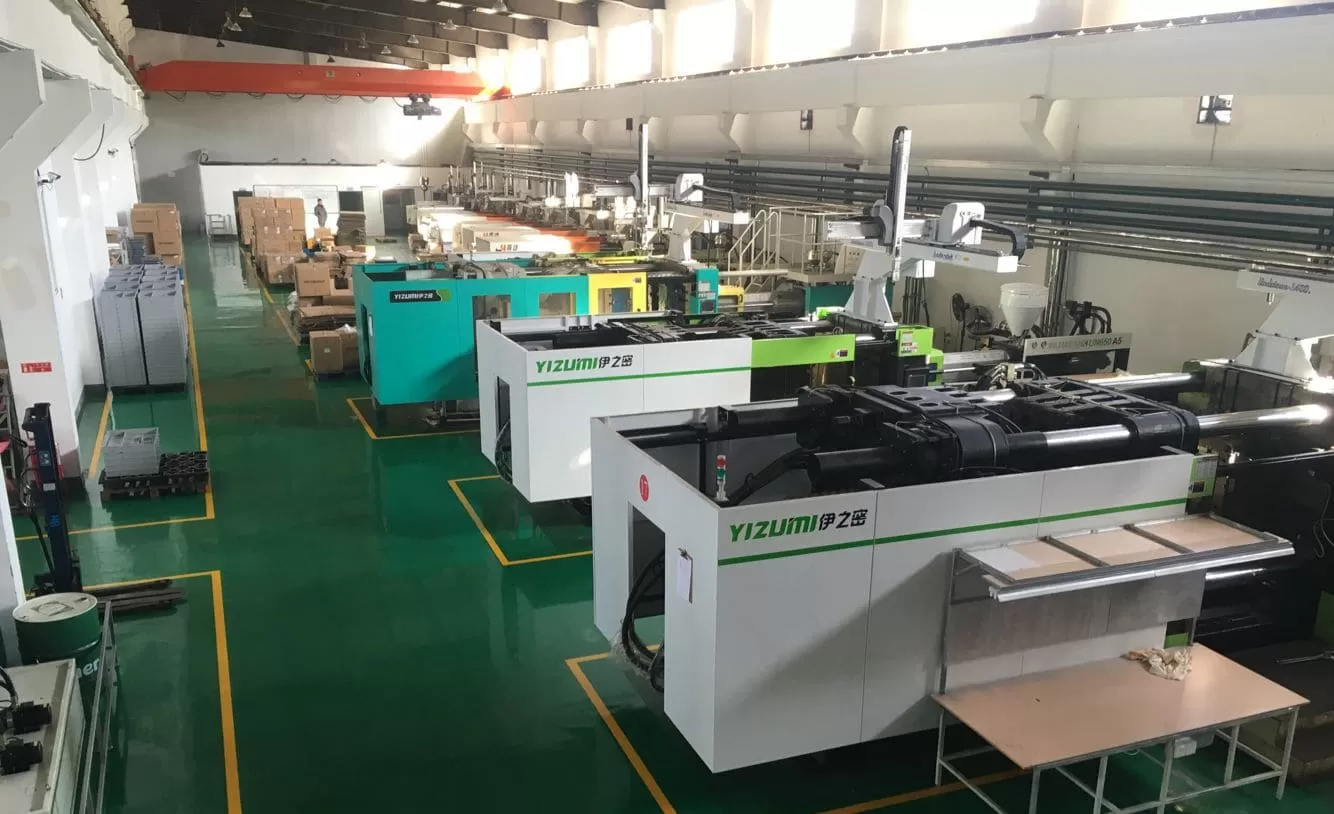
ZetarMold Fabrika Verileri: Şanghay'daki kalıp üretim tesisimiz, kalıp yapımına ayrılmış 23 makineyle ayda 100+ kalıp seti teslim eder. 90T ile 1850T arasında kilitleme kuvvetine sahip makinelerimizle mikro parçalardan 10kg'a kadar büyük muhafazalara kadar her şeyi üretebiliriz. Üretim başlamadan önce ölçü doğruluğunu sağlamak için her kalıp 6 adımlı QC sürecimiz boyunca izlenir.
Malzeme Seçimi Parça Başına Maliyetinizi Nasıl Etkiler?
Hammadde genellikle parça başı maliyetinizin 20-50% bölümünü oluşturur ve emtia reçineleriyle mühendislik reçineleri arasındaki fark çok büyüktür. Polipropilen (PP) kilogram başına $1.00-$1.50 düzeyindedir. PEEK ise kilogram başına $80-$120 tutarındadır. Aynı parça, aynı kalıp — yalnızca malzeme birim maliyetinizi 10 kat değiştirebilir.
Ancak malzeme maliyeti yalnızca kilogram fiyatından ibaret değildir. Parça ağırlığını, yolluk ve yolluk konisi atığını (genellikle baskı ağırlığının %5-15’i) ve malzemenin öğütülüp yeniden kullanılıp kullanılamayacağını da hesaba katmanız gerekir. ABS ve PC gibi amorf malzemeler yeniden öğütülmüş malzemeye daha toleranslıdır; POM ve PBT gibi yarı kristal malzemeler ise yeniden işlemeye daha duyarlıdır.
| Malzeme | Fiyat/kg (USD) | Tipik Kullanım | Göreli Maliyet Endeksi |
|---|---|---|---|
| PP (Polipropilen) | $1.00-$1.50 | Ambalajlar, muhafazalar, canlı menteşeler | 1.0x (temel değer) |
| ABS | $1.50-$2.50 | Muhafazalar, otomotiv iç parçaları | 1.5x |
| PA6 (Naylon 6) | $2.50-$4.00 | Dişliler, yapısal parçalar | 2.5x |
| PC (Polikarbonat) | $3.00-$5.00 | Şeffaf kapaklar, LED lensler | 3.0x |
| POM (Asetal) | $2.50-$4.50 | Hassas dişliler, burçlar | 3.0x |
| PPO/PPE | $4.00-$7.00 | Elektrik muhafazaları, akışkan yönetimi | 4.0x |
| PPS | $5.00-$10.00 | Kaput altı otomotiv parçaları, konnektörler | 5.5x |
| PEEK | $80-$120 | Havacılık, tıbbi implantlar | 65x |
Deneyimlerimize göre mühendislerimiz Şanghay tesisimizde müşterilerle parça tasarımlarını incelerken en yaygın maliyet azaltma fırsatı, malzemenin gereğinden yüksek özellikte belirlenmesidir. Birçok mühendis, standart ABS veya PA6 tüm işlevsel gereksinimleri karşılayabilecekken PC-ABS ya da cam elyaf dolgulu naylon belirtir. Çekme mukavemeti, darbe direnci, termal gereksinimler ve kimyasal maruziyeti değerlendiren doğru bir malzeme seçim analizi, performanstan ödün vermeden malzeme maliyetini %30-50 azaltabilir.
Üretim Hacmi Parça Başına Maliyette Nasıl Bir Rol Oynar?
Üretim hacmi, diğer tüm maliyet bileşenlerini etkilediği için parça başına maliyet üzerindeki en güçlü tek kaldıraçtır. Daha yüksek hacim, çok gözlü kalıpları (parça başına daha kısa çevrim süresi) gerekçelendirir, toplu malzeme alımını (%5-15 indirim) mümkün kılar ve parça başına genel gider payını azaltır. Enjeksiyon kalıplamada hacim yalnızca bir sayı değildir; maliyet yapınızın mimarisidir.
Gerçek bir örnek verelim. Yakın zamanda bir elektrikli el aleti müşterisi için PA6+GF30 malzemeden 45mm çaplı bir dişli muhafazasını fiyatlandırdık. 5,000 adette birim fiyat $3.85 idi (tek gözlü kalıp, düşük hacimli malzeme alımına tam fiyat farkı). 50,000 adette $1.42 seviyesine düştü (4 gözlü kalıp, toplu reçine fiyatı, optimize edilmiş çevrim süresi). Yıllık 500,000 adette $0.68 seviyesine ulaştık; bu, düşük hacimli fiyatın beşte birinden azdır.

Daha iyi bir kalıba yatırımın kendini amorti etmeye başladığı başabaş noktası, çoğu parça geometrisi için genellikle 30,000-50,000 adet civarındadır. Bu eşiğin altında manuel yüklemeli, standart toleranslı, basit tek gözlü bir kalıp çoğunlukla en ekonomik seçenektir. 100,000 adedin üzerinde ise her kuruş tasarrufu elde etmek için sıcak yolluk sistemlerini, çok gözlü kalıpları ve otomasyonu ciddi biçimde değerlendirmelisiniz.
Hacim de hangi tedarikçinin size en iyi hizmeti verebileceğini etkiler. 47 enjeksiyon makinesi ve aylık milyonlarca parça kapasitesi olan bir fabrika, 5-10 makineli küçük bir atölyeye kıyasla yüksek hacimde parça başına çok daha iyi fiyat sunabilir; çünkü büyük fabrikanın makine-saat başına genel gideri daha düşüktür ve üretimi daha verimli planlayabilir.
Çoğu Alıcının Gözden Kaçırdığı Gizli Maliyetler Nelerdir?
Teklif edilen birim fiyat hiçbir zaman tüm maliyeti göstermez. Enjeksiyon kalıplama projelerinde geçen 20 yılda mevcut tüm gizli maliyetlerle karşılaştık. En sık gözden kaçan kalemler, teklif edilen parça başı fiyatın üzerine toplam 10-25% ekler.
Birincisi: ikincil işlemler. Parçanız montaj, ultrasonik kaynak, tampon baskı, krom kaplama veya ısıyla perçinleme gerektiriyor mu? Her ikincil adım, karmaşıklığa bağlı olarak parça başına $0.05-$2.00 ekler. Kalıplama maliyeti $0.80 olan bir parça, serigrafi baskı, UV kaplama ve dişli insert montajından sonra $2.30 maliyete ulaşabilir.
İkincisi: ambalajlama ve lojistik. Hassas kozmetik parçaların ihracat ambalajı (özel köpük ekler, ayrı polietilen torbalar, nem alıcı paketler) parça başına $0.10-$0.50 ekleyebilir. Şanghay’dan Los Angeles’a standart bir paletin deniz navlunu şu anda $2,000-$4,000 tutarındadır — bu tutar paletteki parçalara dağıtıldığında genellikle birim başına $0.02-$0.15 olur; ancak hacimli ve hafif parçalarda nakliye, kalıplama maliyetini aşabilir.
"Hurda oranı her fabrikanın teklifine dâhildir; basit parçalar için genellikle 2-5%, karmaşık veya dar toleranslı parçalar için 5-10% düzeyindedir."True
DOĞRU — Her fabrika bir hurda payını hesaba katar. Parçanız dar toleranslara, karmaşık geometriye veya belirli bir yüzey kalitesine (yüksek parlaklık ya da optik berraklık gibi) ihtiyaç duyuyorsa hurda oranı daha yüksek olur. Hurdaya çıkan malzemenin ve makine süresinin maliyeti, teklifinizdeki uygun parçalar arasında dağıtılır.
"Çinli bir fabrikanın teklif ettiği parça başı fiyat, deponuzun kapısına kadar tüm sevkiyat maliyetlerini (DDP) içerir."False
YANLIŞ — Çin'deki enjeksiyon kalıplama tekliflerinin çoğu FOB (Free on Board) Şanghay veya EXW (Ex Works) bazındadır. FOB, fabrika fiyatının mallar limanda gemi küpeştesini geçtiğinde sona erdiği anlamına gelir. Deniz navlunu, ithalat vergileri, gümrük müşavirliği ve son kilometre teslimatını ayrıca ödersiniz. DDP fiyatlandırma mümkündür, ancak fabrikanın riskini ve lojistik genel giderlerini karşılamak için 15-25% eklenir.
Üçüncüsü: kalite kontrol ve muayene. Girdi kalite kontrolü (IQC), proses içi muayene ve nihai kalite kontrolü (FQC), saygın her fabrikada standarttır. Ancak 100% boyutsal muayene, her parti için CMM raporu veya SGS/QIMA tarafından üçüncü taraf muayenesi talep ederseniz parça başına ek $0.02-$0.20 ödemeyi bekleyin. Kritik bileşenler için buna değer, ancak ücretsiz değildir.
Dördüncü: kalıp tadilatı ve tasarım değişiklikleri. İlk enjeksiyon kalıbı nadiren ilk denemede kusursuz parça üretir. Çoğu kalıp giriş boyutu, çapak ve çekme telafisi için 1-3 tur tadilat gerektirir. Bunlar genellikle ilk kalıp fiyatına dâhildir (T1-T3 numune alma); alıcının başlattığı büyük tasarım değişiklikleri ise değişiklik başına $2,000-$5,000 faturalandırılır.
Parça Tasarımı Kararları Maliyeti Nasıl Etkiler?
Üretilebilirlik için tasarım (DFM), tek bir parça kalıplanmadan önce maliyet yarışını kazandığınız veya kaybettiğiniz aşamadır. Et kalınlığı, çıkış açısı, ters açı ve yüzey finişi gibi her tasarım kararı parça başına fiyatınızı doğrudan etkiler. İyi haber şudur: DFM iyileştirmelerinin çoğu ücretsizdir. Yalnızca kalıplama prosesinin tasarımdan sonra değil, tasarım aşamasında düşünülmesini gerektirir.
Duvar kalınlığı en büyük etkendir. Kalın duvarlar daha uzun soğutma süresi, dolayısıyla daha uzun çevrim ve daha yüksek parça başı maliyet demektir. 3mm duvarlı bir parçanın soğuması 30 saniye sürebilir; aynı geometri 2mm duvarlarla 18 saniyede soğuyabilir. Çevrim süresindeki bu 40% azalma doğrudan parça başı makine maliyetinde 40% düşüş sağlar. Eşit duvar kalınlığı ayrıca çökme izlerini, çarpılmayı ve iç boşlukları önleyerek sonraki kalite maliyetlerini ortadan kaldırır.
"Yalnızca 50,000 adet gereken bir parça için Class 101 kalıp (en yüksek hassasiyet, 1M+ çevrim ömrü) belirtmek para israfıdır."True
DOĞRU — Kalıp sınıflandırması önemlidir. Sertleştirilmiş çelik kalıp boşluklarına ve hassas sıcaklık kontrolüne sahip Class 101 kalıp, Class 104 kalıptan (standart tolerans, <100K çevrim) 3-5x daha pahalıdır. Toplam hacminiz 100,000 parçanın altındaysa Class 102 veya 103 kalıp genellikle maliyet ile dayanıklılık arasında doğru dengeyi sağlar. Kalıp sınıfını gereğinden yüksek belirlemek, alıcıların fazla ödeme yapmasının en yaygın nedenlerinden biridir.
"Kalıp zaten sıfırdan imal edildiği için ilk tasarım sırasında bir parçaya daha fazla özellik ve karmaşıklık eklemek, daha basit bir sürümle aynı maliyete sahiptir."False
YANLIŞ — Her ek ters açı, yan hareket, kaldırıcı veya dişli maça, kalıp maliyetine $2,000-$15,000 ekler ve çevrim süresini 5-20 saniye uzatır. Düz çekişli geometriye sahip basit iki plakalı bir kalıp $8,000 tutabilir ve 15 saniyelik çevrimlerle çalışabilir. İki yan maçalı ve dişli insert özelliğine sahip aynı parça $28,000 tutabilir ve 35 saniyelik çevrim gerektirebilir. Sadelik her ölçekte tasarruf sağlar.
Yüzey kalitesi de bir maliyet çarpanıdır. SPI A-1 (ayna polisajı), kalıp gözünün 8-16 saat elle parlatılmasını gerektirerek kalıp maliyetine $1,000-$5,000 ekler. SPI B-1 (ince mat), standart EDM yüzeyiyle elde edilebilir ve ek maliyet yaratmaz. Parçanız görünür kozmetik bir yüzey değilse premium yüzey işleminden vazgeçin.
ZetarMold Fabrika Verileri: 8 kıdemli mühendisimiz (her biri 10+ yıllık deneyime sahip), her kalıp teklifiyle birlikte ücretsiz DFM analizi sunar. Kalıp donanımına yatırım yapmadan önce maliyet tasarrufu fırsatlarını — cidar kalınlığı optimizasyonu, kalıp çıkış açısı düzeltmeleri, alternatif yolluk girişi konumları — belirleriz. Veri tabanımızdaki 400+ malzeme sayesinde performans gereklilikleriniz için en uygun maliyetli reçineyi önerebiliriz.
Parça Başına Enjeksiyon Kalıplama Maliyetini Nasıl Azaltabilirsiniz?
Üç araçla parça başı enjeksiyon kalıplama maliyetini 15-60% azaltabilirsiniz: tasarım optimizasyonu, proses verimliliği ve tedarik zinciri stratejisi. Tasarruf etkisine göre sıralanmış özel yöntemler şunlardır.
| Strateji | Tasarruf Potansiyeli | Ne Zaman Uygulanır | Çaba Düzeyi |
|---|---|---|---|
| Üretim hacmini artırın | 30-60% | Her zaman — yıllık talebi birleştirin | Düşük |
| Duvar kalınlığını optimize edin (eşit, daha ince) | makine maliyetinde 15-40% | Tasarım aşaması | Orta |
| Çok gözlü kalıba geçin | Hacimli üretimde parça başına %25-50 | 30K adedin üzerinde | Orta |
| Toplu malzeme fiyatında pazarlık yapın | 5-15% | Yılda 5 tonun üzerinde | Düşük |
| İkincil işlemleri ortadan kaldırın | 10-30% | Tasarım aşaması | Yüksek |
| Benzer parçalar için aile kalıbı kullanın | Takım maliyetinde 20-40% | Birden fazla benzer parça | Orta |
| Yüzey finisajı gereksinimlerini azaltın | 5-15% | Kozmetik olmayan parçalar | Düşük |
| Çin'den tedarik ile yerel tedarikin karşılaştırması | 30-50% | Kalite standartları karşılandığında | Orta |
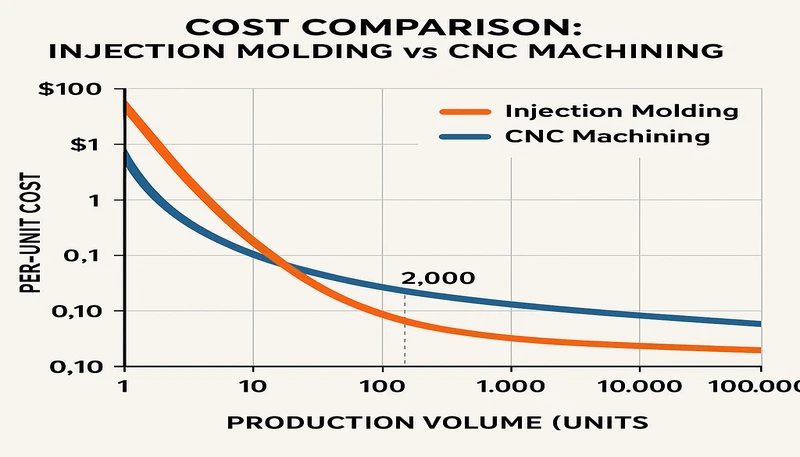
En az kullanılan taktik siparişleri birleştirmektir. Aynı parçayı yıl boyunca birden fazla parti hâlinde sipariş ediyorsanız bunları tek bir yıllık siparişte birleştirin. Tüm parçalara hemen ihtiyacınız olmasa bile hacim fiyatlandırmasının parça başına sağladığı tasarruf çoğu zaman depolama maliyetlerini aşar. Kabaca, tek bir parça numarasından yılda 50,000+ adet taahhüt edebiliyorsanız 5,000 adedi on kez sipariş etmeye göre 20-35% daha düşük fiyat beklemelisiniz.
Gözden kaçan başka bir fırsat da malzeme ikamesidir. Küçük bir tasarım değişikliğiyle standart ABS ($2.00/kg) kullanıldığında aynı performansı gösterecek parçaların PC-ABS ($3.50/kg) olarak belirtildiğini sıkça görüyoruz. Benzer şekilde, cam elyaf dolgulu naylon kullanılan bazı parçalarda dolgusuz naylonla biraz daha kalın bir duvar, aynı rijitlik hedefini malzeme maliyetinin yarısıyla karşılayabilir. Doğru tedarikçi, Malzeme Listenizi harfiyen uygulamakla yetinmeyip bu alternatifleri proaktif olarak önerir.
Gerçek Bir Maliyet Dağılımı Nasıl Görünür?
Teori yararlıdır; ancak gerçek bir örneğe bakalım. Şanghay tesisimizde ABS’den üretilen 65mm x 40mm x 25mm boyutlu bir elektronik muhafazanın gerçek maliyet dökümü şöyledir. Bu parça basit bir geçmeli bağlantı özelliğine ve iki pirinç dişli inserte (ısıyla sabitlenmiş) sahiptir; estetik yüzeylerde SPI B-2 yüzey kalitesi gerektirir.
| Maliyet Bileşeni | 10K Birimde | 100K Adette | Notlar |
|---|---|---|---|
| Kalıp donanımı (4 gözlü, P20 çelik) | $0.80/parça | $0.08/parça | $32,000 kalıp, amorti edilmiş |
| Malzeme (ABS, yolluk firesi dahil) | Parça başına $0.12 | $0.09/parça | Parça başına 18g + 15% yolluk |
| Makine süresi (180T, 22s çevrim) | $0.18/parça | $0.14/parça | Genel gider oranı: $25/hr |
| Dişli insertler (2x M3 pirinç) | $0.08/parça | $0.06/parça | Malzeme + ısıyla perçinleme |
| Montaj (geçmeli bağlantı + insert montajı) | $0.05/parça | $0.03/parça | Manuel çalışma |
| Kalite kontrolü (AQL 2.5) | $0.03/parça | $0.02/parça | Standart QC |
| Ambalaj (polietilen torba + karton) | $0.04/parça | $0.03/parça | Toplu ambalajlama |
| Hurda payı (3%) | $0.04/parça | $0.03/parça | Teklife dahil |
| Parça başına toplam maliyet | $1.34 | $0.48 | — |
Maliyet tersine dönüşüne dikkat edin. 10,000 birimde kalıp ($0.80), toplamın 60% oranıyla tek başına en büyük maliyet bileşenidir. 100,000 birimde malzeme ($0.09) ve makine süresi ($0.14), kalıp payını ($0.08) birlikte aşar. “Minimum sipariş miktarınız nedir?” sorusunun bu kadar önemli olmasının nedeni budur; yanıt, bütçenizde hangi maliyet bileşeninin baskın olduğunu belirler.
ZetarMold Fabrika Verileri: 90T ile 1850T arasında 47 enjeksiyon kalıplama makinesi ve 120+ üretim personeli bulunan Şanghay fabrikamız, mikro kalıplamadan büyük yapısal parçalara kadar her işi yürütür. İngilizce konuşan 30+ proje yöneticimiz; maliyet dağılımları, DFM geri bildirimleri ve kilometre taşı bazlı ödeme planları konusunda açık iletişim sağlar — böylece her doların tam olarak nereye gittiğini bilirsiniz.
Parça Başına Enjeksiyon Kalıplama Maliyeti Hakkında Sık Sorulan Sorular
Enjeksiyon kalıplamada ortalama parça maliyeti nedir?
Enjeksiyon kalıplamada ortalama parça başı maliyet; şişe kapağı veya kablo klipsi gibi basit, yüksek hacimli standart plastik parçalarda $0.15 seviyesinden, dar tolerans, mühendislik sınıfı malzeme ya da insert kalıplama veya boyama gibi ikincil işlemler gerektiren karmaşık, düşük hacimli parçalarda $5.00 veya üzerine kadar değişir. Çoğu üretim parçası, 50,000 ila 500,000 adetlik hacimlerde üretildiğinde $0.30 ila $2.00 aralığındadır. Kesin değer büyük ölçüde parça geometrinize, malzeme seçimine, üretim hacmine ve tedarikçinin coğrafi konumuna bağlıdır.
Parça başına enjeksiyon kalıplama maliyeti nasıl hesaplanır?
Enjeksiyon kalıplamada parça başına maliyet hesaplama formülü ilke olarak basittir, ancak her bileşen için doğru veri gerektirir. Parça Başına Maliyet şunların toplamına eşittir: Kalıp Maliyeti bölü Toplam Üretim Hacmi, artı Parça Ağırlığı çarpı kilogram başına Malzeme Fiyatı, artı Çevrim Süresi çarpı Makine Saat Ücreti bölü Göz Sayısı, artı İkincil İşlemler maliyeti, artı Ambalaj maliyeti, artı Hurda Payı. En sık gözden kaçan bileşen, baskı başına hammadde maliyetine genellikle 5-15% ekleyen yolluk ve yolluk burcu atık ağırlığıdır. Hassas hesaplama için parti büyüklüğüne yayılmış kurulum süresini ve yeniden işleme veya kalite ayıklama maliyetlerini de hesaba katmanız gerekir.
Üretim için enjeksiyon kalıplama, 3D baskıdan daha mı ucuzdur?
Parça karmaşıklığına bağlı olarak 500 ila 2,000 adedin üzerindeki üretim miktarlarında enjeksiyon kalıplama neredeyse her zaman 3D baskıdan daha ucuzdur. SLA 3D baskıyla üretimi $8.00 olan bir parça, 10,000 adetlik enjeksiyon kalıplama üretiminde parça başına yalnızca $0.50’ye mal olabilir; ancak önce takıma $5,000 ila $15,000 yatırım yapmanız gerekir. Yaklaşık 500 adedin altında kalıp yatırımı olmadığından toplam proje maliyetinde 3D baskı avantajlıdır. 2,000 adedin üzerinde enjeksiyon kalıplama birim maliyette kesin biçimde üstün gelir ve yüksek hacimlerde fark önemli ölçüde açılır. Başabaş noktası parça boyutuna, karmaşıklığına ve malzeme gerekliliklerine göre değişir.
Enjeksiyon kalıplama için minimum sipariş miktarı nedir?
Enjeksiyon kalıplamada teknik bir asgari sipariş miktarı yoktur; kalıp yapıldıktan sonra gerekirse tek parça üretebilirsiniz. Pratik asgari miktarı ekonomi belirler: toplam kalıp yatırımı ile kurulum ve kalibrasyon maliyetlerinin sipariş edilen parça sayısına bölümü. $10,000 tutarında tek gözlü bir kalıpta yalnızca 1,000 parça sipariş etmek, sadece takım amortismanı için parça başına $10.00 anlamına gelir ve bu nadiren uygulanabilirdir. Deneyimli enjeksiyon fabrikalarının çoğu, birim ekonomisini makul kılmak için en az 3,000 ila 5,000 parça önerir. Kalıp maliyeti yükseldikçe önerilen asgari miktar da orantılı artar.
Enjeksiyon kalıplamanın makine saati başına maliyeti nedir?
Makine saat ücretleri bölgeye ve makine boyutuna göre önemli ölçüde değişir. Çin’de ücretler, 50-100 ton aralığındaki küçük makineler için saat başına yaklaşık $15 ile 1,000 tonun üzerindeki büyük makineler için saat başına $60 arasında değişir. Amerika Birleşik Devletleri ve Avrupa’da ücretler genellikle 2 ila 4 kat daha yüksektir ve makine boyutuna, otomasyon düzeyine ve bölgesel işçilik maliyetlerine bağlı olarak saat başına $40 ile $150 arasındadır. Saatlik ücret; makine amortismanını, elektrik tüketimini, operatör ücretlerini, tesis genel giderlerini ve planlı bakımı kapsar. Bunu parça başı maliyete dönüştürmek için saatlik ücreti saatte üretilen parça sayısına bölün.
Malzemeyi değiştirerek enjeksiyon kalıplama maliyetini düşürebilir miyim?
Evet, malzeme ikamesi parça geometrisini veya kalıp tasarımını değiştirmeden parça başına maliyeti azaltmanın en hızlı ve etkili yollarından biridir. Yaygın alt spesifikasyona geçiş fırsatları arasında 30-40% malzeme maliyeti düşüşü için PC-ABS yerine standart ABS kullanılması, 20-30% tasarruf için cam dolgulu naylonun nervür gibi tasarım takviyeleriyle birlikte dolgusuz naylonla değiştirilmesi ve 240 degrees Celsius değerini aşmayan yüksek sıcaklık uygulamalarında 80-90% tasarruf için PEEK yerine PPS kullanılması bulunur. İkame malzemenin çekme dayanımı, darbe direnci, termal sınırlar ve nihai kullanım ortamıyla kimyasal uyumluluk dâhil tüm işlevsel gereklilikleri karşıladığını daima doğrulayın.
Çok gözlü kalıplama parça başı maliyeti nasıl azaltır?
Çok gözlü kalıplama, tek bir makine çevriminde birden fazla özdeş parça üreterek parça başı maliyeti düşürür. 4 gözlü bir kalıp, tek gözlü kalıpla yaklaşık aynı çevrim süresinde 4 parça üreterek parça başı makine maliyetini yaklaşık 75% azaltır. Ek boşluklar, işleme karmaşıklığı ve dengeli yolluk tasarımı nedeniyle kalıbın üretim maliyeti 2 ila 4 kat daha yüksektir. Makine süresi tasarrufunun daha yüksek kalıp yatırımını aştığı ekonomik kesişim noktası genellikle 30,000 ila 50,000 adettir. Bu eşiğin üzerinde, hacim arttıkça çok gözlü kalıplar parça başına giderek daha iyi ekonomi sağlar.
Enjeksiyon kalıplı parçalarda tipik fiyat artışı veya marj nedir?
Enjeksiyon kalıplama tedarikçileri için tipik brüt kar marjı, parça karmaşıklığına, piyasa rekabetine ve müşteri ilişkisi süresine bağlı olarak ila arasında değişir. Birden fazla rakip tedarikçisi olan standart parçalar, fiyat baskısı yoğun olduğu için genellikle -20 kar marjıyla çalışır. Özel prosesler, sıkı toleranslar veya özel malzemeler gerektiren özel mühendislik parçaları ise -35 kar marjı talep eder. Üç yıl veya daha uzun süreli tedarik anlaşmaları, hacim taahhüdü ve düşük müşteri edinme maliyeti karşılığında genellikle -25 gibi daha düşük marjlarla gelir. Kar yapısını anlamak, tedarikçiyi kârlılığın altına itmeden etkili bir şekilde müzakere etmenize yardımcı olur.
Sonuç: Parça Başına Enjeksiyon Kalıplama Maliyetini Anlamak
Parça başına enjeksiyon kalıplama maliyeti beş temel unsura indirgenir: kalıp takım tezgahı (hacime göre amorti edilir), malzeme seçimi, makine süresi, ikincil işlemler ve gizli maliyetler. En büyük kaldıraç neredeyse her zaman üretim hacmidir — 20.000 $‘lık kalıbınızın parça başına maliyetinin 2,00 $ mı yoksa 0,04 $ mı olacağını belirler. Hacimden sonra, parça tasarımı (duvar kalınlığı, karmaşıklık, yüzey bitişi) ve malzeme seçimi bir sonraki en büyük tasarruf fırsatlarını sunar.
En iyi parça fiyatını veren fabrikalar yalnız reçineyi değil tüm maliyet yapısını optimize eder. Tedarikçiniz DFM geri bildirimi, malzeme alternatifleri ve hacim bazlı kademeler sunmuyorsa para kaybediyorsunuz. Kalıp siparişi vermeden önce teklif kalitesi, kapasite ve ticari riski enjeksiyon kalıplama tedarikçi seçme rehberi ile karşılaştırın. Doğru fabrikada, doğru malzeme ve hacimle iyi tasarlanmış kalıp ürününüzü rekabetçi kılar.
Kalıp üretimi: Enjeksiyon kalıplamada kullanılan metal kalıbın tasarlanıp üretilmesidir. Maliyet göz işleme, maça üretimi, soğutma kanalı delme, çıkarma sistemi kurulumu ve yüzey işlemeyi kapsar. Kalıp maliyeti toplam üretim hacmine yayılır; parça ekonomisi için kritik metriktir. ↩
Çevrim süresi: Kalıbın kapanması, enjeksiyon, tutma, soğutma, açılma ve çıkarma dâhil bir enjeksiyon kalıplama çevrimini tamamlamak için gereken toplam süredir. Tipik süre küçük basit parçalarda 10 saniye, büyük karmaşık parçalarda 120 saniyedir. ↩
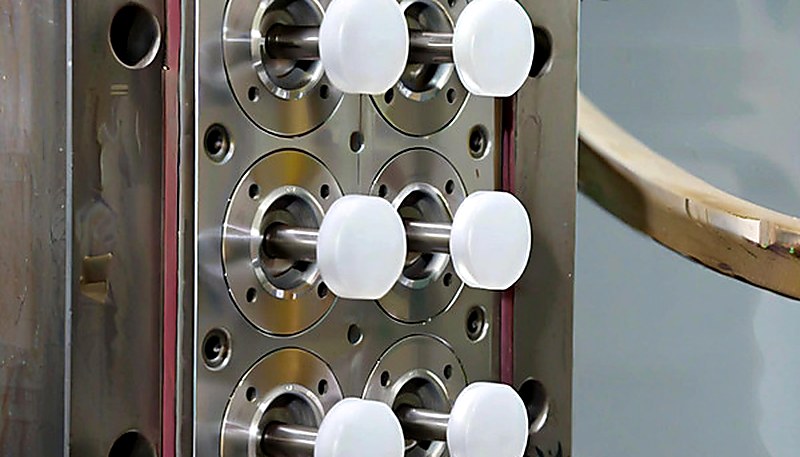
Kalıp gözleri: Enjeksiyon kalıbında nihai parça şeklini oluşturan boşluklardır. Tek gözlü kalıp çevrim başına bir, çok gözlü kalıp birden çok özdeş parça üretir. Daha fazla göz, çevrim ve makine maliyetini daha çok birime yayarak parça maliyetini düşürür ancak kalıp yatırımını artırır. ↩