- 典型的な射出成形部品の単価は$0.15〜$5.00ですが、金型自体は複雑度に応じて$5,000〜$100,000以上かかります。
- 生産数量が最大のコスト要因です — $20,000の金型は、1万ユニットでは$2.00/部品を追加しますが、10万ユニットではわずか$0.20/部品にしかなりません。
- 材料費は通常、部品単価の20〜50%を占めます。PEEKなどのエンジニアリング樹脂は汎用PPより10〜20倍高価です。
- 機械のオーバーヘッド、サイクルタイム、人件費を合わせると、部品単価の30〜60%を占めます。
- 隠れたコスト — 二次加工、不良品、輸送、金型メンテナンス — は見積価格に10〜25%を上乗せします。
射出成形の部品単価を決定する主な要因は何ですか?
射出成形コストを決める5つの主要要因は、金型製作1、材料、成形機レート、サイクルタイム2、二次加工です。サプライヤーを比較する場合は、RFQ準備とリスク確認のために射出成形サプライヤー調達ガイドをご覧ください。
射出成形部品のコストは、金型製作費、原材料価格、成形機の時間単価、サイクルタイム、二次加工という5つの主要要因で決まります。工場から受け取る見積りはすべて、最終的にはこの5項目にサプライヤーの利益を加えて算出されます。
実際には、ほとんどのエンジニアは少量生産において金型コストが支配的であることに驚きます。コネクタハウジング用の精密マルチキャビティ金型は$35,000かかるかもしれません。5,000個しか必要ない場合、金型だけで部品あたり$7.00が追加されます — 樹脂を購入したり機械を稼働させる前です。同じ金型を2年間で500,000個にスケールアップすると、金型費の寄与は部品あたり$0.07に低下し、材料費と加工費が主要な要因になります。
コストへの影響が大きい順に並べると、(1)年間生産量、(2)部品形状の複雑さ、(3)材料選定、(4)金型キャビティ数3、(5)サプライヤーの所在地です。「最安の工場」が入っていない点に注目してください。品質管理が不十分な工場では、単価で節約した以上に、スクラップ、遅延、保証請求で費用がかかるからです。
金型コストはいくらで、どのように償却しますか?
金型はあらゆる射出成形プロジェクトにおける最大の初期コストであり、生産数量に最も敏感です。シングルキャビティのブラケット金型は$5,000〜$12,000、サイドアクション、リフター、ホットランナーを備えたマルチキャビティ精密金型は$40,000〜$100,000以上かかります。
金型償却、つまり一回限りの金型投資を生産数量全体に配分することが、計算すべき重要な数値です。金型総額を想定する生涯生産数量で割ります。実際の計算例は次のとおりです。
| 金型タイプ | コスト範囲 | 1万部品の場合 | 5万部品の場合 | 50万部品の場合 |
|---|---|---|---|---|
| 単一キャビティ、シンプル | $5,000-$12,000 | $0.50-$1.20 | $0.10-$0.24 | $0.01-$0.02 |
| マルチキャビティ(4-8) | $20,000-$50,000 | $2.50-$5.00 | $0.50-$1.00 | $0.04-$0.10 |
| ホットランナー、複雑 | $40,000-$80,000 | $4.00-$8.00 | $0.80-$1.60 | $0.08-$0.16 |
| 高キャビティ(16-32) | $60,000-$150,000 | $3.75-$9.38 | $0.75-$1.88 | $0.08-$0.19 |
| インサート成形/オーバーモールド | $15,000-$60,000 | $1.50-$6.00 | $0.30-$1.20 | $0.03-$0.12 |
数字を見れば明らかです。見込み生産数量が1万個未満なら、ほぼ例外なく1個取り金型が適切です。多数個取りに伴う追加費用は、生産数量が3万~5万個に達するまで回収できません。一方、10万個を超える生産では、キャビティ数を増やすことで1個当たりのサイクルタイムが短縮され、部品単価を大幅に削減できます。
初めて購入する人が見落としがちなもう一つの点:金型のメンテナンスです。47台の射出成形機を備えた施設で稼働する、適切に維持された生産用金型は、通常、年間$500〜$2,000のメンテナンス費用(研磨、摩耗したエジェクターピンの交換、パーティングラインの再仕上げ)が必要です。初期金型費用の年間2〜5%をメンテナンス予算として計上し、総所有コストの計算にこれを含めてください。
ZetarMold工場データ:上海の当社金型製造工場では、23台の金型専用加工機を使用し、月間100+ sets of moldsを製造しています。型締力90T~1850Tの成形機により、微小部品から最大10kgの大型ハウジングまで製造できます。量産開始前の寸法精度を保証するため、各金型を当社の6-step QC processで追跡管理しています。
材料の選択は部品単価にどのような影響を与えますか?
原材料費は通常、部品単価の20-50%を占め、汎用樹脂とエンジニアリング樹脂の価格差は非常に大きくなります。ポリプロピレン(PP)は1キログラム当たり$1.00-$1.50です。PEEKはどうでしょうか。1キログラム当たり$80-$120です。同じ部品、同じ金型でも、材料だけで単価が10倍変わる可能性があります。
ただし、材料費は1キログラム当たりの価格だけで決まるものではありません。部品重量、ランナーおよびスプルーの廃材(通常はショット重量の5-15%)、さらに材料を粉砕して再利用できるかどうかも考慮する必要があります。ABSやPCなどの非晶性材料は再生材を比較的使用しやすい一方、POMやPBTなどの半結晶性材料は再加工の影響を受けやすくなります。
| 素材 | 単価/kg(USD) | 代表的な用途 | 相対コスト指数 |
|---|---|---|---|
| PP(ポリプロピレン) | $1.00-$1.50 | 包装、ハウジング、リビングヒンジ | 1.0x(ベースライン) |
| ABS | $1.50-$2.50 | 筐体、自動車内装 | 1.5倍 |
| PA6(ナイロン6) | $2.50-$4.00 | 歯車、構造部品 | 2.5倍 |
| PC(ポリカーボネート) | $3.00-$5.00 | 透明カバー、LEDレンズ | 3.0x |
| POM(アセタール) | $2.50-$4.50 | 精密歯車、ブッシング | 3.0x |
| PPO/PPE | $4.00-$7.00 | 電気機器筐体、流体処理 | 4.0x |
| ピーピーエス | $5.00-$10.00 | 自動車エンジンルーム部品、コネクター | 5.5x |
| 覗き見 | $80-$120 | 航空宇宙、医療用インプラント | 65x |
当社の経験では、上海工場で当社のエンジニアがお客様と部品設計をレビューする際、最も一般的なコスト削減機会は材料の過剰指定です。多くのエンジニアは、標準ABSまたはPA6ですべての機能要件を満たせる場合でも、PC-ABSやガラス繊維強化ナイロンを指定します。引張強度、耐衝撃性、耐熱要件、薬品への暴露を検討する適切な材料選定分析を実施すれば、性能を犠牲にせず材料費を30-50%削減できます。
生産数量は部品単価にどのような役割を果たしますか?
生産数量は他のすべてのコスト要素に影響するため、部品単価を左右する最も強力な単一要因です。数量が増えれば、多数個取り金型 (部品1個当たりのサイクルタイムを短縮)が正当化され、材料の一括購入 (5-15%の割引)が可能になり、1個当たりの間接費配賦額も減少します。射出成形において、数量は単なる数字ではなく、コスト構造そのものを形作ります。
実例を挙げます。最近、電動工具メーカー向けに、PA6+GF30製で直径45mmのギヤハウジングを見積もりました。5,000個では単価が$3.85でした(1個取り金型、少量材料購入の割増分を全額反映)。50,000個では$1.42まで下がりました(4個取り金型、樹脂の一括購入価格、サイクルタイムの最適化)。年間500,000個では$0.68となり、少量生産時の価格の5分の1未満に抑えられました。

高品質な金型への投資が回収効果を生み始める損益分岐点は、多くの部品形状で通常30,000-50,000個程度です。この数量を下回る場合、手作業で材料を投入し、標準公差を採用する単純な単一キャビティ金型が、一般に最も経済的です。100,000個を超える場合は、コストを徹底的に削減するため、ホットランナーシステム、多数個取り金型、自動化を本格的に検討すべきです。
生産数量も、どのサプライヤーが最適かを左右します。射出成形機47台と月産数百万個の生産能力を持つ工場は、5-10台の成形機を持つ小規模工場よりも、量産時の部品単価を大幅に抑えられます。大規模工場は成形機1時間当たりの間接費が低く、生産計画をより効率的に組めるためです。
ほとんどの購入者が見落とす隠れたコストは何ですか?
見積単価だけでは総コストは分かりません。20年間にわたり射出成形プロジェクトを運営する中で、あらゆる隠れコストを見てきました。最も見落とされやすい費用を合計すると、見積部品単価を10-25%上回ります。
第1に、二次加工です。製品に組立、超音波溶着、パッド印刷、クロムめっき、熱かしめが必要でしょうか。二次工程を追加するたびに、複雑さに応じて部品1個当たり$0.05~$2.00のコストが加算されます。成形費が$0.80の部品でも、シルクスクリーン印刷、UVコーティング、ねじインサートの装着後には$2.30になる場合があります。
第2に、梱包と物流です。繊細な外観部品向けの輸出梱包(専用フォームインサート、個別ポリ袋、乾燥剤)は、部品1個当たり$0.10-$0.50の追加費用となる場合があります。上海からロサンゼルスまでの標準パレットの海上運賃は現在$2,000-$4,000です。パレット上の部品数で按分すると通常は1個当たり$0.02-$0.15ですが、かさばる軽量部品では輸送費が成形費を上回ることもあります。
"スクラップ率は各工場の見積りに織り込まれており、一般に単純な部品では2-5%、複雑な部品または厳しい公差の部品では5-10%です。"True
正しい — どの工場もスクラップ率を見込みます。公差が厳しい、形状が複雑、または高光沢や光学透明性など特定の表面仕上げが必要な部品では、スクラップ率が高くなります。廃棄材料と機械時間のコストは、見積書の良品単価に配分されます。
「中国工場が提示する製品単価には、倉庫までのすべての輸送費(DDP)が含まれる。」False
誤り — 中国の射出成形見積もりの多くは、FOB(Free on Board)上海またはEXW(Ex Works)条件です。FOBでは、貨物が港で本船に積み込まれた時点までが工場価格の範囲となり、海上運賃、輸入関税、通関手数料、最終配送費は別途発注者が負担します。DDP価格も選択できますが、工場側のリスクと物流管理費を織り込むため、15-25%上乗せされます。
第三は品質管理と検査です。受入品質管理(IQC)、工程内検査、最終品質管理(FQC)は、信頼できる工場なら標準的に実施しています。ただし、全数寸法検査、ロットごとのCMM報告書、またはSGS/QIMAによる第三者検査を求める場合は、1個当たり0.02~0.20ドルの追加費用を見込んでください。重要部品には価値がありますが、無料ではありません。
第四に、金型修正と設計変更です。初回の射出成形金型製作で、最初から完璧な部品が得られることはほぼありません。多くの金型では、ゲート寸法調整、バリ修正、収縮補正調整など1~3回の修正が必要です。通常は初期金型価格に含まれ(T1~T3サンプリング)、買い手が開始した大幅な設計変更は1件2,000~5,000ドルで別途請求されます。
部品設計の決定はどのようにコストに影響しますか?
製造性考慮設計(DFM)は、成形品を1個も作る前にコスト面の成否を決める工程です。肉厚、抜き勾配、アンダーカット、表面仕上げのあらゆる設計判断が、製品1個当たりの価格項目に直接影響します。多くのDFM改善は費用を必要としません。成形後ではなく、設計段階で成形工程を考慮するだけです。
最も大きな影響要因は肉厚です。肉厚が増すと冷却時間が長くなり、それに伴ってサイクルタイムが延び、部品単価も上昇します。肉厚3mmの部品では冷却に30秒かかる場合でも、同じ形状で肉厚を2mmにすると18秒まで短縮できる可能性があります。この40%のサイクルタイム短縮は、部品1個当たりの機械コストの40%削減に直結します。また、均一な肉厚はヒケ、反り、内部ボイドを防ぎ、後工程で発生する品質コストも解消します。
"必要数量がわずか50,000個の部品にClass 101金型(最高精度、耐用寿命1M+サイクル)を指定するのは、費用の無駄です。"True
正しい — 金型クラスは重要です。焼入れ鋼製キャビティと精密な温度制御を備えたClass 101金型は、Class 104金型(標準公差、<100Kサイクル)より3-5倍高価です。総生産数量が100,000個未満であれば、通常はClass 102または103金型がコストと耐久性の最適なバランスとなります。必要以上に高い金型クラスを指定することは、買い手が過剰な費用を負担する最も一般的な原因の一つです。
"初期設計時に部品へ機能や複雑さを追加しても、いずれにせよ金型を一から製作するため、単純な仕様とコストは同じです。"False
誤り — アンダーカット、サイドアクション、リフター、ねじコアが1つ増えるごとに、金型費は$2,000-$15,000増加し、サイクルタイムは5-20 seconds長くなります。直線抜き形状の単純な2プレート金型なら$8,000で、15-secondサイクルで稼働できる場合があります。同じ部品でも、2つのサイドコアとねじ付きインサート形状を加えると、費用は$28,000となり、35-secondサイクルが必要になる可能性があります。どの生産規模でも、単純化がコスト削減につながります。
表面仕上げもコストを押し上げる要因です。SPI A-1(鏡面研磨)では、キャビティを8-16時間かけて手作業で研磨する必要があり、金型費に$1,000-$5,000が加算されます。SPI B-1(微細つや消し)は標準的なEDM仕上げで実現でき、追加費用はかかりません。製品が意匠面に使用されない場合、高価な仕上げは不要です。
ZetarMold工場データ:当社のシニアエンジニア8名(全員が10年以上の経験を保有)は、すべての金型見積もりに無料のDFM解析を提供します。金型製作を発注いただく前に、肉厚の最適化、抜き勾配の修正、ゲート位置の代替案など、コスト削減の機会を明示します。データベースには400種類以上の材料を収録しており、お客様の性能要件に対して最も費用対効果の高い樹脂を提案できます。
部品あたりの射出成形コストを削減するにはどうすればよいですか?
設計最適化、工程効率、サプライチェーン戦略という3つの施策により、射出成形の部品単価を15-60%削減できます。以下に、具体的な施策を削減効果の大きい順に示します。
| 戦略 | 削減可能額 | 適用時期 | 作業負荷レベル |
|---|---|---|---|
| 生産量を増やす | 30-60% | 常に実施 — 年間需要を合算 | 低い |
| 肉厚を最適化する(均一化、薄肉化) | 機械コストの15-40% | 設計段階 | ミディアム |
| 多数個取り金型に切り替える | 量産時、部品当たり25-50% | 30K units超 | ミディアム |
| 材料の一括購入価格を交渉する | 5-15% | 年間5トン超 | 低い |
| 二次加工の排除 | 10-30% | 設計段階 | 高い |
| 類似部品へのファミリ金型の使用 | 20-40% ツーリング上 | 複数の類似部品 | ミディアム |
| 表面仕上げ要件の削減 | 5-15% | 非外装部品 | 低い |
| 中国調達 vs 現地調達 | 30-50% | 品質基準が満たされた場合 | ミディアム |
最も活用されていない方法は、注文の集約です。同じ部品を年間に複数回発注している場合は、年間一括注文にまとめてください。すべての部品がすぐに必要でなくても、数量価格による部品単価の削減額が保管費を上回る場合が多くあります。概算の目安として、単一品番を年間50,000+個発注できる場合、5,000個を10回注文するより20-35%低い価格を期待できます。
もう一つ見落とされがちな機会:材料の代替です。PC-ABS($3.50/kg)で指定されている部品が、標準ABS($2.00/kg)に微調整を加えるだけで同等の性能を発揮するケースをよく目にします。または、ガラス繊維入りナイロン製の部品で、未充填ナイロンで肉厚を少し厚くすれば、同じ剛性目標を材料コスト半額で達成できる場合もあります。適切なサプライヤーは、あなたのBOMをそのまま実行するだけでなく、積極的にこれらの代替案を提案するはずです。
実際のコスト内訳はどのようなものですか?
理論も有用ですが、実例を見てみましょう。以下は、上海工場で生産した65mm x 40mm x 25mmのABS製電子機器筐体に関する実際のコスト内訳です。この部品には簡単なスナップフィット機構と、熱かしめした真鍮製ねじインサート2個があり、外観面にはSPI B-2表面仕上げが必要です。
| コスト構成要素 | 10K個の場合 | 10万個時 | 備考 |
|---|---|---|---|
| 金型(4キャビティ、P20鋼) | $0.80/個 | $0.08/個 | $32,000金型、償却済み |
| 材料(ABS、ランナー廃材を含む) | $0.12/個 | $0.09/個 | 18g/個 + 15%ランナー |
| 機械時間(180トン、22秒サイクル) | $0.18/個 | $0.14/個 | 間接費率: $25/時間 |
| ネジインサート(M3真鍮2個) | $0.08/個 | $0.06/個 | 材料+熱圧着 |
| 組み立て(スナップフィット+インサート取り付け) | $0.05/個 | $0.03/個 | 手動運転 |
| 品質検査(AQL 2.5) | $0.03/個 | $0.02/個 | 標準QC |
| 梱包(ポリ袋+段ボール) | $0.04/個 | $0.03/個 | バルク梱包 |
| スクラップ許容率(3%) | $0.04/個 | $0.03/個 | 見積もりに含まれる |
| 部品1個あたり総コスト | $1.34 | $0.48 | — |
コスト構成の逆転に注目してください。10,000個では、金型費($0.80)が単独で最大のコスト項目となり、総額の60%を占めます。100,000個では、材料費($0.09)と機械稼働費($0.14)の合計が金型費の配賦額($0.08)を上回ります。このため「最小発注数量はいくつか」という質問が極めて重要です。その回答によって、予算を左右するコスト項目が決まります。
ZetarMold工場データ:上海工場には90Tから1850Tまでの射出成形機47台と120名超の生産スタッフを擁し、マイクロ成形から大型構造部品まで対応しています。英語対応可能な30名超のプロジェクトマネージャーが、コスト内訳、DFMフィードバック、マイルストーン別の支払スケジュールについて明確に連絡するため、費用の使途を正確に把握できます。
部品単価に関するよくある質問
射出成形の部品1個あたりの平均コストはいくらですか?
射出成形の平均部品単価は、ボトルキャップやケーブルクリップのような単純な大量生産の汎用プラスチック部品では$0.15から、厳しい公差、エンジニアリンググレード材料、インサート成形や塗装などの二次工程を必要とする複雑な少量生産部品では$5.00以上に及びます。生産数量が50,000~500,000個の場合、ほとんどの量産部品は$0.30~$2.00の範囲に収まります。正確な金額は、部品形状、材料選定、生産数量、サプライヤーの所在地に大きく左右されます。
部品ごとの射出成形コストはどのように計算しますか?
射出成形の部品1個あたりコストを計算する式は、原理的には単純ですが、各構成要素の正確なデータが必要です。部品1個あたりコストは、以下の合計に等しくなります:金型コスト ÷ 総生産数量、プラス、部品重量 × 材料価格(kgあたり)、プラス、サイクルタイム × 機械時間単価 ÷ キャビティ数、プラス、二次加工コスト、プラス、梱包コスト、プラス、スクラップ許容分。最も見落とされがちな要素はランナーとスプルーの廃棄重量であり、通常は1ショットあたりの原材料コストに5〜15%を追加します。正確な計算のためには、バッチサイズに応じて償却されるセットアップ時間、および手直しや品質選別コストも考慮する必要があります。
生産において、射出成形は3Dプリンティングよりも安価ですか?
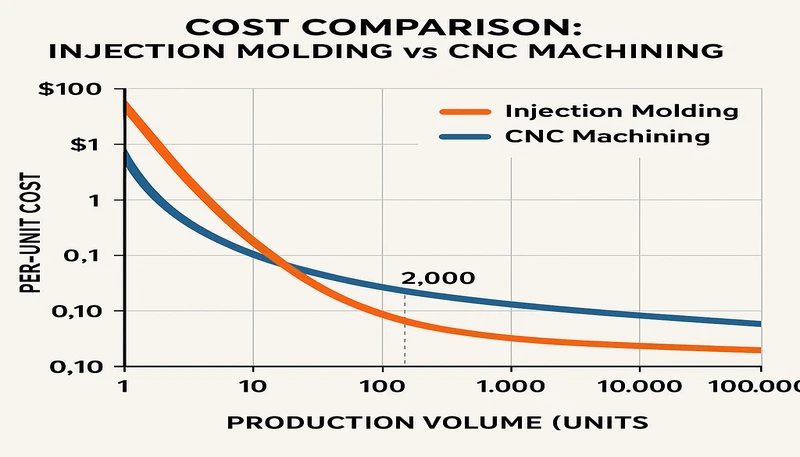
部品の複雑さにもよりますが、500〜2,000個以上の生産数量では、射出成形はほぼ常に3Dプリンティングよりも安価です。SLA 3Dプリンティングで生産すると$8.00かかる部品でも、10,000個の射出成形ではわずか$0.50になるかもしれませんが、そのためにはまず金型に$5,000〜$15,000の投資が必要です。約500個未満では、金型投資がないため、3Dプリンティングがプロジェクト総コストで優位に立ちます。2,000個以上では、射出成形が1個あたりのコストで決定的に優位に立ち、生産量が増えるほどその差は劇的に広がります。このクロスポイントは、部品のサイズ、複雑さ、材料要件によって変わります。
射出成形の最小発注数量はどれくらいですか?
射出成形には技術的な最低発注数量はありません。金型が作られていれば、必要であれば1個だけ生産することも可能です。実質的な最低数量は経済性によって決まります。金型投資総額にセットアップおよび調整コストを加え、発注部品数で割った値です。$10,000の単一キャビティ金型の場合、1,000個しか発注しないと、金型償却費だけで$10.00/個となり、これは通常採算が取れません。経験豊富な射出成形工場の多くは、1個あたりの経済性を合理的にするために、最低3,000〜5,000個の発注を推奨しています。金型コストが高い場合、推奨される最低数量は比例して増加します。
射出成形の機械時間の時間あたりのコストはどれくらいですか?
機械時間あたりの料金は地域と機械サイズによって大きく異なります。中国では、50〜100トンクラスの小型機械で約$15/時間から、1,000トン以上の大型機械で$60/時間までの範囲です。米国とヨーロッパでは、料金は通常2〜4倍高く、機械サイズ、自動化レベル、地域の労働コストによって$40〜$150/時間の範囲です。時間あたりの料金には、機械の減価償却、電力消費、作業員の賃金、施設のオーバーヘッド、定期メンテナンスが含まれます。これを部品ごとのコストに変換するには、時間あたりの料金を時間あたり生産部品数で割ります。
材料を変更することで射出成形コストを削減できますか?
はい、材料の代替は、部品形状や金型設計を変更せずに部品ごとのコストを削減する最も迅速かつ効果的な方法の一つです。一般的なダウンスペックの機会には、PC-ABSから標準ABSへの切り替えによる30〜40%の材料コスト削減、ガラス充填ナイロンから充填なしナイロンへの切り替えとリブなどの設計補強による20〜30%の節約、240度を超えない高温用途でのPEEKからPPSへの代替による80〜90%の節約があります。代替材料が引張強度、衝撃抵抗、熱限界、最終使用環境との化学的適合性などのすべての機能要件を満たすことを常に確認してください。
マルチキャビティ成形は部品ごとのコストをどのように削減しますか?
マルチキャビティ成形は、1つの機械サイクルで複数の同一部品を生産することで、部品ごとのコストを削減します。4キャビティ金型は、単一キャビティ金型とほぼ同じサイクル時間で4つの部品を生産し、部品ごとの機械コストを約75%削減します。金型自体は、追加キャビティ、加工の複雑さ、バランスされたランナー設計により、製造コストが2〜4倍高くなります。機械時間の節約が高い金型投資を上回る経済的なクロスオーバーポイントは、通常30,000〜50,000単位です。この閾値を超えると、マルチキャビティ金型は生産量が増えるにつれて、部品ごとの経済性がますます向上します。
射出成形部品の典型的なマークアップまたはマージンはどれくらいですか?
射出成形サプライヤーの典型的な粗利益率は、部品の複雑さ、市場競争、顧客関係の長さに応じて15%から35%の範囲です。複数の競合サプライヤーが存在する汎用部品は、価格競争が激しいため、15-20%の利益率になる傾向があります。独自の工程、厳しい公差、または特殊材料を必要とするカスタム設計部品は、25-35%の利益率を要求します。3年以上にわたる長期供給契約は、通常、生産量のコミットメントと顧客獲得コストの削減と引き換えに、15-25%の低い利益率になります。利益率構造を理解することで、サプライヤーを採算割れに追い込むことなく効果的に交渉できます。
まとめ:射出成形の部品単価を理解する
射出成形における部品単価は、5つの基本要素に分解できます:金型費用(生産量で償却)、材料選択、機械稼働時間、二次加工、隠れたコストです。最も大きな影響を与える要素はほぼ常に生産量であり、それはあなたの20,000ドルの金型費用が部品あたり2.00ドルになるか0.04ドルになるかを決定します。生産量に次いで、部品設計(肉厚、複雑さ、表面仕上げ)と材料選択が次の大きな節約機会を提供します。
最良の部品単価を提示する工場は、樹脂価格だけでなく、コスト構造全体の最適化を支援する工場です。サプライヤーがDFMフィードバック、代替材料、数量別価格を提示しないなら、節約機会を逃しています。金型発注前に射出成形サプライヤー調達ガイドを使い、見積り品質、生産能力、商業リスクを比較してください。適切な工場、材料、数量で良好に設計した金型は、製品競争力を高める価格で部品を供給できます。
金型製作:射出成形に使用する金属金型を設計・製造する工程を指します。金型製作費には、キャビティ加工、コア製作、冷却水路の穴加工、突出し機構の設置、表面仕上げが含まれます。金型費は総生産量にわたり償却され、部品単価の経済性を左右する重要指標です。↩
サイクルタイム:型閉じ、射出、保持、冷却、型開き、突出しまで、1回の射出成形サイクルを完了するのに必要な総時間を指します。一般的なサイクルタイムは、小型で単純な部品の10秒から大型で複雑な部品の120秒までです。↩
金型キャビティ:射出成形金型内で最終部品形状を形成する空洞部を指します。1個取り金型は1サイクルで1個、多個取り金型は複数の同一部品を生産します。キャビティ数を増やすと、サイクル時間と成形機コストを多くの部品に分散して部品単価を下げられますが、金型投資は増えます。↩