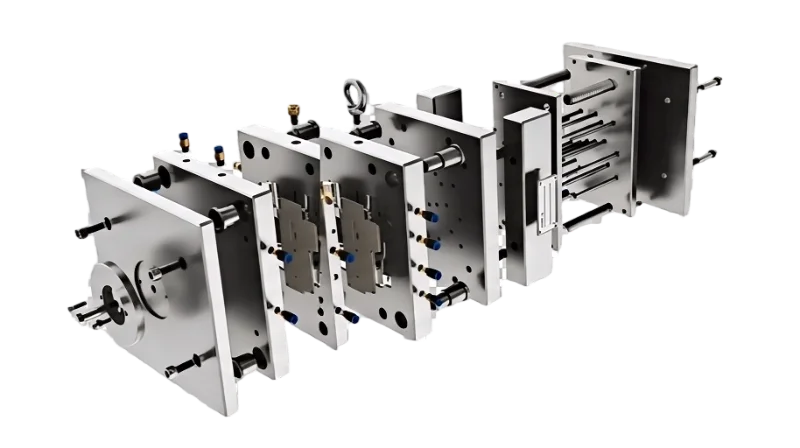
Формовочный уклон1 — важнейший геометрический параметр, ошибка в котором особенно дорого обходится при проектировании формы. При этом её легко исправить, если обнаружить до обработки стали. Правильный уклон обеспечивает чистое извлечение деталей без царапин, следов волочения и деформации и напрямую влияет на время цикла, ресурс формы и качество деталей.
В серийном производстве формовочные уклоны обычно составляют от 1° до 3° с каждой стороны, но точное значение зависит от материала, качества поверхности, геометрии детали и требований к текстуре. Для полированной детали из PE может быть достаточно 0.5°, а для текстурированного нейлонового компонента может потребоваться 3° или более.
Это руководство разбирает факторы уклона, дает справочные значения по материалам и реальные примеры нашего производства. Проектируете ли вы первую форму или устраняете проблемы выталкивания в существующей, приведенные принципы помогут сделать это правильно.
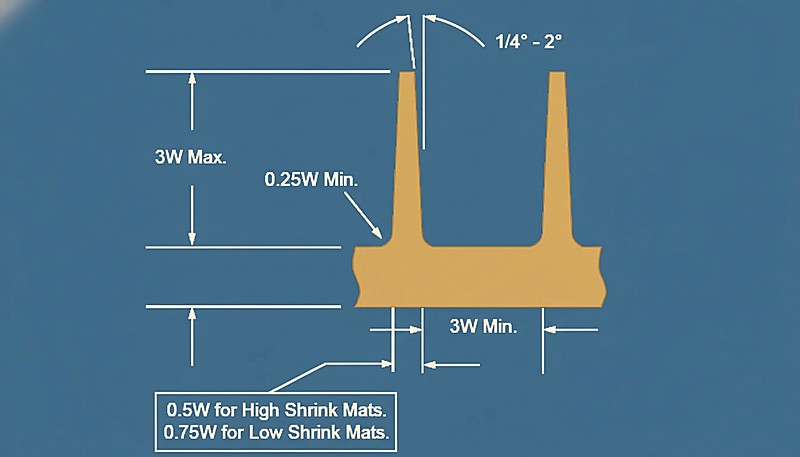 литьевая форма3Схема угла уклона для литья под давлением" class="wp-image-53346 size-full" style="max-width:100%;height:auto;" />
"Уклоны снижают усилие извлечения при литье под давлением."True
Правильный угол осадки минимизирует трение между деталью и пресс-формой, делая выталкивание более плавным и предотвращая повреждения.
"Все детали, изготовленные литьём под давлением, требуют угла уклона."False
Хотя большинство деталей выигрывают от углов осадки, некоторые материалы с низким коэффициентом трения или гибкие конструкции могут обеспечить нулевую или минимальную осадку.
Что такое Определение и важность чернового угла?
Если вы сравниваете поставщиков или планируете закупку, наше руководство по поиску поставщиков литья под давлением охватывает подготовку запроса предложения, квалификационную оценку и проверку коммерческих рисков.
Углы вытяжки играют важную роль при литье под давлением, обеспечивая плавное выталкивание деталей и предотвращая повреждение формы или конечного продукта.
Угол осадки - это небольшая конусность формованных деталей для облегчения извлечения из формы, предотвращения дефектов, уменьшения силы выталкивания и продления срока службы формы. Обычно он составляет от 1 до 3 градусов.
- Для большинства деталей, изготовленных литьем под давлением, стандартны уклоны 1–3°; конкретные значения зависят от материала, текстуры и геометрии.
- Недостаточный уклон вызывает дефекты при выталкивании (царапины, деформацию), а чрезмерный уклон ухудшает стабильность размеров.
- Обработка поверхности, включая полирование и хромирование, снижает трение и позволяет уменьшить углы уклона.
- Моделирование CAD и FEA помогает оптимизировать углы уклона до инвестиций в оснастку.
- Правильно спроектированные формовочные уклоны продлевают срок службы пресс-формы и снижают производственные затраты.
Определение чернового угла
Угол вытяжки - это угол между полостью или сердцевиной пресс-формы и направлением раскрытия пресс-формы, то есть наклон стенки пресс-формы к направлению раскрытия. Этот угол облегчает извлечение пластмассовой детали из формы, не опасаясь ее повреждения или деформации.
Важность угла наклона черновика
Правильно спроектированный угол уклона предотвращает царапины и деформацию изделий при извлечении, улучшая отделку поверхности и точность. Кроме того, правильный угол уклона способен увеличить срок службы формы и снизить производственные расходы. Слишком малый угол создает высокое сопротивление извлечению, вызывающее царапины или деформацию пластиковой детали; слишком большой влияет на размерную стабильность и срок службы формы. Поэтому рациональный угол уклона повышает качество и эффективность производства.
Какие факторы влияют на конструкцию чернового угла?
Правильный угол уклона нельзя взять из одной справочной таблицы: он определяется балансом нескольких взаимосвязанных переменных. По нашему опыту, четыре приведенных ниже фактора определяют 90% решений по углу уклона.
Тип материала обычно является первым фактором, который учитывают инженеры, однако качество поверхности, конструкция детали, точность пресс-формы и параметры процесса также играют важную роль. Ниже каждый фактор рассматривается с конкретными рекомендациями.
Материал пластик
Различные пластмассы имеют разную усадку и по-разному удерживаются на пресс-форме. В таблице ниже приведены рекомендуемые диапазоны углов формовочного уклона для распространенных материалов литья под давлением:
| Материал | Рекомендуемый угол уклона | Примечания |
|---|---|---|
| Полиэтилен (ПЭ) | от 0.5° до 1.5° | Низкая усадка, скользкая поверхность — требуется минимальный уклон |
| Полипропилен (PP) | От 1° до 2° | Полукристаллический материал, умеренная усадка |
| Полистирол (PS) | от 0.5° до 1.5° | Аморфный, с низкой усадкой, жесткий |
| ABS | От 1° до 2° | Аморфный, хорошие характеристики извлечения из формы |
| Нейлон (PA6/PA66) | 2° до 3° | Высокая усадка, сильное прилипание к пресс-форме |
Структура продукта
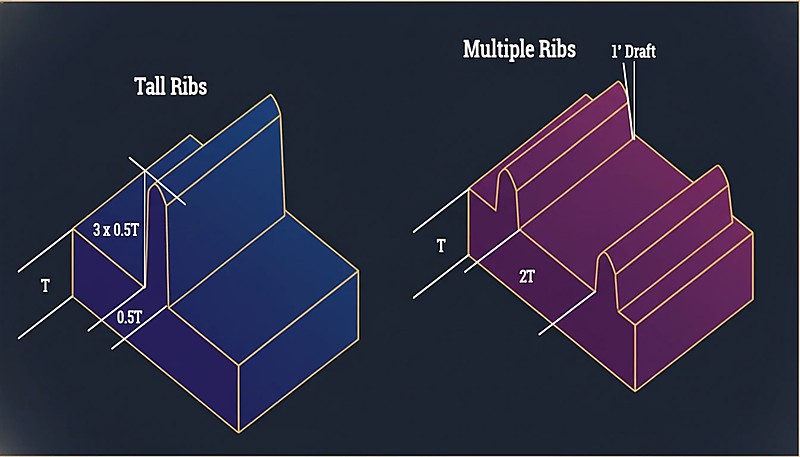
На угол вытяжки также влияют форма и структура изделия. Следует отметить, что изделия сложной формы и с неравномерной толщиной стенок должны иметь больший угол вытяжки для облегчения расформовки. Например, детали со сложными геометрическими характеристиками или микроособенностями, такими как внутренние ребра, будут создавать большое сопротивление при формовании, поэтому угол вытяжки должен быть увеличен.
Точность обработки пресс-форм
Чем выше точность обработки пресс-формы и гладкость поверхности, тем меньше требуемый уклон. Если поверхность пресс-формы шероховатая, уклон следует увеличить для снижения усилия извлечения. Смазка, высокоточная обработка и такие виды обработки поверхности, как полирование и хромирование, помогают уменьшить трение и повысить эффективность извлечения.
Параметры процесса инжекции
Другие параметры процесса — давление, температура и скорость впрыска — также влияют на проектирование уклона. Более высокие давление и температура могут увеличить усадку пластиковой детали и потребовать большего уклона. Изменение условий влияет на течение и затвердевание материала, поэтому эти факторы необходимо учитывать при проектировании.
Каковы основные принципы проектирования углов?
На нашем заводе в Шанхае работают 47 термопластавтоматов с усилием смыкания от 90T до 1850T и собственный цех изготовления пресс-форм. Проблемы с углами уклона входят в число наиболее частых дефектов оснастки; правильное решение на стадии проектирования экономит недели доработок и тысячи на оснастке.
Принципы правильного проектирования уклонов просты, но требуют профессионального суждения. Ниже приведены рекомендации, которыми руководствуются наши инженеры по оснастке при проектировании новой пресс-формы.
Основной принцип прост: добавьте достаточный уклон, чтобы деталь извлекалась без чрезмерного усилия, но не настолько большой, чтобы ухудшить размеры или увеличить расход материала. Приведенные ниже рекомендации помогают найти этот баланс.
Выберите угол наклона в зависимости от типа пластика
Вместо повторения цифр рассмотрим основную логику: материалам с низкой усадкой и низким трением, таким как PE и PP, нужен меньший уклон, поскольку они легко извлекаются. Материалам с высокой усадкой и склонностью к прилипанию, таким как нейлон и стеклонаполненные компаунды, требуется больший уклон. Практическое руководство по выбору:
Учитывайте толщину и форму стенок изделия
Чем больше усадка толстостенных изделий, тем больший угол вытяжки требуется. Изделия сложной формы, например, с внутренней резьбой или канавками, также требуют увеличения угла вытяжки.
Обеспечение гладкой поверхности формы
Улучшение качества поверхности пресс-формы определенно поможет минимизировать сопротивление выталкиванию, а значит, уменьшит угол осадки, который требуется в процессе формовки. Обычно используются такие методы, как полировка и хромирование.
Обеспечение разумных параметров процесса инъекции
При проектировании угла осадки следует учитывать необходимые параметры процесса впрыска, чтобы гарантировать соответствие конструкции пресс-формы процессу впрыска. Например, снижение давления и температуры впрыска уменьшит скорость усадки проектируемой пластиковой детали и, в свою очередь, улучшит конструкцию угла осадки.
Какова связь между углом осадки и сроком службы пресс-формы?
Связь между уклоном и ресурсом формы определяется функцией, ограничениями и компромиссами данного раздела. Каждый цикл выталкивания нагружает поверхность формы. Недостаточный уклон увеличивает трение между охлаждающимся пластиком и стальным гнездом, ускоряет износ, сокращает ресурс оснастки и повышает затраты на обслуживание.
Углы вытяжки уменьшают трение при выталкивании деталей, минимизируя нагрузку на пресс-форму и предотвращая прилипание и повреждения. Правильно подобранные углы продлевают срок службы пресс-формы, повышают эффективность и снижают производственные затраты за счет уменьшения потребности в техническом обслуживании и предотвращения раннего выхода из строя пресс-формы.
Разумный угол вытяжки может не только влиять на качество пластиковых деталей, но и непосредственно на срок службы пресс-формы. Если угол вытяжки слишком мал, возникает большое трение между пластиковой деталью и пресс-формой, что приводит к износу поверхности; если угол вытяжки слишком велик, это влияет на размеры изделия. Таким образом, угловые конструкции, необходимые для осадки, определяют тип материала, используемого в пресс-форме, вид необходимой обработки поверхности и другие факторы, которые обеспечивают более длительный срок службы пресс-формы и повышение ее эффективности.
"Большие углы формовочного уклона продлевают срок службы пресс-формы за счёт снижения трения."True
Увеличенные углы осадки позволяют легче отделять детали, снижая механические нагрузки и продлевая срок службы пресс-формы.
"Уклоны не нужны при литье под давлением."False
Без углов осадки детали могут прилипать к пресс-форме, вызывая дефекты, повышенный износ и частое обслуживание, что в конечном итоге сокращает срок службы пресс-формы.
Какие существуют методы оптимизации угла наклона?
Методы оптимизации уклона — это основные категории или варианты, рассмотренные в данном разделе. Современная оптимизация уклона основана на сочетании анализа CAD, моделирования и проверки в производстве. Наилучший результат даёт совместное применение всех трёх методов, а не ставка на один из них.
Оптимизация угла черновой обработки позволяет регулировать углы с учетом материала, толщины и геометрии, обычно 1-3 градуса. Для текстурированных поверхностей требуется больше. Правильно подобранные углы улучшают отрыв формы, снижают износ и повышают долговечность.
Компьютерное проектирование (CAD)
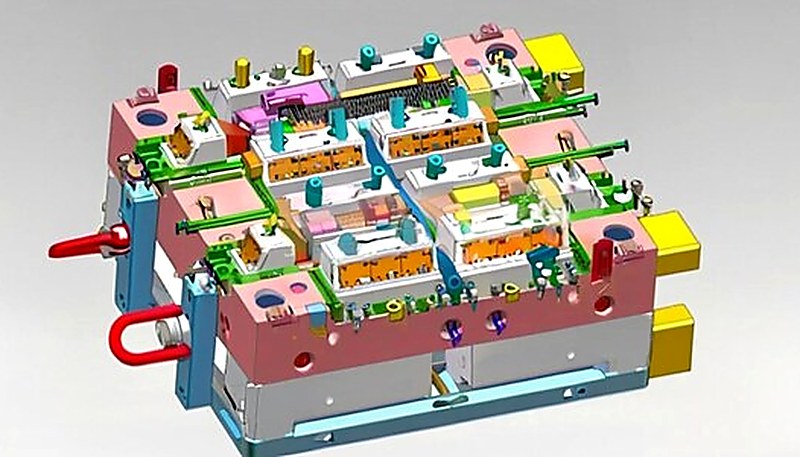
Программное обеспечение CAD позволяет точно рассчитать и смоделировать углы вытяжки для литьевых форм. Предварительный расчет и моделирование идеальных углов позволяет снизить вероятность “слепого” проектирования и тем самым повысить эффективность конструкции. Например, при использовании программного обеспечения для анализа тяги можно найти и изменить места, где могут возникнуть проблемы.
Численное моделирование
Экспериментальная проверка
В реальном производстве необходимо экспериментально сравнивать влияние различных уклонов, чтобы постепенно оптимизировать угол. В ходе экспериментов рациональность уклона оценивают по усилию выталкивания и качеству поверхности изделия.
Всестороннее рассмотрение
При проектировании угла осадки необходимо учитывать характеристики материала, структуру изделия, обработку пресс-формы и параметры процесса впрыска, чтобы спроектированный угол осадки был способен щадить качество изделия и долговечность пресс-формы.
Каковы общие проблемы и решения для угла наклона литьевых форм?
В этом разделе рассмотрены основные распространенные проблемы с углами уклона пресс-форм и способы их устранения. Даже опытные инженеры-инструментальщики сталкиваются с такими проблемами во время производственных испытаний. Четыре приведенные ниже проблемы встречаются чаще всего — и, к счастью, каждую из них можно без труда устранить, если обнаружить на ранней стадии.
Сбалансированный угол осадки при формовке обеспечивает легкое извлечение деталей, предотвращает деформацию, минимизирует трудности при выталкивании и уменьшает износ формы, способствуя плавному производству и уменьшению количества дефектов.
Затрудненный выброс
Если в процессе производства возникают трудности с выталкиванием, следует измерить угол осадки, возможно, он мал. Чтобы оптимизировать отделение, угол осадки следует увеличить, а поверхность пресс-формы можно отполировать или хромировать для уменьшения трения.
Деформация изделия
Даже опытные инженеры по оснастке сталкиваются с проблемами уклонов при производственных испытаниях. Четыре приведенные ниже проблемы наиболее распространены, и каждую легко исправить при раннем выявлении.
Царапины на поверхности
Распространённые причины царапин на поверхности — недостаточный угол уклона или шероховатая поверхность пресс-формы. Проблему можно устранить, увеличив угол уклона и повысив качество поверхности формы.
Чрезмерная выталкивающая сила
Высокая сила выталкивания может быть обусловлена малым углом вытяжки и неправильным выбором параметров процесса впрыска. Усилие выталкивания можно минимизировать, изменив угол вытяжки деталей и улучшив параметры процесса впрыска, например, снизив давление и температуру впрыска.
"Неправильные углы уклона вызывают проблемы при выталкивании."True
Неправильный угол осадки может затруднить выталкивание деталей, что приведет к появлению дефектов и повышенному износу пресс-формы.
"Чрезмерные уклоны всегда лучше."False
Хотя чрезмерные углы вытяжки могут облегчить выталкивание, они могут привести к структурным недостаткам деталей и ненужным отходам материала.
Каковы практические примеры применения угла наклона литьевых форм?
В этом разделе рассматриваются основные варианты практического применения формовочного уклона в литьевых формах. Приведённые ниже случаи показывают, как корректировка формовочного уклона позволила решить реальные производственные проблемы для различных материалов и геометрий деталей. Каждый случай включает исходную конструкцию, возникшую проблему и принятое корректирующее действие.
Пример 1: Проектирование углов для полипропиленовых пластиковых деталей
Компания разработала полипропиленовую крышку с толщиной стенки 2 мм. Рекомендуемый угол вытяжки полипропилена составляет около 1,5°. На ранней стадии производства было обнаружено, что при выталкивании продукта на поверхности края остаются царапины. После увеличения угла вытяжки до 2° проблема царапин была решена, а уровень квалификации продукции повысился.
Пример 2: Проектирование углов для деталей из нейлоновой пластмассы
Для корпуса электронного изделия из нейлона (PA66) требовался уклон, учитывающий как внешнюю декоративную поверхность, так и внутренние ребра. Первоначальная конструкция имела равномерный уклон 1.5°, но при изготовлении образцов на внутренних ребрах появились следы задиров. Инженерная команда увеличила уклон со стороны пуансона до 2.5°, сохранив со стороны полости 1.5°. Такой дифференцированный уклон устранил задиры и сохранил внешний размерный допуск в пределах спецификации.
Пример 3: Проектирование углов для пластиковых деталей сложной формы
Корпус определенного бытового прибора изготовлен из материала ABS, имеет сложную структуру, множество канавок и ребер. При расчете угла вытяжки в качестве первого параметра задается начальный угол вытяжки, равный 1,5°. Во время пробного производства некоторые канавки с трудом выталкивались. Увеличение угла вытяжки канавки до 2,5° и хромирование поверхности пресс-формы позволило решить проблему выталкивания и получить идеальный продукт.
Пример 4: Корпус небольшого электронного изделия
Компания спроектировала корпус небольшого электронного изделия из ABS с первоначальным формовочным уклоном 1°. В ходе пробного производства возникли трудности с выталкиванием и царапины на поверхности, особенно вокруг рёбер. Уклон увеличили до 2°, а поверхность пресс-формы отполировали до класса SPI A-2. После изменений усилие выталкивания снизилось примерно на 40%, а качество поверхности стало соответствовать требованиям к внешнему виду без вторичной отделки.
Пример 5: автомобильный компонент
Производителю автомобильных деталей необходимо изготовить высокоточную деталь для литья под давлением из нейлонового корпуса с начальным углом осадки 2,5°. Испытания небольшой партии показали, что распалубка была затруднена, а скорость износа поверхности пресс-формы была высокой. Увеличение угла осадки до 3,5° и хромирование поверхности пресс-формы позволило решить проблему распалубки и продлить срок службы пресс-формы.
Пример 6: Пластиковая деталь бытового изделия
Завод по производству товаров повседневного спроса выпускает полипропиленовые пластиковые контейнеры с толщиной стенок 3 мм. Начальный угол вытяжки составляет 1,5°. Во время пробного производства продукт легко деформируется при расформовке. Угол вытяжки увеличивается до 2,5°, параметры процесса впрыска оптимизируются, расформовка становится плавной, а качество продукции улучшается.
"Формовочные уклоны облегчают извлечение детали и снижают количество дефектов литья."True
Углы выталкивания облегчают процесс выталкивания, уменьшая трение, что сводит к минимуму повреждение деталей и износ пресс-формы.
"Больший уклон всегда дает лучший результат."False
Хотя больший угол вытяжки может облегчить извлечение детали, слишком крутой угол может нарушить структурную целостность детали и увеличить сложность пресс-формы.
Каково будущее направление развития чернового угла литьевых форм?
Будущее уклонов формы определяется функциями, ограничениями и компромиссами. Оно развивается с моделированием, аддитивной оснасткой и новыми полимерами. Следующее поколение формируют три тенденции:
Будущие углы вытяжки литьевых форм направлены на уменьшение видимости линии раздела, улучшение разъема формы и минимизацию отходов, использование передовых разработок для повышения качества продукции и ускорения производства.
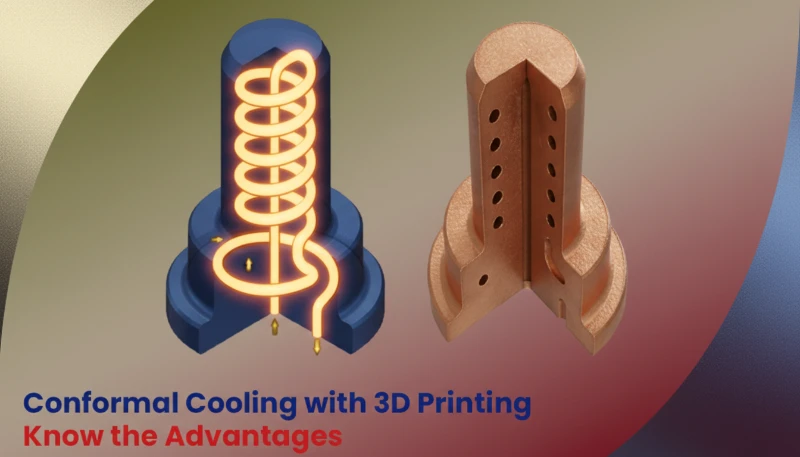
По мере развития технологий литья под давлением совершенствуются и методы проектирования формовочных уклонов. Прогресс вычислительной техники и численного моделирования позволяет рассчитывать их быстрее и точнее. Новые материалы и процессы одновременно создают новые сложности и возможности. Например, инновации в 3D-печати открывают новые способы проектирования и изготовления форм сложной геометрии.
"Углы уклона помогают уменьшить проблемы при извлечении деталей из пресс-формы."True
Углы вытяжки уменьшают трение при выталкивании, предотвращая повреждение отформованной детали и увеличивая время цикла.
«Увеличение углов уклона всегда повышает эффективность пресс-формы»False
Хотя углы вытяжки улучшают выталкивание, чрезмерно большие углы могут снизить прочность формованной детали и повлиять на эстетику дизайна.
Каковы основные выводы по проектированию углов уклона пресс-форм?
Формовочный уклон — один из важнейших, но часто упускаемых параметров проектирования пресс-форм. Правильно заданный с первого раза, он избавляет от доработки оснастки, предотвращает производственные дефекты и продлевает срок службы формы — мы ежедневно наблюдаем это в своём цехе.
Ключ к успешной стратегии угла конусности — баланс между поведением материала, требованиями к чистоте поверхности и геометрией детали. Стандартные диапазоны, такие как 1–2° для PE/PP и 2–3° для нейлона, дают отправную точку, но каждая деталь уникальна. Вот почему анализ конусности в CAD в сочетании с производственными испытаниями остается золотым стандартом для оптимизации. Если вы не уверены, с чего начать, большинство инженеров-технологов рекомендуют начинать с 1,5° с каждой стороны для полированных поверхностей и добавлять 1° на каждые 0,25 мм глубины текстуры.
| Область принятия решений | Что следует проверить |
|---|---|
| Выбор материала | Согласуйте уклон с усадкой смолы: низкая усадка (ПЭ/ПП) 0,5-2°, высокая усадка (нейлон/стекловолокно) 2-3° |
| Отделка поверхности | Полированные поверхности требуют меньшего угла конусности; добавляйте 1° на каждые 0,25 мм глубины текстуры |
| Геометрия деталей | Глубокие вытяжки, ребра и поднутрения увеличивают требуемый угол конусности |
| Окно процесса | Более высокое давление/температура впрыска увеличивает усадку — планируйте соответственно |
Нужно коммерческое предложение для вашего проекта литья под давлением?
Получите конкурентную цену, рекомендации DFM и график производства от инженерной команды ZetarMold.
Запросить бесплатное предложение →
Часто задаваемые вопросы о формовочном уклоне при литье под давлением
Какой стандартный угол уклона для литья под давлением?
Стандартный угол уклона для большинства литьевых деталей составляет от 1 до 3 градусов на сторону. Для полированных поверхностей формы с материалами низкой усадки, такими как ПЭ или ПП, может быть достаточно 0,5–1,5 градусов. Для текстурированных поверхностей обычно требуется дополнительный 1 градус уклона на каждые 0,25 мм глубины текстуры. На практике надежным подходом является начать с 1,5 градусов на сторону и корректировать на основе испытаний материала. Для деталей с глубокой вытяжкой более 100 мм большинство инженеров увеличивают стандартный уклон до 2–3 градусов, чтобы учесть большую площадь контакта поверхности при извлечении.
Влияет ли угол конусности на размеры детали?
Да, угол конусности напрямую изменяет поперечный размер детали сверху вниз. Для стенки высотой 50 мм с конусностью 2 градуса с каждой стороны разница между верхом и низом этой стенки составляет примерно 1,75 мм с каждой стороны, что рассчитывается как 2, умноженное на тангенс угла конусности, умноженное на высоту стенки. Инженеры должны учитывать эту конусность в расчетах накопления допусков, особенно для деталей, которые сопрягаются или собираются с другими компонентами. В прецизионных применениях размерное изменение, вызванное конусностью, может занять значительную часть доступного диапазона допусков, поэтому его необходимо планировать с самых ранних этапов проектирования детали.
Можно ли лить под давлением без уклона?
Технически да, но это почти никогда не рекомендуется для серийного производства. Без уклона усилие извлечения резко возрастает, вызывая поверхностные царапины, деформацию детали и ускоренный износ пресс-формы. Некоторые гибкие материалы, такие как ПЭВП или резиноподобные ТПЭ, могут допускать почти нулевой уклон на неглубоких геометриях, так как материал растягивается при извлечении, но даже в этом случае минимальный уклон 0,5 градуса на сторону является стандартной практикой для надежного производства. Для жестких материалов, таких как АБС или поликарбонат, попытка литья без уклона на вертикальных поверхностях почти всегда приводит к следам волочения и повышенному проценту брака, что перевешивает любые предполагаемые преимущества конструкции.
Как текстура поверхности влияет на требования к углу уклона?
Текстурированные поверхности формы создают механическое сцепление между пластиком и стенкой формы, значительно увеличивая сопротивление извлечению. Общее эмпирическое правило — добавлять 1 градус конусности на каждые 0,25 мм глубины текстуры. Например, для мелкой текстуры под кожу глубиной 0,5 мм на детали, которой обычно требуется 1 градус конусности, теперь потребуется не менее 3 градусов с каждой стороны для чистого извлечения без следов задиров. Это один из наиболее часто недооцениваемых факторов, которые мы видим при анализе проектов форм, и неучет глубины текстуры на этапе проектирования часто приводит к дорогостоящей переделке формы после первых пробных отливок.
Что произойдет, если угол уклона слишком велик?
Чрезмерный угол уклона приводит к перерасходу материала, неравномерному утолщению стенок детали и может создавать проблемы с посадкой при сборке многокомпонентных изделий. Это также уменьшает полезный объем полости и может потребовать перепроектирования сопрягаемых элементов для компенсации увеличенной конусности. В крайних случаях, избыточный угол уклона может вызвать коробление детали при охлаждении из-за неравномерного распределения толщины стенок. Большинство инженеров считают угол более 5 градусов на сторону излишним для стандартных деталей и оставляют большие углы только для глубокой вытяжки или сильно текстурированных поверхностей. Ключевой момент — найти минимальный уклон, обеспечивающий надежное извлечение без ущерба для функциональных требований детали.
Одинаков ли угол конусности для сердечника и полости?
Не всегда. На стороне пуансона, формирующей внутреннюю поверхность детали, часто требуется больший уклон, чем на стороне матрицы: при охлаждении пластик усаживается на пуансон, повышая трение и усилие выталкивания. Обычно уклон со стороны пуансона делают на 0,5–1 градус больше. Разница особенно важна для глубоких деталей и материалов с высокой усадкой, например нейлона и стеклонаполненных компаундов. Для неглубоких толстостенных деталей она может быть несущественной, но это всегда следует проверять при анализе конструкции формы. Дополнительные сведения приведены в нашем полном руководстве по литью под давлением.
Формовочный уклон: наклон вертикальных поверхностей формы, облегчающий извлечение детали; обычно измеряется в градусах относительно направления раскрытия формы. ↩
Литьё под давлением: производственный процесс, при котором расплавленный полимер под высоким давлением впрыскивается в полость формы, охлаждается, а затвердевшая деталь извлекается в рамках повторяющегося цикла. ↩
Пресс-форма: прецизионный стальной инструмент, определяющий геометрию и качество поверхности детали, режим охлаждения и извлечение в цикле литья под давлением. ↩