- Охлаждение составляет 50-70% от общего времени цикла литья под давлением; его оптимизация – самый быстрый способ снизить затраты.
- Шесть основных типов охлаждающих каналов: прямолинейные, перегородки, барботажные, спиральные, конформные и тепловые штифты.
- Водяное охлаждение при температуре 10-25°C является отраслевым стандартом для большинства термопластов; масляное охлаждение используется выше 80°C.
- Конформные каналы охлаждения сокращают время цикла на 20-35% по сравнению с традиционными прямыми каналами.
- Диаметр канала, шаг и расстояние от стенки полости напрямую определяют равномерность охлаждения и риск коробления.
- На нашем заводе мы используем анализ потока в форме для каждой новой пресс-формы, чтобы проверить равномерность температуры до обработки стали.
Что такое система охлаждения пресс-формы?
Система охлаждения литьевой пресс-формы — это сеть каналов, проходов и устройств терморегулирования, выполненных в пресс-форме для отвода тепла от расплавленного пластика после впрыска. Она сокращает время цикла1 на 50–70 % и обеспечивает точность размеров. Без правильно спроектированного охлаждения детали коробятся, появляются утяжины, а производительность резко падает. Система охлаждения — не второстепенная деталь: именно она определяет, будет пресс-форма приносить прибыль или убытки.
Охлаждение работает за счёт циркуляции терморегулируемой среды – чаще всего воды температурой 10-25°C – через каналы, просверленные или напечатанные в плитах формы, окружающих полость. Тепло от расплавленного пластика (впрыскиваемого при температуре 180-320°C в зависимости от материала) передаётся в охлаждающую жидкость, которая уносит его к внешнему чиллеру или градирне. Деталь достигает температуры извлечения (обычно на 40-80°C ниже температуры стеклования материала) и удаляется.
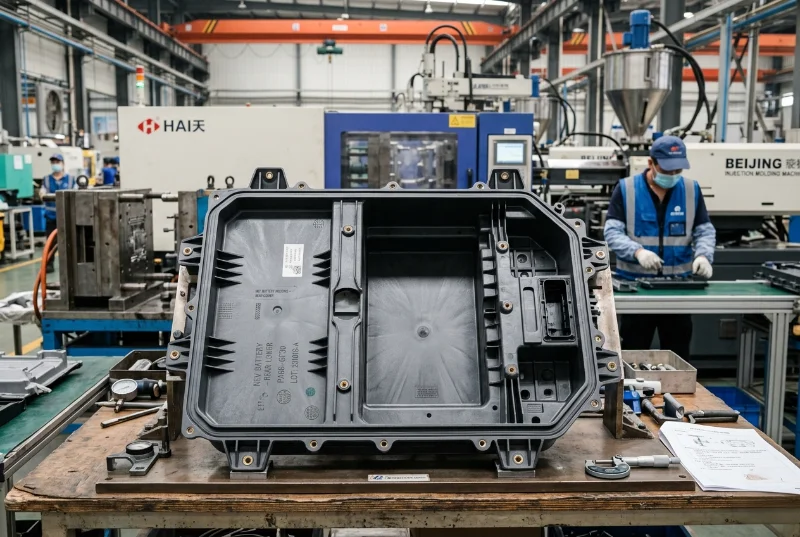
На нашем заводе в Китае работают 47 термопластавтоматов в 3 цехах. Для каждой создаваемой пресс-формы во время анализа DFM2 мы разрабатываем отдельную схему контуров охлаждения, а до обработки стали выполняем анализ течения расплава3, чтобы смоделировать распределение температуры. Благодаря такой дисциплине более 92 % изделий получают одобрение с первой попытки.
Почему важен дизайн системы охлаждения: цифры
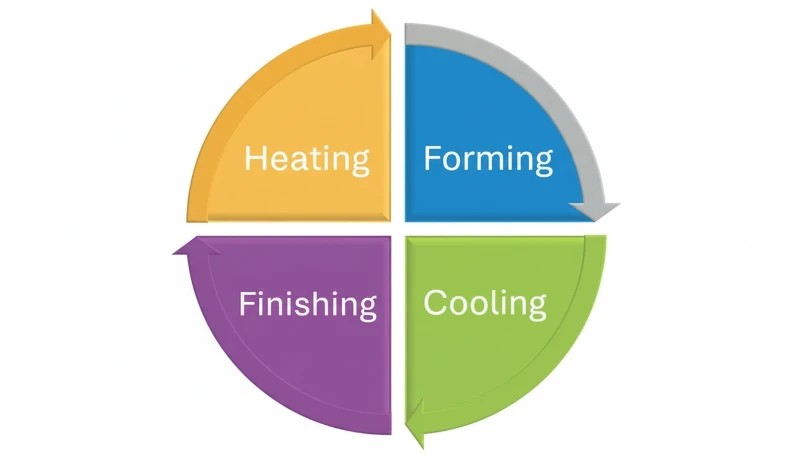
Фаза охлаждения составляет 50–70% общего времени цикла при стандартном литье термопластов под давлением. Сокращение времени охлаждения на 10 секунд при 30-секундном цикле означает увеличение производительности на 33% — производство на сотни тысяч деталей в год больше на том же оборудовании без капитальных вложений. Это оптимизация с самой высокой рентабельностью инвестиций в литье под давлением.
Плохая конструкция охлаждения создает пять взаимосвязанных проблем: коробление и отклонение размеров из-за неравномерных температурных градиентов свыше 5°C на поверхности полости; утяжины из-за недостаточного времени охлаждения, ведущего к преждевременному выталкиванию; внутренние остаточные напряжения из-за быстрого или неравномерного отверждения; поверхностные дефекты, включая различие в глянце и побеление; увеличенное время цикла из-за консервативных настроек охлаждения для компенсации плохого размещения каналов.
Все пять проблем стоят денег – будь то через брак, переделку, медленные циклы или проваленные проверки заказчика. По нашему опыту анализа сотен проектов форм, плохой дизайн охлаждения является наиболее частой первопричиной брака первых образцов. Клиенты часто приписывают неудачи материалу или настройкам машины, когда настоящая причина – охлаждающий контур, который никогда не был правильно спроектирован.
| Параметр | Плохое охлаждение | Оптимизированное охлаждение | Улучшение |
|---|---|---|---|
| Время цикла | 35 сек | 22 сек | -37% |
| Равномерность температуры | >10°C разница | перепад <3°C | в 3 раза лучше |
| Деформация (типичная деталь из ABS) | 0.8 mm | 0.15 мм | сокращение на 81% |
| Глубина утяжины | 0.3 mm | <0.05 mm | В 6 раз лучше |
| Годовая производительность (1 гнездо) | 825 000 выстрелов | 1 310 000 выстрелов | +59% |
Эти показатели получены на основе внутренних сравнительных данных нашей инженерной команды по 200+ проектам пресс-форм. Точные значения зависят от материала, толщины стенки и геометрии детали, однако общая зависимость неизменна: каждая сэкономленная секунда охлаждения напрямую снижает затраты и увеличивает производственную мощность.
6 типов систем охлаждения литьевых форм
В литьевых формах используются шесть основных конфигураций охлаждающих каналов, каждая из которых подходит для разных геометрий деталей, требований к точности и бюджетных ограничений. Понимание того, когда использовать каждый тип, является основой проектирования форм.
1. Прямолинейные охлаждающие каналы
Прямолинейные (или просверленные) охлаждающие каналы являются стандартом для плоских или простых по геометрии деталей. Они создаются путем сверления отверстий диаметром 6–14 мм в плитах формы в виде сетки или параллельного рисунка. Расстояние от канала до полости обычно составляет 15–25 мм для форм из стали P20, при минимальной толщине стенки до поверхности полости в 1,5 раза больше диаметра канала. Скорость потока охлаждающей жидкости должна обеспечивать турбулентный поток (число Рейнольдса выше 10 000), который передает тепло в 3–5 раз эффективнее, чем ламинарный поток.
Прямые каналы — самый экономически эффективный вариант: стоимость сверления одного контура составляет 50–200 долларов против 500–5000 долларов за конформные каналы. Они полностью подходят для плоских крышек, панелей, корпусов с равномерной толщиной стенки и стандартных деталей. Их ограничение — геометрическое: они не могут повторять изогнутые или сложные поверхности полости, оставляя горячие точки в углах и ребрах, где канал по необходимости находится дальше от стенки полости.
2. Охлаждение с помощью перегородок (баффлов)
Перегородки (баффлы) — это тонкие металлические пластины, вставленные в просверленные каналы, которые заставляют охлаждающую жидкость течь вниз по одной стороне и возвращаться вверх по другой, превращая одно прямое отверстие в U-образный путь потока. Они используются в узких сердечниках, штифтах и областях, где нельзя просверлить два параллельных канала рядом. Типичная перегородка удваивает площадь охлаждающей поверхности в ограниченной зоне без необходимости в дополнительных портах каналов.
Эффективность перегородки зависит от зазора пластины (0,05–0,15 мм с каждой стороны) и скорости потока охлаждающей жидкости. Мы обычно применяем перегородки для сердечников диаметром от 16 до 40 мм. Для диаметров менее 16 мм более эффективны тепловые штифты или барботажные охладители; для диаметров более 40 мм предпочтительным вариантом становятся спиральные каналы. Именно сочетание геометрии перегородки и правильной скорости потока определяет разницу между адекватным и превосходным охлаждением сердечника.
3. Барботажное охлаждение
Барботажные охладители (также называемые фонтанирующим охлаждением) используют внутреннюю трубку малого диаметра, вставленную в глухое отверстие: охлаждающая жидкость течет вниз по внутренней трубке и возвращается вверх по кольцевому зазору между трубкой и стенкой отверстия. Это создает эффект распыления на кончике сердечника — самой горячей зоне — достигая очень высоких локальных коэффициентов теплопередачи. Барботажные охладители являются стандартом для сердечников диаметром менее 16 мм и глубоких штифтовых элементов с соотношением сторон выше 4:1.
В нашем цехе мы используем барботажные охладители на каждом штифте сердечника высотой более 25 мм, независимо от диаметра. Дополнительные затраты на обработку в размере 30–80 долларов за порт барботажного охладителя неизменно окупаются за счет сокращения времени цикла при испытании формы. Для сердечников, слишком маленьких для барботажных охладителей, вставки из бериллиевой меди обеспечивают пассивную теплопроводность к ближайшим водяным каналам.
4. Спиральные (винтовые) охлаждающие каналы
Спиральные охлаждающие каналы обвивают цилиндрические сердечники или круглые полости по винтовой траектории, обеспечивая равномерное охлаждение на 360 градусов элемента. Для резьбовых крышек, круглых контейнеров, медицинских флаконов и любых деталей с осевой симметрией спиральные каналы снижают разницу между пиковой и средней температурой с более чем 8 градусов Цельсия (при прямых каналах) до менее чем 2 градусов Цельсия.
Шаг и угол подъема настраиваются под скорость потока охлаждающей жидкости — обычно шаг 4–8 мм с углом спирали 45 градусов для водяного охлаждения. Спиральные вставки могут быть изготовлены как отдельные компоненты и запрессованы в сердечники формы, что делает их заменяемыми при износе или когда изменение геометрии требует перепроектирования.
5. Конформные охлаждающие каналы
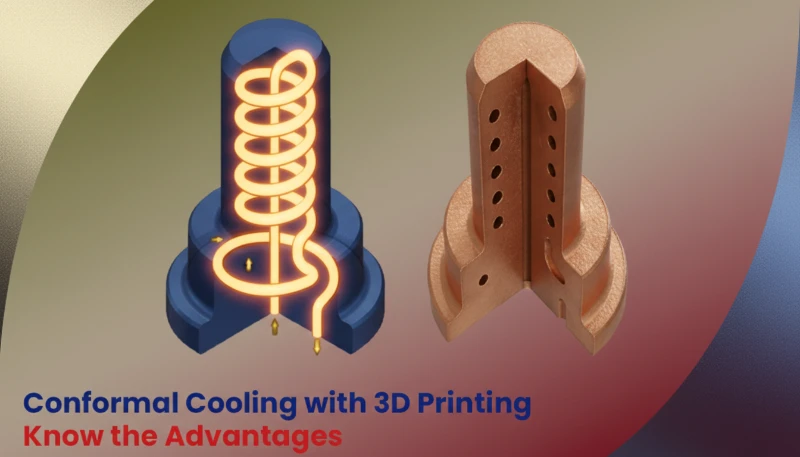
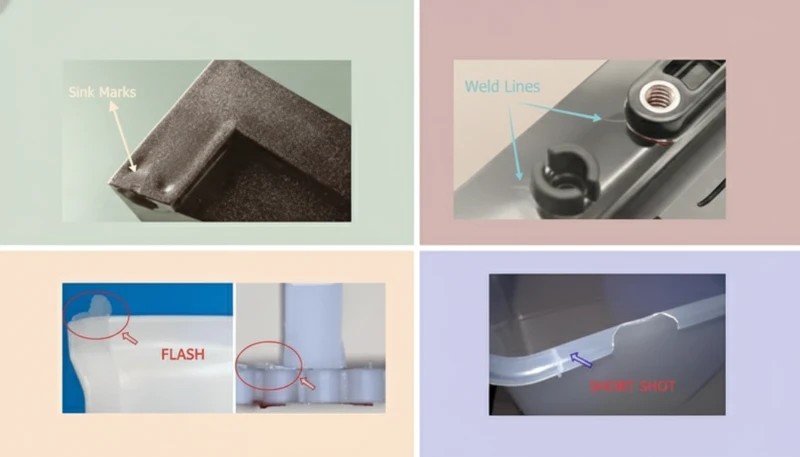
Каналы конформного охлаждения4 повторяют точный трёхмерный контур стенки полости пресс-формы на равномерном расстоянии, обычно 5–12 мм, что стало возможным благодаря аддитивному производству из металла (DMLS или SLM). Обычные сверлёные каналы оставляют горячие зоны на криволинейных поверхностях и в острых углах, тогда как конформные каналы по всей поверхности выдерживают расстояние от полости с точностью ±1 мм, сокращая цикл на 20–35 % и обеспечивая значительно более равномерное охлаждение.
Компромисс заключается в стоимости и сроках: вставка с конформным охлаждением, изготовленная методом DMLS из инструментальной стали H13, стоит $3,000-15,000 против $500-2,000 за вставку традиционной механической обработки. Для крупносерийных деталей безубыточность обычно достигается при 50,000-100,000 впрысков, когда сокращение цикла обеспечивает экономию машинного времени, превышающую наценку за оснастку. При крупносерийном выпуске медицинских изделий, автомобильной отделки и бытовой электроники конформное охлаждение является стандартной практикой.
6. Тепловые штифты и тепловые трубки
Тепловые штифты (тепловые трубки) — герметичные компоненты из меди или бериллиевой бронзы, заполненные фазопереходной жидкостью. Они пассивно передают тепло от горячих зон — острых углов, ребер и тонких элементов — к охлаждаемому водой теплоотводу без активного потока хладагента. Теплопроводность тепловых трубок достигает 10,000-100,000 W/m·K по сравнению с 20-50 W/m·K для стали P20.
Тепловые штифты оптимальны для элементов, слишком малых или недоступных для активных каналов охлаждения, например рёбер шириной менее 3 mm или зон выталкивателей. Они не требуют подключения трубопроводов и могут устанавливаться в существующие формы без значительной доработки. На нашем заводе тепловые штифты устранили утяжины в горячих точках нескольких форм для медицинских изделий, где рёбра невозможно было охладить иным способом.
Сравнение охлаждающих сред: вода, масло и воздух
Выбор охлаждающей среды — воды, масла или воздуха — определяет теплопередающую способность, диапазон рабочих температур, требования к обслуживанию и стоимость. Каждая среда подходит для определённого диапазона температур пресс-формы, а неправильный выбор вызывает проблемы качества, первопричину которых бывает неожиданно трудно установить.
| Средний | Диапазон температур | Теплопередача | Лучшее для | Техническое обслуживание |
|---|---|---|---|---|
| Вода (охлаждённая) | 10-60°C | Высокий (3,000-10,000 W/m2K) | Большинство термопластов (PE, PP, ABS, PC) | Контроль накипи и коррозии |
| Вода (градирня) | 25-35°C | Высокий | Массовые типовые детали | Контроль водорослей и минеральных отложений |
| Масло (теплоноситель) | 60-200°C | Средний (500-2,000 W/m2K) | Высокотемпературные материалы (PEI, PEEK, PPS) | Замена жидкости каждые 12 месяцев |
| Воздух | Окружающая среда | Низкая (50-200 W/m2K) | Тонкие стенки, эластомеры, вспененные детали | Минимальное — только очистка фильтра |
| Бериллиевая медь | Пассивный | Очень высокая (теплопроводность) | Тонкие рёбра, микроэлементы | Нет |
На нашем заводе 90% форм охлаждаются водой при 15-25 градусах C в замкнутой чиллерной системе. Для инженерных смол, перерабатываемых выше 120 градусов C (PEI, PEEK, PPS, POM), применяются масляные контуры, поддерживающие температуру формы 80-160 градусов C. Воздушное охлаждение используется для простых силиконовых и тонкостенных вспененных изделий, где близость водяных каналов вызвала бы конденсат.
Управление химическим составом воды — критически важный, но часто упускаемый аспект охлаждения пресс-формы. Во всех производственных контурах чиллеров мы используем деионизированную воду с pH 7-8 и комплексом ингибиторов коррозии. Водопроводная вода вызывает постепенное образование накипи, которое снижает теплообмен на 15-25% на каждый миллиметр отложений. Это незаметное ухудшение характеристик проявляется постепенным увеличением длительности цикла за 12-18 месяцев производства.
Верно или неверно: мифы об охлаждении пресс-формы при литье под давлением
"Время охлаждения составляет более половины общей продолжительности цикла литья под давлением."True
В большинстве стандартных применений термопластов охлаждение занимает 50-70% общего времени цикла. Типичный 30-секундный цикл распределяется так: впрыск 3-5 sec, подпитка/выдержка 5-8 sec, охлаждение 15-22 sec, извлечение/открытие формы 3-5 sec. Оптимизация охлаждения — самое эффективное действие для сокращения цикла. Даже повышение эффективности охлаждения на 20% при 20-секундном окне экономит 4 секунды — сокращение цикла на 13% без других изменений.
"Более холодная вода всегда обеспечивает более быстрое и качественное охлаждение литьевой формы."False
Понижение температуры охлаждающей жидкости ниже точки росы вызывает конденсацию на поверхности формы: образуются капли воды, которые переносятся на поверхность деталей в виде косметических дефектов, ускоряют коррозию формы и вызывают недоливы. Для гигроскопичных материалов, таких как нейлон и ABS, температура формы должна оставаться выше 15 degrees C, чтобы предотвратить дефекты из-за влаги. Оптимальная температура охлаждающей жидкости зависит от материала, толщины стенки, влажности окружающей среды и требований к отделке поверхности, а не просто от минимально достижимой температуры.
Два принципа — преобладающее влияние охлаждения на время цикла и необходимость тщательного контроля температуры теплоносителя — составляют основу эффективного проектирования системы охлаждения литьевой пресс-формы. Непонимание любого из них приводит к потере машинного времени или дефектам внешнего вида, из-за которых продукция не проходит контроль заказчика. Следующие два мифа касаются более сложных решений по динамике потока теплоносителя и выбору технологии охлаждения. На практике оба часто применяют неверно: инженеры либо считают ламинарный поток неизбежным, либо инвестируют в конформное охлаждение деталей, для которых повышенные затраты не оправданы. Правильный анализ экономит время и деньги.
"Турбулентный поток охлаждающей жидкости передает тепло значительно эффективнее ламинарного."True
Турбулентный поток (число Рейнольдса выше 10,000) обеспечивает коэффициенты конвективной теплоотдачи 3,000-10,000 W/m2K по сравнению с 500-1,500 W/m2K при ламинарном потоке, то есть повышает интенсивность теплоотдачи в 3-5 раз. Для создания турбулентного потока в каналах диаметром 8 mm требуется минимальная скорость 0.5-1.0 m/s. Мы указываем требования к расходу для каждого контура охлаждения на чертеже пресс-формы и во время её испытания проверяем наличие турбулентного режима с помощью цифровых расходомеров, установленных на каждом штуцере контура.
"Конформные каналы охлаждения всегда оправдывают более высокую стоимость по сравнению с обычными прямыми каналами."False
Конформное охлаждение — дорогостоящее решение, оправданное только большими объёмами и геометрически сложными деталями. Для плоских панелей, крышек и простых коробов с годовым объёмом менее 50,000 циклов надбавка $10,000-30,000 за оснастку DMLS не окупится экономией времени цикла. При расчёте точки безубыточности необходимо учитывать часовую ставку машины, изменение цикла, годовой объём и ресурс оснастки. Для малосерийных специальных деталей оптимизированные прямые каналы дают 90% эффекта за 10% стоимости.
Основные параметры проектирования системы охлаждения литьевой формы
Эффективность системы охлаждения определяется пятью инженерными параметрами. Их правильный выбор на этапе проектирования предотвращает дорогостоящую переделку после испытаний пресс-формы. Эти значения не произвольны: они основаны на десятилетиях эмпирических испытаний и валидации теплового моделирования.
Диаметр канала
Стандартные диаметры каналов охлаждения — от 6 mm (малые прецизионные формы) до 16 mm (крупные конструкционные формы). В нашем цехе чаще всего применяются 8 mm и 10 mm: баланс стоимости сверления, сопротивления потоку и площади теплообмена. Каналы меньше 6 mm склонны к засорению накипью и коррозией и требуют фильтрованной деионизированной воды; свыше 16 mm снижают прочность формы и повышают риск прорыва между каналами при сверлении.
Расстояние от канала до полости
Для сбалансированных тепловых и прочностных характеристик расстояние от оси канала до поверхности полости должно составлять 1.5-2 диаметра канала. Для канала диаметром 8 mm в стали P20 целевое расстояние составляет 12-16 mm. Более близкое расположение ускоряет охлаждение, но повышает риск образования трещин от напряжений и прорыва сердечника; большее расстояние снижает эффективность охлаждения и создает между каналами горячие зоны с недостаточно контролируемым температурным градиентом.
Шаг каналов (расстояние между центрами)
Шаг между параллельными каналами влияет на равномерность температуры по поверхности полости. Стандартная рекомендация составляет 3-5 диаметров канала. Для каналов 10 мм шаг 30-50 мм обеспечивает баланс между тепловой однородностью и стоимостью сверления. Больший шаг создает температурную пульсацию между каналами; меньший шаг структурно сложен и увеличивает стоимость плиты формы.
Расход охлаждающей жидкости и число Рейнольдса
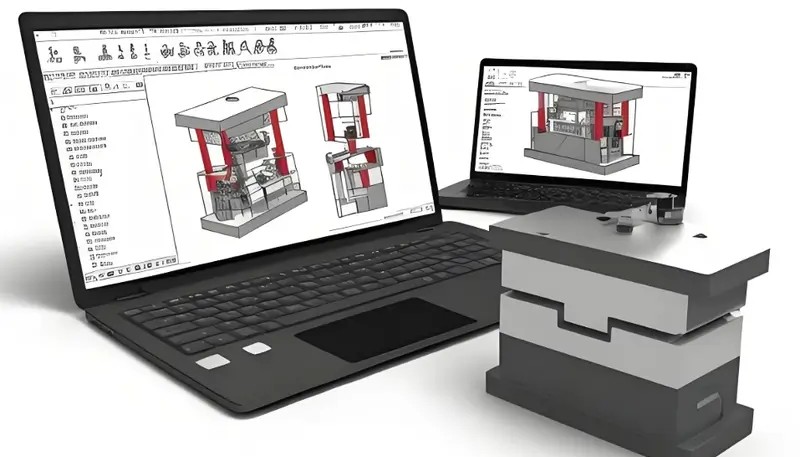
Скорость потока должна обеспечивать число Рейнольдса выше 10 000 для турбулентного течения. Для канала 8 мм это требует скорости потока выше 0,7 м/с, что соответствует примерно 2,6 литрам в минуту на контур. Наша стандартная практика — проверять расход на испытании пресс-формы с помощью цифровых расходомеров, установленных на каждом порте контура, и записывать фактические числа Рейнольдса в лист настройки пресс-формы для будущего использования в производстве.
Разница температур на входе и выходе
Повышение температуры охлаждающей жидкости от входа к выходу должно оставаться ниже 3-5 градусов Цельсия на контур. Больший перепад указывает на недостаточный расход — охлаждающая жидкость поглощает слишком много тепла за один проход — и создает температурный градиент по длине канала, что приводит к неравномерному охлаждению от одного конца детали к другому. Мы стремимся к перепаду ниже 3 градусов Цельсия как к нашему стандарту и регулируем расход на испытаниях до его достижения.
Поэтапный процесс проектирования системы охлаждения
Наша инженерная команда следует структурированному семиэтапному процессу для каждой новой системы охлаждения формы, от первоначальной проверки CAD до валидации на испытаниях формы. Этот процесс устраняет большинство связанных с охлаждением дефектов первой отливки до их возникновения.
Шаг 1 — расчет тепловой нагрузки: оценка теплопритоков от массы впрыскиваемого пластика, энтальпии материала и целевого времени цикла для определения требуемой холодопроизводительности в ваттах. Шаг 2 — выбор типа каналов: соответствие геометрии каналов форме детали — прямые для плоских деталей, спиральные для цилиндрических элементов, конформные для сложной 3D-геометрии, перегородки и пузырьковые устройства для узких сердечников. Шаг 3 — проектирование расположения: размещение каналов на расстоянии 1.5-2 диаметра, с шагом 3-5 диаметров, с достаточными стальными перемычками между каналами.
Шаг 4 — планирование контуров: проектирование последовательных и параллельных контуров для балансировки потока и избегания мертвых зон, где скорость охлаждающей жидкости падает до нуля. Шаг 5 — моделирование течения в форме: проведение теплового анализа в Moldex3D или Moldflow для проверки равномерности температуры, выявления горячих точек и прогнозирования коробления — итерационная корректировка схемы до тех пор, пока разница между пиковой и средней температурой не упадет ниже 5 градусов Цельсия. Шаг 6 — проверка на технологичность изготовления: проверка на пересечение со штифтами выталкивателей, направляющими штифтами, подъемниками и слайдами. Шаг 7 — валидация на испытаниях формы: измерение расходов по контурам, разницы температур на входе/выходе и температуры детали при извлечении с помощью инфракрасной термометрии с последующим сравнением с прогнозами моделирования.
Распространенные проблемы систем охлаждения и их решения
Даже хорошо спроектированные системы охлаждения со временем развивают проблемы. Три наиболее частые проблемы, с которыми мы сталкиваемся на нашем заводе, — это образование накипи в каналах, горячие точки из-за слепых зон в конструкции и утечка охлаждающей жидкости в полость формы. У каждой есть четкие диагностические признаки и проверенные способы устранения.
| Проблема | Предотвращает образование утяжин на противоположной поверхности | Решение |
|---|---|---|
| Коробление / дрейф размеров | Неравномерная температура полости (>5°C разницы) | Добавить каналы к горячим зонам; проверить баланс потока |
| Накипь/засоренные каналы | Отложения минералов из жесткой воды | Использовать деионизированную воду; ежегодная кислотная промывка |
| Утечка охлаждающей жидкости в полость формы | Трещина в стенке канала (недостаточная толщина стали) | Перепроектировать со стенкой >10 мм; использовать уплотнительные кольца на вставках |
| Увеличенное время цикла | Недостаточная скорость потока (ламинарный поток) | Увеличить давление насоса; сократить длину контура; изменить размер каналов |
| Поверхностная конденсация/ржавчина | Охлаждающая жидкость ниже точки росы | Повысить температуру охлаждающей жидкости; использовать влагозащитные барьеры |
| Горячие точки на ребрах/тонких стенках | Каналы слишком далеко от элемента | Добавить пузырьковые устройства, перегородки или тепловые штифты в проблемных зонах |
По нашему опыту, образование накипи — главный долгосрочный “убийца” охлаждения. Слой накипи толщиной 1 мм на стенке канала снижает теплопередачу примерно на 15-25%. Мы предписываем ежеквартальные проверки контуров охлаждения на всех производственных формах, с кислотной очисткой от накипи каждые 6-12 месяцев в зависимости от жесткости воды. Формы, работающие на городской воде, требуют более частого обслуживания, чем те, что подключены к контурам с деионизированной водой.
Утечка охлаждающей жидкости в полость пресс-формы встречается реже, но при возникновении катастрофически разрушительна — производство немедленно останавливается, и пресс-форма требует ремонта. Основная причина — недостаточная толщина стенки между охлаждающим каналом и поверхностью полости, обычно из-за канала, просверленного слишком близко при изготовлении, или трещины, распространившейся из ранее существовавшего дефекта поверхности. Мы проверяем минимальную толщину стенки во время анализа DFM и повторно проверяем с помощью измерения КИМ после механической обработки, до любых испытаний пресс-формы.
Конформное охлаждение против традиционного: когда выбирать
Конформное охлаждение не всегда является правильным решением. Структура принятия решения проста: сравните надбавку к стоимости оснастки со стоимостью экономии времени цикла на запланированном объеме производства. Ошибка в этом анализе в любую сторону стоит денег — либо из-за перерасхода на премиальную оснастку для детали с малым объемом, либо из-за упущенной значительной экономии времени цикла для детали с большим объемом.
| Фактор | Выбрать традиционный | Выбрать конформное охлаждение |
|---|---|---|
| Геометрия детали | Плоская, равномерная толщина стенки | Сложная 3D, переменная толщина стенки |
| Годовой объём | <50,000 циклов | >100 000 выстрелов |
| Целевое время цикла | Нет жестких ограничений | Требуется снижение 20%+ |
| Допуск на коробление | Допустимо +/-0,5 мм | <+/-0.2 mm требуется |
| Бюджет на оснастку | Стандартный бюджет | 20-50% премиум допустим |
| Материал | PE, PP, ABS (нестрогие) | PC/ABS, нейлон, инженерные пластики (чувствительные) |
На нашей фабрике мы рекомендуем конформное охлаждение для автомобильного внешнего декора, корпусов медицинских устройств и деталей потребительской электроники, где косметические стандарты строги, толщина стенок значительно варьируется и годовые объёмы превышают 100 000 циклов. Для упаковки, стандартных корпусов и прототипных инструментов оптимизированное традиционное охлаждение обеспечивает требуемое качество при значительно меньшей стоимости. Решение должно приниматься на этапе анализа DFM — не после того, как первое испытание формы выявит проблему с циклом.
Изменяющаяся стоимость технологии конформного охлаждения
Экономика конформного охлаждения значительно изменилась за последние пять лет, поскольку стоимость оборудования DMLS (Direct Metal Laser Sintering) снизилась на 40-60%, а сроки выполнения сократились с 8 недель до 2-3 недель. В 2020 году конформное охлаждение было оправдано преимущественно для автомобильных и медицинских применений. Сегодня мы всё чаще рекомендуем его для любой детали с соотношением толщины стенок выше 2:1, где годовой объём превышает 75 000 циклов. Расчет точки безубыточности теперь часто указывает на преимущество конформного охлаждения в применениях, которые всего несколько лет назад автоматически использовали традиционные каналы.
Одно недооцененное преимущество конформного охлаждения — его влияние на стабильность детали, не только на скорость. Когда распределение температуры равномерно в пределах 2-3 градусов C, размерные отклонения между циклами существенно уменьшаются — фактор, чрезвычайно важный в производстве медицинских устройств и точных автомобильных компонентов, где требования Cpk выше 1.67 являются стандартом. На нашей фабрике переход трех форм для медицинских устройств от традиционного к конформному охлаждению снизил размерное технологическое отклонение на 35-45%, устранив значительный источник брака при проверке на уровне клиента.
Часто задаваемые вопросы о системах охлаждения литьевых форм
Сколько времени должно составлять время охлаждения при литье под давлением?
Время охлаждения зависит от толщины стенки, теплопроводности материала, температуры формы и требуемой температуры выталкивания. Общее правило: время охлаждения в секундах приблизительно равно толщине стенки в миллиметрах в квадрате, умноженной на коэффициент материала 1.5-2.5 для аморфных пластиков (ABS, PC) и 2.0-4.0 для полукристаллических пластиков (PP, PA, POM). Для стенки ABS толщиной 3 мм ожидается 9-13 секунд охлаждения; для стенки PP толщиной 3 мм — 18-36 секунд. Наша инженерная команда рассчитывает требуемое время охлаждения во время анализа DFM с использованием инструментов теплового моделирования — не только общих правил — потому что разница толщины стенок на одной детали может требовать очень разных продолжительностей охлаждения для разных участков.
Что вызывает коробление в деталях, изготовленных методом литья под давлением?
Деформация вызвана дифференциальным усадкой по детали, которая возникает из-за неравномерного охлаждения. Когда одна поверхность охлаждается быстрее противоположной, она усаживается больше, изгибая деталь к более холодной стороне. Разница температур более 5-8 градусов C между сторонами полости и сердечника является наиболее распространенной первопричиной. Другими факторами включают асимметричную толщину стенок, недостаточное давление подпрессовки, расположение литника и эффекты ориентации волокон в стеклонаполненных материалах. Основное решение — балансировка схемы охлаждающих каналов, подтвержденная анализом потока в форме с тепловым моделированием до начала обработки стали. Попытки исправить деформацию только через корректировки давления подпрессовки редко успешны, если первопричина находится в конструкции охлаждения.
Как рассчитать диаметр и расстояние между охлаждающими каналами?
Стандартные отраслевые рекомендации по проектированию каналов охлаждения: диаметр канала должен составлять 6–16 мм (чаще всего 8–10 мм для стандартной оснастки); расстояние от осевой линии канала до поверхности полости должно быть в 1,5–2,0 раза больше диаметра канала; шаг каналов (расстояние между осями) должен составлять 3–5 диаметров канала. Для канала диаметром 10 мм целевое расстояние до полости составляет 15–20 мм, а шаг — 30–50 мм. Эти исходные параметры проверяются с помощью теплового моделирования в Moldex3D или Moldflow, чтобы убедиться, что разница между максимальной и средней температурой по всей поверхности полости не превышает 5 градусов Цельсия в условиях полного производства, до начала механической обработки стали.
В чем разница между последовательными и параллельными контурами охлаждения?
В последовательной цепи охлаждающая жидкость проходит через все каналы по одному непрерывному пути перед выходом из формы. Это просто в реализации, но приводит к значительному повышению температуры охлаждающей жидкости от входа к выходу, создавая температурный градиент, который вызывает неравномерное охлаждение по длине изделия. В параллельной цепи поток охлаждающей жидкости разделяется между несколькими каналами одновременно и объединяется на выходном коллекторе, обеспечивая более равномерное распределение температуры по всей форме. Большинство производственных форм используют комбинированный подход: короткие последовательные цепи для отдельных зон, сбалансированные через параллельные коллекторы по всей форме, чтобы обеспечить одинаковую температуру охлаждающей жидкости на входе в каждую зону.
Почему в моей форме возникают горячие точки, даже при наличии системы охлаждения?
Тепловые точки возникают, когда охлаждающие каналы слишком далеко от поверхности полости, когда скорость потока недостаточна и создает условия ламинарного потока, когда накопление накиди изолирует каналы от эффективного теплообмена, или когда определенные элементы — тонкие ребра, острые углы, маленькие сердечники — недоступны для традиционных каналов. Решения включают добавление пузырьковых каналов или тепловых штифтов к недоступным элементам, проверку условий турбулентного потока на испытании с цифровыми расходомерами, выполнение ежегодной кислотной очистки от накиди на всех каналах и переход на конформные охлаждающие вставки в хронически горячих зонах, идентифицированных через картирование температуры детали инфракрасным методом после выталкивания.
Время цикла: полная продолжительность одного цикла литья под давлением в секундах, включающего этапы впрыска, охлаждения и выталкивания. ↩
DFM: DFM (Design for Manufacturability, проектирование с учётом технологичности) — инженерная методика оптимизации конструкции изделия для повышения эффективности и экономичности производственного процесса. ↩
Анализ течения расплава: компьютерное моделирование заполнения полости пресс-формы расплавленным пластиком, включая охлаждение, коробление и усадку. ↩
Конформное охлаждение: метод охлаждения пресс-формы, при котором каналы проектируют по контуру её полости, обеспечивая равномерный отвод тепла от деталей сложной геометрии. ↩