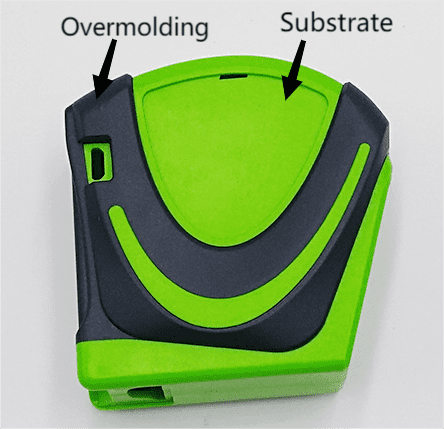
- A sobreinjeção liga dois materiais diferentes numa única peça, mais comumente um substrato rígido (ABS, PC, nylon) coberto com um elastómero termoplástico macio (TPE), reduzindo os passos de montagem em 40-60%.
- A compatibilidade dos materiais é o fator de sucesso mais crítico: o substrato deve ter uma temperatura de fusão mais elevada do que o material de sobreinjeção, e a ligação química requer parâmetros de solubilidade compatíveis dentro de 2 (cal/cm3)^0,5.
- A sobremoldagem de dois materiais numa prensa de placa rotativa produz tempos de ciclo de 25-45 segundos por peça, enquanto a sobremoldagem por pick-and-place adiciona 10-15 segundos para transferência do substrato, mas exige menos investimento de capital.
- A espessura da parede da camada de sobreinjeção deve ser de 1,0-3,0 mm para um preenchimento e adesão adequados, com um mínimo de 0,5 mm em qualquer ponto para evitar defeitos de preenchimento.
- Os defeitos comuns incluem delaminação (falha de adesão), rebarba na interface substrato-sobreinjeção e deformação do substrato devido à pressão de injeção da sobreinjeção superior a 40 MPa.
O que é a Sobreinjeção e Como Funciona?
A sobremoldagem é um processo de injeção em duas etapas que une um segundo material, geralmente um elastômero termoplástico1 macio, sobre um substrato rígido pré-moldado, criando uma peça multimaterial. Elimina montagem manual, adesivos e fixadores que acrescentam custo, falhas e tempo.
O substrato é moldado primeiro utilizando parâmetros padrão de moldagem por injeção para a resina base. Após arrefecimento parcial ou total, o substrato é transferido para uma segunda cavidade (método pick-and-place) ou rodado para posição numa prensa multiestação (método de dois materiais). O material de sobremoldagem é então injetado sobre o substrato, ligando-se através de adesão química, interligação mecânica ou ambas.
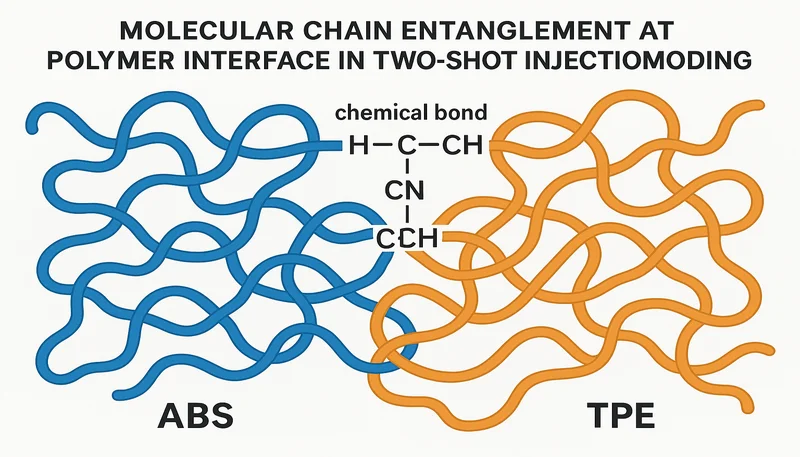
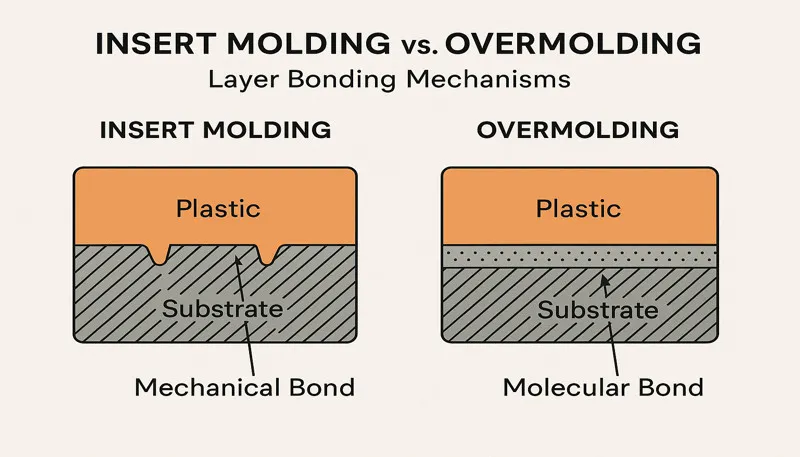
A ligação química ocorre quando a fusão da sobremoldagem derrete parcialmente a superfície do substrato, criando um emaranhamento molecular na interface. Este mecanismo requer químicas de polímeros compatíveis — o elastómero termoplástico sobre ABS atinge uma resistência de ligação de 150–300 N em testes de descascamento, enquanto pares incompatíveis como TPE sobre polietileno produzem adesão quase nula sem características mecânicas.
| Método | Tempo de ciclo | Custo de Capital | Melhor para |
|---|---|---|---|
| Dupla injeção (placa giratória) | 25–45 seg | $150K–$400K | Produção em grande volume (>100K peças/ano) |
| Pick-and-place (transferência) | 35–60 seg | $80K–$200K | Volume médio, substratos complexos |
| Multimaterial (3+ materiais) | 40–70 seg | $300K–$600K | Peças multicor ou com múltiplas durezas |
| Híbrido por sobreinserção | 30–50 seg | $100K–$250K | Substrato metálico + sobreinjeção de plástico |
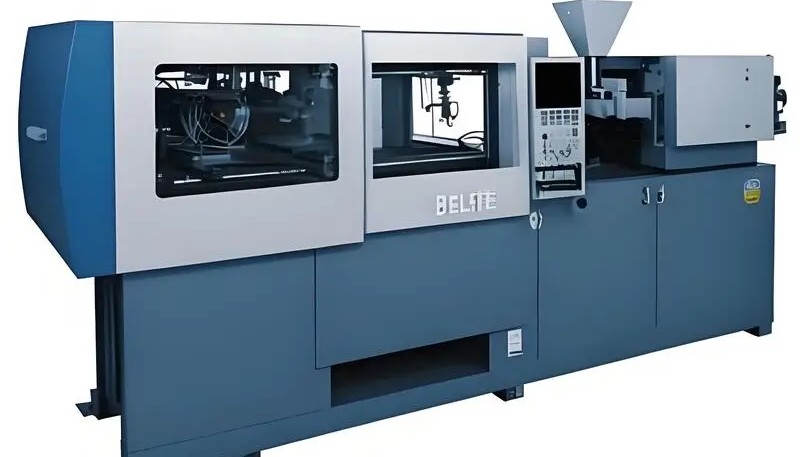
A escolha entre duas injeções e pick-and-place depende do volume de produção e da complexidade da peça. Prensas de duas injeções com placas giratórias eliminam o tempo de transferência e produzem uma tolerância posicional mais apertada (±0,05 mm) entre o substrato e a sobremoldagem. Os métodos pick-and-place utilizam duas máquinas de injeção única separadas, oferecendo mais flexibilidade para geometrias de substrato que não podem rodar entre estações.
Uma sobremoldagem bem-sucedida exige o controlo preciso de três parâmetros críticos: a temperatura da superfície do substrato no momento da injeção do sobremolde (idealmente 40–80°C acima da temperatura ambiente), a temperatura de fusão do material de sobremoldagem (dentro da janela recomendada pelo fornecedor do material) e a pressão de injeção (normalmente 30–80 MPa, consoante a espessura da parede e o comprimento do fluxo). Qualquer desvio destes parâmetros afeta diretamente a resistência da união e a qualidade da peça.
Quais Materiais são Compatíveis para Sobreinjeção?
A compatibilidade do material determina 80% do sucesso ou fracasso da sobremoldagem, sendo TPE-sobre-ABS e TPE-sobre-PC as duas combinações mais confiáveis na produção comercial. O material do substrato deve ter uma temperatura de fusão pelo menos 40°C superior à do material de sobremoldagem para evitar a deformação do substrato durante a segunda injeção — ABS (ponto de fusão 220–260°C) combinado com TPE (180–220°C) satisfaz este requisito com uma margem de segurança confortável.
A resistência da ligação química depende da correspondência dos parâmetros de solubilidade entre os dois polímeros. Materiais com parâmetros de solubilidade dentro de 2 (cal/cm³)⁰·⁵ um do outro formam ligações químicas fortes. O TPE estirénico (à base de SEBS) liga-se bem ao ABS e ao poliestireno porque todos partilham química semelhante à base de estireno. O TPE à base de poliéster liga-se ao PBT e ao PC através de reações de troca de éster na interface.
| Substrato | Sobremoldagem Compatível | Tipo de ligação | Resistência ao Descascamento (N) |
|---|---|---|---|
| ABS | TPE (à base de SEBS) | Química + mecânica | 150–300 |
| PC | TPE (à base de poliéster) | Químico | 120–250 |
| PA6/PA66 (náilon) | TPE (à base de poliamida) | Químico | 100–200 |
| PP | TPE (base PP, TPV) | Químico | 80–150 |
| POM (acetal) | TPE (qualquer) | Mecânica apenas | 30–60 |
| PEAD | TPE (qualquer) | Mecânica apenas | 20–50 |
| ISO 10993: | TPE (SEBS ou poliéster) | Químico | 130–270 |
Quando a ligação química é impossível — como nos substratos de POM, HDPE e PEEK — a interligação mecânica fornece a única ligação fiável. Furos passantes, reentrâncias, ranhuras e superfícies texturizadas no substrato prendem fisicamente o material da sobre-moldagem. Estas características mecânicas devem ser suficientemente profundas (mínimo 0,3 mm) para resistir às cargas de serviço esperadas, e o seu espaçamento determina quão uniformemente a ligação distribui a tensão através da interface.
A sobreposição de silicone representa um caso especial que requer aplicação de primer ou tratamento superficial por plasma no substrato. O silicone líquido (LSR) não liga químicamente a nenhum termoplástico sem activação superficial. A ligação baseada em primer adiciona um passo de processamento mas alcança forças de ligação de 80–150 N, adequadas para selos de dispositivos médicos, gaxetas impermeáveis e conectores automotivos expostos a temperaturas de -40°C a +200°C.
A dureza Shore da camada de sobreposição determina a sensação táctil da peça acabada. Shore A 40–60 produz uma pega macia e almofadada preferida para ferramentas manual e escovas de dentes. Shore A 70–85 fornece uma superfície mais firme adequada para invólucros de eletrónica e controles automotivos. Selecionar a dureza correcta requer equilibrar o conforto do utilizador com a resistência ao uso—materiais mais macios degradam-se mais rapidamente sob contacto abrasivo repetido.
A correspondência de cores entre o substrato e a sobre-moldagem também requer consideração do material. As sobre-moldagens de TPE translúcido permitem que a cor do substrato seja visível, possibilitando efeitos de cor de material único sem pintura. Os graus de TPE opaco escondem completamente o substrato, o que é preferível quando o material do substrato tem cor inconsistente (resina reciclada, compostos com carga mineral). A sobre-moldagem multi-cor utilizando injeções sequenciais de diferentes cores de TPE cria padrões específicos da marca — como as pegas icónicas de duas cores nas alças de ferramentas elétricas — sem qualquer decoração pós-moldagem.
"A sobremoldação de TPE sobre ABS atinge uma força de ligação química de 150–300 N sem exigir primários de superfície nem elementos mecânicos."True
O TPE à base de SEBS e o ABS partilham química estirénica, permitindo o emaranhamento de cadeias moleculares na interface quando a temperatura da superfície do substrato excede 60°C durante a injeção da sobre-moldagem. Esta compatibilidade química torna TPE/ABS a combinação de sobre-moldagem mais amplamente utilizada em produtos de consumo, desde pegas de ferramentas elétricas a dispositivos de cuidados pessoais.
"Quaisquer dois plásticos podem ser sobremoldados em conjunto, desde que os parâmetros de injeção sejam corretamente otimizados."False
A química do material limita fundamentalmente a compatibilidade da sobre-moldagem. POM, HDPE e PEEK têm baixa energia superficial e estruturas moleculares não polares que impedem a ligação química com qualquer TPE, independentemente da otimização do processo. Estes substratos requerem características de interligação mecânica projetadas na geometria da peça — nenhum ajuste de temperatura ou pressão pode criar uma ligação química onde a química do polímero é incompatível.
Quais São as Principais Diretrizes de Projeto para Peças Sobremoldadas?
Espessura da parede da sobreposição de 1,0–3,0 mm é a faixa ideal que garante enchimento completo da cavidade, formação adequada da ligação e tempo de ciclo aceitável. Abaixo de 1,0 mm, o material solidifica antes de atingir o fim do enchimento, causando enchimentos incompletos e ligação fraca. Acima de 3,0 mm, o tempo de arrefecimento aumenta exponencialmente—uma camada de sobreposição de 4,0 mm requer 60% mais tempo de arrefecimento que uma camada de 2,5 mm, adicionando 8–12 segundos por ciclo.
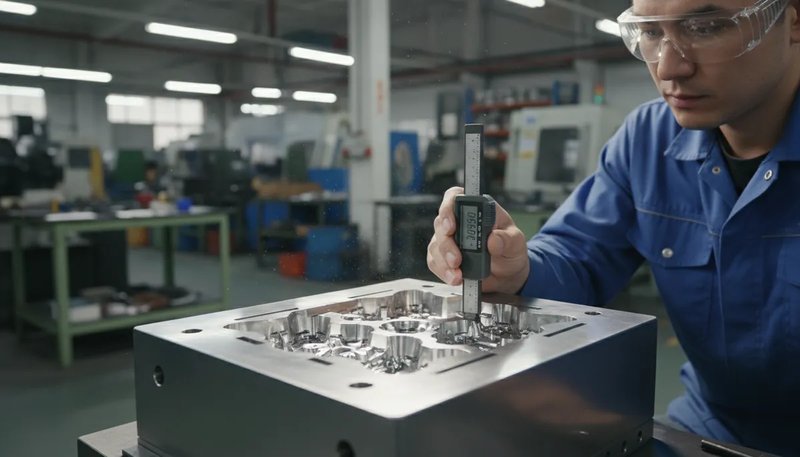
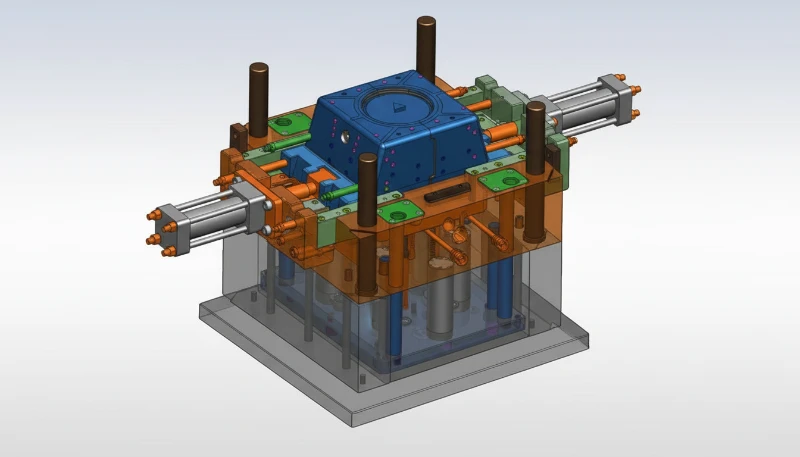
O design de corte na fronteira substrato-sobreposição previne rebarbas—a película fina de material que se espreme entre as superfícies do molde na transição de material. Um corte de aço-a-aço com folga de 0,01–0,02 mm e ângulo de interferência de 3–5° fornece selagem fiável ao longo de 500.000+ ciclos. Designs tipo macho-fêmea oferecem ainda melhor controlo de rebarbas a custo de ferramentaria superior.
| Parâmetro | Gama recomendada | Efeito da Violação |
|---|---|---|
| Espessura da parede da sobre-moldagem | 1.0–3.0 mm | Enchimentos incompletos (abaixo de 1,0) ou ciclos longos (acima de 3,0) |
| Folga de corte | 0.01–0.02 mm | Rebarba na interface (>0.03 mm) |
| Ângulo de saída do substrato | 1.5–3.0° | Danos na ejectação (abaixo de 1,0°) |
| Profundidade da interligação mecânica | ≥0.3 mm | Falha da ligação sob carga (abaixo de 0,2 mm) |
| Proporção de fluxo entrada-ao-extremo | ≤100:1 | Preenchimento incompleto ou linhas de solda |
| Rugosidade da superfície do substrato | Rugosidade Ra de 1,6–6,3 μm | Má adesão (abaixo de Ra 0,8) |
A colocação da entrada para a moldagem por sobreposição segue regras diferentes da moldagem de material único. A entrada deve direcionar o fluxo do material ao longo da dimensão mais longa da região de sobreposição, e o caminho do fluxo desde a entrada até o ponto mais distante não deve exceder uma proporção de 100:1 entre a extensão do fluxo e a espessura da parede. Entradas tipo leque e tipo filme distribuem o material mais uniformemente que entradas tipo pino, reduzindo linhas de solda que criam defeitos cosméticos visíveis e pontos de ligação potencialmente fracos.
A preparação da superfície do substrato afeta significativamente a qualidade da ligação. Uma rugosidade superficial de Ra 1,6–6,3 μm fornece uma ancoragem micro-mecânica ótima para o material da sobre-moldagem. Substratos altamente polidos (Ra abaixo de 0,8 μm) reduzem a adesão porque a sobre-moldagem não tem características superficiais para agarrar. Texturizar a superfície de ligação do substrato com erosão por faísca EDM ou gravação química pode aumentar a resistência ao descascamento em 30–50% em comparação com superfícies lisas.
Uma revisão completa de DFM5 antes do ferramental detecta problemas caros de corrigir depois. Achados comuns incluem ângulo de saída insuficiente, camadas finas demais e geometrias de fechamento que gerarão rebarba após 50,000 ciclos. Corrigi-los no projeto economiza $5,000–$15,000 por projeto.
Quais São os Defeitos e Soluções Mais Comuns na Sobremoldagem?
Delaminagem—a separação da sobreposição do substrato—é o defeito mais crítico da moldagem por sobreposição, ocorrendo em 35% dos testes de primeira execução quando a compatibilidade dos materiais não é validada previamente. A causa fundamental é sempre a força de ligação insuficiente na interface, seja devido a materiais incompatíveis, temperatura superficial do substrato baixa, superfícies contaminadas ou características de interligação mecânica inadequadas.
A deformação do substrato ocorre quando a pressão de injeção da sobremoldação excede a resistência do substrato à deflexão à temperatura elevada. Os substratos de parede fina (espessura da parede inferior a 1.5 mm) são especialmente vulneráveis—uma pressão de injeção de 60 MPa pode curvar um substrato de ABS de 1.0 mm em 0.3–0.5 mm, criando erros dimensionais e defeitos estéticos visíveis. A redução da velocidade e da pressão de injeção, ou o apoio do substrato através de elementos do macho do molde, evita este defeito.
| Defeito | Causa raiz | Primeira Correção | Prevenção |
|---|---|---|---|
| Delaminação | Materiais incompatíveis ou substrato frio | Aumentar pré-aquecimento do substrato a 60–80°C | Validar o par de materiais com teste de descolamento |
| Rebarba na interface | Corte desgastado ou pressão excessiva de fecho | Rectificar superfícies de corte | Projetar fecho macho-e-fêmea |
| Injeção incompleta (sobremoldagem) | Secções finas congelam prematuramente | Aumentar a temperatura de fusão 10–20°C | Redesenhar para uma espessura mínima de parede de 1,0 mm |
| Deformação do substrato | Pressão de injeção demasiado alta | Reduzir a taxa de enchimento em 20–30% | Adicionar elementos de suporte do núcleo no molde |
| Linhas de soldadura | Encontro de várias frentes de fluxo | Relocalizar a posição do ponto de injeção | Utilizar alimentação sequencial por válvula |
O rebarbado na interface substrato-sobre-moldagem acumula-se gradualmente à medida que as superfícies de corte se desgastam com os ciclos repetidos do molde. Os moldes novos normalmente funcionam sem rebarbado durante 100.000–200.000 ciclos, após os quais as superfícies de contacto aço-a-aço perdem as suas arestas vivas. A manutenção preventiva inclui recortar as superfícies de corte a cada 150.000 ciclos e usar inserções de aço temperado (HRC 52–58) nos locais de corte de elevado desgaste para estender os intervalos de manutenção para 400.000+ ciclos.
Linhas de solda formam-se onde duas ou mais frentes de fusão convergem durante o enchimento da sobremoldagem. Ao contrário das linhas de solda de material único, que são principalmente cosméticas, as linhas de solda da sobremoldagem podem criar zonas sem ligação onde nenhuma das frentes de fluxo contacta o substrato com pressão suficiente para formar adesão. A alimentação sequencial por válvula — onde os pontos de injeção abrem numa sequência cronometrada em vez de simultaneamente — elimina frentes de fluxo convergentes e produz peças sem linhas de solda.
Marcas de afundamento no lado do substrato oposto a secções espessas de sobremoldagem são outro problema recorrente. Quando a camada de sobremoldagem excede localmente 3,0 mm, a massa de calor concentrada faz com que o substrato se reamoleça e contraia para dentro. Limitar a espessura da sobremoldagem a um máximo de 2,5 mm em qualquer secção transversal, ou adicionar canais de arrefecimento diretamente sob zonas espessas de sobremoldagem, elimina marcas de afundamento no lado do substrato em 90% dos casos.
A migração de cor ocorre quando os pigmentos do material de sobremoldagem migram para o substrato durante o breve período em que ambas as superfícies estão acima da sua temperatura de amolecimento. Este defeito é mais visível com sobremoldagens escuras em substratos claros. Utilizar graus de TPE com sistemas de pigmentos encapsulados — onde as partículas de corante estão presas no interior de microesferas de polímero — previne a migração mesmo a temperaturas de processamento elevadas.
"O pré-aquecimento do substrato a 60–80°C antes da injeção de sobremoldagem aumenta a força de ligação em 40–70% comparativamente a substratos à temperatura ambiente."True
A temperatura elevada do substrato mantém a zona de interface acima da temperatura de transição vítrea durante o contacto com a sobre-moldagem, permitindo a difusão das cadeias poliméricas através do limite. Testes industriais em pares TPE/ABS mostram que a resistência ao descascamento aumenta de 120 N a 25°C de temperatura do substrato para 210 N a 70°C, com retornos decrescentes acima de 90°C, onde o amolecimento do substrato introduz risco dimensional.
"Os defeitos de sobremoldação podem ser sempre corrigidos ajustando os parâmetros do processo, sem alterar o molde ou a conceção da peça."False
A otimização do processo tem limites. A delaminação por materiais incompatíveis requer uma alteração do material, não do processo. Rebarbas de superfícies de fecho desgastadas requerem reparação do molde. Injeções incompletas em secções mais finas que 0,5 mm requerem uma revisão do projeto para aumentar a espessura da parede. Aproximadamente 40% dos defeitos de sobremoldagem na produção requerem alterações no molde ou no projeto que não podem ser resolvidas apenas através do ajuste dos parâmetros do processo.
Que Indústrias Utilizam Sobremoldagem e Porquê?
A eletrónica de consumo representa 30% da procura global de sobre-moldagem, impulsionada pela necessidade universal de pegas macias ao toque, invólucros selados e estética multicolor em smartphones, wearables e ferramentas elétricas. Uma capa de telemóvel sobre-moldada única substitui uma montagem de três peças (capa rígida + para-choques de borracha + adesivo), reduzindo o custo de fabrico em €0,15–€0,40 por unidade em volumes acima de 500.000.
Os dispositivos médicos representam o segmento de sobre-moldagem com crescimento mais rápido, expandindo-se 8–12% anualmente. Os instrumentos cirúrgicos requerem pegas ergonómicas com TPE Shore A 50–65 sobre substratos de aço inoxidável ou policarbonato, proporcionando manuseamento antiderrapante em ambientes cirúrgicos húmidos. A camada de sobre-moldagem também sela os componentes eletrónicos internos contra a entrada de fluidos, atingindo classificações IP67 ou IP68 sem juntas adicionais ou operações de selagem secundárias.
Os componentes interiores automóveis utilizam extensivamente a sobremoldagem para interruptores do tablier, controlos do volante e puxadores das portas. A camada de sobremoldagem proporciona feedback tátil consistente (Shore A 70–85), resistência aos UV (mínimo de 1.000 horas de arco de xenon conforme SAE J2527) e resistência química a cremes para as mãos, protetor solar e solventes de limpeza. Cada interruptor sobremoldado elimina 2–3 etapas de montagem em comparação com alternativas de borracha-sobre-plástico fixadas mecanicamente.
| Indústria | Aplicação típica | Requisito principal | Poupanças de Custos vs Montagem |
|---|---|---|---|
| Eletrónica de consumo | Capas de telemóvel, pegas de ferramentas | Sensação macia ao toque, proteção contra quedas | 15–25% por unidade |
| Dispositivos médicos | Ferramentas cirúrgicas, administração de medicamentos | Biocompatível, selado IP67 | 20–35% por unidade |
| Automóvel | Interruptores, botões, puxadores | Estável aos UV, resistente a produtos químicos | 10–20% por unidade |
| Ferramentas industriais | Pegas de ferramentas elétricas, pegas antivibração | Absorção de impacto, vida à fadiga | 15–30% por unidade |
| Cuidados pessoais | Escovas de dentes, máquinas de barbear | Pega macia, vedada contra humidade | 25–40% por unidade |
As ferramentas elétricas industriais exploram a sobre-moldagem para amortecimento de vibração além do conforto da pega. Uma camada de sobre-moldagem TPE de 2,0 mm numa caixa de ferramenta de nylon absorve 20–35% da energia de vibração transmitida, reduzindo a exposição do operador à vibração mão-braço abaixo do valor de ação diária de 2,5 m/s² especificado na ISO 5349. Este benefício funcional justifica o aumento de custo por unidade de €0,30–€0,80 em relação às caixas plásticas simples.
Produtos de cuidado pessoal — escovas de dentes, lâminas de barbear e ferramentas de estilização capilar — foram pioneiros na sobremoldagem de alto volume nos anos 90 e continuam a ser uma referência para a eficiência do processo. As linhas de produção modernas de escovas de dentes sobremoldam moldes de 4–8 cavidades em ciclos de 15 segundos, produzindo 40.000–80.000 cabos por dia numa única prensa. A sobremoldagem proporciona tanto a textura da pega como o realce de cor que diferencia as marcas concorrentes nas prateleiras das lojas.
O setor aeroespacial adotou a sobremoldagem para suportes de montagem com amortecimento de vibrações e caixas de conectores vedadas que devem operar de forma fiável entre -55°C e +125°C. As sobremoldagens de fluoroelastómero (FKM) em substratos de PEEK ou PEI resistem ao combustível de aviação, fluido hidráulico e produtos químicos antigelo, proporcionando ao mesmo tempo o isolamento de vibrações que protege a aviónica sensível das frequências de ressonância transmitidas pelo motor.
Como se Compara a Sobreinjeção com a Moldagem por Inserção?
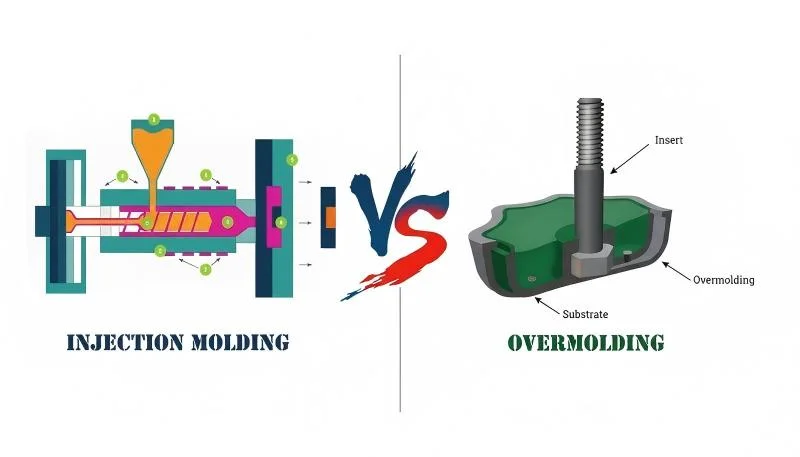
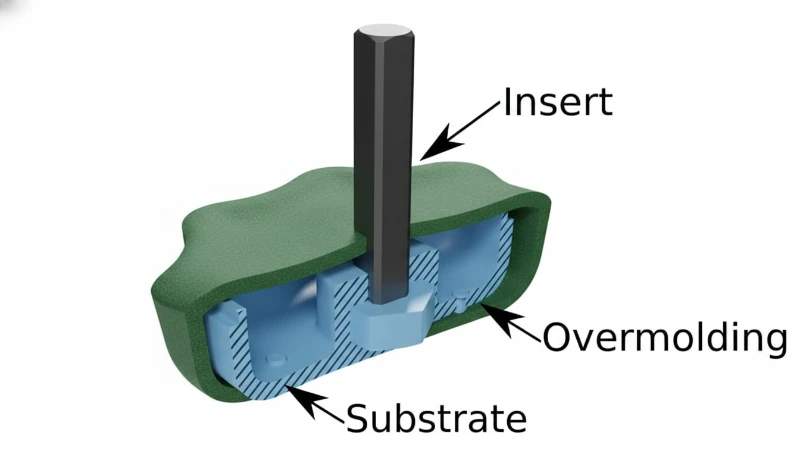
A sobremoldagem e a moldagem com insertos2 combinam materiais, mas diferem no substrato e na sequência: a primeira une plástico a plástico ou TPE; a segunda encapsula componentes metálicos, como insertos roscados, contatos ou reforços, num corpo plástico.
O substrato na sobremoldagem é sempre moldado por injeção primeiro — quer no mesmo ciclo (dupla injeção) quer numa operação prévia separada (pick-and-place). Na moldagem por inserção, o substrato é um componente pré-formado (metal estampado, latão maquinado, feixe de cabos) que é colocado no molde antes da injeção. Esta distinção afeta o projeto do molde: os moldes de sobremoldagem precisam de duas unidades de injeção e dois conjuntos de cavidades, enquanto os moldes de inserção precisam de uma unidade de injeção mais um sistema automatizado de carregamento do substrato.
| Fator | Sobremoldagem | Moldagem por inserção |
|---|---|---|
| Material do substrato | Plástico moldado por injeção | Metal, plástico pré-formado, fio |
| Mecanismo de adesão | Química + mecânica | Encapsulamento mecânico |
| Tempo de ciclo típico | 25–45 sec (dupla injeção) | 20–40 s (injeção única + carga) |
| Custo das ferramentas | $150K–$400K | $80K–$200K |
| Resistência da união | 150–300 N (arrancamento) | Depende da geometria do encapsulamento |
| Melhor aplicação | Pegas de toque suave, caixas vedadas | Insertos roscados, contactos elétricos |
A comparação de custos favorece a moldação com insertos para peças que exigem funcionalidade metálica (roscas, condutividade, resistência estrutural) e a sobremoldação para peças que exigem uma estética multimaterial ou propriedades táteis. Um inserto metálico roscado encapsulado em nylon custa $0.08–$0.15 menos por peça do que um inserto roscado montado separadamente. Um punho de toque suave sobremoldado custa $0.20–$0.40 menos do que uma manga de borracha colada com adesivo sobre um punho rígido.
Muitos produtos utilizam ambos os processos numa única peça. O cabo de um berbequim elétrico, por exemplo, utiliza moldação com insertos para encapsular insertos roscados de latão e contactos elétricos, seguida de sobremoldação para aplicar a superfície de preensão em TPE de toque suave. Esta combinação proporciona ligações estruturais entre metal e plástico e superfícies ergonómicas entre plástico e TPE numa peça de três materiais que exigiria 6–8 etapas de montagem se fosse fabricada através de métodos convencionais.
Como é que a Zetar Gere Projetos de Sobremoldagem?
A equipe de engenharia da Zetar executa análise de fluxo do molde3 em cada projeto antes de cortar o aço, simulando substrato e sobremoldagem para prever enchimento, temperatura da linha de união e defeitos. Essa dupla simulação identifica os 85% das falhas potenciais originadas na escolha do material e do ponto de injeção.
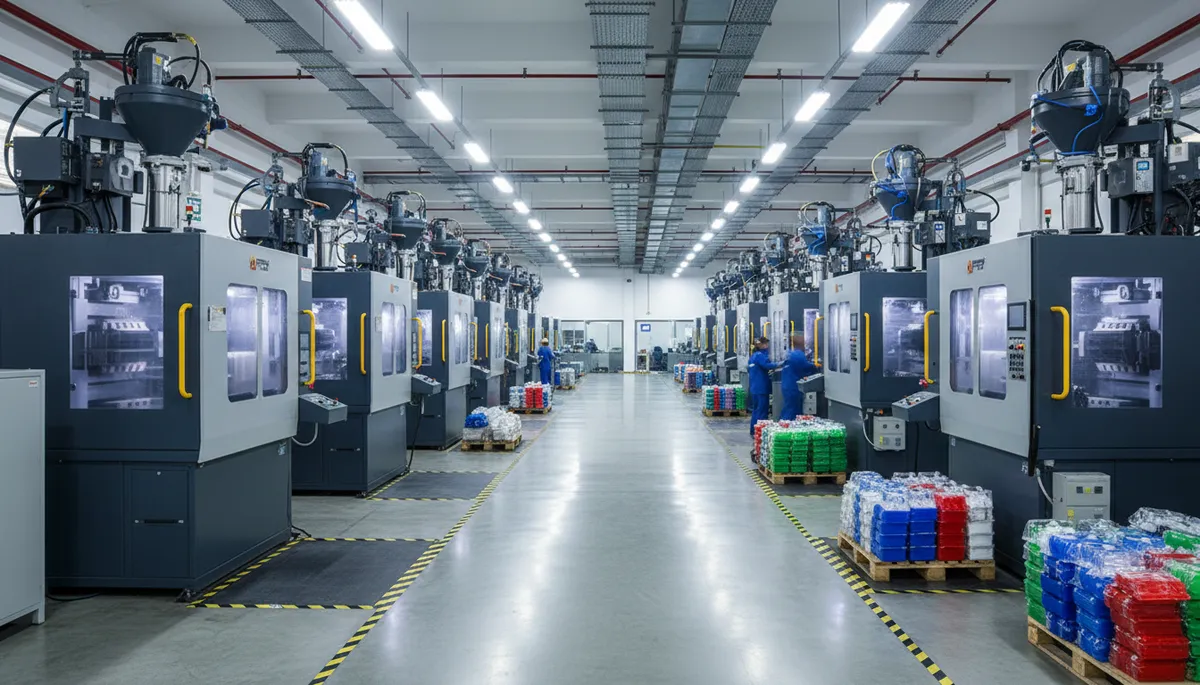
Com 47 máquinas de moldação por injeção de 50 a 1,600 toneladas — incluindo prensas multicomponente com pratos rotativos — a Zetar processa projetos de sobremoldação desde protótipos de 100 peças até séries de produção superiores a 1,000,000 por ano. As instalações dispõem de equipamento dedicado para ensaios de compatibilidade de materiais, incluindo dispositivos de ensaio de pelagem que validam a resistência da ligação entre substrato e sobremoldado antes do investimento no molde de produção.
O processo de projeto de molde de injeção4 da Zetar otimiza fechamentos com simulação de desgaste para prever manutenção, garantindo produção sem rebarbas por mais de 300,000 ciclos. Com rendimento inicial de 92%, reduz 3–4 iterações para 1–2, economizando $10,000–$30,000 e 4–8 semanas.

Perguntas Frequentes Sobre Sobremoldagem?
Qual é a diferença entre sobremoldagem e moldagem de dois componentes?
A sobremoldagem é a categoria ampla que inclui qualquer processo de união de um material sobre outro. A moldagem de dois componentes é um método específico de sobremoldagem no qual ambos os materiais são injetados no mesmo molde, utilizando uma máquina com duas unidades de injeção e uma placa rotativa. O substrato é moldado na primeira estação, a placa roda 180 graus e a sobremoldagem é injetada na segunda estação — tudo num único ciclo automatizado de 25–45 segundos. A sobremoldagem por transferência pick-and-place, o outro método principal, transfere o substrato entre moldes e máquinas distintos. A moldagem de dois componentes é mais rápida e precisa, mas exige um investimento de capital superior ($150K–$400K em comparação com $80K–$200K para ferramentas de pick-and-place).
É possível sobremoldar silicone sobre plástico?
Sim, mas o silicone (LSR) não adere quimicamente a qualquer termoplástico sem tratamento superficial. A abordagem convencional utiliza um primário — aplicado ao substrato antes de este entrar no molde — que cria uma camada de interface reativa, permitindo a adesão do silicone. O tratamento superficial por plasma ou corona é uma alternativa que ativa a superfície do substrato sem adicionar primários químicos. A força de adesão dos métodos à base de primário atinge 80–150 N nos ensaios de descasque, o suficiente para vedantes médicos, juntas estanques e conectores de alta temperatura. A etapa adicional de aplicação do primário acrescenta $0.02–$0.05 por peça e 5–10 segundos ao ciclo. Para aplicações abaixo de 150°C, a sobremoldagem com TPE proporciona um desempenho de vedação equivalente sem primários.
Que materiais não podem ser sobremoldados em conjunto?
O POM (acetal), o HDPE e o PEEK são os substratos mais difíceis para sobremoldagem, porque a sua baixa energia superficial e as estruturas moleculares apolares impedem a ligação química com qualquer elastómero termoplástico. Estes materiais só podem ser sobremoldados utilizando características de interbloqueio mecânico — orifícios passantes, reentrâncias e ranhuras moldadas no substrato — que retêm fisicamente o material de sobremoldagem. Mesmo com características mecânicas, a força de ligação está limitada a 30–60 N, comparativamente a 150–300 N para pares quimicamente compatíveis. O PP requer um TPV (vulcanizado termoplástico) à base de PP e especificamente formulado para uma ligação química fiável, uma vez que os TPE convencionais à base de SEBS não aderem bem a substratos de polipropileno.
Quanto acrescenta a sobremoldagem ao custo da peça?
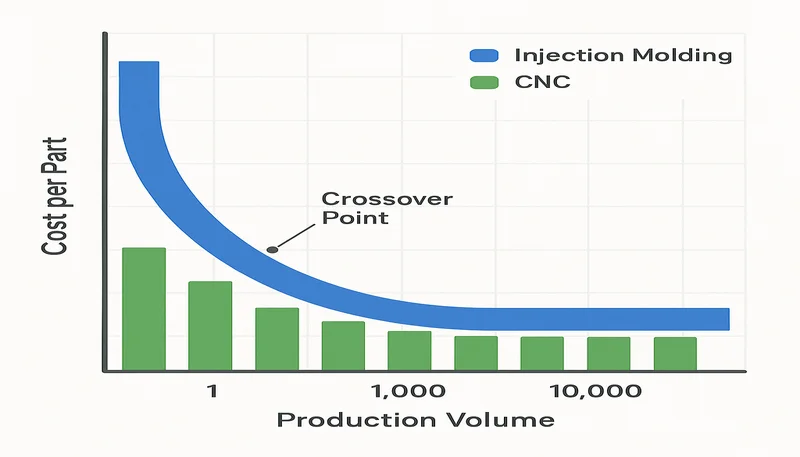
A sobremoldação acrescenta $0.10–$0.80 por peça, consoante o volume sobremoldado, a escolha do material e o método de processamento. O próprio material de sobremoldação custa $0.03–$0.15 por peça (TPE a $3–$8 por kg, peso típico da sobremoldação de 2–10 gramas). O custo do processo acrescenta $0.05–$0.30 por peça devido ao tempo adicional do ciclo de injeção. A amortização das ferramentas acrescenta $0.02–$0.35 por peça, consoante o volume de produção e a complexidade do molde. Contudo, a sobremoldação elimina a mão de obra de montagem ($0.15–$0.60 por peça), o material adesivo ($0.05–$0.15) e a inspeção de qualidade dos conjuntos colados ($0.03–$0.10). O impacto líquido no custo é frequentemente neutro ou negativo em volumes superiores a 50,000 peças por ano.
Que espessura de parede deve ter a camada sobremoldada?
A espessura de parede ideal da sobremoldação é de 1.0–3.0 mm para a maioria das aplicações de TPE. Com 1.0 mm, o material fundido tem comprimento de fluxo suficiente para preencher geometrias moderadamente complexas (relação entre comprimento de fluxo e espessura até 100:1), mantendo calor suficiente para aderir ao substrato. Com 3.0 mm, o tempo de arrefecimento permanece controlável, entre 15–25 segundos. Abaixo de 1.0 mm, o material fundido solidifica antes de alcançar as extremidades da cavidade, causando injeções incompletas e zonas sem aderência. Acima de 3.0 mm, o tempo de arrefecimento aumenta acentuadamente — uma sobremoldação de 5.0 mm requer 40+ segundos de arrefecimento. O mínimo absoluto em qualquer ponto é 0.5 mm, para evitar a solidificação completa durante a injeção.
Como testar a resistência de união da sobremoldagem?
O método de ensaio normalizado é um ensaio de pelagem a 90 ou 180 graus segundo a ASTM D1876, no qual a camada sobremoldada é separada do substrato a uma velocidade controlada (normalmente 50–300 mm por minuto), enquanto uma célula de carga regista a força necessária. Os resultados são apresentados em Newtons por unidade de largura (N/25 mm é o padrão). Para o controlo da qualidade da produção, um ensaio de pelagem manual mais simples, realizado em patilhas-testemunho específicas da peça, fornece um resultado de aprovação/reprovação—se o sobremoldado apresentar rutura coesiva (dentro da camada de TPE), em vez de delaminar na interface, a ligação é adequada. O ensaio de aderência por corte cruzado segundo a ASTM D3359 é utilizado para camadas sobremoldadas finas com menos de 0.5 mm.
A sobremoldagem é adequada para a produção de baixo volume?
Sim, a sobremoldação por colocação e transferência é economicamente viável para volumes tão baixos como 1,000–5,000 peças. Este método utiliza dois moldes separados de cavidade única — um para o substrato e outro para a sobremoldação — com transferência manual ou robotizada entre ambos. O custo total das ferramentas é de $80K–$200K, significativamente inferior ao das ferramentas rotativas de dois disparos. Para protótipos com menos de 500 peças, podem sobremoldar-se substratos impressos em 3D em ferramentas flexíveis (moldes de alumínio), com um custo de ferramentas de $5K–$15K, embora a força de adesão possa ser inferior devido à superfície porosa dos substratos impressos. A sobremoldação de silicone por vazamento a vácuo é outra opção para pequenos volumes, a $500–$3,000 por iteração de projeto.
elastômero termoplástico: Um elastômero termoplástico (TPE) é um copolímero que combina flexibilidade semelhante à borracha com processabilidade por fusão, geralmente com dureza Shore A de 20 a 90. ↩
moldagem com insertos: Processo no qual um componente pré-formado, normalmente metálico, é colocado na cavidade antes de o plástico ser injetado ao redor, criando uma peça integrada. ↩
análise de fluxo do molde: Simulação computacional que prevê como o polímero fundido preenche, recalca e esfria na cavidade, medindo tempo de enchimento, pressão (MPa) e posição de linhas de solda. ↩
projeto de molde de injeção: Disciplina de engenharia que cria ferramental com pontos de injeção, linhas de partição, canais de refrigeração e ejeção otimizados para peças dimensionalmente precisas. ↩
DFM: DFM (Design for Manufacturability) é uma abordagem sistemática que avalia geometria, tolerâncias e material frente às restrições do processo para minimizar custo e defeitos. ↩