Você recebe três cotações de moldagem por injeção para o seu projeto, e uma delas é 30% mais barata do que as outras. Antes de assinar esse pedido de compra, pare e percorra esta lista de verificação para avaliação. Esse desconto muitas vezes acaba custando mais no longo prazo por causa de falhas no ferramental, escapes de qualidade e atrasos nas datas de entrega. Todo comprador experiente que conhecemos tem uma história sobre escolher o fornecedor errado e pagar por isso mais tarde. A cotação mais barata raramente oferece o melhor valor em moldagem por injeção.
O problema não é a existência de fornecedores ruins — é que a maioria dos compradores não sabe o que diferencia um bom fornecedor de um ruim até que seja tarde demais. Estamos no lado da fabricação há mais de 20 anos e vimos o que acontece quando a avaliação é ignorada: retrabalho do molde que custa mais do que o ferramental original, atrasos em remessas que arruínam lançamentos de produtos e falhas de qualidade que ninguém detectou até o cliente reclamar. Este guia apresenta a estrutura de avaliação que usaríamos se estivéssemos no seu lugar — a mesma lista de verificação que separa os fornecedores que entregam daqueles que dão desculpas.
O processo de avaliação abrange sete áreas essenciais: certificações, capacidade de fabricação, sistemas de controle de qualidade, práticas de comunicação, constatações da auditoria de fábrica, metodologia de comparação de cotações e potencial de parceria de longo prazo. Ignorar qualquer uma delas é apostar no cronograma e no orçamento da sua produção. Estruturamos este guia para que você possa usá-lo como uma lista de verificação real durante a sua próxima conversa com um fornecedor ou visita à fábrica.
- Verifique certificações além da ISO 9001 e relacione-as aos requisitos específicos do seu setor
- Confirme a faixa de tonelagem das máquinas e a capacidade interna de fabricação de moldes antes de assumir um compromisso com qualquer fornecedor
- Exija processos de controle de qualidade documentados com dados reais, e não promessas verbais de qualidade
- Auditorias de fábrica revelam mais do que folhetos — sempre percorra o chão de fábrica com uma lista de verificação estruturada
- Normalize as cotações com base em 7 variáveis: aço, cavidades, vida útil, modificações, garantia, pagamento e custos ocultos
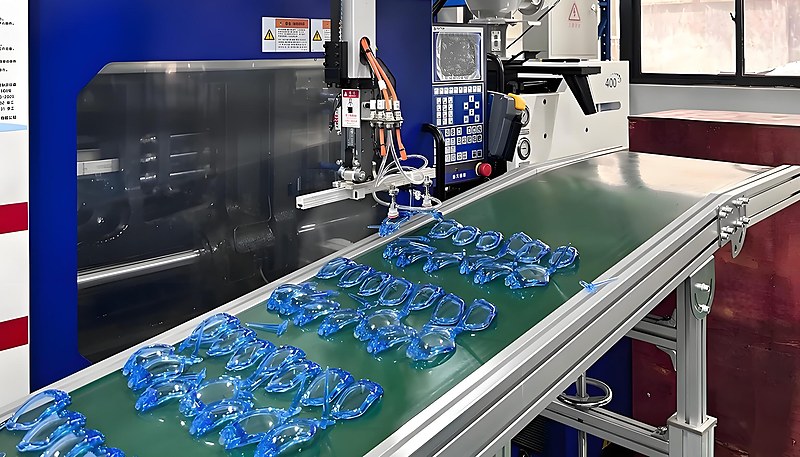
Por que avaliar os fornecedores antes do início da produção?
60-70% dos defeitos de moldagem têm origem na má seleção de fornecedores. Trocar de fornecedor no meio da produção custa 3-6 meses e 40-60% mais dinheiro. Já vi empresas perderem lançamentos inteiros de produtos porque escolheram o parceiro de moldagem por injeção errado.
Para uma visão mais ampla do projeto de moldes de injeção, nosso guia principal aborda a estrutura do ferramental, o controle térmico e as relações de compromisso da manufaturabilidade.
O processo de avaliação leva 10-15 dias de preparação, mas evita desastres que prejudicam o seu projeto por meses. Compradores criteriosos seguem uma abordagem estruturada de seleção de fornecedores em vez de apenas comparar tabelas de preços. Você deve identificar sinais de alerta antes que eles se tornem problemas caros, e não depois que a primeira remessa for reprovada na inspeção de recebimento.
Cada ano de atraso na avaliação custa às empresas, em média, 15-20% do investimento total em ferramental na forma de retrabalho e reclamações de garantia.
Quais certificações um fornecedor de moldagem por injeção deve ter?
A ISO 90011 é o requisito básico. Se um fornecedor não a tiver, descarte-o. As certificações necessárias dependem do seu setor. Para dispositivos médicos, a ISO 13485 abrange protocolos de sala limpa e rastreabilidade de materiais. A IATF 16949 aplica-se às cadeias de suprimentos automotivas. Se as suas peças forem usadas em veículos, o fornecedor precisará dessa certificação e deverá estar familiarizado com a documentação PPAP.
A certificação ambiental ISO 14001 é mais importante do que a maioria dos compradores imagina. Ela demonstra que o fornecedor gerencia corretamente resíduos químicos, consumo de energia e origem dos materiais. Isso se torna essencial se a sua empresa tiver requisitos de sustentabilidade ou se você vender para mercados europeus com regulamentações ambientais rigorosas. Durante a auditoria, peça para ver os certificados reais e verifique as datas de validade e o escopo.
"A certificação ISO 9001 garante qualidade consistente dos produtos de um fornecedor de moldagem por injeção."True
Falso. A ISO 9001 certifica que existe um sistema de gestão da qualidade documentado — ela não garante que cada ciclo de produção resulte em peças sem defeitos. Você ainda precisa verificar dados reais de inspeção, controles de processo e registros de qualidade durante a avaliação.
"Um fornecedor sem certificação automotiva não pode produzir peças confiáveis para aplicações não automotivas."False
Falso. A IATF 16949 é específica para cadeias de suprimentos automotivas. Para produtos de consumo, eletrônicos e aplicações industriais, a ISO 9001 combinada com sistemas de qualidade comprovados normalmente é suficiente. O essencial é relacionar as certificações aos requisitos específicos do seu setor.
Como avaliar a capacidade de fabricação de um fornecedor?
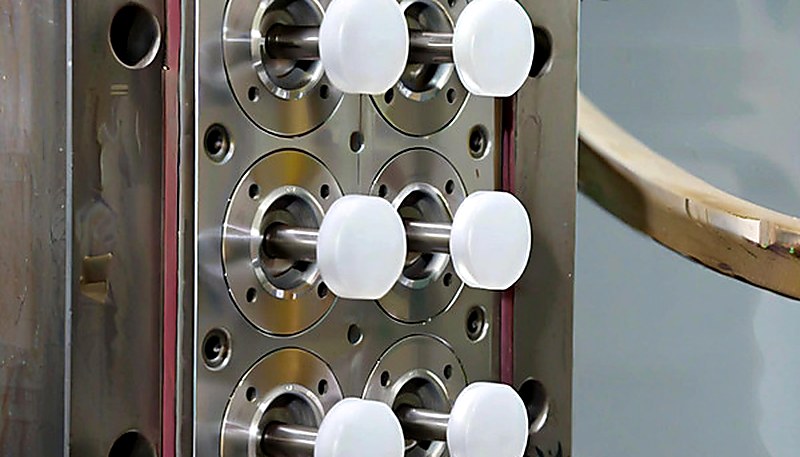
A quantidade de máquinas, a faixa de tonelagem e a capacidade de fabricação de moldes são as três métricas que revelam se um fornecedor realmente consegue atender ao seu projeto. Os requisitos de tonelagem variam conforme o tamanho da peça. Uma pequena carcaça eletrônica pode precisar de apenas 50-100 toneladas, enquanto um grande painel automotivo requer 800-1000 toneladas. Normalmente recomendamos fornecedores que tenham pelo menos 3-4 máquinas na faixa de tonelagem exigida.
Fornecedores que fabricam os próprios moldes de injeção podem modificar rapidamente as ferramentas quando ocorrem mudanças de projeto. A terceirização do ferramental acrescenta 2-3 semanas a cada ciclo de modificação e cria falhas de comunicação. Pergunte sobre as máquinas EDM, a capacidade de usinagem CNC e os recursos para testes do molde. Um fornecedor com mais de 10 máquinas CNC e prensas dedicadas a testes do molde consegue responder às mudanças com muito mais rapidez.
Verifique também a capacidade de reserva. Se estiverem operando com mais de 90% de utilização, não conseguirão atender pedidos urgentes ou aumentos de volume sem comprometer a qualidade.
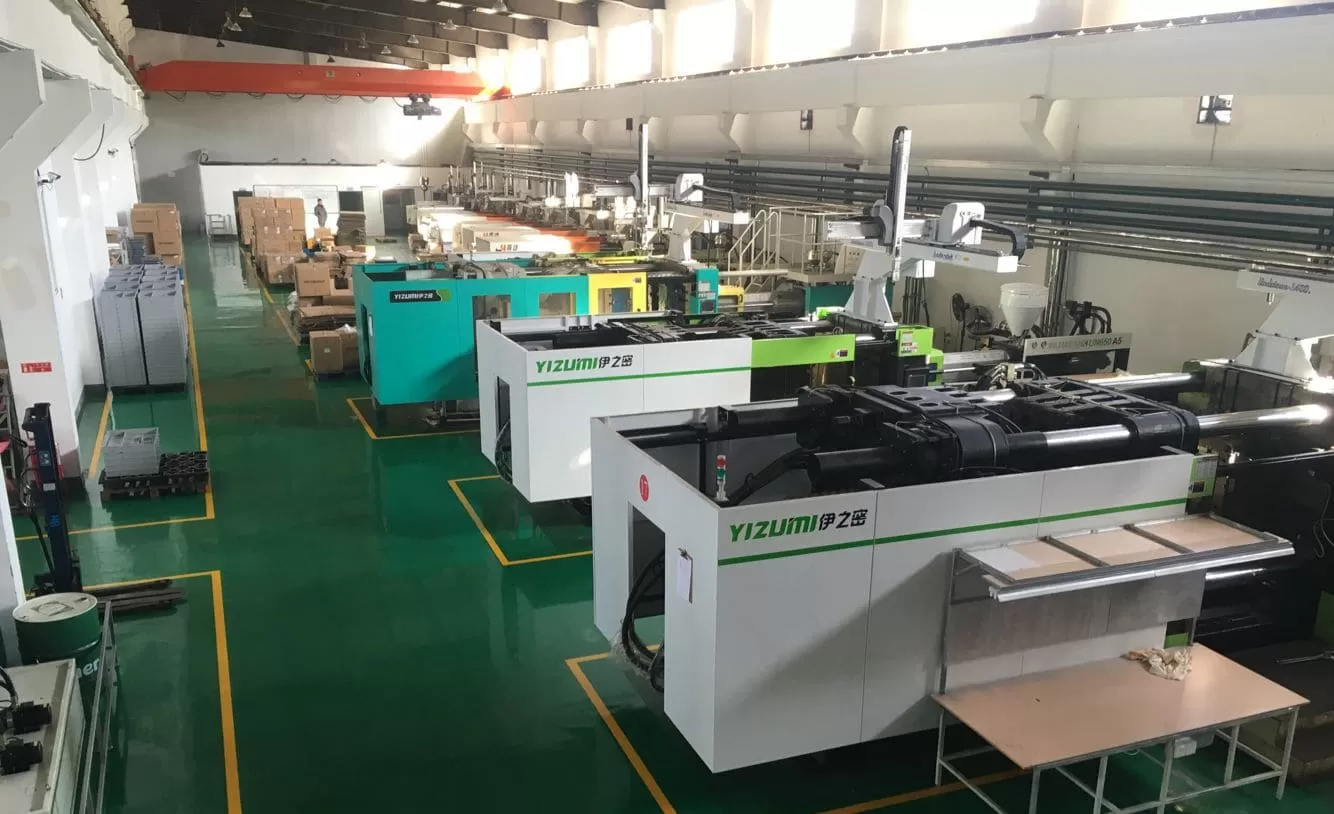
Em nossa fábrica de Xangai, operamos 47 máquinas de moldagem por injeção de 90T a 1850T, com uma instalação interna de fabricação de moldes que comporta mais de 100 conjuntos de moldes por mês. Isso significa que podemos realizar internamente modificações no ferramental sem os atrasos de 2-3 semanas decorrentes da terceirização.
Quais sistemas de controle de qualidade você deve procurar?
A inspeção de materiais recebidos, o monitoramento durante o processo e a inspeção final com dados de CMM formam a base de qualquer sistema de qualidade confiável. Sem os três elementos funcionando em conjunto, você está apostando na qualidade do seu produto. A inspeção do primeiro artigo2 (FAI) deve ser um procedimento padrão, e não algo que o fornecedor faça “quando solicitado”. Uma FAI adequada inclui relatórios dimensionais de cada característica crítica, certificação do material e documentação dos parâmetros do processo. Já vimos fornecedores pularem etapas da FAI para economizar tempo e depois enviarem peças que foram reprovadas na inspeção do cliente. O relatório de FAI deve incluir pelo menos 30 medições de amostras com análise estatística, e não apenas algumas verificações pontuais. O controle estatístico de processo3 (SPC) separa as operações profissionais das empresas amadoras.
Procure o monitoramento em tempo real da pressão da cavidade, da temperatura do material fundido e do tempo de ciclo, com gráficos de controle que acionem ajustes automáticos. Fornecedores que usam SPC detectam desvios dimensionais 4-6 horas antes daqueles que dependem de verificações manuais periódicas. Peça para ver os dados de SPC de trabalhos recentes — eles devem mostrar tendências claras, limites de controle e ações corretivas quando os processos se desviam. A trilha de documentação da qualidade é mais importante do que a maioria dos compradores imagina. Cada lote deve ter registros rastreáveis que vinculem os certificados da matéria-prima aos parâmetros do processo e aos dados da inspeção final. Isso se torna essencial se algum dia você precisar investigar falhas em campo ou responder a auditorias de clientes. “Verificamos tudo” não significa nada sem dados que comprovem essa afirmação.
Fornecedores profissionais conseguem apresentar registros completos de qualidade de qualquer remessa em até 24 horas e mostrar exatamente qual cavidade produziu cada peça e em quais condições de processo.
Mantemos mais de 10 especialistas dedicados ao controle de qualidade trabalhando de acordo com os sistemas ISO 9001, ISO 13485, ISO 14001 e ISO 45001. Cada lote de produção conta com rastreabilidade completa, desde os certificados da matéria-prima até os dados da inspeção final, disponível em até 24 horas.
"Verificar os registros de manutenção e o estoque de peças sobressalentes de um fornecedor informa mais sobre a confiabilidade da sua produção do que a idade dos equipamentos."True
Verdadeiro. Uma máquina de 10 anos com boa manutenção e cronogramas documentados de manutenção preventiva muitas vezes supera uma máquina de 3 anos negligenciada. Fornecedores que investem em programas sistemáticos de manutenção demonstram a disciplina operacional que se traduz diretamente em qualidade consistente das peças.
"A cotação mais baixa de moldagem por injeção é sempre a melhor escolha para compradores preocupados com custos."False
Falso. A cotação mais baixa muitas vezes se transforma no maior custo total quando você considera modificações do molde, falhas de qualidade e atrasos na produção. Uma comparação estruturada que normalize o tipo de aço, a quantidade de cavidades, os termos da garantia e as taxas ocultas revela a verdadeira diferença de custo entre fornecedores.
Como avaliar a comunicação e a gestão de projetos?
Os indicadores mais importantes são o tempo de resposta, a proficiência em inglês e as atualizações estruturadas do projeto. A má comunicação custa mais do que dinheiro — custa tempo, qualidade e paciência. Fornecedores profissionais respondem a perguntas técnicas em até 4-8 horas durante os dias úteis. Os desafios de fuso horário são administráveis se houver procedimentos estruturados de passagem de informações.
Bons fornecedores identificam possíveis problemas antes de apresentar uma cotação e sugerem melhorias específicas com os respectivos impactos nos custos. Eles devem detectar problemas evidentes, como ângulos de saída insuficientes, rebaixos que exigem corrediças ou variações na espessura de parede que causam empeno. Fornecedores fracos simplesmente cotam tudo o que você envia e deixam que você descubra os problemas durante os testes do molde. Um feedback de DFM de qualidade deve incluir recomendações específicas com as implicações no custo do ferramental, e não sugestões vagas. Os processos de aprovação de amostras precisam de prazos claros e controle de revisões. Fornecedores profissionais fornecem relatórios detalhados de amostras com dados dimensionais, parâmetros do processo e fotografias de qualquer problema estético. Eles devem ter um controle formal de revisões para que você não discuta qual versão aprovou seis semanas depois. Falhas de comunicação durante a amostragem acrescentam 3-4 semanas a cada ciclo de iteração.
Os melhores fornecedores usam portais on-line nos quais você pode acompanhar o status das amostras, analisar os dados de inspeção e enviar feedback com notificações automáticas para manter o andamento dos projetos.
Com mais de 30 gerentes de projeto que falam inglês e 8 engenheiros seniores na equipe, fornecemos feedback estruturado de DFM com recomendações específicas e implicações de custo — normalmente em até 4-8 horas durante os dias úteis. Nossa equipe de engenharia já analisou milhares de projetos de moldes e identifica problemas que poupam semanas de iteração aos clientes.
O que a sua lista de verificação para auditoria de fábrica deve incluir?
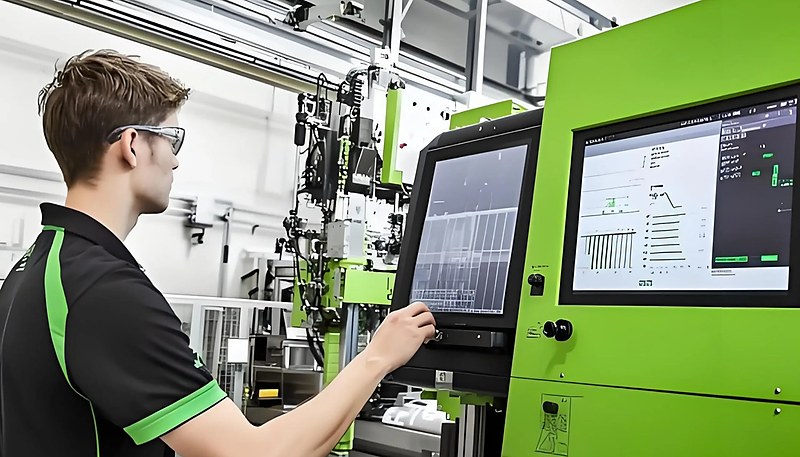
Uma auditoria de fábrica adequada é uma inspeção estruturada que revela a realidade operacional para além da visita encenada. Concentre-se em quatro áreas: sistemas de manutenção, controle de materiais, documentação da qualidade e organização da força de trabalho. Os melhores auditores chegam com uma lista de verificação e observam o que os fornecedores não mostram. Comece pelo armazém de materiais — verifique se as resinas estão armazenadas em condições com controle climático e identificação clara dos lotes. A degradação dos materiais decorrente do armazenamento inadequado é uma das causas mais comuns de defeitos nos ciclos de produção.
Peça para ver os cronogramas de manutenção preventiva, o estoque de peças sobressalentes e os registros de treinamento dos técnicos. Instalações bem administradas têm registros detalhados de manutenção que mostram intervalos regulares de serviço, uso de peças de reposição e tendências de desempenho. Os registros de tempo de inatividade das máquinas devem mostrar a manutenção planejada em comparação com os reparos emergenciais — bons fornecedores têm índices de manutenção planejada acima de 80%. A qualidade da sala de amostras indica a capacidade de medição e a cultura de qualidade do fornecedor. Procure equipamentos de medição calibrados, iluminação adequada para inspeção visual e armazenamento organizado de amostras com identificação clara. A sala de amostras deve ter controle de temperatura e umidade — as medições dimensionais variam significativamente conforme as condições ambientais. Verifique os certificados de calibração dos equipamentos de medição e pergunte sobre os estudos de R&R dos sistemas de medição. Os registros de treinamento dos operadores demonstram investimento na consistência da qualidade. Pergunte sobre os programas de treinamento, os processos de certificação de competências e os procedimentos de treinamento cruzado.
A documentação da qualidade revela se o sistema de qualidade do fornecedor é real ou apenas decorativo. Solicite uma cópia do relatório de auditoria interna mais recente e de um registro recente de ação corretiva. Bons fornecedores mantêm um manual da qualidade atualizado, com datas de revisão, registros de treinamento e certificados de calibração de todos os equipamentos de medição. Se a resposta à sua solicitação de documentação for lenta ou evasiva, considere o que isso significa para a rastreabilidade da produção.
Fornecedores com programas formais de treinamento apresentam 40-50% menos escapes de qualidade do que aqueles que dependem da transferência informal de conhecimento. Pergunte sobre o processo de certificação dos operadores, a frequência com que retreinam a equipe e se monitoram as taxas de conclusão dos treinamentos. Uma fábrica que investe no desenvolvimento da força de trabalho produz consistentemente peças mais uniformes e lida com mudanças de processo de forma mais eficaz.

Como comparar cotações de moldagem por injeção de forma justa?
Uma comparação justa exige normalizar sete variáveis que os fornecedores cotam de maneiras diferentes para parecerem mais baratos. Sem padronizar esses fatores, você estará comparando ofertas completamente diferentes. O tipo de aço e a quantidade de cavidades geram as maiores variações de preço. O aço P20 custa 40-50% menos do que o H13, mas o H13 dura 3-4 vezes mais na produção em alto volume. Moldes de uma única cavidade têm maior custo por peça, mas oferecem melhor controle de qualidade, enquanto moldes multicavidade reduzem o preço por peça, porém aumentam a complexidade. Normalize as cotações para o mesmo tipo de aço e a mesma quantidade de cavidades e, em seguida, calcule o custo total, incluindo a vida útil esperada e a manutenção do molde. A vida útil esperada do molde e as modificações incluídas variam drasticamente entre fornecedores. Alguns cotam uma vida útil de 500,000 ciclos, enquanto outros presumem 2 milhões de ciclos.
As tolerâncias para modificações variam de zero a mais de 10 horas incluídas no preço base. Fornecedores profissionais especificam exatamente quais modificações estão incluídas e as taxas cobradas pelo trabalho adicional. Inclua essas diferenças no cálculo do custo total. Os termos da garantia e a estrutura de pagamento afetam o fluxo de caixa e a exposição ao risco. As garantias padrão cobrem 90 dias a partir da aprovação do primeiro artigo, mas alguns fornecedores oferecem cobertura de 12 meses. As condições de pagamento variam de 100% antecipado a um depósito de 30% com o saldo na entrega.
Alguns fornecedores incluem 3-5 iterações de amostras, enquanto outros cobram mais de $500 por iteração após a primeira. Use uma estrutura de comparação que inclua todos os custos do ciclo de vida, e não apenas os números principais na avaliação do seu guia de seleção de fornecedores para moldagem por injeção.
Perguntas frequentes
Qual é a certificação mais importante para um fornecedor de moldagem por injeção?
A ISO 9001 é a certificação básica essencial que qualquer fornecedor respeitável de moldagem por injeção deve ter. Essa norma comprova que ele possui um sistema de gestão da qualidade documentado que abrange controle de processos, rastreabilidade e melhoria contínua. Para a fabricação de dispositivos médicos, a ISO 13485 acrescenta protocolos de sala limpa e requisitos de rastreabilidade de materiais. As aplicações automotivas exigem a IATF 16949, que inclui os processos de documentação APQP e PPAP. Sempre verifique o escopo real do certificado e as datas de validade durante a auditoria — alguns fornecedores têm certificação para uma linha de produtos, mas a aplicam a toda a operação.
Quanto tempo leva uma avaliação adequada de fornecedores?
Uma avaliação completa de fornecedores normalmente leva 10-15 dias úteis quando realizada corretamente. Esse prazo inclui a análise documental de certificações e registros de qualidade, a verificação de referências com clientes existentes e pelo menos uma auditoria presencial da fábrica. O processo de avaliação abrange capacidade de fabricação, sistemas de controle de qualidade, agilidade na comunicação e estabilidade financeira. Apressar essa etapa para economizar duas semanas frequentemente resulta em falhas de produção que acrescentam 3-6 meses e um custo adicional de 40-60 por cento ao seu projeto quando é preciso trocar de fornecedor no meio da produção.
Devo visitar a fábrica antes de fazer um pedido?
Sim, uma visita presencial à fábrica é altamente recomendada para qualquer projeto de moldagem por injeção com investimento em ferramental superior a 10,000 USD. Percorrer o chão de fábrica revela a disciplina operacional, os padrões de manutenção dos equipamentos e a cultura de qualidade que nenhum folheto, videochamada ou relatório de terceiros consegue transmitir com precisão. Durante a visita, observe a organização 5S, verifique as condições de armazenamento dos materiais, analise os registros de manutenção e entreviste os supervisores de produção. As perguntas que você faz durante uma visita de duas horas à fábrica muitas vezes revelam mais sobre um fornecedor do que semanas de troca de e-mails.
Quais perguntas devo fazer durante uma auditoria de fábrica?
Concentre a auditoria de fábrica em quatro áreas essenciais: sistemas de manutenção, controle de materiais, documentação da qualidade e treinamento da força de trabalho. Peça para ver os cronogramas de manutenção preventiva com os registros de conclusão — bons fornecedores mantêm um índice de manutenção planejada de 80 por cento ou mais em comparação com reparos emergenciais. Solicite os procedimentos de armazenamento de materiais e o sistema de rastreabilidade de lotes. Analise relatórios recentes de escapes de qualidade e ações corretivas. Pergunte especificamente qual foi o pior problema de qualidade no último mês e quais medidas foram tomadas para evitar a recorrência — essa única pergunta revela mais sobre a cultura de qualidade do fornecedor do que qualquer certificado na parede.
Como comparar cotações de moldagem por injeção de diferentes fornecedores?
Normalize todas as cotações com base em sete variáveis para permitir uma comparação justa: tipo de aço, quantidade de cavidades, vida útil esperada do molde, horas de modificação incluídas, termos da garantia, estrutura de pagamento e custos ocultos, como taxas de amostragem e ordens de alteração de engenharia. Uma cotação que parece 20 por cento mais baixa no valor principal muitas vezes custa significativamente mais ao longo de todo o ciclo de vida da produção quando você considera uma vida útil mais curta do molde, tolerâncias limitadas para modificações e cobranças de amostragem por iteração. Crie um modelo de custo total que inclua ferramental, amostragem, modificações e manutenção esperada durante o volume de produção projetado.
A quais sinais de alerta devo estar atento ao avaliar fornecedores?
Fique atento a cinco sinais de alerta específicos: alegações vagas de qualidade sem dados de apoio, relutância em compartilhar detalhes de certificações ou relatórios de auditoria, registros de manutenção ausentes ou incompletos, chão de fábrica desorganizado com armazenamento inadequado de materiais e tempos de resposta superiores a 24 horas para perguntas técnicas. Outros sinais de alerta incluem a ausência de capacidade interna de fabricação de ferramental para um projeto de molde de produção, a recusa em fornecer referências de clientes e cotações mais de 30 por cento abaixo da média do mercado sem uma explicação clara. Qualquer combinação desses indicadores sugere possíveis problemas de produção que surgirão depois que você já tiver comprometido o investimento em ferramental.
ISO 9001: A ISO 9001 é uma norma internacional para sistemas de gestão da qualidade que assegura que as organizações atendam de forma consistente aos requisitos dos clientes e regulamentares. ↩
Inspeção do primeiro artigo: A inspeção do primeiro artigo (FAI) é um método formal de teste usado para verificar se o processo de fabricação produz peças que atendem a todos os requisitos e especificações de engenharia. ↩
Controle estatístico de processo: O controle estatístico de processo (SPC) é um método de controle de qualidade que usa técnicas estatísticas para monitorar e controlar um processo de produção. ↩