Toda fábrica de moldagem por injeção tem um problema de carbono — independentemente de medi-lo ou não. As máquinas consomem enormes quantidades de energia, os pellets termoplásticos vêm de combustíveis fósseis e os refugos se acumulam silenciosamente em aterros. A questão não é se sua operação de moldagem por injeção possui uma Pegada de carbono1, mas qual é seu tamanho e o que pode ser feito de forma realista para reduzi-la.
- O consumo de energia na moldagem por injeção varia entre 1,5 e 5,5 kWh por kg de polímero processado
- Os ciclos de aquecimento e arrefecimento da máquina representam 60–70% do consumo total de energia da fábrica
- Apenas a seleção de material pode reduzir o carbono incorporado em 40–60%
- Os acionamentos regenerativos das máquinas recuperam até 25% da energia de travagem
- O conteúdo reciclado na mistura 30% reduz as emissões do berço ao portão em aproximadamente um terço
O Que Contribui para a Pegada de Carbono na Moldagem por Injeção?
A energia das máquinas é a maior contribuinte para a pegada de carbono, seguida pelo carbono incorporado nos materiais e pelos resíduos de produção. Uma avaliação abrangente do ciclo de vida do molde de injeção mostra que a energia das máquinas costuma predominar, mas, para certos materiais, o carbono da matéria-prima supera todos os demais fatores.
O uso de energia na moldagem por injeção não é constante — atinge picos durante as fases de plastificação e injeção, desce durante a manutenção e o arrefecimento. Os aquecedores do cilindro numa prensa hidráulica típica de 200 toneladas consomem 15–25 kW continuamente apenas para manter a temperatura de fusão, quer a máquina esteja a ciclar ou parada entre disparos. Essa carga de base é o custo de carbono oculto que a maioria das fábricas ignora.
| Fonte | Participação típica | Motores Primários |
|---|---|---|
| Energia da máquina (eletricidade) | 40–60% | Aquecimento do cilindro, bombas hidráulicas, força de fecho |
| Carbono incorporado na matéria-prima | 25–40% | Tipo de polímero, conteúdo virgem vs reciclado |
| Equipamento auxiliar | 10–15% | Secadores, arrefecedores, transportadores, robôs |
| Gestão de resíduos e sucata | 5–10% | Taxa de rejeição, práticas de retrituração, método de eliminação |
| Despesas gerais da instalação | 5–8% | Iluminação, AVAC, ar comprimido |
"A redução do tempo de ciclo reduz diretamente as emissões de carbono por peça na moldação por injeção."True
Ciclos mais curtos significam que a máquina gasta menos energia por peça em fecho, manutenção e aquecimento do cilindro. A otimização do tempo de ciclo através da moldagem científica é uma das estratégias de redução de carbono mais diretas e económicas disponíveis.
"A mudança para máquinas totalmente elétricas elimina a maior parte da pegada de carbono da moldagem por injeção."False
As máquinas totalmente elétricas reduzem o consumo de energia em 40–60%, mas o carbono incorporado na matéria-prima e os sistemas auxiliares ainda representam uma parte significativa. Uma abordagem holística que aborde materiais, processos e infraestrutura é necessária para uma redução significativa de carbono.
Como Medir as Emissões de Carbono na Moldagem por Injeção?
A forma padrão de medir as emissões de carbono da moldagem por injeção é uma Avaliação do Ciclo de Vida2 (ACV) com escopo do berço ao portão. Esse ponto de partida prático abrange a produção do material, o transporte e seu processo de fabricação, seguindo as estruturas ISO 14040/14044.
Comece medindo as Emissões de Escopo 13 (gás natural usado nos secadores e combustível das empilhadeiras no local) e as emissões de Escopo 2 (eletricidade comprada para alimentar as máquinas). Dividir a conta de eletricidade pelo volume produzido fornece uma estimativa do consumo específico de energia. Compare-a com o fator de emissão da rede regional: uma fábrica que opera as mesmas máquinas na Noruega (0,02 kg CO2/kWh) e na China (0,55 kg CO2/kWh) apresenta pegadas drasticamente diferentes.
Na prática, recomendamos monitorizar três métricas principais mensalmente: consumo específico de energia (kWh/kg), taxa de sucata (%) e carbono incorporado do material (kg CO2/kg de polímero). Estes três números contam-lhe a maior parte da história e dão-lhe objetivos claros de melhoria.
Quais Materiais de Moldagem por Injeção Têm a Maior Pegada de Carbono?
Nem todos os plásticos são iguais no que diz respeito ao carbono. O carbono incorporado das resinas comuns para moldagem por injeção varia drasticamente — desde aproximadamente 2 kg CO2/kg para o polipropileno até mais de 9 kg CO2/kg para o nylon reforçado com fibra de carbono. A origem da matéria-prima (petróleo vs. base biológica), a energia do processo de polimerização e quaisquer aditivos ou cargas contribuem todos.
| Material | Aprox. kg CO2/kg | Notas |
|---|---|---|
| PP (Polipropileno) | 1.8–2.5 | Termoplástico comum de menor custo; amplamente reciclável |
| PE (Polietileno) | 1.8–2.8 | LDPE ligeiramente superior ao HDPE devido à energia do processo |
| PS (Poliestireno) | 2.5–3.5 | Utilização geral; a espuma EPS contém agentes expansores adicionais |
| PVC (cloreto de polivinilo) | 2.0–3.0 | Menor pegada de carbono da matéria-prima, mas o processamento de cloro aumenta a complexidade |
| ABS | 3.0–4.0 | O sistema de três monómeros aumenta a energia de processamento |
| PA6/PA66 (náilon) | 5.0–7.0 | Polimerização intensiva em energia; a produção de caprolactama tem elevadas emissões de carbono |
| PC (Policarbonato) | 6.0–8.0 | Processo à base de fosgénio; elevado consumo de energia e produtos químicos |
| PEEK | 25–35 | As temperaturas de processamento ultraelevadas agravam a pegada |
| PA reforçada com CF | 8.0–12.0 | A produção de fibra de carbono exige uma quantidade extremamente elevada de energia (~20 kg CO2/kg de fibra) |
Quando avaliamos substituições de materiais nas nossas instalações de Xangai, olhamos para além do valor por quilograma. Um polímero de desempenho superior pode permitir reduzir a espessura da parede em 20%, utilizando menos material no total e compensando a maior pegada por kg. A unidade funcional é importante — compare a pegada por peça acabada, não por quilograma de resina.
Como Pode a Seleção de Máquinas Reduzir a Sua Pegada de Carbono?
A maior medida ao alcance da maioria das empresas de moldagem é passar de máquinas hidráulicas para máquinas totalmente elétricas. Uma prensa hidráulica típica de 200 toneladas consome 30–50% mais energia do que uma máquina totalmente elétrica equivalente que produza as mesmas peças. A razão é simples: as bombas hidráulicas funcionam continuamente e geram calor que depois tem de ser removido pelos sistemas de arrefecimento — uma penalização energética dupla.
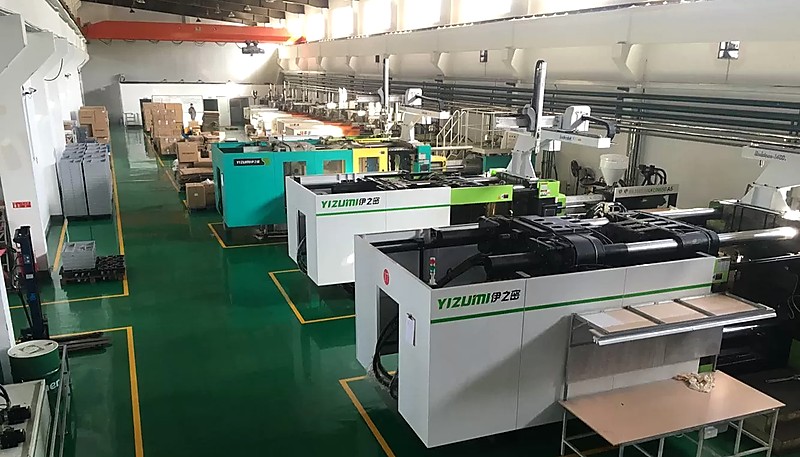
As máquinas totalmente elétricas utilizam servomotores que apenas consomem energia durante os movimentos ativos. Quando a unidade de fecho está a manter a força, o motor trava e devolve energia ao sistema. Estudos independentes demonstram melhorias de 40–60% no consumo específico de energia quando se substituem máquinas hidráulicas antigas por prensas elétricas modernas.
"Os sistemas de canal quente reduzem a pegada de carbono ao eliminarem os resíduos dos canais frios."True
Os canais quentes eliminam totalmente o fluxo de resíduos dos canais frios, poupando matéria-prima e a energia necessária para a triturar e reprocessar. Nos moldes multicavidade de grande volume, as poupanças de material e energia são substanciais.
"A utilização de plástico 100% reciclado produz sempre uma pegada de carbono inferior à do material virgem."False
Embora a reciclagem mecânica poupe normalmente 70–85% da energia de produção, alguns fluxos de material reciclado exigem operações extensas de triagem, lavagem e reprocessamento que reduzem o benefício líquido. O material moído pós-industrial reutilizado internamente apresenta o melhor perfil de carbono.
Que Estratégias de Otimização de Processos Reduzem as Emissões de Carbono?
A otimização do tempo de ciclo é a estratégia de redução de carbono mais eficaz ao nível do processo. As técnicas de moldagem científica que identificam o tempo mínimo de arrefecimento viável reduzem normalmente os ciclos em 10–25% sem comprometer a qualidade das peças. Cada segundo de arrefecimento eliminado é um segundo em que a máquina não consome energia para manter o fecho e a temperatura do cilindro.
A gestão da temperatura do material fundido é outra área negligenciada. Muitas empresas de moldação utilizam temperaturas do cilindro 10–20°C superiores ao necessário, porque essa era a definição herdada do trabalho anterior. Cada grau desnecessário na temperatura do material fundido acrescenta cerca de 1% ao consumo de energia do cilindro. A definição da temperatura correta do material fundido para a classe específica reduz o consumo de energia, encurta o tempo de arrefecimento e melhora frequentemente o aspeto da peça.
Os sistemas de canais quentes, quando devidamente equilibrados, reduzem o desperdício de material ao eliminar totalmente os canais frios. Os canais de arrefecimento conformal nos moldes, possibilitados pela impressão 3D de metal, podem reduzir os tempos de ciclo em 20–40%, com reduções proporcionais de energia e carbono.
Como Afeta o Conteúdo Reciclado a Pegada de Carbono?
A incorporação de conteúdo reciclado pós-industrial ou pós-consumo (PCR) é uma das estratégias mais eficazes para reduzir as emissões de carbono. A reciclagem mecânica de termoplásticos comuns, como PP, PE e PET, utiliza normalmente 70–85% menos energia do que a produção de material virgem, porque elimina por completo a etapa de polimerização intensiva em energia. Numa mistura de PP com 30% de conteúdo reciclado, pode esperar uma redução aproximada de 25–30% nas emissões de carbono associadas ao material.
O desafio prático consiste em manter as propriedades mecânicas e a consistência da cor. Na nossa fábrica, processamos habitualmente PP com 20–30% de material moído pós-industrial em aplicações não críticas, como insertos de embalagem e suportes internos. Para peças visíveis ou estruturais, validamos as misturas recicladas através do nosso processo normal de controlo de qualidade antes de assumirmos compromissos relativos aos volumes de produção.
Uma nota de prudência: nem todo o conteúdo reciclado proporciona os mesmos benefícios em termos de carbono. Se o material reciclado exigir etapas adicionais de triagem, lavagem e repeletização que consumam muita energia, o benefício líquido diminui. O material triturado pós-industrial utilizado internamente no local onde é gerado tem a menor sobrecarga de carbono de qualquer fluxo reciclado.
Que Papel Desempenha a Infraestrutura da Fábrica na Redução de Carbono?
Os sistemas de ar comprimido, a infraestrutura de arrefecimento e a iluminação das instalações são os três maiores meios de redução de carbono ao nível da fábrica. Os sistemas de ar comprimido são notoriamente ineficientes — normalmente, apenas 10–20% da energia consumida chega ao ponto de utilização. Cada fuga de ar, tubagem subdimensionada e descarga desnecessária aumenta a sua fatura de carbono. Uma auditoria sistemática ao ar comprimido identifica frequentemente um potencial de poupança de 20–30% através de correções de baixo custo.
A infraestrutura de arrefecimento é outro fator importante. Os sistemas centrais de refrigeração que servem várias máquinas são mais eficientes por tonelada de refrigeração do que os controladores individuais de temperatura do molde, mas apenas se o circuito de distribuição estiver devidamente isolado e o refrigerador tiver a capacidade correta para a carga real.
A atualização da iluminação para LED, os sensores de movimento nas áreas de armazém com pouco movimento e os variadores de frequência nos motores de HVAC não são medidas vistosas, mas, em conjunto, reduzem normalmente 5–10% da energia total das instalações. Para uma fábrica com 47 máquinas de moldação por injeção, isto representa uma quantidade significativa de emissões de CO2 evitadas.
"A iluminação LED e os variadores de frequência nos motores HVAC podem reduzir em 5–10% o consumo de energia das instalações."True
Embora as poupanças individuais sejam modestas, estas melhorias das infraestruturas acumulam-se numa fábrica de grande dimensão. Numa instalação com 47 máquinas de moldação por injeção, uma redução de 5–10% nos custos indiretos traduz-se em centenas de toneladas de CO2 evitadas anualmente.
"A certificação ISO 14001 garante uma pegada de carbono reduzida para uma fábrica de moldagem."False
A ISO 14001 certifica que existe e é aplicado um sistema de gestão ambiental — não define limiares específicos de desempenho carbónico. Uma fábrica certificada pode ainda ter uma pegada absoluta elevada; a certificação assegura a medição e melhoria contínuas, não um determinado nível de desempenho.
Como Pode Construir um Roteiro de Redução de Carbono para a Sua Operação de Moldagem?
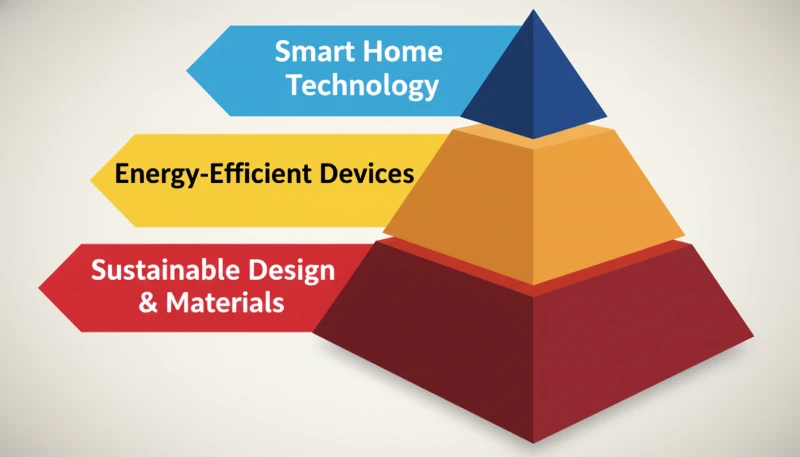
Um roteiro em três fases é a abordagem mais prática: medição de referência, otimização do processo e, depois, investimento estrutural. A fase 1 (0–6 meses) começa com a instalação de subcontadores nas principais máquinas, o acompanhamento do consumo específico de energia por prensa e a quantificação das taxas de desperdício. Entre os ganhos rápidos estão desligar as máquinas inativas, reduzir as temperaturas definidas para o cilindro e reparar fugas de ar comprimido — estas medidas quase nada custam e permitem normalmente poupanças de energia de 5–15%.
Fase 2 (6–18 meses): Invista na otimização do processo. Implemente a moldagem científica para minimizar os tempos de ciclo das ferramentas com maior volume. Avalie a conversão para canais quentes dos moldes multicavidade que ainda utilizam canais frios. Comece a qualificar misturas de materiais reciclados para peças não críticas. Substitua as máquinas hidráulicas mais antigas e com maior consumo de energia por alternativas totalmente elétricas.
| Fase | Linha do tempo | Principais ações | Impacto esperado |
|---|---|---|---|
| 1 — Referência e melhorias rápidas | 0–6 meses | Subcontagem, paragem em inatividade, correção de fugas de ar, otimização da temperatura | Redução de energia de 5–15% |
| 2 — Otimização do Processo | 6–18 meses | Moldagem científica, canais quentes, misturas recicladas, atualizações de máquinas | 15–35% de redução adicional |
| 3 — Alteração Estrutural | 18–36 meses | Energia renovável, materiais de base biológica, ISO 14001, rastreabilidade total | Meta de redução total de 30–50% |
Fase 3 (18–36 meses): mudanças estruturais. Avalie a geração solar no local ou um guia de fornecimento de energia renovável. Investigue alternativas de polímeros de base biológica para as linhas de produtos adequadas. Implemente rastreabilidade total dos materiais para sustentar declarações de conteúdo reciclado. Considere a certificação ISO 14001 como estrutura para a melhoria ambiental contínua. Na ZetarMold, nossas certificações ISO 14001 e ISO 45001 fornecem a estrutura de governança necessária para acompanhar e melhorar sistematicamente nosso desempenho ambiental.
Perguntas Frequentes sobre Pegada de Carbono na Moldagem por Injeção
Quanto CO2 produz uma máquina de moldagem por injeção por hora?
Uma típica máquina de moldagem por injeção hidráulica de 200 toneladas consome 25–40 kWh por hora. Usando o fator médio global de emissão da rede de aproximadamente 0,46 kg CO2/kWh, isso traduz-se em 11,5–18,4 kg CO2 por hora. Uma máquina totalmente elétrica equivalente produziria aproximadamente 5–9 kg CO2 por hora.
Qual é a pegada de carbono de um quilograma de peças de PP moldadas por injeção?
Para o polipropileno, o carbono incorporado na resina é aproximadamente 1,8–2,5 kg CO2/kg. Adicionar a energia de processamento de aproximadamente 1,5–3,0 kWh/kg traz o total para aproximadamente 2,5–4,0 kg CO2 por kg de peças de PP acabadas. Usar PP reciclado pode reduzir isto em 25–40%.
A moldagem por injeção é mais intensiva em carbono do que outros processos de fabrico?
Comparada com a usinagem CNC, a moldagem por injeção é tipicamente menos intensiva em carbono por peça em volumes acima de 1.000 unidades porque o desperdício de material é muito menor. Comparada com a impressão 3D (FDM/SLA), a moldagem por injeção é dramaticamente mais eficiente em escala.
A energia renovável pode eliminar totalmente as emissões de carbono da moldagem por injeção?
A eletricidade renovável pode eliminar as emissões de Scope 2, que representam normalmente 40–60% da pegada de carbono de uma instalação. No entanto, o carbono incorporado nas matérias-primas poliméricas (Scope 3 a montante) mantém-se, a menos que se mude para materiais de base biológica ou totalmente reciclados.
Que percentagem dos resíduos da moldagem por injeção pode ser reciclada?
Os resíduos da moldagem por injeção de termoplásticos — canais frios, peças incompletas e peças defeituosas — são quase 100% recicláveis através da moagem mecânica. O limite prático é geralmente cerca de 20–30% de conteúdo de material moído na mistura de alimentação para manter propriedades mecânicas consistentes.
Como é que a espessura da parede afeta a pegada de carbono em peças moldadas por injeção?
Paredes mais espessas requerem mais material por peça e tempos de arrefecimento mais longos. Reduzir a espessura da parede em 20% pode cortar o carbono do material por peça em aproximadamente 20% e o tempo de ciclo em 15–30%, com poupanças de energia compostas.
Que certificações ajudam a verificar a redução de carbono na moldagem por injeção?
A ISO 14001 fornece o quadro de gestão ambiental. A ISO 14067 especifica a metodologia para calcular as pegadas de carbono dos produtos. Para alegações específicas de materiais, o conteúdo reciclado pode ser verificado através da certificação GRS (Global Recycled Standard) ou SCS Recycled Content.
O design do molde impacta a pegada de carbono da produção?
O design do molde tem um impacto significativo na pegada de carbono por peça. Os sistemas de canais quentes eliminam o desperdício de canais frios. Os canais de arrefecimento conformais reduzem os tempos de ciclo em 20–40%. As localizações de entrada otimizadas reduzem os requisitos de pressão, permitindo menor tonelagem da máquina e uso de energia.
Conclusão: Passos Práticos para uma Moldagem por Injeção com Menor Carbono
Reduzir a pegada de carbono da moldagem por injeção não é um projeto único — é uma disciplina de melhoria contínua que abrange seleção de máquinas, parâmetros do processo, escolhas de materiais e infraestrutura da fábrica. Comece com a medição: submeta as suas máquinas a medição, acompanhe o consumo específico de energia e calcule a sua linha de base de carbono por peça. Depois, ataque primeiro as maiores alavancas — atualizações de máquinas, otimização do tempo de ciclo e adoção de conteúdo reciclado.
Na ZetarMold, operamos 47 máquinas de moldagem por injeção, desde 90T até 1850T, na nossa instalação de Xangai, apoiadas pelos sistemas de gestão ambiental ISO 14001 e ISO 45001. A nossa equipa de engenharia otimiza continuamente os parâmetros do ciclo e avalia opções de materiais reciclados para reduzir o nosso impacto ambiental, mantendo os padrões de qualidade que os nossos clientes globais esperam. Se procura um parceiro de fabrico que leva a sério a redução de carbono, contacte a nossa equipa para discutir os requisitos do seu projeto.
Pegada de carbono: refere-se à quantidade total de gases de efeito estufa produzidos direta e indiretamente por uma atividade, expressa em toneladas equivalentes de CO2. ↩
Avaliação do Ciclo de Vida: refere-se a uma metodologia para avaliar os impactos ambientais de um produto desde a extração das matérias-primas até o descarte, seguindo as estruturas ISO 14040/14044. ↩
Emissões de Escopo 1: referem-se às emissões diretas de gases com efeito de estufa provenientes de fontes que pertencem ou são controladas por uma organização, como a combustão de combustível no local em caldeiras ou veículos. ↩