Ölçseniz de ölçmeseniz de her enjeksiyon kalıplama fabrikasının karbon sorunu vardır. Presler muazzam enerji tüketir, termoplastik granüller fosil yakıtlardan gelir ve hurda sessizce düzenli depolama alanlarında birikir. Asıl soru enjeksiyon kalıplama operasyonunuzun bir Karbon Ayak İzi1 olup olmadığı değil, bunun ne kadar büyük olduğu ve gerçekçi biçimde nasıl küçültülebileceğidir.
- Enjeksiyon kalıplama enerji tüketimi, işlenen polimerin kg başına 1.5 ila 5.5 kWh arasında değişir
- Makine ısıtma ve soğutma döngüleri toplam tesis enerji kullanımının –70'ini oluşturur
- Malzeme seçimi tek başına gömülü karbonu –60 oranında azaltabilir
- Rejeneratif makine sürücüleri frenleme enerjisinin 'ine kadarını geri kazanır
- geri dönüştürülmüş içerikli karışım, başlangıçtan kapıya emisyonları kabaca üçte bir oranında düşürür
Enjeksiyon Kalıplamada Karbon Ayak İzine Neler Katkıda Bulunur?
Karbon ayak izine en büyük katkıyı makine enerjisi, ardından malzemenin gömülü karbonu ve üretim atığı yapar. Kapsamlı bir enjeksiyon kalıbı yaşam döngüsü değerlendirmesi, çoğu zaman makine enerjisinin baskın olduğunu; bazı malzemelerde ise hammadde karbonunun diğer her şeyi geçtiğini gösterir.
Enjeksiyon kalıplamada enerji kullanımı sabit değildir — plastikleştirme ve enjeksiyon aşamalarında ani artışlar gösterir, tutma ve soğutma sırasında düşer. Tipik bir 200 tonluk hidrolik presin namlu ısıtıcıları, erime sıcaklığını korumak için makine döngüde olsun veya atışlar arasında boşta oturuyor olsun sürekli olarak 15–25 kW çeker. Bu temel yük, çoğu fabrikanın gözden kaçırdığı gizli karbon maliyetidir.
| Kaynak | Tipik Pay | Ana Etkenler |
|---|---|---|
| Makine enerjisi (elektrik) | 40–60% | Namlu ısıtma, hidrolik pompalar, kapama kuvveti |
| Hammadde gömülü karbonu | 25–40% | Polimer tipi, saf vs geri dönüştürülmüş içerik |
| Yardımcı ekipmanlar | 10–15% | Kurutucular, soğutucular, konveyörler, robotlar |
| Atık & hurda yönetimi | 5–10% | Red oranı, geri öğütme uygulamaları, bertaraf yöntemi |
| Tesis genel giderleri | 5–8% | Aydınlatma, HVAC, basınçlı hava |
"Çevrim süresini azaltmak, enjeksiyon kalıplamada parça başına karbon emisyonunu doğrudan azaltır."True
Daha kısa döngüler, makinenin parça başına kilitlenme, tutma ve namlu ısıtma için daha az enerji harcaması anlamına gelir. Bilimsel kalıplama yoluyla döngü süresi optimizasyonu, mevcut en doğrudan ve uygun maliyetli karbon azaltma stratejilerinden biridir.
"Tam elektrikli makinelere geçmek, enjeksiyon kalıplamanın karbon ayak izinin büyük bölümünü ortadan kaldırır."False
Tamamen elektrikli makineler enerji tüketimini –60TP3T oranında azaltır, ancak ham madde içerdiği karbon ve yardımcı sistemler hala önemli bir paya sahiptir. Anlamlı bir karbon azaltımı için malzemeleri, süreçleri ve altyapıyı ele alan bütünsel bir yaklaşım gereklidir.
Enjeksiyon Kalıplamada Karbon Emisyonları Nasıl Ölçülür?
Enjeksiyon kalıplama karbon emisyonlarını ölçmenin standart yolu, ISO 14040/14044 çerçevelerine göre beşikten fabrika kapısına kapsamlı bir Yaşam Döngüsü Değerlendirmesi2 (LCA) yapmaktır. Pratik başlangıç noktası olarak malzeme üretimini, taşımayı ve üretim sürecinizi kapsar.
Önce Kapsam 1 Emisyonlarını3 (kurutucularda saha içi doğal gaz, forklift yakıtı) ve Kapsam 2 emisyonlarını (makineleri çalıştıran satın alınmış elektrik) ölçün. Elektrik faturasını üretim hacmine bölmek yaklaşık özgül enerji tüketimini verir. Bunu bölgesel şebeke emisyon katsayısıyla eşleştirin: aynı makineleri Norveç’te (0,02 kg CO2/kWh) ve Çin’de (0,55 kg CO2/kWh) çalıştıran fabrikaların ayak izleri çok farklıdır.
Uygulamada, aylık olarak üç temel metriği takip etmenizi öneririz: spesifik enerji tüketimi (kWh/kg), fire oranı (%%) ve malzeme gömülü karbonu (kg CO2/kg polimer). Bu üç sayı size hikayenin çoğunu anlatır ve net iyileştirme hedefleri verir.
Hangi Enjeksiyon Kalıplama Malzemeleri En Yüksek Karbon Ayak İzine Sahiptir?
Karbon söz konusu olduğunda tüm plastikler eşit yaratılmamıştır. Yaygın enjeksiyon kalıplama reçinelerinin gömülü karbonu büyük ölçüde değişir — polipropilen için yaklaşık 2 kg CO2/kg’dan karbon elyaf takviyeli naylon için 9 kg CO2/kg’ın üzerine kadar. Hammadde kaynağı (petrol vs biyo-temelli), polimerizasyon işlem enerjisi ve herhangi bir katkı maddesi veya dolgu maddesi buna katkıda bulunur.
| Malzeme | Yaklaşık kg CO2/kg | Notlar |
|---|---|---|
| PP (Polipropilen) | 1.8–2.5 | En düşük ortak termoplastik; yaygın olarak geri dönüştürülebilir |
| PE (Polietilen) | 1.8–2.8 | LDPE, işlem enerjisi nedeniyle HDPE'den biraz daha yüksektir |
| PS (Polistiren) | 2.5–3.5 | Genel amaçlı; EPS köpüğün ek şişirme ajanları vardır |
| PVC (Polivinil Klorür) | 2.0–3.0 | Daha düşük hammadde karbonu, ancak klor işleme karmaşıklık ekler |
| ABS | 3.0–4.0 | Üç monomerli sistem işleme enerjisini artırır |
| PA6/PA66 (Naylon) | 5.0–7.0 | Enerji yoğun polimerizasyon; kaprolaktam üretiminin karbon yükü yüksektir |
| PC (Polikarbonat) | 6.0–8.0 | Fosgen bazlı proses; yüksek enerji ve kimyasal girdisi |
| PEEK | 25–35 | Ultra yüksek işlem sıcaklıkları çevresel ayak izini daha da büyütür |
| CF-reinforced PA malzemesi | 8.0–12.0 | Karbon elyaf üretimi son derece yoğun enerji gerektirir (~20 kg CO2/kg elyaf) |
Şanghay tesisimizde malzeme ikamelerini değerlendirirken yalnızca kilogram başına fiyata bakmayız. Daha yüksek performanslı bir polimer, duvar kalınlığını 20% azaltarak daha az toplam malzeme kullanmanızı ve kg başına daha yüksek ayak izini dengelemenizi sağlayabilir. İşlevsel birim önemlidir — reçinenin kilogramı başına değil, bitmiş parça başına ayak izini karşılaştırın.
Makine Seçimi Karbon Ayak İzinizi Nasıl Azaltabilir?
Çoğu kalıpçının kullanabileceği en büyük kaldıraç, hidrolik makinelerden tamamen elektrikli makinelere geçmektir. Tipik bir hidrolik 200-ton pres, aynı parçaları üreten eşdeğer tamamen elektrikli makineden 30–50% daha fazla enerji tüketir. Nedeni açıktır: hidrolik pompalar sürekli çalışarak daha sonra soğutma sistemleriyle giderilmesi gereken ısı üretir; bu da iki kat enerji kaybıdır.
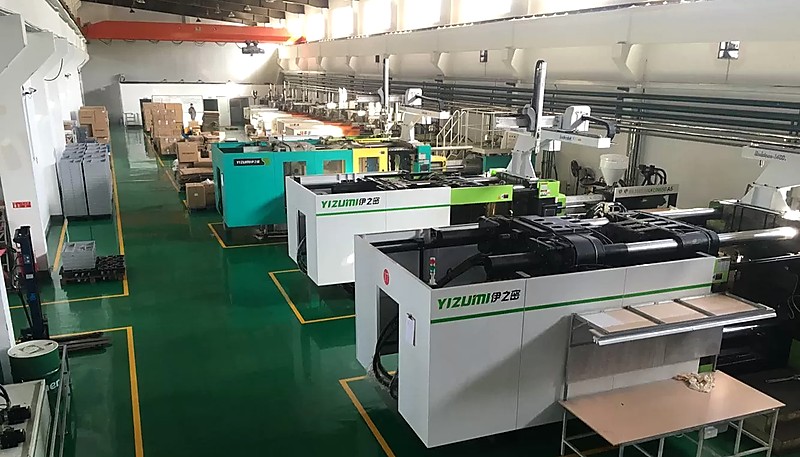
Tam elektrikli makineler, yalnızca etkin hareketler sırasında güç çeken servo motorlar kullanır. Mengene tutma konumundayken motor fren yapar ve enerjiyi sisteme geri besler. Bağımsız araştırmalar, eski hidrolik makineler modern elektrikli preslerle değiştirildiğinde özgül enerji tüketiminin %40–60 iyileştiğini göstermektedir.
"Sıcak yolluk sistemleri soğuk yolluk hurdasını ortadan kaldırarak karbon ayak izini azaltır."True
Sıcak yolluklar, soğuk yolluk atık akışını tamamen ortadan kaldırarak hem ham maddeden hem de atığı yeniden öğütüp işlemek için gereken enerjiden tasarruf sağlar. Yüksek hacimli, çok gözlü kalıplarda malzeme ve enerji tasarrufu kayda değerdir.
"100% geri dönüştürülmüş plastik kullanmak, işlenmemiş malzemeye göre her zaman daha düşük karbon ayak izi oluşturur."False
Mekanik geri dönüşüm genellikle üretim enerjisinden 70–85% tasarruf sağlasa da bazı geri dönüştürülmüş akışlar, net faydayı azaltan kapsamlı ayırma, yıkama ve yeniden işleme gerektirir. Tesis içinde kullanılan üretim sonrası öğütülmüş malzeme en iyi karbon profiline sahiptir.
Hangi Proses Optimizasyon Stratejileri Karbon Emisyonlarını Azaltır?
Çevrim süresi optimizasyonu, proses düzeyindeki en etkili karbon azaltma stratejisidir. Uygulanabilir en kısa soğutma süresini belirleyen bilimsel kalıplama teknikleri, parça kalitesinden ödün vermeden çevrimleri genellikle 10–25% kısaltır. Ortadan kaldırdığınız her bir saniyelik soğutma süresi, makinenin sıkma kuvvetini korumak ve kovan sıcaklığını sürdürmek için enerji tüketmediği bir saniyedir.
Eriyik sıcaklığı yönetimi de gözden kaçan alanlardan biridir. Birçok kalıpçı, son işten devralınan ayar olduğu için kovan sıcaklıklarını gerekenden 10–20°C daha yüksek tutar. Gereksiz eriyik sıcaklığının her derecesi, kovanın enerji tüketimine yaklaşık 1% ekler. Belirli kalite sınıfı için doğru eriyik sıcaklığını hassas biçimde ayarlamak enerjiyi azaltır, soğuma süresini kısaltır ve çoğu zaman parçanın görünümünü iyileştirir.
Sıcak yolluk sistemleri doğru dengelendiğinde soğuk yollukları tamamen ortadan kaldırarak malzeme atığını azaltır. Metal 3D baskının sağladığı konformal soğutma kanalları, kalıplardaki çevrim sürelerini %20–40 azaltabilir; enerji ve karbon miktarları da aynı oranda düşer.
Geri Dönüştürülmüş İçerik Karbon Ayak İzini Nasıl Etkiler?
Üretim sonrası veya tüketim sonrası geri dönüştürülmüş (PCR) içerik kullanmak, karbon azaltmanın en etkili yollarından biridir. PP, PE ve PET gibi yaygın termoplastiklerin mekanik geri dönüşümü, enerji yoğun polimerizasyon adımını tamamen atladığı için genellikle birincil üretime kıyasla 70–85% daha az enerji kullanır. 30% geri dönüştürülmüş içerikli bir PP karışımında, malzemeyle ilişkili karbon emisyonlarının yaklaşık 25–30% azalması beklenebilir.
Pratikteki zorluk, mekanik özellikleri ve renk tutarlılığını korumaktır. Fabrikamızda ambalaj iç parçaları ve iç braketler gibi kritik olmayan uygulamalarda rutin olarak 20–30% oranında sanayi sonrası kırma içeren PP kullanıyoruz. Görünür veya yapısal parçalar için üretim hacimlerini taahhüt etmeden önce geri dönüştürülmüş karışımları standart kalite kontrol sürecimizle doğruluyoruz.
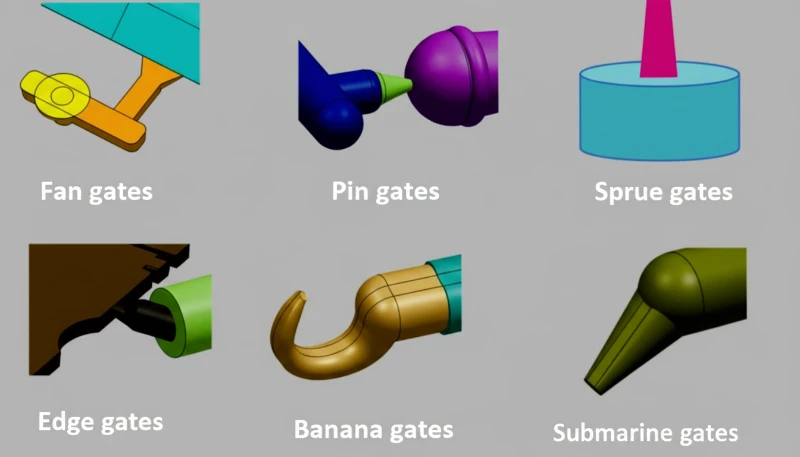
Dikkat: Her geri dönüştürülmüş içerik aynı karbon avantajını sağlamaz. Geri dönüştürülmüş malzeme önemli miktarda enerji tüketen ek ayırma, yıkama ve yeniden peletleme adımları gerektiriyorsa net fayda azalır. Oluştuğu noktada tesis içinde kullanılan üretim sonrası kırma malzeme, tüm geri dönüşüm akışları arasında en düşük karbon ek yüküne sahiptir.
Fabrika Altyapısının Karbon Azaltımındaki Rolü Nedir?
Basınçlı hava sistemleri, soğutma altyapısı ve tesis aydınlatması, fabrika düzeyindeki en büyük üç karbon azaltma aracıdır. Basınçlı hava sistemleri verimsizlikleriyle bilinir — giriş enerjisinin genellikle yalnızca 10–20% kadarı kullanım noktasına ulaşır. Her hava kaçağı, yetersiz çaplı boru ve gereksiz hava tahliyesi karbon maliyetini artırır. Sistematik bir basınçlı hava denetimi, düşük maliyetli düzeltmelerle çoğu zaman 20–30% tasarruf potansiyeli belirler.
Soğutma altyapısı bir diğer önemli etkendir. Birden fazla makineye hizmet veren merkezi chiller sistemleri, soğutma tonu başına ayrı kalıp sıcaklık kontrol cihazlarından daha verimlidir; ancak bunun için dağıtım çevriminin doğru yalıtılması ve chiller kapasitesinin gerçek yüke göre doğru boyutlandırılması gerekir.
LED aydınlatmaya geçiş, az kullanılan depo alanlarındaki hareket sensörleri ve HVAC motorlarındaki değişken frekanslı sürücüler dikkat çekici değildir; ancak birlikte toplam tesis enerjisini genellikle 5–10% azaltırlar. 47 enjeksiyon kalıplama makinesi çalıştıran bir fabrika için bu, kayda değer miktarda CO2 emisyonunun önlenmesi demektir.
"HVAC motorlarında LED aydınlatma ve değişken frekanslı sürücüler, tesisin genel enerji tüketimini 5–10% azaltabilir."True
Tek tek ele alındığında tasarruflar sınırlı olsa da bu altyapı iyileştirmelerinin etkisi büyük bir fabrikada katlanarak artar. 47 enjeksiyon kalıplama makinesine sahip bir tesiste genel giderlerin %5–10 azaltılması, yılda yüzlerce ton CO2 emisyonunun önlenmesi anlamına gelir.
"ISO 14001 sertifikası, bir kalıplama fabrikasının düşük karbon ayak izine sahip olduğunu garanti eder."False
ISO 14001, bir çevre yönetim sisteminin mevcut olduğunu ve uygulandığını belgelendirir; belirli karbon performansı eşikleri koymaz. Sertifikalı bir fabrikanın mutlak ayak izi yine yüksek olabilir; sertifika belirli bir performans seviyesini değil, sürekli ölçüm ve iyileştirmeyi güvence altına alır.
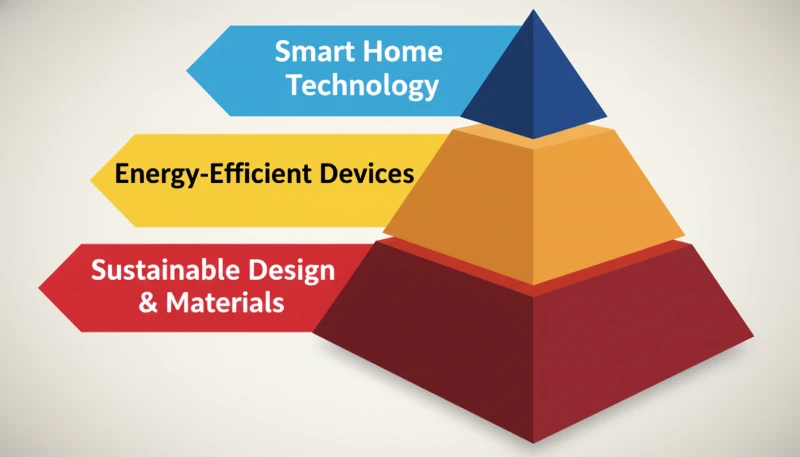
Kalıplama Operasyonunuz İçin Nasıl Bir Karbon Azaltma Yol Haritası Oluşturabilirsiniz?
Üç aşamalı yol haritası en pratik yaklaşımdır: referans ölçümü, proses optimizasyonu ve ardından yapısal yatırım. Aşama 1 (0–6 ay), ana makinelere alt sayaçlar takılması, pres bazında özgül enerji tüketiminin izlenmesi ve hurda oranlarının sayısallaştırılmasıyla başlar. Hızlı kazanımlar arasında boşta kalan makinelerin kapatılması, silindir ayar sıcaklıklarının düşürülmesi ve basınçlı hava kaçaklarının giderilmesi bulunur; bunlar neredeyse hiç maliyet oluşturmaz ve genellikle 5–15% enerji tasarrufu sağlar.
Aşama 2 (6–18 ay): Proses optimizasyonuna yatırım yapın. En yüksek hacimli kalıplarınızda çevrim sürelerini azaltmak için bilimsel kalıplama uygulayın. Hâlâ soğuk yolluk kullanan çok gözlü kalıplar için sıcak yolluk dönüşümlerini değerlendirin. Kritik olmayan parçalar için geri dönüştürülmüş malzeme karışımlarını kalifiye etmeye başlayın. En eski ve en fazla enerji tüketen hidrolik makineleri tamamen elektrikli alternatiflerle değiştirin.
| Aşama | Zaman Çizelgesi | Temel Eylemler | Beklenen Etki |
|---|---|---|---|
| 1 — Referans Seviye ve Hızlı Kazanımlar | 0–6 ay | Alt sayaçlama, boşta kapatma, hava kaçağı onarımları, sıcaklık optimizasyonu | 5–15% enerji tasarrufu |
| 2 — Proses Optimizasyonu | 6–18 ay | Bilimsel kalıplama, sıcak kanallar, geri dönüştürülmüş karışımlar, makine yükseltmeleri | 15–35% ek azalma |
| 3 — Yapısal Değişiklik | 18–36 ay | Yenilenebilir enerji, biyo-temelli malzemeler, ISO 14001, tam izlenebilirlik | –50 toplam azaltma hedefi |
Aşama 3 (18–36 ay): Yapısal değişiklikler. Tesis içi güneş enerjisini veya yenilenebilir enerji tedarik kılavuzunu değerlendirin. Uygun ürün hatları için biyo-bazlı polimer alternatiflerini araştırın. Geri dönüştürülmüş içerik iddialarını desteklemek üzere tam malzeme izlenebilirliği kurun. Sürekli çevresel iyileştirme çerçevesi olarak ISO 14001 sertifikasını değerlendirin. ZetarMold’da ISO 14001 ve ISO 45001 sertifikaları çevresel performansımızı sistematik izleyip geliştirmek için yönetişim yapısı sağlar.
Enjeksiyon Kalıplamada Karbon Ayak İzi Hakkında Sıkça Sorulan Sorular
Bir enjeksiyon kalıplama makinesi saatte ne kadar CO2 üretir?
Tipik bir 200 tonluk hidrolik enjeksiyon kalıplama makinesi saatte 25–40 kWh enerji tüketir. Küresel ortalama şebeke emisyon faktörü olan yaklaşık 0,46 kg CO2/kWh kullanıldığında, bu saatte 11,5–18,4 kg CO2’ye karşılık gelir. Eşdeğer tam elektrikli bir makine ise yaklaşık saatte 5–9 kg CO2 üretir.
Bir kilogram enjeksiyon kalıplı PP parçanın karbon ayak izi nedir?
Polipropilen için reçinedeki somutlaşmış karbon yaklaşık 1,8–2,5 kg CO2/kg’dır. Yaklaşık 1,5–3,0 kWh/kg’lık işleme enerjisi eklendiğinde, bitmiş PP parçaların kg’ı başına toplam yaklaşık 2,5–4,0 kg CO2’ye ulaşılır. Geri dönüştürülmüş PP kullanmak bunu –40 oranında azaltabilir.
Enjeksiyon kalıplama diğer üretim süreçlerinden daha karbon yoğun mudur?
CNC işlemeye kıyasla, enjeksiyon kalıplama, 1.000 adet üzeri hacimlerde parça başına tipik olarak daha düşük karbon yoğunluğuna sahiptir çünkü malzeme atığı çok daha azdır. 3D baskıya (FDM/SLA) kıyasla, enjeksiyon kalıplama ölçekte önemli ölçüde daha verimlidir.
Yenilenebilir enerji enjeksiyon kalıplama karbon emisyonlarını tamamen ortadan kaldırabilir mi?
Yenilenebilir elektrik, bir tesisin karbon ayak izinin genellikle 40–60%‘ini oluşturan Kapsam 2 emisyonlarını ortadan kaldırabilir. Ancak biyobazlı veya tamamen geri dönüştürülmüş malzemelere geçilmedikçe polimer hammaddelerin gömülü karbonu (Kapsam 3 üst akış) varlığını sürdürür.
Enjeksiyon kalıplama atığının yüzde kaçı geri dönüştürülebilir?
Termoplastik enjeksiyon kalıplama atıkları — soğuk kanallar, eksik dolumlar ve kusurlu parçalar — mekanik yeniden öğütme yoluyla neredeyse 0 geri dönüştürülebilir. Pratik sınır, tutarlı mekanik özellikleri korumak için genellikle besleme karışımında –30 yeniden öğütülmüş içerik civarındadır.
Enjeksiyon kalıplı parçalarda duvar kalınlığı karbon ayak izini nasıl etkiler?
Daha kalın duvarlar parça başına daha fazla malzeme ve daha uzun soğutma süreleri gerektirir. Duvar kalınlığını azaltmak, parça başına malzeme karbonunu yaklaşık ve döngü süresini –30 oranında kesebilir, bu da bileşik enerji tasarrufları sağlar.
Enjeksiyon kalıplamada karbon azaltımını doğrulamaya yardımcı olan sertifikalar nelerdir?
ISO 14001 çevre yönetimi çerçevesini sağlar. ISO 14067 ürün karbon ayak izlerini hesaplama metodolojisini belirtir. Malzemeye özgü iddialar için, geri dönüştürülmüş içerik GRS (Küresel Geri Dönüştürülmüş Standart) veya SCS Geri Dönüştürülmüş İçerik sertifikasyonu ile doğrulanabilir.
Kalıp tasarımı üretimin karbon ayak izini etkiler mi?
Kalıp tasarımı, parça başına karbon ayak izi üzerinde önemli bir etkiye sahiptir. Sıcak dağıtıcı sistemleri soğuk dağıtıcı atığını ortadan kaldırır. Konformal soğutma kanalları döngü sürelerini –40 oranında azaltır. Optimize edilmiş geçit konumları basınç gereksinimlerini azaltarak daha düşük makine tonajı ve enerji kullanımına olanak tanır.
Sonuç: Daha Düşük Karbonlu Enjeksiyon Kalıplamaya Yönelik Pratik Adımlar
Enjeksiyon kalıplamanın karbon ayak izini azaltmak tek bir proje değildir — makine seçiminden, proses parametrelerinden, malzeme seçimlerinden ve fabrika altyapısına kadar uzanan sürekli bir iyileştirme disiplinidir. Ölçümle başlayın: makinelerinizi alt sayaçlarla takip edin, spesifik enerji tüketimini izleyin ve parça başına karbon baz çizginizi hesaplayın. Ardından önce en büyük kaldıraçlara saldırın — makine yükseltmeleri, döngü süresi optimizasyonu ve geri dönüştürülmüş içerik benimseme.
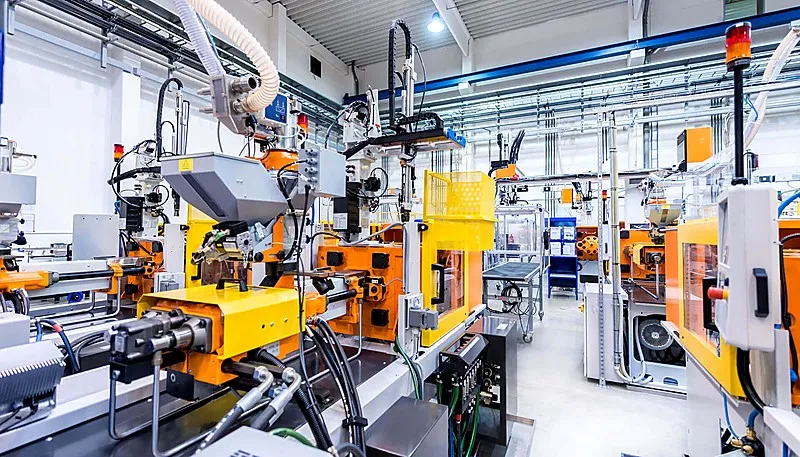
ZetarMold’da, Şanghay tesisimizde 90T ila 1850T arasında değişen 47 enjeksiyon kalıplama makinesi işletiyoruz ve bunlar ISO 14001 ve ISO 45001 çevre yönetim sistemleri ile desteklenmektedir. Mühendislik ekibimiz, küresel müşterilerimizin beklediği kalite standartlarını korurken çevresel etkimizi azaltmak için döngü parametrelerini sürekli optimize ediyor ve geri dönüştürülmüş malzeme seçeneklerini değerlendiriyor. Karbon azaltımını ciddiye alan bir üretim ortağı arıyorsanız, proje gereksinimlerinizi görüşmek üzere ekibimizle iletişime geçin.
Karbon Ayak İzi: bir faaliyetin doğrudan ve dolaylı olarak ürettiği, CO2 eşdeğeri ton cinsinden ifade edilen toplam sera gazı miktarıdır. ↩
Yaşam Döngüsü Değerlendirmesi: ISO 14040/14044 çerçevelerine göre bir ürünün hammadde çıkarımından bertarafına kadar çevresel etkilerini değerlendiren metodolojidir. ↩
Kapsam 1 Emisyonları: bir kuruluşun sahip olduğu veya kontrol ettiği kaynaklardan, örneğin sahadaki kazanlarda ya da araçlarda yakıt yakılmasından doğan doğrudan sera gazı emisyonlarıdır. ↩