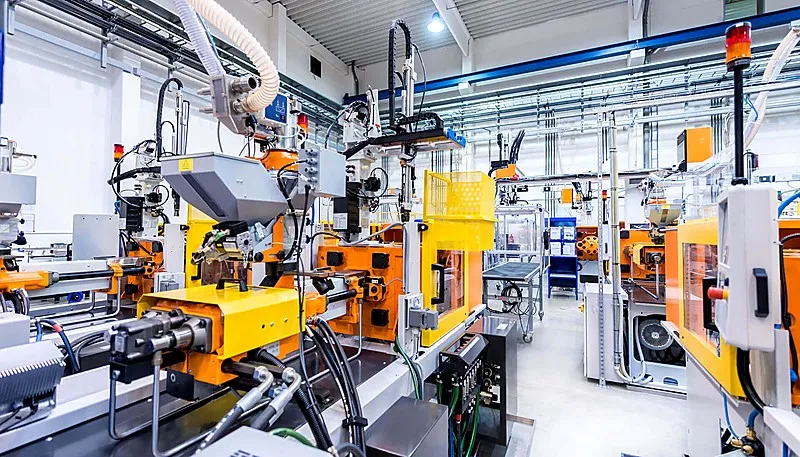
どの射出成形工場にも、測定の有無にかかわらず炭素排出の問題があります。成形機は大量のエネルギーを消費し、熱可塑性樹脂ペレットは化石燃料から作られ、不良品は気づかないうちに埋立地へ積み上がります。問うべきなのは、射出成形事業にカーボンフットプリント1があるかではなく、それがどれほど大きく、現実的にどこまで縮小できるかです。
- 射出成形のエネルギー消費は、加工ポリマー1kgあたり1.5〜5.5kWhの範囲です
- 機械の加熱・冷却サイクルは、工場全体のエネルギー使用量の60〜70%を占めます
- 材料選択だけで埋蔵炭素を40~60%削減できます
- 回生式機械駆動装置はブレーキエネルギーの最大25%を回収します
- 30%配合の再生材使用により、ゆりかごからゲートまでの排出量が約3分の1削減されます
射出成形におけるカーボンフットプリントの要因は何ですか?
カーボンフットプリントへの寄与が最も大きいのは成形機のエネルギーで、次いで材料の内包炭素と生産廃棄物です。射出成形金型の包括的なライフサイクル評価では成形機のエネルギーが支配的な場合が多いものの、材料によっては原料由来の炭素が他のすべてを上回ります。
射出成形におけるエネルギー使用は一定ではありません。プラスチック化と射出段階で急増し、保持と冷却中に低下します。典型的な200トン油圧プレスでは、シリンダーヒーターは溶融温度を維持するためだけで、機械がサイクル中かショット間のアイドル状態かに関わらず、15~25 kWを連続的に消費します。このベースライン負荷は、ほとんどの工場が見落としている隠れた炭素コストです。
| 出典 | 典型的な割合 | 主要な要因 |
|---|---|---|
| 機械エネルギー(電力) | 40–60% | シリンダー加熱、油圧ポンプ、型締力 |
| 原材料の埋蔵炭素 | 25–40% | ポリマー種類、バージン材対再生材含有率 |
| 補助機器 | 10–15% | 乾燥機、チラー、コンベヤー、ロボット |
| 廃棄物およびスクラップの処理 | 5–10% | 不良率、再粉砕工程、廃棄方法 |
| 施設間接費 | 5–8% | 照明、空調、圧縮空気 |
"射出成形では、サイクルタイムを短縮すると部品1個当たりの炭素排出量が直接削減されます。"True
サイクルタイムが短いほど、機械はクランプ、保持、バレル加熱に部品あたりのエネルギーを少なく消費します。科学的成形によるサイクルタイム最適化は、最も直接的かつ費用対効果の高い炭素削減戦略の一つです。
「全電動成形機へ替えれば、射出成形のカーボンフットプリントの大半がなくなる。」False
全電動機はエネルギー消費を40~60%削減しますが、原材料の埋蔵炭素と補助システムは依然として大きな割合を占めます。意味のある炭素削減のためには、材料、プロセス、インフラに対処する包括的なアプローチが必要です。
射出成形における炭素排出量はどのように測定しますか?
射出成形による炭素排出量を測定する標準的な方法は、ISO 14040/14044の枠組みに従い、原材料の生産、輸送、製造工程を対象とした、ゆりかごから工場出荷までのライフサイクルアセスメント2(LCA)です。
まず、スコープ1排出量3(乾燥機の現場天然ガス、フォークリフト燃料)とスコープ2排出量(成形機を動かす購入電力)を測定します。電気料金を生産量で割ると、おおよその比エネルギー消費量が分かります。それを地域の電力排出係数と照合してください。同じ成形機を稼働させても、ノルウェー(0.02 kg CO2/kWh)と中国(0.55 kg CO2/kWh)ではフットプリントが大きく異なります。
実際には、毎月3つの主要指標を追跡することをお勧めします:単位エネルギー消費量(kWh/kg)、不良率(%)、材料の埋め込み炭素(kg CO2/kgポリマー)。この3つの数値がほとんどの状況を示し、明確な改善目標を提供します。
どの射出成形材料が最も高いカーボンフットプリントを持っていますか?
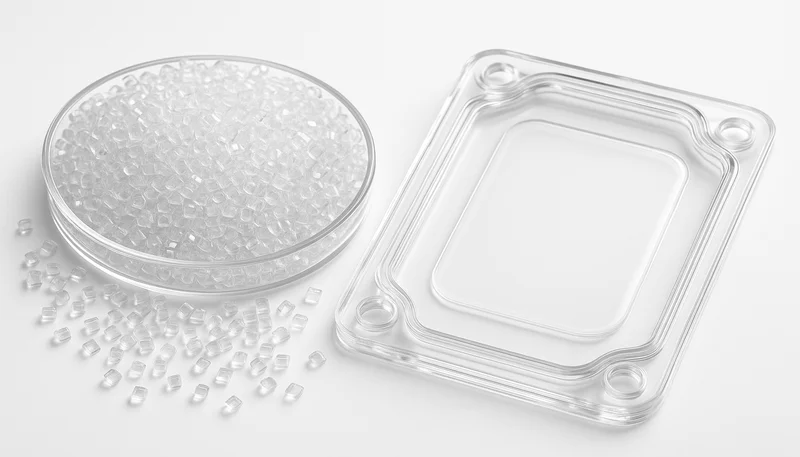
炭素の観点では、すべてのプラスチックが等しく作られているわけではありません。一般的な射出成形用樹脂の埋め込み炭素は劇的に異なります—ポリプロピレンの約2kg CO2/kgから、炭素繊維強化ナイロンの9kg CO2/kg以上まで。原料の供給源(石油由来対バイオベース)、重合プロセスのエネルギー、添加剤や充填剤のすべてが影響します。
| 素材 | 約 kg CO2/kg | 備考 |
|---|---|---|
| PP(ポリプロピレン) | 1.8–2.5 | 一般的な熱可塑性樹脂の中で最も低価格で、広くリサイクル可能 |
| PE(ポリエチレン) | 1.8–2.8 | 工程エネルギーの影響により、LDPEはHDPEよりわずかに高い |
| PS(ポリスチレン) | 2.5–3.5 | 汎用。EPSフォームには発泡剤を追加 |
| PVC(ポリ塩化ビニル) | 2.0–3.0 | 原料由来の炭素排出量は少ないが、塩素処理により複雑性が増す |
| ABS | 3.0–4.0 | 3種のモノマー系により加工エネルギーが増加 |
| PA6/PA66(ナイロン) | 5.0–7.0 | エネルギー集約型の重合工程。カプロラクタムの製造は炭素排出量が多い |
| PC(ポリカーボネート) | 6.0–8.0 | ホスゲン法;エネルギーおよび化学原料の投入量が多い |
| 覗き見 | 25–35 | 超高温の加工温度が環境負荷をさらに増大させる |
| CF強化PA | 8.0–12.0 | 炭素繊維の製造は極めてエネルギー集約的(繊維1 kg当たり~20 kg CO2) |
当社の上海工場で代替材料を評価する際は、1キログラム当たりの価格だけを見ません。高性能ポリマーなら肉厚を20%削減でき、材料の総使用量を減らして、1 kg当たりの環境負荷が高い分を相殺できる場合があります。重要なのは機能単位です。樹脂1キログラム当たりではなく、完成品1個当たりの環境負荷を比較してください。
機械の選択はカーボンフットプリントをどのように削減できますか?
多くの成形メーカーが実行できる最大の改善策は、油圧式から全電動式の成形機へ切り替えることです。一般的な型締力200トンの油圧式成形機は、同じ製品を生産する同等の全電動式成形機より30–50%多くエネルギーを消費します。理由は明快です。油圧ポンプは連続運転して熱を発生させ、その熱を冷却システムで除去しなければならないため、エネルギーが二重に消費されます。
全電動成形機は、動作中だけ電力を消費するサーボモーターを使用します。型締め保持中はモーターが制動し、エネルギーをシステムへ回生します。独立した研究では、旧式の油圧成形機を最新の電動成形機に置き換えると、比エネルギー消費量が40–60%改善することが示されています。
「ホットランナーシステムは、コールドランナーの廃材をなくすことでカーボンフットプリントを削減します。」True
ホットランナーはコールドランナーの廃棄物を完全になくし、原材料と、その粉砕・再加工に必要なエネルギーの両方を節約します。大量生産用の多数個取り金型では、材料とエネルギーの削減効果が大きくなります。
"100%再生プラスチックを使用すれば、常にバージン材よりカーボンフットプリントが小さくなる。"False
メカニカルリサイクルでは一般に生産エネルギーを70~85%削減できますが、再生材の中には大規模な選別、洗浄、再加工が必要で、正味の効果が小さくなるものもあります。工場内で再利用するポストインダストリアル粉砕材は、炭素排出量の面で最も優れています。
どのようなプロセス最適化戦略が炭素排出量を削減しますか?
サイクルタイムの最適化は、工程レベルで最も効果的な炭素排出削減策です。必要最小限の冷却時間を特定する科学的成形手法により、部品品質を損なうことなく、通常はサイクルを10~25%短縮できます。冷却時間を1秒短縮するごとに、型締め保持やバレル温度維持のために機械がエネルギーを消費する時間も1秒減ります。
溶融温度の管理も見落とされがちな領域です。多くの成形業者は、前回の生産条件をそのまま引き継いだという理由だけで、必要温度より10~20°C高いシリンダー温度を設定しています。不要な溶融温度が1°C上がるごとに、シリンダーのエネルギー消費量は約1%増加します。使用する特定グレードに適した溶融温度へ調整することで、エネルギー消費を抑え、冷却時間を短縮し、多くの場合は成形品の外観も改善できます。
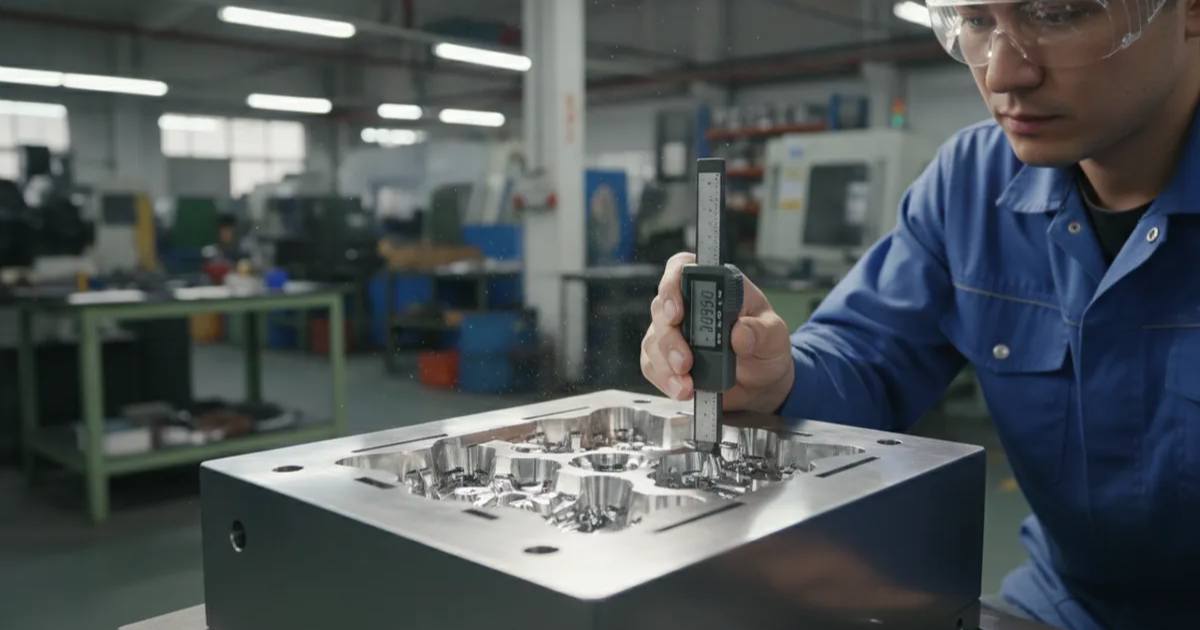
適切にバランス調整されたホットランナーシステムは、コールドランナーを完全になくすことで材料廃棄を削減します。金属3Dプリンティングによって実現する金型のコンフォーマル冷却水路は、サイクルタイムを20–40%短縮でき、それに比例してエネルギー消費量と炭素排出量も削減できます。
再生材含有率はカーボンフットプリントにどのように影響しますか?
工程内再生材または使用済み製品由来の再生材(PCR)を配合することは、最も効果的な炭素排出削減策の一つです。PP、PE、PETなどの一般的な熱可塑性樹脂のメカニカルリサイクルは、エネルギー集約型の重合工程を完全に省けるため、通常、バージン材の製造よりエネルギー使用量を70–85%削減できます。PPに再生材を30%配合した場合、材料由来の炭素排出量を約25–30%削減できると見込まれます。
実務上の課題は、機械的特性と色の一貫性を維持することです。当社工場では、包装用インサートや内部ブラケットなど重要度の低い用途に、20–30%の工場内再生材を配合したPPを日常的に使用しています。外観部品や構造部品については、量産に移行する前に、標準の品質管理工程で再生材ブレンドを検証します。
注意点として、すべての再生材が同等の炭素削減効果をもたらすわけではありません。再生材の選別、洗浄、再ペレット化に多量のエネルギーが必要な場合、正味の効果は小さくなります。発生場所で社内利用する工程内再生粉砕材は、あらゆる再生材の流れの中で炭素負荷が最も低くなります。
工場インフラは炭素削減にどのような役割を果たしますか?
圧縮空気システム、冷却インフラ、工場照明は、工場レベルで炭素排出を削減する三大要素です。圧縮空気システムは効率が極めて低いことで知られ、通常、投入エネルギーのうち使用点に届くのはわずか10~20%です。空気漏れ、細すぎる配管、不要なエアブローはいずれも炭素排出量を増加させます。体系的な圧縮空気監査を行うと、低コストの改善で20~30%の削減余地が見つかることも珍しくありません。
冷却設備も主要な要因です。複数の成形機に冷却水を供給する中央チラーシステムは、個別の金型温度調節機より冷凍能力1トン当たりの効率に優れますが、それは配管ループが適切に断熱され、実負荷に対してチラー容量が正しく選定されている場合に限られます。
照明のLED化、人通りの少ない倉庫エリアへの人感センサーの設置、HVACモーターへの可変周波数ドライブの導入は目立つ施策ではありませんが、組み合わせることで通常、工場全体のエネルギー使用量を5–10%削減できます。47台の射出成形機を稼働する工場では、相当量のCO2排出回避につながります。
「LED照明とHVACモーターの可変周波数ドライブにより、工場の間接エネルギーを5~10%削減できる。」True
個々の削減効果は小さくても、大規模工場では、こうしたインフラ改善の効果が積み重なります。射出成形機47台を備える工場の場合、間接費を5–10%削減すれば、年間数百トンのCO2排出を回避できます。
「ISO 14001認証は、成形工場のカーボンフットプリントが低いことを保証します。」False
ISO 14001は、環境マネジメントシステムが構築され、運用されていることを認証する規格であり、具体的な炭素排出性能の基準値を定めるものではありません。認証工場であっても絶対排出量が多い場合はあります。認証が保証するのは継続的な測定と改善であり、特定の性能水準ではありません。
成形作業のためのカーボン削減ロードマップはどのように構築できますか?
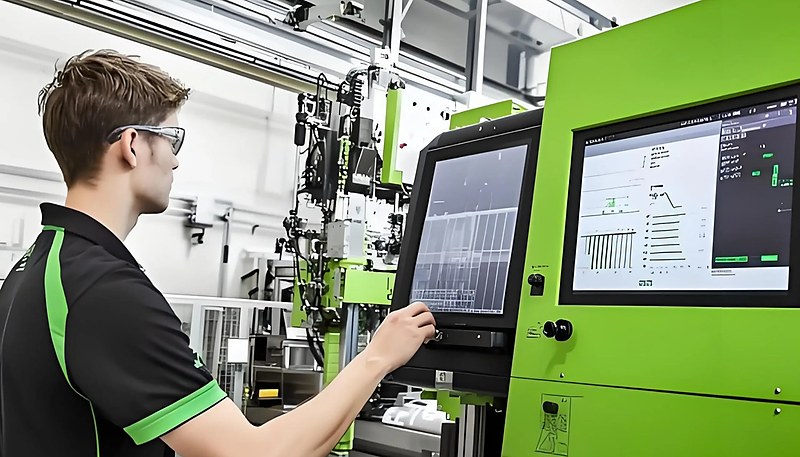
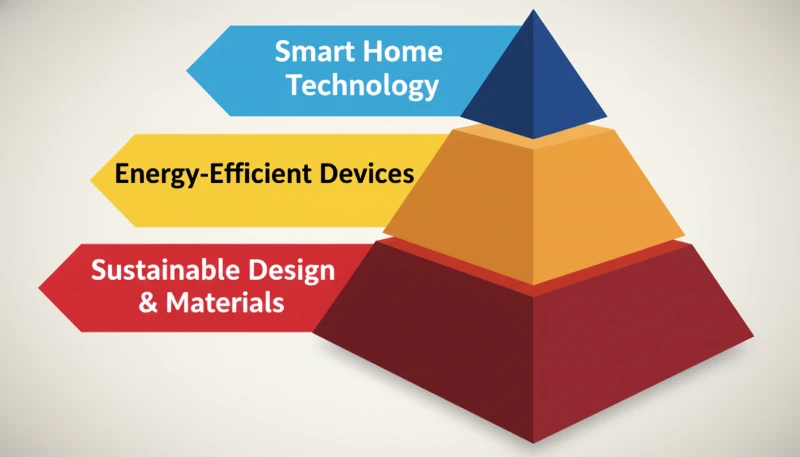
3段階のロードマップが最も実践的なアプローチです。まずベースライン測定、次に工程最適化、最後に構造的投資を行います。Phase 1(0–6か月)では、主要機械へのサブメーター設置、成形機別の比エネルギー消費量追跡、スクラップ率の定量化から始めます。すぐに実施できる施策には、遊休機械の停止、バレル設定温度の引き下げ、圧縮空気漏れの修理があります ��� これらにはほとんど費用がかからず、通常5–15%の省エネルギーを実現します。
フェーズ2(6~18か月):工程最適化に投資します。科学的成形法を導入し、生産量が最も多い金型のサイクルタイムを最小化します。コールドランナーを使用している多数個取り金型について、ホットランナーへの改造を評価します。重要度の低い部品向けに、再生材ブレンドの適合評価を開始します。最も古く、エネルギー消費の大きい油圧式成形機を全電動式に更新します。
| フェーズ | タイムライン | 主な対策 | 期待される効果 |
|---|---|---|---|
| 1 — ベースラインと即効性のある改善 | 0–6か月 | 設備別計量、待機時停止、エア漏れの修理、温度最適化 | 5–15%のエネルギー削減 |
| 2 — プロセス最適化 | 6~18か月 | 科学成形、ホットランナー、再生材ブレンド、機械のアップグレード | 追加で15~35%削減 |
| 3 — 構造的変化 | 18~36か月 | 再生可能エネルギー、バイオベース材料、ISO 14001、完全なトレーサビリティ | 30~50%の総削減目標 |
フェーズ3(18~36か月):構造的な変更。オンサイト太陽光発電または再生可能エネルギーの調達ガイドを評価します。適切な製品ラインにバイオベースポリマーの代替材を検討します。再生材含有率の主張を裏付けるため、材料の完全なトレーサビリティを導入します。継続的な環境改善の枠組みとしてISO 14001認証を検討します。ZetarMoldでは、ISO 14001およびISO 45001認証により、環境パフォーマンスを体系的に追跡・改善する管理体制を整えています。
射出成形におけるカーボンフットプリントに関するよくある質問
射出成形機1台は1時間あたりどれくらいのCO2を排出しますか?
典型的な200トンの油圧式射出成形機は、1時間あたり25~40 kWhを消費します。世界平均の電力グリッド排出係数(約0.46 kg CO2/kWh)を使用すると、これは1時間あたり11.5~18.4 kg CO2に相当します。同等の全電動式機械では、およそ5~9 kg CO2/時間となります。
射出成形されたPP部品1キログラムのカーボンフットプリントはどれくらいですか?
ポリプロピレンの場合、樹脂に含まれるエンボディードカーボンは約1.8~2.5 kg CO2/kgです。約1.5~3.0 kWh/kgの加工エネルギーを加えると、完成したPP部品1kgあたりの総量は約2.5~4.0 kg CO2になります。リサイクルPPを使用することで、これを25~40%削減できます。
射出成形は他の製造プロセスよりも炭素集約的ですか?
CNC加工と比較すると、射出成形は通常、1,000個以上の生産量では部品あたりの炭素強度が低くなります。これは材料の無駄がはるかに少ないためです。3Dプリンティング(FDM/SLA)と比較すると、射出成形は規模が大きくなるほど劇的に効率的です。
再生可能エネルギーは射出成形の炭素排出を完全に排除できますか?
再生可能電力により、通常は工場のカーボンフットプリントの40~60%を占めるScope 2排出量をゼロにできます。ただし、バイオベース材料または完全再生材料へ切り替えない限り、ポリマー原料に内包される炭素(Scope 3上流)は残ります。
射出成形の廃棄物の何パーセントがリサイクル可能ですか?
熱可塑性樹脂射出成形の廃棄物(コールドランナー、ショートショット、不良品)は、機械的な再粉砕によりほぼ100%リサイクル可能です。実用的な限界は、一貫した機械的特性を維持するために、通常、供給ブレンド中の再生材含有率が20~30%程度です。
射出成形部品における肉厚はカーボンフットプリントにどのように影響しますか?
肉厚が厚いほど部品あたりの材料が増え、冷却時間も長くなります。肉厚を20%削減することで、部品あたりの材料由来のカーボンを約20%削減でき、サイクルタイムを15~30%短縮でき、エネルギー節約効果が複合的に得られます。
射出成形におけるカーボン削減を検証するのに役立つ認証は何ですか?
ISO 14001は環境管理の枠組みを提供します。ISO 14067は製品のカーボンフットプリントを計算する方法論を規定しています。材料固有の主張については、リサイクル含有率はGRS(Global Recycled Standard)またはSCSリサイクル含有率認証によって検証できます。
金型設計は生産のカーボンフットプリントに影響しますか?
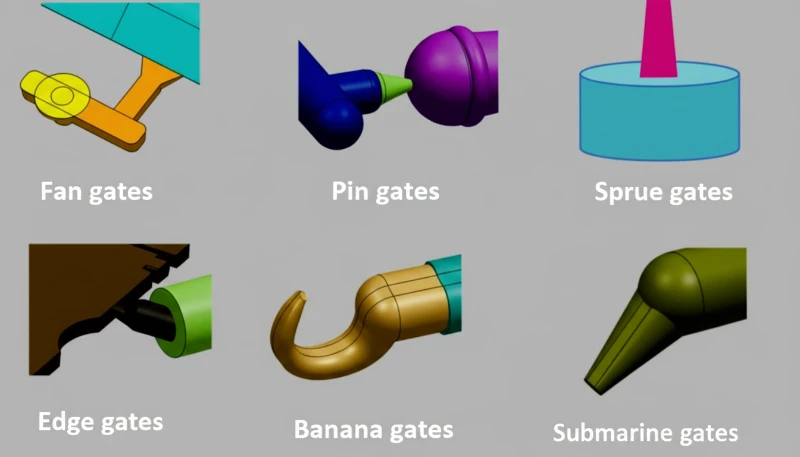
金型設計は、部品ごとのカーボンフットプリントに大きな影響を与えます。ホットランナーシステムはコールドランナーの廃棄物を排除します。コンフォーマル冷却チャネルはサイクルタイムを20~40%削減します。最適化されたゲート位置は必要な圧力を低減し、より低い機械トンネージとエネルギー使用を可能にします。
結論:低炭素射出成形に向けた実践的なステップ
射出成形のカーボンフットプリント削減は単一のプロジェクトではなく、機械選定、プロセスパラメータ、材料選択、工場インフラにまたがる継続的改善の取り組みです。測定から始めましょう:機械を個別に計測し、特定エネルギー消費量を追跡し、部品ごとのカーボン基準値を算出します。その後、最大の効果を持つ要素(機械のアップグレード、サイクルタイム最適化、リサイクル材の採用)に優先的に取り組みます。
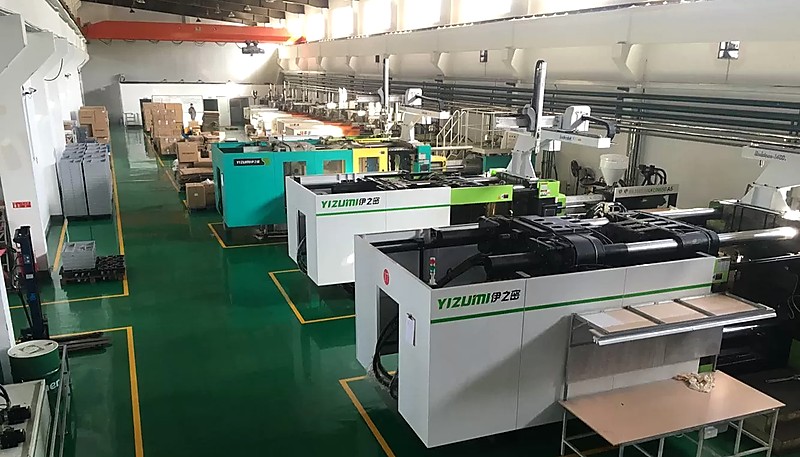
ZetarMoldでは、上海の施設にて90Tから1850Tまでの47台の射出成形機を稼働しており、ISO 14001およびISO 45001環境マネジメントシステムを基盤としています。当社のエンジニアリングチームは、サイクルパラメータの継続的な最適化と再生材オプションの評価を通じて、環境への影響を軽減すると同時に、世界中のクライアントが期待する品質基準を維持しています。炭素削減を真剣に考える製造パートナーをお探しの場合は、当社チームにお問い合わせいただき、プロジェクト要件についてご相談ください。