- エネルギーコストは射出成形の運営経費の30~40%を占めます
- オール電動機は、油圧プレスよりも50-70%少ないエネルギーで稼働します
- ホットランナー金型はランナー廃棄物をなくし、1サイクルあたり15-30%の材料を節約します
- 再生材は15-30%の割合で混合しても大きな品質低下はない
- ISO 14001認証は、体系的な環境改善の枠組みを提供します
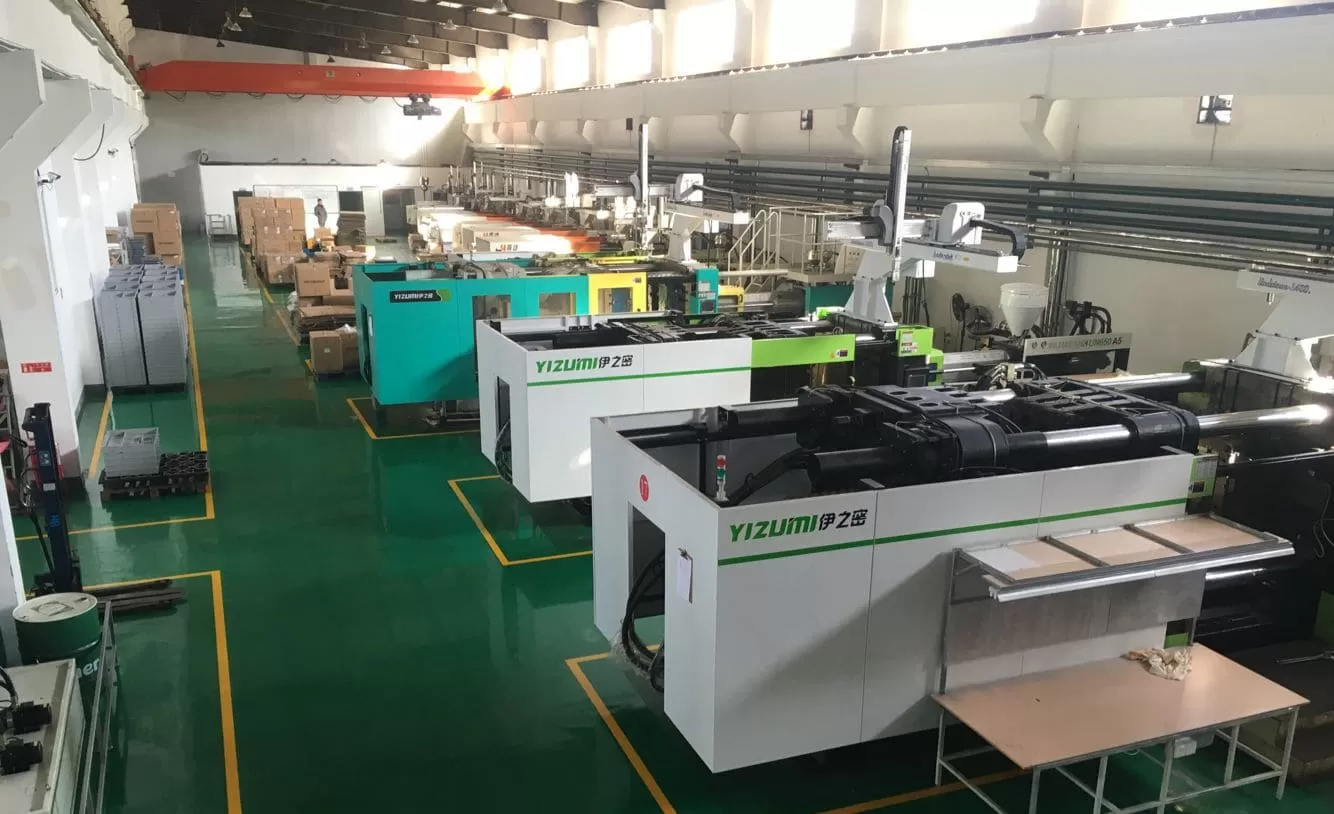
射出成形は、医療機器から自動車部品まであらゆるものを生産する、世界で最も広く使用されている製造プロセスの一つです。しかし、カーボンフットプリントの削減とプラスチック廃棄物の削減への圧力が高まる中、業界はより持続可能な実践へと移行しています。このガイドでは、47台の射出成形機を稼働する上海拠点の工場での20年以上の実践経験から得られた、エネルギー効率、廃棄物削減、材料最適化のための実用的な戦略をカバーします。
持続可能な射出成形とは何ですか?
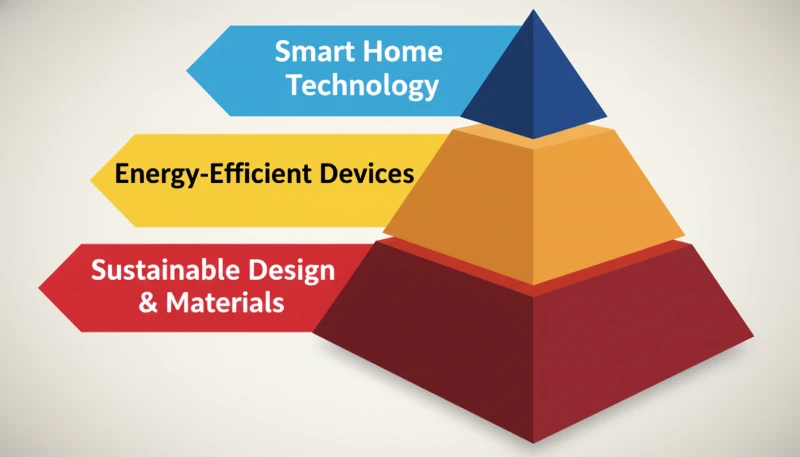
持続可能な射出成形とは、部品品質を維持しながらエネルギー、材料、廃棄物を最適化し、環境負荷を低減することです。中心となるのは、エネルギー消費、材料使用、廃棄物管理の3領域です。実務上のサステナビリティは性能を犠牲にすることではなく、各工程を最適化してエネルギー使用量とスクラップ発生量を減らし、材料のライフサイクルを延ばすことです。
40台以上の射出成形機を稼働する工場では、1サイクル当たりのエネルギー消費を5%削減するだけでも、年間では大幅なコスト削減と炭素排出削減になります。経済面と環境面の利益が一致するため、多くのサステナビリティ投資は費用を回収できます。
持続可能な射出成形の主な要素は次のとおりです。成形機技術 — 全電動式による省エネ1[3]で、油圧式よりエネルギーを50~70%削減。工程最適化 — サイクルタイムを短縮し、射出速度と圧力を調整。材料管理 — 再生粉砕材、再生樹脂、バイオベースポリマーを使用。廃棄物削減 — ランナーを最小化し、不良品を再加工。設備設計 — LED照明、排熱回収、圧縮空気漏れの管理。
「全電動射出成形機は、油圧式成形機よりもエネルギー消費量を50-70%削減できる。」True
オール電動式機械は油圧ポンプの継続的なエネルギー消費をなくし、制動段階でエネルギーを回収し、サイクルあたりの電力消費量を大幅に削減します。この節約効果は、世界中の数千の導入事例で十分に実証されています。
「PLAなどのバイオベースポリマーは、従来のプラスチックより常に環境負荷が低いです。」False
PLAは再生可能資源から作られていますが、その全体的な環境への影響は、農業慣行、輸送距離、および廃棄物管理に依存します。PLAが産業用堆肥化施設ではなく埋立地に廃棄された場合、その環境上の利点は大幅に減少します。
射出成形施設はエネルギー消費をどのように削減できるか?
エネルギー消費は射出成形事業で管理可能な最大のコストです。DOEのエネルギーデータ2[1]によると、プラスチック製造の産業設備は施設全体のエネルギー使用量の大きな割合を占めます。40台以上を稼働する工場では、1サイクル当たり5%削減するだけでも、年間で大幅な節約になります。
成形機の選定以外にも、実用的な省エネ策があります。工程最適化 — 金型温度制御を最適化して冷却時間を短縮し、保圧時間を最小化し、科学的成形の原則で最適な工程ウィンドウを見つけます。設備全体の改善 — 冷却水ポンプに可変周波数ドライブ(VFD)を設置し、成形機モーターの排熱を暖房に回収し、圧縮空気漏れを修理し(3mmの漏れ1か所で年間$2,000~5,000を浪費)、生産エリアをLED照明に切り替えます。生産計画 — 大量生産を最も高効率な成形機に割り当て、バレル再加熱を伴う頻繁な段取り替えを避け、電力のオフピーク時間にエネルギー集約工程を配置します。上海で47台を稼働した当社の経験では、VFD改修だけで部品当たりのエネルギーコストを12~18%削減できました。
なぜプラスチック廃棄物は射出成形における重要な課題なのか?
プラスチック廃棄物は重要な課題です。なぜなら、加工材料の3〜8%がスクラップとなり、それが大きなコストと環境への影響を生み出すからです。その廃棄物は、何千もの生産サイクルにおいて、失われた樹脂、エネルギー、機械稼働時間、廃棄費用を表しています。24時間365日稼働する施設では、わずか1%の廃棄物削減でも年間数万ドルの節約になります。
射出成形で一般的な廃棄物には、ランナーとスプルー(コールドランナーではショット重量の15~30%)、寸法不良・表面傷・ショートショットなどの不良品、色替えや樹脂替え時のパージ材、工程安定までの立ち上げスクラップ、キャビティから漏れたバリやオーバーフローがあります。幸い、射出成形で生じる熱可塑性廃棄物の大半は粉砕して再加工できます。材料と用途によりますが、ランナーや不良品の再生粉砕材は通常、機械的特性を大きく損なわずに15~30%の比率でバージン樹脂へ混合できます。
重要な用途(医療機器、自動車安全部品)では、業界基準により再生材の使用が制限される場合があります。しかし、消費財、筐体、非重要部品では、再生材の使用は持続可能性における明確な成果です。
材料選択は射出成形における持続可能性をどのように推進するか?
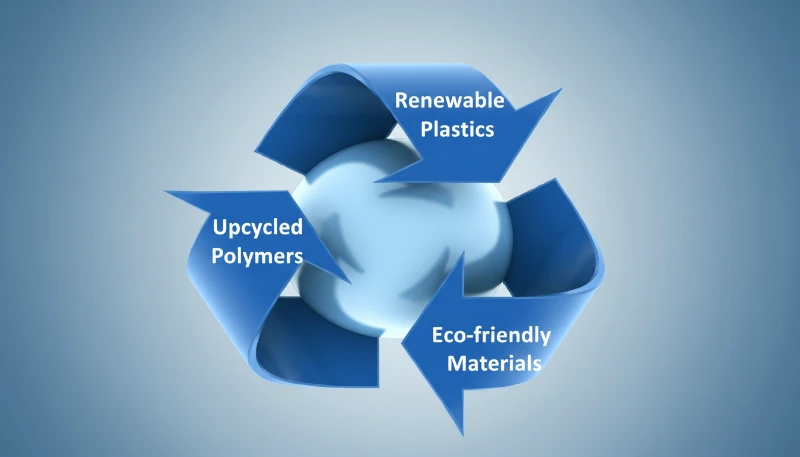
材料選定は射出成形品の持続可能性に直接かつ長期的な影響を与えます。樹脂の選択によって環境負荷、リサイクル性、部品重量、加工時のエネルギー要件が変わります。バイオベースポリマーは実用性が高まっています。PLA(ポリ乳酸)— トウモロコシでんぷんやサトウキビ由来で、産業用条件下で堆肥化可能。170~200°Cで加工し、包装や使い捨て製品に最適。バイオPE(バイオポリエチレン)— 従来のPEと化学的に同一ですがサトウキビ由来で、機械調整なしに標準PEと同様に加工可能。PHA(ポリヒドロキシアルカノエート)— 細菌発酵で生産され完全に生分解しますが、高コストのため特殊用途に限られます。
再生樹脂も持続可能性を大きく高めます。使用済み製品由来再生(PCR)PP — 食品以外の用途向けグレードがあり、通常はバージン材より15~25%安価。rPET(再生PET)— 広く流通し、包装、繊維、消費財に適合。社内再生粉砕材 — ランナーや不良品から得られ、15~30%の比率で使用可能。
持続可能な材料を選ぶ際は、ライフサイクル全体を検討してください。バージン樹脂は標準的に加工しやすい一方でカーボンフットプリントが大きく、再生樹脂は機械的特性がやや低いものの、コストが−10%~+5%で炭素を60~80%削減できます。バイオベースポリマーのカーボンフットプリントは中間ですが、コストは20~100%高く、特性のばらつきも大きくなります。バイオベース材や再生材はバージン樹脂と流動特性、収縮率、加工可能範囲が異なることがあるため、切り替え時には射出成形金型の設計原則を理解することが不可欠です。持続可能な材料サプライヤーの調達については、適格性評価とリスク査定を解説した射出成形サプライヤー調達ガイドをご覧ください。
「ホットランナー金型はランナー廃材を完全になくし、1サイクル当たり15~30%の材料を節約できる。」True
ホットランナーシステムは、サイクルの間もランナー流路内のプラスチックを溶融状態に保つため、固化したランナー廃材が生じません。これにより、コールドランナーシステムでランナーが占めていたであろう割合の分だけ材料消費が直接削減され、より高い金型コストをすぐに相殺するホットランナーの材料節約3が実現します。
"不合格部品からの再生材は、品質に影響を与えることなく100%の比率で使用できる。"False
再加工のたびにポリマーの熱劣化が生じ、機械的特性が時間とともに低下します。ほとんどの用途では再生粉砕材の使用割合を総材料混合量の15~30%に制限し、メルトフロー指数(MFI)の監視が劣化レベルを追跡し、一貫した部品品質を確保するために不可欠です。
持続可能な製造において金型設計はどのような役割を果たすか?
金型設計は、材料廃棄、エネルギー使用量、サイクル効率を直接制御するため、持続可能な製造の中核を担います。ランナーレイアウト、キャビティ数、冷却チャネル形状など、あらゆる設計判断の効果は金型の寿命全体にわたって積み重なるため、金型設計は持続可能性に対して最も効果の大きい投資の一つです。
ランナーシステムの最適化
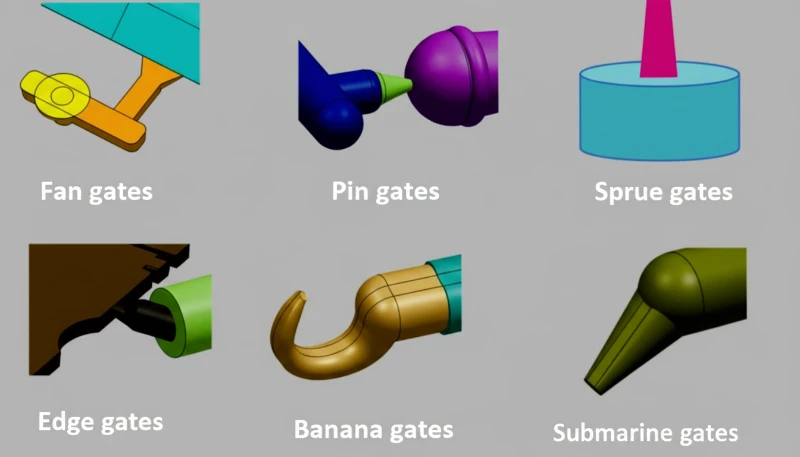
ホットランナーシステムはランナー廃棄物を完全に排除し、コールドランナー金型と比較してサイクルごとに15-30%の材料を節約します[2]。ホットランナー金型は初期費用が5,000〜20,000米ドル高くなりますが、材料節約のみで、大量生産では6〜12か月以内に投資回収が可能な場合が多くあります。
キャビティ最適化
バランスの取れた流れを持つ多キャビティ金型は、部品あたりの材料を削減し、サイクル効率を向上させます。適切に設計された4キャビティ金型は、単一キャビティ金型を4回運転するよりも、部品あたりのエネルギーを大幅に削減して部品を生産します。
冷却チャネル設計
付加製造により可能となるコンフォーマル冷却チャネルは、冷却時間を20-40%削減し、部品あたりのエネルギーを直接削減します。従来型金型のバッフルやバブラーも冷却効率を向上させます。
製造のための設計(DFM)
肉厚の最適化は、材料使用量とサイクルタイムの両方を削減します。
肉厚を10%減らすごとに、冷却時間を約10-15%短縮でき、金型の耐用期間を通じて省エネルギー効果が累積します。材料節減に有効な主な金型機能には、ゲート跡を最小化して廃棄を減らすバルブゲート、色替え時の立ち上げスクラップを減らすクイックチェンジシステム、離型力とサイクルタイムを低減する金型表面処理があります。
リサイクル材と再生粉砕材を効果的に活用するには?
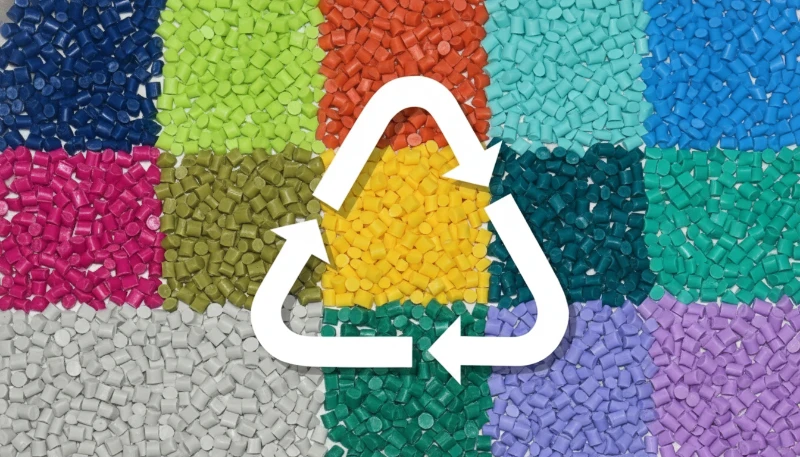
再生材および再生材は、品質を監視しながら15~30%の再生材をバージン樹脂と混合することで効果的に再利用されます。この規律あるプロセスにより、産業廃棄物の100%を埋立地から転用し、樹脂と用途に応じて原材料コストを10-25%削減します。
再生材管理のベストプラクティス
再生粉砕材の管理におけるベストプラクティス:配合率を管理する — 15%から始めて徐々に増やし、適切に監視すれば多くの用途で25~30%まで許容できます。メルトフローインデックス(MFI)を監視する — 再加工のたびにポリマーはわずかに劣化するため、MFIを追跡して仕様内に保ちます。材料と色ごとに分離する — 交差汚染は品質問題を生み、リサイクル性を制限します。適切に乾燥する — 粉砕材は表面積が大きく吸湿が速いため、材料固有の乾燥要件に従います。速やかに使用する — 粉砕状態で長期間保管すると劣化が加速します。
ポストコンシューマーリサイクル(PCR)材料
PCR材料には追加の品質管理が必要です。主な手順は、MFI、汚染レベル、色の一貫性に関する受入試験、PCRがバージン樹脂と異なる流動を示す場合の加工条件調整、機械的特性が要件を満たすことを確認する部品認定試験、規制順守のためのトレーサビリティ文書化です。クローズドループリサイクル:最も持続可能な方法は、産業廃棄物(ランナー、不良品)を粉砕し、同じ製品ラインへ戻すクローズドループです。製造廃棄物を100%埋立処分から転換し、バージン材の消費を15~30%削減し、材料費を下げ、材料トレーサビリティを簡素化します。
グリーン射出成形の業界基準とは?
グリーン射出成形の主要規格はISO 14001、ISO 50001、CBAMなどのEU規制です。ISO 14001はエネルギー消費から廃棄物処理まで、環境責任を体系的に管理する枠組みを提供します。ISO 50001はエネルギー管理に特化し、効率的なエネルギー利用方針の策定を支援します。
ISO 50001:エネルギーマネジメントシステム
エネルギー管理に特化し、より効率的なエネルギー利用方針の策定を支援します。射出成形施設では、成形機単位のエネルギー監視、目標設定、最適化プログラムへつながります。先進的な施設では、環境管理(ISO 14001)、品質管理(ISO 9001)、労働安全衛生(ISO 45001)を統合管理システムにまとめています。これにより、サステナビリティ目標が品質や安全要件と衝突しないようにします。UL ECVP(環境主張検証手順):再生材含有率をうたう製品に対し、ULが第三者検証を提供します。サプライチェーンのサステナビリティ主張を確認する顧客にとって、その重要性は増しています。
EU規制
EUに輸出するメーカーにとって、炭素国境調整措置(CBAM)および拡大生産者責任(EPR)の規制は、カーボンフットプリントの報告と環境パフォーマンスの文書化に関する新たな要件を課します。
持続可能な射出成形パートナーを選ぶべきタイミングは?
製品に環境コンプライアンスが求められる場合は常に、持続可能な射出成形パートナーを選択してください。これは今や自動車、電子機器、消費財、医療のサプライチェーンで標準となっています。大手OEMは、すべてのTier 1およびTier 2サプライヤーに対して、文書化された持続可能性プログラムをますます求めるようになっています。
真にサステナブルな射出成形パートナーの兆候
真に持続可能な射出成形パートナーを見分けるには、次のような兆候を探してください:ISO 14001およびISO 50001認証、前年比の改善が文書化されたエネルギー管理プログラム、製造廃棄物のクローズドループリサイクル、リサイクル材料およびバイオベース材料を加工する能力、透明性の高いカーボンフットプリント報告、そして全電動またはハイブリッドの機械群です。持続可能性は、公的なコミットメントを持つ消費者向けブランド、EU市場へのアクセス(CBAM、EPR適合)、Scope 3目標を掲げる自動車OEM、医療機器企業、そして電子廃棄物に取り組む電子機器メーカーにとって最も重要です。20年以上の経験、ISO 14001認証、400種類以上の材料対応能力を持つ施設は、大規模な持続可能な製造を支える基盤を備えています。
8名のシニアエンジニアと120名以上の生産スタッフからなるチームを擁するこのようなパートナーは、材料選定を導き、持続可能性を目的とした金型設計を最適化し、より低い環境負荷で一貫した品質を提供できます。
実際の成果:実践におけるサステナビリティ
上海の射出成形工場では、持続可能性への投資が自ら費用を回収することを実際に確認しています。90T~1850Tの45台体制の一部である全電動成形機は、旧型油圧機に比べてサイクル当たりの消費電力を一貫して40~50%削減しています。クローズドループの粉砕材再利用とISO 14001環境マネジメントを組み合わせ、過去3年間で製品1個当たりの廃棄物を25%以上削減しました。重要なのは、射出成形において持続可能性とコスト効率は競合せず、相互に強化し合うという点です。
実際の工場経験を持つ持続可能な射出成形パートナーをお探しですか?ZetarMoldは20年以上の製造経験、ISO 14001認証の環境管理、再生樹脂やバイオベース樹脂を含む400種類以上の材料を加工する能力を備えています。上海の45台体制の工場では、全電動式の効率とクローズドループ廃棄物リサイクルを組み合わせています。無料見積もりを依頼する →
よくある質問
最もエネルギー効率の高い射出成形機の種類は何ですか?
全電動射出成形機は、現在利用可能な中で最もエネルギー効率の高い選択肢であり、全稼働範囲にわたって従来の油圧機に比べてエネルギー消費が50〜70%少なくなります。油圧ポンプによる継続的なエネルギー消費をなくし、制動フェーズで運動エネルギーを回収するため、長時間の生産にわたって全体的な効率特性がさらに向上します。大量生産の現場では、年間の電気代削減により、通常2〜3年で高い購入価格を回収でき、全電動機は環境面でも経済面でも優れた投資となります。
射出成形において、リサイクルプラスチックはバージン材料の品質に匹敵できますか?
ポストコンシューマーリサイクル(PCR)プラスチックは、適切に加工され、生産全体を通じて厳格にテストされれば、多くの非重要用途においてバージン材料の品質に匹敵できます。メルトフローインデックス、汚染レベル、色の一貫性などの主要な品質パラメータは、バッチごとに一貫した結果を確保するため、生産工程全体を通じて注意深く監視する必要があります。医療機器や自動車の安全部品などの重要用途では、製品の安全性を保証するため、厳格な業界標準や規制枠組みにより、通常バージン材料または特別に認証されたリサイクルグレードが要求されます。
一般的な射出成形工場はどれくらいのプラスチック廃棄物を発生させるか?
一般的な射出成形工程では、通常の日常生産を通じて施設全体で処理される原材料総量の3〜8%が廃棄物として発生します。この廃棄物はいくつかの明確な発生源に由来します。コールドランナーシステムでショット重量の15〜30%を占めるランナーとスプルー、寸法欠陥や表面の傷を持つ不合格部品、色替えや樹脂替えの際に無駄になるパージ材、そして成形プロセスが安定するまでに発生する立ち上げスクラップです。ほとんどの熱可塑性樹脂廃棄物は、15〜30%の混合比率で再粉砕・再利用できます。
PLAはすべての射出成形用途に適していますか。
いいえ、PLAはその固有の材料特性の限界により、すべての射出成形用途に適しているわけではありません。加工温度範囲が170~200摂氏度のみと耐熱性が低く、ほとんどのエンジニアリング樹脂よりも衝撃強度が低く、ポリカーボネートやナイロンのようなエンジニアリングプラスチックと比べて固有の脆さがあります。PLAは包装用途、使い捨ての消費財、非荷重製品には適していますが、構造部品、高温環境、または長期耐久性が絶対的に重要な機械的に厳しい用途には使用すべきではありません。
持続可能な射出成形の実践を示すISO認証は何ですか?
真に持続可能な製造活動を示す主要な認証は、環境マネジメントシステムのISO 14001とエネルギーマネジメントシステムのISO 50001です。ISO 14001は、施設の全部門・業務にわたる体系的な環境改善の包括的枠組みを提供する一方、ISO 50001は個々の設備レベルでのエネルギー効率最適化に特化しています。品質マネジメントのISO 9001および労働安全衛生のISO 45001と併せて、これらの規格は、責任ある製造活動への施設の継続的な取り組みを示す統合マネジメント手法を構成します。
ホットランナー金型は射出成形における材料廃棄をどのように削減するか?
ホットランナー金型システムは、射出サイクルの間もランナー流路内のプラスチック材料を溶融状態に保ち、コールドランナーシステムがショットごとに生み出す固化ランナー廃材を完全に排除します。この革新的な金型設計は、使用する部品形状やランナーレイアウト構成に応じて、サイクルごとに15~30%の材料を節約できます。ホットランナーマニホールドに残った溶融材料は次のサイクルに直接射出され、材料廃棄とサイクルタイム全体の両方を同時に削減し、測定可能な生産効率の向上を実現します。
バイオベースポリマーは標準的な射出成形機で加工できますか?
bio-PEやbio-PETのようなドロップイン型のバイオベースポリマーの多くは、従来の石油由来の対応品と化学的に同一であり、完全に同一の溶融加工特性を共有しているため、いかなる改造も一切行わずに標準的な射出成形機で加工できます。しかし、PLAやPHAのような他のバイオベースポリマーは、その異なる熱分解挙動と高温溶融加工時の著しく高い水分感受性のため、バレル温度プロファイルの調整、その特定の粘度範囲に最適化された特殊なスクリュー設計、または追加の除湿乾燥設備を必要とする場合があります。
射出成形におけるクローズドループリサイクルとは何ですか?
射出成形におけるクローズドループリサイクルとは、ランナー、不良品、立ち上げ時のスクラップなどの社内生産廃棄物を粉砕し、製造施設内の現場で同じ生産工程に直接戻す、体系的な製造手法です。この包括的なリサイクル手法は、産業由来のプラスチック廃棄物の100%を埋め立て処分から転換し、バージン樹脂の消費を15~30%削減し、全体の材料調達コストを大幅に低減し、粉砕材の組成が施設内で完全に把握・管理されているため材料トレーサビリティのコンプライアンスを簡素化します。