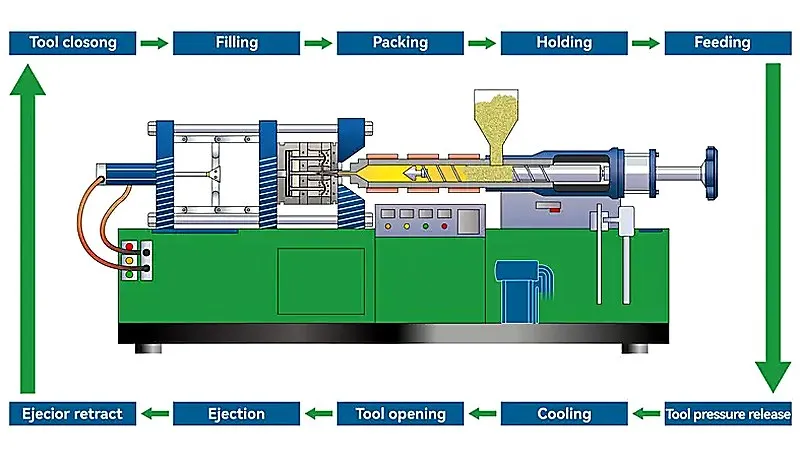
- Os custos de energia representam 30-40% das despesas operacionais da moldagem por injeção
- As máquinas totalmente elétricas consomem 50-70% menos energia do que as prensas hidráulicas
- Os moldes de canais quentes eliminam os resíduos dos canais, poupando 15-30% de material por ciclo
- O material reciclado pode ser misturado em proporções de 15-30% sem grandes perdas de qualidade
- A certificação ISO 14001 fornece o quadro para uma melhoria ambiental sistemática
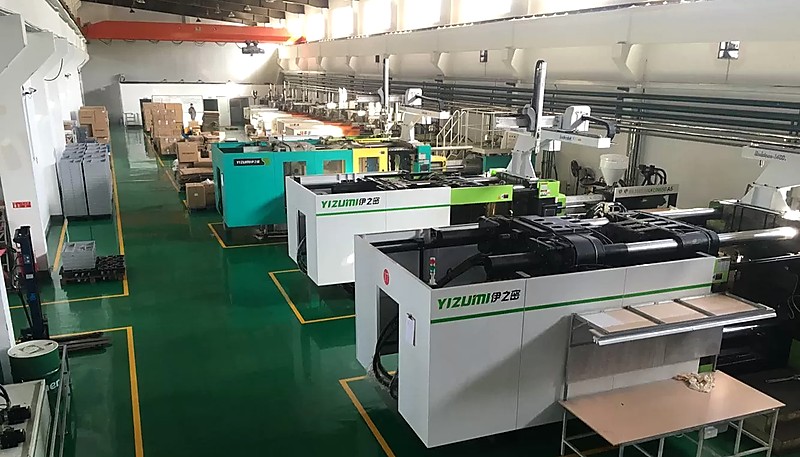
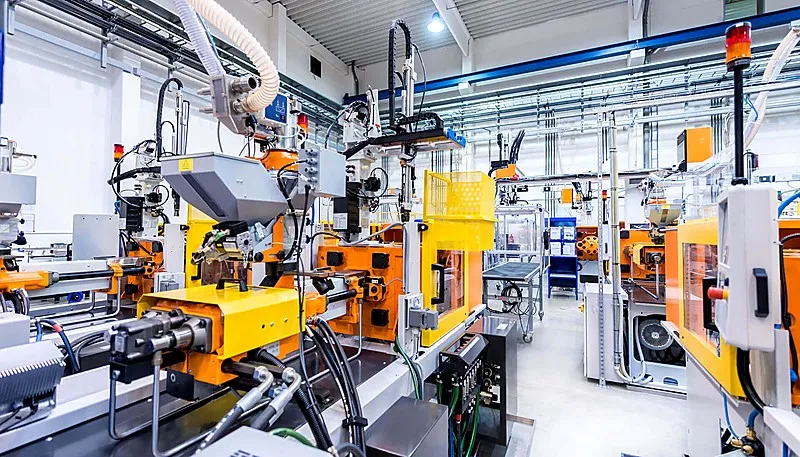
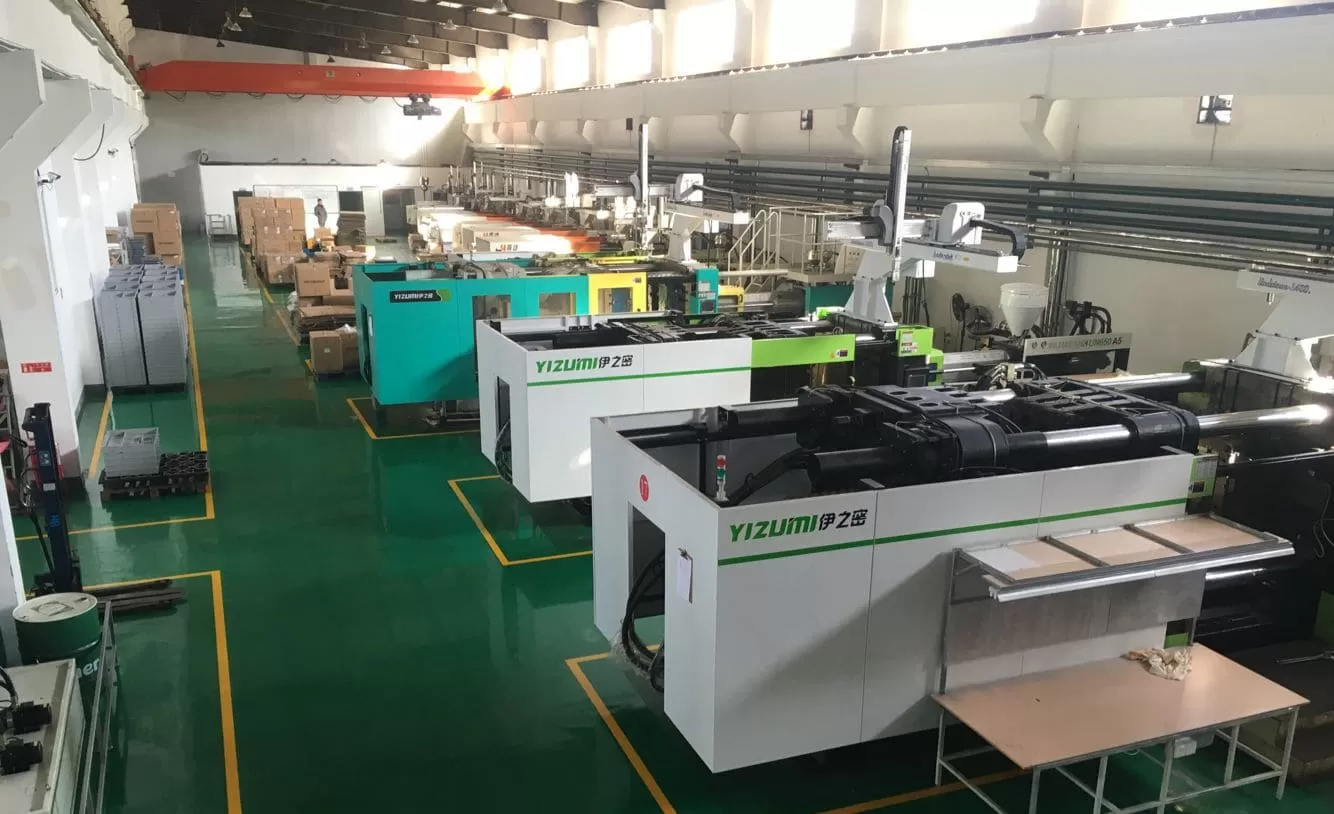
A moldagem por injeção é um dos processos de fabrico mais utilizados em todo o mundo, produzindo desde dispositivos médicos a componentes automóveis. Mas à medida que a pressão aumenta para reduzir as pegadas de carbono e os resíduos plásticos, a indústria está a mudar para práticas mais sustentáveis. Este guia abrange estratégias práticas para eficiência energética, redução de resíduos e otimização de materiais — baseadas em mais de 20 anos de experiência real numa fábrica de Xangai que opera 47 máquinas de moldagem por injeção.
O Que É Moldagem por Injeção Sustentável?
A moldagem por injeção sustentável consiste em otimizar a energia, os materiais e os resíduos para reduzir o impacto ambiental sem comprometer a qualidade das peças. Abrange três áreas fundamentais: consumo de energia, utilização de materiais e gestão de resíduos. Na prática, sustentabilidade não significa sacrificar o desempenho — significa otimizar todas as etapas para consumir menos energia, gerar menos desperdício e prolongar os ciclos de vida dos materiais.
Numa fábrica com mais de 40 máquinas de moldagem por injeção, até uma redução de 5% no consumo de energia por ciclo resulta, ao longo de um ano, numa poupança de custos e numa redução de carbono significativas. Os benefícios económicos e ambientais estão alinhados — por isso, a maioria dos investimentos em sustentabilidade acaba por se pagar.
Os principais componentes da moldagem por injeção sustentável incluem: Tecnologia das máquinas — a poupança de energia das máquinas totalmente elétricas1[3] permite consumir 50-70% menos energia do que as máquinas hidráulicas; Otimização do processo — redução do tempo de ciclo e ajuste da velocidade e da pressão de injeção; Gestão de materiais — utilização de material triturado, resinas recicladas e polímeros de base biológica; Redução de resíduos — minimização dos sistemas de canais e reprocessamento das peças rejeitadas; Projeto das instalações — iluminação LED, recuperação de calor e gestão de fugas de ar comprimido.
"As máquinas de moldação por injeção totalmente elétricas consomem 50-70% menos energia do que as máquinas hidráulicas."True
As máquinas totalmente elétricas eliminam o consumo contínuo de energia das bombas hidráulicas, recuperando energia durante as fases de travagem e consumindo significativamente menos energia por ciclo. As poupanças estão bem documentadas em milhares de instalações em todo o mundo.
"Os polímeros de base biológica, como o PLA, têm sempre um impacto ambiental inferior ao dos plásticos convencionais."False
Embora o PLA seja derivado de fontes renováveis, o seu impacto ambiental global depende das práticas agrícolas, das distâncias de transporte e da gestão de fim de vida. Se o PLA acabar num aterro em vez de numa unidade de compostagem industrial, o seu benefício ambiental é significativamente reduzido.
Como Podem as Instalações de Moldagem por Injeção Reduzir o Consumo de Energia?
O consumo de energia é o maior custo controlável nas operações de moldagem por injeção. Segundo os dados energéticos do DOE2[1], os equipamentos industriais utilizados no fabrico de plásticos representam uma parcela significativa do consumo de energia das instalações. Numa fábrica com mais de 40 máquinas, até uma redução de 5% por ciclo traduz-se numa poupança anual substancial.
Além da seleção das máquinas, as estratégias práticas de redução de energia incluem: Otimização do processo — reduzir o tempo de arrefecimento através de um controlo otimizado da temperatura do molde, minimizar o tempo de pressão de manutenção e aplicar os princípios da moldagem científica para determinar as janelas de processo ideais. Melhorias ao nível das instalações — instalar variadores de frequência (VFD) nas bombas de água de arrefecimento, recuperar o calor residual dos motores das máquinas para aquecer as instalações, reparar fugas de ar comprimido (uma única fuga de 3 mm desperdiça $2.000-5.000/ano) e adotar iluminação LED nas áreas de produção. Planeamento da produção — executar trabalhos de grande volume nas máquinas mais eficientes, evitar trocas frequentes de máquina que exijam o reaquecimento do cilindro e programar as operações de elevado consumo energético para os períodos de menor procura elétrica. Segundo a nossa experiência com 47 máquinas de moldagem por injeção em Xangai, só a adaptação de VFD reduziu o custo energético por peça em 12-18%.
Porque é que os Resíduos Plásticos são um Desafio Crítico na Moldagem por Injeção?
Os resíduos plásticos são um desafio crítico porque 3–8% do material processado torna-se desperdício, acumulando-se num impacto significativo de custo e ambiental. Esse desperdício representa perda de resina, energia, tempo de máquina e custos de eliminação ao longo de milhares de ciclos de produção. Numa instalação a funcionar 24/7, mesmo uma redução de 1% no desperdício pode poupar dezenas de milhares de dólares anualmente.
As fontes comuns de resíduos da moldagem por injeção incluem: Canais e canais de entrada — nos sistemas de canais frios, podem representar 15-30% do peso da injeção; Peças rejeitadas — defeitos dimensionais, imperfeições superficiais e enchimentos incompletos; Material de purga — desperdiçado durante mudanças de cor ou resina; Refugo de arranque — peças produzidas enquanto o processo estabiliza; Rebarbas e transbordamentos — excesso de material que escapa da cavidade do molde. A boa notícia é que a maioria dos resíduos termoplásticos da moldagem por injeção pode ser triturada e reprocessada. O material triturado proveniente de canais e peças rejeitadas pode normalmente ser misturado com resina virgem em proporções de 15-30% sem perda significativa de propriedades mecânicas, consoante o material e a aplicação.
Para aplicações críticas — dispositivos médicos, peças de segurança automóvel — o uso de material triturado pode ser restringido por normas da indústria. Mas para produtos de consumo, invólucros e componentes não críticos, o material triturado é uma clara vantagem de sustentabilidade.
Como é que as Escolhas de Materiais Impulsionam a Sustentabilidade na Moldagem por Injeção?
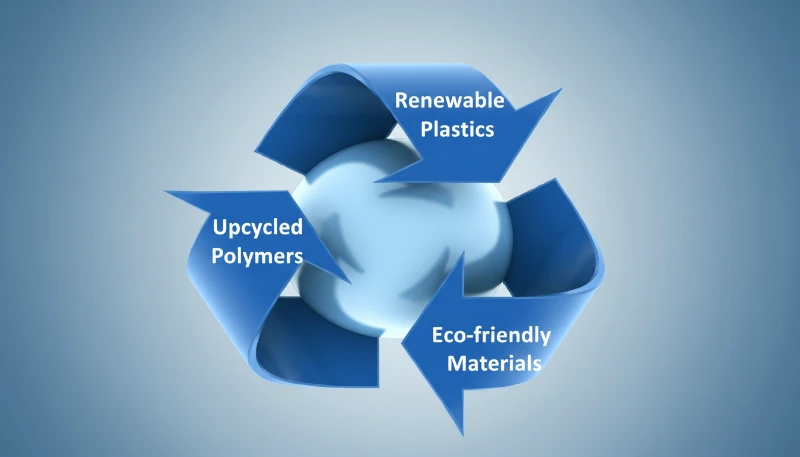
A seleção do material tem um impacto direto e duradouro na sustentabilidade dos produtos moldados por injeção. A escolha da resina afeta a pegada ambiental, a reciclabilidade, o peso da peça e as necessidades energéticas durante o processamento. Os polímeros de base biológica são cada vez mais viáveis: PLA (ácido poliláctico) — proveniente de amido de milho ou cana-de-açúcar, compostável em condições industriais, processado a 170-200°C e mais indicado para embalagens e artigos descartáveis; Bio-PE (biopolietileno) — quimicamente idêntico ao PE convencional, mas proveniente da cana-de-açúcar, é processado da mesma forma que o PE comum sem necessidade de ajustar as máquinas; PHA (polihidroxialcanoatos) — produzido por fermentação bacteriana e totalmente biodegradável, embora o custo mais elevado limite a sua utilização a aplicações especializadas.
As resinas recicladas são outra importante alavanca de sustentabilidade: PP reciclado pós-consumo (PCR) — disponível em classes para aplicações não alimentares e normalmente 15-25% mais barato do que o material virgem; rPET (PET reciclado) — amplamente disponível e adequado a embalagens, têxteis e bens de consumo; Material triturado internamente — proveniente de canais e peças rejeitadas, utilizável em proporções de 15-30%.
Ao selecionar materiais sustentáveis, considere todo o ciclo de vida: a resina virgem tem uma pegada de carbono elevada, mas é fácil de processar; a resina reciclada oferece uma redução de carbono de 60-80%, com uma variação de custo entre -10% e +5%, embora apresente propriedades mecânicas ligeiramente inferiores; os polímeros de base biológica situam-se a meio em termos de pegada de carbono, mas custam mais 20-100% e as suas propriedades variam muito. Compreender os princípios de projeto de moldes de injeção é essencial ao mudar para materiais de base biológica ou reciclados, pois estes podem ter características de escoamento, taxas de contração e janelas de processamento diferentes das resinas virgens. Para orientações sobre a seleção de fornecedores de materiais sustentáveis, o nosso guia de seleção de fornecedores de moldagem por injeção aborda a qualificação e a avaliação de riscos.
"Os sistemas de moldes de canal quente podem eliminar totalmente o desperdício dos canais de alimentação, poupando 15-30% de material por ciclo."True
Os sistemas de canal quente mantêm o plástico fundido nos canais de alimentação entre ciclos, pelo que não há desperdício de canal solidificado. Isto reduz diretamente o consumo de material na percentagem que os canais teriam ocupado num sistema de canal frio, proporcionando poupanças de material de canal quente3 que rapidamente compensam o maior custo de ferramenta.
"O material moído proveniente de peças rejeitadas pode ser utilizado numa proporção de 100% sem qualquer impacto na qualidade."False
Cada passagem de reprocessamento causa degradação térmica do polímero, reduzindo as propriedades mecânicas ao longo do tempo. A maioria das aplicações limita o material triturado a 15-30% da mistura total de material, e a monitorização do índice de fluidez (MFI) é essencial para acompanhar os níveis de degradação e garantir uma qualidade consistente das peças.
Que Papel Desempenha o Design do Molde na Manufatura Sustentável?
O projeto do molde é fundamental para o fabrico sustentável porque controla diretamente o desperdício de material, o consumo de energia e a eficiência do ciclo. Cada decisão de projeto — configuração dos canais de alimentação, número de cavidades e geometria dos canais de arrefecimento — acumula efeitos ao longo da vida útil do molde, tornando o projeto do molde num dos investimentos em sustentabilidade com maior impacto.
Otimização do sistema de canais de distribuição
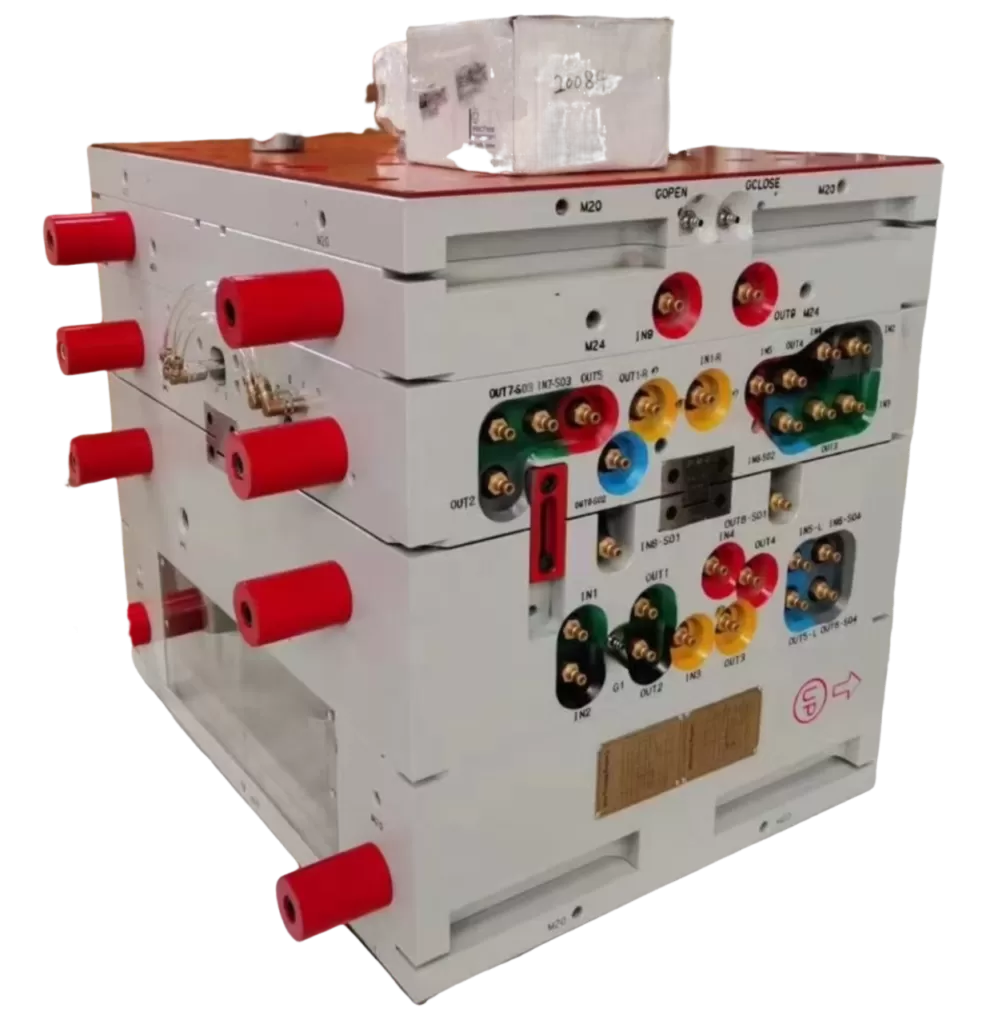
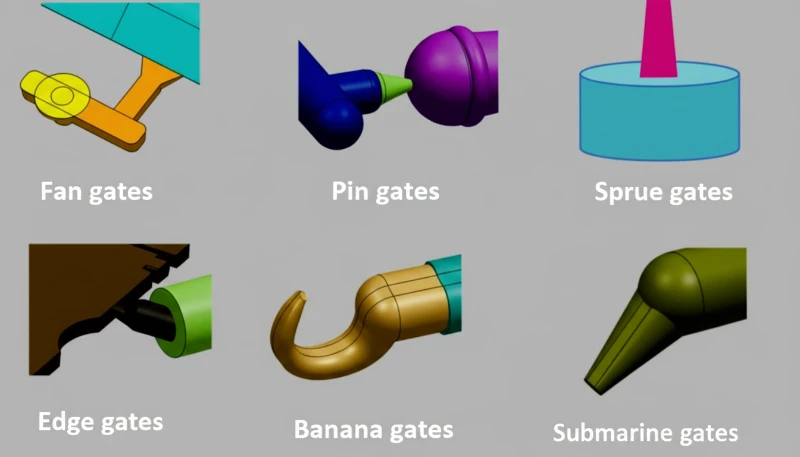
Os sistemas de canais quentes eliminam totalmente o desperdício de canais, poupando 15-30% de material por ciclo em comparação com moldes de canais frios[2]. Embora os moldes de canais quentes custem mais 5.000-20.000 USD inicialmente, as poupanças de material por si só frequentemente recuperam o investimento em 6-12 meses em produção de alto volume.
Otimização da cavidade
Moldes multicavidade com fluxo equilibrado reduzem o material por peça e melhoram a eficiência do ciclo. Um molde de 4 cavidades bem concebido produz peças com significativamente menos energia por peça do que operar um molde de cavidade única quatro vezes.
Desenho dos canais de arrefecimento
Canais de refrigeração conformes — possibilitados pela manufatura aditiva — podem reduzir o tempo de refrigeração em 20-40%, cortando diretamente a energia por peça. Defletores e borbulhadores em moldes convencionais também melhoram a eficiência de refrigeração.
Design para manufatura (DFM)
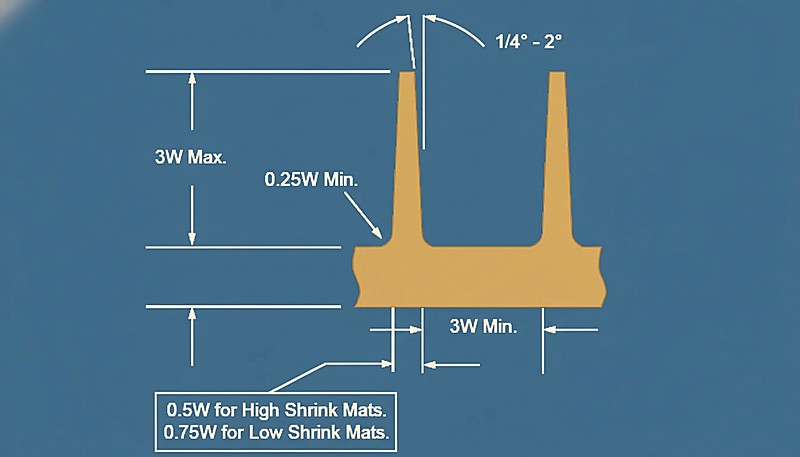
A otimização da espessura da parede reduz tanto o uso de material como o tempo de ciclo.
Cada redução de 10% na espessura da parede pode diminuir o tempo de arrefecimento em cerca de 10-15%, com poupanças energéticas acumuladas durante a vida útil do molde. Entre os principais elementos do molde que permitem poupar material incluem-se: ataques de válvula que minimizam o vestígio do ataque e reduzem o desperdício, sistemas de mudança rápida que reduzem o desperdício no arranque durante as mudanças de cor e tratamentos da superfície do molde que reduzem a força de desmoldagem e o tempo de ciclo.
Como Podem os Materiais Reciclados e de Retrabalho Ser Usados de Forma Eficaz?
Os materiais reciclados e retalhos são reutilizados eficazmente ao misturar 15–30% de retalhos com resina virgem, monitorizando a qualidade. Este processo disciplinado desvia 100% dos resíduos pós-industriais de aterros e reduz os custos de matérias-primas em 10-25%, dependendo da resina e da aplicação.
Melhores práticas de gestão de retalhos
Boas práticas de gestão do material triturado: Controlar a proporção — começar com 15% de material triturado e aumentá-la gradualmente; a maioria das aplicações tolera até 25-30% com monitorização adequada. Monitorizar o índice de fluidez (MFI) — cada passagem degrada ligeiramente o polímero; acompanhar o MFI para permanecer dentro das especificações. Separar por material e cor — a contaminação cruzada causa problemas de qualidade e limita a reciclabilidade. Secar corretamente — o material triturado tem maior área superficial e absorve humidade mais depressa; cumprir os requisitos de secagem específicos do material. Utilizar rapidamente — a degradação acelera quando o material permanece triturado durante períodos prolongados.
Materiais reciclados pós-consumo (PCR)
Os materiais PCR exigem um controlo de qualidade adicional. As principais etapas incluem testar o material recebido quanto ao MFI, nível de contaminação e consistência da cor; ajustar os parâmetros de processamento, pois o PCR pode escoar de forma diferente da resina virgem; realizar ensaios de qualificação das peças para confirmar que as propriedades mecânicas cumprem os requisitos; e manter documentação de rastreabilidade para conformidade regulamentar. Reciclagem em circuito fechado: a abordagem mais sustentável é a reciclagem em circuito fechado, na qual os resíduos pós-industriais (canais e peças rejeitadas) são triturados e reintegrados na mesma linha de produto. Esta abordagem desvia 100% dos resíduos de fabrico dos aterros, reduz o consumo de material virgem em 15-30%, diminui os custos de material e simplifica a rastreabilidade.
Quais São os Padrões da Indústria para Moldagem por Injeção Ecológica?
As principais normas para a moldagem por injeção ecológica são a ISO 14001, a ISO 50001 e regulamentos da UE como o CBAM. O enquadramento ISO 14001 oferece uma abordagem sistemática à gestão das responsabilidades ambientais, desde o consumo de energia até à eliminação de resíduos. A ISO 50001 concentra-se especificamente na gestão da energia e ajuda as organizações a desenvolver políticas para uma utilização eficiente da energia.
ISO 50001: Sistemas de gestão de energia
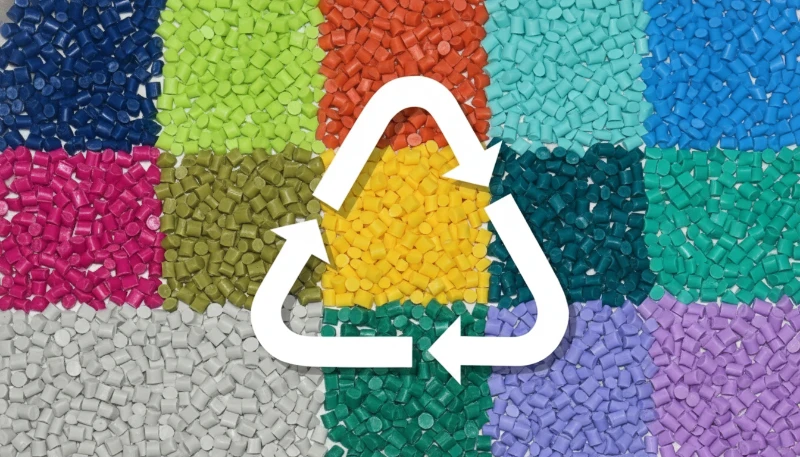
Concentra-se especificamente na gestão da energia, ajudando as organizações a desenvolver políticas para uma utilização mais eficiente. Nas instalações de moldagem por injeção, isto traduz-se em monitorização energética ao nível das máquinas, definição de metas e programas de otimização. As instalações de referência integram a gestão ambiental (ISO 14001), a gestão da qualidade (ISO 9001) e a saúde e segurança no trabalho (ISO 45001) num sistema de gestão unificado. Esta abordagem integrada assegura que os objetivos de sustentabilidade não entram em conflito com os requisitos de qualidade ou segurança. UL ECVP (Procedimento de Validação de Alegações Ambientais): para produtos que alegam conter material reciclado, a UL fornece validação independente — cada vez mais importante para os clientes que verificam as alegações de sustentabilidade na cadeia de abastecimento.
Regulamentos da UE
Para os fabricantes que exportam para a UE, o Mecanismo de Ajustamento Carbónico Fronteiriço (CBAM) e a Responsabilidade Alargada do Produtor (EPR) criam novos requisitos para a comunicação da pegada de carbono e para a documentação do desempenho ambiental.
Quando Deve Escolher um Parceiro de Moldagem por Injeção Sustentável?
Escolha um parceiro de moldagem por injeção sustentável sempre que a conformidade ambiental for exigida para o seu produto. Isto é agora uma norma nas cadeias de abastecimento automóvel, de eletrónica, de bens de consumo e de dispositivos médicos. Os principais OEM exigem cada vez mais programas de sustentabilidade documentados a todos os fornecedores de Nível 1 e Nível 2.
Sinais de um parceiro de moldagem por injeção genuinamente sustentável
Procure estes sinais de um parceiro de moldagem por injeção genuinamente sustentável: certificação ISO 14001 e ISO 50001, programas documentados de gestão de energia com melhoria ano após ano, reciclagem em circuito fechado dos resíduos de fabrico, capacidade de processar materiais reciclados e de base biológica, comunicação transparente da pegada de carbono e uma frota de máquinas totalmente elétrica ou híbrida. A sustentabilidade é mais importante para as marcas viradas para o consumidor com compromissos públicos, o acesso ao mercado da UE (conformidade com CBAM, EPR), os OEM automóveis com metas de Âmbito 3, as empresas de dispositivos médicos e os fabricantes de eletrónica que enfrentam os resíduos eletrónicos. Uma instalação com mais de 20 anos de experiência, certificação ISO 14001 e capacidade para mais de 400 materiais tem os alicerces para apoiar o fabrico sustentável em grande escala.
Com 8 engenheiros seniores e uma equipa de mais de 120 colaboradores de produção, um parceiro deste tipo pode orientar a seleção de materiais, otimizar o projeto do molde tendo em vista a sustentabilidade e proporcionar uma qualidade consistente com uma menor pegada ambiental.
Resultados reais: sustentabilidade na prática
Nas nossas instalações de moldagem por injeção em Xangai, constatámos diretamente que os investimentos em sustentabilidade se pagam a si próprios. As nossas máquinas totalmente elétricas — parte de um parque de 45 máquinas entre 90T e 1850T — demonstram sistematicamente um consumo de energia por ciclo 40-50% inferior ao das nossas unidades hidráulicas mais antigas. Em conjunto com a reciclagem de material moído em circuito fechado e a gestão ambiental ISO 14001, reduzimos os resíduos por peça em mais de 25% nos últimos três anos. A principal conclusão: a sustentabilidade e a eficiência de custos não são objetivos concorrentes na moldagem por injeção — reforçam-se mutuamente.
Procura um parceiro de moldagem por injeção sustentável com verdadeira experiência industrial? A ZetarMold oferece mais de 20 anos de experiência de fabrico, gestão ambiental certificada pela ISO 14001 e capacidade para processar mais de 400 materiais — incluindo resinas recicladas e de base biológica. As nossas instalações com 45 máquinas em Xangai combinam a eficiência dos equipamentos totalmente elétricos com a reciclagem de resíduos em circuito fechado. Peça um orçamento gratuito →
Perguntas mais frequentes
Qual é o tipo de máquina de moldagem por injeção mais eficiente em termos energéticos?
As máquinas de moldagem por injeção totalmente elétricas são a opção mais eficiente em energia disponível atualmente, consumindo 50-70% menos energia do que as máquinas hidráulicas tradicionais em toda a sua gama de funcionamento. Eliminam a drenagem contínua de energia das bombas hidráulicas e recuperam energia cinética durante as fases de travagem, o que melhora ainda mais o seu perfil geral de eficiência ao longo de produções longas. Para operações de fabrico de grande volume, as poupanças anuais de eletricidade normalmente amortizam o preço de compra mais elevado em 2-3 anos, tornando as máquinas totalmente elétricas um investimento tanto ambiental como economicamente forte.
Os plásticos reciclados podem igualar a qualidade dos materiais virgens na moldagem por injeção?
Os plásticos reciclados pós-consumo (PCR) podem igualar a qualidade do material virgem em muitas aplicações não críticas quando são devidamente processados e rigorosamente testados ao longo da produção. Parâmetros de qualidade essenciais, incluindo o índice de fluidez do fundido, os níveis de contaminação e a consistência de cor, devem ser cuidadosamente monitorizados durante toda a produção para garantir resultados consistentes lote após lote. Para aplicações críticas, como dispositivos médicos ou componentes de segurança automóvel, o material virgem ou os graus reciclados especificamente certificados são geralmente exigidos por normas rigorosas do setor e por quadros regulamentares para garantir a segurança do produto.
Quanto desperdício de plástico gera uma instalação típica de moldagem por injeção?
Uma operação de moldagem por injeção típica gera 3-8% de desperdício como percentagem do total de matéria-prima processada em toda a instalação ao longo da produção diária normal. Este desperdício tem origem em várias fontes distintas: canais e jitos que representam 15-30% do peso de injeção em sistemas de canais frios, peças rejeitadas com defeitos dimensionais ou imperfeições de superfície, material de purga desperdiçado durante mudanças de cor ou de resina, e sucata de arranque produzida enquanto o processo de moldagem estabiliza. A maioria do desperdício termoplástico pode ser regranulada e reutilizada em rácios de mistura de 15-30%.
O PLA é adequado para todas as aplicações de moldagem por injeção?
Não, o PLA não é adequado para todas as aplicações de moldagem por injeção devido às limitações inerentes das suas propriedades. Possui menor resistência ao calor, com uma gama de temperatura de processamento de apenas 170-200 graus Celsius, menor resistência ao impacto do que a maioria das resinas de engenharia e uma fragilidade inerente em comparação com plásticos de engenharia como o policarbonato ou o nylon. O PLA funciona bem em aplicações de embalagem, artigos de consumo descartáveis e produtos não estruturais, mas não deve ser utilizado em componentes estruturais, ambientes de alta temperatura ou aplicações mecanicamente exigentes em que a durabilidade a longo prazo é absolutamente crítica.
Que certificações ISO indicam práticas sustentáveis de moldagem por injeção?
As principais certificações que indicam práticas de fabrico verdadeiramente sustentáveis são a ISO 14001 para sistemas de gestão ambiental e a ISO 50001 para sistemas de gestão de energia. A ISO 14001 fornece um referencial abrangente para a melhoria ambiental sistemática em todas as operações e departamentos das instalações, enquanto a ISO 50001 se concentra especificamente na otimização da eficiência energética ao nível de cada máquina. Juntamente com a ISO 9001 para a gestão da qualidade e a ISO 45001 para a segurança no trabalho, estas normas formam uma abordagem de gestão integrada que demonstra o compromisso contínuo das instalações com práticas de fabrico responsáveis.
Como é que a ferramenta de canal quente reduz o desperdício de material na moldagem por injeção?
Os sistemas de molde de canal quente mantêm o material plástico fundido nos canais de alimentação entre ciclos de injeção, eliminando por completo o desperdício de canal solidificado que os sistemas de canal frio produzem após cada injeção. Este design inovador de molde pode poupar 15-30% de material por ciclo, consoante a geometria específica da peça e a configuração do traçado dos canais utilizada. O material fundido que permanece no coletor (manifold) do canal quente é injetado diretamente no ciclo seguinte, reduzindo simultaneamente tanto o desperdício de material como o tempo de ciclo global, para uma eficiência de produção comprovadamente superior.
Os polímeros de base biológica podem ser processados em máquinas de moldagem por injeção convencionais?
A maioria dos polímeros de base biológica de substituição direta, como o bio-PE e o bio-PET, pode ser processada em máquinas de moldagem por injeção convencionais sem qualquer modificação, uma vez que são quimicamente idênticos aos seus equivalentes convencionais à base de petróleo e partilham características de processamento em estado fundido completamente idênticas. No entanto, outros polímeros de base biológica, como o PLA e o PHA, podem exigir perfis de temperatura do barril ajustados, conceções de parafuso especializadas otimizadas para a sua gama de viscosidade específica ou equipamento de secagem por desumidificação adicional, devido ao seu comportamento de degradação térmica distinto e à sua sensibilidade à humidade significativamente mais elevada durante as operações de processamento em estado fundido a alta temperatura.
O que é a reciclagem de circuito fechado na moldagem por injeção?
A reciclagem de circuito fechado na moldagem por injeção é a prática de fabricação sistemática de triturar resíduos de produção interna, como canais, peças rejeitadas e desperdícios de arranque, e depois alimentá-los diretamente de volta no mesmo processo de produção no local da instalação de fabrico. Esta abordagem abrangente de reciclagem desvia 100% de resíduos plásticos pós-industriais da eliminação em aterro, reduz o consumo de resina virgem em 15-30%, reduz significativamente os custos globais de aquisição de materiais e simplifica a conformidade com a rastreabilidade dos materiais, uma vez que a composição do material triturado é totalmente conhecida e controlada dentro da instalação.
poupança de energia das máquinas totalmente elétricas: refere-se à redução de 50-70% no consumo de energia alcançada pelas máquinas de moldagem por injeção totalmente elétricas em comparação com as máquinas hidráulicas, conforme documentado pela Society of Plastics Engineers. ↩
dados energéticos do DOE: referem-se às estatísticas publicadas pelo Departamento de Energia dos EUA que mostram que as melhorias da eficiência energética no fabrico de plásticos podem reduzir o consumo em 20-30%. ↩
poupança de material com canais quentes: refere-se à redução de 15-30% nos resíduos de material obtida por sistemas de moldes com canais quentes que mantêm os canais fundidos entre ciclos, segundo dados do setor publicados pela Plastics Technology. ↩