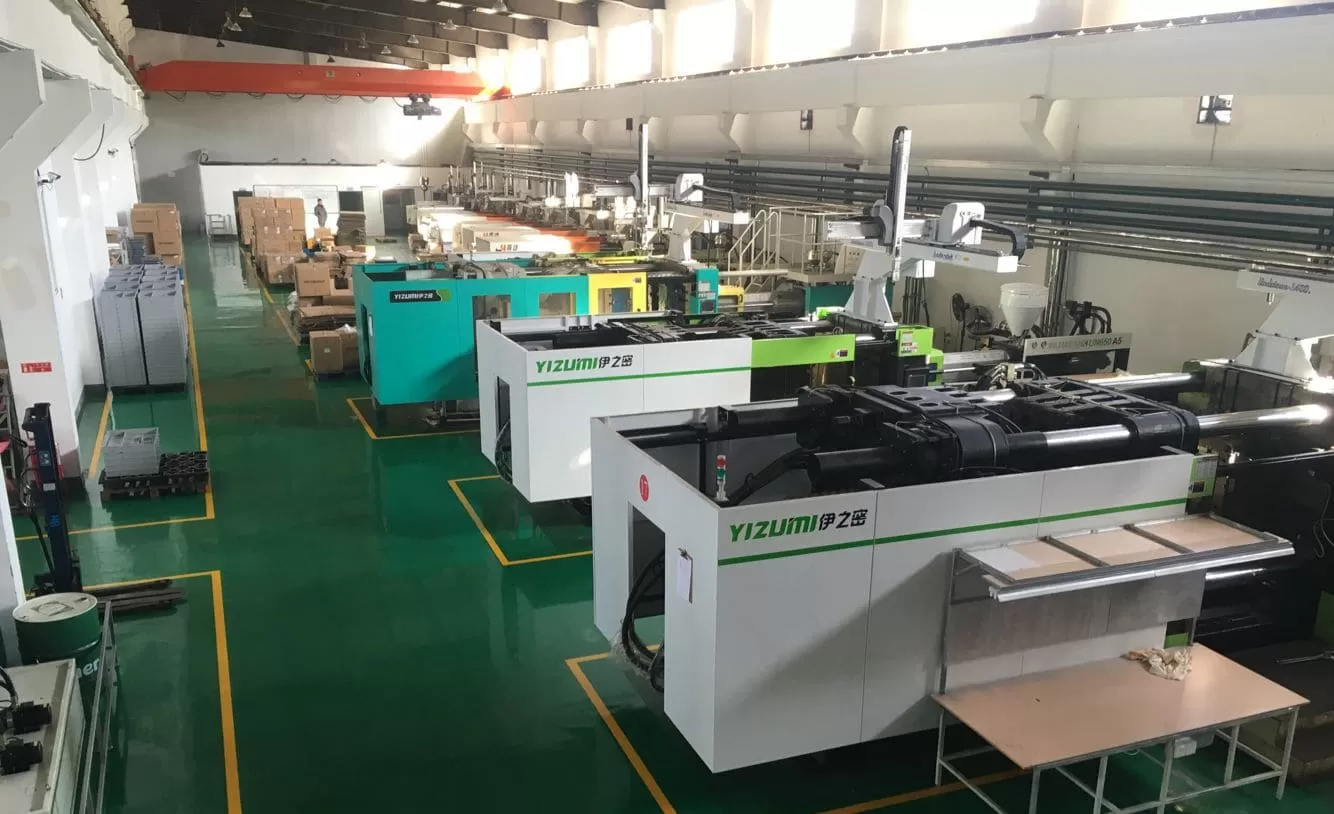
- Enerji maliyetleri, enjeksiyon kalıplama işletme giderlerinin %30-40'ını oluşturur
- Tam elektrikli makineler, hidrolik preslerden %50-70 daha az enerji kullanır
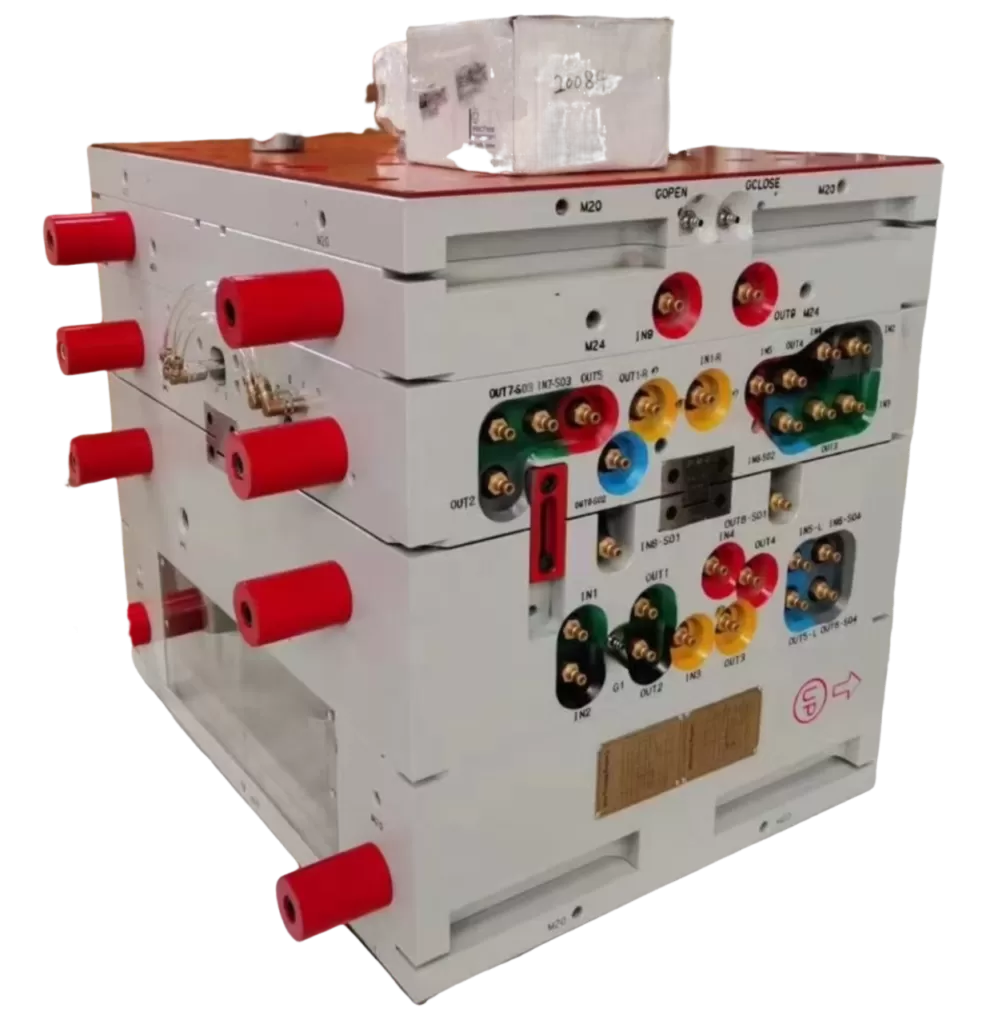
- Sıcak yolluklu kalıplar yolluk atığını ortadan kaldırarak çevrim başına %15-30 malzeme tasarrufu sağlar
- Öğütülmüş malzeme, büyük kalite kaybı olmadan %15-30 oranlarında karıştırılabilir
- ISO 14001 sertifikası, sistematik çevresel iyileştirme için çerçeve sağlar
Enjeksiyon kalıplama, tıbbi cihazlardan otomotiv bileşenlerine kadar her şeyi üreten, dünya çapında en yaygın kullanılan üretim süreçlerinden biridir. Ancak karbon ayak izlerini kesme ve plastik atığı azaltma baskısı arttıkça, sektör daha sürdürülebilir uygulamalara doğru kaymaktadır. Bu kılavuz, 47 enjeksiyon kalıplama makinesi çalıştıran Shanghai merkezli bir tesiste 20+ yıllık gerçek fabrika deneyiminden elde edilen enerji verimliliği, atık azaltma ve malzeme optimizasyonu için pratik stratejileri kapsar.
Sürdürülebilir Enjeksiyon Kalıplama Nedir?
Sürdürülebilir enjeksiyon kalıplama, parça kalitesini korurken çevresel etkiyi azaltmak için enerji, malzeme ve atığı optimize etmektir. Üç temel alanı kapsar: enerji tüketimi, malzeme kullanımı ve atık yönetimi. Sürdürülebilirlik performanstan ödün vermek değil; daha az enerji kullanmak, daha az hurda üretmek ve malzeme yaşam döngülerini uzatmak üzere her aşamayı iyileştirmektir.
40’tan fazla enjeksiyon kalıplama makinesi çalıştıran bir fabrikada çevrim başına enerji tüketimindeki %5’lik azalma bile yılda önemli maliyet tasarrufu ve karbon azaltımı sağlar. Ekonomik ve çevresel yararlar örtüşür; bu nedenle çoğu sürdürülebilirlik yatırımı kendi maliyetini karşılar.
Sürdürülebilir enjeksiyon kalıplamanın temel bileşenleri: Makine teknolojisi — tam elektrikli enerji tasarrufu1[3], hidrolik makinelere göre %50–70 daha az enerji; Süreç optimizasyonu — çevrim süresini azaltma, enjeksiyon hızı ve basıncını ayarlama; Malzeme yönetimi — kırma, geri dönüştürülmüş reçine ve biyo-bazlı polimer kullanma; Atık azaltma — yollukları küçültme ve reddedilen parçaları yeniden işleme; Tesis tasarımı — LED aydınlatma, ısı geri kazanımı ve basınçlı hava kaçak yönetimi.
"Tam elektrikli enjeksiyon kalıplama makineleri, hidrolik makinelerden 50-70% daha az enerji tüketir."True
Tam elektrikli makineler, hidrolik pompaların sürekli enerji tüketimini ortadan kaldırır, frenleme aşamalarında enerji geri kazanır ve çevrim başına önemli ölçüde daha az güç tüketir. Tasarruflar, dünya çapında binlerce kurulumda iyi bir şekilde belgelenmiştir.
"PLA gibi biyobazlı polimerler her zaman geleneksel plastiklerden daha düşük çevresel etkiye sahiptir."False
PLA yenilenebilir kaynaklardan elde edilse de, genel çevresel etkisi tarımsal uygulamalara, ulaşım mesafelerine ve kullanım ömrü sonu yönetimine bağlıdır. PLA, endüstriyel bir kompostlama tesisi yerine bir çöp sahasında son bulursa, çevresel faydası önemli ölçüde azalır.
Enjeksiyon Kalıplama Tesisleri Enerji Tüketimini Nasıl Azaltabilir?
Enerji tüketimi enjeksiyon kalıplama operasyonlarında kontrol edilebilir en büyük maliyettir. DOE enerji verilerine2[1] göre plastik imalatındaki endüstriyel ekipman tesis enerji kullanımında önemli paya sahiptir. 40’tan fazla makinesi olan bir fabrikada çevrim başına %5 azalma bile büyük yıllık tasarruf sağlar.
Makine seçiminin ötesindeki enerji azaltma yöntemleri: süreç optimizasyonunda kalıp sıcaklık kontrolünü iyileştirerek soğutmayı ve tutma basıncı süresini azaltın, bilimsel kalıplamayla uygun pencereyi bulun. Tesis genelinde soğutma suyu pompalarına VFD takın, motor atık ısısını bina ısıtmasında kullanın, basınçlı hava kaçaklarını onarın (tek bir 3 mm kaçak yılda 2.000–5.000 $ harcar) ve LED’e geçin. Üretimde yüksek hacimli işleri verimli makinelerde çalıştırın, kovanı yeniden ısıtan sık değişimleri önleyin ve yoğun işleri düşük tarife saatlerine alın. Şanghay’daki 47 makinemizde yalnız VFD dönüşümü parça başı enerji maliyetini %12–18 düşürdü.
Plastik Atık, Enjeksiyon Kalıplamada Neden Kritik Bir Sorundur?
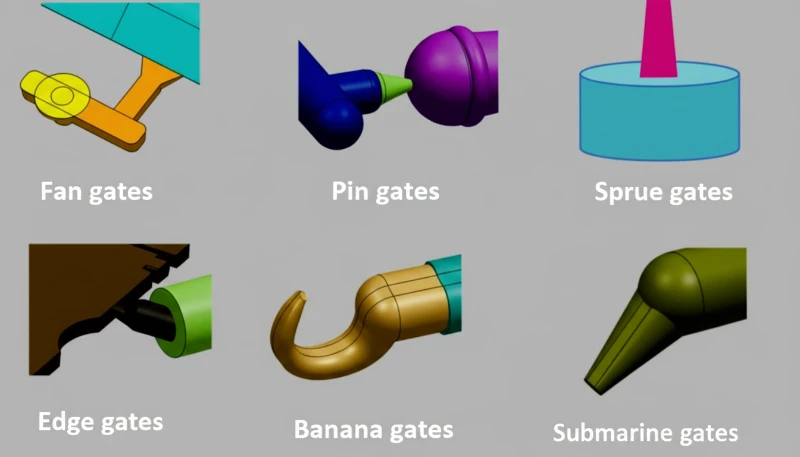
Plastik atık kritik bir zorluktur çünkü işlenen malzemenin %3–8’i hurdaya dönüşür ve bu durum önemli maliyet ve çevresel etki olarak birikir. Bu atık, binlerce üretim döngüsü boyunca kaybedilen reçine, enerji, makine süresi ve bertaraf ücretlerini temsil eder. 7/24 çalışan bir tesiste, %1’lik bir atık azaltımı bile yıllık on binlerce dolar tasarruf sağlayabilir.
Enjeksiyon kalıplama atığının yaygın kaynakları: soğuk yolluklarda atış ağırlığının %15–30’una ulaşabilen yolluk ve yolluk burçları; boyutsal/yüzey kusurlu veya eksik dolmuş reddedilen parçalar; renk ya da reçine değişimindeki temizleme malzemesi; süreç kararlılaşırken oluşan başlangıç hurdası; kalıp boşluğundan kaçan çapak ve taşma. İyi haber, çoğu termoplastik atığın kırılıp yeniden işlenebilmesidir. Malzemeye ve uygulamaya göre yolluk ve reddedilen parça kırması, önemli mekanik özellik kaybı olmadan bakir reçineye genellikle %15–30 katılabilir.
Kritik uygulamalar için — tıbbi cihazlar, otomotiv güvenlik parçaları — öğütülmüş malzeme kullanımı endüstri standartları tarafından kısıtlanabilir. Ancak tüketici ürünleri, muhafazalar ve kritik olmayan bileşenler için öğütülmüş malzeme, doğrudan bir sürdürülebilirlik kazancıdır.
Malzeme Seçimleri Enjeksiyon Kalıplamada Sürdürülebilirliği Nasıl Yönlendirir?
Malzeme seçimi enjeksiyon kalıplı ürünlerin çevresel ayak izini, geri dönüştürülebilirliğini, ağırlığını ve işleme enerjisini kalıcı biçimde etkiler. Biyo-bazlı polimerler giderek uygulanabilirdir: PLA, mısır nişastası/şeker kamışından gelir, endüstriyel koşullarda kompostlanır, 170–200°C’de işlenir ve ambalaj/tek kullanımlık ürünlere uygundur; Biyo-PE, şeker kamışından gelse de geleneksel PE ile kimyasal olarak aynıdır ve makine ayarı olmadan aynı işlenir; PHA, bakteriyel fermantasyonla üretilir ve tamamen biyobozunurdur, ancak yüksek maliyet onu özel uygulamalarla sınırlar.
Geri dönüştürülmüş reçineler diğer büyük sürdürülebilirlik aracıdır: tüketici sonrası geri dönüştürülmüş (PCR) PP, gıda dışı kalitelerde bulunur ve genellikle bakir malzemeden %15–25 ucuzdur; rPET ambalaj, tekstil ve tüketici ürünlerinde yaygındır; yolluklardan ve reddedilen parçalardan tesis içi kırma %15–30 oranında kullanılabilir.
Sürdürülebilir malzeme seçerken tüm yaşam döngüsünü düşünün: bakir reçinenin karbon ayak izi yüksek, işlemesi kolaydır; geri dönüştürülmüş reçine %60–80 karbon azalması ve %−10 ile %+5 maliyet farkı sunar, mekanik özellikleri biraz düşüktür; biyo-bazlı polimerlerin karbon ayak izi ortadadır, maliyeti %20–100 daha yüksek ve özellikleri çok değişkendir. Akış, çekme ve işleme pencereleri farklı olabileceğinden geçişte enjeksiyon kalıbı tasarım ilkelerini anlamak şarttır. Sürdürülebilir tedarikçiler için enjeksiyon kalıplama tedarikçisi bulma kılavuzumuz yeterlilik ve risk değerlendirmesini kapsar.
"Sıcak yolluklu kalıp sistemleri yolluk atığını tamamen ortadan kaldırarak çevrim başına 15-30% malzeme tasarrufu sağlayabilir."True
Sıcak yolluklu sistemler plastiği çevrimler arasında yolluk kanallarında erimiş halde tutar, böylece katılaşmış yolluk atığı oluşmaz. Bu, soğuk yolluklu bir sistemde yollukların kaplayacağı yüzde oranında malzeme tüketimini doğrudan azaltarak, daha yüksek kalıp maliyetini hızla telafi eden sıcak yolluk malzeme tasarrufu3 sağlar.
"Reddedilen parçalardan elde edilen yeniden öğütülmüş malzeme, kalite üzerinde hiçbir etkisi olmadan %100 oranında kullanılabilir."False
Her yeniden işleme geçişi, polimerin termal bozulmasına neden olarak zamanla mekanik özellikleri azaltır. Çoğu uygulama, öğütülmüş malzeme kullanımını toplam malzeme karışımının -30'u ile sınırlar ve erime akış indeksi (MFI) izlemesi, bozulma seviyelerini takip etmek ve tutarlı parça kalitesini sağlamak için gereklidir.
Sürdürülebilir Üretimde Kalıp Tasarımının Rolü Nedir?
Kalıp tasarımı; malzeme israfını, enerji kullanımını ve çevrim verimliliğini doğrudan kontrol ettiği için sürdürülebilir üretimin merkezindedir. Yolluk düzeni, kalıp boşluğu sayısı ve soğutma kanalı geometrisi gibi her tasarım kararı kalıbın ömrü boyunca birikimli etki yaratır; bu da kalıp tasarımını sürdürülebilirlik açısından en yüksek kaldıraçlı yatırımlardan biri yapar.
Kanal sistemi optimizasyonu
Sıcak dağıtıcı sistemleri, soğuk dağıtıcılı kalıplara kıyasla döngü başına -30 malzeme tasarrufu sağlayarak dağıtıcı atığını tamamen ortadan kaldırır[2]. Sıcak dağıtıcılı kalıplar başlangıçta 5.000-20.000 USD daha pahalı olsa da, sadece malzeme tasarrufu genellikle yüksek hacimli üretimde yatırımı 6-12 ay içinde geri öder.
Boşluk optimizasyonu
Dengeli akışa sahip çoklu boşluklu kalıplar, parça başına malzeme kullanımını azaltır ve döngü verimliliğini artırır. İyi tasarlanmış 4 boşluklu bir kalıp, tek boşluklu bir kalıbı dört kez çalıştırmaktan çok daha az enerji ile parça üretir.
Soğutma kanalı tasarımı
Eklemeli imalat ile mümkün kılınan konformal soğutma kanalları, soğutma süresini -40 oranında azaltarak parça başına enerjiyi doğrudan düşürür. Geleneksel kalıplardaki bölmeler ve hava kabarcıkları da soğutma verimliliğini artırır.
Üretim için tasarım (DFM)
Duvar kalınlığı optimizasyonu hem malzeme kullanımını hem de döngü süresini azaltır.
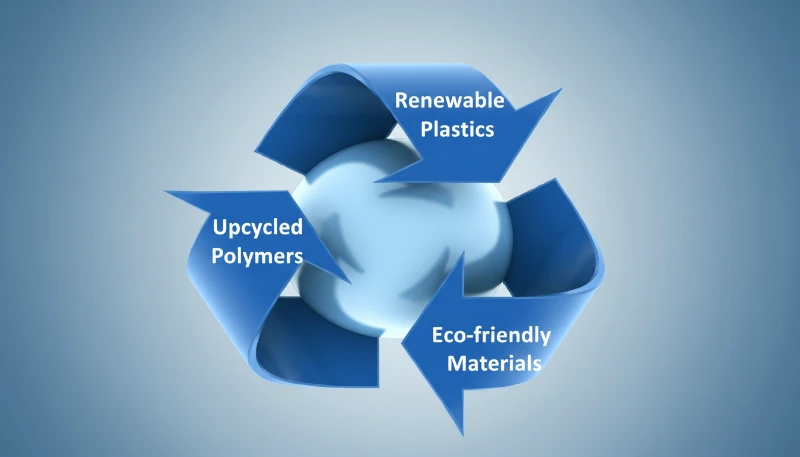
Et kalınlığındaki her 10% azalma, kalıbın kullanım ömrü boyunca biriken enerji tasarrufuyla birlikte soğutma süresini yaklaşık 10-15% kısaltabilir. Malzeme tasarrufu sağlayan başlıca kalıp özellikleri şunlardır: giriş izini en aza indirip atığı azaltan valf girişleri, renk değişimleri sırasında başlangıç hurdasını azaltan hızlı değiştirme sistemleri ve kalıptan çıkarma kuvvetiyle çevrim süresini azaltan kalıp yüzey işlemleri.
Geri Dönüştürülmüş ve Öğütülmüş Malzemeler Nasıl Etkili Şekilde Kullanılabilir?
Geri dönüştürülmüş ve regrind malzemeler, kalite izlenirken –30 regrind’in ham reçine ile karıştırılmasıyla etkin bir şekilde yeniden kullanılır. Bu disiplinli süreç, endüstriyel sonrası atıkların 0’ünü depolama alanlarından uzaklaştırır ve reçine ve uygulamaya bağlı olarak hammadde maliyetlerini -25 oranında düşürür.
Regrind yönetimi en iyi uygulamaları
Kırma yönetiminde iyi uygulamalar: %15 ile başlayıp kademeli artırın; izlemeyle çoğu uygulama %25–30’u kaldırır. Her geçiş polimeri biraz bozduğundan eriyik akış indeksini (MFI) izleyin. Kalite sorununu ve geri dönüştürülebilirlik kaybını önlemek için malzeme ve rengi ayırın. Artan yüzey alanı nedeniyle kırmayı malzemeye özgü gerekliliklerle doğru kurutun. Kırma hâlinde uzun depolamada bozunma hızlandığından kısa sürede kullanın.
Tüketici sonrası geri dönüştürülmüş (PCR) malzemeler
PCR malzemeleri ek kalite kontrolü gerektirir: girişte MFI, kirlenme ve renk tutarlılığı testi; bakir reçineden farklı akış için parametre ayarı; mekanik özellikleri doğrulayan parça yeterlilik testi; mevzuat için izlenebilirlik belgesi. Kapalı döngü geri dönüşümde üretim sonrası atık (yolluk, reddedilen parça) kırılıp aynı hatta beslenir. Böylece imalat atığının %100’ü depolamadan uzak tutulur, bakir tüketimi %15–30 azalır, maliyet düşer ve izlenebilirlik kolaylaşır.
Yeşil Enjeksiyon Kalıplama için Endüstri Standartları Nelerdir?
Yeşil enjeksiyon kalıplama için temel standartlar ISO 14001, ISO 50001 ve CBAM gibi AB düzenlemeleridir. ISO 14001 enerjiden atık bertarafına çevresel sorumlulukları sistematik yönetir. ISO 50001 özellikle enerji yönetimine odaklanarak verimli kullanım politikaları geliştirilmesine yardım eder.
ISO 50001: Enerji Yönetim Sistemleri
Enerji yönetimine odaklanarak kuruluşların daha verimli enerji politikaları geliştirmesine yardım eder. Enjeksiyon kalıplama tesislerinde bu, makine düzeyinde izleme, hedef koyma ve optimizasyon programları demektir. Öncü tesisler çevre (ISO 14001), kalite (ISO 9001) ve iş sağlığı-güvenliği (ISO 45001) yönetimini birleştirerek sürdürülebilirlik hedeflerinin kalite veya güvenlikle çatışmasını önler. UL ECVP (Çevresel İddia Doğrulama Prosedürü), geri dönüştürülmüş içerik iddialarına üçüncü taraf doğrulaması sağlar ve tedarik zincirindeki müşteriler için giderek önem kazanır.
AB düzenlemeleri
AB’ye ihracat yapan üreticiler için, Karbon Sınır Düzenleme Mekanizması (CBAM) ve Genişletilmiş Üretici Sorumluluğu (EPR) düzenlemeleri, karbon ayak izi raporlaması ve çevresel performans belgelendirmesi için yeni gereksinimler oluşturur.
Ne Zaman Sürdürülebilir Bir Enjeksiyon Kalıplama Ortağı Seçmelisiniz?
Ürününüz için çevresel uyumluluk gerektiği her durumda sürdürülebilir bir enjeksiyon kalıplama ortağı seçin. Bu, artık otomotiv, elektronik, tüketim malları ve tıbbi tedarik zincirlerinde standarttır. Büyük OEM’ler, tüm Tier 1 ve Tier 2 tedarikçilerinden giderek daha fazla belgelendirilmiş sürdürülebilirlik programları talep etmektedir.
Gerçekten sürdürülebilir bir enjeksiyon kalıplama ortağının işaretleri
Gerçekten sürdürülebilir bir enjeksiyon kalıplama ortağının şu işaretlerine bakın: ISO 14001 ve ISO 50001 sertifikası, yıldan yıla iyileşme gösteren belgelenmiş enerji yönetim programları, üretim atıkları için kapalı döngü geri dönüşüm, geri dönüştürülmüş ve biyo-bazlı malzemeleri işleme kapasitesi, şeffaf karbon ayak izi raporlaması ve tamamen elektrikli veya hibrit bir makine filosu. Sürdürülebilirlik en çok kamuya açık taahhütleri olan tüketiciye yönelik markalar, AB pazarına erişim (CBAM, EPR uyumu), Kapsam 3 hedefleri olan otomotiv OEM’leri, tıbbi cihaz şirketleri ve e-atık sorununu ele alan elektronik üreticileri için önemlidir. 20+ yıllık deneyime, ISO 14001 sertifikasına ve 400+ malzeme kapasitesine sahip bir tesis, geniş ölçekte sürdürülebilir üretimi destekleyecek temele sahiptir.
8 kıdemli mühendis ve 120’den fazla üretim personelinden oluşan bir ekiple böyle bir ortak, malzeme seçiminde yol gösterebilir, sürdürülebilirlik için kalıp tasarımını optimize edebilir ve daha düşük bir çevresel ayak iziyle tutarlı kalite sunabilir.
Gerçek Sonuçlar: Uygulamada Sürdürülebilirlik
Şanghay'daki enjeksiyon kalıplama tesisimizde sürdürülebilirlik yatırımlarının kendini nasıl amorti ettiğini doğrudan gördük. 90T ila 1850T aralığındaki 45 makinelik filonun bir parçası olan tamamen elektrikli makinelerimiz, eski hidrolik ünitelerimize göre çevrim başına sürekli olarak 40-50% daha düşük enerji tüketimi sergiler. Kapalı devre yeniden öğütülmüş malzeme geri dönüşümü ve ISO 14001 çevre yönetimiyle birlikte son üç yılda parça başına atığı 25%'ten fazla azalttık. Temel çıkarım: enjeksiyon kalıplamada sürdürülebilirlik ile maliyet verimliliği birbiriyle yarışan hedefler değildir; birbirini güçlendirir.
Gerçek fabrika deneyimine sahip sürdürülebilir bir enjeksiyon kalıplama ortağı mı arıyorsunuz? ZetarMold 20 yılı aşkın imalat deneyimi, ISO 14001 belgeli çevre yönetimi ve geri dönüştürülmüş/biyo-bazlı reçineler dâhil 400’den fazla malzemeyi işleme kapasitesi sunar. Şanghay’daki 45 makineli tesisimiz tam elektrik verimliliğini kapalı döngü atık geri dönüşümüyle birleştirir. Ücretsiz Teklif Alın →
Sıkça Sorulan Sorular
En enerji verimli enjeksiyon kalıplama makinesi türü hangisidir?
Tam elektrikli enjeksiyon kalıplama makineleri, tüm çalışma aralıklarında geleneksel hidrolik makinelerden %50-70 daha az enerji tüketen, bugün mevcut en enerji verimli seçenektir. Hidrolik pompaların sürekli enerji tüketimini ortadan kaldırır ve frenleme aşamalarında kinetik enerjiyi geri kazanırlar; bu da uzun üretim çalışmaları boyunca genel verimlilik profillerini daha da iyileştirir. Yüksek hacimli üretim operasyonları için yıllık elektrik tasarrufu, daha yüksek satın alma fiyatını genellikle 2-3 yıl içinde geri öder ve tam elektrikli makineleri hem çevresel hem de güçlü ekonomik bir yatırım haline getirir.
Geri dönüştürülmüş plastikler enjeksiyon kalıplamada saf malzemelerin kalitesine ulaşabilir mi?
Tüketici sonrası geri dönüştürülmüş (PCR) plastikler, uygun şekilde işlendiğinde ve üretim boyunca titizlikle test edildiğinde birçok kritik olmayan uygulama için orijinal malzeme kalitesine ulaşabilir. Eriyik akış indisi, kirlilik seviyeleri ve renk tutarlılığı dahil önemli kalite parametreleri, parti bazında tutarlı sonuçlar sağlamak için tüm üretim süreci boyunca dikkatle izlenmelidir. Tıbbi cihazlar veya otomotiv güvenlik bileşenleri gibi kritik uygulamalar için, ürün güvenliğini garanti altına almak amacıyla katı endüstri standartları ve düzenleyici çerçeveler tarafından tipik olarak orijinal malzeme veya özel olarak sertifikalandırılmış geri dönüştürülmüş kaliteler gerekir.
Tipik bir enjeksiyon kalıplama tesisi ne kadar plastik atık üretir?
Tipik bir enjeksiyon kalıplama operasyonu, normal günlük üretim boyunca tesis genelinde işlenen toplam ham maddenin yüzdesi olarak %3-8 atık üretir. Bu atık, birkaç farklı kaynaktan doğar: soğuk yolluklu sistemlerde atım ağırlığının %15-30’unu temsil eden yolluklar ve dağıtım kanalları, boyutsal kusurları veya yüzey lekeleri olan reddedilen parçalar, renk veya reçine değişimleri sırasında israf edilen temizleme malzemesi ve kalıplama süreci stabilize olurken üretilen başlangıç hurdası. Termoplastik atığın çoğu öğütülüp %15-30 karışım oranlarında yeniden kullanılabilir.
PLA tüm enjeksiyon kalıplama uygulamaları için uygun mudur?
Hayır, PLA, doğasında bulunan malzeme özelliği sınırlamaları nedeniyle tüm enjeksiyon kalıplama uygulamaları için uygun değildir. Yalnızca 170-200 santigrat derece işleme sıcaklığı aralığıyla daha düşük ısı direncine, çoğu mühendislik reçinesinden daha düşük darbe dayanımına ve polikarbonat veya naylon gibi mühendislik plastiklerine kıyasla doğasında bulunan bir kırılganlığa sahiptir. PLA, ambalaj uygulamaları, tek kullanımlık tüketici ürünleri ve yük taşımayan ürünler için iyi çalışır, ancak yapısal bileşenler, yüksek sıcaklıklı ortamlar veya uzun vadeli dayanıklılığın kesinlikle kritik olduğu mekanik açıdan zorlu uygulamalar için kullanılmamalıdır.
Hangi ISO sertifikaları sürdürülebilir enjeksiyon kalıplama uygulamalarına işaret eder?
Gerçek sürdürülebilir üretim uygulamalarını gösteren temel sertifikalar, çevre yönetim sistemleri için ISO 14001 ve enerji yönetim sistemleri için ISO 50001’dir. ISO 14001 tüm tesis operasyonları ve departmanlarında sistematik çevresel iyileştirme için kapsamlı bir çerçeve sunarken ISO 50001 özellikle her makine düzeyinde enerji verimliliği optimizasyonuna odaklanır. Kalite yönetimi için ISO 9001 ve iş yeri güvenliği için ISO 45001 ile birlikte bu standartlar, tesisin sorumlu üretim uygulamalarına sürekli bağlılığını gösteren entegre bir yönetim yaklaşımı oluşturur.
Sıcak yolluklu kalıp, enjeksiyon kalıplamada malzeme atığını nasıl azaltır?
Sıcak yolluklu kalıp sistemleri, plastik malzemeyi enjeksiyon çevrimleri arasında yolluk kanallarında erimiş halde tutarak, soğuk yolluklu sistemlerin her atıştan sonra ürettiği katılaşmış yolluk atığını tamamen ortadan kaldırır. Bu yenilikçi kalıp tasarımı, kullanılan spesifik parça geometrisine ve yolluk yerleşim konfigürasyonuna bağlı olarak çevrim başına %15-30 malzeme tasarrufu sağlayabilir. Sıcak yolluk manifoldunda kalan erimiş malzeme doğrudan bir sonraki çevrime enjekte edilir, böylece hem malzeme atığı hem de toplam çevrim süresi aynı anda azaltılarak ölçülebilir şekilde iyileştirilmiş üretim verimliliği elde edilir.
Biyo bazlı polimerler standart enjeksiyon kalıplama makinelerinde işlenebilir mi?
Bio-PE ve bio-PET gibi çoğu doğrudan uyumlu biyo-bazlı polimer, geleneksel petrol bazlı karşılıklarıyla kimyasal olarak özdeş olduklarından ve tamamen aynı eriyik işleme özelliklerini paylaştıklarından, hiçbir değişiklik yapılmaksızın standart enjeksiyon kalıplama makinelerinde işlenebilir. Ancak, PLA ve PHA gibi diğer biyo-bazlı polimerler, farklı termal bozunma davranışları ve yüksek sıcaklıkta eriyik işleme operasyonları sırasında önemli ölçüde daha yüksek nem hassasiyetleri nedeniyle, ayarlanmış namlu sıcaklığı profilleri, kendilerine özgü viskozite aralıkları için optimize edilmiş özel vida tasarımları veya ek nem alma kurutma ekipmanı gerektirebilir.
Enjeksiyon kalıplamada kapalı döngü geri dönüşüm nedir?
Enjeksiyon kalıplamada kapalı döngü geri dönüşüm, yolluklar, ıskarta parçalar ve başlangıç hurdası gibi şirket içi üretim atıklarının yeniden öğütülmesi ve ardından doğrudan üretim tesisinde yerinde aynı üretim sürecine geri beslenmesine yönelik sistematik bir üretim uygulamasıdır. Bu kapsamlı geri dönüşüm yaklaşımı, endüstri sonrası plastik atığın %100’ünü depolama alanına atılmaktan uzaklaştırır, saf reçine tüketimini %15-30 azaltır, genel malzeme tedarik maliyetlerini önemli ölçüde düşürür ve öğütülmüş malzeme bileşimi tesis içinde tamamen bilindiği ve kontrol edildiği için malzeme izlenebilirliği uyumluluğunu basitleştirir.
tam elektrikli enerji tasarrufu: Society of Plastics Engineers verilerine göre tam elektrikli enjeksiyon makinelerinin hidrolik makinelere kıyasla sağladığı %50–70 enerji tüketimi azalmasıdır. ↩
DOE enerji verileri: ABD Enerji Bakanlığının yayımladığı, plastik imalatında endüstriyel enerji verimliliği iyileştirmelerinin tüketimi %20–30 azaltabileceğini gösteren istatistiklerdir. ↩
sıcak yolluk malzeme tasarrufu: Plastics Technology sektör verilerine göre kanalları çevrimler arasında eriyik tutan sıcak yolluklu kalıp sistemlerinin sağladığı %15–30 malzeme atığı azalmasıdır. ↩