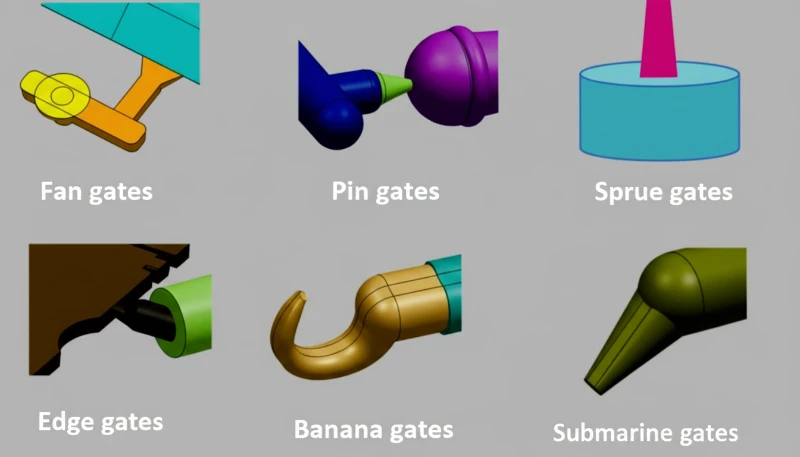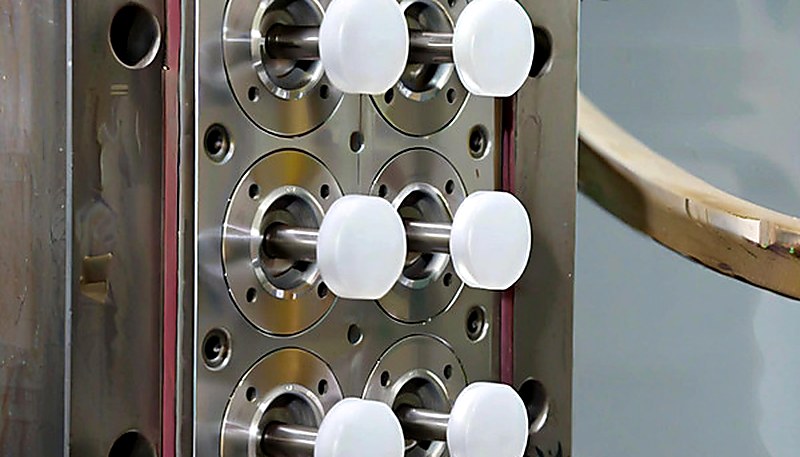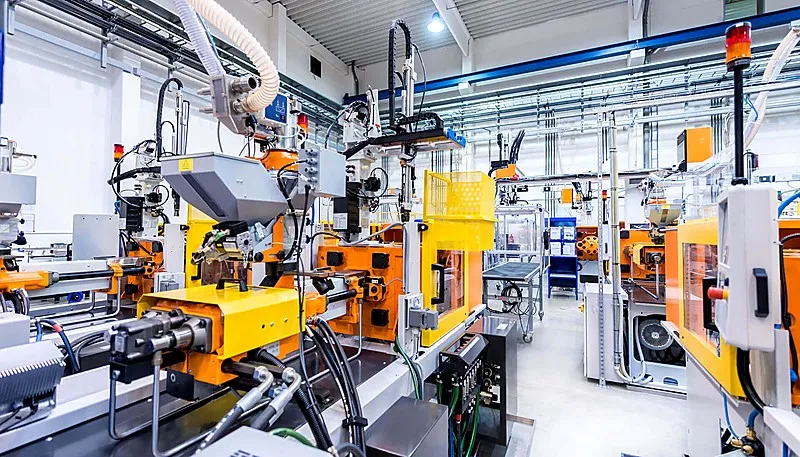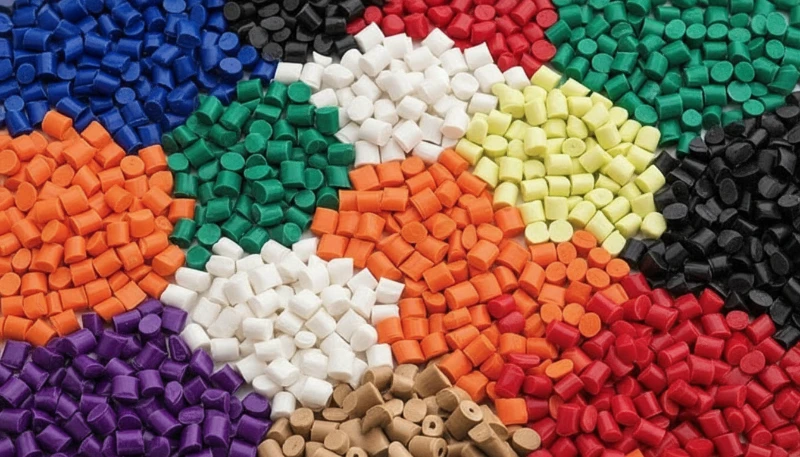
Obter três cotações para um projeto de moldagem por injeção e escolher a mais barata é a maneira mais rápida de perder dinheiro. Já vimos compradores consumirem duas vezes o orçamento de ferramental1 porque escolheram apenas com base no preço unitário2. Este guia detalha cada item que deve ser comparado, as perguntas que distinguem fabricantes reais de empresas comerciais e os sinais de alerta que quase sempre levam a atrasos, retrabalho ou custos de desistência.
- Compare sempre o custo total de entrega, não apenas o preço unitário.
- As diferenças de preço do molde refletem frequentemente o grau do aço, a cavitação e a vida útil esperada do molde.
- Solicite uma discriminação detalhada dos custos; orçamentos que agrupam tudo num único item escondem riscos.
- Verifique se o fornecedor é uma fábrica real, e não uma empresa comercial a acrescentar margens.
- Solicite amostras das peças e relatórios dimensionais antes de se comprometer com a produção.
O que deve procurar num orçamento de moldação por injeção?
Uma cotação legítima de molde de injeção apresenta uma discriminação detalhada de cinco categorias de custo: ferramental, material, processamento, operações secundárias e logística. Um único valor global não serve para uma comparação significativa. Veja o que cada categoria deve incluir e como avaliá-las em várias cotações.
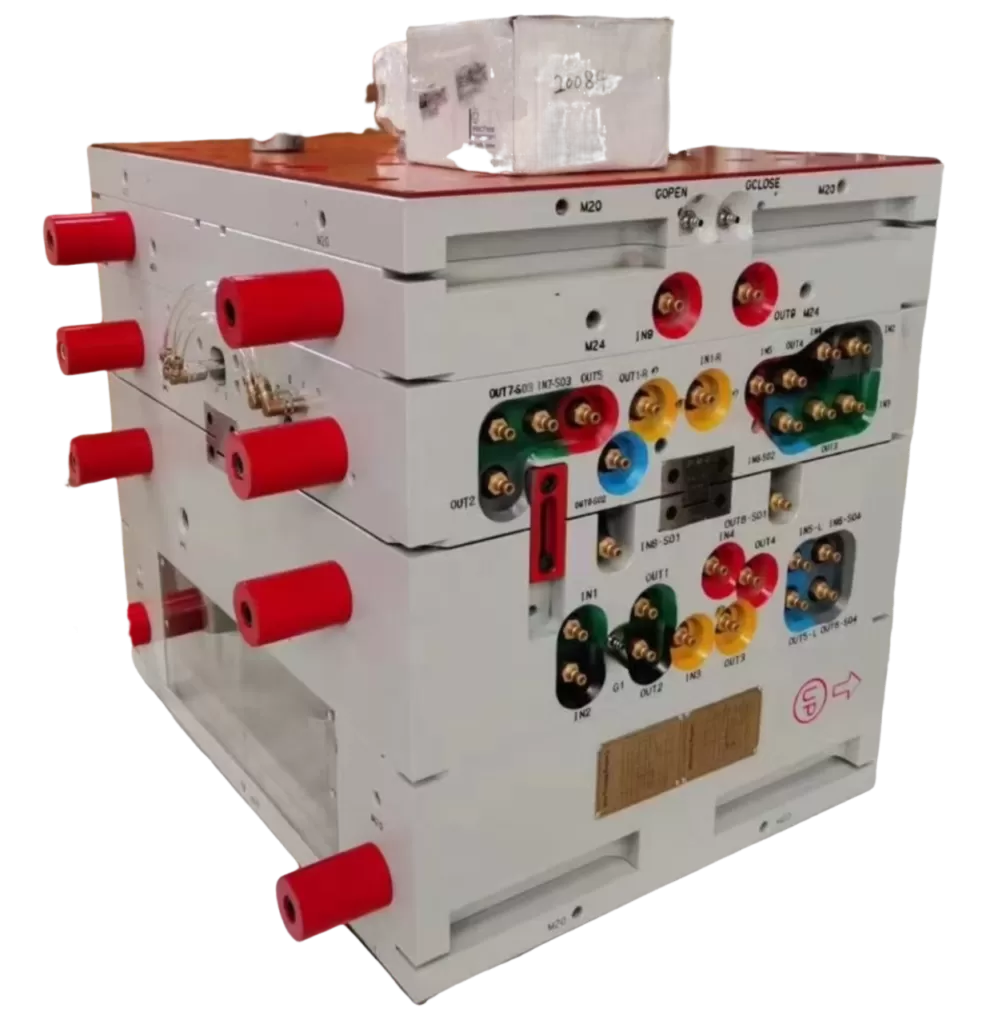
O custo do ferramental deve especificar o tipo de base do molde, a classe do aço3 (P20, H13, S136), o número de cavidades, a vida útil esperada da ferramenta em ciclos e se a manutenção do molde está incluída. Uma ferramenta feita de aço P20 para 500.000 ciclos custará muito menos que uma de aço H13 temperado para 2 milhões de ciclos. Ambas podem ser escolhas corretas, dependendo do volume de produção, mas você precisa saber pelo que está pagando.
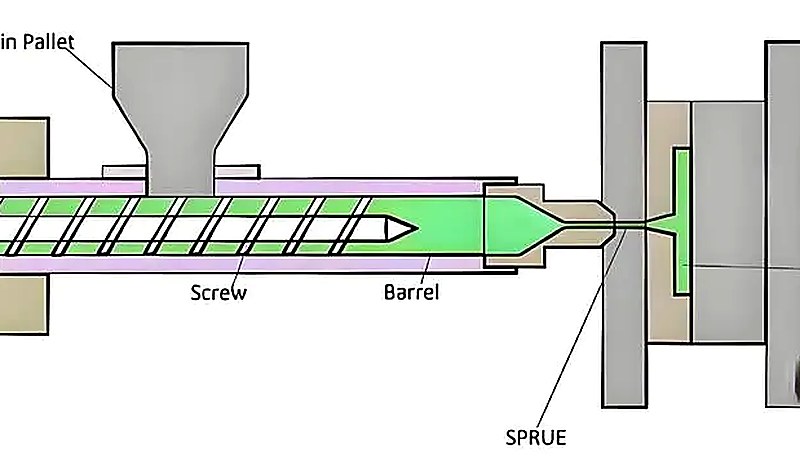
O custo do material4 deve indicar a classe específica da resina, e não apenas “ABS” ou “PP”. Classes diferentes da mesma família de polímeros podem variar 30% ou mais em preço. A cotação também deve informar se o custo do material se baseia no peso líquido da peça ou no peso da injeção, pois o material dos canais e do canal de entrada se acumula rapidamente em moldes multicavidade.
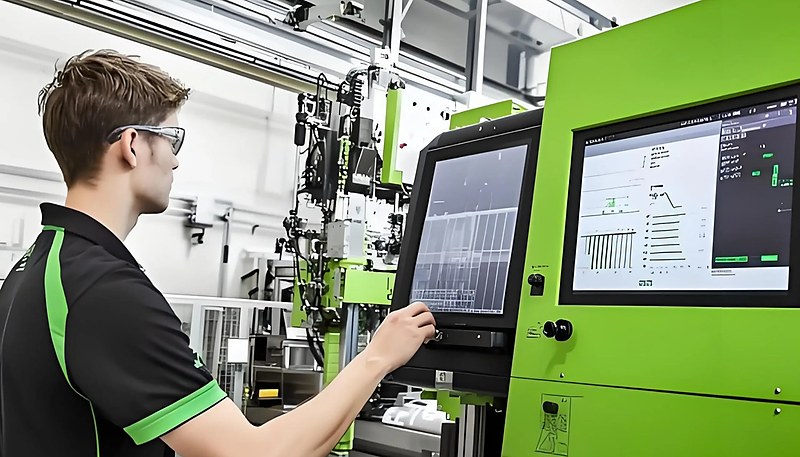
O custo de processamento abrange o tempo de máquina, a mão de obra do operador e os custos indiretos. É aqui que as empresas comerciais e as fábricas mais divergem. Uma fábrica que opera as suas próprias máquinas pode mostrar o tempo de ciclo real; uma empresa comercial está a estimar com base no que o seu subcontratado lhe disse. Solicite dados de tempo de ciclo e tonelagem da máquina para validar a taxa de processamento.
Como É que os Custos dos Materiais Afetam a Sua Comparação de Cotações?
O custo do material representa tipicamente 40 a 70 por cento do seu preço unitário, por isso mesmo pequenas diferenças no grau da resina ou no método de precificação criam grandes variações de custo. Certifique-se de que cada fornecedor cotou o mesmo grau de material e a mesma base de medição para que a sua comparação seja válida.
Comece por fixar a especificação do material. Se a sua peça requer ABS estabilizado contra UV com um índice de fluidez específico, coloque esse grau exato no RFQ. Fornecedores que cotam ABS genérico terão preços mais baixos, mas entregarão uma peça que amarelece ou racha ao ar livre. Já vimos projetos em que a cotação mais barata usou material reciclado misturado com resina virgem, reduzindo o custo do material em 20%, mas diminuindo a resistência ao impacto abaixo do requisito da aplicação.
Em seguida, verifique se o custo do material é cotado pelo peso líquido da peça ou pelo peso do disparo. Num molde de quatro cavidades, o sistema de distribuição pode adicionar 15 a 30% ao peso do disparo. Um fornecedor que cota por peso líquido está a ser transparente; um que cota por peso do disparo pode estar a inflacionar a linha do material. Confirme também quem absorve o desperdício: algumas fábricas incluem uma margem de 2 a 5% para desperdício no custo do material, outras cobram-no separadamente como um sobretaxa de processamento.
| Fator de custo | Cotação Transparente | Orçamento Opaco |
|---|---|---|
| Grau da resina especificado | Sim (grau exato) | Apenas "ABS" ou "PP" |
| Base de peso | Peso líquido da peça | Peso do tiro |
| Margem de sucata | Declarado explicitamente | Enterrado no preço unitário |
| Política de material reciclado | Apenas virgem | Não divulgado |
| Validade do preço | 30 a 90 dias | Não declarado |
Por que o preço das ferramentas varia tanto entre fornecedores?
Os orçamentos de ferramentas para a mesma peça podem variar em 200 por cento ou mais, e a opção mais barata raramente é a de melhor valor. A diferença de preço resulta de quatro variáveis: grau do aço, número de cavidades, complexidade do molde e a oficina de ferramentaria que fabrica o molde.
O grau do aço determina quanto tempo dura o molde. Um molde de aço pré-endurecido P20 pode custar $8.000 a $15.000 e durar 300.000 a 500.000 tiragens. Um molde de aço endurecido H13 para a mesma peça pode custar $20.000 a $35.000, mas proporcionar 1 milhão a 3 milhões de tiragens. Se produzir 100.000 peças por ano, o molde mais barato precisará de substituição em três a cinco anos. O molde mais caro pode durar uma década. Peça ao fornecedor que especifique os graus de aço para o núcleo, cavidade e quaisquer elementos deslizantes, e que declare a vida útil esperada da ferramenta em tiragens.
O número de cavidades afeta tanto o custo das ferramentas como o preço unitário. Um molde de uma cavidade é o mais barato de construir, mas apresenta o custo de processamento por peça mais elevado. Um molde de quatro cavidades tem um custo de ferramentas superior, mas reduz o tempo de ciclo por peça em cerca de 75 por cento. Para volumes superiores a 50,000 unidades, as ferramentas multicavidade proporcionam quase sempre um custo total inferior. Certifique-se de que todas as cotações indicam o número exato de cavidades, e não uma designação vaga como “multicavidade”.

Que Custos Ocultos Estão Enterrados nas Cotações de Moldação por Injeção?
Os custos ocultos acrescentam de 15% a 40% ao gasto total, e os piores nunca aparecem na cotação inicial. Durante análises de seleção de fornecedores, encontramos com frequência modificações de molde, operações secundárias e documentação da qualidade cobradas como extras que nunca foram mencionados na cotação inicial.
As modificações ao molde são o maior custo oculto individual. Se a amostra T1 não cumprir a sua especificação dimensional, o fornecedor pode cobrar por cada iteração de ajuste ao molde. Alguns orçamentos incluem uma ronda de modificações; outros cobram por alteração, independentemente da causa. Esclareça isto à partida. Na nossa fábrica, orçamentamos duas rondas de modificações ao molde no preço inicial de ferramentas porque sabemos por experiência que a maioria das peças precisa de pequenos ajustes após a primeira amostragem.
Operações secundárias como pintura, impressão, montagem e embalagem são frequentemente orçamentadas em separado ou omitidas por completo. Se a sua peça necessita de serigrafia ou soldadura ultrassónica, certifique-se de que o orçamento a inclui. Um fornecedor com operações secundárias internas será quase sempre mais barato do que um que subcontrata estas etapas, porque não há margem de um subcontratado nem custo logístico entre instalações.
Os custos do controlo de qualidade também se escondem nos detalhes. Alguns orçamentos incluem relatórios de inspeção dimensional e certificados de material; outros tratam-nos como extras opcionais. Se precisar de documentação PPAP, relatórios de Inspeção do Primeiro Artigo ou dados SPC contínuos, confirme se estão incluídos ou obtenha um preço discriminado à parte. A nossa equipa de qualidade, com mais de 10 especialistas em CQ, gera estes relatórios como prática padrão, mas muitas oficinas mais pequenas cobram um valor adicional.
Na nossa fábrica de Xangai, operamos 47 máquinas de moldação por injeção com forças de fecho entre 90T e 1850T. Com 20+ anos de experiência e uma equipa dedicada de 10+ especialistas em controlo da qualidade, fornecemos relatórios dimensionais detalhados e certificados dos materiais em todas as séries de produção, não como serviço adicional.
Como pode verificar a capacidade real de produção de um fornecedor?
A verificação mais fiável são as provas físicas: listas de máquinas, peças de amostra, fotografias da fábrica e dados de entrega mensuráveis. Um preço competitivo de um fornecedor que não consegue fornecer estes elementos básicos é um risco, não uma pechincha. Eis a lista de verificação que utilizamos para distinguir fabricantes reais de empresas comerciais.
Peça fotografias do seu verdadeiro chão de fábrica, não imagens de stock ou renderizações. Solicite a lista de máquinas com intervalos de tonelagem e compare-a com os requisitos das suas peças. Se a sua peça precisar de uma prensa de 500 toneladas e o fornecedor só tiver máquinas até 300 toneladas, o orçamento baseia-se em subcontratação, o que aumenta o custo, reduz o controlo e introduz atrasos de comunicação. A nossa fábrica em Xangai mantém máquinas de 90T a 1850T especificamente para cobrir uma ampla gama de tamanhos de peças e materiais sem subcontratação.
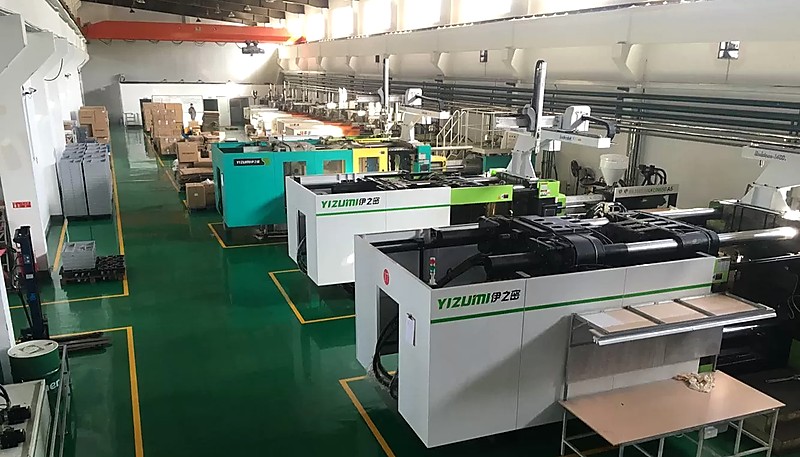
Solicite uma peça de amostra de um projeto anterior semelhante ao seu. Não uma amostra cosmética perfeita, mas uma peça de produção real com marcas de ataque, marcas de pinos ejetores e o acabamento de superfície que esperaria numa produção em série. Se o fornecedor não conseguir fornecer isto, pode não ter experiência relevante com a geometria ou o material da sua peça.
"Uma discriminação detalhada do orçamento, com rubricas separadas para ferramenta, material e processamento, é mais fiável do que um preço global único."True
Quando um fornecedor discrimina os custos, pode comparar cada categoria de forma equivalente. As cotações por montante fixo escondem frequentemente margens inflacionadas numa categoria para compensar um preço-isco noutra.
"O orçamento mais barato é sempre a melhor escolha se todos os fornecedores cotarem o mesmo material."False
Mesmo com materiais idênticos, a qualidade da ferramentaria, a cavidade, o estado da máquina e os processos de controlo de qualidade criam enormes diferenças no custo a longo prazo. Um molde barato que precisa de ser substituído após 100.000 injeções custa mais do que um molde bem construído que dura 500.000 injeções.
Que perguntas deve fazer antes de aceitar um orçamento?
Antes de assinar uma ordem de compra, percorra esta lista de verificação com cada fornecedor. As respostas revelarão mais sobre a sua capacidade e fiabilidade do que qualquer documento de orçamento poderá.
1. Posso visitar sua fábrica ou organizar uma visita por vídeo? Um fabricante legítimo recebe visitas de bom grado. Uma empresa comercial tentará desviar a questão com desculpas sobre confidencialidade ou distância. Em nossa experiência, os compradores que visitam a fábrica antes de fazer o primeiro pedido são os que evitam surpresas caras mais tarde.
2. Que classe de aço será usada no núcleo e na cavidade do molde? Essa única pergunta elimina fornecedores que fabricam moldes descartáveis baratos. Se a resposta for vaga, o molde provavelmente será, na melhor das hipóteses, de P20, independentemente do que prometam sobre sua vida útil.
3. Quantas modificações do molde estão incluídas no preço do ferramental? A resposta honesta costuma ser de duas a três rodadas. Se o fornecedor disser que são ilimitadas, leia as letras miúdas. Se disser que nenhuma está incluída, reserve mais 10% a 20% para ajustes após a amostragem T1.
4. Qual foi sua taxa de entregas no prazo nos últimos 12 meses? A maioria dos fornecedores alegará 95% ou mais. Peça os dados. Se não puderem apresentar registros de entrega, a afirmação não significa nada. Nossa equipe de gestão de projetos, com mais de 30 gerentes que falam inglês, acompanha semanalmente os indicadores de entrega e compartilha esses dados com os clientes de forma transparente.
"Solicitar amostras de peças de um projeto anterior semelhante ao seu é uma das melhores formas de verificar a capacidade do fornecedor."True
As amostras de produção mostram o acabamento de superfície real, as marcas de ataque e a consistência dimensional. Um fornecedor que não consegue fornecer amostras relevantes provavelmente não tem experiência direta com o seu tipo de peça.
"Um fornecedor com certificação ISO 9001 tem a garantia de proporcionar uma qualidade consistente em cada série de produção."False
A certificação ISO significa que existe um sistema de gestão da qualidade documentado, mas não garante a execução. Continua a ser necessário verificar os controlos de processo, a frequência de inspeção e os dados de Cpk reais para a sua peça específica.
Como é que os prazos de entrega e as condições de pagamento afetam o custo total?
O prazo de entrega e as condições de pagamento são fatores de custo tão importantes como o preço unitário e merecem igual atenção na negociação. Um fornecedor com preços moderadamente mais elevados, mas com entrega rápida das ferramentas e pagamentos por marcos, oferece quase sempre um melhor valor total.
O prazo de entrega da ferramentaria varia entre 25 e 75 dias, dependendo da complexidade da peça e da construção do molde. Se um fornecedor orçamentar 20 dias para um molde complexo de múltiplas correntes (multi-slide), desconfie. Uma ferramentaria rápida significa ou que estão a fazer cortes na dureza do aço e no acabamento da superfície, ou que já têm capacidade ociosa porque outros clientes abandonaram. Nenhum dos cenários inspira confiança. Na nossa fábrica, o prazo de entrega padrão da ferramentaria é de 35 a 50 dias, e construímos os moldes internamente, com mais de 100 conjuntos de moldes entregues por mês, pelo que controlamos o calendário diretamente.
As condições de pagamento são importantes porque afetam o seu fluxo de caixa e o seu poder de negociação. As condições típicas variam entre 30 por cento adiantado e 70 por cento na entrega, até calendários por marcos de 50-30-20 associados à aprovação do molde, à amostragem T1 e à conclusão da produção. Evite fornecedores que exijam 100 por cento adiantado; perde todo o poder de negociação se as peças chegarem fora das especificações. Tenha também cuidado com fornecedores que cotam numa moeda diferente da do seu contrato; as variações da taxa de câmbio podem acrescentar 5 a 10 por cento ao seu custo real ao longo de um arranque de produção de seis meses.
| Fator | Direto da fábrica | Empresa comercial |
|---|---|---|
| Prazo de fabricação do ferramental | 35 a 50 dias (internamente) | 45 a 75 dias (subcontratado) |
| Prazo de entrega das amostras | 7 a 14 dias | 15 a 30 dias |
| Comunicação | Diretamente com os engenheiros | Através de representante de vendas |
| Poder de negociação no pagamento | Baseado em marcos | Exige frequentemente o pagamento total adiantado |
| Recurso de qualidade | Corrigir na origem | Cadeia de responsabilização entre as partes |
Qual é um Preço Justo para Serviços de Moldagem por Injeção?
Não existe um preço justo universal para a moldagem por injeção, porque cada projeto tem variáveis únicas. No entanto, pode comparar os seus orçamentos com as gamas do setor para identificar valores atípicos. Compreender estas gamas ajuda-o a evitar tanto os fornecedores com preços exagerados como aqueles suspeitosamente baratos que fazem cortes na qualidade.
Quanto às ferramentas, um molde de cavidade única para uma peça simples custa normalmente entre 5.000 e 15.000 dólares. Um molde de produção de múltiplas cavidades com ações laterais e geometria complexa varia entre 20.000 e 80.000 dólares. Os moldes de alta cavitação para embalagens ou eletrónica de consumo podem ultrapassar os 150.000 dólares. Se a sua cotação for inferior a metade da mediana para a complexidade da sua peça, é provável que o fornecedor esteja a usar aço inferior, a saltar tratamentos de superfície ou a planear subcontratar.
Quanto ao preço unitário, o custo de processamento varia normalmente entre 0,10 e 0,50 dólares por tiro, consoante o tamanho da máquina e o tempo de ciclo, enquanto o custo do material varia entre 1,50 dólares por quilograma para resinas de uso corrente como o PP e mais de 15 dólares por quilograma para graus de engenharia como o PEEK. A sua cotação de preço unitário deve ser dedutível a partir destes dois componentes, acrescidos de uma margem de custos gerais razoável. Se não conseguir reconstruir o preço unitário a partir das taxas de material e de processamento, algo está a ser ocultado.
A melhor abordagem é obter três a cinco orçamentos, descartar os valores extremos mais baixo e mais alto e negociar com os fornecedores restantes. Concentre a sua negociação no custo total de propriedade ao longo do volume de produção previsto, e não apenas no preço da primeira série. Um fornecedor que invista em melhores ferramentas, controlos de processo mais robustos e sistemas de qualidade internos poupar-lhe-á dinheiro ao longo de todo o ciclo de vida da produção.

Perguntas Frequentes Sobre Orçamentos de Moldagem por Injeção
Perguntas mais frequentes
Quantos Orçamentos Devo Obter para um Projeto de Moldagem por Injeção?
Deve obter pelo menos três orçamentos de fornecedores qualificados, mas cinco é o ideal para identificar valores atípicos genuínos tanto no preço como na capacidade. Descartem sempre o orçamento mais barato, a menos que possa verificar que corresponde às mesmas especificações dos outros. Preços invulgarmente baixos quase sempre sinalizam aço de ferramentaria comprometido, custos ocultos de retrabalho ou um fornecedor que planeia cortar cantos no controlo de qualidade. Uma comparação completa requer a compreensão do que cada item abrange e do que omite do âmbito cotado.
Por Que os Custos de Ferramentaria de Moldagem por Injeção Variam Tanto?
Não, o preço unitário por si só é enganador e potencialmente dispendioso. Deve comparar o custo total de propriedade, incluindo a amortização da ferramentaria ao longo da produção esperada, verificação da qualidade do material, operações secundárias, logística de envio, requisitos de documentação de qualidade e o risco de retrabalho ou atrasos na entrega. Um fornecedor com um preço unitário dez por cento superior, mas com melhor ferramentaria, controlo de qualidade interno com pessoal dedicado de QC e entrega pontual confiável, quase sempre custará menos ao longo de uma produção completa de cinquenta mil unidades ou mais.
Devo Escolher o Fornecedor com o Preço Unitário Mais Baixo?
A amostragem T1 é o primeiro ensaio de produção de um molde recém-construído, produzindo as primeiras peças físicas que pode medir, inspecionar e testar de acordo com as suas especificações de engenharia. Os resultados T1 determinam se o molde precisa de modificações antes de a produção em volume poder começar. Ao comparar orçamentos de diferentes fornecedores, verifique se os custos de amostragem T1 e as rodadas de modificação do molde estão incluídos no preço da ferramentaria, porque estes ajustes podem adicionar dez a vinte e cinco por cento ao seu investimento inicial se faturados separadamente. Orçe sempre pelo menos duas rodadas de modificações do molde, independentemente do que o orçamento diz.
O Que é a Amostragem T1 e Por Que é Importante para os Orçamentos?
Peça uma visita por vídeo ao vivo ao seu piso de produção, solicite uma lista completa de máquinas com especificações de tonelagem e verifique se têm capacidade de fabricação de moldes interna. As empresas comerciais normalmente não conseguem mostrar máquinas específicas ou fornecer dados de processo detalhados porque não são proprietárias do equipamento de fabricação. Uma fábrica genuína terá fotos reais do piso, inventários de máquinas documentados com faixas de tonelagem e uma equipa de engenharia que pode discutir o design da sua peça, seleção de material e parâmetros de processo em detalhe técnico sem recorrer a terceiros.
Como Posso Saber se um Fornecedor é uma Fábrica ou uma Empresa Comercial?
Peça uma visita por vídeo ao vivo ao seu piso de produção, solicite uma lista completa de máquinas com especificações de tonelagem e verifique se têm capacidade de fabricação de moldes interna em vez de subcontratar a terceiros desconhecidos. As empresas comerciais normalmente não conseguem mostrar máquinas específicas ou fornecer dados de processo detalhados porque não são proprietárias do equipamento de fabricação. Uma fábrica genuína terá fotos reais do piso, inventários de máquinas documentados com faixas de tonelagem de 90T a 1850T e uma equipa de engenharia que pode discutir o design da sua peça, seleção de material e parâmetros de processo em detalhe técnico sem recorrer a um subcontratante não identificado para obter respostas.
Quais São as Condições de Pagamento Padrão para Moldagem por Injeção?
As condições de pagamento padrão variam desde estruturas trinta-setenta, em que paga trinta por cento antecipadamente e setenta por cento na entrega, até cronogramas cinquenta-trinta-vinte vinculados à conclusão do molde, aprovação da amostra T1 e entrega da produção final. Para encomendas pela primeira vez, espere pagar trinta a cinquenta por cento no momento da encomenda, com o saldo remanescente devido após a aprovação da amostra T1 ou conclusão da produção. Evite fornecedores que exijam pagamento total antecipado antes de qualquer trabalho começar, pois isso elimina a sua alavancagem se surgirem problemas de qualidade, dimensionais ou atrasos na entrega durante o processo de produção e precisar de negociar correções ou reembolsos.
Pronto para receber uma cotação de moldagem por injeção honesta e detalhada? Comparar cotações não precisa ser um jogo de adivinhação. Na ZetarMold, fornecemos cotações transparentes e discriminadas, respaldadas por mais de 20 anos de experiência em moldagem por injeção, 47 máquinas de 90T a 1850T, fabricação interna de moldes e uma equipe de mais de 30 gerentes de projeto que falam inglês e estão prontos para explicar cada item. Receba uma cotação gratuita e detalhada em 48 horas — sem custos ocultos nem surpresas. Solicite agora sua cotação gratuita
ferramental: ferramental refere-se às diretrizes de projeto de ferramentas de moldagem por injeção e seleção da classe de aço da referência de engenharia ScienceDirect ↩
preço unitário: preço unitário refere-se ao guia de custos de moldagem por injeção da Xometry, com referências de custos de ferramental e preços unitários ↩
classe do aço: classe do aço refere-se à classe específica do aço-ferramenta, como P20, H13 ou S136, usada na construção de moldes de injeção ↩
custo do material: custo do material refere-se à análise do setor da PlasticsToday sobre a variação dos custos de materiais na produção por moldagem por injeção ↩