Ottenere tre preventivi per un progetto di stampaggio a iniezione e scegliere il più economico è il modo più rapido per perdere denaro. Abbiamo visto acquirenti esaurire due volte il budget per gli stampi1 perché avevano scelto basandosi unicamente sul prezzo unitario2. Questa guida analizza ogni voce da confrontare, le domande che distinguono i veri produttori dalle società commerciali e i segnali d’allarme che quasi sempre causano ritardi, rilavorazioni o costi di abbandono.
- Confrontate sempre il costo totale a destino, non solo il prezzo unitario.
- Le differenze di prezzo dell'attrezzatura riflettono spesso il grado di acciaio, la cavitazione e la durata prevista dell'utensile.
- Chiedi una ripartizione dettagliata dei costi; i preventivi che accorpano tutto in un'unica voce nascondono dei rischi.
- Verificare che il fornitore sia una vera fabbrica, non una società commerciale che aggiunge margini.
- Richiedi parti campione e rapporti dimensionali prima di impegnarti nella produzione.
Cosa dovreste cercare in un preventivo di stampaggio a iniezione?
Un preventivo serio per uno stampo a iniezione presenta il dettaglio di cinque categorie di costo: attrezzaggio, materiale, lavorazione, operazioni secondarie e logistica. Un unico importo complessivo è inutile per un confronto significativo. Ecco cosa dovrebbe includere ogni categoria e come valutarla tra più preventivi.
Il costo dello stampo dovrebbe specificare il tipo di portastampo, il grado di acciaio3 (P20, H13, S136), il numero di cavità, la durata prevista in cicli e l’eventuale manutenzione inclusa. Uno stampo in P20 progettato per 500.000 cicli costa molto meno di uno in H13 temprato per 2 milioni di cicli. Entrambe le scelte possono essere corrette in base al volume produttivo, ma occorre sapere per quale si sta pagando.
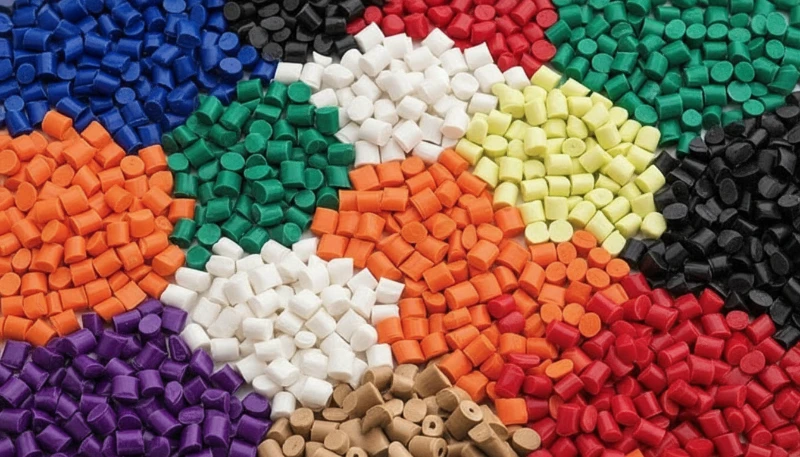
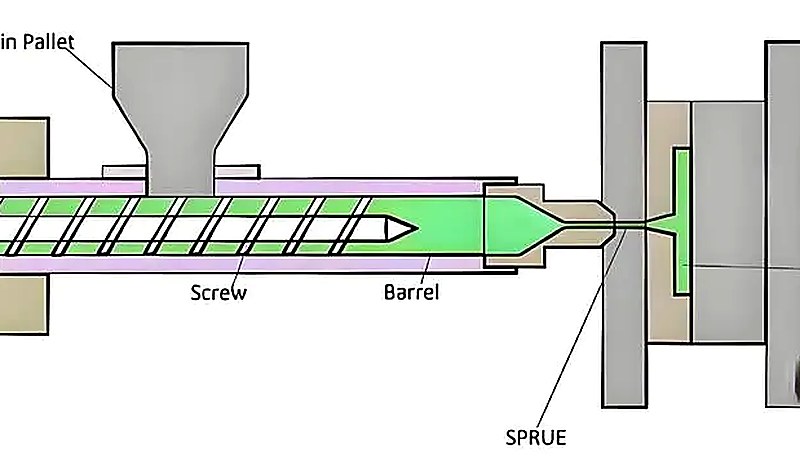
Il costo del materiale4 deve indicare il grado specifico della resina, non soltanto «ABS» o «PP». Gradi diversi della stessa famiglia di polimeri possono variare di prezzo del 30% o più. Il preventivo deve inoltre chiarire se il costo si basa sul peso netto del pezzo o sul peso della stampata, perché nei moldi multicavità il materiale di canali e materozza incide rapidamente.
Il costo di lavorazione copre il tempo macchina, la manodopera dell’operatore e le spese generali. È qui che le società di trading e le fabbriche divergono maggiormente. Una fabbrica che fa funzionare le proprie macchine può mostrarti il tempo di ciclo effettivo; una società di trading stima in base a ciò che il suo subappaltatore le ha riferito. Chiedi i dati sul tempo di ciclo e il tonnellaggio della macchina per verificare la correttezza della tariffa di lavorazione.
In che modo i costi dei materiali influiscono sul confronto dei preventivi?
Il costo del materiale rappresenta tipicamente dal 40 al 70 percento del prezzo unitario, quindi anche piccole differenze nel grado di resina o nel metodo di determinazione del prezzo creano grandi oscillazioni di costo. Assicurati che ogni fornitore quoti lo stesso grado di materiale e la stessa base di misurazione, affinché il tuo confronto sia valido.
Inizia bloccando la specifica del materiale. Se il tuo pezzo richiede ABS stabilizzato ai raggi UV con un indice di fluidità specifico, indica quella esatta qualità nella RFQ. I fornitori che quotano un ABS generico offriranno un prezzo più basso ma consegneranno un pezzo che ingiallisce o si crepa all’esterno. Abbiamo visto progetti in cui il preventivo più economico utilizzava materiale rimacinato mescolato con resina vergine, riducendo il costo del materiale del 20 percento ma abbassando la resistenza all’impatto al di sotto dei requisiti dell’applicazione.
Successivamente, verifica se il costo del materiale è quotato per peso netto della parte o per peso della stampata. In uno stampo a quattro cavità, il sistema di canali potrebbe aggiungere dal 15 al 30 percento al peso della stampata. Un fornitore che quota per peso netto è trasparente; uno che quota per peso della stampata potrebbe gonfiare la voce materiale. Conferma inoltre chi assorbe gli scarti: alcune fabbriche includono una tolleranza di scarto dal 2 al 5 percento nel costo del materiale, altre la addebitano separatamente come sovrapprezzo di lavorazione.
| Fattore di costo | Preventivo trasparente | Preventivo opaco |
|---|---|---|
| Grado di resina specificato | Sì (grado esatto) | Solo "ABS" o "PP" |
| Base peso | Peso netto della parte | Peso della stampata |
| Tolleranza di scarto | Dichiarato esplicitamente | Nascosto nel prezzo unitario |
| Politica sul materiale rimacinato | Solo vergine | Non divulgato |
| Validità del prezzo | da 30 a 90 giorni | Non specificato |
Perché il prezzo dell’attrezzatura varia così tanto tra i fornitori?
I preventivi dell’attrezzatura per la stessa parte possono variare del 200 percento o più, e l’opzione più economica è raramente il miglior rapporto qualità-prezzo. Il divario di prezzo deriva da quattro variabili: il grado di acciaio, il numero di cavità, la complessità dello stampo e l’officina che realizza lo stampo.
La qualità dell’acciaio determina la durata dello stampo. Uno stampo in acciaio pre-temprato P20 potrebbe costare da $8.000 a $15.000 e durare da 300.000 a 500.000 stampate. Uno stampo in acciaio temprato H13 per lo stesso pezzo potrebbe costare da $20.000 a $35.000 ma fornire da 1 a 3 milioni di stampate. Se produci 100.000 pezzi all’anno, lo stampo più economico deve essere sostituito in tre-cinque anni. Lo stampo più costoso potrebbe durare un decennio. Chiedi al fornitore di specificare le qualità dell’acciaio per il nucleo, la cavità e qualsiasi elemento scorrevole, e di indicare la durata prevista dell’utensile in stampate.
Il numero di cavità influisce su costo dello stampo e prezzo unitario. Uno stampo monocavità costa meno ma ha il costo di processo per pezzo più alto. Uno stampo a quattro cavità costa di più ma riduce il tempo ciclo per pezzo di circa il 75%. Sopra 50,000 unità, il multicavità offre quasi sempre un costo totale inferiore. Ogni offerta deve indicare il numero esatto di cavità, non un generico “multicavità”.

Quali costi nascosti si celano nei preventivi di stampaggio a iniezione?
I costi nascosti aggiungono dal 15% al 40% alla spesa totale e i peggiori non compaiono mai nel preventivo iniziale. Durante le verifiche di selezione dei fornitori riscontriamo regolarmente modifiche agli stampi, operazioni secondarie e documentazione qualità fatturate come extra mai citati nell’offerta iniziale.
Le modifiche allo stampo sono il maggiore costo nascosto. Se il campione T1 non soddisfa le tue specifiche dimensionali, il fornitore potrebbe addebitare ogni iterazione di regolazione dello stampo. Alcuni preventivi includono un ciclo di modifiche; altri addebitano per ogni modifica indipendentemente dalla causa. Chiarisci questo aspetto in anticipo. Nella nostra fabbrica, prevediamo due cicli di modifiche allo stampo nel prezzo iniziale dell’attrezzatura perché sappiamo per esperienza che la maggior parte delle parti necessita di piccole regolazioni dopo la prima campionatura.
Le operazioni secondarie come verniciatura, stampa, assemblaggio e imballaggio vengono spesso quotate separatamente o omesse del tutto. Se la tua parte necessita di serigrafia o saldatura a ultrasuoni, assicurati che il preventivo la includa. Un fornitore con operazioni secondarie interne sarà quasi sempre più economico di uno che esternalizza queste fasi, perché non c’è alcun ricarico da parte di un subappaltatore né costi logistici tra gli stabilimenti.
Anche i costi del controllo qualità si nascondono nei dettagli. Alcuni preventivi includono i rapporti di ispezione dimensionale e i certificati di materiale; altri li trattano come opzioni aggiuntive. Se hai bisogno di documentazione PPAP, rapporti di First Article Inspection o dati SPC continuativi, conferma che siano inclusi oppure ottieni un prezzo a voce separata. Il nostro team qualità di oltre 10 specialisti QC genera questi rapporti come prassi standard, ma molte officine più piccole li addebitano come extra.
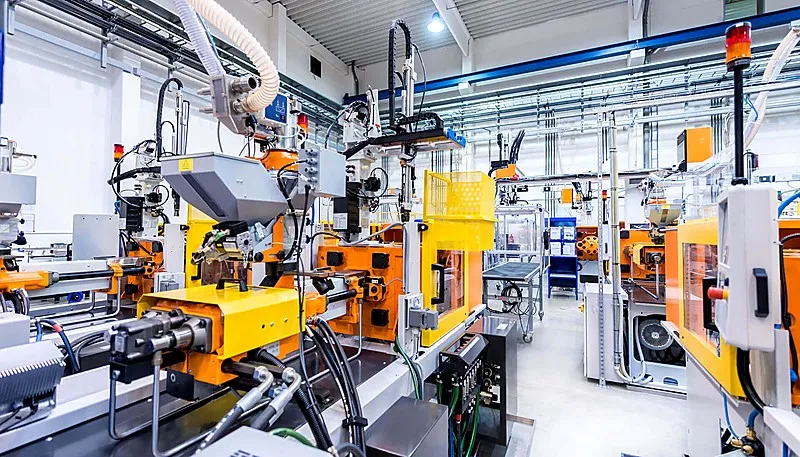
Nella nostra fabbrica di Shanghai utilizziamo 47 presse a iniezione con forza di chiusura da 90T a 1850T. Con 20+ anni di esperienza e un team dedicato di 10+ specialisti QC, forniamo rapporti dimensionali dettagliati e certificazioni dei materiali per ogni ciclo di produzione, non come servizio aggiuntivo.
Come si può verificare l’effettiva capacità produttiva di un fornitore?
La verifica più affidabile è l’evidenza fisica: elenchi delle macchine, pezzi campione, foto della fabbrica e dati di consegna misurabili. Un prezzo competitivo da parte di un fornitore che non è in grado di fornire questi elementi di base è un rischio, non un affare. Ecco la lista di controllo per la verifica che utilizziamo per distinguere i veri produttori dalle società commerciali.
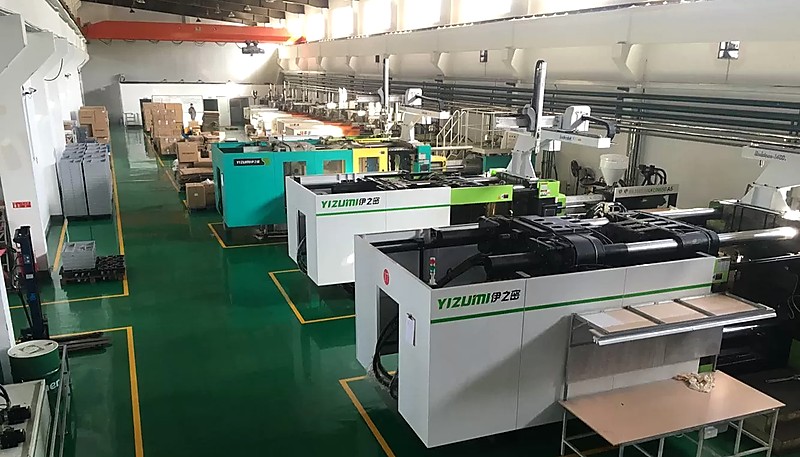
Chiedi foto del loro reale reparto di produzione, non immagini d’archivio o render. Richiedi l’elenco delle macchine con le gamme di tonnellaggio e confrontalo con i requisiti della tua parte. Se la tua parte richiede una pressa da 500 tonnellate e il fornitore dispone solo di macchine fino a 300 tonnellate, il preventivo si basa sul subappalto, che aumenta i costi, riduce il controllo e introduce ritardi nella comunicazione. Il nostro stabilimento di Shanghai dispone di macchine da 90T a 1850T proprio per coprire un’ampia gamma di dimensioni di parti e materiali senza subappalto.
Richiedi una parte campione da un progetto precedente simile al tuo. Non un campione esteticamente perfetto, ma una parte di produzione reale con segni degli ingressi, segni dei perni di espulsione e la finitura superficiale che ti aspetteresti in una produzione di volume. Se il fornitore non è in grado di fornirla, potrebbe non avere un’esperienza pertinente con la geometria o il materiale della tua parte.
"Un preventivo dettagliato con voci separate per stampo, materiale e lavorazione è più affidabile di un prezzo forfettario unico."True
Quando un fornitore dettaglia i costi voce per voce, puoi confrontare ogni categoria su basi omogenee. I preventivi forfettari spesso nascondono margini gonfiati in una categoria per compensare un prezzo civetta in un'altra.
"Il preventivo più economico è sempre la scelta migliore se tutti i fornitori quotano lo stesso materiale."False
Anche con materiali identici, la qualità dell'attrezzaggio, la cavitazione, le condizioni della macchina e i processi di controllo qualità creano enormi differenze nel costo a lungo termine. Uno stampo economico che deve essere sostituito dopo 100,000 iniezioni costa più di uno stampo ben costruito che dura 500,000 iniezioni.
Quali domande dovreste porre prima di accettare un preventivo?
Prima di firmare un ordine d’acquisto, esamina questa checklist con ogni fornitore. Le risposte riveleranno più sulla loro capacità e affidabilità di quanto possa fare qualsiasi documento di preventivo.
1. Posso visitare la vostra fabbrica o organizzare un tour video? Un produttore legittimo accoglie volentieri le visite. Una società commerciale cercherà di evitarle adducendo riservatezza o distanza. Nella nostra esperienza, gli acquirenti che visitano la fabbrica prima del primo ordine evitano costose sorprese successive.
2. Quale grado di acciaio userete per anima e cavità dello stampo? Questa domanda elimina i fornitori che costruiscono stampi economici e usa e getta. Se la risposta è vaga, lo stampo sarà probabilmente al massimo in P20, qualunque sia la durata promessa.
3. Quante modifiche allo stampo sono incluse nel prezzo? La risposta onesta è solitamente due o tre cicli. Se il fornitore dice che sono illimitate, leggete le clausole. Se non ne include nessuna, preventivate un ulteriore 10–20% per le regolazioni dopo la campionatura T1.
4. Qual è stato il vostro tasso di consegne puntuali negli ultimi 12 mesi? Molti fornitori dichiareranno almeno il 95%. Chiedete i dati: senza registri delle consegne, l’affermazione non vale nulla. Il nostro team di oltre 30 project manager anglofoni monitora ogni settimana questi indicatori e li condivide con i clienti in modo trasparente.
"Richiedere componenti campione di un precedente progetto simile al proprio è uno dei modi migliori per verificare la capacità del fornitore."True
I campioni di produzione mostrano la finitura superficiale effettiva, i segni degli ingressi e la costanza dimensionale. Un fornitore che non è in grado di fornire campioni pertinenti probabilmente non ha esperienza diretta con il tuo tipo di parte.
"Un fornitore certificato ISO 9001 garantisce una qualità costante in ogni ciclo produttivo."False
La certificazione ISO significa che esiste un sistema di gestione della qualità documentato, ma non ne garantisce l'esecuzione. È comunque necessario verificare i controlli di processo, la frequenza delle ispezioni e i dati Cpk effettivi per il vostro pezzo specifico.
In che modo i tempi di consegna e i termini di pagamento influiscono sul costo totale?
I tempi di consegna e i termini di pagamento sono fattori di costo tanto rilevanti quanto il prezzo unitario e meritano pari attenzione in fase di negoziazione. Un fornitore con prezzi moderatamente più alti ma con consegna rapida dell’attrezzatura e pagamenti basati su milestone offre quasi sempre un valore complessivo migliore.
Il tempo di consegna dell’attrezzatura varia da 25 a 75 giorni a seconda della complessità della parte e della costruzione dello stampo. Se un fornitore quota 20 giorni per uno stampo multi-slitta complesso, siate scettici. L’attrezzatura rapida significa o che stanno tagliando gli angoli sulla durezza dell’acciaio e sulla finitura superficiale, oppure che hanno già capacità inutilizzata perché altri clienti se ne sono andati. Nessuno dei due scenari ispira fiducia. Nella nostra fabbrica, il tempo di consegna standard dell’attrezzatura è di 35-50 giorni, e costruiamo gli stampi internamente con oltre 100 set di stampi consegnati al mese, quindi controlliamo direttamente la pianificazione.
I termini di pagamento contano perché influenzano il tuo flusso di cassa e la tua leva contrattuale. I termini tipici vanno dal 30 percento in anticipo con il 70 percento alla consegna, fino a scadenze a milestone 50-30-20 legate all’approvazione dello stampo, alla campionatura T1 e al completamento della produzione. Evita i fornitori che richiedono il 100 percento in anticipo; perdi ogni leva se le parti arrivano fuori specifica. Fai inoltre attenzione ai fornitori che quotano in una valuta diversa da quella del tuo contratto; le oscillazioni del tasso di cambio possono aggiungere dal 5 al 10 percento al tuo costo reale nell’arco di un ramp-up produttivo di sei mesi.
| Fattore | Direttamente dalla fabbrica | Società commerciale |
|---|---|---|
| Tempo di consegna dello stampo | da 35 a 50 giorni (in sede) | da 45 a 75 giorni (in subappalto) |
| Tempo di consegna del campione | da 7 a 14 giorni | da 15 a 30 giorni |
| Comunicazione | Diretto con gli ingegneri | Tramite rappresentante di vendita |
| Leva contrattuale sul pagamento | Basato su milestone | Spesso richiede il pagamento anticipato completo |
| Rivalsa sulla qualità | Correggi all'origine | Catena di responsabilità tra le parti |
Qual è un prezzo equo per i servizi di stampaggio a iniezione?
Non esiste un prezzo equo universale per lo stampaggio a iniezione perché ogni progetto ha variabili uniche. Tuttavia, potete confrontare i vostri preventivi con gli intervalli di settore per individuare le anomalie. Comprendere questi intervalli vi aiuta a evitare sia i fornitori con prezzi eccessivi sia quelli sospettosamente economici che tagliano gli angoli.
Per l’attrezzatura, uno stampo a cavità singola per un componente semplice costa in genere da $5,000 a $15,000. Uno stampo di produzione multicavità con movimenti laterali e geometria complessa varia da $20,000 a $80,000. Gli stampi ad alta cavitazione per imballaggi o elettronica di consumo possono superare i $150,000. Se il tuo preventivo è inferiore alla metà del valore mediano per la complessità del tuo componente, è probabile che il fornitore stia usando acciaio inferiore, saltando i trattamenti superficiali o pianificando di subappaltare.
Per il prezzo unitario, il costo di lavorazione varia in genere da $0.10 a $0.50 per iniezione a seconda della dimensione della macchina e del tempo di ciclo, mentre il costo del materiale varia da $1.50 al chilogrammo per resine di base come il PP a oltre $15 al chilogrammo per gradi ingegneristici come il PEEK. Il tuo preventivo di prezzo unitario dovrebbe essere ricavabile da questi due componenti più un ragionevole margine per le spese generali. Se non riesci a ricostruire il prezzo unitario a partire dai tassi di materiale e di lavorazione, qualcosa viene nascosto.
L’approccio migliore è ottenere da tre a cinque preventivi, scartare i valori anomali più bassi e più alti, e negoziare con i fornitori rimanenti. Concentra la tua negoziazione sul costo totale di proprietà sul volume di produzione previsto, non solo sul prezzo della prima produzione. Un fornitore che investe in attrezzature migliori, controlli di processo più rigorosi e sistemi di qualità interni ti farà risparmiare denaro durante l’intero ciclo di vita della produzione.

Domande frequenti sui preventivi di stampaggio a iniezione
Domande frequenti
Quanti Preventivi Dovrei Ottenere per un Progetto di Stampaggio ad Iniezione?
Dovresti ottenere almeno tre preventivi da fornitori qualificati, ma cinque è l’ideale per identificare valori anomali genuini sia nei prezzi che nelle capacità. Scarta sempre il preventivo più economico a meno che non puoi verificare che corrisponda alle stesse specifiche degli altri. Prezzi insolitamente bassi segnalano quasi sempre acciaio per stampi di qualità compromessa, costi nascosti di rilavorazione o un fornitore che intende tagliare gli angoli sul controllo qualità. Un confronto approfondito richiede di capire cosa copre ogni voce e cosa omette dall’ambito quotato.
Perché i Costi delle Attrezzature per lo Stampaggio ad Iniezione Variano Così Tanto?
No, il prezzo unitario da solo è fuorviante e potenzialmente costoso. Devi confrontare il costo totale di proprietà, inclusa l’ammortamento dell’attrezzatura sul ciclo di produzione previsto, la verifica della qualità del materiale, le operazioni secondarie, la logistica di spedizione, i requisiti di documentazione della qualità e il rischio di rilavorazioni o ritardi di consegna. Un fornitore con un prezzo unitario superiore del dieci percento ma con attrezzature migliori, controllo qualità interno con personale QC dedicato e consegne puntuali affidabili costerà quasi sempre meno su una produzione completa di cinquantamila unità o più.
Dovrei Scegliere il Fornitore con il Prezzo Unitario più Basso?
Il campionamento T1 è la prima prova di produzione da uno stampo appena costruito, che produce i primi pezzi fisici che puoi misurare, ispezionare e testare rispetto alle tue specifiche ingegneristiche. I risultati T1 determinano se lo stampo necessita di modifiche prima che possa iniziare la produzione in volume. Quando confronti preventivi di fornitori diversi, verifica se i costi del campionamento T1 e i cicli di modifica dello stampo sono inclusi nel prezzo dell’attrezzatura, perché queste modifiche possono aggiungere dal dieci al venticinque percento al tuo investimento iniziale se fatturate separatamente. Prevedi sempre almeno due cicli di modifiche dello stampo, indipendentemente da quanto indicato nel preventivo.
Cos’è il Campionamento T1 e Perché è Importante per i Preventivi?
Chiedi un tour video in diretta del loro reparto di produzione, richiedi una lista completa delle macchine con specifiche di tonnellaggio e verifica che abbiano capacità di produzione di stampi interni. Le società di trading in genere non possono mostrarti macchine specifiche o fornire dati dettagliati del processo perché non possiedono le attrezzature di produzione. Una fabbrica genuina avrà foto reali del reparto, inventari documentati delle macchine con intervalli di tonnellaggio e personale tecnico in grado di discutere il tuo design del pezzo, la selezione del materiale e i parametri del processo in dettaglio tecnico senza deferire a terze parti.
Come posso capire se un fornitore è una fabbrica o una società di trading?
Chiedi un tour video in diretta del loro reparto di produzione, richiedi una lista completa delle macchine con specifiche di tonnellaggio e verifica che abbiano capacità di produzione stampi interna anziché subappaltare a terze parti sconosciute. Le società di trading tipicamente non possono mostrarti macchine specifiche o fornire dati di processo dettagliati perché non possiedono le attrezzature di produzione. Una vera fabbrica avrà foto reali del reparto, inventari documentati di macchine con gamme di tonnellaggio da 90T a 1850T e personale tecnico in grado di discutere il tuo progetto del pezzo, la selezione del materiale e i parametri di processo in dettaglio tecnico senza dover deferire a un subappaltatore senza nome per le risposte.
Quali Termini di Pagamento Sono Standard per lo Stampaggio ad Iniezione?
Le condizioni di pagamento standard vanno dalle strutture trenta-settanta, in cui paghi il trenta percento in anticipo e il settanta percento alla consegna, ai programmi di milestone cinquanta-trenta-venti legati al completamento dello stampo, all’approvazione del campione T1 e alla consegna finale della produzione. Per gli ordini per la prima volta, aspettati di pagare dal trenta al cinquanta percento al momento dell’ordine con il saldo residuo dovuto dopo l’approvazione del campione T1 o il completamento della produzione. Evita fornitori che richiedono il pagamento completo in anticipo prima che inizi qualsiasi lavoro, poiché questo elimina la tua leva se problemi di qualità, problemi dimensionali o ritardi di consegna sorgono durante il processo di produzione e devi negoziare correzioni o rimborsi.
Siete pronti a ricevere un preventivo di stampaggio a iniezione onesto e dettagliato? Confrontare le offerte non deve essere un gioco d’azzardo. ZetarMold fornisce preventivi trasparenti e analitici, supportati da oltre 20 anni di esperienza, 47 presse da 90T a 1850T, produzione interna degli stampi e oltre 30 project manager anglofoni pronti a spiegarvi ogni voce. Ricevete gratuitamente un preventivo dettagliato entro 48 ore, senza costi nascosti né sorprese. Richiedete ora il vostro preventivo gratuito
attrezzaggio: indica le linee guida per la progettazione degli stampi a iniezione e la scelta del grado di acciaio riportate nel riferimento tecnico ScienceDirect ↩
prezzo unitario: indica la guida Xometry ai costi dello stampaggio a iniezione, con valori di riferimento per stampi e prezzi unitari ↩
grado di acciaio: indica il grado specifico di acciaio per utensili, come P20, H13 o S136, impiegato nella costruzione di stampi a iniezione ↩
costo del materiale: indica l'analisi di settore PlasticsToday sulle variazioni del costo dei materiali nella produzione mediante stampaggio a iniezione ↩