Obtener tres citas para un proyecto moldeo por inyección y elegir el más barato es la manera más rápida de perder dinero. Hemos visto compradores queman a través de herramienta1 presupuestos dos veces porque eligieron basado en precio unitario2 solo. Esta guía descompone todos los artículos de línea que debe comparar, las preguntas que separan a los fabricantes reales de las compañías de comercio, y las banderas rojas que casi siempre conducen a retrasos, retrabajos o gastos de salida.
- Siempre compare el costo total de llegada, no solo el precio unitario.
- Las diferencias de precio en tooling a menudo reflejan el grado de acero, la cavitación y la vida útil esperada del molde.
- Solicita un desglose detallado de costos; las cotizaciones que agrupan todo en un solo rubro ocultan riesgos.
- Verifique que el proveedor sea una fábrica real, no una empresa comercial que añade márgenes.
- Solicite muestras de piezas e informes dimensionales antes de comprometerse con la producción.
¿Qué Debe Buscar en una Cotización de Moldeo por Inyección?
Un presupuesto inyección legítimo es un desglose detallado de cinco categorías de costos: herramientas, materiales, procesamiento, operaciones secundarias y logística. Un número único de suma global es inútil para una comparación significativa. Esto es lo que cada categoría debe incluir y cómo evaluarlos a través de múltiples citas.
El costo de la herramienta debe especificar el tipo de base del molde, grado de acero3 (P20, H13, S136), el número de cavidades, la vida útil de la herramienta esperada en los disparos, y si el mantenimiento del molde está incluido. Una herramienta construida con acero P20 para 500.000 disparos costará significativamente menos de una construida con acero endurecido H13 para 2 millones de disparos. Ambas pueden ser opciones correctas dependiendo de su volumen de producción, pero usted necesita saber por qué está pagando.
Gastos materiales4 debe enumerar el grado específico de resina, no sólo “ABS” o “PP”. Diferentes grados de la misma familia polímero pueden variar en un 30% o más en precio. La cita también debe indicar si el costo de material se basa en peso de parte neta o peso de disparo, porque el material del corredor y el estribo se suma rápidamente en moldes multicavidad.
El costo de procesamiento cubre el tiempo de máquina, la mano de obra del operador y los gastos generales. Aquí es donde las empresas comerciales y las fábricas difieren más. Una fábrica que opera sus propias máquinas puede mostrarte el tiempo de ciclo real; una empresa comercial está estimando basándose en lo que su subcontratista le dijo. Solicita datos de tiempo de ciclo y tonelaje de la máquina para verificar la tarifa de procesamiento.
¿Cómo afectan los costos de material tu comparación de cotizaciones?
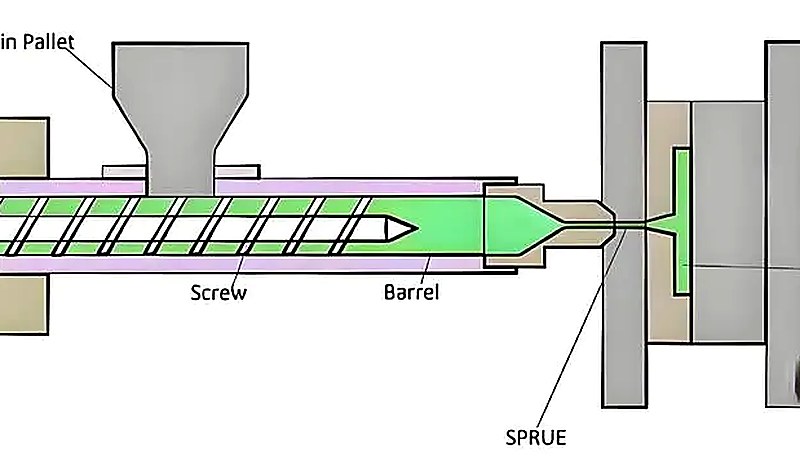
El costo del material suele ser del 40 al 70 por ciento del precio unitario, por lo que incluso pequeñas diferencias en el grado de resina o el método de cotización generan grandes variaciones de costo. Asegúrate de que cada proveedor cotice el mismo grado de material y la misma base de medición para que tu comparación sea válida.
Comience fijando la especificación del material. Si su pieza requiere ABS estabilizado a los UV con un índice de fluidez específico, ponga ese grado exacto en la RFQ. Los proveedores que cotizan ABS genérico saldrán más baratos pero entregarán una pieza que se amarillea o agrieta al aire libre. Hemos visto proyectos donde la cotización más barata usaba material remolido mezclado con resina virgen, reduciendo el costo del material en un 20 por ciento pero disminuyendo la resistencia al impacto por debajo del requerimiento de la aplicación.
Luego, verifica si el costo del material se cotiza por peso neto de la pieza o por peso del disparo. En un molde de cuatro cavidades, el sistema de canalización podría agregar del 15 al 30 por ciento al peso del disparo. Un proveedor que cotiza por peso neto es transparente; uno que cotiza por peso del disparo puede estar inflando la línea de material. También confirma quién absorbe el desperdicio: algunas fábricas incluyen un margen de desperdicio del 2 al 5 por ciento en el costo del material, otras lo cobran por separado como un recargo de procesamiento.
| Factor de coste | Cotización Transparente | Cotización opaca |
|---|---|---|
| Grado de resina especificado | Sí (grado exacto) | Solo "ABS" o "PP" |
| Base de peso | Peso neto de la pieza | Peso de inyección |
| Margen de desperdicio | Declarado explícitamente | Oculto en el precio unitario |
| Política de remolienda | Solo virgen | No revelado |
| Validez del precio | 30 a 90 días | No declarado |
¿Por qué varía tanto el precio del tooling entre proveedores?
Las cotizaciones de tooling para la misma pieza pueden variar en un 200 por ciento o más, y la opción más barata rara vez es la de mejor valor. La brecha de precio proviene de cuatro variables: grado de acero, número de cavidades, complejidad del molde y el taller que fabrica el molde.
El grado de acero determina cuánto dura el molde. Un molde de acero preendurecido P20 podría costar $8,000 a $15,000 y durar 300,000 a 500,000 ciclos. Un molde de acero endurecido H13 para la misma pieza podría costar $20,000 a $35,000 pero ofrecer 1 millón a 3 millones de ciclos. Si produces 100,000 piezas al año, el molde más barato necesita reemplazo en tres a cinco años. El molde más caro podría durar una década. Pide al proveedor que especifique los grados de acero para el núcleo, la cavidad y cualquier elemento deslizante, y que indique la vida útil esperada del molde en ciclos.
El número de cavidades afecta tanto al coste del molde como al precio unitario. Un molde de una sola cavidad es el más barato de fabricar, pero tiene el coste de procesamiento por pieza más alto. Un molde de cuatro cavidades cuesta más, pero reduce el tiempo de ciclo por pieza aproximadamente un 75 por ciento. Para volúmenes superiores a 50,000 unidades, un molde multicavidad casi siempre ofrece un coste total inferior. Asegúrese de que cada oferta indique el número exacto de cavidades, no un impreciso “multicavidad”.

¿Qué costos ocultos se esconden en los presupuestos de moldeo por inyección?
Los costos ocultos agregan 15% a 40% a su gasto total, y los peores nunca aparecen en la cita inicial. Durante las reseñas de proveedor, descubrimos regularmente modificaciones de molde, operaciones secundarias y documentación de calidad facturada como extras nunca mencionados en la cita inicial.
Las modificaciones del molde son el mayor coste oculto. Si la muestra T1 no cumple su especificación dimensional, el proveedor puede cobrar por cada iteración de ajuste del molde. Algunas cotizaciones incluyen una ronda de modificaciones; otras cobran por cada cambio independientemente de la causa. Aclare esto de antemano. En nuestra fábrica, presupuestamos dos rondas de modificaciones del molde en el precio inicial del utillaje porque sabemos por experiencia que la mayoría de las piezas necesitan ajustes menores tras el primer muestreo.
Las operaciones secundarias como la pintura, la impresión, el montaje y el embalaje se cotizan con frecuencia por separado o se omiten por completo. Si su pieza necesita serigrafía o soldadura por ultrasonidos, asegúrese de que el presupuesto lo incluya. Un proveedor con operaciones secundarias internas casi siempre será más barato que uno que subcontrata estos pasos, porque no hay margen de un subcontratista ni coste logístico entre instalaciones.
Los costes de control de calidad también se esconden en los detalles. Algunos presupuestos incluyen informes de inspección dimensional y certificados de material; otros los tratan como complementos opcionales. Si necesita documentación PPAP, informes de inspección de primer artículo o datos SPC continuos, confirme que están incluidos u obtenga un precio por partida independiente. Nuestro equipo de calidad, formado por más de 10 especialistas en control de calidad, genera estos informes como práctica estándar, pero muchos talleres más pequeños cobran un extra.
En nuestra fábrica de Shanghái operamos 47 máquinas de moldeo por inyección con una fuerza de cierre de 90T a 1850T. Con más de 20 años de experiencia y un equipo específico de más de 10 especialistas en QC, proporcionamos informes dimensionales detallados y certificaciones de materiales como parte de cada serie de producción, no como un servicio adicional.
¿Cómo puede verificar la capacidad de producción real de un proveedor?
La verificación más fiable es la evidencia física: listas de máquinas, piezas de muestra, fotos de la fábrica y datos de entrega medibles. Un precio competitivo de un proveedor que no puede proporcionar estos elementos básicos es un riesgo, no una ganga. Esta es la lista de verificación que utilizamos para separar a los fabricantes reales de las empresas comerciales.
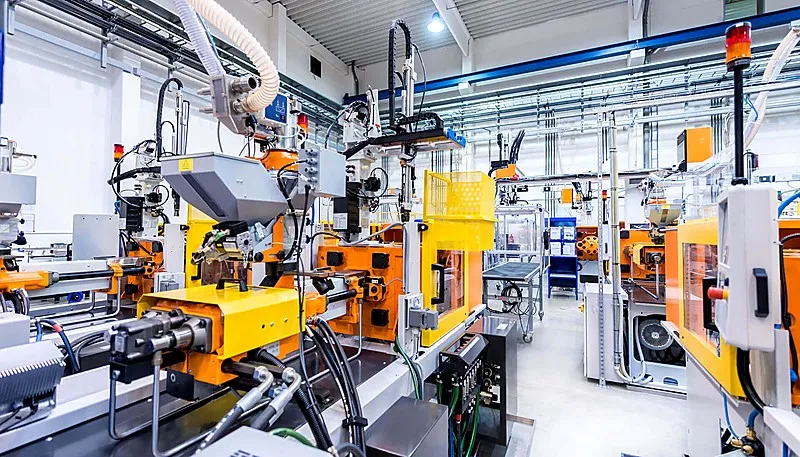
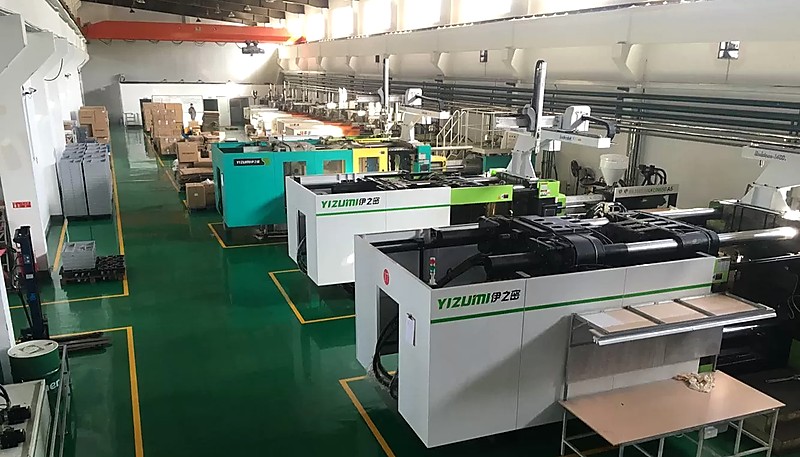
Pida fotos de su planta de producción real, no imágenes de archivo ni renders. Solicite la lista de máquinas con sus rangos de tonelaje y contrástela con los requisitos de su pieza. Si su pieza necesita una prensa de 500 toneladas y el proveedor solo tiene máquinas de hasta 300 toneladas, la cotización se basa en subcontratación, lo que añade coste, reduce el control e introduce retrasos de comunicación. Nuestra fábrica en Shanghái mantiene máquinas de 90T a 1850T precisamente para cubrir una amplia gama de tamaños de pieza y materiales sin subcontratar.
Solicite una pieza de muestra de un proyecto anterior similar al suyo. No una muestra cosmética perfecta, sino una pieza de producción real con marcas de entrada, marcas de pernos expulsores y el acabado superficial que esperaría en la producción en volumen. Si el proveedor no puede proporcionar esto, es posible que no tenga experiencia relevante con la geometría o el material de su pieza.
"Un desglose detallado de la oferta, con partidas separadas para utillaje, material y procesamiento, es más fiable que un único precio global."True
Cuando un proveedor desglosa los costes, puede comparar cada categoría de forma equivalente. Las cotizaciones a tanto alzado suelen ocultar márgenes inflados en una categoría para compensar un precio gancho en otra.
"El presupuesto más barato siempre es la mejor opción si todos los proveedores cotizan el mismo material."False
Incluso con materiales idénticos, la calidad del herramental, el número de cavidades, el estado de la máquina y los procesos de control de calidad crean enormes diferencias en el coste a largo plazo. Un molde barato que necesita sustituirse tras 100,000 inyecciones cuesta más que un molde bien construido que dura 500,000 inyecciones.
¿Qué preguntas debes hacer antes de aceptar una cotización?
Antes de firmar una orden de compra, repase esta lista de verificación con cada proveedor. Las respuestas revelarán más sobre su capacidad y fiabilidad que cualquier documento de cotización.
1. ¿Puedo visitar su fábrica o organizar un video tour? Un fabricante legítimo acoge las visitas. Una empresa comercial se desviará con excusas sobre la confidencialidad o la distancia. En nuestra experiencia, los compradores que visitan la fábrica antes de hacer el primer pedido son los que evitan sorpresas costosas más adelante.
2. ¿Qué grado de acero utilizará para el núcleo del molde y la cavidad? Esta sola pregunta filtra a proveedores que construyen moldes desechables baratos. Si la respuesta es vaga, el molde es probablemente P20 en el mejor de los casos, independientemente de lo que prometen sobre la vida útil de la herramienta.
3. ¿Cuántas modificaciones de molde están incluidas en el precio de la herramienta? La respuesta honesta es generalmente de dos a tres rondas. Si el proveedor dice ilimitado, lea la impresión fina. Si no dicen nada, presupuesta un 10 a 20 por ciento extra para ajustes después del muestreo T1.
4. ¿Cuál es su tasa de entrega a tiempo durante los últimos 12 meses? La mayoría de los proveedores reclamarán el 95 por ciento o más. Pida los datos. Si no pueden producir registros de entrega, la reclamación no tiene sentido. Nuestro equipo de gestión de proyectos de 30+ Los gerentes de habla inglesa rastrean las métricas de entrega semanalmente, y compartimos esos datos con los clientes de manera transparente.
"Solicitar piezas de muestra de un proyecto anterior similar al suyo es una de las mejores formas de verificar la capacidad del proveedor."True
Las muestras de producción muestran el acabado superficial real, las marcas de compuerta y la consistencia dimensional. Un proveedor que no pueda proporcionar muestras relevantes probablemente carezca de experiencia directa con su tipo de pieza.
"Un proveedor con certificación ISO 9001 tiene garantizada una calidad constante en cada lote de producción."False
La certificación ISO significa que existe un sistema de gestión de la calidad documentado, pero no garantiza su ejecución. Aún debe verificar los controles del proceso, la frecuencia de inspección y los datos reales de Cpk para su pieza específica.
¿Cómo Impactan los Plazos de Entrega y las Condiciones de Pago en el Costo Total?
El plazo de entrega y las condiciones de pago son factores de coste tan influyentes como el precio unitario y merecen la misma atención en la negociación. Un proveedor con precios moderadamente más altos pero con una entrega rápida del utillaje y pagos basados en hitos casi siempre ofrece un mejor valor total.
El plazo de entrega del utillaje oscila entre 25 y 75 días según la complejidad de la pieza y la construcción del molde. Si un proveedor cotiza 20 días para un molde multideslizante complejo, sea escéptico. El utillaje rápido significa, o bien que están recortando en dureza del acero y acabado superficial, o bien que ya tienen capacidad ociosa porque otros clientes se marcharon. Ninguno de los dos escenarios inspira confianza. En nuestra fábrica, el plazo de entrega estándar del utillaje es de 35 a 50 días, y construimos moldes internamente con más de 100 juegos de moldes entregados al mes, por lo que controlamos el calendario directamente.
Las condiciones de pago importan porque afectan a su flujo de caja y a su poder de negociación. Las condiciones habituales van desde un 30 por ciento por adelantado con un 70 por ciento a la entrega, hasta calendarios de hitos 50-30-20 vinculados a la aprobación del molde, el muestreo T1 y la finalización de la producción. Evite a los proveedores que exigen el 100 por ciento por adelantado; pierde todo el poder de negociación si las piezas llegan fuera de especificación. Vigile también a los proveedores que cotizan en una moneda distinta a la de su contrato; las variaciones del tipo de cambio pueden añadir entre un 5 y un 10 por ciento a su coste real a lo largo de un arranque de producción de seis meses.
| Factor | Directo de fábrica | Empresa comercial |
|---|---|---|
| Plazo del utillaje | 35 a 50 días (interno) | 45 a 75 días (subcontratado) |
| Plazo de entrega de la muestra | 7 a 14 días | 15 a 30 días |
| Comunicación | Directo con los ingenieros | A través de un representante de ventas |
| Poder de negociación en el pago | Basado en hitos | A menudo exige el pago total por adelantado |
| Recurso de calidad | Corregir en el origen | Cadena de responsabilidad entre las partes |
¿Cuál es un precio justo para los servicios de moldeo por inyección?
No existe un precio justo universal para el moldeo por inyección porque cada proyecto tiene variables únicas. Sin embargo, puedes comparar tus cotizaciones con los rangos de la industria para identificar valores atípicos. Comprender estos rangos te ayuda a evitar tanto proveedores sobrevalorados como aquellos sospechosamente baratos que recortan calidad.
Para herramientas, un molde de una sola cavidad para una pieza simple típicamente cuesta entre $5,000 y $15,000. Un molde de producción de múltiples cavidades con acciones laterales y geometría compleja oscila entre $20,000 y $80,000. Los moldes de alta cavitación para empaques o electrónica de consumo pueden superar los $150,000. Si tu cotización es menos de la mitad de la mediana para la complejidad de tu pieza, es probable que el proveedor esté usando acero inferior, omitiendo tratamientos superficiales o planeando subcontratar.
Para el precio unitario, el costo de procesamiento típicamente oscila entre $0.10 y $0.50 por disparo dependiendo del tamaño de la máquina y el tiempo de ciclo, mientras que el costo del material varía desde $1.50 por kilogramo para resinas básicas como PP hasta más de $15 por kilogramo para grados de ingeniería como PEEK. Tu cotización de precio unitario debería derivarse de estos dos componentes más un margen de gastos generales razonable. Si no puedes revertir el precio unitario a partir de las tarifas de material y procesamiento, algo se está ocultando.
El mejor enfoque es obtener de tres a cinco cotizaciones, descartar los valores atípicos más bajos y más altos, y negociar con los proveedores restantes. Enfoca tu negociación en el costo total de propiedad sobre el volumen de producción esperado, no solo en el precio de la primera tirada. Un proveedor que invierte en mejores herramientas, controles de proceso más sólidos y sistemas de calidad internos te ahorrará dinero a lo largo del ciclo de vida de la producción.

Preguntas frecuentes sobre presupuestos de moldeo por inyección
Preguntas frecuentes
¿Cuántas cotizaciones debo obtener para un proyecto de moldeo por inyección?
Debes obtener al menos tres cotizaciones de proveedores calificados, pero cinco es ideal para identificar valores atípicos genuinos tanto en precios como en capacidad. Siempre descarta la cotización más barata a menos que puedas verificar que coincide con las mismas especificaciones que las demás. Un precio inusualmente bajo casi siempre indica acero de herramienta comprometido, costos ocultos de retrabajo o un proveedor que planea recortar el control de calidad. Una comparación exhaustiva requiere comprender qué cubre cada partida y qué omite del alcance cotizado.
¿Por qué varían tanto los costos de las herramientas de moldeo por inyección?
No, el precio unitario por sí solo es engañoso y potencialmente costoso. Debes comparar el costo total de propiedad, incluida la amortización de las herramientas durante la producción esperada, la verificación de la calidad del material, las operaciones secundarias, la logística de envío, los requisitos de documentación de calidad y el riesgo de retrabajo o retrasos en la entrega. Un proveedor con un precio unitario un diez por ciento más alto pero con mejores herramientas, control de calidad interno con personal de QC dedicado y entrega puntual confiable casi siempre costará menos durante una producción completa de cincuenta mil unidades o más.
¿Debo elegir al proveedor con el precio unitario más bajo?
El muestreo T1 es la primera prueba de producción de un molde recién construido, que produce las primeras piezas físicas que puedes medir, inspeccionar y probar según tus especificaciones de ingeniería. Los resultados de T1 determinan si el molde necesita modificaciones antes de que pueda comenzar la producción en volumen. Al comparar cotizaciones de diferentes proveedores, verifica si los costos de muestreo T1 y las rondas de modificación del molde están incluidos en el precio de la herramientería, porque estos ajustes pueden agregar del diez al veinticinco por ciento a tu inversión inicial si se facturan por separado. Siempre presupuesta al menos dos rondas de modificaciones del molde, independientemente de lo que diga la cotización.
¿Qué es el muestreo T1 y por qué es importante para las cotizaciones?
Solicita un recorrido en video en vivo de su planta de producción, pide una lista completa de máquinas con especificaciones de tonelaje y verifica que tengan capacidad de fabricación de moldes interna. Las empresas comerciales normalmente no pueden mostrarte máquinas específicas ni proporcionar datos de proceso detallados porque no son propietarias del equipo de fabricación. Una fábrica genuina tendrá fotos reales de la planta, inventarios de máquinas documentados con rangos de tonelaje y personal de ingeniería que pueda discutir el diseño de tu pieza, la selección de material y los parámetros del proceso en detalle técnico sin recurrir a un tercero.
¿Cómo puedo saber si un proveedor es una fábrica o una empresa comercializadora?
Solicita un recorrido en video en vivo de su planta de producción, pide una lista completa de máquinas con especificaciones de tonelaje y verifica que tengan capacidad de fabricación de moldes interna en lugar de subcontratar a terceros desconocidos. Las empresas comercializadoras generalmente no pueden mostrarte máquinas específicas ni proporcionar datos detallados del proceso porque no son propietarias del equipo de fabricación. Una fábrica genuina tendrá fotos reales de la planta, inventarios documentados de máquinas con rangos de tonelaje de 90T a 1850T, y personal de ingeniería que pueda discutir el diseño de tu pieza, la selección de materiales y los parámetros del proceso en detalle técnico sin remitirse a un subcontratista no identificado para obtener respuestas.
¿Qué términos de pago son estándar para el moldeo por inyección?
Los términos de pago estándar van desde estructuras treinta-setenta, donde pagas el treinta por ciento por adelantado y el setenta por ciento al momento de la entrega, hasta cronogramas de hitos cincuenta-treinta-veinte vinculados a la finalización del molde, la aprobación de la muestra T1 y la entrega de producción final. Para pedidos por primera vez, espera pagar del treinta al cincuenta por ciento al realizar el pedido, con el saldo restante debido después de la aprobación de la muestra T1 o la finalización de la producción. Evita a los proveedores que requieren el pago completo por adelantado antes de que comience cualquier trabajo, ya que esto elimina tu poder de negociación si surgen problemas de calidad, dimensionales o retrasos en la entrega durante el proceso de producción y necesitas negociar correcciones o reembolsos.
¿Listo para obtener una cita de moldeo por inyección honesta y detallada? Comparar citas no tiene que ser un juego de adivinanzas. En ZetarMold, proporcionamos presupuestos transparentes y codificados respaldados por 20+ años de experiencia en moldeo por inyección, 47 máquinas de 90T a 1850T, fabricación de moldes internos, y un equipo de 30+ Los directores de proyectos de habla inglesa están listos para pasar por todos los artículos de línea. Obtenga una cita gratuita y detallada en 48 horas, sin costos ocultos, sin sorpresas. Consigue tu presupuesto gratis ahora
tooling: tooling se refiere al diseño de herramientas de moldeo por inyección y a las directrices de selección de acero de ScienceDirect engineering reference ↩
precio unitario: precio unitario se refiere a la guía de costo de inyección de xometría con referencias de herramientas y precio unitario ↩
grado de acero: grado de acero se refiere al grado específico de acero de herramientas como P20, H13, o S136 utilizado en la construcción de moldes por inyección ↩
costo material: material cost se refiere a plásticosHoy análisis de la industria sobre la variabilidad de los costos materiales en la producción de moldeo por inyección ↩