Uzyskanie trzech ofert na projekt formowania wtryskowego i wybranie najtańszej to najszybszy sposób na utratę pieniędzy. Widzieliśmy, jak nabywcy dwukrotnie przekraczali budżety na oprzyrządowanie1, ponieważ kierowali się wyłącznie ceną jednostkową2. W tym poradniku omawiamy każdą pozycję kosztową, którą należy porównać, pytania pozwalające odróżnić prawdziwych producentów od firm handlowych oraz sygnały ostrzegawcze, które niemal zawsze prowadzą do opóźnień, poprawek lub kosztów wycofania się z projektu.
- Zawsze porównuj całkowity koszt dostarczenia (landed cost), a nie tylko cenę jednostkową.
- Różnice cen oprzyrządowania często odzwierciedlają gatunek stali, krotność gniazd i oczekiwaną żywotność narzędzia.
- Poproś o szczegółowe rozbicie kosztów; oferty, które łączą wszystko w jedną pozycję, ukrywają ryzyko.
- Sprawdź, czy dostawca jest rzeczywistą fabryką, a nie firmą handlową doliczającą marże.
- Poproś o próbne części i raporty wymiarowe przed podjęciem decyzji o produkcji.
Na co należy zwrócić uwagę w ofercie formowania wtryskowego?
Rzetelna oferta na formę wtryskową zawiera szczegółowy podział na pięć kategorii kosztów: oprzyrządowanie, materiał, przetwórstwo, operacje wtórne i logistykę. Jedna łączna kwota nie pozwala na miarodajne porównanie. Oto, co powinna obejmować każda kategoria i jak oceniać ją w wielu ofertach.
Koszt oprzyrządowania powinien określać rodzaj korpusu formy, gatunek stali3 (P20, H13, S136), liczbę gniazd, oczekiwaną trwałość formy wyrażoną liczbą cykli oraz to, czy konserwacja formy jest wliczona w cenę. Forma wykonana ze stali P20 i przeznaczona na 500 000 cykli będzie znacznie tańsza niż forma z hartowanej stali H13 przeznaczona na 2 miliony cykli. Oba rozwiązania mogą być właściwe zależnie od wielkości produkcji, ale trzeba wiedzieć, za które z nich się płaci.
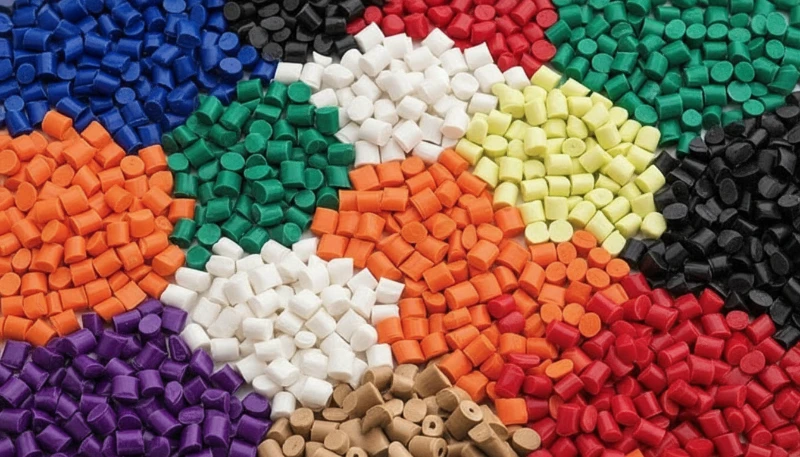
Koszt materiału4 powinien uwzględniać konkretny gatunek żywicy, a nie tylko „ABS” lub „PP”. Ceny różnych gatunków z tej samej rodziny polimerów mogą różnić się o 30 procent lub więcej. Oferta powinna również określać, czy koszt materiału obliczono na podstawie masy netto części, czy masy wtrysku, ponieważ materiał kanałów i wlewków szybko zwiększa koszty w formach wielogniazdowych.
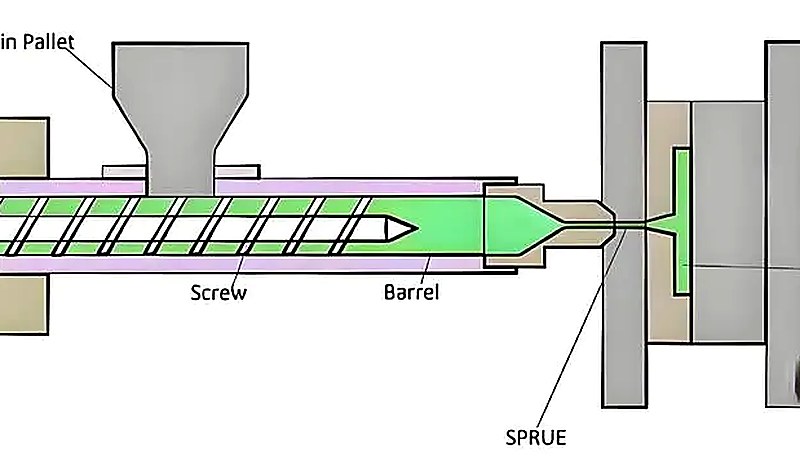
Koszt przetwarzania obejmuje czas pracy maszyny, robociznę operatora i koszty ogólne. To tutaj firmy handlowe i fabryki różnią się najbardziej. Fabryka obsługująca własne maszyny może pokazać Ci rzeczywisty czas cyklu; firma handlowa szacuje na podstawie tego, co powiedział jej podwykonawca. Poproś o dane dotyczące czasu cyklu i tonażu maszyny, aby zweryfikować opłatę za przetwarzanie.
Jak koszty materiału wpływają na porównanie ofert?
Koszt materiału stanowi zwykle od 40 do 70 procent Twojej ceny jednostkowej, więc nawet niewielkie różnice w gatunku żywicy lub metodzie wyceny powodują duże wahania kosztów. Upewnij się, że każdy dostawca wycenia ten sam gatunek materiału i tę samą podstawę pomiaru, aby Twoje porównanie było prawidłowe.
Zacznij od ustalenia specyfikacji materiału. Jeśli Twoja część wymaga stabilizowanego UV ABS o określonym wskaźniku płynięcia, umieść dokładnie ten gatunek w zapytaniu ofertowym (RFQ). Dostawcy, którzy wyceniają ogólny ABS, zaproponują niższą cenę, ale dostarczą część, która żółknie lub pęka na zewnątrz. Widzieliśmy projekty, w których najtańsza oferta wykorzystywała materiał z przemiału zmieszany z żywicą pierwotną, obniżając koszt materiału o 20 procent, ale redukując udarność poniżej wymagań aplikacji.
Następnie sprawdź, czy koszt materiału jest podawany za wagę netto części, czy za wagę wtrysku. W formie czterognizdowej układ kanałów może dodać od 15 do 30 procent do wagi wtrysku. Dostawca podający cenę za wagę netto jest transparentny; ten, który podaje cenę za wagę wtrysku, może zawyżać pozycję materiałową. Potwierdź także, kto pokrywa odpady: niektóre fabryki uwzględniają margines odpadów od 2 do 5 procent w koszcie materiału, inne naliczają go osobno jako dopłatę za przetwarzanie.
| Składnik kosztu | Przejrzysta wycena | Nieprzejrzysta wycena |
|---|---|---|
| Określona klasa żywicy | Tak (dokładny gatunek) | tylko "ABS" lub "PP" |
| Podstawa wagowa | Waga netto części | Masa wtrysku |
| Naddatek na odpady | Podane wprost | Ukryte w cenie jednostkowej |
| Polityka przemiału | Tylko pierwotny | Nieujawnione |
| Ważność ceny | od 30 do 90 dni | Nie podano |
Dlaczego cena oprzyrządowania tak bardzo różni się między dostawcami?
Oferty na oprzyrządowanie dla tego samego detalu mogą różnić się o 200 procent lub więcej, a najtańsza opcja rzadko jest najlepszą wartością. Różnica cenowa wynika z czterech zmiennych: gatunku stali, liczby gniazd, złożoności formy oraz narzędziowni wykonującej formę.
Gatunek stali decyduje o tym, jak długo wytrzyma forma. Forma z wstępnie utwardzonej stali P20 może kosztować od 8 000 do 15 000 USD i wytrzymać od 300 000 do 500 000 cykli. Forma z utwardzonej stali H13 do tej samej części może kosztować od 20 000 do 35 000 USD, ale zapewnić od 1 miliona do 3 milionów cykli. Jeśli produkujesz 100 000 części rocznie, tańsza forma wymaga wymiany w ciągu trzech do pięciu lat. Droższa forma może wytrzymać dekadę. Poproś dostawcę o określenie gatunków stali dla rdzenia, gniazda i wszelkich elementów przesuwnych oraz o podanie oczekiwanej żywotności narzędzia w cyklach.
Liczba gniazd wpływa zarówno na koszt oprzyrządowania, jak i cenę jednostkową. Forma jednogniazdowa jest najtańsza w wykonaniu, ale wiąże się z najwyższym kosztem przetwarzania jednej części. Forma czterogniazdowa kosztuje więcej, lecz skraca czas cyklu w przeliczeniu na część o około 75 procent. Przy wolumenie powyżej 50,000 sztuk oprzyrządowanie wielogniazdowe niemal zawsze zapewnia niższy koszt całkowity. Każda oferta powinna podawać dokładną liczbę gniazd, a nie ogólne określenie „forma wielogniazdowa”.
Jakie ukryte koszty kryją się w wycenach formowania wtryskowego?
Ukryte koszty zwiększają całkowite wydatki o 15% do 40%, a najgorsze z nich nigdy nie pojawiają się w pierwotnej ofercie. Podczas przeglądów pozyskiwania dostawców regularnie wykrywamy modyfikacje form, operacje wtórne i dokumentację jakościową rozliczane jako dodatki, o których nie wspomniano w pierwotnej wycenie.
Modyfikacje formy są największym pojedynczym ukrytym kosztem. Jeśli próbka T1 nie spełnia Twojej specyfikacji wymiarowej, dostawca może naliczać opłatę za każdą iterację regulacji formy. Niektóre oferty obejmują jedną rundę modyfikacji; inne naliczają opłatę za każdą zmianę niezależnie od przyczyny. Wyjaśnij to z góry. W naszej fabryce uwzględniamy w budżecie dwie rundy modyfikacji formy w początkowej cenie oprzyrządowania, ponieważ wiemy z doświadczenia, że większość części wymaga drobnych regulacji po pierwszym próbkowaniu.
Operacje wtórne, takie jak malowanie, drukowanie, montaż i pakowanie, są często wyceniane oddzielnie lub całkowicie pomijane. Jeśli Twoja część wymaga sitodruku lub zgrzewania ultradźwiękowego, upewnij się, że wycena to uwzględnia. Dostawca z wewnętrznymi operacjami wtórnymi będzie prawie zawsze tańszy niż ten, który zleca te etapy na zewnątrz, ponieważ nie ma marży podwykonawcy ani kosztów logistyki między zakładami.
Koszty kontroli jakości również kryją się w szczegółach. Niektóre wyceny obejmują raporty z kontroli wymiarowej i certyfikaty materiałowe; inne traktują je jako opcjonalne dodatki. Jeśli potrzebujesz dokumentacji PPAP, raportów z kontroli pierwszej sztuki (FAI) lub bieżących danych SPC, potwierdź, że są one uwzględnione, lub uzyskaj oddzielną cenę pozycji. Nasz zespół jakości liczący ponad 10 specjalistów QC generuje te raporty jako standardową praktykę, ale wiele mniejszych warsztatów pobiera za nie dodatkowe opłaty.
W naszym zakładzie w Szanghaju pracuje 47 wtryskarek o sile zwarcia od 90T do 1850T. Dzięki ponad 20-letniemu doświadczeniu i wyspecjalizowanemu zespołowi ponad 10 kontrolerów jakości do każdej serii produkcyjnej standardowo dołączamy szczegółowe raporty wymiarowe i certyfikaty materiałowe — nie są one usługą dodatkową.
Jak zweryfikować rzeczywiste możliwości produkcyjne dostawcy?
Najbardziej wiarygodną weryfikacją są dowody fizyczne: listy maszyn, detale próbne, zdjęcia fabryki oraz mierzalne dane dotyczące dostaw. Konkurencyjna cena od dostawcy, który nie może dostarczyć tych podstaw, jest obciążeniem, a nie okazją. Oto lista kontrolna weryfikacji, której używamy, aby odróżnić prawdziwych producentów od firm handlowych.
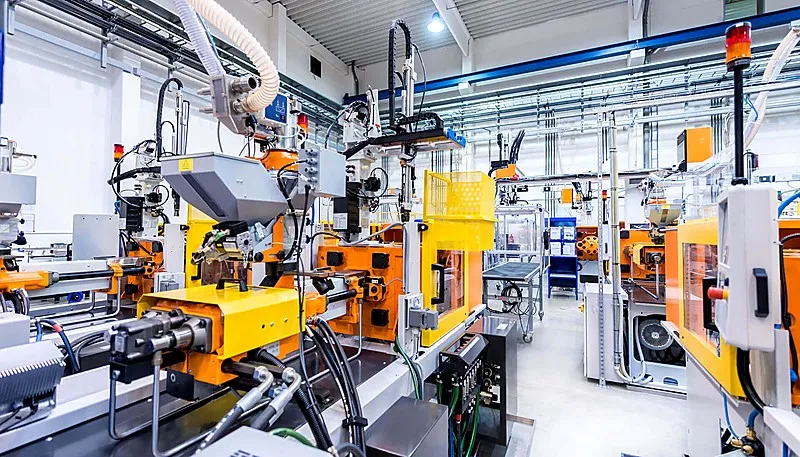
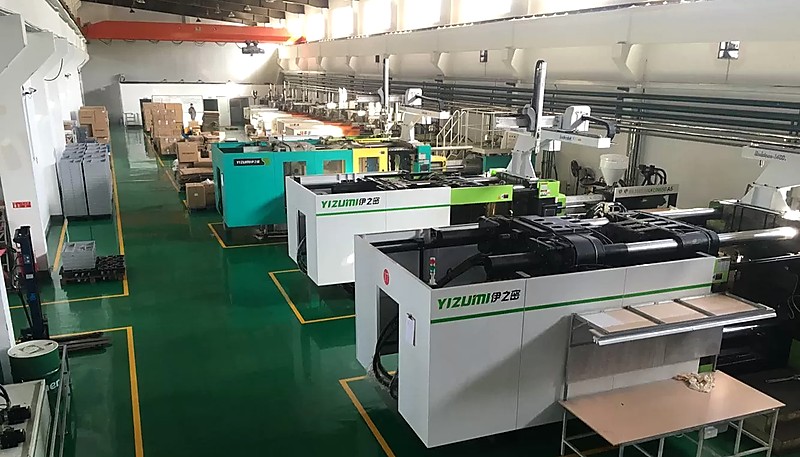
Poproś o zdjęcia ich rzeczywistej hali produkcyjnej, a nie zdjęcia stockowe czy rendery. Poproś o listę maszyn z zakresami tonażu i dopasuj ją do wymagań Twojej części. Jeśli Twoja część wymaga prasy 500-tonowej, a dostawca ma maszyny tylko do 300 ton, oferta opiera się na podwykonawstwie, co zwiększa koszt, ogranicza kontrolę i wprowadza opóźnienia w komunikacji. Nasza fabryka w Shanghai utrzymuje maszyny od 90T do 1850T właśnie po to, aby obsłużyć szeroki zakres rozmiarów części i materiałów bez podwykonawstwa.
Poproś o przykładową część z poprzedniego projektu podobnego do Twojego. Nie idealną próbkę kosmetyczną, ale rzeczywistą część produkcyjną ze śladami wlewów, śladami wypychaczy i wykończeniem powierzchni, jakiego oczekiwałbyś w produkcji seryjnej. Jeśli dostawca nie jest w stanie tego dostarczyć, może nie mieć odpowiedniego doświadczenia z geometrią lub materiałem Twojej części.
"Szczegółowe zestawienie oferty z oddzielnymi pozycjami za oprzyrządowanie, materiał i przetwórstwo jest bardziej wiarygodne niż jedna cena ryczałtowa."True
Gdy dostawca rozpisuje koszty w pozycjach, można porównać każdą kategorię jak równy z równym. Oferty ryczałtowe często ukrywają zawyżone marże w jednej kategorii, aby zrekompensować zaniżoną cenę wabik w innej.
„Najtańsza oferta jest zawsze najlepszym wyborem, jeśli wszyscy dostawcy wyceniają ten sam materiał.”False
Nawet przy identycznych materiałach jakość oprzyrządowania, krotność gniazd, stan maszyny i procesy kontroli jakości tworzą ogromne różnice w koszcie długoterminowym. Tania forma wymagająca wymiany po 100 000 strzałów kosztuje więcej niż dobrze wykonana forma wytrzymująca 500 000 strzałów.
Jakie pytania należy zadać przed zaakceptowaniem oferty?
Zanim podpiszesz zamówienie zakupu, przejdź przez tę listę kontrolną z każdym dostawcą. Odpowiedzi ujawnią więcej o jego możliwościach i niezawodności niż jakikolwiek dokument ofertowy.
1. Czy mogę odwiedzić Państwa zakład lub umówić się na wideoprezentację? Rzetelny producent chętnie przyjmuje odwiedzających. Firma handlowa będzie zasłaniać się poufnością lub odległością. Z naszego doświadczenia wynika, że nabywcy odwiedzający zakład przed złożeniem pierwszego zamówienia unikają później kosztownych niespodzianek.
2. Jakiego gatunku stali użyjecie na rdzeń i gniazdo formy? To jedno pytanie pozwala odrzucić dostawców budujących tanie, jednorazowe formy. Jeśli odpowiedź jest niejasna, forma prawdopodobnie będzie wykonana co najwyżej ze stali P20, niezależnie od obietnic dotyczących jej trwałości.
3. Ile modyfikacji formy obejmuje cena oprzyrządowania? Uczciwa odpowiedź to zwykle od dwóch do trzech rund. Jeśli dostawca mówi, że liczba jest nieograniczona, przeczytaj warunki zapisane drobnym drukiem. Jeśli nie obejmuje żadnej modyfikacji, zarezerwuj dodatkowe 10 do 20 procent na korekty po próbach T1.
4. Jaki był Państwa wskaźnik terminowych dostaw w ciągu ostatnich 12 miesięcy? Większość dostawców zadeklaruje 95 procent lub więcej. Poproś o dane. Jeśli nie mogą przedstawić rejestrów dostaw, deklaracja nic nie znaczy. Nasz zespół zarządzania projektami, liczący ponad 30 anglojęzycznych menedżerów, co tydzień monitoruje wskaźniki dostaw i przejrzyście udostępnia te dane klientom.
"Poproszenie o próbki części z wcześniejszego projektu podobnego do Państwa projektu jest jednym z najlepszych sposobów weryfikacji możliwości dostawcy."True
Próbki produkcyjne pokazują rzeczywiste wykończenie powierzchni, ślady wlewów oraz spójność wymiarową. Dostawca, który nie jest w stanie dostarczyć odpowiednich próbek, prawdopodobnie nie ma bezpośredniego doświadczenia z Twoim typem części.
"Dostawca z certyfikatem ISO 9001 ma gwarantować stałą jakość w każdym cyklu produkcyjnym."False
Certyfikat ISO oznacza, że istnieje udokumentowany system zarządzania jakością, ale nie gwarantuje jego realizacji. Nadal musisz zweryfikować kontrole procesu, częstotliwość inspekcji oraz rzeczywiste dane Cpk dla Twojej konkretnej części.
Jak czasy realizacji i warunki płatności wpływają na całkowity koszt?
Czas realizacji i warunki płatności są czynnikami kosztowymi równie istotnymi jak cena jednostkowa i zasługują na taką samą uwagę podczas negocjacji. Dostawca z umiarkowanie wyższymi cenami, ale szybką dostawą oprzyrządowania i płatnościami opartymi na kamieniach milowych, prawie zawsze zapewnia lepszą wartość całkowitą.
Czas realizacji oprzyrządowania wynosi od 25 do 75 dni w zależności od złożoności detalu i konstrukcji formy. Jeśli dostawca podaje 20 dni na złożoną formę z wieloma suwakami, zachowaj sceptycyzm. Szybkie oprzyrządowanie oznacza albo, że idą na skróty w kwestii twardości stali i wykończenia powierzchni, albo że mają już wolne moce przerobowe, ponieważ inni klienci odeszli. Żaden z tych scenariuszy nie budzi zaufania. W naszej fabryce standardowy czas realizacji oprzyrządowania wynosi od 35 do 50 dni, a formy budujemy we własnym zakresie, dostarczając ponad 100 kompletów form miesięcznie, więc kontrolujemy harmonogram bezpośrednio.
Warunki płatności mają znaczenie, ponieważ wpływają na Twój przepływ gotówki i Twoją dźwignię negocjacyjną. Typowe warunki wahają się od 30 procent z góry i 70 procent przy dostawie, po harmonogramy kamieni milowych 50-30-20 powiązane z zatwierdzeniem formy, próbkowaniem T1 i zakończeniem produkcji. Unikaj dostawców, którzy żądają 100 procent z góry; tracisz całą dźwignię, jeśli części przyjdą niezgodne ze specyfikacją. Uważaj również na dostawców, którzy podają ceny w walucie innej niż Twoja umowa; wahania kursów walut mogą zwiększyć Twój realny koszt o 5 do 10 procent w ciągu sześciomiesięcznego rozruchu produkcji.
| Czynnik | Bezpośrednio z fabryki | Firma handlowa |
|---|---|---|
| Czas realizacji oprzyrządowania | od 35 do 50 dni (wewnętrznie) | od 45 do 75 dni (zlecone podwykonawcy) |
| Termin wykonania próbki | od 7 do 14 dni | od 15 do 30 dni |
| Komunikacja | Bezpośrednio z inżynierami | Przez przedstawiciela handlowego |
| Dźwignia płatnicza | Oparte na kamieniach milowych | Często wymaga pełnej płatności z góry |
| Roszczenia jakościowe | Usuwanie u źródła | Łańcuch obwiniania między stronami |
Jaka jest uczciwa cena za usługi formowania wtryskowego?
Nie istnieje uniwersalna uczciwa cena za formowanie wtryskowe, ponieważ każdy projekt ma unikalne zmienne. Można jednak porównać swoje oferty z zakresami branżowymi, aby wychwycić wartości odstające. Zrozumienie tych zakresów pomaga unikać zarówno zawyżonych cenowo dostawców, jak i podejrzanie tanich, którzy idą na skróty.
W przypadku oprzyrządowania jednogniazdowa forma dla prostej części kosztuje zazwyczaj od 5 000 do 15 000 USD. Wielogniazdowa forma produkcyjna z ruchami bocznymi i złożoną geometrią mieści się w przedziale od 20 000 do 80 000 USD. Formy wielogniazdowe do opakowań lub elektroniki użytkowej mogą przekroczyć 150 000 USD. Jeśli Twoja wycena jest niższa niż połowa mediany dla złożoności Twojej części, dostawca prawdopodobnie stosuje gorszą stal, pomija obróbki powierzchni lub planuje zlecić prace podwykonawcy.
W przypadku ceny jednostkowej koszt przetwarzania wynosi zazwyczaj od 0,10 do 0,50 USD za wtrysk, w zależności od wielkości maszyny i czasu cyklu, natomiast koszt materiału waha się od 1,50 USD za kilogram dla żywic masowych, takich jak PP, do ponad 15 USD za kilogram dla gatunków inżynieryjnych, takich jak PEEK. Twoja wycena ceny jednostkowej powinna dawać się wyprowadzić z tych dwóch składników plus rozsądna marża na koszty ogólne. Jeśli nie potrafisz odtworzyć ceny jednostkowej ze stawek za materiał i przetwarzanie, coś jest ukrywane.
Najlepszym podejściem jest uzyskanie od trzech do pięciu ofert, odrzucenie najniższych i najwyższych wartości odstających oraz negocjacje z pozostałymi dostawcami. Skup swoje negocjacje na całkowitym koszcie posiadania w oczekiwanej wielkości produkcji, a nie tylko na cenie pierwszej serii. Dostawca, który inwestuje w lepsze narzędzia, silniejszą kontrolę procesów i wewnętrzne systemy jakości, zaoszczędzi ci pieniądze w całym cyklu życia produkcji.

Najczęściej zadawane pytania dotyczące wycen formowania wtryskowego
Często zadawane pytania
Ile ofert powinienem uzyskać dla projektu formowania wtryskowego?
Powinieneś uzyskać co najmniej trzy oferty od wykwalifikowanych dostawców, ale pięć jest idealne do zidentyfikowania rzeczywistych odstępstw zarówno w cenach, jak i możliwościach. Zawsze odrzucaj najtańszą ofertę, chyba że możesz potwierdzić, że odpowiada ona tym samym specyfikacjom co pozostałe. Niezwykle niskie ceny prawie zawsze sygnalizują kompromisy w stali narzędziowej, ukryte koszty przeróbek lub dostawcę planującego skrócenie procedur kontroli jakości. Dokładne porównanie wymaga zrozumienia, co obejmuje każda pozycja, a co jest pominięte w zakresie oferty.
Dlaczego koszty narzędzi do wtryskiwania tak bardzo się różnią?
Nie, sama cena jednostkowa jest myląca i potencjalnie kosztowna. Musisz porównać całkowity koszt posiadania, w tym amortyzację narzędzi w oczekiwanej serii produkcyjnej, weryfikację jakości materiału, operacje dodatkowe, logistykę wysyłki, wymagania dotyczące dokumentacji jakościowej oraz ryzyko przeróbek lub opóźnień w dostawie. Dostawca z o dziesięć procent wyższą ceną jednostkową, ale z lepszymi narzędziami, wewnętrzną kontrolą jakości z dedykowanym personelem QC i niezawodną terminową dostawą, prawie zawsze będzie kosztować mniej w całej serii produkcyjnej wynoszącej pięćdziesiąt tysięcy sztuk lub więcej.
Czy powinienem wybrać dostawcę z najniższą ceną jednostkową?
Próbkowanie T1 to pierwsza próba produkcyjna z nowo zbudowanej formy, dająca pierwsze fizyczne części, które możesz zmierzyć, sprawdzić i przetestować względem specyfikacji inżynieryjnych. Wyniki T1 decydują, czy forma wymaga modyfikacji przed rozpoczęciem produkcji seryjnej. Porównując oferty różnych dostawców, sprawdź, czy koszty próbkowania T1 i rund modyfikacji formy są wliczone w cenę narzędzia, ponieważ te korekty mogą dodać od dziesięciu do dwudziestu pięciu procent do początkowej inwestycji, jeśli są rozliczane oddzielnie. Zawsze uwzględniaj w budżecie co najmniej dwie rundy modyfikacji formy, niezależnie od tego, co mówi oferta.
Czym jest próbkowanie T1 i dlaczego ma znaczenie przy wycenach?
Poproś o wirtualną wycieczkę wideo po ich hali produkcyjnej, zażądaj pełnej listy maszyn ze specyfikacjami siły zwarcia i potwierdź, że mają możliwość wewnętrznej produkcji form. Firmy handlowe zazwyczaj nie mogą pokazać konkretnych maszyn ani dostarczyć szczegółowych danych procesowych, ponieważ nie są właścicielami sprzętu produkcyjnego. Prawdziwa fabryka będzie miała rzeczywiste zdjęcia hali, udokumentowany park maszynowy z zakresami siły zwarcia oraz personel inżynieryjny, który może omówić projekt twojej części, dobór materiału i parametry procesu ze szczegółami technicznymi, bez odsyłania do podmiotu trzeciego.
Jak mogę rozpoznać, czy dostawca jest fabryką, czy firmą handlową?
Poproś o wirtualną wycieczkę wideo po ich hali produkcyjnej, zażądaj pełnej listy maszyn ze specyfikacjami siły zwarcia i potwierdź, że mają możliwość wewnętrznej produkcji form, zamiast zlecać ją nieznanym podwykonawcom. Firmy handlowe zazwyczaj nie mogą pokazać konkretnych maszyn ani dostarczyć szczegółowych danych procesowych, ponieważ nie są właścicielami sprzętu produkcyjnego. Prawdziwa fabryka będzie miała rzeczywiste zdjęcia hali, udokumentowany park maszynowy z zakresami siły zwarcia od 90T do 1850T oraz personel inżynieryjny, który może omówić projekt twojej części, dobór materiału i parametry procesu ze szczegółami technicznymi, bez odsyłania do nieznanego podwykonawcy po odpowiedzi.
Jakie warunki płatności są standardowe w formowaniu wtryskowym?
Standardowe warunki płatności wahają się od struktur trzydzieści-siedemdziesiąt, gdzie płacisz trzydzieści procent z góry i siedemdziesiąt procent przy dostawie, do harmonogramów pięćdziesiąt-trzydzieści-dwadzieścia powiązanych z ukończeniem formy, zatwierdzeniem próbki T1 i finalną dostawą produkcyjną. Przy pierwszych zamówieniach spodziewaj się zapłaty od trzydziestu do pięćdziesięciu procent przy złożeniu zamówienia, a pozostałą kwotę po zatwierdzeniu próbki T1 lub ukończeniu produkcji. Unikaj dostawców, którzy wymagają pełnej płatności z góry przed rozpoczęciem jakiejkolwiek pracy, ponieważ eliminuje to twoją siłę przetargową, jeśli podczas procesu produkcyjnego pojawią się problemy z jakością, wymiarami lub opóźnieniami w dostawie i będziesz musiał negocjować poprawki lub zwroty.
Chcesz otrzymać rzetelną, szczegółową ofertę na formowanie wtryskowe? Porównywanie ofert nie musi przypominać zgadywanki. ZetarMold zapewnia przejrzyste, szczegółowo rozpisane wyceny poparte ponad 20-letnim doświadczeniem w formowaniu wtryskowym, 47 maszynami o sile zwarcia od 90T do 1850T, własną produkcją form oraz zespołem ponad 30 anglojęzycznych kierowników projektów, którzy omówią z Tobą każdą pozycję. Otrzymaj bezpłatną, szczegółową wycenę w ciągu 48 godzin — bez ukrytych kosztów i niespodzianek. Uzyskaj bezpłatną wycenę już teraz
oprzyrządowanie: oprzyrządowanie odnosi się do wytycznych dotyczących projektowania oprzyrządowania do formowania wtryskowego i doboru gatunku stali, pochodzących z inżynieryjnych materiałów referencyjnych ScienceDirect ↩
cena jednostkowa: cena jednostkowa odnosi się do poradnika Xometry dotyczącego kosztów formowania wtryskowego, zawierającego wartości referencyjne dla kosztów oprzyrządowania i cen jednostkowych ↩
gatunek stali: gatunek stali oznacza konkretny gatunek stali narzędziowej, taki jak P20, H13 lub S136, używany do budowy form wtryskowych ↩
koszt materiału: koszt materiału odnosi się do branżowej analizy PlasticsToday dotyczącej zmienności kosztów materiałowych w produkcji metodą formowania wtryskowego ↩