- Uma diligência prévia rigorosa pode reduzir falhas de projeto relacionadas com fornecedores em 60-70% ao adquirir peças moldadas por injeção da China.
- Uma auditoria adequada a uma fábrica abrange oito pilares: equipamento, certificações, sistemas de qualidade, estabilidade financeira, estrutura legal, proteção de propriedade intelectual, capacidade de produção e comunicação.
- Sinais de alerta incluem a falta de certificações ISO, a recusa em partilhar dados de produção e preços mais de 30% abaixo da média do mercado.
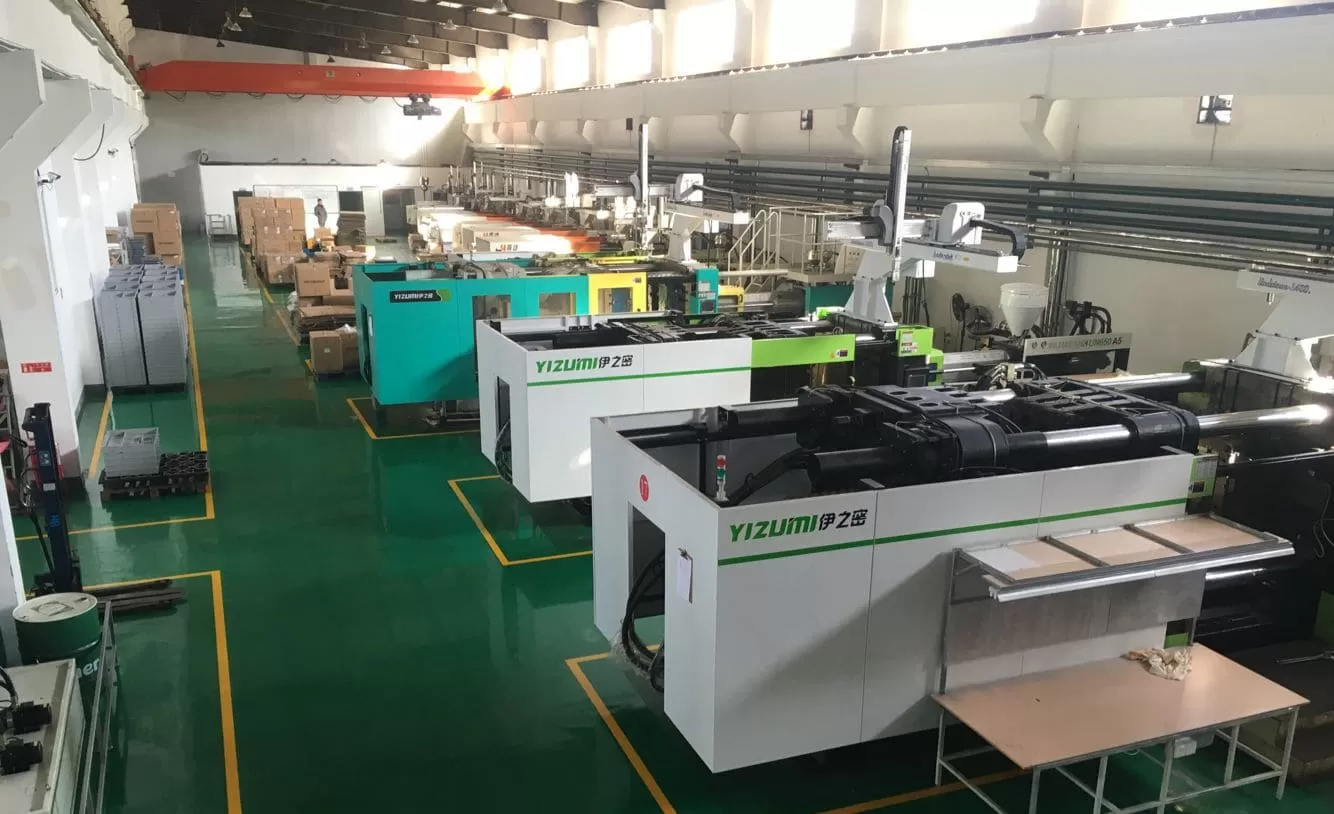
- A ZetarMold opera com total transparência a partir da sua fábrica em Xangai, incluindo 47 máquinas de moldagem por injeção de 90T a 1850T, sistemas ISO 9001 / ISO 13485 / ISO 14001 / ISO 45001 e mais de 20 anos de experiência em moldagem por injeção e ferramentaria.
Escolher um fornecedor usando um guia de seleção de fornecedores de moldagem por injeção sem realizar a devida diligência é como comprar uma casa sem inspeção: os problemas caros só aparecem depois do fechamento do negócio. Em duas décadas de fabricação, vimos compradores perderem depósitos de seis dígitos, receberem peças que falharam nas verificações dimensionais em 40% e descobrirem que o fornecedor “certificado pela ISO” usava um certificado copiado de outra empresa.
Este guia fornece uma lista de verificação estruturada — o mesmo quadro que recomendamos aos nossos próprios clientes em avaliação da ZetarMold — para que possa separar parceiros confiáveis dos arriscados antes de assinar um contrato.
"Solicitar a licença comercial de um fornecedor é o primeiro passo mínimo em qualquer processo de diligência prévia."True
Uma licença comercial válida confirma o registo legal, o capital registado e o âmbito de negócio. Embora não seja suficiente por si só, é o ponto de partida essencial — cada verificação adicional constrói-se sobre esta base.
"Uma licença comercial e um website são suficientes para verificar um fornecedor chinês de moldação por injeção."False
Uma licença comercial confirma o registo legal, mas nada diz sobre capacidade de produção, sistemas de qualidade ou saúde financeira. Muitas empresas-fantasma detêm licenças válidas enquanto subcontratam tudo a oficinas não verificadas.
O processo de diligência prévia que delineamos abaixo não é teórico. Vem de experiência direta: a ZetarMold foi auditada por mais de 200 compradores internacionais desde 2013, e cada auditoria ensinou-nos o que os avaliadores realmente procuram — e o que a maioria dos fornecedores tenta esconder.
Antes de mergulhar na lista de verificação detalhada, aqui está uma visão geral das oito áreas de auditoria que precisa de cobrir:
O Que Deve Verificar Antes de Escolher um Fornecedor Chinês de Moldagem por Injeção?
O primeiro passo é confirmar se o fornecedor fabrica realmente aquilo que afirma. Cerca de 30% dos “fabricantes” presentes no Alibaba e nos diretórios de feiras comerciais são empresas comerciais que subcontratam a produção a fábricas desconhecidas. Isto não é necessariamente mau, mas precisa de saber quem fabrica efetivamente as suas peças, porque é a fábrica real que determina a qualidade, o prazo de entrega e o risco para a propriedade intelectual.
Comece com estas verificações principais antes de investir tempo numa visita à fábrica:
1. Registro e objeto social da empresa. Solicite uma cópia da licença comercial (yingye zhizhao) e confira o objeto social registrado. Se a licença indicar “comércio” (maoyi) em vez de “fabricação” (zhizao), você está lidando com um intermediário. Na China, o código unificado de crédito social da licença pode ser verificado no Sistema Nacional de Publicidade de Informações de Crédito Empresarial1.
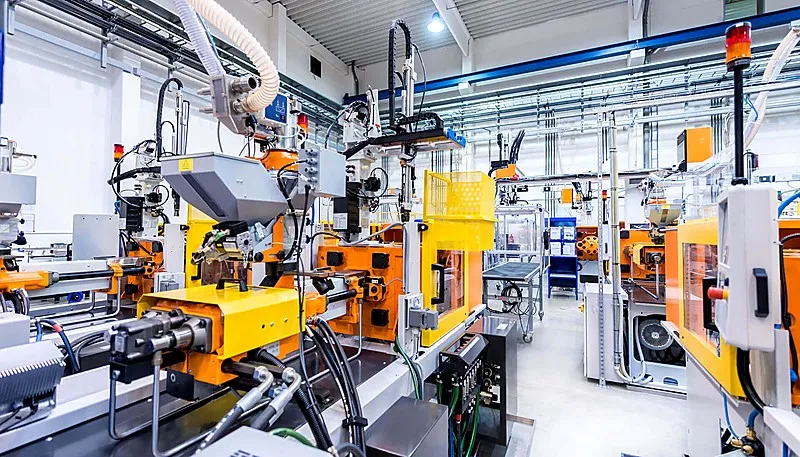
2. Propriedade e localização da fábrica. Peça o endereço real da fábrica, não o escritório de vendas. Consulte o endereço na vista de satélite do Baidu Maps. Se ele levar a um edifício comercial e não a uma zona industrial, provavelmente se trata de uma empresa comercial. A ZetarMold, por exemplo, opera em uma unidade fabril própria em Xangai, com uma ferramentaria que abriga 23 equipamentos especializados.
"A localização física da fábrica de um fornecedor deve poder ser verificada em serviços de cartografia por satélite."True
Os fabricantes legítimos na China operam a partir de zonas industriais visíveis no Baidu Maps ou Google Earth. Se o endereço registado corresponder a um distrito residencial ou comercial, é quase certamente uma empresa comercial.
"As empresas comerciais produzem sempre uma qualidade inferior à das fábricas diretas."False
Algumas empresas comerciais mantêm uma forte supervisão da qualidade ao parceirarem com fábricas validadas. O risco é a transparência: não pode auditar o que não consegue ver. Se usar uma empresa comercial, insista em conhecer o local de fabrico real e audite-o diretamente.
3. Inventário de equipamentos de produção. Solicite uma lista das máquinas com marca, modelo, tonelagem e ano de fabricação. Um fornecedor com 47 máquinas de 90T a 1850T pode produzir desde micropeças até grandes componentes automotivos. Compare isso a um fornecedor que alega ter “mais de 100 máquinas”, mas não consegue fornecer uma lista específica: é um sinal de alerta.
4. Estabilidade financeira. Solicite comprovantes recentes de pagamento de impostos ou cartas de referência bancária. Fornecedores à beira da falência podem economizar em materiais, atrasar remessas ou desaparecer com os depósitos. Só em 2024, estima-se que mais de 5.000 pequenos fabricantes chineses fecharam, muitos deixando compradores estrangeiros com pedidos inacabados.
Quais São os Principais Documentos de Verificação Que Deve Solicitar?
Os documentos que deve solicitar antes de se comprometer com um fornecedor incluem: licença comercial (Business License (yingye zhizhao)), certificado do código da organização, certificado de registo fiscal, certificados ISO (confirme-os no sítio Web da entidade certificadora, não apenas na cópia do fornecedor) e licença de exportação. Confirme os certificados ISO no portal de verificação online da entidade emissora — os certificados falsificados continuam a ser um problema real.
No caso específico da ZetarMold, nossas certificações ISO 9001:2015 de Gestão da Qualidade2, ISO 13485 para Dispositivos Médicos3, ISO 14001 (gestão ambiental) e ISO 45001 (saúde ocupacional) podem ser verificadas junto aos respectivos organismos emissores. Fornecemos os certificados originais mediante solicitação, pois conhecemos compradores que já foram prejudicados por documentos falsos.
Peça também um organograma da empresa que mostre departamentos e número de funcionários. Uma fábrica com mais de 120 trabalhadores de produção, 8 engenheiros seniores e uma equipa dedicada de controlo de qualidade de 10 pessoas indica uma operação de fabrico séria. Uma empresa que não consegue fornecer um organograma claro provavelmente está a esconder fragilidades estruturais.
Por fim, verifique o histórico de exportações do fornecedor. As empresas que exportam desde 2013 ou antes têm experiência em transporte internacional, documentação aduaneira e protocolos de comunicação que falta aos exportadores mais recentes. A ZetarMold concentra-se nos mercados internacionais desde a criação da nossa divisão internacional, em 2013.
Mantenha todos estes documentos num ficheiro de diligência prévia. Irá consultá-los durante negociações contratuais e auditorias futuras.
Como Auditar uma Fábrica Chinesa de Moldagem por Injeção?
Uma auditoria a uma fábrica chinesa tem cinco passos: revisão documental, visita ao chão de fábrica, avaliação de controlo de qualidade, verificação de equipamento e avaliação de moldes.
Etapa 1: Análise documental antes da auditoria. Antes da visita, solicite e analise todas as certificações, fluxogramas de processo, manuais da qualidade e relatórios de inspeção recentes. Isso economiza tempo durante a visita e demonstra que você é um comprador sério.
Etapa 2: Visita ao chão de fábrica. Percorra toda a linha de produção de moldagem por injeção, desde o recebimento do material até a embalagem final. Verifique as condições das máquinas, os padrões de organização e limpeza e se os operadores seguem os procedimentos documentados. Observe a organização do ferramental: uma fábrica bem administrada identifica e armazena os moldes de forma sistemática.
O nosso sistema de qualidade é garantido por mais de 10 especialistas de QC dedicados, operando sob as certificações ISO 9001, ISO 13485, ISO 14001 e ISO 45001. Mantemos trilhas de documentação completa que os auditores podem rever no local.
Etapa 3: Avaliação do sistema de controle da qualidade. Verifique todo o processo de CQ. Um sistema robusto inclui seis etapas: controle de qualidade no recebimento (IQC), verificação de amostras durante o processo, inspeção do processo, inspeção de embalagem e montagem, controle de qualidade final (FQC) e controle de qualidade na expedição (OQC). Peça para ver registros de inspeção recentes e como as não conformidades são tratadas.
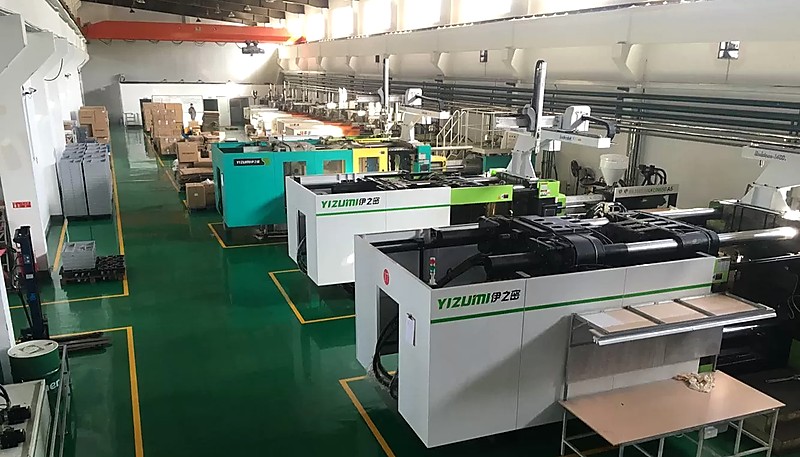
Na fábrica da ZetarMold em Xangai, operamos 47 máquinas de moldação por injeção de 90T a 1850T. Quando os auditores nos visitam, podem verificar a marca, a tonelagem e o ano de cada máquina comparando-os com a nossa lista de equipamentos — exatamente a transparência exigida por esta etapa.
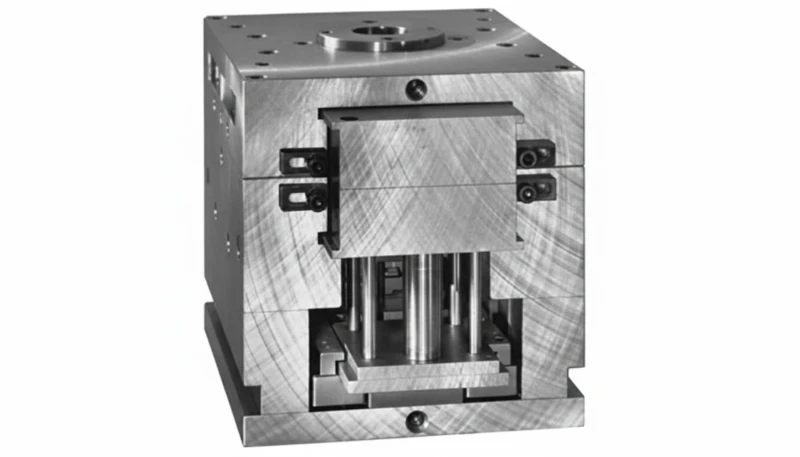
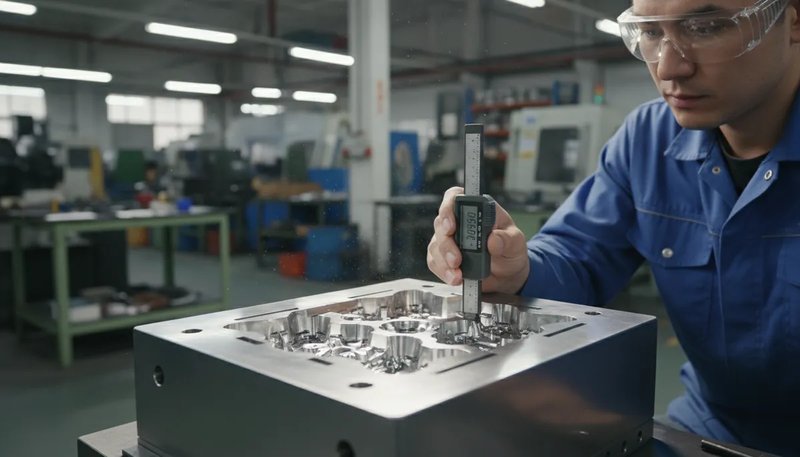
Etapa 4: Verificação da capacidade dos equipamentos. Confirme se o inventário de máquinas corresponde ao declarado. Por exemplo, uma fábrica com máquinas de 90T a 1850T pode produzir desde pequenos componentes médicos até grandes carcaças automotivas. Confira os registros de calibração dos equipamentos de medição: máquinas de medição por coordenadas, projetores de perfil, durômetros e calibradores devem ter etiquetas de calibração válidas.
Etapa 5: Avaliação da capacidade de fabricação de moldes. Se o projeto envolver ferramental personalizado, avalie a ferramentaria. Uma fábrica que produz moldes internamente — com centros de usinagem CNC, máquinas de eletroerosão, máquinas de corte a fio, gravadoras de precisão e retificadoras — oferece ciclos de iteração mais rápidos e maior controle sobre a qualidade do molde de injeção do que uma fábrica que terceiriza o ferramental.
Durante a visita, preste atenção aos aspetos intangíveis: os operadores usam equipamento de segurança adequado? O chão está limpo e organizado? Os trabalhadores parecem empenhados ou limitam-se a cumprir rotinas? Estas observações dizem-lhe mais sobre a cultura de uma fábrica do que qualquer certificado afixado na parede.
Que Certificações Deve Ter um Fornecedor Fiável?
As certificações são requisitos básicos, não diferenciadores. No mínimo, qualquer fornecedor de moldagem por injecção que considere deve possuir ISO 9001:2015. Se os seus produtos servem aplicações médicas, automóveis ou contacto com alimentos, certificações adicionais tornam-se obrigatórias. Considere as certificações como o bilhete mínimo de entrada — provam que um fornecedor investiu em processos sistemáticos, mas não garantem que esses processos produzem boas peças consistentemente.
Aqui está uma análise das certificações mais importantes e o que elas realmente provam:
| Certificação | O que abrange | Quando Necessário |
|---|---|---|
| ISO 9001:2015 | Sistema de gestão de qualidade — controlo de processos, documentação, melhoria contínua | Todos os fornecedores (linha de base) |
| ISO 13485 | Gestão da qualidade de dispositivos médicos — rastreabilidade, gestão de riscos, fabricação estéril | Aplicações médicas / farmacêuticas |
| ISO 14001 | Sistema de gestão ambiental — tratamento de resíduos, emissões, eficiência de recursos | Cada vez mais exigido por compradores ocidentais |
| ISO 45001 | Saúde e segurança no trabalho — proteção do trabalhador, identificação de perigos | Requerido por alguns OEMs automóveis |
| IATF 16949 | Gestão de qualidade automóvel — APQP, PPAP, FMEA, SPC, MSA | Fornecedores tier-1/tier-2 automóveis |
O ponto crítico: os documentos de certificação, por si só, são insuficientes. Verifique-os sempre na base de dados online da entidade emissora. O mercado de certificação da China melhorou significativamente, mas continuam a circular certificados falsificados e caducados. Já encontrámos casos em que o certificado ISO de um fornecedor pertencia a uma empresa completamente diferente.
Para além das certificações, pergunte sobre a maturidade da sua gestão da qualidade. Utilizam controlo estatístico do processo (SPC) para monitorizar dimensões críticas em tempo real? Mantêm documentação PPAP para clientes automóveis, incluindo diagramas de fluxo do processo, planos de controlo e análise do sistema de medição? Podem fornecer rastreabilidade completa desde os números de lote da matéria-prima, passando pelos parâmetros de processamento, até às peças acabadas? Uma fábrica que possa responder afirmativamente a estas questões ultrapassou a mera conformidade com uma lista de verificação e entrou numa genuína cultura de qualidade. Durante as nossas próprias auditorias na ZetarMold, descobrimos que os compradores que fazem estas perguntas específicas tendem a ser os parceiros de longo prazo mais satisfeitos — porque selecionaram um fornecedor cujos sistemas de qualidade correspondem aos seus requisitos reais, e não apenas aos seus requisitos mínimos de verificação.
Uma dica prática: leve consigo o URL do site de verificação do organismo de certificação durante a visita à fábrica. Peça ao fornecedor que consulte o respetivo certificado no portal do organismo emissor em tempo real. Se não o conseguir fazer, ou se os dados do certificado não coincidirem com os que forneceu anteriormente, tem a sua resposta. Esta verificação de cinco minutos evitou que vários compradores que conhecemos contratassem fornecedores com certificações falsificadas ou caducadas.
"Os fornecedores que servem os mercados de dispositivos médicos devem possuir a certificação ISO 13485."True
ISO 13485 é o padrão internacionalmente reconhecido de gestão de qualidade para dispositivos médicos. Se o seu fornecedor não pode fornecer uma certificação ISO 13485 atual verificada através do organismo emissor, não pode legalmente fabricar componentes de dispositivos médicos nos mercados mais regulados.
"A certificação ISO 9001 garante que os produtos de um fornecedor cumprem as especificações de qualidade."False
A ISO 9001 certifica que existe um sistema de gestão da qualidade — não que cada produto cumpra as especificações. É uma norma de processo, não uma norma de produto. Ainda precisa de inspeção à receção e validação do processo.
Quais São os Sinais de Alerta ao Avaliar Fornecedores de Moldagem por Injeção?
Seis sinais de alerta expõem fornecedores arriscados: preços baixos, auditorias recusadas, sem referências, certificações falsas, subcontratação oculta e comunicação lenta.
Sinal de alerta nº 1: Preço mais de 30% abaixo da média do mercado. A fabricação sustentável tem um custo mínimo. Se um fornecedor apresentar preços muito inferiores aos dos concorrentes, estará economizando em algum ponto: materiais mais baratos, etapas de qualidade omitidas ou intenção de renegociar depois que você estiver comprometido. Já vimos cotações tão baixas que apenas a matéria-prima custaria mais do que o preço cotado da peça.
Sinal de alerta nº 2: Relutância em permitir visitas ou auditorias na fábrica. Um fabricante legítimo quer que você conheça sua operação. Se o fornecedor apresentar desculpas — “a fábrica está em reforma”, “as visitas atrapalham a produção” ou “podemos mostrar fotos” — ele está escondendo algo. A ZetarMold recebe auditorias presenciais porque a transparência gera confiança.
Sinal de alerta nº 3: Ausência de referências verificáveis de clientes internacionais. Todo fornecedor afirma exportar para o mundo inteiro. Peça referências específicas: nomes de empresas, países e tipos de projeto. Um fornecedor que exporta desde 2013 deve ter dezenas de relações verificáveis com clientes. Se não conseguir citar um único cliente internacional, sua experiência de exportação talvez se limite a pedidos de amostras.
Sinal de alerta nº 4: Certificações ausentes ou não verificáveis. Isso já foi abordado acima, mas vale repetir: se o fornecedor não apresentar números de certificação que possam ser verificados on-line junto ao organismo emissor, considere a certificação inválida. Isso não é negociável.
Sinal de alerta nº 5: Relações de subcontratação pouco claras. Alguns fornecedores terceirizam processos críticos, como fabricação do ferramental, operações secundárias ou até a própria moldagem por injeção, sem revelar isso. Pergunte diretamente: “Quais processos são realizados internamente e quais são subcontratados?” Mapeie toda a cadeia de suprimentos das suas peças.
Sinal de alerta nº 6: Padrão ruim de resposta na comunicação. Se um fornecedor leva dias para responder a perguntas técnicas durante o processo de venda — quando está motivado a impressionar —, a comunicação só piorará depois da assinatura do contrato. Uma fábrica com mais de 30 gerentes de projeto que falam inglês normalmente responde em até 24 horas. Se as respostas forem sempre lentas, espere que problemas de produção deixem de ser comunicados.
Como Protege a Sua Propriedade Intelectual na China?
A proteção da propriedade intelectual é a preocupação que ouvimos com maior frequência dos compradores ocidentais, e com razão. O quadro jurídico chinês em matéria de propriedade intelectual melhorou drasticamente na última década, mas a aplicação da lei continua a ser inconsistente. A sua estratégia de proteção tem de ser proativa, não reativa.
Registre sua propriedade intelectual na China antes de compartilhar projetos. A China adota o sistema de “primeiro a depositar”, ou seja, a primeira parte a registrar uma patente ou marca geralmente se torna a proprietária, independentemente de quem a inventou. Registre patentes e marcas chinesas antes de contatar fornecedores. Isso custa dinheiro, mas é muito mais barato do que litigar após uma violação.
Use acordos de confidencialidade (NDAs) sujeitos à jurisdição chinesa. Um NDA padrão regido pelas leis dos EUA ou da UE é quase impossível de executar na China. Use um acordo NNN (não divulgação, não uso e não contorno) redigido segundo a legislação chinesa e submetido a um tribunal chinês. Esses acordos são concebidos especificamente para o contexto da fabricação na China.
Implemente a compartimentação das informações. Não forneça o projeto completo do produto a um único fornecedor. Sempre que possível, divida a produção entre várias fábricas. Por exemplo, encarregue um fornecedor da carcaça moldada por injeção e outro da montagem eletrônica. Isso torna muito mais difícil para qualquer fornecedor reproduzir seu produto sozinho.
Escolha fornecedores com histórico comprovado de proteção da propriedade intelectual. Uma fábrica que exporta para mercados ocidentais desde 2013 e possui ISO 13485 para a fabricação de dispositivos médicos tem forte incentivo para proteger a PI do cliente: perder um cliente do setor médico por violação de PI seria desastroso para o negócio.
Mantenha o controle do ferramental. Declare expressamente no contrato de fabricação que os moldes pertencem a você. Especifique que as ferramentas não podem ser usadas na produção de outros clientes sem consentimento por escrito. Na ZetarMold, os moldes de cada cliente são armazenados separadamente e têm registros de acesso, pois o furto ou uso não autorizado de moldes é uma das violações de PI mais comuns na moldagem por injeção.
A proteção de IP não é um passo único, mas uma estratégia em camadas. Mais camadas implementadas tornam mais difícil a cópia do seu produto por um agente mal-intencionado.
Que Perguntas Deve Fazer Durante uma Visita à Fábrica?
Durante uma visita à fábrica, faça perguntas específicas em quatro áreas: capacidade de produção, sistemas de qualidade, estrutura de comunicação e estabilidade financeira. Os padrões nas suas respostas revelam mais que qualquer certificado na parede.
As perguntas adequadas distinguem uma visita produtiva à fábrica de uma visita guiada. Traga esta lista e insista em respostas — não em argumentos de vendas. Cada questão abaixo foi refinada através de centenas de auditorias de compradores na nossa instalação de Shanghai.
Perguntas sobre a capacidade de produção: • Qual é sua capacidade mensal de fabricação de moldes? (Uma fábrica que produz mais de 100 moldes por mês tem capacidade significativa.) • Qual faixa de tonelagem suas máquinas abrangem? • Vocês conseguem trabalhar tanto com microinjeção quanto com moldagem de peças grandes? • Qual é o peso máximo de peça que conseguem produzir? • Vocês dispõem de sala limpa para peças médicas ou destinadas ao contato com alimentos? • Qual porcentagem das máquinas está sendo utilizada atualmente e qual é a capacidade máxima com horas extras?
"Uma lista bem preparada de perguntas para uma visita à fábrica deve abranger de forma equilibrada a produção, a qualidade, a comunicação e a estabilidade financeira."True
Focar apenas na capacidade de produção enquanto ignora a estrutura de comunicação ou saúde financeira leva a avaliações incompletas. As melhores avaliações de fornecedores equilibram todas as quatro dimensões.
"Fazer demasiadas perguntas durante uma visita à fábrica ofenderá o fornecedor e prejudicará a relação comercial."False
Os fabricantes profissionais apreciam perguntas detalhadas porque demonstram a seriedade do comprador. Um fornecedor que se sente ofendido por perguntas detalhadas provavelmente está ocultando algo.
Perguntas sobre o sistema da qualidade: • Posso ver os três últimos relatórios de não conformidade e as ações corretivas correspondentes? • Como vocês tratam a certificação e a rastreabilidade dos materiais? • Como funciona a inspeção de recebimento das matérias-primas: vocês testam cada lote ou confiam nos certificados de análise do fornecedor? • Mostrem os registros de calibração dos equipamentos de medição. • Qual nível de AQL vocês usam na inspeção final? • Como gerenciam retrabalho e sucata, e qual é a taxa atual de sucata para peças semelhantes às minhas?
Perguntas sobre comunicação e gestão de projetos: • Quantos gerentes de projeto que falam inglês vocês têm? • Qual é o prazo normal de resposta a consultas técnicas? • Como comunicam atrasos de produção ou problemas de qualidade: de forma proativa ou apenas quando questionados? • Posso conhecer o gerente de projeto que cuidará da minha conta? • Quais ferramentas de gestão de projetos usam para acompanhar marcos e compartilhar o progresso com os clientes? • Com que frequência receberei atualizações sobre o status da produção?
Perguntas financeiras e empresariais: • Há quanto tempo vocês estão no mercado? • Qual porcentagem da receita vem de exportações, em comparação com as vendas domésticas? • Podem fornecer referências bancárias? • Quais condições de pagamento oferecem a clientes antigos? • Como a empresa se saiu durante a última interrupção da cadeia de suprimentos? Os compromissos de entrega foram mantidos? • Qual é a maior concentração de receita em um único cliente e existem dependências financeiras que possam afetar a continuidade?
Registe as respostas durante a visita e compare-as entre fornecedores posteriormente. Os padrões que surgem — consistência entre afirmações e evidências, especificidade versus vagueza, disponibilidade para mostrar documentação versus evasão — são mais reveladores que qualquer resposta individual.
Como Avaliar o Preço do Fornecedor Sem Sacrificar a Qualidade?
Avalie o preço do fornecedor comparando o custo total de propriedade, não apenas o preço unitário. Aqui está uma abordagem sistemática:
| Componente de custo | O que verificar | Intervalo Típico (China) |
|---|---|---|
| Custo das ferramentas | Inclui design do molde, testes e revisões? Quantidade de cavidades justificada? | $3.000–$50.000+ dependendo da complexidade |
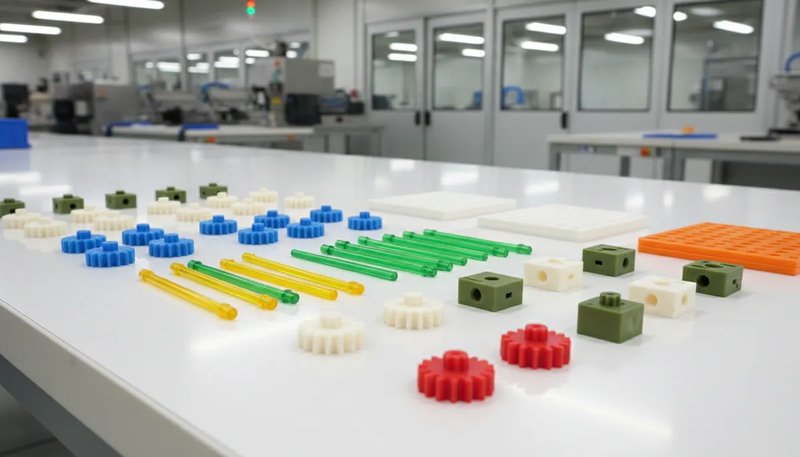
| Preço da peça | Grau de material especificado? Inclui cálculo de desperdício/runner? | Varia conforme o material e volume |
| Custo do material | Virgem ou reciclado? Certificado de origem disponível? | 40–60% do custo da peça, tipicamente |
| Operações secundárias | Montagem, pintura, galvanização — internas ou subcontratadas? | 10–30% do custo total do projeto |
| Envio e logística | FOB, CIF ou DDP? Normas de embalagem? | 5–15% do valor da encomenda |
| Controlo de qualidade | Incluído ou extra? Nível AQL especificado? | 2–5% do valor da encomenda se incluído |
A ideia-chave: o orçamento mais barato é quase nunca o custo total mais baixo. Um fornecedor que cita 20% a menos, mas exige 30% mais retrabalho, prazos de entrega mais longos e custos adicionais de inspeção de qualidade, acaba por custar mais no final. O Custo Total de Propriedade (TCO) deve orientar a sua decisão, não apenas o preço unitário.
Peça a cada fornecedor uma cotação discriminada que separe custo de material, custo de processamento, amortização da ferramenta e despesas gerais. Quando as cotações diferem em mais de 15%, a diferença geralmente reflete diferenças no grau do material, controlo do processo ou subcontratação oculta — não eficiência.
Por fim, negocie termos de pagamento que alinhem os incentivos. Uma estrutura comum: 30% de depósito com a encomenda, 40% após aprovação do primeiro artigo, 30% antes do envio. Evite fornecedores que exijam 100% de pagamento antecipado — isto elimina a sua alavancagem se surgirem problemas de qualidade.
Perguntas mais frequentes
Quanto tempo demora um processo adequado de due diligence de fornecedor?
Um processo de due diligence completo demora 2–4 semanas, dependendo da complexidade do projeto e da localização do fornecedor. Este cronograma inclui verificação de documentos (3–5 dias úteis), agendamento e realização da visita à fábrica (1–2 semanas incluindo viagem), verificações de referência com clientes existentes (3–5 dias) e uma avaliação final comparando fornecedores pré-selecionados. Apressar este processo é o erro mais comum que os compradores cometem — e consistentemente o mais caro de corrigir posteriormente. Planeie pelo menos três semanas completas para o fazer de forma adequada e completa. Este cronograma estruturado garante uma avaliação abrangente sem atrasos desnecessários na sua decisão de sourcing.
Devo contratar uma empresa de inspeção de terceiros para auditorias de fornecedores?
Para fornecedores pela primeira vez, uma auditoria de terceiros é um investimento inteligente que normalmente custa 500–2.000 USD, dependendo do âmbito e localização. Empresas como SGS, Bureau Veritas e TÜV Rheinland têm auditores baseados na China que sabem exatamente o que procurar e fornecem relatórios objetivos e padronizados. Uma vez estabelecida uma relação de trabalho e visitada a fábrica pelo menos uma vez, reduza as auditorias de terceiros para revisões anuais. Muitos compradores usam auditorias de terceiros para qualificação inicial e depois realizam as suas próprias visitas de acompanhamento. Este custo inicial relativamente pequeno pode evitar perdas no valor de dezenas de milhares de dólares.
Quais são os termos de pagamento padrão para fornecedores chineses de moldagem por injeção?
Os termos de pagamento padrão variam entre 30/40/30 (depósito na encomenda, 40% na aprovação do primeiro artigo, 30% antes do embarque) a 50/50 para relações completamente novas. Relações estabelecidas com um histórico comprovado de 12+ meses de encomendas consistentes e pontuais podem qualificar-se para termos de pagamento líquido-30 ou líquido-60. Os pagamentos de ferramentas seguem geralmente um calendário separado: 50% com a colocação da encomenda e 50% na aprovação da amostra T1. Evite sempre fornecedores que exijam pagamento antecipado de 100%. Esta estrutura de pagamento protege ambas as partes e garante alinhamento durante todo o processo de produção. Esta estrutura de pagamento protege ambas as partes e garante alinhamento durante todo o processo de produção.
Posso confiar nas referências de fornecedores fornecidas pelos próprios fornecedores?
Utilize as referências fornecidas pelo fornecedor como ponto de partida para a sua avaliação, e não como conclusão final. Verifique-as sempre de forma independente através do LinkedIn, de contactos em feiras profissionais ou da sua própria rede profissional no setor. Faça perguntas específicas e detalhadas a cada referência: voltariam a recorrer a este fornecedor sem hesitar? Já tiveram algum problema de qualidade e como foi resolvido? Qual é a maior fraqueza do fornecedor? As referências mais fiáveis provêm dos seus próprios contactos no setor com experiência direta. Compare o que as referências lhe dizem com o que observa durante a sua própria visita à fábrica.
Qual é a quantidade mínima de encomenda (MOQ) que devo esperar dos fornecedores chineses de moldagem por injeção?
As MOQ variam muito consoante a dimensão, a especialização e os níveis atuais de utilização da capacidade do fornecedor. As grandes fábricas podem exigir 5,000–10,000 peças por série de produção para justificar o tempo de máquina e os custos de preparação, enquanto fornecedores mais pequenos ou flexíveis aceitam encomendas de 500–1,000 peças para componentes mais simples. Alguns fornecedores também oferecem séries de produção de transição concebidas especificamente para lançamentos de produtos. A ZetarMold trabalha tanto com volumes de protótipos como com encomendas à escala de produção, porque a nossa capacidade de 47 máquinas permite uma programação muito flexível. Esta flexibilidade é particularmente valiosa durante o lançamento de produtos, quando as previsões da procura podem ser incertas.
Como posso verificar a capacidade de produção declarada por um fornecedor?
Peça taxas de utilização de máquinas, padrões de turnos documentados e registos de produção mensal para peças semelhantes às suas em tamanho, material e nível de complexidade. Cruze estas alegações de capacidade com a lista física de máquinas: uma fábrica com 47 máquinas de moldagem por injeção a funcionar em dois turnos pode teoricamente produzir muito mais do que uma com 10 máquinas num único turno. Solicite capturas de ecrã de planeamento de produção ou impressões do sistema ERP como documentação da capacidade real. Um fornecedor legítimo e transparente deve ser capaz de mostrar os horários atuais sem hesitação. Um fornecedor legítimo e transparente deve ser capaz de mostrar os horários atuais sem hesitação.
O que acontece se um fornecedor chinês não cumprir um contrato?
A lei contratual chinesa prevê recursos para violação de acordos de fabrico, mas a aplicação exige que o contrato seja regido pela lei chinesa com jurisdição num tribunal chinês. A arbitragem internacional através da CIETAC ou ICC é uma opção, mas dispendiosa e lenta — os casos podem demorar 12 a 18 meses a resolver. A prevenção é muito mais eficaz do que a litigação: uma due diligence rigorosa, pagamentos baseados em marcos e inspeções de qualidade faseadas protegem melhor o seu investimento. O custo da prevenção é sempre uma fração do custo da resolução pós-conflito. O custo da prevenção é sempre uma fração do custo da resolução pós-conflito.
Na fábrica da ZetarMold em Xangai, 47 máquinas de moldação por injeção, de 90T a 1850T, permitem realizar auditorias de fornecedores em matéria de ferramentas, materiais, capacidade de produção e controlo da qualidade. A nossa equipa combina 20+ anos de experiência em moldação por injeção e fabrico de moldes com experiência em 400+ materiais plásticos e sistemas ISO 9001, ISO 13485, ISO 14001 e ISO 45001, permitindo aos compradores verificar a capacidade antes de adjudicarem encomendas de produção.
A nossa equipa de mais de 30 gestores de projeto anglófonos garante tempos de resposta ≤24 horas, e o nosso sistema de controlo de qualidade de 6 fases — desde o IQC até ao OQC — foi concebido para passar na sua auditoria mais rigorosa.
Obtenha um orçamento gratuito e deixe-nos demonstrar por que motivo os fabricantes transparentes são os melhores parceiros.
Sistema Nacional de Publicidade de Informações de Crédito Empresarial: É o banco de dados oficial do governo chinês usado para verificar o registro empresarial, a propriedade e a situação jurídica das empresas. ↩
ISO 9001:2015 Gestão da Qualidade: É a norma internacional para sistemas de gestão da qualidade, abrangendo controle de processos, documentação e melhoria contínua. ↩
ISO 13485 Dispositivos Médicos: É a norma de gestão da qualidade específica para a fabricação de dispositivos médicos, que exige rastreabilidade e gestão de riscos. ↩