- Un'accurata due diligence può ridurre del 60-70% i fallimenti di progetto legati ai fornitori quando si acquistano parti stampate a iniezione dalla Cina.
- Un audit di fabbrica adeguato copre otto pilastri: attrezzature, certificazioni, sistemi qualità, stabilità finanziaria, struttura legale, protezione della proprietà intellettuale, capacità produttiva e comunicazione.
- I segnali d’allarme includono certificazioni ISO mancanti, rifiuto di condividere i dati di produzione e prezzi inferiori di oltre il 30% rispetto alla media di mercato.
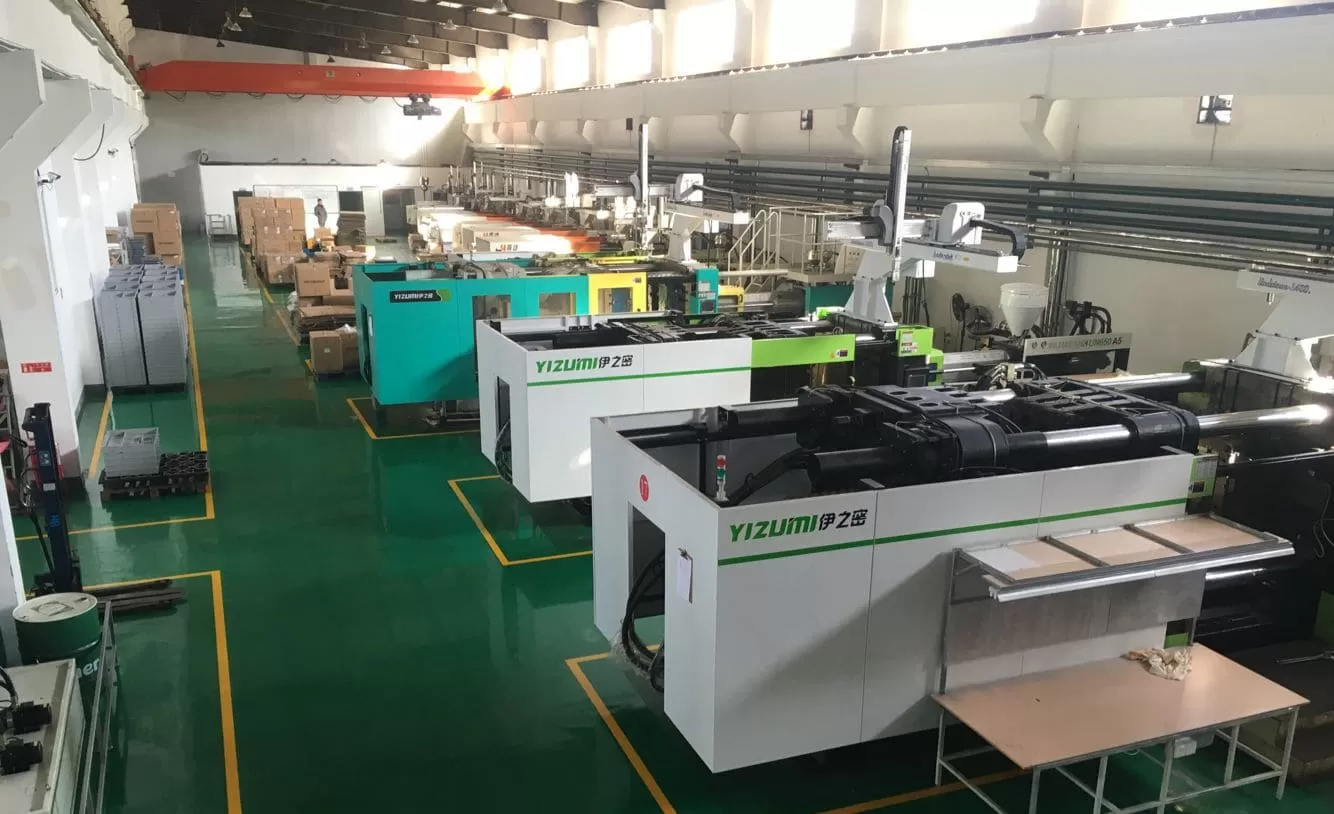
- ZetarMold opera con piena trasparenza nello stabilimento di Shanghai, con 47 presse a iniezione da 90T a 1850T, sistemi ISO 9001 / ISO 13485 / ISO 14001 / ISO 45001 e oltre 20 anni di esperienza nello stampaggio e negli stampi.
Scegliere un fornitore mediante una guida all’approvvigionamento di fornitori di stampaggio a iniezione senza un’adeguata due diligence è come comprare una casa senza ispezionarla: i problemi costosi emergono solo dopo la conclusione dell’affare. In vent’anni di produzione abbiamo visto acquirenti perdere anticipi a sei cifre, ricevere pezzi che non superavano i controlli dimensionali con scostamenti del 40% e scoprire che il fornitore «certificato ISO» usava una certificazione copiata da un’altra azienda.
Questa guida offre una checklist strutturata, lo stesso schema che consigliamo ai nostri potenziali clienti quando valutano ZetarMold, affinché possiate distinguere i partner affidabili da quelli rischiosi prima di firmare un contratto.
"Richiedere la licenza commerciale di un fornitore è il primo passo minimo di qualsiasi processo di due diligence."True
Una licenza commerciale valida conferma la registrazione legale, il capitale registrato e l'ambito di attività. Pur non essendo sufficiente da sola, è il punto di partenza essenziale su cui si fonda ogni ulteriore verifica.
"Una licenza commerciale e un sito web sono sufficienti per verificare un fornitore cinese di stampaggio a iniezione."False
Una licenza commerciale conferma la registrazione legale, ma non dice nulla sulla capacità produttiva, sui sistemi di qualità o sulla solidità finanziaria. Molte società di comodo possiedono licenze valide pur subappaltando tutto a officine non verificate.
Il processo di due diligence illustrato di seguito non è teorico. Deriva dall’esperienza diretta: dal 2013 ZetarMold è stata sottoposta ad audit da oltre 200 acquirenti internazionali e ogni audit ci ha insegnato che cosa cercano realmente i valutatori e che cosa la maggior parte dei fornitori tenta di nascondere.
Prima di esaminare la checklist dettagliata, ecco una panoramica delle otto aree di audit da coprire:
Cosa occorre verificare prima di scegliere un fornitore cinese di stampaggio a iniezione?
Il primo passo consiste nel verificare che il fornitore produca realmente ciò che dichiara. Circa il 30% dei “produttori” presenti su Alibaba e negli elenchi fieristici è costituito da società commerciali che affidano la produzione a fabbriche sconosciute. Questo non è necessariamente un male, ma dovete sapere chi realizza effettivamente i vostri pezzi, perché è la fabbrica reale a determinare qualità, tempi di consegna e rischio per la proprietà intellettuale.
Iniziare da queste verifiche essenziali prima di investire tempo in una visita allo stabilimento:
1. Registrazione e oggetto sociale dell’impresa. Chiedete una copia della Business License (yingye zhizhao), ossia la licenza commerciale, e verificate l’oggetto sociale registrato. Se la licenza riporta «commercio» (Trading, maoyi) anziché «produzione» (Manufacturing, zhizao), avete davanti un intermediario. In Cina, il codice unificato di credito sociale riportato sulla licenza può essere verificato tramite il National Enterprise Credit Information Publicity System1.
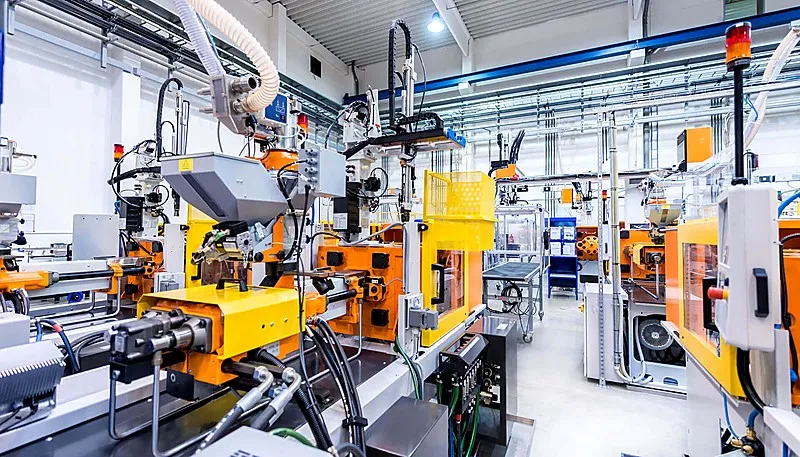
2. Proprietà e ubicazione dello stabilimento. Chiedete l’indirizzo dello stabilimento reale, non quello dell’ufficio vendite. Cercatelo nella vista satellitare di Baidu Maps. Se conduce a un edificio commerciale anziché a una zona industriale, probabilmente si tratta di una società di trading. ZetarMold, per esempio, opera in uno stabilimento produttivo dedicato a Shanghai, con un reparto stampi dotato di 23 macchinari specializzati.
"L'ubicazione fisica della fabbrica di un fornitore deve essere verificabile tramite servizi di mappatura satellitare."True
I produttori legittimi in Cina operano in zone industriali visibili su Baidu Maps o Google Earth. Se l'indirizzo registrato corrisponde a un quartiere residenziale o commerciale, si tratta quasi certamente di una società di commercio.
"Le società commerciali producono sempre una qualità inferiore rispetto alle fabbriche dirette."False
Alcune società commerciali mantengono un rigoroso controllo della qualità collaborando con fabbriche selezionate. Il rischio riguarda la trasparenza: non si può sottoporre ad audit ciò che non si vede. Se utilizzate una società commerciale, esigete di conoscere lo stabilimento produttivo effettivo e sottoponetelo direttamente ad audit.
3. Inventario delle attrezzature produttive. Chiedete un elenco dei macchinari con marca, modello, tonnellaggio e anno di fabbricazione. Un fornitore con 47 macchine da 90T a 1850T può gestire sia microparticolari sia grandi componenti automobilistici. Confrontatelo con chi dichiara «oltre 100 macchine» ma non sa fornire un elenco preciso: è un segnale d’allarme.
4. Stabilità finanziaria. Chiedete le ricevute fiscali recenti o lettere di referenza bancaria. I fornitori prossimi al fallimento possono risparmiare sui materiali, ritardare le spedizioni o sparire con gli anticipi. Solo nel 2024 si stima che abbiano chiuso oltre 5.000 piccoli produttori cinesi, molti dei quali hanno lasciato agli acquirenti esteri ordini incompleti.
Quali Documenti di Verifica Chiave Dovreste Richiedere?
I documenti da richiedere prima di impegnarsi con un fornitore includono: licenza commerciale (Business License (yingye zhizhao)), certificato del codice organizzativo, certificato fiscale, certificati ISO (da verificare sul sito dell’ente, non solo sulla copia del fornitore) e licenza di esportazione. Verificare i certificati ISO nel portale online dell’ente emittente — i certificati falsi restano un problema reale.
Per quanto riguarda specificamente ZetarMold, le nostre certificazioni ISO 9001:2015 Gestione della qualità2 e ISO 13485 Dispositivi medici3, oltre a ISO 14001 (gestione ambientale) e ISO 45001 (salute e sicurezza sul lavoro), sono tutte verificabili presso i rispettivi enti emittenti. Forniamo gli originali su richiesta, perché sappiamo quanti acquirenti siano stati danneggiati da documenti falsi.
Richiedete inoltre un organigramma aziendale che mostri reparti e numero di dipendenti. Una fabbrica con oltre 120 addetti alla produzione, 8 ingegneri senior e un team QC dedicato di 10 persone segnala un’attività produttiva seria. Un’azienda che non può fornire un organigramma chiaro nasconde probabilmente debolezze strutturali.
Infine, verificate la storia delle esportazioni del fornitore. Le aziende che esportano dal 2013 o da prima possiedono un’esperienza nelle spedizioni internazionali, nella documentazione doganale e nei protocolli di comunicazione che manca agli esportatori più recenti. ZetarMold si concentra sui mercati esteri dalla creazione della nostra divisione internazionale nel 2013.
Conservate tutti questi documenti in un fascicolo di due diligence. Li consulterete durante le trattative contrattuali e le verifiche future.
Come si esegue l’audit di una fabbrica cinese di stampaggio a iniezione?
Un audit di una fabbrica cinese si articola in cinque fasi: revisione documentale, visita del reparto produttivo, valutazione del controllo qualità, verifica delle attrezzature e valutazione degli stampi.
Fase 1: esame documentale prima dell’audit. Prima della visita, richiedete ed esaminate tutte le certificazioni, i diagrammi di flusso dei processi, i manuali qualità e i rapporti di ispezione recenti. Risparmierete tempo durante la visita e dimostrerete di essere acquirenti seri.
Fase 2: sopralluogo in produzione. Percorrete l’intera linea di stampaggio a iniezione, dal ricevimento dei materiali all’imballaggio finale. Controllate lo stato delle macchine, l’ordine e la pulizia e che gli operatori seguano procedure documentate. Osservate l’organizzazione delle attrezzature: una fabbrica ben gestita identifica e conserva sistematicamente gli stampi.
Il nostro sistema qualità è supportato da oltre 10 specialisti QC dedicati che operano sotto le certificazioni ISO 9001, ISO 13485, ISO 14001 e ISO 45001. Manteniamo tracce documentali complete che gli auditor possono esaminare in loco.
Fase 3: valutazione del sistema di controllo qualità. Verificate l’intero processo QC. Un sistema solido comprende sei fasi: controllo qualità in accettazione (IQC), verifica dei campioni durante il processo, ispezione di processo, ispezione di imballaggio e assemblaggio, controllo qualità finale (FQC) e controllo qualità in uscita (OQC). Chiedete di vedere i rapporti di ispezione recenti e come vengono gestite le non conformità.
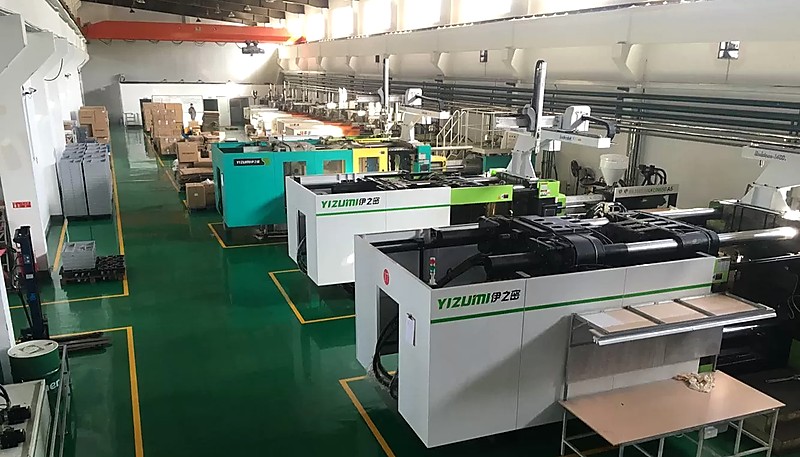
Nella fabbrica ZetarMold di Shanghai abbiamo 47 presse da 90T a 1850T. Gli auditor verificano marca, tonnellaggio e anno sull'elenco attrezzature: la trasparenza richiesta.
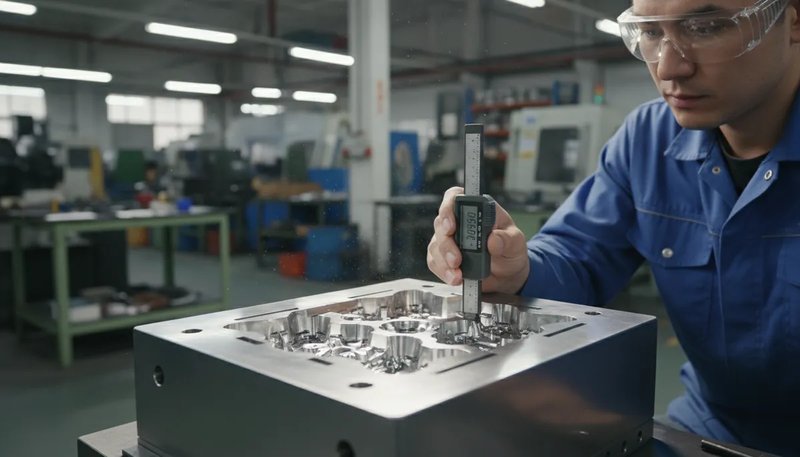
Fase 4: verifica delle capacità delle attrezzature. Accertatevi che il parco macchine corrisponda a quanto dichiarato. Una fabbrica con presse da 90T a 1850T, per esempio, può produrre da minuscoli componenti medicali a grandi involucri automobilistici. Controllate i registri di taratura degli strumenti di misura: CMM, proiettori di profili, durometri e calibri devono avere etichette di taratura valide.
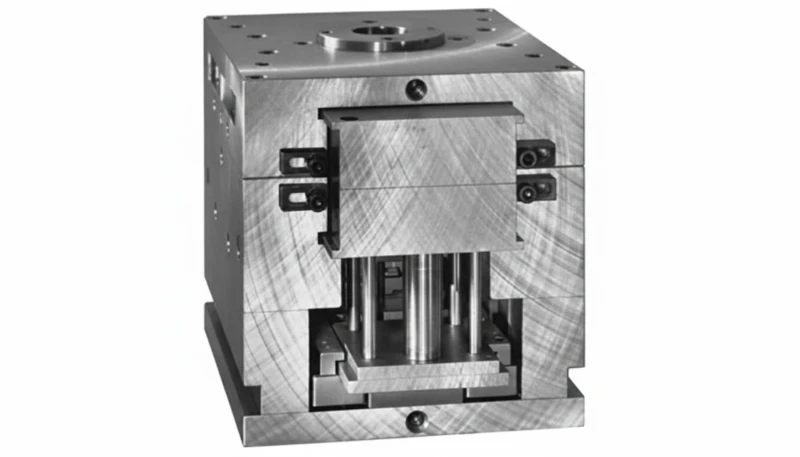
Fase 5: valutazione della capacità di costruzione stampi. Se il progetto richiede attrezzature personalizzate, valutate il reparto stampi. Una fabbrica che costruisce internamente gli stampi, con centri di lavoro CNC, macchine EDM, elettroerosione a filo, incisori di precisione e rettificatrici, offre cicli di iterazione più rapidi e un controllo migliore sulla qualità dello stampo a iniezione rispetto all’esternalizzazione.
Durante la visita, prestate attenzione agli aspetti intangibili: gli operatori indossano dispositivi di sicurezza adeguati? Il reparto è pulito e ordinato? I lavoratori appaiono coinvolti o si limitano a eseguire gesti di routine? Queste osservazioni rivelano sulla cultura aziendale più di qualsiasi certificato appeso alla parete.
Quali certificazioni deve possedere un fornitore affidabile?
Le certificazioni sono requisiti di base, non elementi distintivi. Come minimo, qualsiasi fornitore di stampaggio a iniezione preso in considerazione deve possedere la certificazione ISO 9001:2015. Se i prodotti sono destinati ad applicazioni medicali, automobilistiche o a contatto con alimenti, diventano obbligatorie ulteriori certificazioni. Considerate le certificazioni come il requisito minimo di accesso: dimostrano che un fornitore ha investito in processi sistematici, ma non garantiscono che tali processi producano con costanza pezzi di qualità.
Ecco una panoramica delle certificazioni più importanti e di ciò che dimostrano realmente:
| Certificazione | Cosa comprende | Quando richiesto |
|---|---|---|
| ISO 9001:2015 | Sistema di gestione della qualità: controllo dei processi, documentazione, miglioramento continuo | Tutti i fornitori (riferimento) |
| ISO 13485 | Gestione della qualità dei dispositivi medicali — tracciabilità, gestione del rischio, produzione sterile | Applicazioni medicali/farmaceutiche |
| ISO 14001 | Sistema di gestione ambientale — gestione dei rifiuti, emissioni, efficienza delle risorse | Sempre più richiesto dagli acquirenti occidentali |
| ISO 45001 | Salute e sicurezza sul lavoro — protezione dei lavoratori, identificazione dei pericoli | Richiesto da alcuni OEM automobilistici |
| IATF 16949 | Gestione della qualità automobilistica — APQP, PPAP, FMEA, SPC, MSA | Fornitori automobilistici tier 1/tier 2 |
Punto critico: i certificati da soli non bastano. Verificateli sempre nel database online dell’ente emittente. Il mercato cinese è migliorato, ma circolano ancora certificati falsi e scaduti. Abbiamo visto certificati ISO intestati a società completamente diverse.
Oltre alle certificazioni, valutate la maturità della gestione della qualità. Utilizzano il controllo statistico di processo (SPC) per monitorare in tempo reale le dimensioni critiche? Mantengono la documentazione PPAP per i clienti automotive, inclusi diagrammi di flusso del processo, piani di controllo e analisi dei sistemi di misura? Possono garantire la tracciabilità completa dai numeri di lotto della materia prima, attraverso i parametri di processo, fino ai pezzi finiti? Una fabbrica che risponde affermativamente ha superato la mera conformità formale e sviluppato una vera cultura della qualità. Nei nostri audit presso ZetarMold abbiamo riscontrato che gli acquirenti che pongono queste domande specifiche tendono a essere i partner più soddisfatti nel lungo periodo, perché hanno scelto un fornitore i cui sistemi qualità corrispondono ai requisiti effettivi, non solo alle caselle minime da spuntare.
Suggerimento pratico: durante la visita portate l’URL del sito di verifica dell’ente certificatore. Chiedete al fornitore di mostrare in tempo reale il certificato sul portale dell’ente. Se non può farlo o i dati non coincidono, avete la risposta. Questo controllo di cinque minuti ha evitato a diversi acquirenti fornitori con certificati falsi o scaduti.
"I fornitori che servono il mercato dei dispositivi medici devono possedere la certificazione ISO 13485."True
ISO 13485 è lo standard di gestione qualità riconosciuto a livello internazionale per i dispositivi medici. Se il fornitore non può fornire un certificato ISO 13485 aggiornato e verificato attraverso l'ente emittente, nella maggior parte dei mercati regolamentati non può produrre legalmente componenti per dispositivi medici.
"La certificazione ISO 9001 garantisce che i prodotti di un fornitore rispettino le specifiche di qualità."False
ISO 9001 certifica l'esistenza di un sistema di gestione della qualità, non che ogni prodotto soddisfi le specifiche. È uno standard di processo, non di prodotto. Sono comunque necessarie l'ispezione in ingresso e la convalida del processo.
Quali sono i segnali d’allarme nella valutazione dei fornitori di stampaggio a iniezione?
Sei segnali di allerta rivelano fornitori rischiosi: prezzi bassi, rifiuto di audit, nessun riferimento, certificati falsi, subappalto nascosto e comunicazione lenta.
Segnale d’allarme 1: prezzo oltre il 30% inferiore alla media di mercato. Una produzione sostenibile ha un costo minimo. Se un fornitore propone prezzi drasticamente inferiori ai concorrenti, sta risparmiando da qualche parte: materiali più economici, fasi di qualità saltate o rinegoziazione prevista dopo avervi vincolati. Abbiamo visto preventivi talmente bassi che il solo costo della materia prima superava il prezzo quotato del pezzo.
Segnale d’allarme 2: riluttanza a consentire visite o audit in fabbrica. Un produttore legittimo vuole mostrarvi la propria attività. Se accampa scuse — «la fabbrica è in ristrutturazione», «i visitatori disturbano la produzione» o «possiamo mostrarvi delle foto» — nasconde qualcosa. ZetarMold accoglie gli audit in sede perché la trasparenza genera fiducia.
Segnale d’allarme 3: nessuna referenza verificabile di clienti internazionali. Ogni fornitore afferma di esportare in tutto il mondo. Chiedete referenze precise: nomi delle aziende, paesi e tipi di progetto. Un fornitore che esporta dal 2013 dovrebbe avere decine di rapporti verificabili con clienti. Se non sa indicare un solo cliente internazionale, la sua esperienza di esportazione potrebbe limitarsi agli ordini di campioni.
Segnale d’allarme 4: certificazioni mancanti o non verificabili. Lo abbiamo già spiegato, ma va ribadito: se il fornitore non può fornire numeri di certificazione verificabili online presso l’ente emittente, considerate la certificazione non valida. Su questo non si transige.
Segnale d’allarme 5: rapporti di subfornitura poco chiari. Alcuni fornitori esternalizzano processi critici, come la costruzione degli stampi, le operazioni secondarie o persino lo stampaggio a iniezione, senza dichiararlo. Chiedete direttamente: «Quali processi svolgete internamente e quali affidate a terzi?». Mappate l’intera catena di fornitura dei vostri pezzi.
Segnale d’allarme 6: risposte e comunicazione carenti. Se durante la vendita, quando è motivato a impressionarvi, un fornitore impiega giorni a rispondere alle domande tecniche, la comunicazione peggiorerà soltanto dopo la firma del contratto. Una fabbrica con oltre 30 project manager anglofoni riesce generalmente a rispondere entro 24 ore. Se i tempi sono sempre lunghi, aspettatevi che i problemi di produzione non vengano segnalati.
Come proteggere la proprietà intellettuale in Cina?
La tutela della proprietà intellettuale è la preoccupazione che sentiamo più spesso dagli acquirenti occidentali, e a ragione. Il quadro giuridico cinese in materia è migliorato enormemente nell’ultimo decennio, ma l’applicazione resta disomogenea. La strategia di protezione deve essere proattiva, non reattiva.
Registrate la proprietà intellettuale in Cina prima di condividere i progetti. La Cina applica il principio «first-to-file»: in genere il primo soggetto che registra un brevetto o un marchio ne diventa titolare, indipendentemente da chi lo abbia inventato. Registrate brevetti e marchi cinesi prima di coinvolgere i fornitori. Costa, ma molto meno di una causa intentata dopo una violazione.
Utilizzate accordi di riservatezza (NDA) soggetti alla giurisdizione cinese. Un normale NDA disciplinato dal diritto statunitense o dell’UE è quasi impossibile da far valere in Cina. Utilizzate un accordo NNN (Non-Disclosure, Non-Use, Non-Circumvention) redatto secondo il diritto cinese e con competenza di un tribunale cinese. Questi accordi sono concepiti specificamente per la produzione in Cina.
Applicate la compartimentazione delle informazioni. Non consegnate a un singolo fornitore l’intero progetto del prodotto. Dove possibile, suddividete la produzione tra più fabbriche. Per esempio, fate produrre l’involucro stampato a iniezione a un fornitore e affidate l’assemblaggio elettronico a un altro. In questo modo, per un singolo fornitore sarà molto più difficile replicare il prodotto.
Scegliete fornitori con precedenti comprovati nella tutela della proprietà intellettuale. Una fabbrica che esporta nei mercati occidentali dal 2013 e possiede la certificazione ISO 13485 per la produzione di dispositivi medici ha forti incentivi a proteggere la proprietà intellettuale dei clienti: perdere un cliente medicale per una violazione sarebbe catastrofico.
Mantenete il controllo degli stampi. Dichiaratene esplicitamente la proprietà nel contratto di produzione. Specificate che non possono essere usati per produrre per altri clienti senza consenso scritto. In ZetarMold, gli stampi di ogni cliente sono conservati separatamente e con registri degli accessi, perché il furto o l’uso non autorizzato degli stampi è una delle violazioni della proprietà intellettuale più comuni nello stampaggio a iniezione.
La protezione della proprietà intellettuale non è una singola azione, bensì una strategia a più livelli. Più livelli si implementano, più diventa difficile per un soggetto malintenzionato copiare il prodotto.
Quali domande porre durante una visita in fabbrica?
Durante una visita in fabbrica, ponete domande mirate in quattro aree: capacità produttiva, sistemi di qualità, struttura di comunicazione e stabilità finanziaria. I modelli nelle loro risposte rivelano più di qualsiasi certificato appeso al muro.
Le domande giuste distinguono una visita produttiva da una visita guidata. Portare questo elenco e pretendere risposte, non discorsi commerciali. Ogni domanda seguente è stata perfezionata attraverso centinaia di audit effettivi degli acquirenti presso il nostro stabilimento di Shanghai.
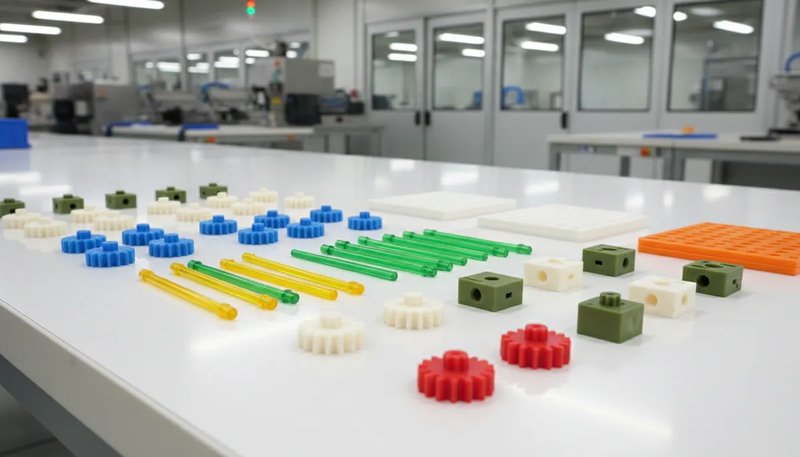
Domande sulla capacità produttiva: • Qual è la vostra capacità mensile di costruzione stampi? Una fabbrica che produce oltre 100 stampi al mese ha una capacità considerevole. • Quale intervallo di tonnellaggio coprono le vostre macchine? • Potete gestire sia il microstampaggio a iniezione sia lo stampaggio di pezzi grandi? • Qual è il peso massimo del pezzo? • Disponete di camere bianche per componenti medicali o a contatto con alimenti? • Quale percentuale delle macchine è attualmente utilizzata e qual è la capacità di picco con gli straordinari?
"Un elenco ben preparato di domande per la visita in fabbrica deve coprire in pari misura produzione, qualità, comunicazione e stabilità finanziaria."True
Concentrarsi solo sulla capacità produttiva ignorando la struttura comunicativa o la salute finanziaria porta a valutazioni incomplete. Le migliori valutazioni dei fornitori bilanciano tutte e quattro le dimensioni.
"Fare troppe domande durante una visita in fabbrica offenderà il fornitore e danneggerà il rapporto commerciale."False
I produttori professionisti accolgono domande approfondite perché dimostrano la serietà dell'acquirente. Un fornitore che si offende per domande dettagliate probabilmente nasconde qualcosa.
Domande sul sistema qualità: • Posso vedere gli ultimi tre rapporti di non conformità e le relative azioni correttive? • Come gestite certificazione e tracciabilità dei materiali? • Come controllate le materie prime in ingresso: testate ogni lotto o vi affidate ai certificati di analisi del fornitore? • Mostratemi i registri di taratura degli strumenti di misura. • Quale livello AQL utilizzate per l’ispezione finale? • Come gestite rilavorazioni e scarti e qual è l’attuale tasso di scarto per pezzi simili ai miei?
Domande su comunicazione e gestione del progetto: • Quanti project manager anglofoni avete? • Qual è il vostro tempo di risposta abituale alle richieste tecniche? • Come comunicate ritardi di produzione o problemi di qualità: in modo proattivo o solo su richiesta? • Posso conoscere il project manager che seguirà il mio account? • Quali strumenti di project management utilizzate per seguire le tappe e condividere i progressi con i clienti? • Con quale frequenza riceverò aggiornamenti sullo stato della produzione?
Domande finanziarie e aziendali: • Da quanti anni operate? • Quale percentuale dei ricavi proviene dalle esportazioni rispetto alle vendite interne? • Potete fornire referenze bancarie? • Quali condizioni di pagamento offrite ai clienti consolidati? • Come si è comportata l’azienda durante l’ultima interruzione della catena di fornitura: avete rispettato gli impegni di consegna? • Qual è la concentrazione sul vostro maggiore cliente e vi sono dipendenze finanziarie che potrebbero compromettere la continuità?
Annotate le risposte durante la visita e confrontatele successivamente tra i vari fornitori. Gli schemi che emergono — coerenza tra affermazioni e prove, specificità rispetto a vaghezza, disponibilità a mostrare la documentazione rispetto all’elusione — sono più rivelatori di qualsiasi singola risposta.
Come si valutano i prezzi dei fornitori senza sacrificare la qualità?
Valutate i prezzi dei fornitori confrontando il costo totale di proprietà, non solo il prezzo unitario. Ecco un approccio sistematico:
| Componente di costo | Se la tua parte è ancora in fase di validazione iniziale, chiedi se il fornitore può supportare lo stampaggio a iniezione a basso volume prima della produzione completa. Questa opzione riduce il rischio quando hai bisogno di parti pilota per test, feedback del mercato o approvazioni graduali prima di investire in lanci più grandi. | Intervallo tipico (Cina) |
|---|---|---|
| Costo dell’attrezzatura | Comprende progettazione dello stampo, prove e revisioni? Il numero di cavità è giustificato? | $3,000–$50,000+ a seconda della complessità |
| Prezzo del componente | Grado del materiale specificato? Include il calcolo di canali e scarti? | Varia in base al materiale e al volume |
| Costo del materiale | Materiale vergine o rimacinato? È disponibile il certificato di origine? | Generalmente il 40–60% del costo del pezzo |
| Operazioni secondarie | Assemblaggio, verniciatura e placcatura: interni o subappaltati? | 10–30% del costo totale del progetto |
| Spedizione e logistica | FOB, CIF o DDP? Quali standard di imballaggio? | 5–15% del valore dell'ordine |
| Ispezione di qualità | Incluso o extra? È specificato il livello AQL? | 2–5% del valore dell’ordine, se incluso |
Il punto chiave: il preventivo più basso non corrisponde quasi mai al costo totale più basso. Un fornitore che quota il 20% in meno ma richiede il 30% di rilavorazioni in più, tempi più lunghi e ulteriori controlli qualità costa di più alla fine. La decisione deve essere guidata dal costo totale di proprietà (TCO), non dal solo prezzo unitario.
Chiedete a ogni fornitore un preventivo dettagliato che separi materiale, lavorazione, ammortamento dell’attrezzatura e costi generali. Quando le offerte differiscono di oltre il 15%, lo scarto riflette generalmente differenze nel grado del materiale, nel controllo del processo o in subforniture nascoste, non nell’efficienza.
Infine, negoziare condizioni di pagamento che allineino gli incentivi. Una struttura comune prevede il 30% di acconto all’ordine, il 40% all’approvazione del primo articolo e il 30% prima della spedizione. Evitare i fornitori che richiedono il pagamento anticipato del 100%, perché elimina ogni leva in caso di problemi qualitativi.
Domande frequenti
Quanto dura un’adeguata verifica preliminare del fornitore?
Un processo di due diligence approfondito richiede 2-4 settimane, a seconda della complessità del progetto e della posizione del fornitore. Questa tempistica include la verifica dei documenti (3-5 giorni lavorativi), la pianificazione e la conduzione della visita in fabbrica (1-2 settimane incluso il viaggio), i controlli di referenza con i clienti esistenti (3-5 giorni) e una valutazione finale che confronta i fornitori selezionati. Affrettare questo processo è l’errore più comune che commettono gli acquirenti — e costantemente il più costoso da correggere dopo il fatto. Pianificate almeno tre settimane complete per farlo in modo corretto e approfondito. Questa tempistica strutturata garantisce una valutazione completa senza ritardi non necessari nella vostra decisione di approvvigionamento.
È opportuno incaricare una società di ispezione terza per gli audit dei fornitori?
Per i fornitori al primo acquisto, un audit di terza parte è un investimento intelligente che costa tipicamente 1.500–2.000 € a seconda dell’ambito e della posizione. Aziende come SGS, Bureau Veritas e TÜV Rheinland hanno auditor basati in Cina che sanno esattamente cosa cercare e forniscono rapporti oggettivi e standardizzati. Una volta stabilita una relazione di lavoro e visitata la fabbrica almeno una volta, riducete gli audit di terza parte a revisioni annuali. Molti acquirenti utilizzano audit di terza parte per la qualificazione iniziale e poi conducono visite di follow-up proprie. Questo costo iniziale relativamente piccolo può prevenire perdite del valore di decine di migliaia di dollari.
Quali condizioni di pagamento sono standard per i fornitori cinesi di stampaggio a iniezione?
I termini di pagamento standard vanno dal 30/40/30 (deposito all’ordine, 40% all’approvazione del primo articolo, 30% prima della spedizione) al 50/50 per relazioni completamente nuove. Le relazioni consolidate con una comprovata esperienza di 12+ mesi di ordini costanti e puntuali possono qualificarsi per termini di pagamento netto-30 o netto-60. I pagamenti per gli stampi di solito seguono un programma separato: 50% con il collocamento dell’ordine e 50% all’approvazione del campione T1. Evitate sempre fornitori che richiedono un pagamento anticipato del 100%. Questa struttura di pagamento protegge entrambe le parti e garantisce l’allineamento durante tutto il processo produttivo. Questa struttura di pagamento protegge entrambe le parti e garantisce l’allineamento durante tutto il processo produttivo.
Posso fidarmi delle referenze fornite dallo stesso fornitore?
Considerate le referenze fornite dal fornitore come punto di partenza della valutazione, non come conclusione definitiva. Verificate sempre le referenze in modo indipendente tramite LinkedIn, contatti acquisiti alle fiere o la vostra rete professionale di settore. Ponete a ogni referente domande specifiche e dettagliate: utilizzerebbe nuovamente questo fornitore senza esitazioni? Ha mai riscontrato un problema di qualità e come è stato risolto? Qual è il principale punto debole del fornitore? Le referenze più affidabili provengono dai propri contatti di settore con esperienza diretta. Confrontate quanto riferito dalle referenze con ciò che osservate durante la vostra visita in fabbrica.
Qual è la quantità minima d’ordine (MOQ) che devo aspettarmi dai fornitori cinesi di stampaggio a iniezione?
I MOQs variano notevolmente in base alle dimensioni, alla specializzazione e all’attuale utilizzo della capacità produttiva del fornitore. Le grandi fabbriche possono richiedere 5,000–10,000 pezzi per lotto produttivo per giustificare il tempo macchina e i costi di attrezzaggio, mentre i fornitori più piccoli o flessibili accettano ordini da 500–1,000 pezzi per componenti più semplici. Alcuni fornitori offrono inoltre lotti di produzione ponte concepiti specificamente per il lancio di prodotti. ZetarMold gestisce sia volumi da prototipazione sia ordini su scala produttiva, perché la nostra capacità di 47 macchine consente una programmazione estremamente flessibile. Questa flessibilità è particolarmente preziosa durante il lancio di un prodotto, quando le previsioni della domanda possono essere incerte.
Come posso verificare la capacità produttiva dichiarata da un fornitore?
Chiedete i tassi di utilizzo delle macchine, i turni documentati e i registri di produzione mensili per parti simili alle vostre per dimensioni, materiale e livello di complessità. Incrociate queste dichiarazioni di capacità con la lista fisica delle macchine: uno stabilimento con 47 macchine per stampaggio a iniezione che opera su due turni può teoricamente produrre molto più di uno con 10 macchine su un solo turno. Richiedete screenshot della pianificazione della produzione o stampe del sistema ERP come documentazione della capacità effettiva. Un fornitore legittimo e trasparente dovrebbe essere in grado di mostrare i programmi attuali senza esitazione. Un fornitore legittimo e trasparente dovrebbe essere in grado di mostrare i programmi attuali senza esitazione.
Che cosa accade se un fornitore cinese non rispetta un contratto?
La legge contrattuale cinese prevede rimedi per la violazione degli accordi di produzione, ma l’applicazione richiede che il contratto sia regolato dalla legge cinese con giurisdizione in un tribunale cinese. L’arbitrato internazionale attraverso CIETAC o ICC è un’opzione ma costosa e lenta — i casi possono richiedere 12–18 mesi per essere risolti. La prevenzione è molto più efficace della contenziosità: una due diligence approfondita, pagamenti basati su milestone e ispezioni di qualità scaglionate proteggono meglio il tuo investimento. Il costo della prevenzione è sempre una frazione del costo della risoluzione post-contrattuale. Il costo della prevenzione è sempre una frazione del costo della risoluzione post-contrattuale.
Nello stabilimento ZetarMold di Shanghai, 47 presse a iniezione da 90T a 1850T consentono audit dei fornitori su stampi, materiali, capacità produttiva e controllo qualità. Il nostro team combina oltre 20 anni di esperienza nello stampaggio a iniezione e negli stampi con esperienza su oltre 400 materiali plastici e sistemi ISO 9001, ISO 13485, ISO 14001 e ISO 45001, consentendo agli acquirenti di verificare le capacità prima di affidare ordini di produzione.
Il nostro team di oltre 30 project manager anglofoni garantisce tempi di risposta ≤24 ore e il nostro sistema di controllo qualità in 6 fasi — dall’IQC all’OQC — è progettato per superare gli audit più severi.
Richiedete un preventivo gratuito e lasciateci dimostrare perché i produttori trasparenti sono i partner migliori.
National Enterprise Credit Information Publicity System: banca dati ufficiale del governo cinese per verificare registrazione commerciale, proprietà e stato giuridico delle imprese. ↩
ISO 9001:2015 Gestione della qualità: norma internazionale per i sistemi di gestione della qualità, che disciplina controllo dei processi, documentazione e miglioramento continuo. ↩
ISO 13485 Dispositivi medici: norma di gestione della qualità specifica per la produzione di dispositivi medici, che richiede tracciabilità e gestione del rischio. ↩