- Grondige due diligence kan leverancier-gerelateerde projectfalen met 60-70% verminderen bij het inkopen van spuitgietonderdelen uit China.
- Een goede fabrieksaudit omvat acht pijlers: apparatuur, certificeringen, kwaliteitssystemen, financiële stabiliteit, juridische structuur, IP-bescherming, productiecapaciteit en communicatie.
- Rode vlaggen zijn onder meer ontbrekende ISO-certificeringen, weigering om productiegegevens te delen en prijzen die meer dan 30% onder het marktgemiddelde liggen.
- ZetarMold opereert met volledige transparantie vanuit haar fabriek in Shanghai, inclusief 47 spuitgietmachines van 90T tot 1850T, ISO 9001 / ISO 13485 / ISO 14001 / ISO 45001 systemen, en 20+ jaar ervaring in spuitgieten en gereedschapsbouw.
Een gids voor het selecteren van een spuitgietleverancier volgen zonder grondige due diligence is als een huis kopen zonder bouwkundige keuring: kostbare problemen komen pas na het sluiten van de deal aan het licht. In twintig jaar productie hebben we gezien dat kopers voorschotten van zes cijfers verloren, onderdelen ontvingen die bij maatcontroles 40% afweken en ontdekten dat hun ‘ISO-gecertificeerde’ leverancier een certificaat gebruikte dat van een ander bedrijf was gekopieerd.
Deze gids geeft u een gestructureerde checklist — hetzelfde raamwerk dat we aanbevelen aan onze eigen prospects die ZetarMold evalueren — zodat u betrouwbare partners kunt onderscheiden van risicovolle voordat u een contract tekent.
"Het opvragen van de bedrijfsvergunning van een leverancier is de minimale eerste stap in elk due-diligenceproces."True
Een geldige bedrijfsvergunning bevestigt de wettelijke registratie, het geregistreerde kapitaal en de bedrijfsactiviteiten. Hoewel niet voldoende op zich, is het het essentiële startpunt — elke aanvullende verificatie bouwt voort op deze basis.
"Een bedrijfsvergunning en een website volstaan om een Chinese spuitgietleverancier te verifiëren."False
Een handelsvergunning bevestigt wettelijke registratie, maar zegt niets over productiecapaciteit, kwaliteitssystemen of financiële gezondheid. Veel brievenbusbedrijven hebben geldige vergunningen terwijl ze alles uitbesteden aan niet-geverifieerde werkplaatsen.
Het due diligence-proces dat we hieronder schetsen is niet theoretisch. Het komt uit directe ervaring: ZetarMold is sinds 2013 geaudit door meer dan 200 internationale kopers, en elke audit leerde ons waar evaluatoren daadwerkelijk naar zoeken — en wat de meeste leveranciers proberen te verbergen.
Voordat u in de gedetailleerde checklist duikt, is hier een overzicht op hoog niveau van de acht auditgebieden die u moet dekken:
Wat moet u verifiëren voordat u een Chinese spuitgietleverancier kiest?
Uw eerste stap is bevestigen dat de leverancier daadwerkelijk produceert wat hij beweert. Ongeveer 30% van de “fabrikanten” op Alibaba en in beursgidsen zijn handelsbedrijven die de productie uitbesteden aan onbekende fabrieken. Dat is niet per definitie slecht — maar u moet weten wie uw onderdelen werkelijk maakt, omdat de feitelijke fabriek bepalend is voor kwaliteit, doorlooptijd en IE-risico.
Begin met deze kernverificaties voordat u tijd investeert in een fabrieksbezoek:
1. Bedrijfsregistratie en activiteiten. Vraag om een kopie van de bedrijfsvergunning (yingye zhizhao) en controleer de geregistreerde bedrijfsactiviteiten. Staat op de vergunning ‘handel’ (maoyi) in plaats van ‘productie’ (zhizao), dan hebt u met een tussenhandelaar te maken. In China kan de uniforme sociale kredietcode op de vergunning worden gecontroleerd via het National Enterprise Credit Information Publicity System1 (nationaal openbaar informatiesysteem voor ondernemingskrediet).
2. Eigendom en locatie van de fabriek. Vraag naar het werkelijke fabrieksadres, niet naar het verkoopkantoor. Zoek het adres op in de satellietweergave van Baidu Maps. Komt u uit bij een kantoorgebouw in plaats van een industriegebied, dan gaat het waarschijnlijk om een handelsbedrijf. ZetarMold werkt bijvoorbeeld vanuit een eigen productiefaciliteit in Shanghai, met een gereedschapmakerij die over 23 gespecialiseerde machines beschikt.
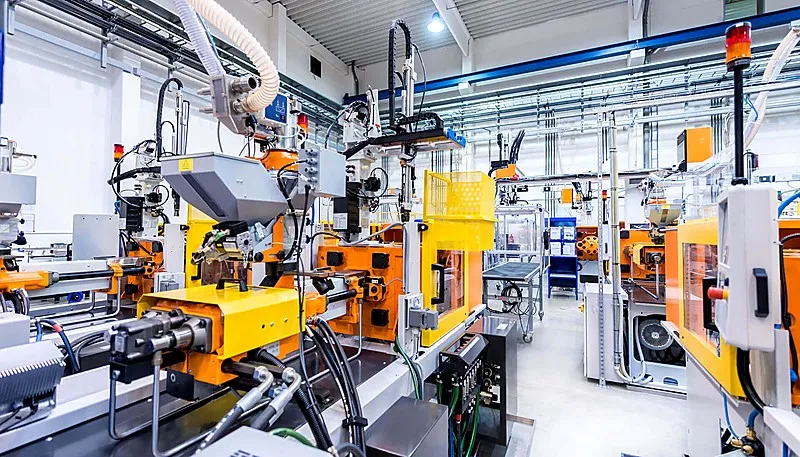
"De fysieke fabriekslocatie van een leverancier moet via satellietkaartdiensten kunnen worden geverifieerd."True
Legitieme fabrikanten in China opereren vanuit industriële zones die zichtbaar zijn op Baidu Maps of Google Earth. Als het geregistreerde adres verwijst naar een woon- of commercieel district, is het vrijwel zeker een handelsbedrijf.
"Handelsondernemingen leveren altijd lagere kwaliteit dan directe fabrieken."False
Sommige handelsbedrijven houden sterke kwaliteitstoezicht door samen te werken met gecontroleerde fabrieken. Het risico is transparantie: u kunt niet auditen wat u niet kunt zien. Als u een handelsbedrijf gebruikt, sta erop dat u de werkelijke productielocatie kent en audit deze rechtstreeks.
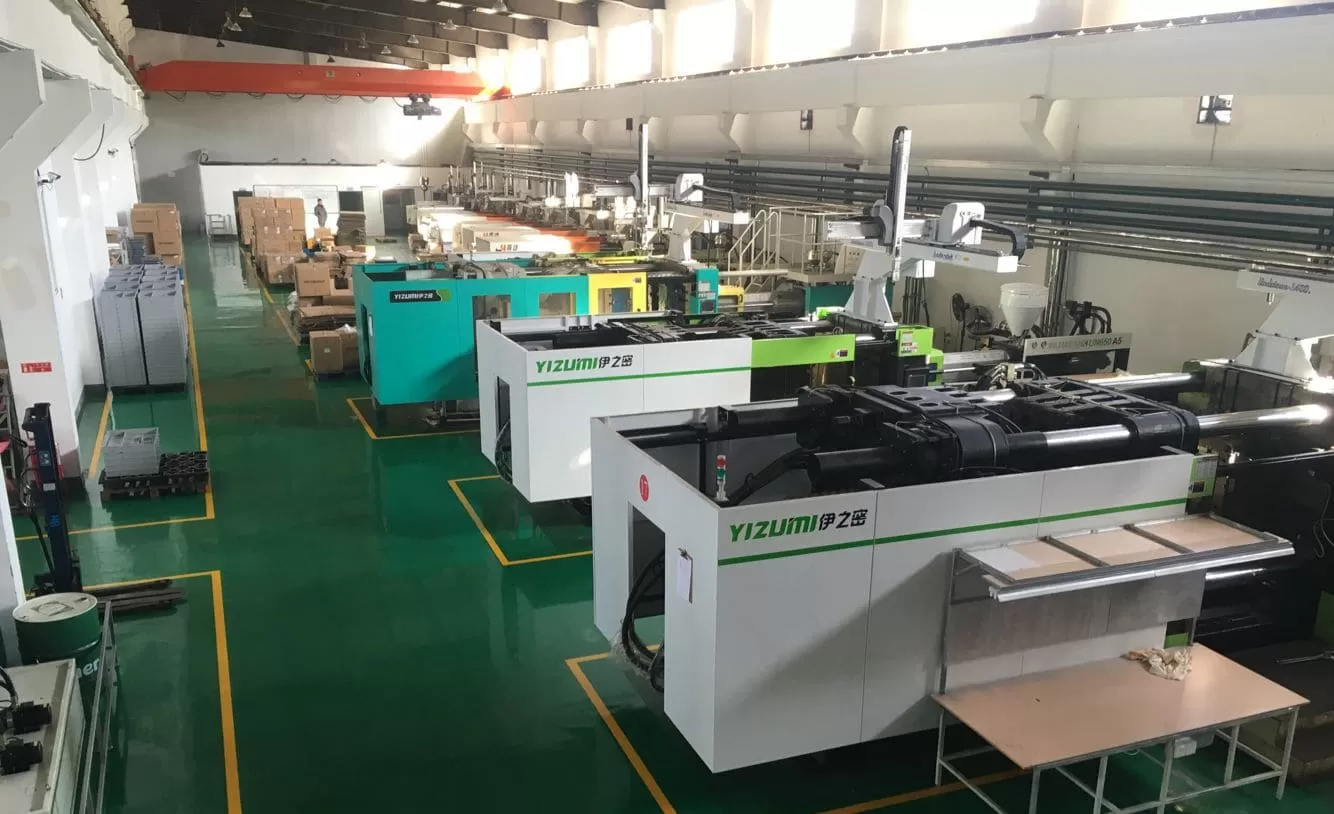
3. Machinepark. Vraag om een machinelijst met merk, model, sluitkracht en bouwjaar. Een leverancier met 47 machines van 90T tot 1850T kan zowel micro-onderdelen als grote auto-onderdelen produceren. Vergelijk dat met een leverancier die beweert ‘100+ machines’ te hebben maar geen concrete lijst kan tonen: dat is een alarmsignaal.
4. Financiële stabiliteit. Vraag om recente belastingbewijzen of bankreferenties. Leveranciers die bijna failliet zijn, kunnen bezuinigen op materialen, leveringen vertragen of met voorschotten verdwijnen. Alleen al in 2024 sloten naar schatting meer dan 5.000 kleine Chinese fabrikanten, waarbij veel buitenlandse kopers met onafgemaakte orders achterbleven.
Welke belangrijke verificatiedocumenten moet u aanvragen?
Vraag vóór toezegging aan een leverancier de volgende documenten op: bedrijfsvergunning (Business License (yingye zhizhao)), certificaat van de organisatiecode, fiscaal registratiecertificaat, ISO-certificaten (controleer deze op de website van de certificerende instantie, niet alleen op de kopie van de leverancier) en exportvergunning. Controleer ISO-certificaten via het online verificatieportaal van de uitgevende instantie — vervalste certificaten blijven een reëel probleem.
Specifiek voor ZetarMold zijn onze certificeringen voor ISO 9001:2015-kwaliteitsmanagement2, ISO 13485 voor medische hulpmiddelen3, ISO 14001 (milieumanagement) en ISO 45001 (gezondheid en veiligheid op het werk) allemaal controleerbaar bij de betreffende certificerende instanties. Op verzoek verstrekken we de originele certificaten, omdat we weten dat kopers door vervalste documenten zijn gedupeerd.
Vraag ook een organigram van het bedrijf aan met afdelingen en personeelsaantallen. Een fabriek met 120+ productiemedewerkers, 8 senior engineers en een toegewijd QC-team van 10 personen duidt op een serieuze productie-operatie. Een bedrijf dat geen duidelijk organigram kan verstrekken, verbergt waarschijnlijk structurele zwaktes.
Controleer ten slotte de exporthistorie van de leverancier. Bedrijven die sinds 2013 of eerder exporteren, hebben ervaring met internationale verzending, douanedocumentatie en communicatieprotocollen die nieuwere exporteurs missen. ZetarMold richt zich sinds de oprichting van onze internationale divisie in 2013 op buitenlandse markten.
Bewaar al deze documenten in een due diligence-bestand. U zult er tijdens contractonderhandelingen en toekomstige audits naar terugverwijzen.
Hoe Audit U een Chinese Spuitgietfabriek?
Een Chinese fabrieksaudit omvat vijf stappen: documentbeoordeling, rondleiding, QC-evaluatie, apparatuurcontrole en matrijsbeoordeling.
Stap 1: documentcontrole vóór de audit. Vraag vóór uw bezoek alle certificaten, processtroomschema’s, kwaliteitshandboeken en recente inspectierapporten op en controleer ze. Dat bespaart tijd tijdens het bezoek en laat zien dat u een serieuze koper bent.
Stap 2: rondgang over de productievloer. Loop de volledige spuitgietproductielijn af, van materiaalontvangst tot eindverpakking. Controleer de staat van de machines, de orde en netheid en of operators de vastgelegde procedures volgen. Let op de organisatie van de gereedschappen: een goed geleide fabriek labelt en bewaart matrijzen systematisch.
Ons kwaliteitssysteem wordt ondersteund door meer dan 10 toegewijde QC-specialisten die werken onder ISO 9001, ISO 13485, ISO 14001 en ISO 45001-certificeringen. We houden volledige documentatiesporen bij die auditors ter plaatse kunnen inzien.
Stap 3: beoordeling van het kwaliteitscontrolesysteem. Controleer het volledige QC-proces. Een robuust systeem omvat zes fasen: inkomende kwaliteitscontrole (IQC), tussentijdse monstercontrole, procesinspectie, inspectie van verpakking en assemblage, eindkwaliteitscontrole (FQC) en uitgaande kwaliteitscontrole (OQC). Vraag recente inspectieregistraties op en controleer hoe afwijkingen worden afgehandeld.
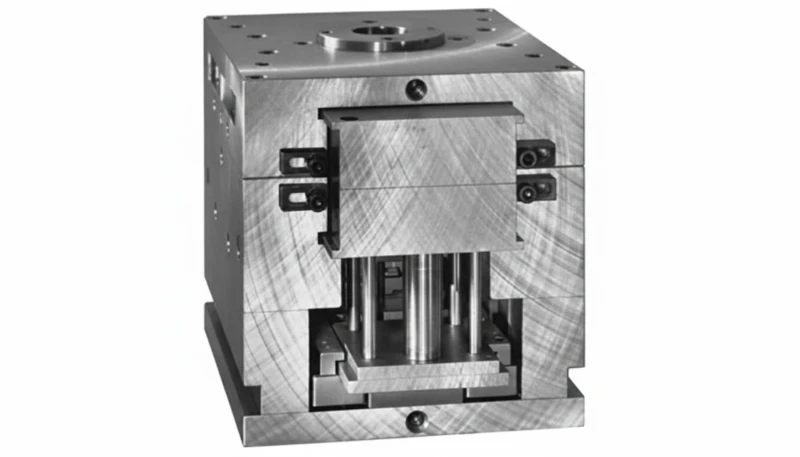
In de fabriek van ZetarMold in Shanghai gebruiken we 47 spuitgietmachines van 90T tot 1850T. Tijdens audits kan men merk, tonnage en bouwjaar van elke machine aan onze apparatuurlijst toetsen — precies de transparantie die deze stap vereist.
Stap 4: verificatie van de machinecapaciteit. Controleer of het machinepark overeenkomt met de opgave. Een fabriek met machines van 90T tot 1850T kan bijvoorbeeld onderdelen produceren van kleine medische componenten tot grote autobehuizingen. Controleer de kalibratieregistraties van meetapparatuur: CMM’s, profielprojectoren, hardheidsmeters en kalibers moeten allemaal een geldige kalibratiesticker hebben.
Stap 5: beoordeling van de matrijzenbouwcapaciteit. Beoordeel de gereedschapmakerij als uw project maatwerkgereedschap vereist. Een fabriek die zelf matrijzen kan produceren, met onder meer CNC-bewerkingscentra, vonkmachines, draadvonkmachines, precisiegraveermachines en slijpmachines, biedt snellere iteraties en meer controle over de kwaliteit van de spuitgietmatrijs dan wanneer de gereedschapsbouw wordt uitbesteed.
Let tijdens uw bezoek op de minder tastbare aspecten: dragen operators de juiste veiligheidsuitrusting? Is de werkvloer schoon en georganiseerd? Lijken werknemers betrokken of voeren ze slechts routinematig hun taken uit? Deze waarnemingen zeggen meer over de cultuur van een fabriek dan welk certificaat aan de muur ook.
Welke certificeringen moet een betrouwbare leverancier hebben?
Certificeringen zijn basisvereisten, geen onderscheidende factoren. Minimaal moet elke spuitgietleverancier die u overweegt ISO 9001:2015 hebben. Als uw producten bestemd zijn voor medische, automotive of voedselcontacttoepassingen, worden aanvullende certificeringen verplicht. Zie certificeringen als het minimale toegangsbewijs – ze bewijzen dat een leverancier heeft geïnvesteerd in systematische processen, maar ze garanderen niet dat die processen consequent goede onderdelen produceren.
Hier is een overzicht van de belangrijkste certificeringen en wat ze daadwerkelijk aantonen:
| Certificering | Wat het omvat | Wanneer vereist |
|---|---|---|
| ISO 9001:2015 | Kwaliteitsmanagementsysteem – procesbeheersing, documentatie, continue verbetering | Alle leveranciers (basisvereiste) |
| ISO 13485 | Kwaliteitsmanagement medische hulpmiddelen — traceerbaarheid, risicobeheer, steriele productie | Medische / farmaceutische toepassingen |
| ISO 14001 | Milieumanagementsysteem — afvalverwerking, emissies, hulpbronnenefficiëntie | Steeds vaker vereist door Westerse kopers |
| ISO 45001 | Arbeidsveiligheid en gezondheid — bescherming van werknemers, identificatie van gevaren | Vereist door sommige automotive OEM's |
| IATF 16949 | Automotive kwaliteitsmanagement – APQP, PPAP, FMEA, SPC, MSA | Automotive tier-1/tier-2 leveranciers |
Het cruciale punt: certificeringsdocumenten alleen zijn onvoldoende. Verifieer ze altijd via de online database van de uitgevende instantie. De Chinese certificeringsmarkt is sterk verbeterd, maar vervalste en verlopen certificaten circuleren nog steeds. We zagen gevallen waarin het ISO-certificaat van een leverancier bij een totaal ander bedrijf hoorde.
Vraag naast certificeringen ook naar hun kwaliteitsmanagementvolwassenheid. Gebruiken ze statistische procesbeheersing (SPC) om kritieke afmetingen in realtime te monitoren? Hebben ze PPAP-documentatie voor automotiveklanten, inclusief processtroomdiagrammen, controleplannen en meetstelselanalyses? Kunnen ze volledige traceerbaarheid bieden van grondstofbatchnummers via verwerkingsparameters tot eindonderdelen? Een fabriek die ja kan antwoorden op deze vragen, is verder gegaan dan alleen vinkjes zetten naar een echte kwaliteitscultuur. Tijdens onze eigen audits bij ZetarMold hebben we gemerkt dat kopers die deze specifieke vragen stellen, vaak de meest tevreden langetermijnpartners zijn – omdat ze een leverancier hebben gekozen wiens kwaliteitssystemen overeenkomen met hun werkelijke vereisten, niet alleen met hun minimale vinkjes.
Praktische tip: neem tijdens het fabrieksbezoek de URL van de verificatiewebsite van de certificeringsinstantie mee. Vraag de leverancier het certificaat in realtime op het portaal van de uitgevende instantie te tonen. Kan dat niet, of wijken de gegevens af van wat eerder is verstrekt, dan is de conclusie duidelijk. Deze controle van vijf minuten heeft meerdere kopers die wij kennen behoed voor leveranciers met vervalste of verlopen certificaten.
"Leveranciers voor de markt van medische hulpmiddelen moeten over ISO 13485-certificering beschikken."True
ISO 13485 is de internationaal erkende kwaliteitsmanagementnorm voor medische hulpmiddelen. Als uw leverancier geen actueel ISO 13485-certificaat kan overleggen dat via de uitgevende instantie is geverifieerd, kunnen zij in de meeste gereguleerde markten wettelijk geen onderdelen voor medische hulpmiddelen produceren.
"ISO 9001-certificering garandeert dat de producten van een leverancier aan de kwaliteitsspecificaties voldoen."False
ISO 9001 certificeert dat een kwaliteitsmanagementsysteem bestaat — niet dat elk product aan de specificatie voldoet. Het is een processtandaard, geen productstandaard. U heeft nog steeds inkomende inspectie en procesvalidatie nodig.
Wat zijn de rode vlaggen bij het screenen van spuitgietleveranciers?
Zes rode vlaggen verraden risicovolle leveranciers: lage prijzen, geweigerde audits, geen referenties, valse certificaten, verborgen onderaanneming en trage communicatie.
Alarmsignaal 1: prijzen die meer dan 30% onder het marktgemiddelde liggen. Duurzame productie heeft een kostendrempel. Offerteert een leverancier veel lager dan concurrenten, dan wordt ergens op bezuinigd: goedkopere materialen, overgeslagen kwaliteitsstappen of een geplande heronderhandeling zodra u vastzit. We hebben offertes gezien die zo laag waren dat alleen de grondstof al meer kostte dan de geoffreerde onderdeelprijs.
Alarmsignaal 2: geen fabrieksbezoeken of audits willen toestaan. Een bonafide fabrikant wil dat u zijn bedrijf ziet. Verzinnt een leverancier excuses als ‘de fabriek wordt verbouwd’, ‘bezoekers verstoren de productie’ of ‘we kunnen in plaats daarvan foto’s laten zien’, dan wordt er iets verborgen. ZetarMold verwelkomt audits op locatie, omdat transparantie vertrouwen schept.
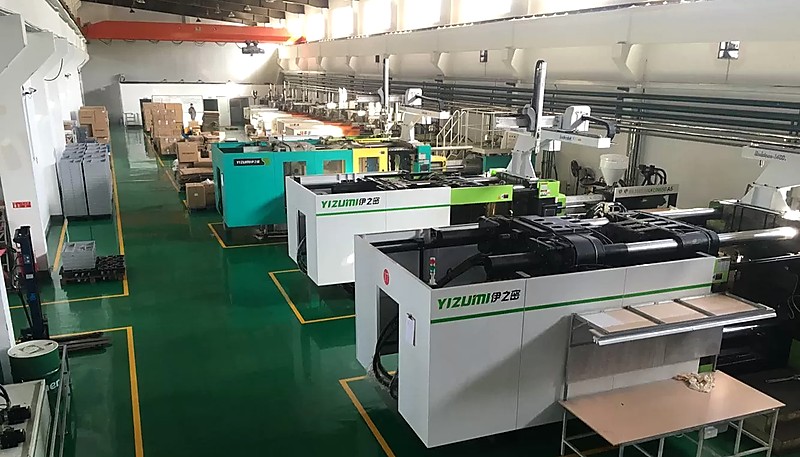
Alarmsignaal 3: geen verifieerbare referenties van internationale klanten. Elke leverancier beweert wereldwijd te exporteren. Vraag om concrete referenties: bedrijfsnamen, landen en projecttypen. Een leverancier die sinds 2013 exporteert, moet tientallen verifieerbare klantrelaties hebben. Kan hij geen enkele internationale klant noemen, dan beperkt zijn exportervaring zich mogelijk tot proeforders.
Alarmsignaal 4: ontbrekende of niet-verifieerbare certificaten. Dit kwam hierboven al aan bod, maar verdient herhaling: kan een leverancier geen certificaatnummers verstrekken die u online bij de certificerende instantie kunt verifiëren, beschouw het certificaat dan als ongeldig. Daarover valt niet te onderhandelen.
Alarmsignaal 5: onduidelijke uitbestedingsrelaties. Sommige leveranciers besteden kritieke processen uit, zoals gereedschapsbouw, nabewerkingen of zelfs het spuitgieten zelf, zonder dit te melden. Vraag rechtstreeks: ‘Welke processen worden intern uitgevoerd en welke worden uitbesteed?’ Breng de volledige toeleveringsketen van uw onderdelen in kaart.
Alarmsignaal 6: slechte communicatiepatronen. Als een leverancier tijdens het verkoopproces dagen nodig heeft om technische vragen te beantwoorden, terwijl hij juist indruk op u wil maken, wordt de communicatie na ondertekening alleen maar slechter. Een fabriek met meer dan 30 Engelssprekende projectmanagers kan doorgaans binnen 24 uur reageren. Zijn de reactietijden structureel lang, verwacht dan dat productieproblemen niet worden gemeld.
Hoe beschermt u uw intellectuele eigendom in China?
Bescherming van intellectueel eigendom is de zorg die we het vaakst van westerse kopers horen, en terecht. Het Chinese rechtskader voor intellectueel eigendom is de afgelopen tien jaar sterk verbeterd, maar de handhaving blijft inconsistent. Uw beschermingsstrategie moet proactief zijn, niet reactief.
Registreer uw intellectuele eigendom in China voordat u ontwerpen deelt. China hanteert een ‘first-to-file’-systeem: de partij die als eerste een octrooi of merk registreert, is doorgaans de eigenaar, ongeacht wie het heeft bedacht. Dien Chinese octrooi- en merkaanvragen in voordat u leveranciers benadert. Dat kost geld, maar veel minder dan procederen na een inbreuk.
Gebruik geheimhoudingsovereenkomsten (NDA’s) onder Chinese jurisdictie. Een standaard-NDA naar Amerikaans of Europees recht is in China vrijwel niet afdwingbaar. Gebruik een NNN-overeenkomst (Non-Disclosure, Non-Use, Non-Circumvention) naar Chinees recht, met bevoegdheid van een Chinese rechtbank. Deze overeenkomsten zijn specifiek bedoeld voor de Chinese productiecontext.
Compartimenteer informatie. Geef geen enkele leverancier uw volledige productontwerp. Verdeel de productie waar mogelijk over meerdere fabrieken. Laat bijvoorbeeld één leverancier de gespuitgiete behuizing maken en een andere de elektronica assembleren. Zo wordt het voor één leverancier aanzienlijk moeilijker om uw product na te maken.
Kies leveranciers met een aantoonbare staat van dienst op het gebied van IE. Een fabriek die sinds 2013 naar westerse markten exporteert en ISO 13485 voor de productie van medische hulpmiddelen bezit, heeft er groot belang bij de IE van klanten te beschermen: een klant in de medische sector verliezen door een IE-inbreuk zou rampzalig zijn voor het bedrijf.
Houd controle over het gereedschap. Leg in de productieovereenkomst expliciet vast dat u eigenaar bent van uw matrijzen. Bepaal dat gereedschappen zonder schriftelijke toestemming niet voor de productie van andere klanten mogen worden gebruikt. Bij ZetarMold worden de matrijzen van elke klant afzonderlijk opgeslagen en wordt de toegang geregistreerd, omdat diefstal of ongeoorloofd gebruik van matrijzen tot de meest voorkomende IE-inbreuken bij spuitgieten behoort.
IP-bescherming is geen enkele stap maar een gelaagde strategie. Hoe meer lagen u implementeert, hoe moeilijker het wordt voor een kwaadwillende om uw product te kopiëren.
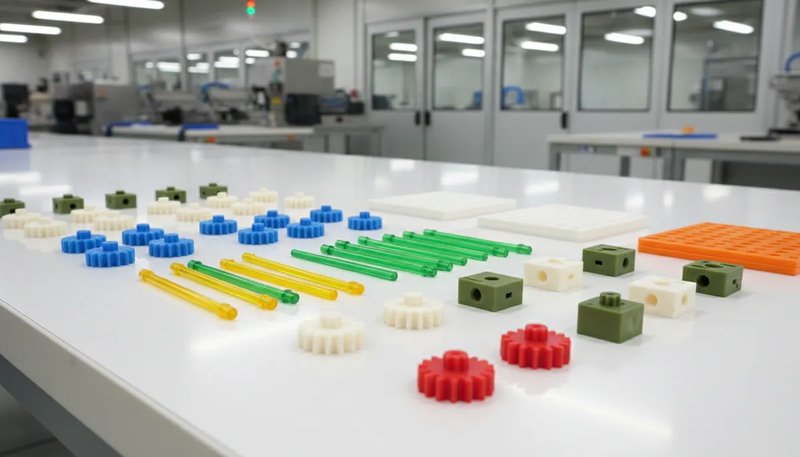
Welke vragen moet u stellen tijdens een fabrieksbezoek?
Tijdens een fabrieksbezoek stelt u gerichte vragen over vier gebieden: productiecapaciteit, kwaliteitssystemen, communicatiestructuur en financiële stabiliteit. De patronen in hun antwoorden onthullen meer dan welk certificaat aan de muur ook.
De juiste vragen maken een productieve fabriekbezoek anders dan een rondleiding. Neem deze lijst mee en eis antwoorden — geen sales pitches. Elke vraag hieronder is verfijnd door honderden echte audits van kopers bij onze Shanghai-faciliteit.
Vragen over productiecapaciteit: • Wat is uw maandelijkse capaciteit voor matrijzenbouw? (Een fabriek die meer dan 100 matrijzen per maand produceert, heeft een aanzienlijke capaciteit.) • Welk bereik aan sluitkrachten bestrijken uw machines? • Kunt u zowel microspuitgieten als grote onderdelen verwerken? • Wat is het maximale onderdeelgewicht? • Beschikt u over cleanroomcapaciteit voor medische onderdelen of onderdelen die met voedsel in contact komen? • Welk percentage van uw machines is momenteel bezet en wat is uw piekcapaciteit met overwerk?
"Een goed voorbereide vragenlijst voor een fabrieksbezoek moet productie, kwaliteit, communicatie en financiële stabiliteit evenwichtig behandelen."True
Alleen focussen op productiecapaciteit terwijl communicatiestructuur of financiële gezondheid wordt genegeerd, leidt tot onvolledige evaluaties. De beste leveranciersbeoordelingen balanceren alle vier dimensies.
"Te veel vragen stellen tijdens een fabrieksbezoek beledigt de leverancier en schaadt de zakelijke relatie."False
Professionele fabrikanten verwelkomen grondige vragen omdat ze de ernst van de koper tonen. Een leverancier die zich beledigd voelt door gedetailleerde vragen, verbergt waarschijnlijk iets.
Vragen over het kwaliteitssysteem: • Mag ik uw laatste drie afwijkingsrapporten en corrigerende maatregelen zien? • Hoe beheert u materiaalcertificering en traceerbaarheid? • Hoe inspecteert u binnenkomende grondstoffen: test u elke partij of vertrouwt u op analysecertificaten van leveranciers? • Laat mij de kalibratieregistraties van uw meetapparatuur zien. • Welk AQL-niveau gebruikt u voor de eindinspectie? • Hoe beheert u nabewerking en uitval, en wat is uw huidige uitvalpercentage voor onderdelen die op de mijne lijken?
Vragen over communicatie en projectmanagement: • Hoeveel Engelssprekende projectmanagers hebt u? • Wat is uw gebruikelijke reactietijd bij technische vragen? • Hoe communiceert u over productievertragingen of kwaliteitsproblemen: proactief of alleen wanneer ernaar wordt gevraagd? • Kan ik kennismaken met de projectmanager die mijn account zal beheren? • Welke projectmanagementtools gebruikt u om mijlpalen te volgen en de voortgang met klanten te delen? • Hoe vaak ontvang ik een update over de productiestatus?
Financiële en zakelijke vragen: • Hoe lang bestaat uw bedrijf? • Welk percentage van uw omzet komt uit export en welk percentage uit binnenlandse verkoop? • Kunt u bankreferenties verstrekken? • Welke betalingsvoorwaarden biedt u vaste klanten? • Hoe presteerde uw bedrijf tijdens de laatste verstoring van de toeleveringsketen: bent u uw leveringsverplichtingen nagekomen? • Hoe groot is de omzetconcentratie bij uw grootste klant en zijn er financiële afhankelijkheden die de continuïteit kunnen beïnvloeden?
Schrijf de antwoorden tijdens het bezoek op en vergelijk ze later tussen leveranciers. De patronen die naar voren komen — consistentie tussen beweringen en bewijs, specificiteit versus vaagheid, bereidheid om documentatie te tonen versus afleiding — zijn meer onthullend dan elk individueel antwoord.
Hoe Evalueert u Leveranciersprijzen Zonder In te Leveren op Kwaliteit?
Evalueer leveranciersprijzen door de totale kosten van bezit te vergelijken, niet alleen de stukprijs. Hier is een systematische aanpak:
| Kostencomponent | Wat moet worden geverifieerd | Typisch bereik (China) |
|---|---|---|
| Gereedschapskosten | Inclusief mouldontwerp, testen en revisies? Cavity-aantal gerechtvaardigd? | $3,000–$50,000+ afhankelijk van complexiteit |
| Deelprijs | Materiaalgraad gespecificeerd? Inclusief berekening van loper/afval? | Varieert per materiaal en volume |
| Materiaalkosten | Virgin of regrind? Certificaat van oorsprong beschikbaar? | 40–60% van de onderdeelkosten typisch |
| Secundaire bewerkingen | Montage, schilderen, galvaniseren — in-house of uitbesteed? | 10–30% van de totale projectkosten |
| Verzending en logistiek | FOB, CIF of DDP? Verpakkingsnormen? | 5–15% van de orderwaarde |
| Kwaliteitsinspectie | Inbegrepen of extra? AQL-niveau gespecificeerd? | 2–5% van de orderwaarde indien inbegrepen |
De belangrijkste inzicht: de goedkoopste offerte is bijna nooit de goedkoopste totale kosten. Een leverancier die 20% minder vraagt maar 30% meer nabewerking, langere levertijden en extra kwaliteitsinspectiekosten vereist, kost uiteindelijk meer. Total Cost of Ownership (TCO) zou uw beslissing moeten sturen, niet alleen de eenheidsprijs.
Vraag elke leverancier om een gespecificeerde offerte waarin materiaalkosten, verwerkingskosten, afschrijving van gereedschap en overheadkosten apart worden vermeld. Wanneer offertes meer dan 15% verschillen, weerspiegelt het verschil meestal verschillen in materiaalkwaliteit, procesbeheersing of verborgen onderaanneming — niet efficiëntie.
Onderhandel ten slotte betalingsvoorwaarden die de prikkels op één lijn brengen. Een veelgebruikte structuur: 30% aanbetaling bij order, 40% bij goedkeuring eerste artikel, 30% voor verzending. Vermijd leveranciers die 100% vooruitbetaling eisen — dit elimineert uw hefboom als kwaliteitsproblemen ontstaan.
Veelgestelde vragen
Hoe lang duurt een grondige due diligence-procedure voor een leverancier?
Een grondige due diligence-procedure duurt 2–4 weken, afhankelijk van de complexiteit van het project en de locatie van de leverancier. Deze tijdlijn omvat documentverificatie (3–5 werkdagen), plannen en uitvoeren van het fabrieksbezoek (1–2 weken inclusief reistijd), referentiechecks bij bestaande klanten (3–5 dagen) en een laatste evaluatie waarbij de geselecteerde leveranciers worden vergeleken. Het haasten met dit proces is de meest voorkomende fout die kopers maken — en consequent de duurste om achteraf te herstellen. Plan minimaal drie volledige weken om het goed en grondig uit te voeren. Deze gestructureerde tijdlijn zorgt voor een uitgebreide evaluatie zonder onnodige vertragingen in uw inkoopbeslissing.
Moet ik een inspectiebedrijf van een derde partij inhuren voor leveranciersaudits?
Voor nieuwe leveranciers is een audit door een derde partij een slimme investering die doorgaans €500–€2.000 kost, afhankelijk van de reikwijdte en locatie. Bedrijven zoals SGS, Bureau Veritas en TÜV Rheinland hebben auditors in China die precies weten waar ze op moeten letten en objectieve, gestandaardiseerde rapporten opstellen. Zodra u een werkrelatie heeft opgebouwd en de fabriek minimaal één keer heeft bezocht, kunt u audits door derden beperken tot jaarlijkse evaluaties. Veel kopers gebruiken audits door derden voor de eerste kwalificatie en voeren daarna hun eigen vervolgbezoeken uit. Deze relatief lage initiële kosten kunnen verliezen van tienduizenden dollars voorkomen.
Welke betalingsvoorwaarden zijn standaard voor Chinese spuitgietleveranciers?
Standaard betalingsvoorwaarden variëren van 30/40/30 (aanbetaling bij order, 40% bij goedkeuring eerste artikel, 30% voor verzending) tot 50/50 voor volledig nieuwe relaties. Gevestigde relaties met een bewezen staat van dienst van 12+ maanden consistente, tijdige orders kunnen in aanmerking komen voor netto-30 of netto-60 betalingsvoorwaarden. Betalingen voor gereedschap volgen meestal een apart schema: 50% bij plaatsing order en 50% bij goedkeuring T1-monster. Vermijd altijd leveranciers die 100% vooruitbetaling eisen. Deze betalingsstructuur beschermt beide partijen en zorgt voor afstemming gedurende het productieproces. Deze betalingsstructuur beschermt beide partijen en zorgt voor afstemming gedurende het productieproces.
Kan ik leveranciersreferenties vertrouwen die door de leverancier zelf worden verstrekt?
Gebruik door de leverancier verstrekte referenties als beginpunt voor uw beoordeling, niet als definitieve conclusie. Verifieer referenties altijd onafhankelijk via LinkedIn, contacten op vakbeurzen of uw eigen professionele netwerk in de sector. Stel elke referentie specifieke en gedetailleerde vragen: zouden zij deze leverancier zonder aarzeling opnieuw gebruiken? Hebben zij ooit een kwaliteitsprobleem gehad en hoe is dat opgelost? Wat is het grootste zwakke punt van de leverancier? De betrouwbaarste referenties komen van uw eigen contacten in de sector met directe ervaring. Vergelijk wat referenties u vertellen met wat u tijdens uw eigen fabrieksbezoek waarneemt.
Wat is de minimum orderhoeveelheid (MOQ) die ik kan verwachten van Chinese spuitgietleveranciers?
MOQ’s lopen sterk uiteen afhankelijk van de omvang, specialisatie en actuele capaciteitsbenutting van de leverancier. Grote fabrieken kunnen 5,000–10,000 stuks per productierun vereisen om machinetijd en instelkosten te rechtvaardigen, terwijl kleinere of flexibelere leveranciers voor eenvoudigere onderdelen orders van 500–1,000 stuks accepteren. Sommige leveranciers bieden ook speciale overbruggingsproductieruns voor productlanceringen. ZetarMold werkt zowel met prototypevolumes als met orders op productieschaal, omdat onze capaciteit van 47 machines een zeer flexibele planning mogelijk maakt. Deze flexibiliteit is bijzonder waardevol tijdens productlanceringen wanneer de vraagprognoses onzeker kunnen zijn.
Hoe controleer ik de opgegeven productiecapaciteit van een leverancier?
Vraag naar machinebenuttingspercentages, gedocumenteerde ploegenpatronen en maandelijkse productierecords voor onderdelen die vergelijkbaar zijn met de uwe in grootte, materiaal en complexiteitsniveau. Leg deze capaciteitsclaims naast de fysieke machinelijst: een fabriek met 47 spuitgietmachines die op twee ploegen draaien, kan theoretisch veel meer produceren dan een fabriek met 10 machines op één ploeg. Vraag screenshots van de productieplanning of printouts van het ERP-systeem als documentatie van de werkelijke capaciteit. Een legitieme, transparante leverancier moet zonder aarzeling de huidige planningen kunnen tonen. Een legitieme, transparante leverancier moet zonder aarzeling de huidige planningen kunnen tonen.
Wat gebeurt er als een Chinese leverancier niet aan een contract voldoet?
Het Chinese contractrecht biedt rechtsmiddelen voor schending van productieovereenkomsten, maar handhaving vereist dat het contract onder Chinees recht valt en onder de jurisdictie van een Chinese rechtbank. Internationale arbitrage via CIETAC of ICC is een optie maar duur en traag — zaken kunnen 12–18 maanden duren om opgelost te worden. Preventie is veel effectiever dan rechtszaken: grondige due diligence, betalingen op basis van mijlpalen en gefaseerde kwaliteitsinspecties beschermen uw investering beter. De kosten van preventie zijn altijd een fractie van de kosten van geschillenbeslechting achteraf. De kosten van preventie zijn altijd een fractie van de kosten van geschillenbeslechting achteraf.
In de fabriek van ZetarMold in Shanghai ondersteunen 47 spuitgietmachines van 90T tot 1850T leveranciersaudits voor gereedschappen, materialen, productiecapaciteit en kwaliteitscontrole. Ons team combineert 20+ jaar ervaring in spuitgieten en gereedschapsbouw met ervaring met 400+ kunststofmaterialen en systemen volgens ISO 9001, ISO 13485, ISO 14001 en ISO 45001, zodat kopers de capaciteiten kunnen verifiëren voordat zij productieorders plaatsen.
Ons team van 30+ Engelssprekende projectmanagers zorgt voor reactietijden ≤24 uur, en ons 6-fasen kwaliteitscontrolesysteem — van IQC tot OQC — is ontworpen om uw strengste audit te doorstaan.
Vraag een gratis offerte aan en laat ons aantonen waarom transparante fabrikanten de beste partners zijn.
National Enterprise Credit Information Publicity System: het National Enterprise Credit Information Publicity System is de officiële Chinese overheidsdatabase voor het verifiëren van de bedrijfsregistratie, eigendomssituatie en juridische status van ondernemingen. ↩
ISO 9001:2015-kwaliteitsmanagement: ISO 9001:2015-kwaliteitsmanagement is de internationale norm voor kwaliteitsmanagementsystemen en omvat procesbeheersing, documentatie en continue verbetering. ↩
ISO 13485 voor medische hulpmiddelen: ISO 13485 is een kwaliteitsmanagementnorm specifiek voor de productie van medische hulpmiddelen en vereist traceerbaarheid en risicomanagement. ↩