- Dokładna należyta staranność może zmniejszyć awarie projektów związane z dostawcami o 60-70% przy pozyskiwaniu części wtryskowych z Chin.
- Prawidłowy audyt fabryki obejmuje osiem filarów: wyposażenie, certyfikaty, systemy jakości, stabilność finansową, strukturę prawną, ochronę własności intelektualnej, moce produkcyjne i komunikację.
- Sygnały ostrzegawcze obejmują brak certyfikatów ISO, odmowę udostępnienia danych produkcyjnych oraz ceny niższe o ponad 30% od średniej rynkowej.
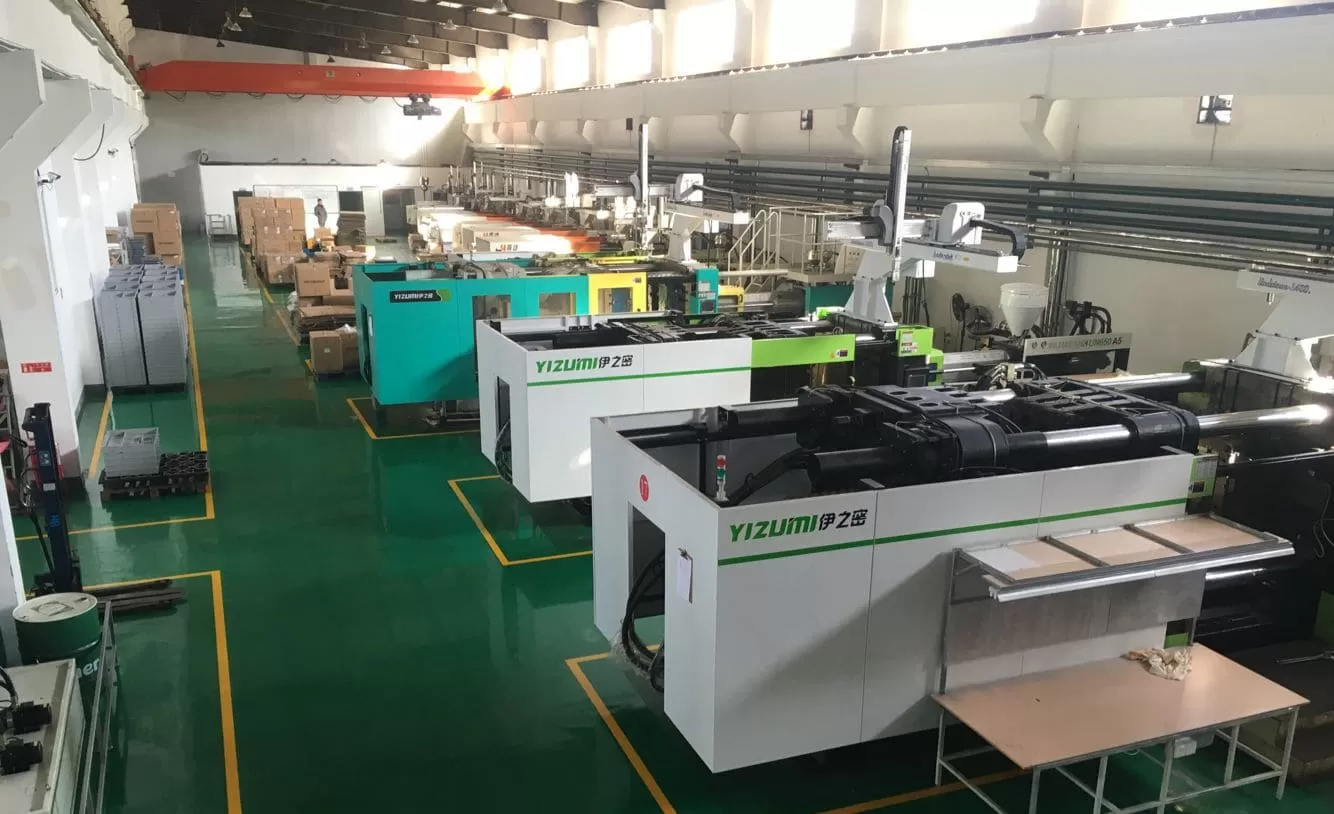
- ZetarMold działa z pełną przejrzystością ze swojej fabryki w Szanghaju, w tym 47 wtryskarek o sile zwarcia od 90T do 1850T, systemy ISO 9001 / ISO 13485 / ISO 14001 / ISO 45001 oraz ponad 20-letnie doświadczenie we wtrysku i narzędziownictwie.
Wybór dostawcy na podstawie przewodnika po pozyskiwaniu dostawców formowania wtryskowego bez przeprowadzenia należytej weryfikacji przypomina kupno domu bez inspekcji — kosztowne problemy ujawniają się dopiero po zawarciu transakcji. W ciągu dwóch dekad działalności produkcyjnej widzieliśmy nabywców tracących sześciocyfrowe zaliczki, otrzymujących części, których wymiary odbiegały od wymagań o 40%, oraz odkrywających, że ich „certyfikowany zgodnie z ISO” dostawca posługiwał się certyfikatem skopiowanym od innej firmy.
Ten przewodnik zawiera uporządkowaną listę kontrolną — ten sam schemat, który zalecamy potencjalnym klientom oceniającym ZetarMold — aby przed podpisaniem umowy można było odróżnić wiarygodnych partnerów od ryzykownych.
"Zażądanie licencji biznesowej dostawcy jest minimalnym pierwszym krokiem każdego procesu due diligence."True
Ważna licencja działalności potwierdza legalną rejestrację, kapitał zakładowy i zakres działalności. Choć sama nie wystarcza, jest niezbędnym punktem wyjścia — każda kolejna weryfikacja opiera się na tej podstawie.
"Licencja na działalność i strona internetowa wystarczą do zweryfikowania chińskiego dostawcy formowania wtryskowego."False
Licencja działalności potwierdza rejestrację prawną, lecz nie mówi nic o zdolnościach produkcyjnych, systemach jakości ani kondycji finansowej. Wiele spółek fasadowych posiada ważne licencje, zlecając wszystko niezweryfikowanym warsztatom.
Opisany poniżej proces należytej staranności nie jest teoretyczny. Wynika z bezpośredniego doświadczenia: od 2013 roku ZetarMold przeszedł audyty przeprowadzone przez ponad 200 międzynarodowych nabywców, a każdy audyt nauczył nas, czego rzeczywiście szukają oceniający — i co większość dostawców próbuje ukryć.
Przed przejściem do szczegółowej listy kontrolnej przedstawiamy ogólny przegląd ośmiu obszarów audytu, które należy uwzględnić:
Co należy zweryfikować przed wyborem chińskiego dostawcy formowania wtryskowego?
Pierwszym krokiem jest potwierdzenie, że dostawca rzeczywiście wytwarza deklarowane produkty. Około 30% „producentów” obecnych na platformie Alibaba i w katalogach targowych to firmy handlowe, które zlecają produkcję nieznanym fabrykom. Nie musi to być samo w sobie niekorzystne — trzeba jednak wiedzieć, kto faktycznie wytwarza części, ponieważ to rzeczywista fabryka decyduje o jakości, terminie realizacji i ryzyku dotyczącym własności intelektualnej.
Zacznij od tych podstawowych weryfikacji, zanim poświęcisz czas na wizytę w zakładzie:
1. Rejestracja i zakres działalności. Poproś o kopię licencji biznesowej (yingye zhizhao) i porównaj ją z zarejestrowanym zakresem działalności. Jeżeli w licencji widnieje „handel” (maoyi), a nie „produkcja” (zhizao), masz do czynienia z pośrednikiem. W Chinach ujednolicony kod kredytu społecznego podany w licencji można zweryfikować w Krajowym Systemie Informacji o Wiarygodności Przedsiębiorstw1 (Krajowym Systemie Informacji o Wiarygodności Przedsiębiorstw).
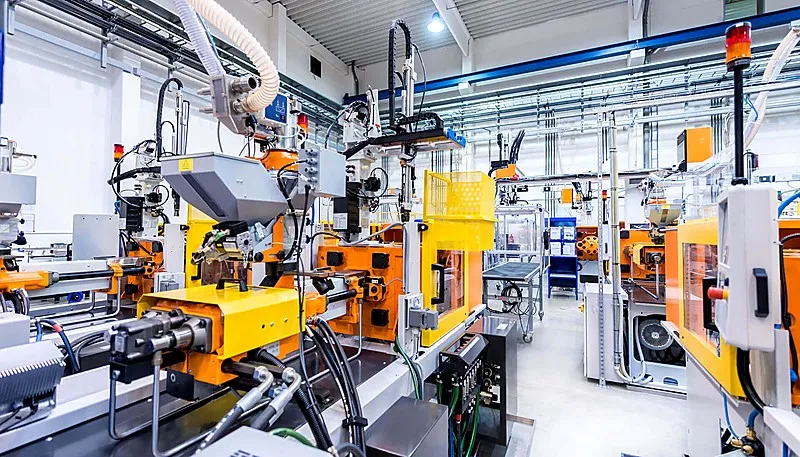
2. Własność i lokalizacja fabryki. Poproś o faktyczny adres fabryki, a nie biura sprzedaży. Sprawdź adres na zdjęciach satelitarnych Baidu Maps. Jeżeli prowadzi do budynku komercyjnego zamiast strefy przemysłowej, prawdopodobnie jest to firma handlowa. ZetarMold na przykład działa we własnym zakładzie produkcyjnym w Szanghaju, w którym narzędziownia dysponuje 23 urządzeniami specjalistycznymi.
"Fizyczna lokalizacja fabryki dostawcy powinna być możliwa do zweryfikowania w satelitarnych serwisach mapowych."True
Legalnie działający producenci w Chinach mają zakłady w strefach przemysłowych widocznych na Baidu Maps lub Google Earth. Jeśli zarejestrowany adres wskazuje dzielnicę mieszkaniową lub handlową, niemal na pewno jest to firma handlowa.
"Firmy handlowe zawsze zapewniają niższą jakość niż bezpośredni producenci."False
Niektóre firmy handlowe utrzymują ścisły nadzór jakościowy, współpracując ze sprawdzonymi fabrykami. Ryzykiem jest przejrzystość: nie można audytować tego, czego nie widać. Jeśli korzystasz z firmy handlowej, nalegaj na ujawnienie rzeczywistego zakładu produkcyjnego i przeprowadź jego bezpośredni audyt.
3. Park maszynowy. Poproś o wykaz maszyn zawierający markę, model, siłę zwarcia i rok produkcji. Dostawca dysponujący 47 maszynami o sile zwarcia od 90T do 1850T może wytwarzać zarówno mikroczęści, jak i duże elementy samochodowe. Porównaj to z dostawcą deklarującym „ponad 100 maszyn”, który nie potrafi przedstawić konkretnego wykazu — to sygnał ostrzegawczy.
4. Stabilność finansowa. Poproś o najnowsze potwierdzenia zapłaty podatków lub referencje bankowe. Dostawcy na skraju upadłości mogą oszczędzać na materiałach, opóźniać wysyłki lub zniknąć z zaliczkami. Szacuje się, że tylko w 2024 roku zamknięto ponad 5000 małych chińskich zakładów produkcyjnych, pozostawiając wielu zagranicznych nabywców z niedokończonymi zamówieniami.
Jakie kluczowe dokumenty weryfikacyjne należy zażądać?
Przed podjęciem współpracy z dostawcą należy poprosić o następujące dokumenty: licencję na prowadzenie działalności (Business License, yingye zhizhao), certyfikat kodu organizacji, zaświadczenie o rejestracji podatkowej, certyfikaty ISO — weryfikowane na stronie jednostki certyfikującej, a nie wyłącznie na podstawie kopii dostawcy — oraz licencję eksportową. Certyfikaty ISO należy sprawdzić w internetowym portalu weryfikacyjnym jednostki wydającej, ponieważ fałszowanie certyfikatów nadal stanowi realny problem.
W przypadku ZetarMold certyfikaty ISO 9001:2015 System Zarządzania Jakością2, ISO 13485 Wyroby Medyczne3, ISO 14001 (zarządzanie środowiskowe) i ISO 45001 (bezpieczeństwo i higiena pracy) można zweryfikować w odpowiednich jednostkach certyfikujących. Na żądanie przedstawiamy oryginały certyfikatów, ponieważ znamy nabywców poszkodowanych wskutek użycia fałszywych dokumentów.
Poproś również o schemat organizacyjny firmy przedstawiający działy i liczbę pracowników. Fabryka zatrudniająca ponad 120 pracowników produkcyjnych, 8 starszych inżynierów i dedykowany 10-osobowy zespół kontroli jakości świadczy o poważnej działalności produkcyjnej. Firma, która nie potrafi przedstawić czytelnego schematu organizacyjnego, prawdopodobnie ukrywa słabości strukturalne.
Na koniec sprawdź historię eksportową dostawcy. Firmy eksportujące od 2013 roku lub wcześniej mają doświadczenie w transporcie międzynarodowym, dokumentacji celnej i protokołach komunikacyjnych, którego brakuje nowszym eksporterom. ZetarMold koncentruje się na działalności zagranicznej od utworzenia naszego działu międzynarodowego w 2013 roku.
Wszystkie te dokumenty należy przechowywać w dokumentacji badania due diligence. Będą potrzebne podczas negocjacji umowy i przyszłych audytów.
Jak przeprowadzić audyt chińskiej fabryki formowania wtryskowego?
Audyt chińskiej fabryki to pięć kroków: przegląd dokumentacji, obchód hali, ocena kontroli jakości, sprawdzenie sprzętu i ocena form.
Krok 1: przegląd dokumentów przed audytem. Przed wizytą poproś o wszystkie certyfikaty, schematy przepływu procesów, księgi jakości i najnowsze raporty z kontroli oraz je przeanalizuj. Pozwoli to zaoszczędzić czas podczas wizyty i pokaże, że jesteś poważnym nabywcą.
Krok 2: obchód hali produkcyjnej. Przejdź całą linię formowania wtryskowego, od przyjęcia materiału po końcowe pakowanie. Sprawdź stan maszyn, porządek oraz to, czy operatorzy przestrzegają udokumentowanych procedur. Zwróć uwagę na organizację oprzyrządowania — dobrze zarządzana fabryka systematycznie oznacza i przechowuje formy.
Nasz system jakości jest wspierany przez ponad 10 dedykowanych specjalistów ds. kontroli jakości działających w ramach certyfikatów ISO 9001, ISO 13485, ISO 14001 i ISO 45001. Prowadzimy kompletne ślady dokumentacyjne, które audytorzy mogą przejrzeć na miejscu.
Krok 3: ocena systemu kontroli jakości. Zweryfikuj cały proces kontroli jakości. Solidny system obejmuje sześć etapów: kontrolę jakości dostaw (IQC), kontrolę próbek w toku procesu, kontrolę procesu, kontrolę pakowania i montażu, końcową kontrolę jakości (FQC) oraz kontrolę jakości wyrobów wychodzących (OQC). Poproś o najnowsze protokoły kontroli i informacje o sposobie postępowania z niezgodnościami.
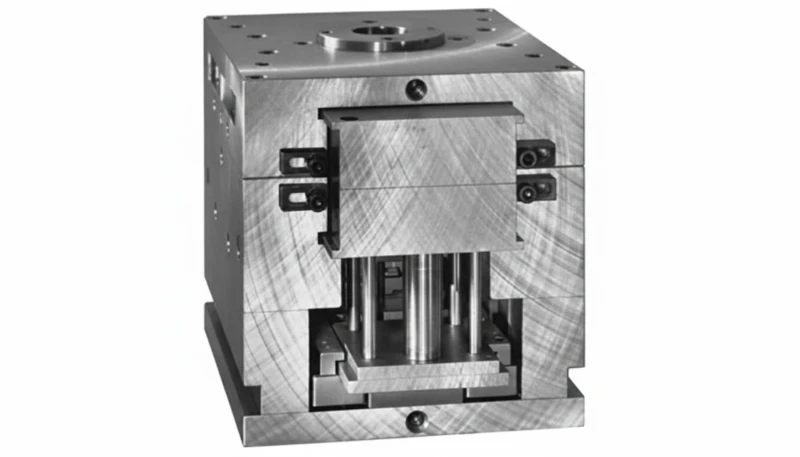
W zakładzie ZetarMold w Szanghaju pracuje 47 wtryskarek o sile zwarcia od 90 T do 1850 T. Podczas audytu można zweryfikować markę, siłę zwarcia i rok produkcji każdej maszyny na podstawie naszego wykazu wyposażenia — dokładnie takiej przejrzystości wymaga ten etap.
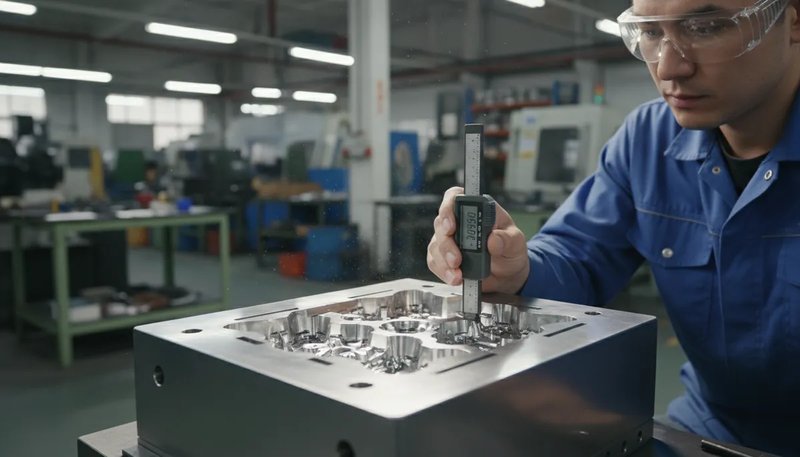
Krok 4: weryfikacja możliwości sprzętowych. Potwierdź, że park maszynowy odpowiada deklaracjom. Przykładowo fabryka z maszynami o sile zwarcia od 90T do 1850T może wytwarzać części od niewielkich elementów medycznych po duże obudowy samochodowe. Sprawdź protokoły kalibracji urządzeń pomiarowych — współrzędnościowe maszyny pomiarowe, projektory profilowe, twardościomierze i sprawdziany powinny mieć aktualne etykiety kalibracyjne.
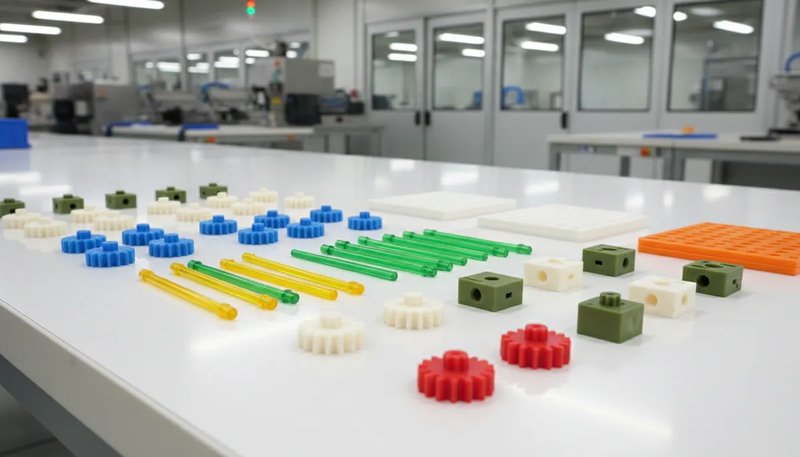
Krok 5: ocena zdolności wykonywania form. Jeżeli projekt wymaga niestandardowego oprzyrządowania, oceń narzędziownię. Fabryka wykonująca formy we własnym zakresie — dysponująca centrami obróbczymi CNC, maszynami EDM, wycinarkami drutowymi, precyzyjnymi grawerkami i szlifierkami — zapewnia szybsze cykle iteracji i lepszą kontrolę jakości formy wtryskowej niż w przypadku zlecania oprzyrządowania na zewnątrz.
Podczas wizyty zwróć uwagę na czynniki niematerialne: czy operatorzy noszą właściwe środki ochrony? Czy hala jest czysta i uporządkowana? Czy pracownicy są zaangażowani, czy tylko mechanicznie wykonują obowiązki? Te obserwacje mówią więcej o kulturze fabryki niż jakikolwiek certyfikat na ścianie.
Jakie certyfikaty musi posiadać wiarygodny dostawca?
Certyfikaty są wymaganiem podstawowym, a nie wyróżnikiem. Każdy rozważany dostawca usług formowania wtryskowego powinien posiadać co najmniej certyfikat ISO 9001:2015. Jeśli produkty są przeznaczone do zastosowań medycznych, motoryzacyjnych lub kontaktu z żywnością, dodatkowe certyfikaty stają się obowiązkowe. Certyfikaty należy traktować jako minimalny warunek wejścia — dowodzą, że dostawca zainwestował w systematyczne procesy, ale nie gwarantują, że procesy te stale zapewniają dobre detale.
Poniżej przedstawiono najważniejsze certyfikaty i to, co rzeczywiście potwierdzają:
| Certyfikacja | Co obejmuje | Gdy wymagane |
|---|---|---|
| ISO 9001:2015 | System zarządzania jakością — kontrola procesu, dokumentacja, ciągłe doskonalenie | Wszyscy dostawcy (wartość bazowa) |
| ISO 13485 | Zarządzanie jakością wyrobów medycznych — identyfikowalność, zarządzanie ryzykiem, produkcja sterylna | Zastosowania medyczne / farmaceutyczne |
| ISO 14001 | System zarządzania środowiskowego — gospodarowanie odpadami, emisje, efektywność wykorzystania zasobów | Coraz częściej wymagane przez zachodnich kupujących |
| ISO 45001 | Bezpieczeństwo i higiena pracy — ochrona pracowników, identyfikacja zagrożeń | Wymagane przez niektórych producentów OEM z branży motoryzacyjnej |
| IATF 16949 | Zarządzanie jakością w motoryzacji — APQP, PPAP, FMEA, SPC, MSA | Dostawcy motoryzacyjni tier-1/tier-2 |
Najważniejsza kwestia: same dokumenty certyfikacyjne nie wystarczą. Zawsze weryfikuj je w internetowej bazie jednostki wydającej. Chiński rynek certyfikacji znacznie się poprawił, lecz nadal występują podrobione i wygasłe certyfikaty. Spotkaliśmy przypadki, w których certyfikat ISO dostawcy należał do zupełnie innego przedsiębiorstwa.
Poza certyfikatami należy zapytać o dojrzałość systemu zarządzania jakością. Czy stosują statystyczne sterowanie procesem (SPC) do monitorowania krytycznych wymiarów w czasie rzeczywistym? Czy prowadzą dokumentację PPAP dla klientów motoryzacyjnych, w tym diagramy przepływu procesu, plany kontroli i analizę systemu pomiarowego? Czy mogą zapewnić pełną identyfikowalność od numerów partii surowca, przez parametry przetwarzania, aż po gotowe części? Fabryka, która potrafi odpowiedzieć twierdząco na te pytania, wyszła poza formalne odhaczanie wymagań i zbudowała rzeczywistą kulturę jakości. Podczas naszych audytów w ZetarMold zauważyliśmy, że kupujący zadający te konkretne pytania zwykle stają się najbardziej zadowolonymi partnerami długoterminowymi — ponieważ wybrali dostawcę, którego systemy jakości odpowiadają ich rzeczywistym wymaganiom, a nie tylko minimalnej liście kontrolnej.
Praktyczna wskazówka: podczas wizyty w zakładzie miej ze sobą URL strony jednostki certyfikującej do weryfikacji. Poproś dostawcę, aby w czasie rzeczywistym odszukał swój certyfikat w portalu jednostki wydającej. Jeżeli nie potrafi tego zrobić lub dane certyfikatu nie odpowiadają wcześniej przedstawionym informacjom, odpowiedź jest jasna. Ta pięciominutowa kontrola uchroniła wielu znanych nam nabywców przed wyborem dostawców z podrobionymi lub wygasłymi certyfikatami.
"Dostawcy obsługujący rynek wyrobów medycznych muszą posiadać certyfikat ISO 13485."True
ISO 13485 jest uznawaną na całym świecie normą zarządzania jakością wyrobów medycznych. Jeśli dostawca nie może przedstawić aktualnego certyfikatu ISO 13485 zweryfikowanego przez jednostkę wydającą, na większości rynków regulowanych nie może legalnie produkować komponentów wyrobów medycznych.
"Certyfikat ISO 9001 gwarantuje, że produkty dostawcy spełniają specyfikacje jakościowe."False
ISO 9001 potwierdza istnienie systemu zarządzania jakością, a nie zgodność każdego produktu ze specyfikacją. Jest to norma procesowa, nie produktowa. Nadal potrzebne są kontrola wejściowa i walidacja procesu.
Jakie sygnały ostrzegawcze należy sprawdzić przy weryfikacji dostawców formowania wtryskowego?
Sześć czerwonych flag ujawnia ryzykownych dostawców: niskie ceny, odmowa audytów, brak referencji, fałszywe certyfikaty, ukryte podwykonawstwo i powolna komunikacja.
Sygnał ostrzegawczy nr 1: cena niższa o ponad 30% od średniej rynkowej. Zrównoważona produkcja ma minimalny poziom kosztów. Jeżeli dostawca podaje ceny znacznie niższe od konkurencji, gdzieś idzie na skróty — używa tańszych materiałów, pomija etapy kontroli jakości lub planuje renegocjować cenę, gdy już się z nim zwiążesz. Widzieliśmy oferty tak niskie, że sam koszt surowca przekraczał podaną cenę części.
Sygnał ostrzegawczy nr 2: niechęć do umożliwienia wizyty lub audytu w fabryce. Rzetelny producent chce pokazać swój zakład. Jeżeli dostawca szuka wymówek — „fabryka jest w remoncie”, „wizyty zakłócają produkcję” albo „zamiast tego możemy pokazać zdjęcia” — coś ukrywa. ZetarMold chętnie przyjmuje audyty na miejscu, ponieważ przejrzystość buduje zaufanie.
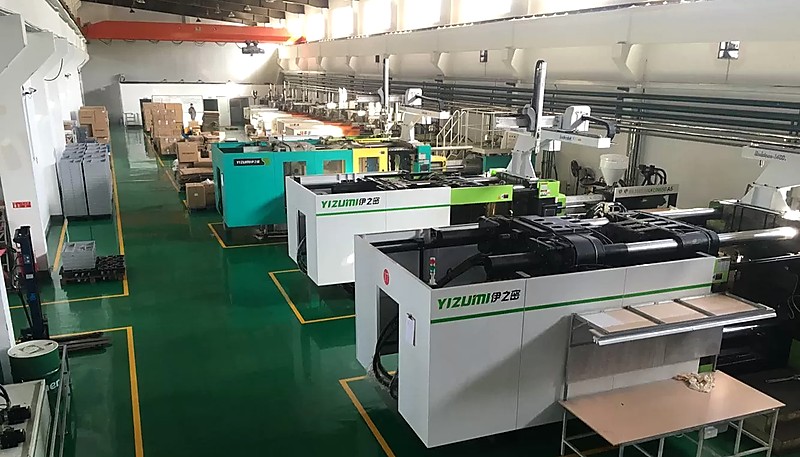
Sygnał ostrzegawczy nr 3: brak możliwych do zweryfikowania referencji od klientów zagranicznych. Każdy dostawca twierdzi, że eksportuje na cały świat. Poproś o konkretne referencje — nazwy firm, kraje i rodzaje projektów. Dostawca eksportujący od 2013 roku powinien mieć dziesiątki możliwych do zweryfikowania relacji z klientami. Jeżeli nie potrafi wskazać ani jednego klienta zagranicznego, jego doświadczenie eksportowe może ograniczać się do zamówień próbnych.
Sygnał ostrzegawczy nr 4: brakujące lub niemożliwe do zweryfikowania certyfikaty. Omówiliśmy to wyżej, ale warto powtórzyć: jeżeli dostawca nie może podać numerów certyfikatów, które da się zweryfikować online w jednostce wydającej, uznaj certyfikat za nieważny. Nie ma tu miejsca na kompromis.
Sygnał ostrzegawczy nr 5: niejasne relacje z podwykonawcami. Niektórzy dostawcy bez ujawniania tego faktu zlecają na zewnątrz kluczowe procesy, takie jak wykonanie oprzyrządowania, operacje wtórne, a nawet samo formowanie wtryskowe. Zapytaj wprost: „Które procesy wykonujecie we własnym zakresie, a które zlecacie podwykonawcom?”. Sporządź mapę całego łańcucha dostaw swoich części.
Sygnał ostrzegawczy nr 6: słaba komunikacja. Jeżeli podczas sprzedaży — gdy dostawcy zależy, aby zrobić na Tobie dobre wrażenie — odpowiedź na pytania techniczne zajmuje mu kilka dni, po podpisaniu umowy komunikacja będzie tylko gorsza. Fabryka zatrudniająca ponad 30 anglojęzycznych kierowników projektów zazwyczaj odpowiada w ciągu 24 godzin. Jeżeli odpowiedzi są stale opóźnione, spodziewaj się, że problemy produkcyjne nie będą zgłaszane.
Jak chronić własność intelektualną w Chinach?
Ochrona własności intelektualnej to kwestia, o której najczęściej mówią nam nabywcy z krajów zachodnich — i nie bez powodu. Chińskie ramy prawne w tym zakresie znacznie się poprawiły w ciągu ostatniej dekady, ale egzekwowanie przepisów pozostaje niejednolite. Strategia ochrony musi mieć charakter proaktywny, a nie reaktywny.
Zarejestruj własność intelektualną w Chinach przed udostępnieniem projektów. W Chinach obowiązuje zasada „kto pierwszy zgłosi”, co oznacza, że patent lub znak towarowy co do zasady należy do pierwszego zgłaszającego — niezależnie od tego, kto go stworzył. Zgłoś chińskie patenty i znaki towarowe przed rozpoczęciem współpracy z dostawcami. To kosztuje, ale znacznie mniej niż proces sądowy po naruszeniu praw.
Stosuj umowy o zachowaniu poufności (NDA) podlegające chińskiej jurysdykcji. Standardowa umowa NDA podlegająca prawu USA lub UE jest w Chinach niemal niemożliwa do wyegzekwowania. Zastosuj umowę NNN (o nieujawnianiu, niewykorzystywaniu i nieobchodzeniu), sporządzoną zgodnie z prawem chińskim i poddaną jurysdykcji chińskiego sądu. Umowy te opracowano specjalnie z myślą o realiach produkcji w Chinach.
Wprowadź podział informacji. Nie przekazuj żadnemu pojedynczemu dostawcy kompletnego projektu produktu. Gdy to możliwe, rozdziel produkcję między kilka fabryk. Przykładowo jeden dostawca może wytwarzać obudowę metodą wtrysku, a inny montować elektronikę. Znacznie utrudnia to pojedynczemu dostawcy skopiowanie produktu.
Wybieraj dostawców o potwierdzonych osiągnięciach w ochronie własności intelektualnej. Fabryka, która od 2013 roku eksportuje na rynki zachodnie i posiada certyfikat ISO 13485 w zakresie produkcji wyrobów medycznych, ma silną motywację do ochrony własności intelektualnej klientów — utrata klienta z branży medycznej z powodu naruszenia praw byłaby katastrofalna dla jej działalności.
Kontroluj oprzyrządowanie. W umowie produkcyjnej jednoznacznie zastrzeż własność form. Określ, że bez pisemnej zgody nie wolno używać narzędzi do produkcji dla innych klientów. W ZetarMold formy każdego klienta są przechowywane oddzielnie, a dostęp do nich jest rejestrowany — ponieważ kradzież form lub ich nieuprawnione wykorzystanie należy do najczęstszych naruszeń własności intelektualnej w formowaniu wtryskowym.
Ochrona własności intelektualnej nie jest pojedynczym działaniem, lecz strategią wielowarstwową. Im więcej warstw wdrożysz, tym trudniej nieuczciwemu podmiotowi skopiować Twój produkt.
Jakie pytania należy zadać podczas wizyty w fabryce?
Podczas wizyty w fabryce zadawaj ukierunkowane pytania w czterech obszarach: zdolności produkcyjne, systemy jakości, struktura komunikacji i stabilność finansowa. Wzorce w ich odpowiedziach ujawniają więcej niż jakikolwiek certyfikat na ścianie.
Właściwe pytania odróżniają produktywną wizytę w fabryce od oprowadzania. Zabierz tę listę i nalegaj na odpowiedzi — nie na prezentacje sprzedażowe. Każde poniższe pytanie dopracowano podczas setek rzeczywistych audytów nabywców w naszym zakładzie w Szanghaju.
Pytania dotyczące zdolności produkcyjnych: • Jaka jest miesięczna zdolność wykonywania form? (Fabryka wytwarzająca ponad 100 form miesięcznie ma znaczące moce produkcyjne). • Jaki zakres siły zwarcia obejmują Wasze maszyny? • Czy obsługujecie zarówno mikrowtrysk, jak i formowanie dużych części? • Jaka jest maksymalna masa wytwarzanej części? • Czy dysponujecie pomieszczeniem czystym do części medycznych lub przeznaczonych do kontaktu z żywnością? • Jaki jest obecny poziom wykorzystania maszyn i jaka jest maksymalna wydajność przy pracy w nadgodzinach?
"Dobrze przygotowana lista pytań na wizytę w fabryce powinna w równym stopniu obejmować produkcję, jakość, komunikację i stabilność finansową."True
Skupianie się wyłącznie na zdolnościach produkcyjnych przy ignorowaniu struktury komunikacji lub kondycji finansowej prowadzi do niepełnych ocen. Najlepsze oceny dostawców równoważą wszystkie cztery wymiary.
"Zadawanie zbyt wielu pytań podczas wizyty w fabryce urazi dostawcę i zaszkodzi relacjom biznesowym."False
Profesjonalni producenci witają szczegółowe pytania, ponieważ świadczą one o poważnym podejściu kupującego. Dostawca, którego urażają szczegółowe pytania, prawdopodobnie coś ukrywa.
Pytania dotyczące systemu jakości: • Czy mogę zobaczyć trzy ostatnie raporty niezgodności i działania korygujące? • Jak zarządzacie certyfikacją i identyfikowalnością materiałów? • Jak wygląda kontrola wejściowa surowców — badacie każdą partię czy polegacie na świadectwach analizy dostawcy? • Proszę pokazać protokoły kalibracji urządzeń pomiarowych. • Jaki poziom AQL stosujecie podczas kontroli końcowej? • Jak zarządzacie przeróbkami i brakami oraz jaki jest obecny wskaźnik braków dla części podobnych do moich?
Pytania dotyczące komunikacji i zarządzania projektem: • Ilu macie anglojęzycznych kierowników projektów? • Jaki jest typowy czas odpowiedzi na zapytania techniczne? • Jak informujecie o opóźnieniach produkcji lub problemach z jakością — z własnej inicjatywy czy dopiero na żądanie? • Czy mogę poznać kierownika projektu, który będzie prowadził moje konto? • Jakich narzędzi do zarządzania projektami używacie do śledzenia kamieni milowych i udostępniania klientom informacji o postępach? • Jak często będę otrzymywać aktualizacje statusu produkcji?
Pytania finansowe i biznesowe: • Od jak dawna działacie? • Jaki procent przychodów pochodzi z eksportu, a jaki ze sprzedaży krajowej? • Czy możecie przedstawić referencje bankowe? • Jakie warunki płatności oferujecie stałym klientom? • Jak firma poradziła sobie podczas ostatnich zakłóceń łańcucha dostaw — czy dotrzymaliście zobowiązań dostawczych? • Jaki jest udział największego klienta w przychodach i czy istnieją zależności finansowe, które mogłyby zagrozić ciągłości działania?
Zapisuj odpowiedzi podczas wizyty, a następnie porównaj je między dostawcami. Ujawniające się wzorce — zgodność deklaracji z dowodami, konkretność zamiast ogólników, gotowość do pokazania dokumentacji zamiast unikania tematu — mówią więcej niż pojedyncza odpowiedź.
Jak ocenić ceny dostawców bez poświęcania jakości?
Oceń ceny dostawcy, porównując całkowity koszt posiadania, a nie tylko cenę jednostkową. Oto systematyczne podejście:
| Składnik kosztu | Jeśli część jest jeszcze w fazie wczesnej walidacji, sprawdź, czy dostawca może zapewnić wtrysk na małą skalę przed pełną produkcją. Ta opcja zmniejsza ryzyko, gdy potrzebujesz części pilotażowych do testów, opinii z rynku lub stopniowej akceptacji przed zainwestowaniem w większe produkcje. | Typowy zakres (Chiny) |
|---|---|---|
| Koszt oprzyrządowania | Czy obejmuje projekt formy, próby i poprawki? Czy liczba gniazd jest uzasadniona? | $3,000–$50,000+ zależnie od złożoności |
| Cena detalu | Czy określono gatunek materiału? Czy uwzględniono obliczenie kanałów i odpadów? | Zależy od materiału i wolumenu |
| Koszt materiału | Materiał pierwotny czy przemiał? Czy jest dostępne świadectwo pochodzenia? | Zwykle 40–60% kosztu części |
| Operacje dodatkowe | Montaż, malowanie i galwanizacja — we własnym zakładzie czy u podwykonawcy? | 10–30% całkowitego kosztu projektu |
| Wysyłka i logistyka | FOB, CIF czy DDP? Jakie standardy opakowań? | 5–15% wartości zamówienia |
| Kontrola jakości | W cenie czy dodatkowo? Określono poziom AQL? | 2–5% wartości zamówienia, jeśli uwzględniono |
Najważniejszy wniosek: najtańsza oferta niemal nigdy nie daje najniższego kosztu całkowitego. Dostawca tańszy o 20%, lecz wymagający 30% więcej poprawek, dłuższych terminów i dodatkowych kontroli, kosztuje ostatecznie więcej. Decyzję powinien określać całkowity koszt posiadania (TCO), a nie sama cena jednostkowa.
Poproś każdego dostawcę o szczegółową wycenę z osobno podanym kosztem materiału, przetwarzania, amortyzacji oprzyrządowania i kosztami ogólnymi. Gdy wyceny różnią się o więcej niż 15%, rozbieżność zwykle wynika z różnic w gatunku materiału, kontroli procesu lub ukrytego podwykonawstwa — nie z wydajności.
Na koniec wynegocjuj warunki płatności wyrównujące motywacje stron. Typowa struktura to: 30% zaliczki przy zamówieniu, 40% po zatwierdzeniu pierwszej sztuki i 30% przed wysyłką. Unikaj dostawców żądających 100% przedpłaty — pozbawia Cię to możliwości nacisku w razie problemów jakościowych.
Często zadawane pytania
Jak długo trwa prawidłowy proces due diligence dostawcy?
Kompleksowy proces due diligence trwa 2–4 tygodnie, w zależności od złożoności projektu i lokalizacji dostawcy. Ten harmonogram obejmuje weryfikację dokumentów (3–5 dni roboczych), planowanie i przeprowadzenie wizyty w fabryce (1–2 tygodnie, wliczając podróż), sprawdzenie referencji u obecnych klientów (3–5 dni) oraz ostateczną ocenę porównującą wybranych dostawców. Przyspieszanie tego procesu to najczęstszy błąd popełniany przez kupujących — i konsekwentnie najdroższy do naprawienia po fakcie. Zaplanuj co najmniej trzy pełne tygodnie, aby zrobić to prawidłowo i dokładnie. Ten ustrukturyzowany harmonogram zapewnia kompleksową ocenę bez niepotrzebnych opóźnień w decyzji dotyczącej zaopatrzenia.
Czy do audytu dostawcy należy zatrudnić zewnętrzną firmę kontrolną?
W przypadku dostawców współpracujących po raz pierwszy audyt strony trzeciej to mądra inwestycja, która zazwyczaj kosztuje 500–2000 USD, w zależności od zakresu i lokalizacji. Firmy takie jak SGS, Bureau Veritas i TÜV Rheinland mają audytorów w Chinach, którzy dokładnie wiedzą, na co zwrócić uwagę i dostarczają obiektywne, ustandaryzowane raporty. Gdy już nawiążesz relację roboczą i odwiedzisz fabrykę przynajmniej raz, ogranicz audyty stron trzecich do corocznych przeglądów. Wielu kupujących korzysta z audytów stron trzecich do wstępnej kwalifikacji, a następnie przeprowadza własne wizyty kontrolne. Ten stosunkowo niewielki koszt początkowy może zapobiec stratom wartym dziesiątki tysięcy dolarów.
Jakie warunki płatności są standardem u chińskich dostawców usług formowania wtryskowego?
Standardowe warunki płatności wahają się od 30/40/30 (zaliczka przy zamówieniu, 40% po zatwierdzeniu pierwszej sztuki, 30% przed wysyłką) do 50/50 dla całkowicie nowych relacji. Utrwalone relacje ze sprawdzonym, 12-miesięcznym lub dłuższym stażem konsekwentnych, terminowych zamówień mogą kwalifikować się do warunków płatności netto-30 lub netto-60. Płatności za narzędzia zazwyczaj mają osobny harmonogram: 50% przy złożeniu zamówienia i 50% po zatwierdzeniu próbki T1. Zawsze unikaj dostawców żądających 100% płatności z góry. Ta struktura płatności chroni obie strony i zapewnia zgodność przez cały proces produkcyjny. Ta struktura płatności chroni obie strony i zapewnia zgodność przez cały proces produkcyjny.
Czy można ufać referencjom dostawcy przekazanym przez niego samego?
Referencje przedstawione przez dostawcę należy traktować jako punkt wyjścia do oceny, a nie jej ostateczny wynik. Zawsze trzeba je niezależnie zweryfikować za pośrednictwem LinkedIn, kontaktów z targów branżowych lub własnej sieci zawodowej. Każdej osobie udzielającej referencji warto zadać konkretne, szczegółowe pytania: czy bez wahania ponownie wybrałaby tego dostawcę? Czy wystąpiły kiedykolwiek problemy jakościowe, a jeśli tak, w jaki sposób je rozwiązano? Jaka jest największa słabość dostawcy? Najbardziej wiarygodne referencje pochodzą od własnych kontaktów branżowych mających bezpośrednie doświadczenie. Uzyskane informacje należy porównać z obserwacjami poczynionymi podczas osobistej wizyty w zakładzie.
Jakiej minimalnej wielkości zamówienia (MOQ) należy oczekiwać od chińskich dostawców formowania wtryskowego?
Minimalne wielkości zamówienia (MOQ) znacznie się różnią w zależności od wielkości dostawcy, jego specjalizacji i aktualnego wykorzystania mocy produkcyjnych. Duże zakłady mogą wymagać 5 000–10 000 sztuk na serię produkcyjną, aby uzasadnić czas pracy maszyny i koszty przezbrojenia, natomiast mniejsi lub bardziej elastyczni dostawcy przyjmują zamówienia na 500–1 000 sztuk prostszych części. Niektórzy dostawcy oferują również serie pomostowe przeznaczone specjalnie na potrzeby wprowadzania produktów na rynek. ZetarMold obsługuje zarówno wolumeny prototypowe, jak i zamówienia w skali produkcyjnej, ponieważ park 47 maszyn pozwala nam bardzo elastycznie planować produkcję. Ta elastyczność jest szczególnie cenna podczas wprowadzania produktu na rynek, gdy prognozy popytu mogą być niepewne.
Jak zweryfikować deklarowaną zdolność produkcyjną dostawcy?
Poproś o wskaźniki wykorzystania maszyn, udokumentowane wzorce zmianowe oraz miesięczne zapisy produkcji dla części podobnych do twoich pod względem rozmiaru, materiału i poziomu złożoności. Skonfrontuj te deklaracje dotyczące mocy produkcyjnej z fizyczną listą maszyn: fabryka z 47 maszynami do wtrysku tworzyw sztucznych pracującymi na dwie zmiany może teoretycznie wyprodukować znacznie więcej niż ta z 10 maszynami na jednej zmianie. Poproś o zrzuty ekranu z planowania produkcji lub wydruki z systemu ERP jako dokumentację rzeczywistej zdolności produkcyjnej. Rzetelny, przejrzysty dostawca powinien być w stanie bez wahania pokazać aktualne harmonogramy. Rzetelny, przejrzysty dostawca powinien być w stanie bez wahania pokazać aktualne harmonogramy.
Porównanie formowania wtryskowego z obróbką CNC w ocenie dostawców
Chińskie prawo umów przewiduje środki zaradcze za naruszenie umów produkcyjnych, ale ich wyegzekwowanie wymaga, aby umowa podlegała prawu chińskiemu z właściwością sądu chińskiego. Arbitraż międzynarodowy przez CIETAC lub ICC jest możliwością, ale kosztowną i powolną — sprawy mogą trwać 12–18 miesięcy. Zapobieganie jest o wiele skuteczniejsze niż procesy sądowe: dokładna due diligence, płatności według kamieni milowych i etapowe kontrole jakości lepiej chronią twoją inwestycję. Koszt zapobiegania jest zawsze ułamkiem kosztu rozwiązania sporu po jego zaistnieniu. Koszt zapobiegania jest zawsze ułamkiem kosztu rozwiązania sporu po jego zaistnieniu.
Zakład ZetarMold w Szanghaju dysponuje 47 wtryskarkami o sile zwarcia od 90T do 1850T, co umożliwia przeprowadzanie audytów dostawcy w zakresie oprzyrządowania, materiałów, zdolności produkcyjnych i kontroli jakości. Nasz zespół łączy ponad 20-letnie doświadczenie w formowaniu wtryskowym i produkcji oprzyrządowania ze znajomością ponad 400 tworzyw sztucznych oraz systemami ISO 9001, ISO 13485, ISO 14001 i ISO 45001, dzięki czemu kupujący mogą zweryfikować nasze kompetencje przed złożeniem zamówień produkcyjnych.
Nasz zespół ponad 30 anglojęzycznych kierowników projektów zapewnia czas odpowiedzi ≤24 godziny, a nasz 6-etapowy system kontroli jakości — od IQC po OQC — zaprojektowano tak, aby przejść nawet najbardziej wymagający audyt.
Uzyskaj bezpłatną wycenę i pozwól nam udowodnić, dlaczego przejrzyści producenci są najlepszymi partnerami.
Krajowy System Informacji o Wiarygodności Przedsiębiorstw: oficjalna chińska rządowa baza danych służąca do weryfikowania rejestracji, własności i statusu prawnego przedsiębiorstw. ↩
System Zarządzania Jakością ISO 9001:2015: międzynarodowa norma dotycząca systemów zarządzania jakością, obejmująca kontrolę procesów, dokumentację i ciągłe doskonalenie. ↩
ISO 13485 dla wyrobów medycznych: norma zarządzania jakością właściwa dla produkcji wyrobów medycznych, wymagająca identyfikowalności i zarządzania ryzykiem. ↩