 Saltar para o conteúdo

A sua cotação de ferramentaria acabou de chegar—entre $15.000 e $80.000. A primeira pergunta que o seu chefe faz não é sobre o design da peça. É: "Quantas tiradas vamos realmente conseguir com isto?" Pergunta razoável. A resposta não é um único número—é uma decisão que você toma antes do aço ser cortado.
A vida útil do molde de injeção varia de 500 ciclos para uma ferramentaria de protótipo a mais de 1.000.000 ciclos para um molde de produção endurecido. O número depende do grau do aço do molde, do material sendo moldado, da disciplina de manutenção e do design de refrigeração—não da sorte ou do nome da marca. Este artigo detalha cada factor para que você possa prever a vida do molde com precisão e evitar o erro mais caro na ferramentaria: comprar a classe errada de molde para o seu volume de produção.
- Moldes de produção em aço H13 ou S136 normalmente duram 500.000–1.000.000+ ciclos.
- A classificação SPI Classe 101–105 mapeia diretamente a vida útil esperada—adapte-a ao seu volume.
- Materiais abrasivos e corrosivos (preenchidos com vidro, PVC) reduzem a vida útil do molde em 30–60%.[4]
- A manutenção preventiva a cada 50.000–100.000 ciclos é a maior alavanca de ROI.
- O grau do aço é a maior decisão inicial — mudar após a moldagem não é uma opção.
O Que É a Vida Útil de um Molde de Injeção e Por Que É Importante?
molde de injeção1 A vida útil é o número total de ciclos de produção que um molde fornece antes que as peças saiam fora das tolerâncias aceitáveis. É importante porque o custo do molde é um investimento fixo—está a amortizá-lo em cada peça produzida. Um molde classificado para 500.000 ciclos a executar um programa de um milhão de unidades não é uma falha de engenharia; é um problema orçamental que começou na revisão de conceção.
A indústria utiliza o sistema de classificação de moldes SPI como linguagem comum.[1] Os moldes Classe 101 são construídos para mais de 1.000.000 de ciclos com aço-ferramenta temperado e circuitos de arrefecimento completos. Os moldes Classe 105 são protótipos descartáveis, construídos para 500 injeções ou menos, frequentemente em alumínio ou aço macio. Se ignorar a conversa sobre qual classe precisa, ou pagará a mais ou receberá um molde que falha aos 200.000 ciclos quando o seu programa necessita de 800.000.

A lógica financeira é simples. Um molde Classe 101 de $60.000 produzindo 1.000.000 peças custa $0.06 por peça em amortização da ferramentaria. Um molde Classe 103 de $20.000 que precisa ser substituído após 500.000 ciclos custa $0.04 por peça—mas requer um segundo investimento de $20.000 para as próximas 500.000 peças, elevando o total a $0.08 por peça. Adequar a classe do molde ao volume de produção não é apenas disciplina de engenharia; é economia básica unitária.
Quais são as Classes de Molde SPI e suas Contagens de Tiradas Esperadas?
A classificação de moldes SPI fornece uma estrutura padronizada de cinco classes que liga diretamente a qualidade da construção do molde ao número esperado de injeções.
| Classe SPI | Ciclos Esperados | Aço Típico | Melhor para |
|---|---|---|---|
| Classe 101 | 1,000,000+ | H13, S136, P20 temperado | Produção de alto volume, automotiva, médica |
| Classe 102 | 500,000–1,000,000 | P20, 420 SS | Volume médio-alto, abrasão moderada |
| Classe 103 | 100,000–500,000 | P20, 1.2311 | Produção padrão |
| Classe 104 | 100.000 ou menos | P20 macio, aço 1018 | Baixo volume ou produção limitada |
| Classe 105 | Menos de 500 | Alumínio, epóxi | Protótipo e verificação de conceito apenas |
Estes são benchmarks da indústria, não garantias. Um molde Classe 102 a produzir uma peça de polipropileno não preenchida com manutenção regular atingirá confortavelmente o limite superior da sua faixa. O mesmo molde a produzir nylon preenchido com vidro 30% sem um programa de manutenção pode não chegar a 200.000 ciclos. O grau do aço define o limite máximo; tudo o resto determina se o atinge.
Uma coisa que os compradores frequentemente ignoram: Classe 101 não significa "indestrutível". Significa que o molde foi construído segundo um padrão que torna 1M+ ciclos alcançáveis sob condições operacionais normais. Você ainda precisa limpá-lo, lubrificá-lo e substituir componentes de desgaste conforme o cronograma. Ignorar a manutenção de uma ferramentaria Classe 101 é como comprar um carro premium e nunca trocar o óleo—a classe apenas determina o que é possível, não o que é automático.
Como É Que o Grau do Aço do Molde Afeta a Sua Durabilidade?
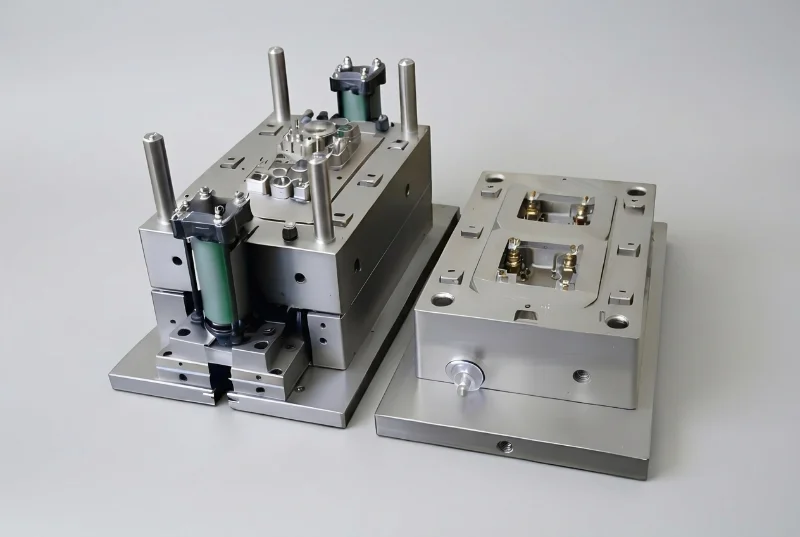
aço para moldes2 é o fator mais determinante na vida útil do molde. Dureza, condutividade térmica e resistência à corrosão interagem todas com as exigências específicas da sua peça e material.
P20 é o cavalo de trabalho: pré-endurecido a 28–34 HRC,[2] boa usinabilidade, custo-eficaz para produção padrão. É adequado para moldes Classe 102–103 que processam termoplásticos não abrasivos. O H13 é a escolha para alta produção: temperado a 48–52 HRC,[3] excelente tenacidade em trabalho a quente e resistência à fadiga térmica que o P20 não consegue igualar. Para materiais com carga de vidro ou minerais, o H13 é frequentemente a escolha mínima viável. O S136 (1.2083) acrescenta resistência à corrosão—essencial se você está processando PVC, graus retardantes de chama, ou qualquer material que libere gases corrosivos durante o processamento.
| Grau de aço | Dureza (HRC) | Resistência à corrosão | Faixa Típica de Vida Útil | Common Application |
|---|---|---|---|---|
| P20 / 1.2311 | 28–34 | Baixa | 100K–500K ciclos | Resinas de uso geral, não abrasivas |
| H13 / 1.2344 | 48–52 | Médio | 500 mil – 1 milhão+ ciclos | Resinas com carga de vidro, de alta temperatura |
| S136 / 1.2083 | 50–54 | Elevado | 500 mil – 1 milhão+ ciclos | PVC, graus retardantes de chama, peças para contacto alimentar |
| 718H / 1.2738 | 33–38 | Médio-baixo | 300 mil – 700 mil ciclos | Moldes grandes, risco de distorção reduzido |
| Aluminum (7075) | Brinell 150 | Médio | 5 mil – 30 mil ciclos | Apenas para prototipagem e ferramentas de transição |
A árvore de decisão que usamos na prática: comece com P20 para produção padrão em volumes moderados. Mude para H13 se o material tiver qualquer conteúdo de carga acima de 10%, ou se o programa exigir mais de 500.000 ciclos. Mude para S136 se a resina for corrosiva por natureza — PVC, graus retardantes de chama halogenados e materiais higroscópicos processados a altas temperaturas. A diferença de custo entre P20 e H13 é tipicamente 15–25% do custo da ferramenta. Para uma produção de mais de um milhão de peças, esse é normalmente o investimento correto.
“Mudar de P20 para H13 pode mais do que duplicar a vida útil de produção de um molde.”Verdadeiro
O P20 (28–34 HRC) fadiga e desgasta-se mais rapidamente sob carga térmica cíclica e resinas abrasivas. O H13 temperado para 48–52 HRC resiste a fissuras superficiais e erosão substancialmente melhor, estendendo comumente a vida útil do molde de 300 mil ciclos para 700 mil – 1 milhão+ para a mesma peça e material.
“Os moldes de alumínio são uma escolha económica para produções abaixo de 100.000 peças.”Falso
Os moldes de alumínio são tipicamente classificados para 5.000–30.000 ciclos em condições controladas. Para programas de 100.000 peças, o alumínio introduz um risco real: desgaste superficial, danos na linha de separação e deriva dimensional muito antes de atingir o volume alvo. Moldes de aço macio Classe 104 são a escolha correta para produções na faixa de 50 mil – 100 mil peças.
Como o Material Moldado Afeta a Vida do Molde?
A resina que passa por um molde é tão importante quanto o próprio aço do molde. Alguns materiais são suaves; outros são silenciosamente destrutivos — e o dano acumula-se ciclo a ciclo.
Termoplásticos não carregados — ABS, PP, PE e HDPE padrão — são os mais amigáveis para o molde. São não abrasivos, de temperatura relativamente baixa e não libertam subprodutos corrosivos. Um molde P20 bem mantido a processar polipropileno natural pode realisticamente exceder a sua classificação de classe SPI. Os graus com carga de vidro (10%, 20%, 30% GF) são uma história diferente.[4] As fibras de vidro atuam como grãos abrasivos finos contra a superfície da cavidade, acelerando o desgaste nas áreas do gate, nervuras e bordas finas. Vemos rotineiramente erosão do gate em moldes P20 a processar nylon 30% GF dentro de 150.000–200.000 ciclos — bem abaixo da classificação nominal da Classe 103.
Materiais corrosivos criam um modo de falha diferente: ataque químico em vez de desgaste mecânico. O PVC liberta vapor de ácido clorídrico durante o processamento;[5] cavidades P20 padrão mostrarão ferrugem e picadas se o molde ficar inativo por apenas alguns dias sem um inibidor de corrosão adequado. Graus retardantes de chama com aditivos halogenados criam condições semelhantes. Para estes materiais, o aço para moldes inoxidável S136 não é opcional — é a base. Orçamentem em conformidade.
| Tipo de material | Mecanismo de Desgaste | Impacto na Vida Útil | Aço Mínimo Recomendado |
|---|---|---|---|
| PP, PE, ABS não preenchidos | Minimal | Nenhum—pode exceder a classificação SPI | P20 |
| PC, Nylon (não preenchido) | Fadiga térmica baixa | Redução de ~10% | P20 ou H13 |
| Com fibra de vidro (10–30%) | Erosão abrasiva no gate/nervuras | Redução de 30–50% | H13 |
| Preenchido com mineral | Abrasivo + térmico | Redução de 40–60% | H13 ou aço temperado |
| PVC, graus FR (halogenados) | Ataque químico corrosivo | Severo sem aço inoxidável | Mínimo S136 |
| Resinas de alta temperatura (PEEK, PPS) | Fadiga térmica, oxidação | Exige arrefecimento otimizado | H13 + crómio duro ou nitretação |
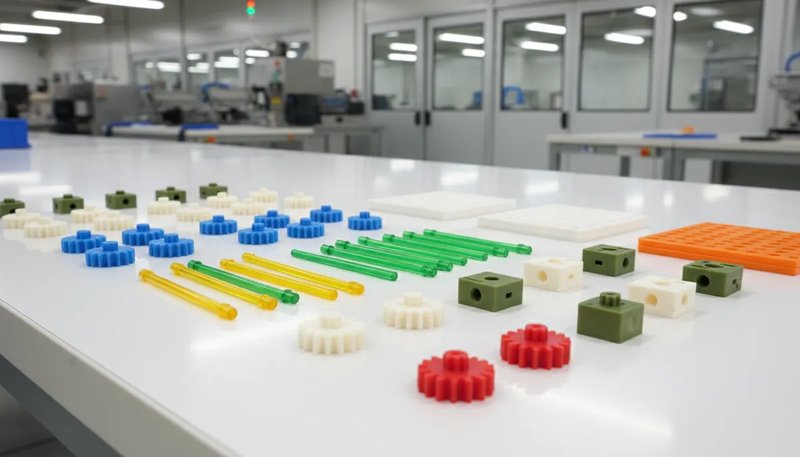
As condições de processamento também são importantes. Operar um molde a uma temperatura superior à especificada — seja devido à viscosidade do material, à dimensão do canal de alimentação ou simplesmente à impaciência — acelera a fadiga térmica. Diferenciais de temperatura no molde superiores a 20°C numa cavidade causam expansão diferencial que tensiona as linhas de separação e as interfaces núcleo/cavidade em cada ciclo. Ao longo de centenas de milhares de ciclos, essa tensão acumula-se, originando rebarbas, depois deriva dimensional e, por fim, fissuras. Os parâmetros do processo de moldagem por injeção que define no primeiro dia ou protegem o seu investimento no molde ou vão‑o erodindo silenciosamente.
Por Que a Manutenção de Moldes é a Ação de Maior ROI na Moldagem?
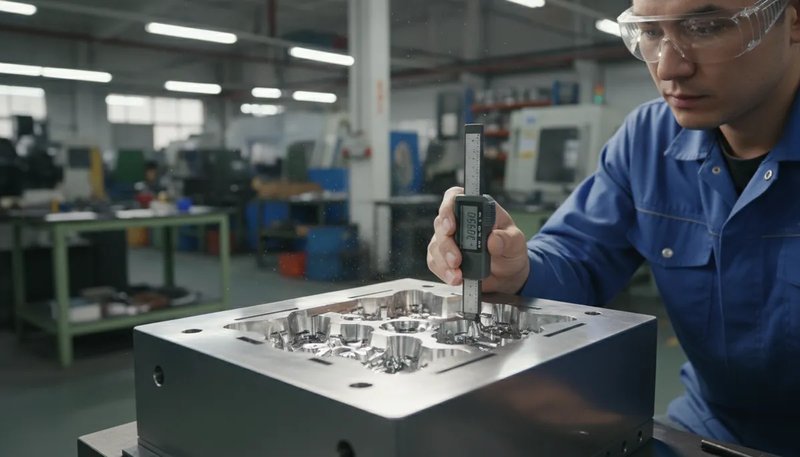
A manutenção preventiva é a ação de maior retorno disponível após a construção de um molde. A conta é simples: um serviço de MP de 1.500€ aos 50.000 ciclos evita uma reparação não planeada de 5.000–15.000€ aos 180.000 ciclos e uma substituição prematura do molde de 30.000–50.000€ aos 400.000 ciclos.
O protocolo padrão de Manutenção Preventiva (PM) para um molde de produção Classe 103 que processa um termoplástico não abrasivo normalmente inclui: limpeza da cavidade e núcleo (remoção de acumulação de resina e oxidação); inspeção e lubrificação dos pinos ejectores; limpeza dos canais de respiro (respiros obstruídos causam peças incompletas e carbonização, ambos stressando o molde mecânicamente); inspeção da linha de separação por rebarba ou desgaste; e verificação do fluxo do circuito de refrigeração. Este processo dura 4–8 horas num molde típico e deve ocorrer a cada 50.000–100.000 ciclos.[6]
Para moldes que processam materiais com carga de vidro ou corrosivos, o intervalo diminui. Recomendamos PM a cada 25.000–50.000 ciclos para resinas abrasivas, com atenção específica aos insertos de entrada (componentes substituíveis que sofrem o maior desgaste) e inspeção da superfície da cavidade usando um perfilómetro ou, no mínimo, uma verificação visual treinada com ampliação. Os insertos de entrada que podem ser substituídos por €200–€500 por conjunto são drasticamente mais baratos do que reusinar ou repolir uma cavidade completa a €3.000–€8.000.
| Categoria de Material | Intervalo de PM (ciclos) | Áreas de Foco Prioritárias | Custo de Manutenção Preventiva (PM) Típico |
|---|---|---|---|
| PP, PE, ABS não preenchidos | 75.000–100.000 | Limpeza dos respiros, lubrificação geral | $300–$600 |
| PC, Nylon (não preenchido) | 50.000–75.000 | Verificação dos pinos ejectores e do circuito de arrefecimento | $400–$800 |
| Com fibra de vidro (10–30%) | 25.000–50.000 | Inserts da entrada, inspeção da superfície da cavidade | $600–$1.200 |
| PVC, graus FR | 15.000–30.000 | Aplicação de inibidor de corrosão, verificação completa da cavidade | $800–$1.500 |
| Resinas de alta temperatura (PEEK, PPS) | 20.000–40.000 | Uniformidade de arrefecimento, inspeção de fadiga térmica | €700–€1.400 |
Na ZetarMold, fabricamos e mantemos moldes de injeção desde 2005 a partir da nossa fábrica em Xangai. Com mais de 100 moldes produzidos por mês e uma equipa de 8 engenheiros de moldes, monitorizamos os intervalos de manutenção preventiva (PM) para cada molde no nosso portfólio. Os nossos dados mostram consistentemente que os moldes com um cronograma rigoroso de PM ultrapassam a sua classificação SPI em 15–30%, enquanto os moldes que não fazem manutenção raramente atingem 70% da sua vida útil nominal. Também mantemos em stock conjuntos padronizados de insertos de entrada para as nossas famílias de moldes mais comuns — o tempo de substituição é tipicamente de 24–48 horas, em comparação com 2–3 semanas para o reusinagem da cavidade.
O tempo de inatividade não planeado é o custo oculto que nenhum budget prevê. Uma falha do molde de produção durante uma corrida de alto volume não custa apenas a reparação — custa o tempo de inatividade da linha, os custos de expedição, a fricção na relação com o cliente. Incorporar um calendário de manutenção na documentação de entrega do molde é parte do design responsável do molde, não um pensamento tardio.
“A manutenção preventiva regular em intervalos de 50.000 ciclos pode prolongar a vida do molde em 15–30% além da sua classe SPI nominal.”Verdadeiro
A limpeza, lubrificação e substituição consistentes dos componentes de desgaste previnem os danos cumulativos que encurtam a vida do molde. Os nossos dados de produção mostram que os moldes com manutenção preventiva cumprida excedem rotineiramente os objectivos da sua classe SPI, enquanto os moldes negligenciados frequentemente falham aos 60–70% da vida útil nominal.
“Deve esperar até que as peças apresentem problemas de qualidade antes de realizar a manutenção do molde.”Falso
Quando a qualidade da peça se degrada, o molde já sofreu danos significativos — desgaste dos pinos ejectores, bloqueio das ventilações ou erosão da cavidade. A manutenção preventiva em intervalos de ciclos definidos custa uma fração da reparação reactiva e evita paragens de produção não planeadas, que frequentemente são mais dispendiosas do que a reparação em si.
Como É Que as Decisões de Concepção do Molde Afetam a Vida Útil a Longo Prazo?
As escolhas de desenho do molde, tomadas antes de se cortar uma única lasca de aço, determinam a trajetória de vida útil a longo prazo da ferramenta. As três decisões com maior impacto: desenho do circuito de arrefecimento, tipo e localização do gate, e desenho do sistema de ejeção.
| Decisão de Design | Risco de Vida Útil se Incorreto | Melhores práticas |
|---|---|---|
| Cooling channel diameter | Fadiga térmica, fissuração prematura | Diâmetro de 8–12mm, afastamento da parede da cavidade de 1,5× o diâmetro |
| Dimensão e localização da entrada | Erosão e jateamento na zona da entrada | Inserts da entrada H13 substituíveis; evitar dimensões insuficientes |
| Número e colocação dos pinos ejetores | Galling, rebarba nos pinos, deformação | Distribuir força por ≥4 pinos; ângulo de saída mínimo de 1° |
| Design da linha de separação | Rebarba e desgaste devido ao desequilíbrio da força do grampo | Ajustar a força de fecho à área projetada; adicionar endurecimento da zona de ventilação |
| Ventilação | Marcas de queima, peças incompletas, tensão localizada | Espessura do respiro 0,025–0,05mm; limpar cada 50K ciclos |
O sistema de refrigeração é o factor de vida útil mais subestimado. Uma refrigeração deficiente cria gradientes térmicos no molde; gradientes térmicos criam tensão cíclica; tensão cíclica causa fissuração por fadiga — especialmente em cantos vivos, núcleos finos e nervuras profundas. Um design adequado de refrigeração significa uma distribuição uniforme da temperatura dentro de ±5°C na cavidade e núcleo, alcançada através de diâmetro adequado dos canais (tipicamente 8–12mm), distância apropriada entre canal e cavidade (mínimo 1,5× diâmetro) e fluxo suficiente do refrigerante. Moldes com canais de refrigeração de dimensão insuficiente ou mal posicionados operam mais quentes que o designado, degradam-se mais rápido e requerem manutenção mais frequente. Este tema é abordado extensivamente em o nosso guia de design de moldes de injeção.
O design da entrada é o segundo fator crítico. As entradas são o ponto de maior desgaste em qualquer molde — o local onde a resina quente e pressurizada entra na cavidade a alta velocidade. Entradas subdimensionadas criam jatos e erosão localizada; entradas sobredimensionadas deixam marcas de solda e exigem maior força de fecho. Entradas laterais em aço macio P20 a processar materiais com carga de vidro mostram tipicamente desgaste mensurável dentro de 50.000–80.000 ciclos. A solução: usar insertos de entrada substituíveis em aço temperado (H13 ou com ponta de metal duro) na localização da entrada, mesmo que o resto do molde seja P20. Este endurecimento localizado custa €300–€800 por local de entrada e pode prolongar a vida útil da entrada em 3–5×.
"Insertos endurecidos substituíveis para o canal podem extender a vida da área do canal por 3–5× em comparação com cavidades sólidas de P20."Verdadeiro
As zonas de entrada (gate) sofrem o maior desgaste em qualquer molde devido ao impacto de resina em alta velocidade. Instalar insertos substituíveis de H13 ou com ponta de carbureto nas localizações das gates custa 300–800 euros por gate, mas pode proporcionar 3–5× a vida útil de desgaste do P20 sólido—a uma fração do custo de substituição total da cavidade.
“Os pinos ejectores são um componente menor sem efeito na vida útil do molde.”Falso
Pinos ejectores de dimensão insuficiente ou mal distribuídos concentram a força de ejectação em áreas de superfície pequenas, causando que os orifícios dos pinos se desgastem e se alarguem após centenas de milhares de ciclos. Isso produz flash ao redor dos pinos e eventualmente requer rework do molde. Dimensionamento adequado dos pinos ejectores e um draft mínimo de 1° são decisões de engenharia críticas para a vida útil.
O design de ejectação afecta a vida útil através de um mecanismo menos evidente: cargas nos pinos ejectores. Se o sistema de ejectação é de dimensão insuficiente—poucos pinos, diâmetro de pino incorrecto ou ângulos de draft insuficientes na peça—a força de ejectação concentra-se numa pequena área superficial. A ejectação repetida com alta força deforma a peça e tensiona o molde. Com o tempo, isso causa que os orifícios dos pinos ejectores se desgastem, se alarguem e eventualmente produzem flash ao redor dos pinos. Dimensionamento adequado dos pinos ejectores e draft da peça (mínimo 1°, 2° ou mais para superfícies texturizadas) são decisões de vida útil, não apenas decisões de qualidade de moldagem.
Quais são os Sinais que um Molde está Aproximando-se do Final da Vida Útil?
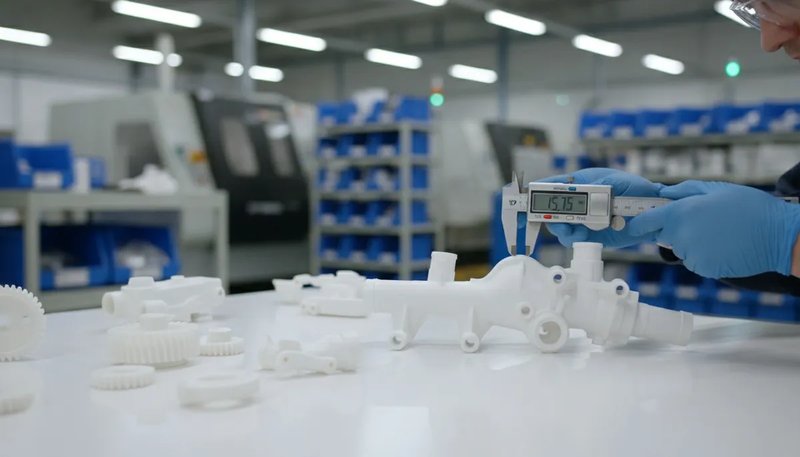
A maioria das falhas de molde não ocorre como eventos catastróficos súbitos—elas anunciam-se progressivamente através de sinais de qualidade da peça que muitas equipas de produção aprendem a ler demasiado tarde.
O primeiro sinal é flash na linha de separação. Flash desde o primeiro ciclo indica um problema de construção; flash que aparece progressivamente após 200.000+ ciclos normalmente significa desgaste da linha de separação ou desvio dimensional relacionado com fadiga. O segundo sinal são short shots ou marcas de burn na mesma localização—ventilação obstruída devido à acumulação de resina reduz a escape de gases, criando contra-pressão que carboniza a resina e impede o enchimento da cavidade. Este é um problema de manutenção em estágios inicial, mas pode indicar erosão da terra de ventilação em vida útil posterior do molde. O terceiro sinal é desvio dimensional: peças que estavam dentro da tolerância em T1 gradualmente aproximam-se do limite, causado por erosão da cavidade nas gates, nervuras e paredes finas.
| Signal | Estágio | Causa Provável | Intervenção |
|---|---|---|---|
| Flash progressivo na linha de separação | Meio da vida útil (200K+ ciclos) | Desgaste da linha de separação ou fadiga dimensional | Retificar a linha de separação, aumentar a força de fecho |
| Short shots recorrentes / marcas de burn | Início a meio da vida útil | Ventilação obstruída devido à acumulação de resina | Limpar os respiros; substituir se a zona de respiro estiver erodida |
| Deriva dimensional (fora de tolerância) | Meio a fim da vida útil | Erosão da cavidade nas gates e nervuras | Remedir em relação à linha de base T1; reusinar se necessário |
| Degradação do acabamento superficial | Fase tardia da vida útil | Micro-fracturação e erosão abrasiva | Repolir (máximo 2–3 ciclos); depois reusinar |
| Flash dos pinos ejectores | Meio da vida útil | Gripagem ou desgaste dos furos de ejector | Substituir pinos ejectores; redimensionar orifícios se necessário |
A degradação do acabamento superficial é o quarto e frequentemente último sinal antes da reforma do molde. As superfícies da cavidade que foram polidas para SPI A1 na construção gradualmente tornam-se mais rugosas devido a microfraturas e erosão. Quando uma superfície já não pode ser repolida para a especificação — geralmente após 2–3 ciclos de repolimento — a cavidade precisa de ser usinada novamente ou o molde precisa de substituição. Quanto mais cedo detetar estes sinais, mais barata a intervenção: limpeza e repolimento às 300.000 ciclos custa uma fração da substituição da cavidade às 500.000 ciclos. processo de moldagem por injeção Os parâmetros que mantém também afetam diretamente a rapidez com que estes sinais de degradação aparecem.
Como Você Pode Extender a Vida do Molde Além da sua Classificação Original?
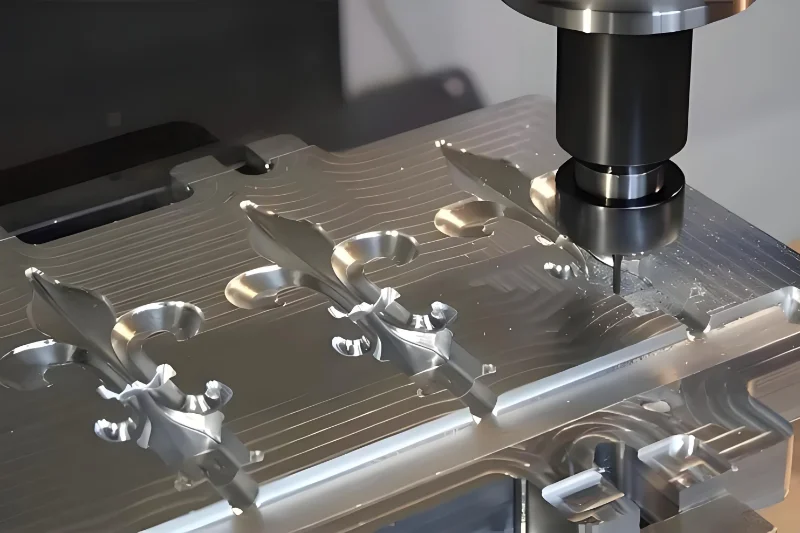
É genuinamente possível prolongar a vida útil útil de um molde além da sua classificação original SPI através de intervenção proactiva—mas apenas até um ponto, e apenas com a abordagem correcta.
A reusinagem e repolimento da cavidade é a estratégia de extensão de vida mais comum. Quando as superfícies da cavidade apresentam erosão mensurável mas a geometria do núcleo ainda está dentro da especificação, a reusinagem para restaurar o acabamento superficial e a precisão dimensional pode adicionar 100.000–300.000 ciclos a um molde em meia-vida. O custo é tipicamente 20–40% do custo original da ferramentaria — um investimento razoável se o molde já amortizou a maior parte do seu custo inicial.
A substituição do inserto da cavidade é a versão direcionada da reusinagem. Em vez de recondicionar todo o molde, substitua apenas as secções desgastadas — insertos de entrada, núcleos de elevado desgaste ou buchas de ejector danificadas. Esta abordagem requer que o desenho original do molde tenha antecipado a substituição: bolsas para insertos, interfaces dimensionais padronizadas e acessibilidade para troca de insertos. Moldes concebidos desde o início com insertos modulares são muito mais fáceis e baratos de prolongar. Este é um detalhe que vale a pena especificar no seu briefing inicial de ferramentaria, especialmente para programas de longa duração.
A nitretação e a cromagem são opções de tratamento de superfície que conferem dureza e resistência à corrosão ao aço existente, prolongando a vida útil da superfície sem substituir o aço. A nitretação a gás adiciona uma camada endurecida de 0,1–0,3mm a profundidades de aproximadamente 0,5mm, aumentando a dureza superficial para o equivalente a 60–70 HRC.[7] A galvanização por cromo adiciona 0,01–0,05mm de cromo para resistência à corrosão e ao desgaste.[7] Estes tratamentos são mais eficazes como medidas preventivas em novos moldes ou como intervenções no início da vida—aplicá-los numa cavidade que já apresenta erosão significativa tem benefício limitado.
| Method | Ciclos Adicionais | Custo (% de Ferramenta Nova) | Best Application |
|---|---|---|---|
| Repolimento da cavidade | 50K–100K | 5–15% | Degradação do acabamento superficial, erosão inicial |
| Substituição do inserto do portão | 100K–200K | 3–8% | Desgaste do ponto de injeção em resinas abrasivas |
| Reusinagem da cavidade | 100K–300K | 20–40% | Desvio dimensional mensurável, erosão superficial |
| Nitretação gasosa | 100K–250K | 10–20% | Endurecimento superficial preventivo ou precoce |
| Cromagem dura | 50K–150K | 8–15% | Resistência à corrosão, melhoria da liberação |
| Substituição total da cavidade | Reinicialização total da vida do molde | 50–80% | Geometria do núcleo ainda válida; cavidades desgastadas |
O limite honesto: há um ponto em que o custo de recondicionamento do molde supera o de construir uma nova ferramenta com as lições aprendidas. Um molde que exigiu duas rodadas de reusinagem da cavidade, múltiplas substituições de insertos e intervenções repetidas de manutenção preventiva está frequentemente nesse limite ou próximo dele. A decisão de recondicionar versus substituir deve basear-se no volume total restante do programa, na vida técnica remanescente do molde e na diferença de custo entre recondicionamento e nova ferramentaria. A resposta certa raramente é emocionalmente satisfatória — por vezes, a decisão financeiramente correta é aposentar um molde com aparência funcional e construir um melhor.
Como é que a ZetarMold Aborda a Vida Útil dos Moldes em Programas de Produção?
Quando definimos um programa de ferramentaria, a vida útil do molde é uma das primeiras conversas de engenharia—não uma reflexão tardia após a cotação do preço.
A ZetarMold constrói moldes de injeção em Xangai desde 2005. Produzimos mais de 100 moldes por mês utilizando equipamentos como máquinas CNC, EDMs, retificadoras e gravadores de precisão. Nossa equipa de engenharia de moldes, com 8 especialistas e mais de 10 anos de experiência, trata da seleção de aço, revisão de DFM e documentação de manutenção para cada ferramenta que construímos. Somos certificados pelas normas ISO 9001, ISO 13485, ISO 14001 e ISO 45001 — o que significa que nossos sistemas de qualidade e documentação são auditados externamente, não apenas alegados internamente. Se precisa de um molde que dure, a conversa começa com um briefing: seu volume, material e cronograma. Nós assumimos a partir daí.
O processo começa com a projeção do volume de produção. Se o seu programa é de 500.000 peças ao longo de três anos, projetamos um molde Classe 102 em P20 ou H13, dependendo do seu material. Se forem 2.000.000 de peças em cinco anos, a resposta é a Classe 101 com endurecimento total — mesmo que custe mais inicialmente.
| Annual Volume | Duração do Programa | Classe SPI Recomendada | Escolha do Aço |
|---|---|---|---|
| Menos de 50.000 | 1–2 anos | Classe 104–105 | P20 macio ou alumínio |
| 50,000–200,000 | 2–3 anos | Classe 103 | P20 (28–34 HRC) |
| 200,000–500,000 | 3–5 anos | Classe 102–103 | P20 ou H13 |
| 500,000–1,000,000 | 5+ anos | Classe 102 | H13 (48–52 HRC) |
| 1,000,000+ | Longo prazo / repetição | Classe 101 | H13 ou S136, endurecimento total |
Já tivemos esta conversa vezes suficientes para saber que os clientes que resistem ao investimento inicial em ferramentaria são quase sempre os mesmos que nos ligam três anos depois perguntando por que seu molde está falhando a 60% do volume esperado. A conversa é desconfortável na fase de orçamento e muito mais desconfortável quando o molde falha prematuramente.
O nosso conceção de moldes de injeção3 O processo inclui uma análise padrão de DFM que abrange seleção de aço, design do canal de injeção, layout do circuito de refrigeração e estratégia de ejeção—tudo com análise explícita do impacto na vida útil. Também fornecemos um plano de manutenção do molde com cada ferramenta que enviamos: intervalos de manutenção preventiva por contagem de ciclos, lista de consumíveis (pinos ejetores, molas, inserções do canal) e uma linha de base dimensional documentada do T1 para comparação futura. Em nossa experiência, clientes que seguem o plano de manutenção atingem com confiabilidade sua vida útil alvo; aqueles que não o fazem geralmente voltam a nós para reparos não planejados dentro de 18–24 meses.
Questões Frequentemente Perguntadas sobre a Vida Útil do Molde de Injeção
Quantas tiragens dura um molde de injeção típico?
Um molde de injeção de produção típico dura entre 100.000 e mais de 1.000.000 de tiragens, dependendo da classe SPI. Moldes Classe 101 em aço H13 são projetados para mais de 1 milhão de ciclos; moldes Classe 103 em aço P20 normalmente têm como objetivo 100.000–500.000 ciclos. Moldes protótipo Classe 105 em alumínio são classificados para menos de 500 tiragens. A vida útil real depende fortemente do material a ser moldado, da disciplina de manutenção e das condições de processamento—não apenas da classificação nominal da classe SPI. Moldes bem mantidos rotineiramente excedem sua vida útil nominal; moldes negligenciados frequentemente falham a 60–70% do objetivo.
O que reduz mais a vida útil do molde de injecção?
Materiais abrasivos e corrosivos causam a maior redução na vida útil: resinas com carga de vidro (10–30% GF) podem reduzir a vida do molde em 30–50% em comparação com graus não carregados, e materiais corrosivos como PVC podem destruir cavidades de aço P20 em dezenas de milhares de ciclos sem proteção de aço inoxidável. A falta de manutenção preventiva é o segundo maior fator—moldes que pulam intervalos de MP raramente atingem 70% de sua vida útil nominal. Parâmetros de processamento inadequados, incluindo pressão de injeção excessiva ou temperaturas do molde acima da especificação, também aceleram o desgaste e a fadiga térmica.
Pode um molde de injeção ser reparado para prolongar a sua vida útil?
Sim—repolimento da cavidade, substituição do inserto do canal e usinagem da cavidade podem estender a vida útil do molde em 100.000–300.000 ciclos adicionais. O custo do reparo é tipicamente 20–40% do investimento original em ferramentaria, tornando-o uma opção válida para moldes que já amortizaram a maior parte de seu custo inicial. Tratamentos de superfície como nitretação a gás ou cromagem dura adicionam dureza e resistência à corrosão para estender a vida da superfície da cavidade. No entanto, há um limite prático: moldes que requerem múltiplas rodadas de reparo ao longo de sua vida útil podem tornar-se mais econômicos substituir por uma ferramenta redesenhada que incorpora lições aprendidas da execução de produção original.
Qual é o melhor aço para moldes para longa duração?
O aço H13 (1.2344) temperado para 48–52 HRC é a escolha mais amplamente utilizada para moldes de produção de alta longevidade que lidam com materiais abrasivos ou de alta temperatura, proporcionando resultados consistentes ao longo de 500.000–1.000.000+ ciclos. O S136 (1.2083) é preferido para materiais corrosivos como PVC e graus retardantes de chama halogenados devido às suas propriedades inoxidáveis, que resistem ao ataque químico dos gases de processamento. Para resinas padrão não abrasivas em volumes de produção moderados, o P20 (28–34 HRC) oferece uma vida útil adequada a um custo inicial mais baixo. A seleção do aço deve corresponder ao seu material específico e ao volume total do programa—não há um aço universalmente 'melhor' para todas as aplicações de moldagem por injeção.
Com que frequência deve ser feita a manutenção de um molde de injeção?
Os intervalos de manutenção preventiva dependem do material em processamento e da classe do molde. Um molde Classe 103 a processar termoplásticos não preenchidos deve ser servido a cada 50.000–100.000 ciclos. Moldes a processar materiais com carga de vidro ou corrosivos necessitam de manutenção preventiva a cada 25.000–50.000 ciclos. Cada serviço de manutenção preventiva deve incluir limpeza da cavidade e do núcleo para remover acumulação de resina e oxidação, lubrificação e inspeção de desgaste dos pinos ejetores, limpeza dos canais de ventilação para evitar peças curtas e queimaduras, exame da linha de separação para rebarbas ou desgaste, e uma verificação do fluxo do circuito de arrefecimento para confirmar a remoção adequada de calor.
O tamanho do molde afeta quanto tempo ele dura?
O tamanho do molde afeta a vida útil indiretamente através dos requisitos de força de fecho, distribuição de massa térmica e complexidade do circuito de arrefecimento. Moldes maiores experimentam maior variação de massa térmica e são mais sensíveis à qualidade do projeto do circuito de arrefecimento—o arrefecimento não uniforme cria tensão térmica cíclica que acelera a fadiga. Moldes grandes construídos em aço 718H (33–38 HRC) em vez de H13 totalmente temperado são menos suscetíveis à distorção durante o tratamento térmico, o que preserva a estabilidade dimensional ao longo de longas séries de produção. Para um determinado grau de aço e programa de manutenção, o tamanho do molde por si só não é o principal fator de longevidade.
Qual é a diferença entre os moldes da Classe 101 e da Classe 103?
Os moldes Classe 101 são projetados para mais de 1.000.000 de ciclos, utilizando aço ferramenta totalmente temperado (H13, S136), circuitos de arrefecimento robustos e sistemas de ejeção e alimentação de alta resistência — incluindo inserções de alimentação temperadas substituíveis. Os moldes Classe 103 visam 100.000–500.000 ciclos, utilizando aço P20 semi-temperado ou pré-temperado, com arrefecimento e ejeção padrão. A diferença de custo inicial é tipicamente 40–80% superior para a Classe 101. A escolha correta é determinada inteiramente pelo volume total do seu programa: gastar a mais numa Classe 101 para uma produção de 200.000 peças é tão dispendioso como gastar a menos numa Classe 103 para um programa de produção de um milhão de peças.
É possível construir um molde de injeção que dure indefinidamente?
Nenhum molde de injeção dura indefinidamente — todo o aço ferramenta sofre fadiga, erosão e eventual desvio dimensional com ciclos térmicos repetidos. Os moldes Classe 101, com aço temperado, arrefecimento otimizado e programas de manutenção disciplinados, podem exceder 2.000.000 de ciclos em condições favoráveis com materiais não abrasivos, mas mesmo estes acabam por necessitar de substituição da cavidade ou retrabalho. O objetivo prático de engenharia não é vida infinita, mas vida adequada: projetar o molde para durar mais do que o seu programa de produção com uma margem adequada, sem pagar por uma durabilidade desnecessária que nunca será utilizada.
Pronto para Projetar um Molde que Dure Tanto Quanto o Seu Programa Necessita?

Regra rápida para a sua próxima decisão de ferramentaria: corresponda a classe SPI ao volume total do seu programa, selecione o aço conforme o perfil de desgaste e corrosão do seu material, e crie um plano de manutenção preventiva antes do envio do molde — e não após o primeiro incidente de qualidade. Imprima isto e leve-o para a sua próxima análise de DFM.
A ZetarMold constrói moldes de injeção para produção em Xangai desde 2005. Produzimos mais de 100 moldes por mês em toda a gama de classes SPI, com uma equipa dedicada de engenheiros de moldes que tratam da seleção de aço, análise de DFM e documentação de manutenção para cada ferramenta. Se tiver um volume de produção alvo e uma especificação de material, podemos dizer-lhe exatamente de que classe de molde precisa e quanto custará — sem intervalos vagos, sem venda adicional de funcionalidades desnecessárias.
Pronto para construir um molde que dure? Envie-nos o desenho da peça, o material e o volume anual — definiremos a solução de ferramentaria certa para o seu programa, sem intervalos vagos, sem venda adicional de funcionalidades desnecessárias. A ZetarMold fornece moldes de produção a clientes na América do Norte, Europa e Ásia desde 2005.
Referências
- Associação da Indústria de Plásticos - Costumes e Práticas da Indústria de Fabricação de Moldes: Define as classificações de moldes SPI (Classe 101–105) e as suas vidas úteis aproximadas. — plasticsindustry.org
- Propriedades do Aço Molde P20 / 1.2311 — Dureza de entrega pré-endurecida de ~280–320 HB (≈28–34 HRC), conforme dados do fornecedor de aço. — mwalloys.com — Aço Molde P20
- Propriedades do Aço Ferramenta H13 (1.2344) — Aço ferramenta para trabalho a quente temperado para 48–52 HRC; amplamente utilizado para moldes de injeção de alto volume. — hudsontoolsteel.com — Aço Ferramenta H13
- Abrasão por Fibras de Vidro em Moldes de Injeção — A abrasão por fibras de vidro durante a moldagem por injeção apresenta desafios significativos de desgaste para o aço do molde. — ScienceDirect — Wear, Vol. 271 (2011); também: MoldMaking Technology — Seleção Estratégica de Materiais para Moldes
- Ataque de corrosão PVC no aço do molde — O PVC degrada-se durante o processamento, libertando vapores de ácido clorídrico que corroem os aços-ferramenta padrão; o aço de molde inoxidável (S136/1.2083) é a base recomendada. — MoldMaking Technology — Tratamentos Superficiais Protegem Acabamentos de Moldes
- Intervalos de Manutenção Preventiva de Moldes de Injeção — Primeira PM recomendada aos 25.000–50.000 ciclos; intervalos regulares prolongam a vida útil do molde. — VEM Tooling — Expectativa de vida do molde
- Propriedades da nitretação gasosa e da galvanização com crómio duro — A nitretação gasosa pode alcançar dureza superficial superior a 67 HRC; camada de cromagem dura 0,02–0,05mm a HV800–HV1000. — SSAB — Aço Ferramenta Nitretado a Gás; Hoorenwell — Guia de Normalização de Moldes
-
injection mold: Um molde de injeção é uma ferramenta de aço com precisão maquinada que define a forma de uma peça plástica através de ciclos repetidos de injeção, refrigeração e ejectação, com uma vida útil nominal determinada pela sua classe de aço e classificação SPI. ↩
-
mold steel: O aço molde é uma categoria de ligas de aço ferramenta—como P20, H13 e S136—especificamente selecionadas para construção de moldes de injeção com base em dureza, resistência à corrosão e resistência à fadiga térmica. ↩
-
injection mold design: O design de molde de injeção é o processo de engenharia de definir a geometria do molde, classe de aço, sistemas de entrada, refrigeração e ejectação para produzir peças plásticas dimensionalmente precisas com o menor tempo de ciclo possível e a maior vida útil do molde. ↩



 EN
EN  ES
ES  FR
FR  DE
DE  PT
PT  AR
AR  RU
RU  JA
JA  KO
KO  IT
IT  NL
NL  TR
TR  PL
PL 