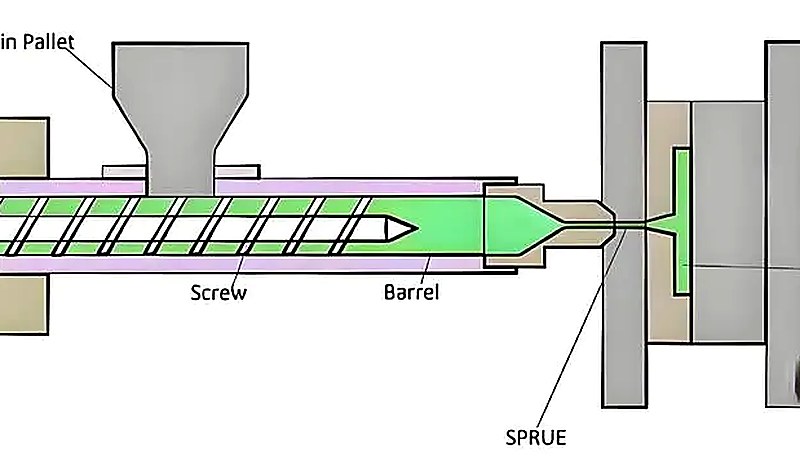
„Systemy MUD są idealne do produkcji dużych części na dużą skalę.”
W tym artykule wyjaśniono, czym właściwie jest system MUD, kiedy ma sens (a kiedy nie), jak projektować z myślą o nim oraz jakie są jego koszty w porównaniu z konwencjonalnym oprzyrządowaniem. Widziałem zakłady tracące pieniądze na podstawy MUD w niewłaściwych zastosowaniach oraz inne oszczędzające tysiące miesięcznie dzięki właściwemu użyciu — różnica wynika ze zrozumienia kompromisów.
- System MUD wykorzystuje uniwersalną ramę z wymiennymi wkładkami formy, co umożliwia szybką wymianę.
- Dzięki szybkowymiennej podstawie MUD zmiana oprzyrządowania trwa minuty zamiast godzin.
- Formy MUD najlepiej sprawdzają się w produkcji małoseryjnej, wielowariantowej lub prototypowej.
- Ograniczenia rozmiaru wkładu i objętości wtrysku sprawiają, że system MUD nie nadaje się do dużych detali ani form o dużej liczbie gniazd.
- Wkładka MUD kosztuje o 40–60% mniej niż pełna konwencjonalna podstawa formy.
Czym jest forma wtryskowa MUD?
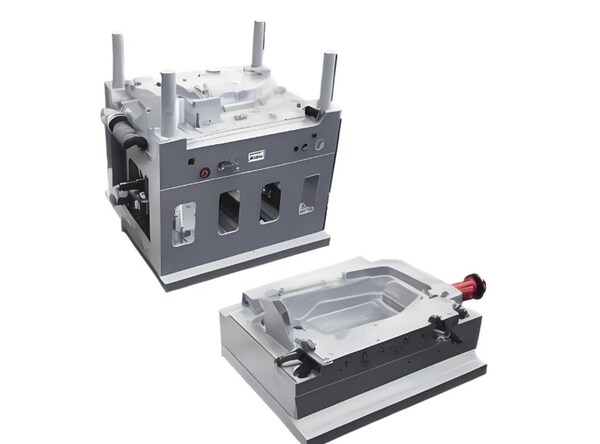
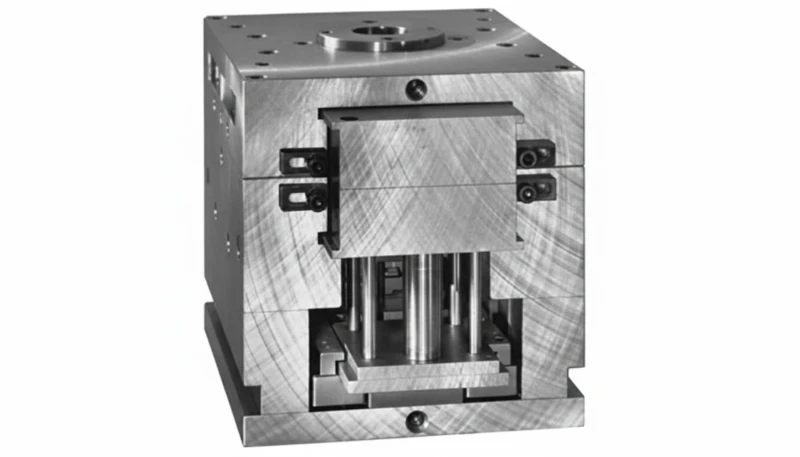
Forma wtryskowa MUD jest systemem szybkowymiennych narzędzi, w którym jeden standaryzowany korpus formy1 pozostaje zamontowany w injection molding maszyny. Zamiast demontować całą formę przy każdej zmianie produktu, operator wymienia mniejszy wkład zawierający gniazdo i rdzeń. Skraca to czas przezbrojenia, gdy kilka powiązanych detali wykorzystuje tę samą prasę, tę samą grupę materiałów i to samo okno produkcyjne.
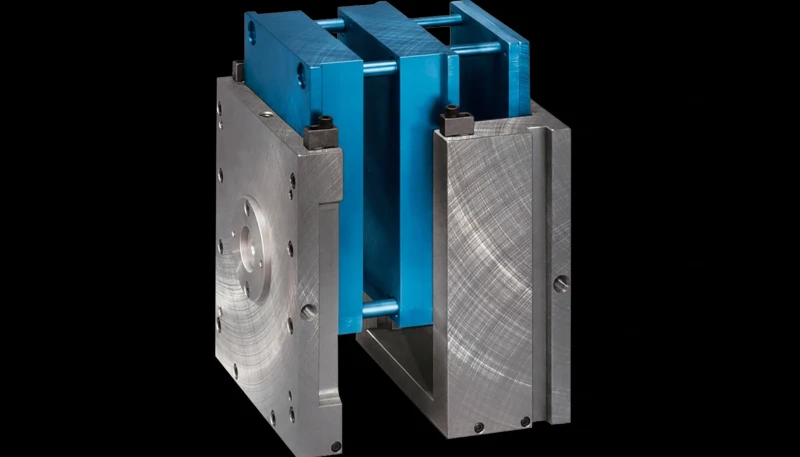
Działa to jak wiertarka: wiertarka pozostaje w dłoni, a wymienia się tylko wiertło. Rama MUD jest wiertarką; insert mold2 jest kluczowym elementem. Standardowe rozmiary ram wynoszą od około 6 do 18 cali i mieszczą formy wkładkowe o różnych wymiarach. Każda rama zawiera kołki prowadzące, tuleje i mechanizmy mocujące, które ustawiają i blokują wkładkę.
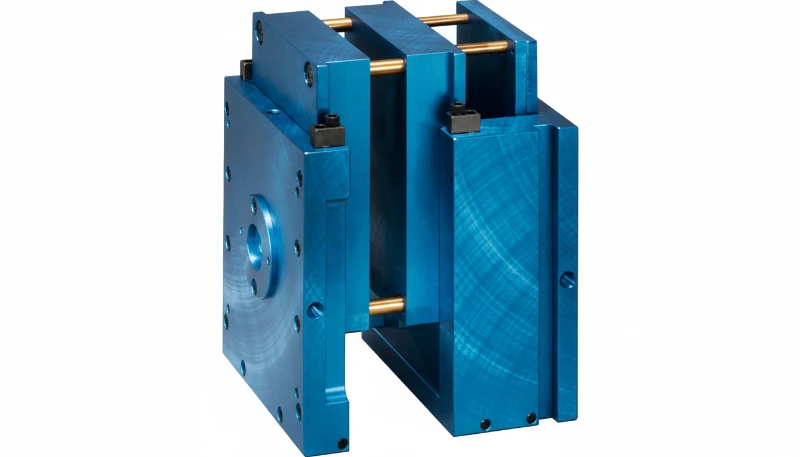
W naszym zakładzie stosowaliśmy ramy typu MUD w projektach obejmujących wiele małych części z tej samej rodziny materiałowej, takich jak obudowy złączy, niewielkie pokrywy i obudowy czujników. Możliwość wymiany wkładów bez zdejmowania całej formy z wtryskarki znacząco skraca przezbrojenie, gdy kilka SKU jest produkowanych kolejno. Dzięki 47 wtryskarkom o sile zwarcia od 90T do 1850T możemy przeznaczać wybrane maszyny do takich konfiguracji z szybko wymiennym oprzyrządowaniem. Nasz zespół produkcyjny ma doświadczenie w szybkiej wymianie wkładów bez pogorszenia jakości części ani ograniczenia dostępności wtryskarki.
Kluczowa różnica względem standardowej formy polega na tym, że rama MUD zapewnia całą infrastrukturę: ustalenie, skok wypychania i mocowanie wtryskarki. Wkład koncentruje się na geometrii części. Ten podział zapewnia zarówno oszczędność kosztów, jak i szybsze przezbrajanie formy. Przy każdej nowej części nie buduje się wszystkiego od początku — wymienia się jedynie wkład. Dodatkowy zapas w harmonogramie chroni również czas przeznaczony na próby.
Jak działa system szybkiej wymiany MUD?
System szybkiej wymiany form MUD działa według kontrolowanej sekwencji procesu obejmującej etapy i ustawienia opisane w tej sekcji. System MUD składa się z trzech głównych elementów: ramy bazowej, wkładu formującego i mechanizmu blokującego. Ramę bazową mocuje się śrubami do płyt wtryskarki tak samo jak formę konwencjonalną. Zawiera ona zespół płyt wypychaczy, zestawy kołków prowadzących, słupy podporowe oraz obrobione gniazdo dostosowane do wkładu określonej klasy.
Forma wkładkowa jest samodzielnym zespołem zawierającym rdzeń, gniazdo, układ kanałów doprowadzających i własne obiegi chłodzenia. Aby przełączyć produkcję z części A na część B, operator otwiera prasę, odblokowuje bieżącą wkładkę, wysuwa ją, wsuwa nową wkładkę, mocuje ją i zamyka formę. Cały proces trwa zwykle od 10 do 30 minut, zależnie od rozmiaru ramy oraz złożoności podłączeń chłodzenia i wypychania.
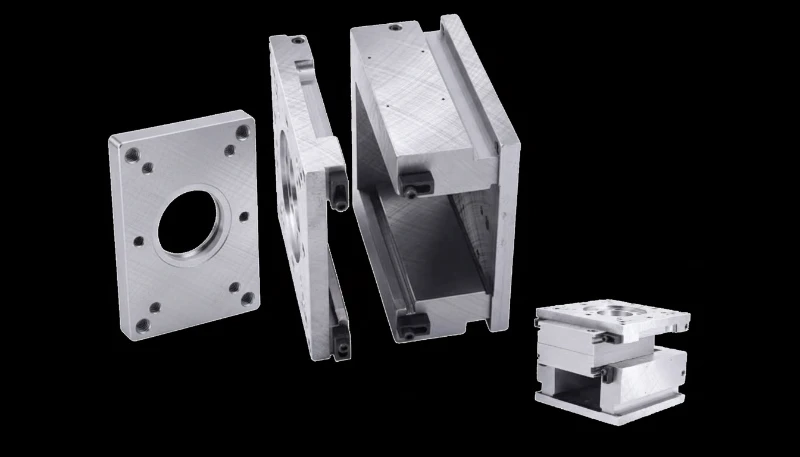
Niektóre zaawansowane konfiguracje MUD wykorzystują szybkozłącza przewodów wodnych i połączeń elektrycznych, jeszcze bardziej skracając czas wymiany. Zamiast ręcznie odkręcać i przykręcać poszczególne węże chłodzące, operator podłącza jeden blok kolektora kierujący wodę chłodzącą do właściwych kanałów we wkładce. Szybkozłącza zwiększają początkowy koszt ramy, ale szybko się zwracają w środowisku produkcji o dużej różnorodności, w którym wkładki wymienia się trzy lub cztery razy na zmianę.
Porównaj to z konwencjonalną zmianą formy: trzeba opuścić formę z prasy za pomocą suwnicy lub wózka widłowego, odłączyć wszystkie przewody wodne i połączenia elektryczne, fizycznie przemieścić formę ważącą setki kilogramów, a następnie wykonać cały proces w odwrotnej kolejności dla nowej formy. Nawet w sprzyjających warunkach oznacza to od dwóch do czterech godzin przestoju.
Mechanizmy blokujące różnią się w zależności od producenta. Oryginalny system MUD firmy DME wykorzystuje zacisk klinowy dokręcany z boku. Inne systemy wykorzystują zaciski hydrauliczne, zamki dźwigniowe lub szybkozłącza bagnetowe. Z punktu widzenia inżyniera istotne jest zrozumienie, jak sposób blokowania wpływa na ustawienie wkładu — przesunięcie nawet o kilka tysięcznych cala spowoduje wypływkę lub powstanie części poza tolerancją.
W naszym planowaniu produkcji oprzyrządowanie typu MUD jest najbardziej użyteczne, gdy wymiana wkładek może odbywać się na kompatybilnych prasach bez długich przestojów na przezbrojenie. ZetarMold ma ponad 20-letnie doświadczenie w produkcji oprzyrządowania oraz 47 wtryskarek o sile zwarcia od 90T do 1850T, dzięki czemu nasi inżynierowie mogą dopasować rozmiar wkładki, siłę zwarcia, materiał i oczekiwaną częstotliwość przezbrojeń przed zaleceniem podstawy MUD.
Kiedy należy stosować system MUD?
Ta sekcja dotyczy stosowania systemu MUD oraz jego wpływu na koszty, jakość, terminy i ryzyko związane z zaopatrzeniem. Systemy MUD sprawdzają się szczególnie dobrze w określonych sytuacjach. Poniżej przedstawiamy zastosowania, w których rzeczywiście przynoszą wartość, na podstawie ponad 20 lat naszych doświadczeń w eksploatacji form produkcyjnych. Wspólną cechą wszystkich tych przypadków jest potrzeba wytwarzania wielu różnych części na tej samej prasie w stosunkowo krótkich seriach produkcyjnych, gdy wielkość produkcji nie uzasadnia kosztu budowy osobnej pełnowymiarowej formy dla każdej części.
Rodziny wielu detali z tego samego materiału
Jeśli formujesz rodzinę pięciu małych obudów z ABS — o tej samej grubości ścianek, tym samym rodzaju przewężki i takim samym skurczu — rama MUD pozwala produkować je wszystkie na jednej prasie przy minimalnym czasie przezbrojenia. To podręcznikowy przypadek zastosowania. Produkujesz SKU-1 przez cztery godziny, wymieniasz wkładki, produkujesz SKU-2 przez trzy godziny i tak dalej. Jedna prasa, jedna rama, pięć wkładek. Ekonomia staje się jeszcze korzystniejsza, gdy uwzględni się fakt, że każda wkładka wymaga konserwacji według własnego harmonogramu — nie trzeba wyłączać całej ramy, aby serwisować jedno gniazdo.
Produkcja małoseryjna i prototypowa
Przy rocznych wolumenach poniżej 10 000 części na SKU budowa pięciu dedykowanych pełnowymiarowych form jest trudna do uzasadnienia finansowo. Pięć wkładów MUD za 40–60% kosztu pięciu pełnych form? To się opłaca. Regularnie zalecamy to podejście klientom potrzebującym oprzyrządowania pomostowego do prototypów lub serii testowych przed inwestycją w oprzyrządowanie produkcyjne. Profil ryzyka jest również niższy — jeśli produkt nie zdobędzie rynku, strata wyniesie kilka tysięcy dolarów na wkład zamiast dziesiątek tysięcy na pełną formę.
Częste zmiany konstrukcyjne
Podczas rozwoju produktu, gdy projekt zmienia się co kilka tygodni, modyfikacja małej wkładki jest szybsza i tańsza niż przeróbka całej podstawy formy. Wkładka zawiera wyłącznie elementy właściwe dla danej geometrii, więc koszt modyfikacji ogranicza się do stali gniazda i rdzenia, a nie całego zespołu ramy. Nasi 8 starszych inżynierów regularnie współpracuje z klientami nad iteracyjnymi projektami wkładek w fazie walidacji.
Istnieje też często pomijana korzyść w zakresie harmonogramowania. Jeśli planista produkcji musi wcisnąć małe pilne zlecenie między dwie większe serie, wkład MUD umożliwia to bez zakłócania głównego harmonogramu. Uruchamiasz duże zlecenie, robisz 20-minutową przerwę na wymianę wkładu na potrzebny do pilnego zlecenia, realizujesz krótką serię, ponownie wymieniasz wkład i wznawiasz pracę. Bez dźwigu, bez ponownej kalibracji wtryskarki i bez reorganizacji hali produkcyjnej.
Jakie ograniczenia mają formy MUD?
Ograniczenia form MUD należą do głównych kategorii lub wariantów wyjaśnionych w tej sekcji. Omawianie wyłącznie korzyści nie byłoby uczciwe. Systemy MUD mają rzeczywiste ograniczenia, przez które w wielu zastosowaniach są niewłaściwym wyborem.
Po pierwsze, ograniczenia rozmiaru. Wkłady MUD są z założenia małe. Nawet największe standardowe ramy (serie 15–18 cali) ograniczają maksymalne gabaryty części. Jeśli część ma więcej niż około 300 mm w dowolnym wymiarze albo wymaga wielu gniazd do produkcji wielkoseryjnej, system MUD nie będzie odpowiedni. Potrzebna jest pełnowymiarowa forma konwencjonalna.
Po drugie, sztywność konstrukcyjna. Wkład MUD jest osadzony w gnieździe ramy, a takie połączenie nie jest równie sztywne jak lita, jednoczęściowa forma. Przy wysokim ciśnieniu wtrysku — szczególnie podczas przetwarzania materiałów wzmacnianych włóknem szklanym — mogą pojawić się parting line3 rozwarstwienie lub wypływkę na granicy wkładki i ramy. W przypadku części o wąskich tolerancjach ±0.05mm lub bardziej rygorystycznych wymaganiach takie ugięcie może wykluczyć to rozwiązanie.
Po trzecie, ograniczenia chłodzenia. W porównaniu z pełnowymiarową formą forma wkładkowa zapewnia ograniczoną przestrzeń na kanały chłodzące. Dłuższe cycle time4 na wtrysk jest typowe, czasem o 15–25% dłuższe niż w porównywalnej formie konwencjonalnej. Jeśli produkujesz miliony części i liczy się każda sekunda cyklu, strata czasu na chłodzenie szybko się kumuluje.
Po czwarte, ograniczenia liczby gniazd. Większość wkładów MUD mieści od 1 do 4 gniazd. Jeśli plan produkcji wymaga formy 8- lub 16-gniazdowej do osiągnięcia docelowego wolumenu, system MUD nie spełni wymagań. W obrysie wkładu po prostu nie ma wystarczająco dużo miejsca.
"Forma wkładkowa MUD kosztuje o 40–60% mniej niż pełna forma konwencjonalna do tej samej części."True
Wkładka zawiera wyłącznie rdzeń, gniazdo i podstawowe chłodzenie — bez ramy, dużej płyty wypychaczy ani ciężkich konstrukcji wsporczych. Wspólna rama bazowa amortyzuje się na wszystkich wkładkach, dzięki czemu przy każdym kolejnym projekcie części oszczędzasz stal, czas obróbki i nakład pracy inżynierskiej.
"Systemy MUD doskonale sprawdzają się w wielkoseryjnej produkcji dużych części."False
Pełna Konwencjonalna Forma
Jak system MUD wypada w porównaniu z konwencjonalnymi podstawami form?
Poniższe zestawienie pokazuje obok siebie to, co rzeczywiście obserwujemy podczas wyceny i produkcji, a nie teoretyczne wartości podręcznikowe.
| Czynnik | System szybkiej wymiany MUD | Forma konwencjonalna |
|---|---|---|
| Początkowy koszt formy (na projekt części) | O 40–60% niższy | Cena pełna |
| Czas przezbrojenia | 10–30 minut | 2–4 godziny |
| Maksymalny rozmiar części | ~300mm (największa rama) | Ograniczone wyłącznie wielkością prasy |
| Maksymalna liczba gniazd | Typowo 1–4 gniazda | Możliwe 16+ gniazd |
| Sztywność konstrukcyjna | Dobra (wkładka w ramie) | Doskonała (lity blok) |
| Wpływ na czas cyklu | +15–25% względem procesu konwencjonalnego | Stan bazowy |
| Najlepsze zastosowanie | Mały wolumen, wiele SKU, prototyp | Produkcja wielkoseryjna, duże części |
| Koszt zmiany inżynieryjnej | Niski (modyfikacja tylko wkładu) | Wysoka (modyfikacja całej formy) |
Decyzja nie zawsze jest zero-jedynkowa. Niektóre zakłady stosują oba rozwiązania: formy konwencjonalne do swoich wielkoseryjnych SKU oraz ramę MUD na dedykowanej wtryskarce do szerokiej gamy części małoseryjnych. Przy naszej miesięcznej zdolności produkcyjnej przekraczającej 100 zestawów form wtryskowych regularnie wykonujemy oba typy i możemy pomóc ustalić, które podejście pasuje do konkretnego asortymentu produktów.
"Przejście z konwencjonalnych form na system MUD może skrócić przestoje związane z przezbrojeniem o ponad 90%."True
Standardowa wymiana formy trwa 2–4 godziny — użycie suwnicy, odłączenie wody i zasilania, wymiana, ponowne podłączenie i sprawdzenie. Wymiana wkładu MUD zajmuje 10–30 minut — otwarcie maszyny, zwolnienie mocowania, wysunięcie starego i wsunięcie nowego wkładu, zamocowanie i zamknięcie. Oznacza to o 90–95% krótszy przestój przy każdym przezbrojeniu.
"Każdy projekt formy wtryskowej można bez żadnych kompromisów przekształcić we wkład MUD."False
Ograniczenia wynikają z rozmiaru wkładki, układu kanałów chłodzących, złożoności systemu wypychania i wymaganej objętości wtrysku. Formy ze złożonymi suwakami, wypychaczami skośnymi lub dużymi podcięciami mogą nie mieścić się w obrysie wkładki albo nie zachowywać wymaganej sztywności.
Jakie zasady konstrukcyjne obowiązują w przypadku form z wkładami MUD?
Projektowanie pod system MUD nie jest tym samym co projektowanie samodzielnej injection mold. Wkładka musi działać w ramach ograniczeń korpusu. Oto zasady, które mają największe znaczenie w praktyce.
1. Przestrzegaj obrysu wkładki. Każdy rozmiar ramy ma maksymalne wymiary kieszeni. Rdzeń i gniazdo muszą się mieścić w tych granicach, z zachowaniem odpowiedniej grubości ścianek zapewniającej podparcie konstrukcyjne. Najpierw zaprojektuj detal, a następnie porównaj go ze specyfikacją ramy przed zleceniem oprzyrządowania. Choć brzmi to oczywiście, zdarzało mi się widzieć, jak inżynierowie projektowali i zatwierdzali detal, po czym odkrywali, że nie pasuje on do żadnego standardowego wkładu MUD.
2. Zaplanuj położenie przewężki dla układu wlewowego ramy. Większość korpusów MUD ma standardową konstrukcję formy wtryskowej z tuleją wlewową umieszczoną centralnie. Jeśli część wymaga przewężki krawędziowej lub tunelowej, należy upewnić się, że układ kanałów doprowadzających wkładu może dostarczyć stopione tworzywo ze stałego położenia tulei wlewowej do optymalnego miejsca przewężki na części.
3. Ogranicz mechanizmy boczne. Mechanizmy suwakowe, wypychacze skośne i rdzenie składane zajmują ograniczoną przestrzeń wewnątrz wkładki. Każdy mechanizm boczny zwiększa złożoność i zmniejsza przestrzeń dostępną na kanały chłodzące. Jeśli część ma więcej niż dwa podcięcia zewnętrzne, wkładka MUD staje się bardzo ciasno zabudowana — a przewaga kosztowa oprzyrządowania zaczyna zanikać.
4. Zoptymalizuj chłodzenie w granicach możliwości wkładki. W kompaktowej wkładce nie da się poprowadzić obiegów chłodzących o dużej średnicy. W miarę możliwości należy stosować przegrody, rurki fontannowe lub zoptymalizowane układy kanałów, aby zmaksymalizować odprowadzanie ciepła w ograniczonej przestrzeni. Pogorszenie chłodzenia jest realne, lecz dobra konstrukcja może znacznie zmniejszyć tę różnicę.
5. Sprawdź skok wypychania względem płyty wypychaczy ramy. Rama bazowa zapewnia płytę wypychaczy i układ powrotny. Wkład musi być z nim prawidłowo połączony — położenia trzpieni, długość skoku i siła sprężyn powrotnych muszą być zgodne. Większość ram wykorzystuje standardową siatkę trzpieni wypychaczy; zaprojektuj wypychanie wkładu zgodnie z tą siatką.
Ile kosztuje forma MUD w porównaniu ze standardowym oprzyrządowaniem?
Koszt jest głównym powodem, dla którego większość osób rozważa MUD, dlatego podajmy rzeczywiste liczby z naszych wycen. Są to typowe zakresy dla formy jednogniazdowej do małej obudowy elektronicznej (około 80mm × 50mm × 25mm) wykonanej ze stali P20.
| Składnik kosztu | Tylko wkładka MUD | Pełna forma konwencjonalna |
|---|---|---|
| Projekt 3D formy do wtrysku tworzyw sztucznych | $3,000–$6,000 | Nie dotyczy (wbudowane w formę) |
| Formowanie z wkładką (na część) | $2,500–$5,000 | $6,000–$12,000 |
| Dodatkowe wkłady (każdy) | $2,500–$5,000 | $6,000–$12,000 |
| Łącznie 5 detali rodziny | $15,500–$31,000 | $30,000–$60,000 |
| Koszt pracy przy każdej wymianie | 15 min × 1 operator maszyny | 3 godz. × 2 operatorów + suwnica |
| Przestój produkcji przy każdej zmianie | 10–30 min | 2–4 godz. |
Kluczowa kwestia: rama bazowa jest inwestycją jednorazową. Gdy już ją posiadasz, każdy kolejny wkład kosztuje tylko tyle, co sam wkład. W przypadku rodziny pięciu części podejście MUD zwykle pozwala zaoszczędzić 40–50% całkowitych nakładów na oprzyrządowanie. Przy rodzinie dziesięciu części oszczędności sięgają 55–60%.
Jest jednak pewien często pomijany haczyk: jeśli jeden projekt części jest produkowany w bardzo dużym wolumenie — na przykład ponad 500 000 części rocznie — wydłużenie czasu cyklu z powodu ograniczonego chłodzenia i ograniczona liczba gniazd wkładki MUD powodują, że koszt jednostkowy jest w rzeczywistości wyższy. Oszczędności na oprzyrządowaniu pochłania nieefektywność produkcji. W takim przypadku dedykowana konwencjonalna forma 8-gniazdowa wygrywa pod względem całkowitego kosztu posiadania.
Dzięki własnemu zapleczu stali formierskiej zaopatrzenie oraz kompletnemu zapleczu produkcji form (maszyny CNC, wycinarki drutowe, EDM, szlifierki — 23 dedykowane maszyny) możemy dostarczać wkładki MUD i formy konwencjonalne w konkurencyjnych terminach. Kluczowy jest wybór systemu odpowiedniego do realiów produkcji, a nie tylko tańszej opcji.
podstawa formy: Korpus formy to znormalizowana rama lub obudowa utrzymująca wkładki rdzenia i gniazda oraz zapewniająca podparcie konstrukcyjne, elementy ustalające i powierzchnie montażowe do płyt wtryskarki. ↩
forma do zatapiania wkładek: Forma wkładkowa to kompaktowy, samodzielny zespół formujący montowany w znormalizowanej oprawie formy, zawierający wyłącznie rdzeń, gniazdo oraz elementy chłodzenia i wypychania właściwe dla danego projektu części. ↩
linia podziału: Linia podziału to widoczny szew na wyprasce w miejscu styku dwóch połówek formy, zwykle występujący na powierzchni gotowego wyrobu jako niewielki uskok lub linia. ↩
czas cyklu: Czas cyklu definiuje się jako całkowity czas jednego pełnego cyklu formowania wtryskowego, mierzony od zamknięcia formy do kolejnego zamknięcia, obejmujący fazy wtrysku, docisku, chłodzenia i wypychania, zwykle wyrażany w sekundach. ↩
Najczęściej zadawane pytania o formy wtryskowe MUD
Co oznacza skrót MUD w formowaniu wtryskowym?
MUD oznacza Master Unit Die. Jest to system szybkowymiennej podstawy formy, pierwotnie opracowany przez DME (obecnie część Barnes Group), w którym uniwersalna rama pozostaje na stałe zamontowana we wtryskarce, a małe wymienne formy wkładkowe są wsuwane i wysuwane w celu szybkiej zmiany oprzyrządowania. Rama główna zawiera układ wypychania, kołki prowadzące i mechanizm mocujący, natomiast każda wkładka mieści wyłącznie rdzeń, gniazdo i własne obiegi chłodzenia. Chociaż MUD jest zarejestrowanym znakiem towarowym, termin ten jest powszechnie używany w branży formowania wtryskowego do opisu każdego podobnego systemu formy z szybkowymiennymi wkładkami, niezależnie od producenta.
Jak długo trwa wymiana wkładki MUD?
Typowa wymiana wkładki MUD trwa od 10 do 30 minut, zależnie od rozmiaru ramy oraz złożoności przyłączy chłodzenia i wypychania. Operator otwiera prasę, zwalnia mocowanie bieżącej wkładki, wysuwa ją, instaluje nową wkładkę, mocuje ją i zamyka formę. Dla porównania konwencjonalna wymiana kompletnej formy trwa 2–4 godziny i wymaga suwnicy lub wózka widłowego, odłączenia przewodów wodnych i połączeń elektrycznych, fizycznego przemieszczenia formy ważącej setki kilogramów, a następnie wykonania całego procesu w odwrotnej kolejności. W zakładzie realizującym kilka krótkich serii dziennie oszczędność czasu jest znacząca i bezpośrednio przekłada się na lepsze wykorzystanie prasy oraz niższe koszty ogólne przypadające na część.
Jaki jest maksymalny rozmiar części dla formy MUD?
Maksymalny rozmiar części zależy od wybranej serii ram MUD. Największe dostępne standardowe ramy MUD (zwykle seria 15–18 cali) mogą pomieścić części o największym wymiarze do około 300mm. Należy jednak uwzględnić grubość ścianki wkładu i podparcie konstrukcyjne wokół gniazda, dlatego użyteczna przestrzeń na część jest nieco mniejsza niż surowy wymiar kieszeni ramy. Części przekraczające ten rozmiar lub wymagające układu wielogniazdowego w celu osiągnięcia celów produkcji wielkoseryjnej lepiej nadają się do konwencjonalnych form pełnowymiarowych, w których jedynym praktycznym ograniczeniem rozmiaru jest tonaż i wymiary płyt wtryskarki.
Czy system MUD może przetwarzać materiały wzmacniane włóknem szklanym lub wymagające wysokiego ciśnienia?
Wkładki MUD umożliwiają formowanie materiałów wzmacnianych włóknem szklanym i wymagających wysokiego ciśnienia, lecz trzeba uwzględnić ograniczenia konstrukcyjne połączenia wkładki z ramą. Ponieważ wkładka spoczywa w kieszeni ramy głównej, zamiast stanowić jednolity blok, jest z natury mniej sztywna przy wysokich ciśnieniach wtrysku. W przypadku nylonów wzmacnianych włóknem szklanym, PBT i innych lepkich żywic konstrukcyjnych wymagających ciśnienia wtrysku powyżej 150 MPa na granicy wkładki może pojawić się wypływka lub niewielkie rozwarcie linii podziału. Przy częściach o wąskich tolerancjach ±0,05 mm lub ostrzejszych, formowanych z tych agresywnych materiałów, konwencjonalna forma pełna zapewnia na ogół bardziej stabilne wymiary w kolejnych seriach produkcyjnych.
Ile gniazd można zmieścić we wkładzie MUD?
Większość wkładów MUD mieści od 1 do 4 gniazd, zależnie od rozmiaru detalu i zastosowanej serii ram. Kompaktowe wymiary wkładu z natury ograniczają liczbę gniazd w porównaniu z formami konwencjonalnymi, które dla wielkoseryjnych wyrobów masowych mogą mieć 8, 16, a nawet 32 lub więcej gniazd. Jeśli wymagany wolumen produkcji wymusza dużą liczbę gniazd, aby osiągnąć docelową wydajność cyklu i koszt detalu, konwencjonalna pełnowymiarowa forma niemal zawsze będzie bardziej opłacalna w całym okresie projektu, mimo wyższej inwestycji początkowej.
Czy forma MUD nadaje się do części klasy medycznej lub spożywczej?
Wkłady MUD mogą wytwarzać części klasy medycznej i spożywczej, pod warunkiem że wkład zaprojektowano z odpowiednim wykończeniem powierzchni, wystarczającym chłodzeniem zapewniającym stabilne zachowanie materiału oraz prawidłowym wypychaniem, które nie zanieczyszcza powierzchni części. Należy jednak starannie rozważyć wymagania walidacyjne. W branżach regulowanych przez FDA, ISO 13485 lub podobne ramy każdy wkład może wymagać własnego protokołu kwalifikacji, obejmującego walidację procesu, badania zdolności i dokumentację. Przy stosowaniu wielu wkładów dla rodziny części nakład pracy związany z walidacją każdego wkładu może zniwelować oszczędności kosztów oprzyrządowania, które stanowią główną zaletę MUD. W przypadku wielkoseryjnych części podlegających regulacjom prostsza jest często dedykowana forma konwencjonalna z jedną kompleksową walidacją.
Z jakich materiałów zazwyczaj wykonuje się wkładki MUD?
Wkładki MUD najczęściej obrabia się z wstępnie hartowanej stali P20 (około 28–32 HRC) do standardowych serii produkcyjnych, ponieważ przy umiarkowanym koszcie zapewnia ona dobry kompromis między skrawalnością, polerowalnością i żywotnością narzędzia. W zastosowaniach o dużym zużyciu, obejmujących materiały z włóknem szklanym, ścierne tworzywa konstrukcyjne lub serie przekraczające 500 000 cykli, hartowana stal narzędziowa H13 (48–52 HRC) zapewnia znacznie lepszą odporność na zużycie i zmęczenie cieplne. Wkładki aluminiowe (zwykle 7075-T6) stosuje się również do prototypowania i bardzo małych serii pomostowych, gdy niższy koszt materiału i krótszy czas obróbki CNC przeważają nad krótszą żywotnością narzędzia. Stal nierdzewna S136 jest opcją, gdy wymagana jest odporność na korozję przy przetwarzaniu PVC lub innych korozyjnych materiałów.