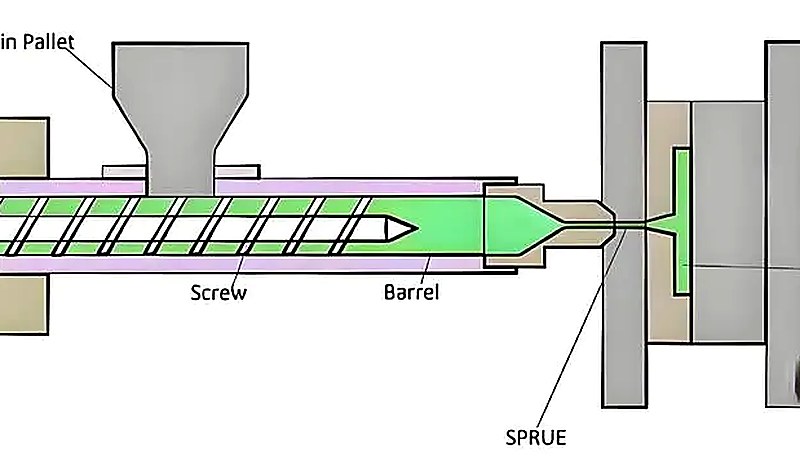
5種類のプラスチックカバーについて、それぞれ専用金型を必要とする特急注文が入ったとします。生産現場の予定はすでに埋まっており、段取り替えに1回2~4時間かかる大型金型を5型も交換すれば、工程計画は成り立ちません。MUD射出成形金型システムは、まさにこの状況のために設計されています。汎用フレームを成形機に残したまま、軽量な入れ子金型だけを交換できるため、所要時間は数時間ではなく数分です。
この記事では、MUDシステムとは実際に何か、どのような場合に合理性があるか(また、ないか)、どのように設計するか、従来の金型と比べてどの程度のコストがかかるかを詳しく解説します。用途を誤ってMUDベースに費用を浪費した工場もあれば、適切な用途で毎月数千ドルを節約した工場も見てきました。その違いは、トレードオフを理解しているかどうかにあります。
- MUDシステムは、交換可能なインサート金型を備えた共通フレームを使用し、迅速な段取り替えを実現します。
- MUDクイックチェンジベースを使用すれば、金型交換時間を数時間から数分に短縮できます。
- MUD金型は、小ロット、多品種、または試作の生産に最適です。
- インサート寸法とショット容量の制約により、MUDは大型部品や多数個取り部品には適していません。
- MUDインサートは、従来の金型ベース一式より40~60%安価です。
MUD射出成形金型とは?
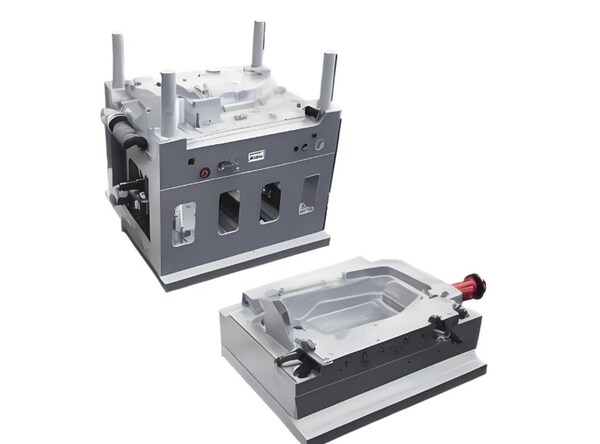
MUD射出成形金型は、標準化された一つのモールドベース1を射出成形機に取り付けたまま使うクイックチェンジ金型システムです。製品変更のたびに金型全体を外す代わりに、作業者はキャビティとコアを収めた小型入れ子を交換します。同じ成形機、材料系統、生産条件を共有する複数の関連部品で段取り時間を短縮できます。
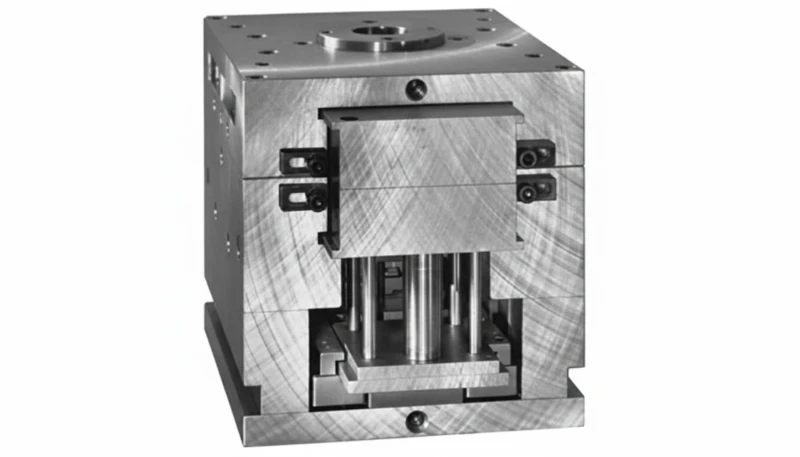
電動ドリルに例えると、ドリル本体を持ったままビットだけを交換する仕組みです。MUDフレームがドリルで、入れ子金型2がビットです。標準フレームは約6~18インチで、さまざまな外形の入れ子に対応します。各フレームには、入れ子を位置決めして固定するガイドピン、ブッシュ、クランプ機構があります。
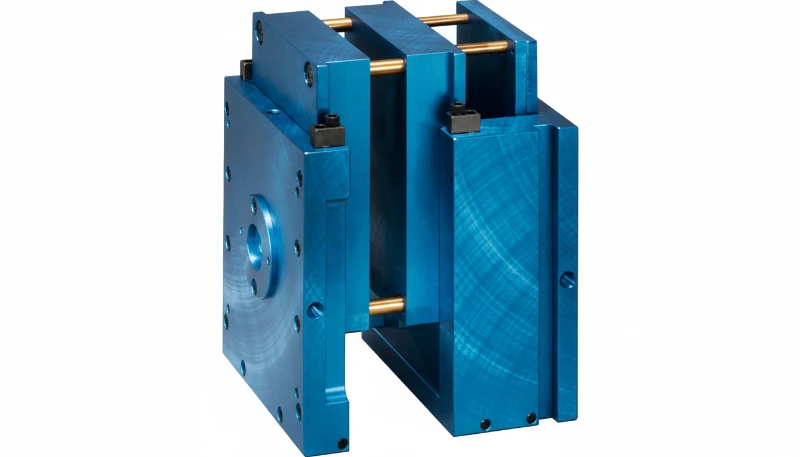
当社工場では、コネクタハウジング、小型カバー、センサー筐体など、同系統の材料で複数の小型部品を生産する案件にMUD式フレームを使用してきました。金型全体を成形機から降ろさずにインサートを交換できるため、複数のSKUを連続して生産する際に大幅な時間短縮になります。当社は90T~1850Tの射出成形機を47台保有しており、このようなクイックチェンジ金型専用に特定の成形機を割り当てる柔軟性があります。生産チームは、部品品質や成形機の稼働率を損なうことなく、インサートを迅速に交換する経験を備えています。
標準金型との主な違いは、MUDフレームが位置合わせ、突出しストローク、成形機への取付けといった基盤機能をすべて担い、インサートは製品形状だけを受け持つ点です。この分離によってコスト削減と金型交換の迅速化が可能になります。新しい部品のたびに一から作り直すのではなく、タイヤだけを交換するようなものです。この計画上の余裕は、サンプリング時間の確保にも役立ちます。
MUDクイックチェンジシステムの仕組みとは?
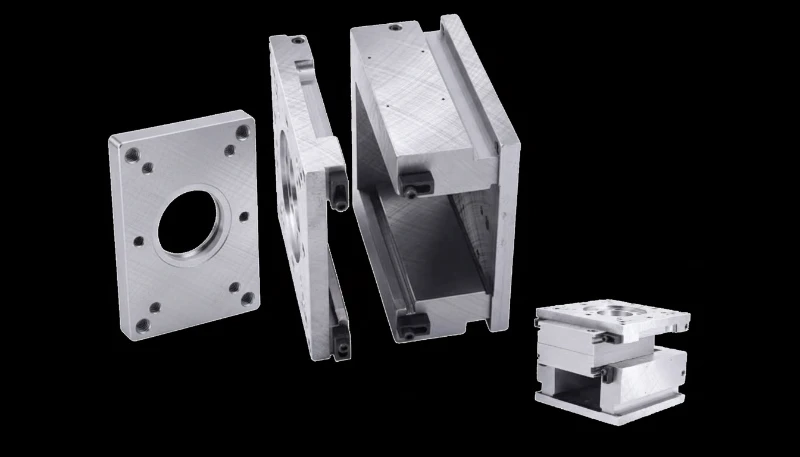
MUDクイックチェンジシステムは、このセクションで説明する段階と設定に沿って進む管理された工程です。MUDシステムは、マスターフレーム、インサート金型、ロック機構の3要素で構成されます。マスターフレームは従来金型と同様に成形機プラテンへ固定され、エジェクタープレート機構、ガイドピンセット、支柱、特定クラスのインサートを受け入れる加工ポケットを備えます。
インサート金型は、コア、キャビティ、ランナーシステム、専用の冷却回路を保持する独立したユニットです。部品Aから部品Bへ生産を切り替える際、作業者は成形機を開き、現在のインサートのクランプを解除して引き出し、新しいインサートを入れて固定し、金型を閉じます。全工程の所要時間は、フレームのサイズと冷却・突き出し接続部の複雑さに応じて、通常10~30分です。
一部の高度なMUDシステムでは、水配管や電気接続にクイックディスコネクト継手を採用し、交換時間をさらに短縮しています。作業者が個々の冷却ホースを工具で一本ずつ着脱する代わりに、単一のマニホールドブロックを接続すると、インサート内部の適切な流路へ冷却水が供給されます。このクイックディスコネクト継手はフレームの初期費用を増加させますが、1シフト当たり3~4回インサートを交換するような多品種生産環境では、短期間で投資を回収できます。
一方、従来の金型交換では、クレーンまたはフォークリフトを使って金型を成形機から降ろし、すべての水配管と電気接続を外し、数百kgにもなる金型を移動させたうえで、新しい金型について逆の手順を行う必要があります。順調に進んでも、2~4時間の停止時間が発生します。
ロック機構はメーカーによって異なります。DMEの純正MUDシステムは、側面から締め付けるウェッジ式クランプを採用しています。ほかにも、油圧クランプ、トグルロック、バヨネット式クイックリリース継手を使用するシステムがあります。エンジニアにとって重要なのは、ロック方式がインサートの位置合わせに及ぼす影響を理解することです。わずか数千分の1インチの位置ずれでも、バリや公差外れの部品が発生します。
当社の生産計画では、インサート交換を長時間の段取り替えなしで互換性のある成形機上で実施できる場合に、MUD方式の金型が最も有効です。ZetarMoldは20+年の金型製作経験を有し、90Tから1850Tまで47台の射出成形機を保有しているため、MUDベースを推奨する前に、当社のエンジニアがインサート寸法、型締力、材料、想定される交換頻度を適切に照合できます。
MUDシステムを使用すべき場合
本節では、MUDシステムの使用と、それがコスト、品質、納期、または調達リスクに与える影響について説明します。MUDシステムは特定の用途で特に有効です。ここでは、20年以上にわたり量産金型を運用してきた経験に基づき、実際に価値を発揮する場面を示します。これらの用途に共通するのは、比較的短い生産期間内に同一プレスで複数の異なる部品を生産する必要があり、各部品専用のフルサイズ金型を製作するコストを生産数量では正当化できない点です。
同一材料による複数部品ファミリー
ABS製の小型筐体5種類を、同じ肉厚、同じゲート方式、同じ収縮率で成形する場合、MUDフレームを使用すれば、段取り替えを最小限に抑えて、すべてを1台の成形機で生産できます。これはMUDフレームの典型的な使用例です。SKU-1を4時間成形し、入れ子を交換してSKU-2を3時間成形する、というように生産します。成形機1台、フレーム1個、入れ子5個という構成です。各入れ子をそれぞれの保守周期に合わせて整備でき、1つのキャビティを整備するためにフレーム全体を停止する必要がないことを考慮すると、経済性はさらに高まります。
少量・試作生産
SKU当たりの年間生産数量が10,000個未満の場合、専用のフルサイズ金型を5型製作することは、費用面で正当化が困難です。フル金型5型のコストの40–60%でMUDインサートを5型製作できるなら、採算が合います。当社では、量産金型に投資する前に試作から量産への橋渡しや市場テスト用の生産を必要とする顧客に、この方法を日常的に推奨しています。リスクも低く、製品が市場に定着しなかった場合でも、フル金型1型当たり数万ドルではなく、インサート1型当たり数千ドルの損失で済みます。
頻繁な設計変更
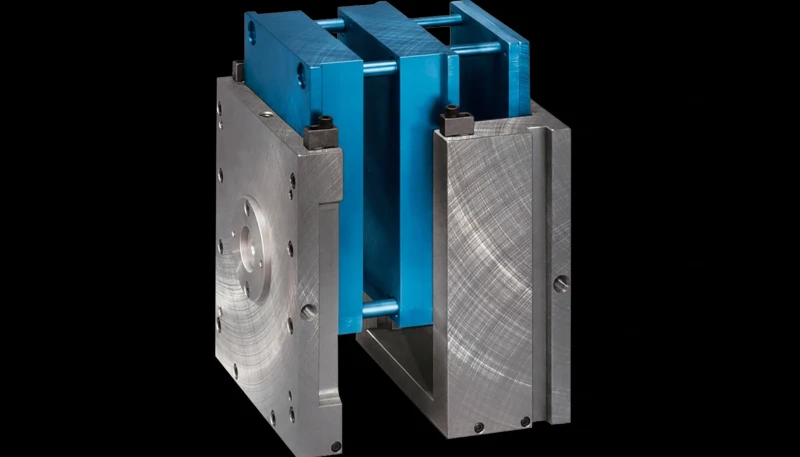
製品開発中に設計が数週間ごとに変更される場合、金型ベース全体を作り直すより、小型インサートを変更する方が迅速かつ低コストです。インサートには形状固有の要素だけが含まれるため、変更費用はフレーム一式ではなく、キャビティとコアの鋼材部分に限定されます。当社のシニアエンジニア8名は、検証段階でお客様と反復的なインサート設計に日常的に取り組んでいます。
見落とされがちなスケジュール上の利点もあります。生産計画担当者が2つの大口生産の間に少量の緊急案件を組み込む必要がある場合、MUDインサートなら主要スケジュールを乱さずに対応できます。大口案件を生産し、20分間停止して緊急案件用インサートに交換し、短いロットを生産してから元に戻し、再開します。クレーンも、成形機の再校正も、生産現場の再調整も不要です。
MUD金型の制約は何ですか?
MUD金型の制約は、本節で説明する主な分類または選択肢です。利点だけを取り上げるのは誠実ではありません。MUDシステムには、多くの用途で不適切な選択となる現実的な制約があります。
第一はサイズ制限です。MUD入れ子は意図的に小さく設計されています。最大の標準フレーム(15~18インチシリーズ)でも部品外形に上限があります。いずれかの寸法が約300mmを超える、または量産のため多数個取りが必要ならMUDは使えず、フルサイズの通常金型が必要です。
第二は構造剛性です。MUD入れ子はフレーム内のポケットに収まるため、その接合部は一体型金型ほど剛性がありません。特にガラス充填材を高圧射出すると、入れ子とフレームの境界でパーティングライン3が開いたり、バリが出たりすることがあります。±0.05mm以下の厳しい公差では、このたわみが採用不可の要因になり得ます。
第三は冷却の制約です。入れ子金型は通常金型より冷却流路のスペースが限られ、1ショット当たりのサイクルタイム4が同等の通常金型より15~25%長くなることもあります。数百万個を生産し、1秒ごとが重要な場合、この冷却上の不利は急速に積み上がります。
第四はキャビティ数の制限です。多くのMUD入れ子は1~4個取りです。生産目標に8個取りや16個取りが必要なら、入れ子の面積に収まらないためMUDでは対応できません。
「同じ部品の場合、MUDインサート金型のコストは従来型のフル金型より40–60%低くなります。」True
インサートにはコア、キャビティ、基本的な冷却のみが含まれます — フレーム、大型エジェクタプレート、重い支持構造はありません。共有マスターフレームは全てのインサートに分散償却されるため、追加部品設計ごとに鋼材、加工時間、設計労力を節約できます。
「MUDシステムは、大型部品の大量生産に最適である。」False
MUDインサートには厳格なサイズとキャビティ数の制限があります。大型部品はインサートのエンベロープを超え、高容量のジョブには適合しないマルチキャビティレイアウトが必要です。大型または高容量生産には、従来のフルサイズ金型が依然として正しい選択肢です。
MUDは従来型モールドベースと比べてどうですか?
以下は、理論的な教科書数値ではなく、実際の見積りと生産で見られる側面を反映した比較表です。
| ファクター | MUDクイックチェンジ | 従来型金型 |
|---|---|---|
| 初期金型コスト(部品設計ごと) | 40~60%低減 | 全額 |
| 段替え時間 | 10~30分 | 2–4時間 |
| 最大部品サイズ | 約300mm(最大フレーム) | プレスサイズのみに制限される |
| 最大キャビティ数 | 通常1~4個のキャビティ | 16キャビティ以上可能 |
| 構造的剛性 | 良好(インサートインフレーム) | 優れている(ソリッドブロック) |
| サイクル時間への影響 | +15–25% 従来型との比較 | 基準値 |
| 最適な用途 | 少量・多品種・試作品 | 高容量、大型部品 |
| 設計変更コスト | 低い(インサートのみ修正) | 高い(金型全体の修正) |
決定は常に二者択一ではありません。一部の工場では両方を運用しています:最大量のSKUには従来型金型を、少量部品の長いテールには専用プレス上のMUDフレームを使用します。月産100セット以上の射出金型製造能力を持つ私たちは、両方式を定期的に製造し、特定の製品構成に適したアプローチを提案できます。
「従来型金型からMUDシステムに切り替えることで、段取り替えの停止時間を90%以上短縮できます。」True
従来の金型交換には2~4時間(クレーン、水/電気の切断、交換、再接続、検証)かかります。MUDインサート交換には10~30分(プレス開放、クランプ解除、スライドアウト、スライドイン、クランプ、閉鎖)かかります。その差は、段替えごとに90~95%少ないダウンタイムです。
「どのような射出金型設計でも、妥協することなくMUDインサートに転換できる。」False
インサートサイズ、冷却チャンネル配置、エジェクションシステムの複雑さ、ショット容量要件はすべて制限を課します。複雑なサイドアクション、リフター、または大きなアンダーカットを持つ金型は、インサートエンベロープ内に収まらないか、必要な剛性を維持できない場合があります。
MUDインサートモールドに適用される設計規則は何ですか?
MUDシステム用の設計は、独立した射出成形金型の設計とは異なります。入れ子をフレームの制約内で機能させる必要があります。実務上重要なルールを以下に示します。
1. 入れ子外形を守る。各フレームサイズには最大ポケット寸法があります。コアとキャビティは構造支持に十分な肉厚を保ちながら、その範囲に収める必要があります。まず部品を設計し、金型着工前にフレーム仕様と照合してください。当然に思えますが、部品の承認後にどの標準MUD入れ子にも収まらないと判明した例があります。
2. フレームのランナー系に合わせてゲート位置を計画する。多くのMUDフレームでは、中央に標準の射出成形金型設計上のスプルー位置があります。部品にエッジゲートやサブマリンゲートが必要なら、固定スプルー位置から最適ゲートへ樹脂を送れるランナー配置か確認してください。
3. サイドアクションを最小化する。スライド、リフター、コラプシブルコアは入れ子内の限られた空間を使い、冷却流路の余地を減らします。外部アンダーカットが二つを超えるとMUD入れ子は非常に窮屈になり、金型費の利点も薄れ始めます。
4. 入れ子の制約内で冷却を最適化する。小型入れ子には大径冷却回路を通せません。バッフル、バブラー、最適化した流路配置で、狭い空間からの放熱を最大化します。冷却上の不利はありますが、良い設計で差を縮められます。
5. フレームのエジェクタプレートに対して突出しストロークを確認する。マスターフレームがエジェクタプレートと戻り機構を提供するため、入れ子側のピン位置、ストローク長、戻しばね力を一致させる必要があります。多くのフレームは標準エジェクタピン格子を使うので、それに合わせて入れ子の突出しを設計します。
MUD金型のコストは標準的な金型と比較していくらですか?
コストが多くの人がまずMUDを検討する理由ですので、当社の見積もり経験から実際の数字をお示しします。これらは、P20鋼製の小型電子機器筐体(約80mm×50mm×25mm)の単一キャビティ金型の典型的な範囲です。
| コスト構成要素 | MUDインサートのみ | 完全な従来型金型 |
|---|---|---|
| マスターフレーム(一回限り) | $3,000–$6,000 | N/A(金型に組み込まれている) |
| インサート金型(部品ごと) | $2,500–$5,000 | $6,000–$12,000 |
| 追加インサート(各々) | $2,500–$5,000 | $6,000–$12,000 |
| 5部品ファミリー合計 | $15,500–$31,000 | $30,000–$60,000 |
| 交換ごとの切り替え作業 | 15分 × 1オペレーター | 3時間 × 2オペレーター + クレーン |
| 交換ごとの生産ダウンタイム | 10–30分 | 2〜4時間 |
重要な洞察:マスターフレームは一度の投資です。一度所有すれば、追加のインサートはインサートコストのみです。5部品ファミリーの場合、MUDアプローチは通常、総工具投資で40–50%を節約します。10部品ファミリーの場合、節約額は55–60%に近づきます。
しかし、忘れられやすい点があります:非常に高生産量で一つの部品設計を生産する場合 — 例えば年間500,000部以上 — 冷却制限とMUDインサートのキャビティ制限によるサイクル時間のペナルティは、部品単価が実際に高くなることを意味します。工具の節約は生産効率の低下によって相殺されます。そのようなシナリオでは、専用の8キャビティ従来型金型が総保有コストで優位となります。
当社は金型鋼の社内調達と、CNC、ワイヤーカット、放電加工機、研削盤など専用23台を備えた一貫金型工場により、MUD入れ子と通常金型を競争力ある納期で提供できます。重要なのは単に安い方ではなく、実際の生産条件に適したシステムを選ぶことです。
MUDインジェクションモールドに関するよくある質問
射出成形でMUDは何の略ですか?
MUDはMaster Unit Dieの略称です。これはDME(現在はBarnes Groupの一部)によって最初に開発されたクイック交換型金型ベースシステムであり、汎用フレームが射出成形機に永久に固定され、小さな交換可能なインサート金型がスライドイン・スライドアウトすることで迅速な工具交換を実現します。マスターフレームはエジェクターシステム、ガイドピン、およびクランプ機構を含み、各インサートはコア、キャビティ、および独自の冷却回路のみを保持します。MUDは登録商標ですが、この用語は射出成形業界において製造元を問わず、同様のクイック交換インサート金型システムを指す広く使用される言葉となっています。
MUDインサートの交換にはどのくらい時間がかかる?
典型的なMUDインサートの切り替えは、フレームサイズと冷却およびエジェクション接続の複雑さに応じて10〜30分かかります。オペレーターはプレスを開き、現在のインサートをクランプ解除してスライドアウトし、新しいインサートを設置してクランプし、金型を閉じます。これは、クレーンまたはフォークリフトが必要で、水ラインおよび電気接続を切断し、数百キログラムの重量の金型を物理的に移動し、その後全プロセスを逆に行う従来の完全な金型交換の2〜4時間と比較されます。一日に複数の短期生産ジョブを実行する生産施設では、この時間節約は重要であり、直接的に高いプレス利用率と低い部品ごとの間接費に変換されます。
MUD金型の最大部品サイズは何ですか?
最大部品サイズは選択する特定のMUDフレームシリーズに依存します。最大の標準MUDフレーム(通常15–18インチシリーズ)は、最大寸法約300mmの部品に対応できます。ただし、インサートの壁厚とキャビティ周辺の構造サポートを考慮する必要があるため、使用可能な部品エンベロープはフレームポケット寸法よりも若干小さくなります。このサイズを超える部品、または高生産量目標を達成するために多キャビティ配置が必要な部品は、実用的なサイズ制限が成形機のトンネージとプレートン寸法のみである従来型の大型金型がより適しています。
MUDシステムはガラス充填または高圧材料を扱えますか?
MUDインサートはガラス充填や高圧材料を成形できますが、インサートとフレームの接合部の構造的な制限を考慮する必要があります。インサートはマスターフレーム内のポケットに設置されるため、一体型のブロックよりも剛性が低くなります。ガラス充填ナイロン、PBT、または150 MPa以上の射出圧力を必要とする高粘度のエンジニアリング樹脂を使用する場合、インサート境界部でのフラッシュ発生やわずかなパーティングラインの分離が見られる可能性があります。±0.05mmまたはそれ以上の厳しい公差を持つ部品をこれらの高要求材料で成形する場合、従来型の一体型金型は生産全体でより安定した寸法精度を提供します。
MUDインサートにはいくつのキャビティが収容できますか?
ほとんどのMUDインサートは、個々の部品サイズと使用する特定のフレームシリーズに応じて1〜4キャビティに対応します。コンパクトなインサートのフットプリントは、従来型金型と比較してキャビティ総数を本質的に制限します。従来型金型は、高生産量の汎用品部品に対して8、16、または32以上のキャビティで設計できます。生産量要件が高キャビティ化を要求し、目標サイクル出力と部品単価を達成する必要がある場合、プロジェクト全体を通じて従来型大型金型が初期工具投資が高いにもかかわらず、より費用効果的な選択肢となります。
MUD金型は医療または食品グレード部品に適していますか?
MUDインサートは、適切な表面仕上げ、安定した材料挙動のための十分な冷却、部品表面を汚染しない適切な離型を備えた設計であれば、医療および食品グレード部品を生産できます。ただし、認証要件を慎重に考慮する必要があります。FDA、ISO 13485、または類似の規制に従う業界では、各インサートはプロセス認証、能力調査、文書化を含む独自の認定プロトコルが必要になる場合があります。部品ファミリーに対して複数のインサートを使用する場合、各インサートの認証オーバーヘッドは、MUDの魅力である工具コスト節約を相殺する可能性があります。高生産量の規制部品では、単一の包括的な認証を持つ専用従来型金型がより簡便です。
MUDインサートは通常どの材料で作られますか?
MUDインサートは通常、標準的な生産ラインではP20プレハード鋼(約28–32 HRC)から加工され、加工性、研磨性、工具寿命とコストのバランスが良好です。ガラス充填材料、研磨性エンジニアリング樹脂、または500,000サイクル以上の生産ラインでは、H13硬化工具鋼(48–52 HRC)が耐摩耗性と熱疲労寿命を大幅に向上させます。アルミニウムインサート(通常7075-T6)は、試作や極少量のブリッジ生産でも使用され、材料コストの低さとCNC加工時間の短さが工具寿命の短さを上回る場合に適しています。PVCや他の腐蝕性成形材料に対して耐食性が必要な場合は、S136ステンレス鋼が選択肢となります。