Wat is de definitie van een ondersnijding bij spuitgieten?
Als u leveranciers beoordeelt, raadpleeg dan onze inkoopgids.
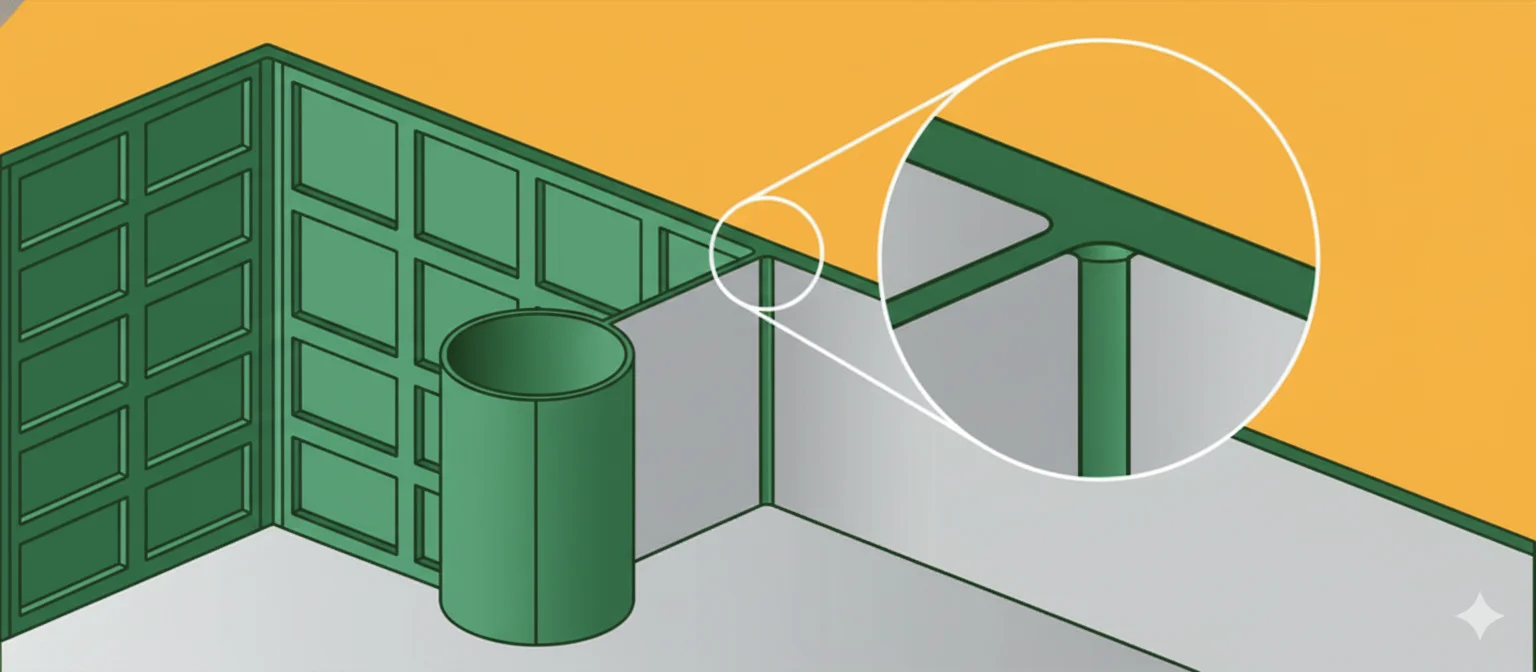
Bij spuitgieten is een ondersnijding elk onderdeelkenmerk dat uitwerpen langs de primaire lossingsrichting verhindert. Typische voorbeelden zijn zijgaten, klikhaakjes, binnendraad, vergrendelingsvensters en verzonken groeven die het staal mechanisch opsluiten tenzij de matrijs een vrijgavemechanisme bevat. Hoe eerder dit kenmerk tijdens de Design for Manufacturing (DFM)-beoordeling wordt vastgesteld, hoe eenvoudiger het is om herontwerp, afsluitgeometrie, geforceerd lossen, zijschuif1, lifters of inklapbare kernen te vergelijken voordat kosten en levertijd vastliggen.
Ondersnijdingen behoren tot de meest voorkomende oorzaken van verhoogde gereedschapskosten en doorlooptijd, omdat ze bijna altijd extra bewegende componenten in de matrijs vereisen. Een goed uitgevoerde DFM-beoordeling kan de gereedschapskosten gerelateerd aan ondersnijdingen met 20 tot 40 procent verminderen, simpelweg door kenmerken te identificeren die geëlimineerd of vereenvoudigd kunnen worden voordat het matrijsontwerp definitief is. In onze fabriek zien we herwerkingsverzoeken gerelateerd aan ondersnijdingen in ongeveer één op de drie nieuwe matrijsprojecten, daarom geven we prioriteit aan vroege mechanismeselectie.
- Kenmerken met ondersnijdingen moeten vóór het offreren worden geclassificeerd, omdat de lossingsmethode de matrijskosten, doorlooptijd en het onderhoudsrisico verandert.
- Zijschuiven, lifters en inklapbare kernen lossen verschillende geometrische problemen op. De keuze van het mechanisme moet daarom volgen uit de lossingsrichting, slag, kunststof, tolerantie en het productievolume.
- De DFM-route met het laagste risico is om eerst de geometrie te vereenvoudigen en pas bewegende matrijscomponenten toe te voegen wanneer de functie de extra gereedschapscomplexiteit rechtvaardigt.
Zonder een gespecialiseerd mechanisme om het kenmerk vrij te geven, zou het staal van de matrijsholte de gestolde kunststof fysiek opsluiten, waardoor het onderdeel of de matrijs tijdens het uitwerpen beschadigd raakt. Het oplossen van deze uitdaging vormt de kern van complex matrijsontwerp.
Veelgebruikte mechanismen om ondersnijdingen op te lossen zijn:
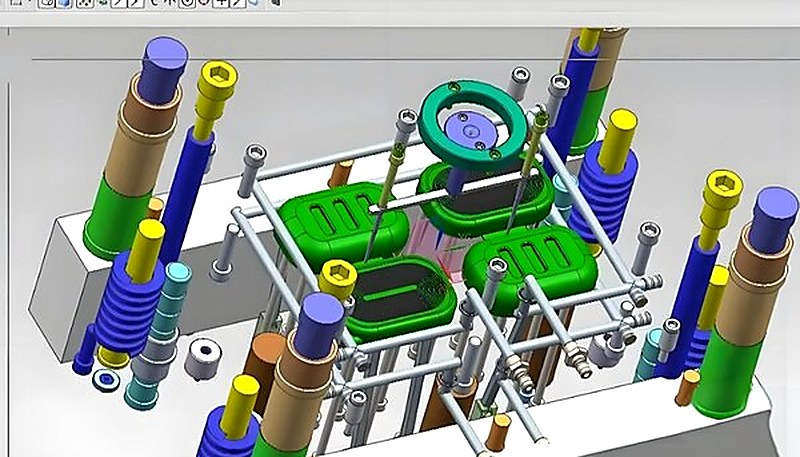
Zijschuiven (slides): door nokken aangedreven blokken die loodrecht op de openingsrichting van de matrijs bewegen.
"Door kleine lossingshoeken in ondersnijdingen op te nemen, wordt de kracht die nodig is om zijschuiven en lifters los te maken aanzienlijk verminderd."True
Het toevoegen van een lossingshoek aan de ondersnijding vermindert wrijving en weerstand tijdens het terugtrekken van het metalen component, verlengt de standtijd en verlaagt het risico op vervorming van het onderdeel.
"Voor alle ondersnijdingen in een onderdeelontwerp zijn dure mechanische zijschuiven of schuine uitwerpers nodig om het onderdeel succesvol te kunnen spuitgieten."False
Dit is een misvatting. Veel kleine ondersnijdingen kunnen bij een flexibel materiaal worden opgelost met 'bump-offs' (afstropen), of door het onderdeel opnieuw te ontwerpen met doorlopende sleuven of afsluitingen die de ondersnijding volledig elimineren.
Lifters: interne kernen die tijdens het uitwerpen onder een hoek bewegen om interne kenmerken vrij te geven.
Inklapbare kernen: gesegmenteerde kernen die naar binnen krimpen om schroefdraad of diepe interne ondersnijdingen vrij te geven.
Wat zijn de belangrijkste parameters voor het definiëren van een zijdelingse nok?
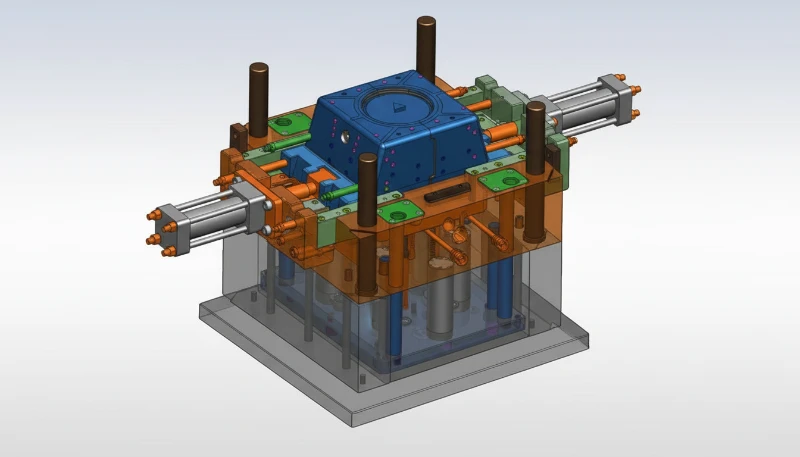
Een zijschuif (vaak slide of nokschuif genoemd) is de meest robuuste methode voor externe ondersnijdingen bij spuitgieten. Deze bestaat doorgaans uit een nokpen (schuine pen), een schuiflichaam en een vergrendelingsblok.
Wanneer de matrijs opent, dwingt de schuine pen de schuif van het onderdeel weg te trekken. Wanneer de matrijs sluit, houdt het vergrendelblok (heel block) de schuif stevig op zijn plaats tegen de injectiedruk.
Tabel 1: kritieke ontwerpparameters voor zijwaartse bewegingen
| Parameterwaarde | Typische waarde / bereik | Opmerkingen |
|---|---|---|
| Hoek van de schuine pen | 10° – 25° | De hoek van de pen bepaalt de verplaatsingsafstand. Steilere hoeken leveren meer verplaatsing, maar minder mechanisch voordeel. |
| Hoek van het hielblok | Penhoek + (2° tot 5°) | De vergrendelingshoek moet steiler zijn dan de penhoek om te voorkomen dat de schuif tijdens het inspuiten terugloopt. |
| Materiaal van de schuif | Gereedschapsstaal H13, P20 of S7 | Bewegende componenten vereisen gehard staal (48–52 HRC) om slijtage en vreten te weerstaan. |
| Slijtplaten | Aluminiumbrons / grafitisch staal | Wordt onder de schuif gebruikt om vastlopen van staal op staal te voorkomen; doorgaans zelfsmerend. |
| Speling | 0,012 – 0,025 mm (0,0005" – 0,001") | Nauwe toleranties zijn vereist om "braamvorming" (lekkage van overtollige kunststof) bij de scheidingslijn te voorkomen. |
Hoe ontwerp je schuine uitwerpers voor matrijzen?
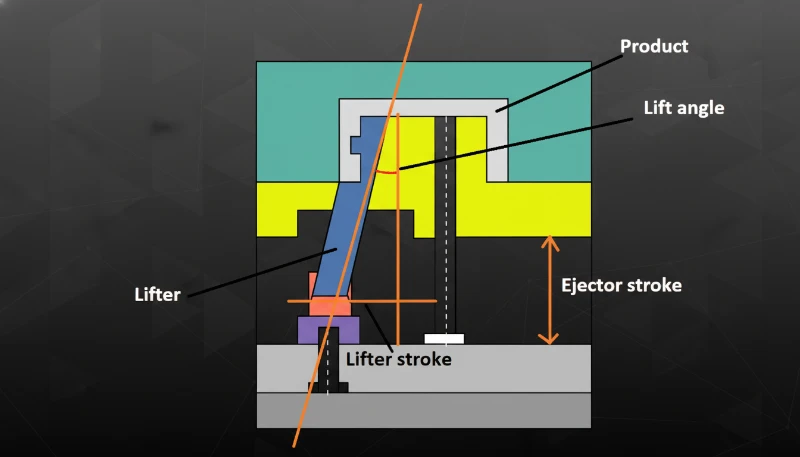
Het ontwerpen van lifters voor matrijzen is noodzakelijk wanneer de ondersnijding zich aan de binnenzijde van het onderdeel bevindt, waar een zijschuif niet bij kan. Een lifter2 maakt deel uit van het uitwerpsysteem. Terwijl de uitwerpplaten naar voren drukken, beweegt de lifter onder een hoek omhoog en naar binnen (zijwaarts), waardoor de ondersnijding vrijkomt.
Werking van de schuine uitwerper, stap voor stap:
Injectie: de lifter vormt een deel van de binnenwand of het clipdetail.
Openen van de matrijs: de A-zijde (holte) scheidt zich van de B-zijde (kern). Het onderdeel blijft op de kern.
"Met ‘shut-offs’ of ‘pass-throughs’ kunnen technici kenmerken vormen die op ondersnijdingen lijken zonder bewegende mechanismen te gebruiken."True
Door rechtstreeks onder een clip of klikverbinding een gat in de bodem van het onderdeel te ontwerpen, kunnen het kern- en caviteitsstaal elkaar 'kussen' (shut-off) om het kenmerk te vormen, waardoor zijacties overbodig worden.
"Schuine uitwerpers zijn doorgaans goedkoper en eenvoudiger te onderhouden dan externe zijschuiven."False
Schuine uitwerpers zijn vaak gevoeliger voor mechanische defecten en vreten door de complexe belastingen tijdens het uitwerpen. Ze zijn ook veel moeilijker te koelen, wat de cyclustijd kan verlengen en de onderdeelkosten kan verhogen ten opzichte van extern gekoelde schuiven.
Begin van uitwerpen: de uitwerpplaat duwt tegen de lifterstang.
Zijwaartse beweging: doordat de lifterstang schuin staat, wordt de verticale uitwerpkracht omgezet in een zijwaartse beweging die het stalen detail uit de kunststof ondersnijding trekt.
Factory Insight: ZetarMold heeft een interne malproductiefaciliteit, 8 senior engineers en een capaciteit voor 100+ mal sets per maand. In onze ervaring moeten zijacties, lifters en collapsible cores niet als standaard antwoorden worden behandeld. Ons team controleert eerst of draft, shut-off geometrie, materiaal flexibiliteit of onderdeel redesign de onderdruk kan verwijderen voordat beweegbaar staal wordt toegevoegd. Voor exportmalen markeert onze toolroom onderdrukken dieper dan 0,5 mm voor de quote, controleert 0,012-0,025 mm shut-off controle, specificeert 48-52 HRC wear surfaces waar beweegbaar staal wordt blootgesteld, en vergelijkt 15-25 graden cam-pin ranges voor layout approval. Deze vroegtijdige review vermindert verborgen fitting tijd, maakt spare-part planning duidelijk voor internationale klanten en verbetert meestal malbetrouwbaarheid voordat de mal de fabriek verlaat.
Vrijgave: zodra de lifter de ondersnijding heeft vrijgemaakt, valt het onderdeel of wordt het door een robot opgepakt.
Technische beperking: lifters zijn bijzonder moeilijk te koelen omdat het dunne, bewegende stangen zijn. Dit kan leiden tot langere cyclustijden dan bij zijschuiven, die eenvoudig met water kunnen worden gekoeld.
Wat zijn de voor- en nadelen van oplossingen voor ondersnijdingen?
Het kiezen van het juiste mechanisme is essentieel om kosten voor ondersnijdingen te vermijden en een lange levensduur van de matrijs te waarborgen. Een slide, lifter, handinzetstuk, geforceerde lossing, losschroefmechanisme of inklapbare kern3 mag pas worden gekozen nadat het team de lossingsrichting, vereiste slag, flexibiliteit van de hars, cosmetische risico’s, tolerantie-eisen en het productievolume heeft bevestigd.
Tabel 2: vergelijking van ondersnijdingsmechanismen
| Mechanisme | Beste voor | Voordelen | Nadelen |
|---|---|---|---|
| Zijactie (schuif) | Externe ondersnijdingen, poorten, gaten in zijwanden. | Robuust; gemakkelijk te koelen; hoge drukbestendigheid; betrouwbaar. | Vergroot de voetafdruk van de matrijs (vereist een bredere matrijsbasis); duur om te verspanen. |
| Schuine uitwerper | Interne klikverbindingen, binnenschroefdraden en interne weerhaken. | Maakt ingesloten interne geometrie mogelijk; wordt automatisch geactiveerd bij het uitwerpen. | Moeilijk te koelen (hotspots); gevoelig voor breken/vreten; complex onderhoud. |
| Inklapbare kern | Inwendige schroefdraad over de volledige omtrek (bijv. flessendoppen). | Maakt het uitwerpen van interne ondersnijdingen over 360° mogelijk; korte cyclustijden. | Extreem duur; veel onderhoud; beperkingen qua afmetingen. |
| Geforceerd afstropen | Ondiepe ondersnijdingen in flexibele materialen (PP, PE, TPE). | Geen mechaniekosten; eenvoudigste matrijsontwerp. | Beperkt tot specifieke geometrische randvoorwaarden; vereist materiaalelasticiteit; risico op vervorming van het onderdeel. |
Wat zijn praktische tips om complexiteit en kosten te verminderen?
Mijn ervaring op de productievloer is dat een ondersnijding het beste tijdens de DFM-fase wordt geëlimineerd. Als dat niet mogelijk is, volg dan deze praktische inzichten:
Gebruik glijdende afsluitingen: kijk bij een gat in een verticale wand of u de wand lossingshoek kunt geven en een ‘telescopische’ afsluiting kunt gebruiken waarbij holte en kern langs elkaar schuiven om het gat te vormen, in plaats van een zijschuif.
Beperk de slag van de zijschuif: houd de ondersnijding ondiep. Een diepere ondersnijding vereist een langere zijschuifslag, waardoor een grotere matrijsbasis nodig is en de matrijskosten aanzienlijk stijgen.
Materiaalkeuze voor geforceerd lossen: als het vermijden van kosten voor ondersnijdingen prioriteit heeft, gebruik dan materialen zoals polypropyleen (PP) of polyethyleen (PE). Ontwerp de ondersnijding met een uitloophoek (30° tot 45°), zodat de kunststof tijdens het uitwerpen over de stalen verhoging kan rekken zonder af te schuiven.
Geef prioriteit aan koeling in slides: leg altijd koelleidingen aan in zijschuiflichamen als ze groot genoeg zijn. Ongekoelde slides zijn een belangrijke bron van variatie in cyclustijd en maatinstabiliteit.
Wat zijn de gebruikelijke toepassingsscenario’s?
Zijschuiven, lifters en inklapbare kernen worden gebruikt in de automobiel-, elektronica-, sanitair- en medische spuitgietindustrie. Interieurbekleding van auto’s: gebruikt veel lifters voor interne klikverbindingen waarmee deurpanelen aan het chassis worden bevestigd.
Consumentenelektronica (behuizingen): gebruikt zijschuiven voor USB-poorten, aan-uitknoppen en HDMI-sleuven in de zijwanden van de apparaatbehuizing.
Sanitairfittingen: gebruiken inklapbare kernen of losschroefmechanismen voor binnendraad die niet geforceerd kan worden gelost.
Medische flacons: gebruiken vaak geforceerde lossing voor borgringen van doppen, waarbij wordt vertrouwd op de flexibiliteit van polypropyleen van medische kwaliteit.
"Door de hoek van zijschuifpennen te standaardiseren op 15° of 20° worden het matrijsontwerp en de inkoop van vervangingsonderdelen eenvoudiger."True
Door standaardhoeken aan te houden, kunnen matrijsbouwers standaardcomponenten van leveranciers als DME of Hasco gebruiken, waardoor de ontwerptijd en onderhoudskosten afnemen.
"Inklapbare kernen zijn de industriestandaard voor het vormen van alle soorten binnendraad."False
Inklapbare kernen zijn complex en kostbaar. Voor veel standaardbinnendraden hebben automatisch uitschroevende matrijzen (met roterende tandwielen) de voorkeur, of eenvoudige geforceerde lossing als het draadprofiel afgerond en het materiaal flexibel is.
Welke stappen worden aanbevolen om het juiste mechanisme te kiezen?
Analyseer de geometrie: is de ondersnijding intern of extern? (Extern → zijschuif; intern → lifter/kern).
Controleer de materiaaleigenschappen: is het materiaal flexibel (TPU, PP) of stijf (PC, glasvezelgevuld nylon)? Flexibele materialen maken mogelijk geforceerd lossen mogelijk.
Bereken de vereiste slag: hoe ver moet het staal bewegen om de kunststof vrij te maken? Zorg dat de matrijsbasis deze slag kan accommoderen.
Beoordeel het volume: overweeg bij een laag volume (1,000 stuks) handmatig geplaatste inzetstukken. Investeer bij een hoog volume (100,000+ stuks) in geharde, automatische slides met slijtplaten.
Simuleer: gebruik Moldflow-analyse om ervoor te zorgen dat de bewegende onderdelen de koeling niet belemmeren en geen luchtinsluitingen (gasverbrandingen) veroorzaken.
Veelgestelde vragen (FAQ)
Veelgestelde vragen
Kan ik ondersnijdingen vormen zonder bewegende matrijsdelen?
Ja, maar alleen wanneer de geometrie en het materiaal gecontroleerd afstropen mogelijk maken. Dit betekent doorgaans dat de ondersnijding ondiep is, een ruime radius heeft en een flexibele kunststof zoals PP, PE of TPE gebruikt. Stijve materialen, scherpe randen, diepe haken of cosmetische oppervlakken vereisen normaal gesproken een zijschuif, schuine uitwerper, inklapbare kern of herontwerp van het onderdeel, omdat het geforceerd van het staal verwijderen het onderdeel kan doen barsten of de matrijs kan beschadigen. Als het kenmerk functioneel is, test dan tijdens DFM de lossingsrichting voordat de matrijsindeling wordt vastgelegd.
Wat is het verschil tussen een schuif en een schuine uitwerper?
Een schuif, ook zijmechanisme genoemd, beweegt zijwaarts vanaf de deelnaad en wordt meestal aangedreven door een schuine pen of hydraulische cilinder. Deze is geschikt voor externe gaten, vensters, klikhaken en zijopeningen. Een schuine uitwerper beweegt onder een hoek door het uitwerpsysteem en is beter voor interne ondersnijdingen die moeten lossen terwijl het onderdeel wordt uitgeduwd. De keuze hangt af van de richting van het kenmerk, slagafstand, beschikbare matrijsruimte, koeling, cosmetische eisen, tolerantierisico en verwacht productievolume.
Hoeveel verhoogt een zijmechanisme de matrijskosten?
Een eenvoudige zijbeweging kan enkele duizenden dollars aan gereedschapskosten toevoegen; grotere of hydraulische schuiven kosten veel meer door extra staal, bewerking, slijtplaten, vergrendelingen, montage, afstemming en validatie. Ook na de opstart blijven kosten bestaan voor smering, onderhoud en reserveonderdelen. Bij kleine volumes zijn handmatig geplaatste inserts of een geometriewijziging soms praktischer. Bij grote volumes verdienen automatische schuiven zich doorgaans terug door een stabiele cyclustijd en minder handarbeid.
Wanneer moet ik een inklapbare kern kiezen?
Een inklapbare kern is vooral nuttig wanneer het onderdeel inwendige schroefdraad, diepe inwendige ringen of geometrie heeft die niet met een eenvoudige schuif kan worden vrijgegeven. Deze kan de noodzaak tot herontwerp van het onderdeel verminderen, maar is ook duurder en gevoeliger voor slijtage, harsverontreiniging, een onevenwichtige koeling en de kwaliteit van het onderhoud. Gebruik deze alleen nadat is gecontroleerd of de schroefdraad opnieuw kan worden ontworpen, gedeeld, gestript, losgeschroefd of naar een andere montagemethode kan worden verplaatst. Valideer bij kritieke onderdelen het mechanisme tijdens de DFM voordat het productiestaal wordt verspaand.
Hoe kan ik vóór DFM-goedkeuring het gereedschapsrisico van ondersnijdingen verminderen?
Begin door elke ondersnijding op het 3D-model te markeren en te classificeren als extern, intern, cosmetisch, functioneel of montagegerelateerd. Schat vervolgens de vrijgaverichting, slag, lossingshoek, materiaalflexibiliteit, tolerantie-eis en het productievolume. Vraag de matrijsingenieur om herontwerp, afsluiting, geforceerde lossing, handinzetstuk, zijschuif, lifter, uitschroeven en inklapbare kern te vergelijken. De beste beslissing is zelden het meest complexe mechanisme. Het is de optie die tegelijkertijd functie, matrijslevensduur, kosten, cyclustijd, onderhoudstoegang en toekomstige ondersteuning van reserveonderdelen beschermt.
Samenvatting
Het behandelen van spuitgieten onderdrukken vereist een balans tussen onderdeelfunctie en toolcomplexiteit. Zijacties zijn meestal het beste voor externe kenmerken, lifters zijn nuttig voor interne details, en collapsible cores zijn gereserveerd voor complexe interne geometrie zoals draad. Voordat deze mechanismen worden toegevoegd, review de overall Injection Molding Complete Guide, bevestig malontwerp basics in de injection mold guide, en prepare procurement details met de injection molding supplier sourcing guide. Dit houdt kosten, maintainability en manufacturing risk zichtbaar voordat DFM wordt vastgelegd.
Een offerte nodig voor een spuitgietmatrijs met ondersnijdingen, schuiven, schuine uitwerpers of inklapbare kernen?
Ontvang competitieve prijzen, DFM feedback en productietijdlijn van het engineeringteam van ZetarMold. Als uw onderdeel zijgaten, snap-hooks, interne draad, latch windows of andere onderdrukken heeft, deel het 3D-bestand, het materiaal, de jaarlijkse hoeveelheid, tolerantievereisten en cosmetische vereisten. Voor de planningcontext, vergelijk het vrijgave-mechanisme met de stappen van spuitgieten en de productietijd van spuitgieten voordat de mal wordt gequote.
Vraag vandaag een gratis offerte met DFM-beoordeling voor gereedschap aan →
zijschuif: Een zijschuif, ook wel slide genoemd, is een bewegend matrijsonderdeel dat vóór het uitwerpen van een externe ondersnijding wegtrekt. ↩
lifter: Een lifter is een schuine kern die door het uitwerpsysteem wordt aangedreven om interne ondersnijdingen tijdens het uitwerpen van het onderdeel vrij te geven. ↩
inklapbare kern: Een inklapbare kern is een gesegmenteerde kern die naar binnen samentrekt, zodat kenmerken met binnendraad of diepe verzinkingen kunnen worden vrijgegeven. ↩