Wie ist eine Hinterschneidung beim Spritzgießen definiert?
Wenn Sie Lieferanten bewerten, lesen Sie unseren Leitfaden zur Lieferantenbeschaffung.
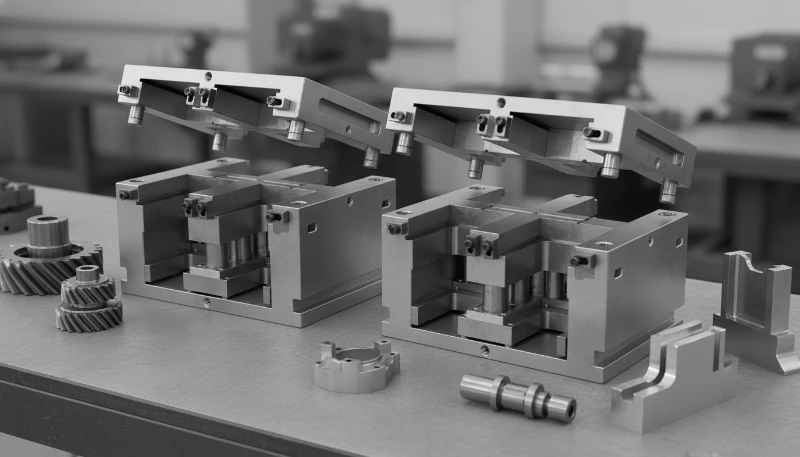
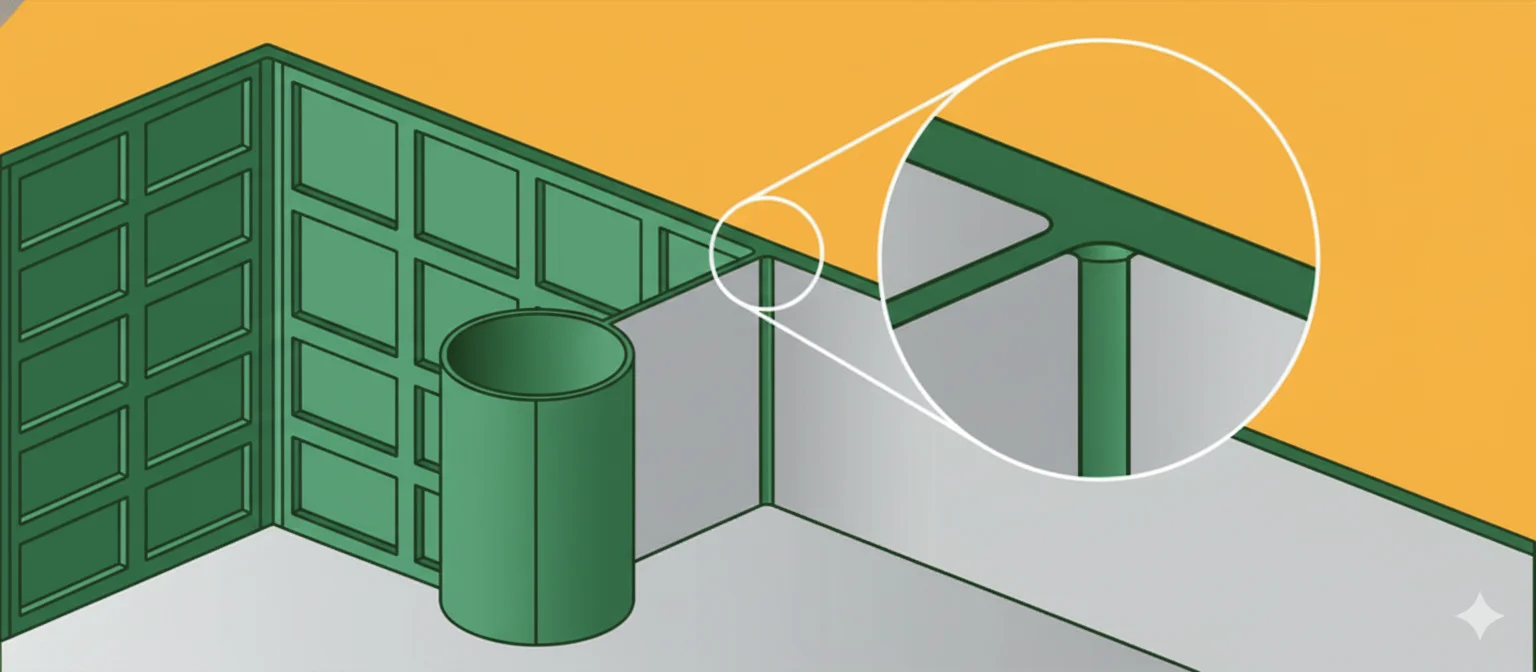
Beim Spritzgießen ist eine Hinterschneidung jedes Teilemerkmal, das die Entformung entlang der primären Entformungsrichtung verhindert. Typische Beispiele sind seitliche Bohrungen, Schnapphaken, Innengewinde, Rastfenster und vertiefte Nuten, die den Stahl mechanisch einschließen, sofern das Werkzeug keinen Freigabemechanismus besitzt. Je früher dieses Merkmal bei der fertigungsgerechten Konstruktion (DFM) erkannt wird, desto leichter lassen sich Neukonstruktion, Durchbruchgeometrie, Zwangsentformung, Schieber1, Schrägauswerfer oder Faltkerne vergleichen, bevor Kosten und Lieferzeit feststehen.
Hinterschneidungen gehören zu den häufigsten Treibern für erhöhte Werkzeugkosten und längere Lieferzeiten, da sie fast immer zusätzliche bewegliche Komponenten in der Form erfordern. Eine gut durchgeführte DFM-Prüfung kann die werkzeugbezogenen Kosten für Hinterschneidungen um 20 bis 40 Prozent senken, indem sie Merkmale erkennt, die eliminiert oder vereinfacht werden können, bevor das Formendesign finalisiert wird. In unserer Fabrik sehen wir Nacharbeitsanfragen im Zusammenhang mit Hinterschneidungen bei etwa jedem dritten neuen Formenbauprojekt, weshalb wir die frühzeitige Auswahl des Mechanismus priorisieren.
- Hinterschneidungen sollten vor der Angebotserstellung klassifiziert werden, da das Entformungsverfahren Werkzeugkosten, Lieferzeit und Wartungsrisiko verändert.
- Seitliche Schieber, Schrägauswerfer und Faltkerne lösen unterschiedliche Geometrieprobleme; die Wahl des Mechanismus sollte sich daher nach Entformungsrichtung, Hub, Harz, Toleranz und Produktionsmenge richten.
- Der risikoärmste DFM-Weg vereinfacht zuerst die Geometrie und ergänzt bewegliche Werkzeugkomponenten nur, wenn die Funktion die zusätzliche Komplexität rechtfertigt.
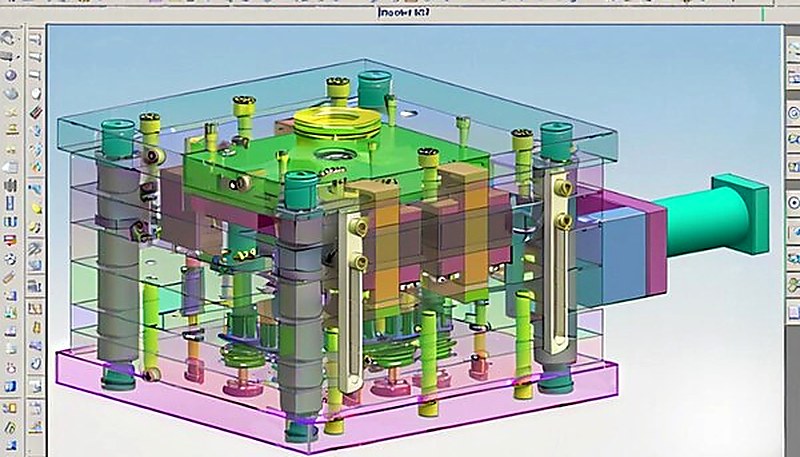
Ohne einen speziellen Mechanismus zur Freigabe des Merkmals würde der Stahl der Formkavität den erstarrten Kunststoff physisch einschließen und bei der Entformung das Teil oder Werkzeug beschädigen. Die Lösung dieser Herausforderung bildet den Kern eines komplexen Formenbaus.
Zu den gängigen Mechanismen zur Auflösung von Hinterschneidungen gehören:
Schieber: Nockengesteuerte Blöcke, die sich senkrecht zur Öffnungsrichtung des Werkzeugs bewegen.
"Leichte Entformungswinkel an Hinterschneidungsmerkmalen reduzieren die Kraft deutlich, die zum Lösen von Seitenschiebern und Schrägauswerfern erforderlich ist."True
Eine Entformungsschräge am Hinterschneidungsmerkmal verringert Reibung und Widerstand beim Zurückziehen der Metallkomponente, verlängert die Werkzeuglebensdauer und reduziert das Risiko einer Bauteilverformung.
"Alle Hinterschneidungen in der Bauteilkonstruktion erfordern teure mechanische Seitenschieber oder Schrägauswerfer, um erfolgreich geformt zu werden."False
Dies ist ein Irrtum. Viele kleine Hinterschneidungen lassen sich bei flexiblem Material durch Zwangsentformung lösen oder durch eine Neugestaltung des Teils mit Durchbrüchen oder Dichtkanten vollständig beseitigen.
Schrägauswerfer: Innenkerne, die sich während der Entformung schräg bewegen, um innen liegende Merkmale freizugeben.
Faltkerne: Segmentierte Kerne, die sich nach innen zusammenziehen, um Gewinde oder tiefe innere Hinterschneidungen freizugeben.
Was sind die Schlüsselparameter zur Definition eines Seitenschieber-Nockens?
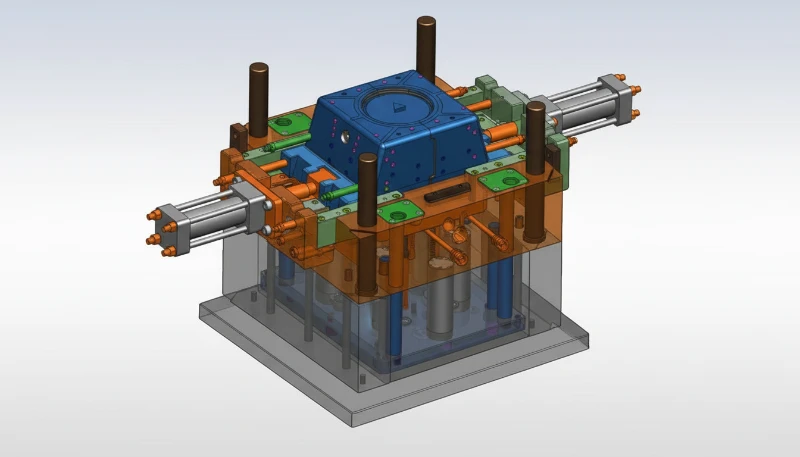
Ein Schieber (auch Seitenschieber oder Nockenschieber genannt) ist die robusteste Methode zur Handhabung äußerer Hinterschneidungen beim Spritzgießen. Er besteht typischerweise aus einem Schrägbolzen, einem Schieberkörper und einem Verriegelungsblock.
Beim Öffnen der Form zwingt der Schrägstift den Schieber, sich vom Teil zurückzuziehen. Beim Schließen der Form hält der Verriegelungsblock den Schieber gegen den Einspritzdruck fest in Position.
Tabelle 1: Kritische Konstruktionsparameter für seitliche Betätigungen
| Kenngröße | Typischer Wert / Bereich | Anmerkungen |
|---|---|---|
| Winkel des Schrägbolzens | 10° – 25° | Der Winkel des Schrägstifts bestimmt den Verfahrweg. Steilere Winkel ermöglichen einen längeren Verfahrweg, bieten jedoch einen geringeren mechanischen Vorteil. |
| Winkel des Fersenblocks | Stiftwinkel + (2° bis 5°) | Der Verriegelungswinkel muss steiler als der Stiftwinkel sein, damit der Schieber beim Einspritzen nicht zurückgedrückt wird. |
| Schiebermaterial | Werkzeugstahl H13, P20 oder S7 | Bewegliche Komponenten erfordern gehärteten Stahl (48–52 HRC), um Verschleiß und Fressen zu widerstehen. |
| Verschleißplatten | Aluminiumbronze / graphitischer Stahl | Wird unter dem Schieber eingesetzt, um Festfressen durch Stahl-auf-Stahl-Kontakt zu verhindern; üblicherweise selbstschmierend. |
| Spiel | 0.012 bis 0.025 mm (0.0005" bis 0.001") | Enge Toleranzen sind erforderlich, um "flash" (Austritt überschüssigen Kunststoffs) an der Trennebene zu verhindern. |
Wie konstruiert man Schrägauswerfer für Formen?
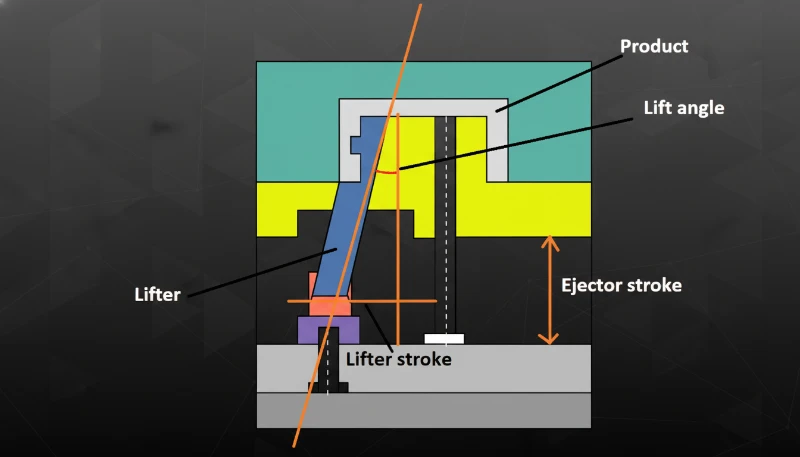
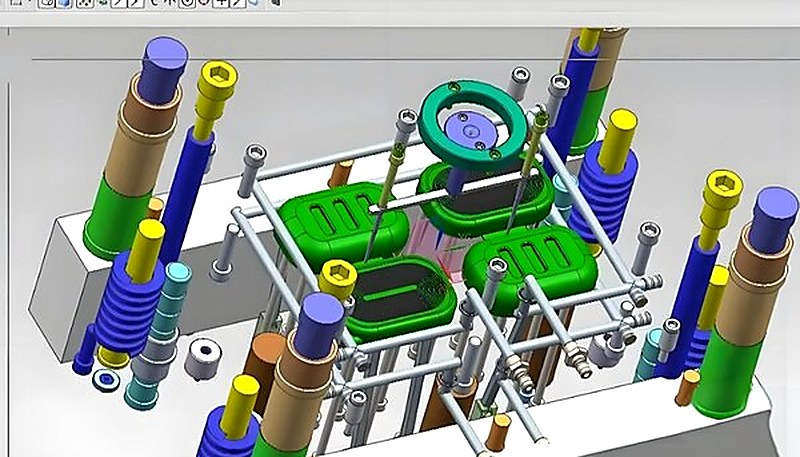
Eine entsprechende Formkonstruktion ist notwendig, wenn sich die Hinterschneidung im Inneren des Teils befindet und ein Schieber sie nicht erreichen kann. Ein Schrägauswerfer2 gehört zum Auswerfersystem. Wenn die Auswerferplatten vorfahren, bewegt sich der Schrägauswerfer winklig nach oben und innen (seitlich) und gibt dadurch die Hinterschneidung frei.
Schrittweise Funktion des Schrägauswerfers:
Einspritzen: Der Schrägauswerfer formt einen Teil der Innenwand oder des Clipdetails.
Werkzeugöffnung: Die A-Seite (Kavität) trennt sich von der B-Seite (Kern). Das Teil verbleibt auf dem Kern.
"Durch 'shut-offs' oder 'pass-throughs' können Konstrukteure Merkmale formen, die wie Hinterschneidungen aussehen, ohne bewegliche Mechanismen einzusetzen."True
Wird im Bauteilboden direkt unter einem Clip oder Schnapphaken eine Öffnung vorgesehen, können Kern- und Kavitätsstahl dort aufeinander schließen, um das Merkmal zu formen; Seitenschieber werden dadurch überflüssig.
"Schrägauswerfer sind in der Regel kostengünstiger und wartungsfreundlicher als außenliegende Seitenschieber."False
Schrägschieber sind aufgrund der komplexen Belastungen beim Auswerfen häufig anfälliger für mechanisches Versagen und Fressen. Zudem lassen sie sich wesentlich schwerer kühlen, was gegenüber außen gekühlten Schiebern die Zykluszeiten verlängern und die Teilekosten erhöhen kann.
Beginn der Entformung: Die Auswerferplatte schiebt die Stange des Schrägauswerfers vor.
Seitliche Bewegung: Da die Stange des Schrägauswerfers geneigt ist, wird die vertikale Auswerferkraft in eine seitliche Bewegung umgesetzt, die das Stahldetail aus der Kunststoffhinterschneidung zieht.
Werkstatt-Einblick: ZetarMold verfügt über eine eigene Werkzeugfertigungseinrichtung, 8 Senior-Ingenieure und eine Kapazität von über 100 Werkzeugsätzen pro Monat. Nach unserer Erfahrung sollten Seitenaktionen, Lifter und zusammenklappbare Kerne nicht als Standardlösungen behandelt werden. Unser Team prüft zunächst, ob durch Schrägung, Abschaltgeometrie, Materialflexibilität oder Teile-Neuentwicklung die Hinterschneidung beseitigt werden kann, bevor beweglicher Stahl hinzugefügt wird. Bei Exportwerkzeugen kennzeichnet unser Werkzeugbau Hinterschneidungen tiefer als 0,5 mm vor dem Angebot, prüft die Abschaltkontrolle von 0,012-0,025 mm, spezifiziert 48-52 HRC Verschleißflächen, wo Gleitstahl freiliegt, und vergleicht 15-25 Grad Nocken-Bereiche vor Layout-Freigabe. Diese frühe Überprüfung reduziert versteckte Montagezeiten, macht die Ersatzteilplanung für Überseekunden transparenter und verbessert in der Regel die Werkzeugzuverlässigkeit, bevor das Werkzeug die Fabrik verlässt.
Freigabe: Sobald der Schrägauswerfer die Hinterschneidung passiert hat, fällt das Teil herunter oder wird von einem Roboter entnommen.
Konstruktive Einschränkung: Die Kühlung von Schrägauswerfern ist bekanntermaßen schwierig, weil es sich um dünne, bewegliche Stangen handelt. Dies kann gegenüber Schiebern, die sich problemlos wassergekühlt ausführen lassen, zu längeren Zykluszeiten führen.
Welche Vor- und Nachteile haben Lösungen für Hinterschneidungen?
Die Wahl des richtigen Mechanismus ist entscheidend, um Kosten durch Hinterschneidungen zu vermeiden und eine lange Werkzeuglebensdauer sicherzustellen. Ein Schieber, Schrägauswerfer, Handeinsatz, eine Zwangsentformung, Ausdrehvorrichtung oder ein Faltkern3 sollte erst ausgewählt werden, nachdem das Team Entformungsrichtung, erforderlichen Hub, Flexibilität des Harzes, optisches Risiko, Toleranzanforderungen und Produktionsvolumen bestätigt hat.
Tabelle 2: Vergleich der Hinterschneidungsmechanismen
| Mechanismus | Am besten für | Vorteile | Nachteile |
|---|---|---|---|
| Seitenschieber | Äußere Hinterschneidungen, Anschlüsse und Bohrungen in Seitenwänden. | Robust; leicht zu kühlen; hohe Druckbeständigkeit; zuverlässig. | Vergrößert die Werkzeugabmessungen (breitere Werkzeuggrundplatte erforderlich); teuer zu bearbeiten. |
| Schrägauswerfer | Innere Schnappverbindungen, Innengewinde, innere Widerhaken. | Löst eingeschlossene Innengeometrien; wird bei der Entformung automatisch aktiviert. | Schwer zu kühlen (Hotspots); bruch- und fressgefährdet; aufwendige Wartung. |
| Faltkern | Innengewinde über den gesamten Umfang (z. B. Flaschenverschlüsse). | Ermöglicht das Entformen von 360°-Innenhinterschneidungen; kurze Zykluszeiten. | Extrem teuer; hoher Wartungsaufwand; Größenbeschränkungen. |
| Zwangsentformung (Abstreifen) | Flache Hinterschneidungen bei flexiblen Materialien (PP, PE, TPE). | Keine Mechanismuskosten; einfachste Werkzeugkonstruktion. | Auf bestimmte geometrische Randbedingungen beschränkt; erfordert Materialelastizität; Risiko der Bauteilverformung. |
Welche praktischen Tipps gibt es zur Verringerung von Komplexität und Kosten?
Nach meiner Erfahrung in der Fertigung ist es am besten, eine Hinterschneidung bereits in der Phase der fertigungsgerechten Konstruktion (DfM) zu beseitigen. Ist dies nicht möglich, helfen die folgenden praktischen Hinweise:
Gleitende Durchbrüche verwenden: Prüfen Sie bei einer Bohrung in einer senkrechten Wand, ob sich die Wand entformen und ein „teleskopierender“ Durchbruch verwenden lässt, bei dem Kavität und Kern aneinander vorbeigleiten und die Bohrung bilden, statt einen Schieber einzusetzen.
Schieberweg begrenzen: Halten Sie die Hinterschneidungstiefe gering. Eine tiefere Hinterschneidung erfordert einen längeren Schieberweg und damit einen größeren Formaufbau, was die Werkzeugkosten erheblich erhöht.
Materialauswahl für Zwangsentformungen: Wenn die Vermeidung von Hinterschneidungskosten Priorität hat, verwenden Sie Materialien wie Polypropylen (PP) oder Polyethylen (PE). Konstruieren Sie die Hinterschneidung mit einem Auslaufwinkel (30° bis 45°), damit sich der Kunststoff bei der Entformung über den Stahlvorsprung dehnen kann, ohne abzuscheren.
Kühlung der Schieber priorisieren: Versehen Sie ausreichend große Schieberkörper stets mit Kühlleitungen. Ungekühlte Schieber sind eine Hauptursache für Schwankungen der Zykluszeit und Maßinstabilität.
Was sind die üblichen Anwendungsszenarien?
Schieber, Schrägauswerfer und Faltkerne werden beim Spritzgießen in der Automobil-, Elektronik-, Sanitär- und Medizintechnik eingesetzt. Fahrzeuginnenverkleidungen: Hier werden häufig Schrägauswerfer für innere Schnappverbindungen verwendet, mit denen Türverkleidungen am Chassis befestigt werden.
Unterhaltungselektronik (Gehäuse): Verwendet Schieber für USB-Anschlüsse, Ein-/Aus-Tasten und HDMI-Buchsen in den Seitenwänden des Gerätegehäuses.
Sanitärarmaturen: Verwenden Faltkerne oder Ausdrehvorrichtungen für Innengewinde, die nicht zwangsentschraubt werden können.
Medizinische Fläschchen: Nutzen häufig Zwangsentformungen für Halteringe an Verschlüssen und greifen dabei auf die Flexibilität medizinischen Polypropylens zurück.
"Die Standardisierung des Winkels von Schrägschieberstiften auf 15° oder 20° vereinfacht die Werkzeugkonstruktion und die Ersatzteilbeschaffung."True
Durch die Einhaltung von Standardwinkeln können Formenbauer handelsübliche Komponenten von Anbietern wie DME oder Hasco einsetzen und dadurch Konstruktionszeit und Wartungskosten reduzieren.
"Faltkerne sind die branchenübliche Standardlösung zum Formen aller Arten von Innengewinden."False
Faltkerne sind komplex und kostspielig. Für viele Standardinnengewinde werden automatisch ausschraubende Formen (mit Drehgetrieben) bevorzugt oder einfache Abstreiflösungen, wenn das Gewindeprofil abgerundet und das Material flexibel ist.
Welche Schritte werden zur Auswahl des richtigen Mechanismus empfohlen?
Geometrie analysieren: Liegt die Hinterschneidung innen oder außen? (Außen → Schieber; innen → Schrägauswerfer/Kern).
Materialeigenschaften prüfen: Ist das Material flexibel (TPU, PP) oder steif (PC, glasfaserverstärktes Nylon)? Flexible Materialien können eine Zwangsentformung ermöglichen.
Erforderlichen Hub berechnen: Wie weit muss sich der Stahl bewegen, um den Kunststoff freizugeben? Stellen Sie sicher, dass der Formaufbau diesen Weg aufnehmen kann.
Stückzahl bewerten: Bei kleinen Stückzahlen (1,000 Einheiten) sind manuell eingelegte Einsätze zu erwägen. Bei großen Stückzahlen (100,000+ Einheiten) sollte in gehärtete automatische Schieber mit Verschleißplatten investiert werden.
Simulieren: Stellen Sie mit einer Moldflow-Analyse sicher, dass die beweglichen Komponenten weder die Kühlung behindern noch Lufteinschlüsse (Gasverbrennungen) erzeugen.
Häufig gestellte Fragen (FAQ)
Häufig gestellte Fragen
Kann ich Hinterschnitte ohne bewegliche Formteile herstellen?
Ja, aber nur, wenn Geometrie und Material ein kontrolliertes Zwangsentformen zulassen. Dies bedeutet normalerweise, dass der Hinterschnitt flach ist, einen großzügigen Radius besitzt und ein flexibles Harz wie PP, PE oder TPE verwendet wird. Starre Materialien, scharfe Kanten, tiefe Haken oder optisch anspruchsvolle Oberflächen erfordern üblicherweise eine Seitenbewegung, einen Schrägauswerfer, einen Faltkern oder eine Neukonstruktion des Teils, da das erzwungene Abziehen vom Stahl das Teil brechen oder das Werkzeug beschädigen kann. Wenn das Merkmal funktional ist, prüfen Sie die Freigaberichtung in der DFM, bevor Sie den Formaufbau festlegen.
Was ist der Unterschied zwischen einem Schieber und einem Schrägauswerfer?
Ein Schieber, auch Seitenschieber genannt, bewegt sich seitlich von der Trennebene weg und wird üblicherweise durch einen Schrägbolzen oder Hydraulikzylinder angetrieben. Er eignet sich am besten für außenliegende Bohrungen, Fenster, Schnapphaken und seitliche Öffnungen. Ein Schrägauswerfer bewegt sich schräg durch das Auswerfersystem und eignet sich besser für innenliegende Hinterschneidungen, die beim Ausstoßen des Teils freigegeben werden müssen. Die Wahl hängt von der Merkmalsrichtung, dem Hubweg, dem verfügbaren Werkzeugraum, der Kühlung, den optischen Anforderungen des Teils, dem Toleranzrisiko und dem erwarteten Produktionsvolumen ab.
Wie stark erhöht ein Seitenschieber die Formkosten?
Ein einfacher Schieber kann die Werkzeugkosten um einige Tausend Dollar erhöhen, während größere oder hydraulische Schieber erheblich mehr kosten können, weil sie zusätzlichen Stahl, Bearbeitung, Verschleißplatten, Verriegelungen, Einpassung, Tuschierung und Validierungszeit erfordern. Die Mehrkosten setzen sich nach dem Produktionsstart fort, da bewegliche Komponenten Schmierung, Wartung und Ersatzteilplanung benötigen. Bei Kleinserienprojekten können manuell eingelegte Einsätze oder eine Geometrieänderung praktikabler sein. In der Großserienproduktion amortisieren sich automatische Schieber in der Regel durch stabile Zykluszeiten und weniger manuelle Arbeit.
Wann sollte ich einen Faltkern wählen?
Ein einfahrbarer Kern ist besonders nützlich, wenn das Teil Innengewinde, tiefe innenliegende Ringe oder eine Geometrie aufweist, die sich mit einem einfachen Schrägauswerfer nicht entformen lässt. Er kann den Druck zur Neukonstruktion des Teils verringern, ist jedoch auch teurer und empfindlicher gegenüber Verschleiß, Harzverunreinigungen, unausgewogener Kühlung und mangelhafter Wartung. Setzen Sie ihn erst ein, nachdem geprüft wurde, ob das Gewinde umgestaltet, geteilt, abgestreift, ausgeschraubt oder durch ein anderes Montagekonzept ersetzt werden kann. Bei kritischen Teilen ist der Mechanismus während der DFM-Prüfung zu validieren, bevor der Produktionsstahl bearbeitet wird.
Wie kann ich das Werkzeugrisiko durch Hinterschneidungen vor der DFM-Freigabe reduzieren?
Markieren Sie zunächst jede Hinterschneidung im 3D-Modell und klassifizieren Sie sie als extern, intern, optisch, funktional oder montagebedingt. Schätzen Sie anschließend Entformungsrichtung, Hub, Entformungsschräge, Materialflexibilität, Toleranzanforderung und Produktionsvolumen ab. Bitten Sie den Formenbauingenieur, Umgestaltung, Durchbruch, Zwangsentformung, Handeinsatz, Seitenschieber, Schrägauswerfer, Ausschraubmechanismus und Faltkern miteinander zu vergleichen. Die beste Entscheidung ist selten der komplexeste Mechanismus. Es ist die Option, die gleichzeitig Funktion, Formstandzeit, Kosten, Zykluszeit, Wartungszugang und die künftige Ersatzteilversorgung absichert.
Zusammenfassung
Der Umgang mit Hinterschneidungen beim Spritzgießen erfordert einen Ausgleich zwischen Teilfunktion und Werkzeugkomplexität. Seitenaktionen sind normalerweise am besten für externe Merkmale geeignet, Lifter sind nützlich für interne Details, und zusammenklappbare Kerne sind komplexen internen Geometrien wie Gewinden vorbehalten. Bevor diese Mechanismen hinzugefügt werden, überprüfen Sie den vollständigen Leitfaden zum Spritzgießen, bestätigen Sie die Grundlagen des Werkzeugdesigns im Spritzgusswerkzeug-Leitfaden und bereiten Sie Beschaffungsdetails mit dem Leitfaden zur Beschaffung von Spritzgießlieferanten vor. Dies macht Kosten, Wartbarkeit und Fertigungsrisiko sichtbar, bevor das DFM festgelegt wird.
Benötigen Sie ein Angebot für eine Spritzgussform mit Hinterschneidungen, Schiebern, Schrägauswerfern oder Faltkernen?
Erhalten Sie wettbewerbsfähige Preise, DFM-Feedback und Produktionszeitpläne vom Ingenieursteam von ZetarMold. Wenn Ihr Teil Seitenlöcher, Schnapphaken, Innengewinde, Rastfenster oder andere Hinterschneidungsmerkmale aufweist, teilen Sie die 3D-Datei, den Kunststoff, die Jahresmenge, die Toleranzanforderungen und die kosmetischen Anforderungen mit. Vergleichen Sie für die Planung den Auswerfmechanismus mit den Schritten des Spritzgießens und der Spritzgießproduktionszeit, bevor Sie das Werkzeug anbieten.
Fordern Sie noch heute ein kostenloses Angebot mit DFM-Prüfung für Ihr Werkzeug an →
Schieber: Ein Schieber ist eine bewegliche Formkomponente, die vor der Entformung von einer äußeren Hinterschneidung weggezogen wird. ↩
Schrägauswerfer: Ein Schrägauswerfer ist ein geneigter, vom Auswerfersystem angetriebener Kern, der innere Hinterschneidungen bei der Teileentformung freigibt. ↩
Faltkern: Ein Faltkern ist ein segmentierter Kern, der sich nach innen zusammenzieht, sodass Innengewinde oder tief vertiefte Merkmale freigegeben werden können. ↩