Enjeksiyon Kalıplamada Alt Kesimin Tanımı Nedir?
Tedarikçileri değerlendiriyorsanız tedarik kılavuzumuza bakın.
Enjeksiyon kalıplamada ters açı, birincil kalıptan çıkış doğrultusunda parçanın çıkarılmasını engelleyen her türlü parça özelliğidir. Tipik örnekler arasında yan delikler, geçme kancaları, iç dişler, mandal pencereleri ve takımda bir serbest bırakma mekanizması bulunmadıkça çeliği mekanik olarak hapseden girintili kanallar yer alır. Bu özellik Üretilebilirlik için Tasarım (DFM) incelemesinde ne kadar erken belirlenirse maliyet ve termin kesinleşmeden yeniden tasarım, kapama geometrisi, esneterek çıkarma, yan hareketli1 kızaklar, iticili maçalar veya daralan maçalar o kadar kolay karşılaştırılabilir.
Alt kesimler, neredeyse her zaman kalıp içinde ek hareketli bileşenler gerektirdiği için, artan takım maliyeti ve teslim süresinin en yaygın nedenleri arasındadır. İyi yürütülen bir Üretim için Tasarım (DFM) incelemesi, kalıp tasarımı tamamlanmadan önce ortadan kaldırılabilecek veya basitleştirilebilecek özellikleri tespit ederek alt kesimle ilgili takım maliyetini yüzde 20 ila 40 oranında azaltabilir. Fabrikamızda, her üç yeni kalıp projesinden yaklaşık birinde alt kesimle ilgili yeniden işleme talepleri görüyoruz, bu nedenle erken mekanizma seçimine öncelik veriyoruz.
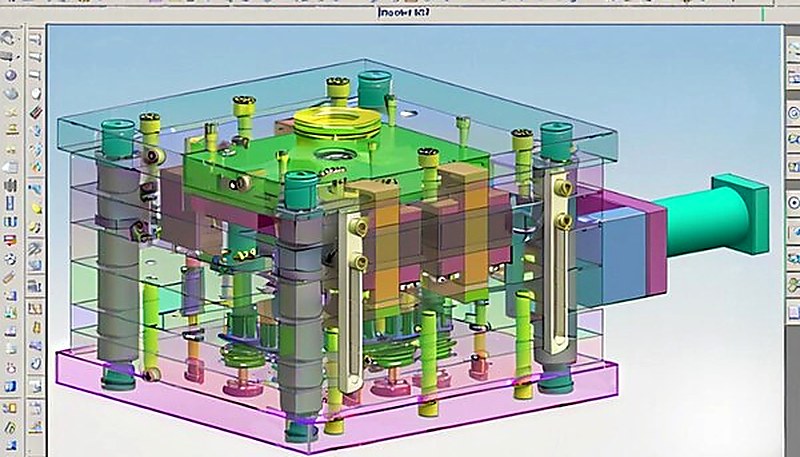
- Çıkarma yöntemi kalıp maliyetini, teslim süresini ve bakım riskini değiştirdiğinden ters açı özellikleri fiyatlandırmadan önce sınıflandırılmalıdır.
- Yan hareketler, eğik iticiler ve katlanabilir maçalar farklı geometri sorunlarını çözer; bu nedenle mekanizma seçimi çıkarma yönüne, stroka, reçineye, toleransa ve üretim hacmine göre yapılmalıdır.
- En düşük riskli DFM yolu önce geometriyi basitleştirmek, ardından yalnızca işlev ek takım karmaşıklığını haklı çıkardığında hareketli kalıp bileşenleri eklemektir.
Özelliği serbest bırakacak özel bir mekanizma olmadığında kalıp boşluğunun çeliği katılaşmış plastiği fiziksel olarak hapseder ve çıkarma sırasında parçaya veya takıma zarar verir. Bu sorunu çözmek, karmaşık kalıp tasarımının özüdür.
Ters açıları gidermek için kullanılan yaygın mekanizmalar şunlardır:
Yan Hareketler (Kızaklar): Kalıbın açılma yönüne dik hareket eden, kam tahrikli bloklar.
"Ters açılı özelliklere hafif çıkma açıları eklemek, yan hareketlerin ve kaldırıcıların ayrılması için gereken kuvveti önemli ölçüde azaltır."True
Alt kesit özelliğine kalıp çıkış açısı eklemek, metal bileşenin geri çekilmesi sırasında sürtünmeyi ve direnci azaltarak takım ömrünü uzatır ve parça deformasyonu riskini düşürür.
"Parça tasarımındaki tüm ters açılar, başarıyla kalıplanabilmek için pahalı mekanik yan hareketler veya kaldırıcılar gerektirir."False
Bu bir yanılgıdır. Malzeme esnekse birçok küçük ters açı “zorlayarak çıkarma” yöntemiyle çözülebilir; parça, geçişli yuvalar veya kapatma yüzeyleriyle yeniden tasarlanarak ters açı tamamen de ortadan kaldırılabilir.
İticili Maçalar: İç özellikleri serbest bırakmak için çıkarma sırasında açılı hareket eden iç maçalar.
Daralan maçalar: Dişleri veya derin iç ters açıları serbest bırakmak için içe doğru küçülen segmentli maçalar.
Yan Hareketli Kam Tanımı İçin Temel Parametreler Nelerdir?
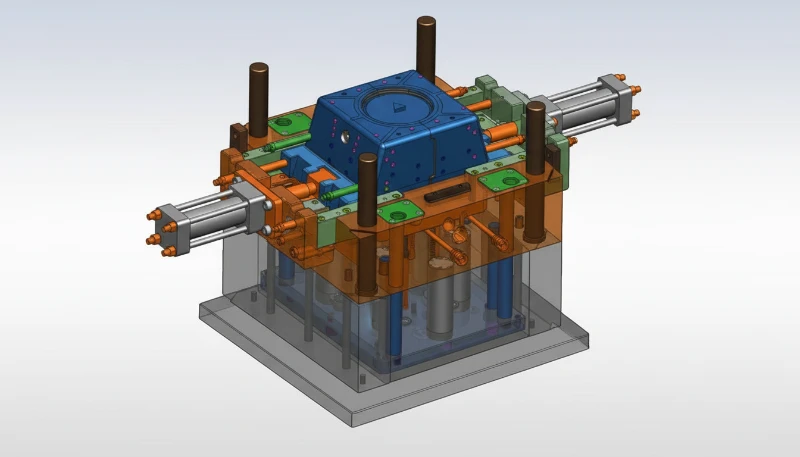
Yan hareket (kızak veya kam hareketi de denir), dış enjeksiyon kalıplama ters açılarını yönetmenin en sağlam yöntemidir. Genellikle bir kam pimi (açılı pim), bir kızak gövdesi ve bir kilitleme bloğundan oluşur.
Kalıp açıldığında açılı pim, sürgüyü parçadan uzağa çekilmeye zorlar. Kalıp kapandığında kilitleme bloğu (topuk bloğu), sürgüyü enjeksiyon basıncına karşı sıkıca yerinde tutar.
Tablo 1: Yan Hareketler İçin Kritik Tasarım Parametreleri
| Parametre | Tipik Değer / Aralık | Notlar |
|---|---|---|
| Açılı Pim Açısı | 10° – 25° | Pimin açısı hareket mesafesini belirler. Daha dik açılar daha fazla hareket sağlar ancak mekanik avantajı azaltır. |
| Topuk Bloğu Açısı | Pim Açısı + (2° ila 5°) | Enjeksiyon sırasında sürgünün geri kaçmasını önlemek için kilitleme açısı pim açısından daha dik olmalıdır. |
| Sürgü Malzemesi | H13, P20 veya S7 Takım Çeliği | Hareketli bileşenler, aşınma ve yüzey yapışmasına direnmek için sertleştirilmiş çelik (48–52 HRC) gerektirir. |
| Aşınma Plakaları | Alüminyum Bronz / Grafitli Çelik | Çeliğin çeliğe sürtünerek sıkışmasını önlemek için sürgünün altında kullanılır; genellikle kendinden yağlamalıdır. |
| Boşluk | 0.012 – 0.025 mm (0.0005" – 0.001") aralığı | Ayırma çizgisinde "çapak" (fazla plastik sızıntısı) oluşmasını önlemek için dar toleranslar gerekir. |
Kalıplar İçin Eğik İticiler Nasıl Tasarlanır?
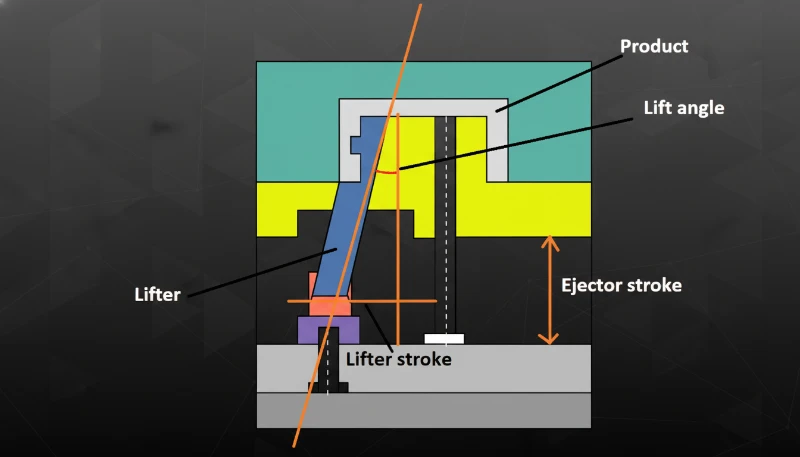
Kalıplar için iticili maça tasarlamak, ters açı parçanın içinde ve yan hareketin erişemeyeceği bir yerde olduğunda gereklidir. İticili maça2, çıkarma sisteminin bir parçasıdır. İtici plakalar ileri doğru iterken iticili maça açılı biçimde yukarı ve içe (yana) hareket ederek ters açı özelliğini serbest bırakır.
Adım Adım Açılı İtici İşlevi:
Enjeksiyon: İticili maça, iç duvarın veya klips ayrıntısının bir bölümünü oluşturur.
Kalıbın Açılması: A tarafı (kalıp boşluğu), B tarafından (maça) ayrılır. Parça maçanın üzerinde kalır.
"'Shut-off' veya 'pass-through' kullanımı, mühendislerin hareketli mekanizma olmadan ters açı gibi görünen özellikleri kalıplamasını sağlar."True
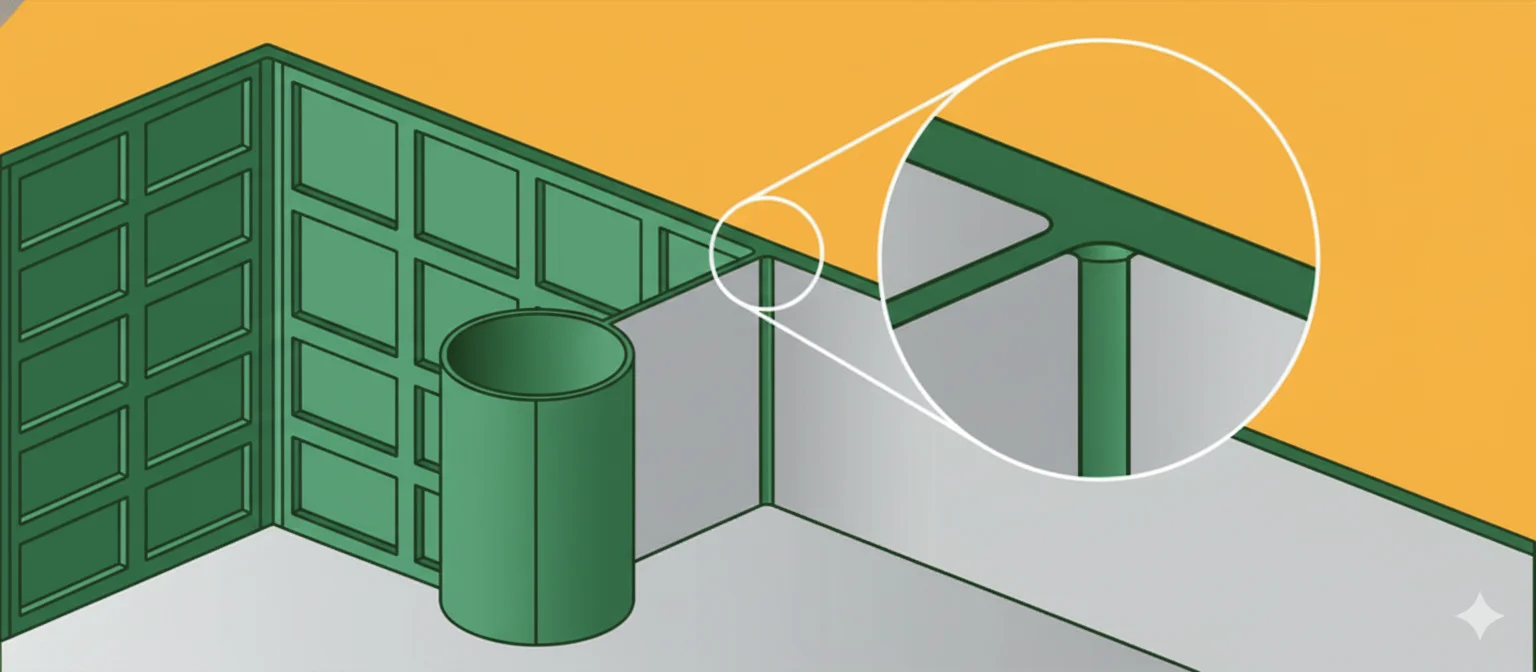
Bir klipsin veya geçmeli bağlantının hemen altında parça tabanına bir delik tasarlanarak maça ve kalıp gözü çeliği özelliği oluşturmak üzere birbirine 'öpüşebilir' (kapanabilir); böylece yan hareketlere gerek kalmaz.
"Kaldırıcılar genellikle harici yandan hareketli sürgülerden daha ucuzdur ve bakımları daha kolaydır."False
Lifterler, çıkarma sırasındaki karmaşık gerilmeler nedeniyle genellikle mekanik arızaya ve yapışmalı aşınmaya daha yatkındır. Ayrıca soğutulmaları çok daha zordur; bu da dışarıdan soğutulan sürgülere kıyasla çevrim sürelerini uzatabilir ve parça maliyetini artırabilir.
Çıkarmanın Başlaması: İtici plaka, iticili maça çubuğunu iter.
Yanal Hareket: İticili maça çubuğu açılı olduğundan dikey çıkarma kuvveti yanal harekete dönüşür ve çelik ayrıntıyı plastikteki ters açıdan dışarı çeker.
Fabrika İçgörüsü: ZetarMold, iç kalıp imalat tesisi, 8 üst düzey mühendis ve 100+ kalıp seti kapasitesine sahiptir. Bizim deneyimimize göre, yan hareketler, lifters ve çökebilen çekirdekler varsayılan cevaplar olarak ele alınmamalıdır. Ekibimiz hareketli çelik eklemeden önce, draft, shut-off geometrisi, malzeme esnekliği veya parça yeniden tasarımı ile undercut'ın kaldırılabilir olup olmadığını kontrol eder. Export kalıplar için, toolroom'umuz quote öncesinde 0.5 mm'den derin undercut'ları belirler, 0.012-0.025 mm shut-off kontrolü yapar, sliding çelik açıkta olduğunda 48-52 HRC wear surfaces belirtir ve layout onayı öncesinde 15-25 derece cam-pin aralıklarını karşılaştırır. Bu erken review, gizli fitting zamanını azaltır, overseas müşteriler için spare-part planlamasını netleştirir ve kalıp fabrikadan çıkana kadar genellikle kalıp güvenilirliğini artırır.
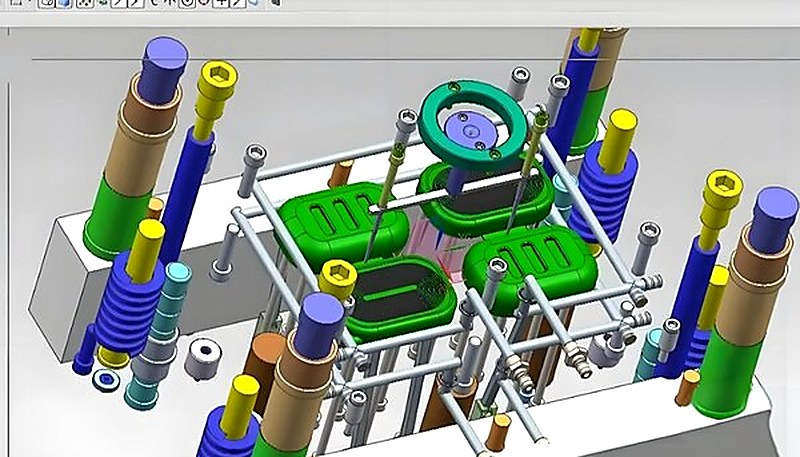
Serbest Bırakma: İticili maça ters açıyı geçtikten sonra parça düşer veya bir robot tarafından alınır.
Mühendislik Kısıtı: İticili maçalar ince ve hareketli çubuklar olduğu için soğutulmaları son derece zordur. Bu durum, suyla kolayca soğutulabilen yan hareketlere kıyasla daha uzun çevrim sürelerine yol açabilir.
Alt Kesit Çözümlerinin Avantajları ve Dezavantajları Nelerdir?
Doğru mekanizmayı seçmek, ters açı maliyetlerinden kaçınmak ve takım ömrünü güvence altına almak için şarttır. Kızak, iticili maça, elle yerleştirilen insert, esneterek çıkarma, vida çözme tertibatı veya daralan maça3 ancak ekip serbest bırakma yönünü, gerekli stroku, reçine esnekliğini, kozmetik riski, tolerans gereksinimlerini ve üretim hacmini doğruladıktan sonra seçilmelidir.
Tablo 2: Ters Açı Mekanizmalarının Karşılaştırması
| Mekanizma | İçin En İyisi | Avantajlar | Eksiler |
|---|---|---|---|
| Yan Hareket (Sürgü) | Dış alt kesitler, yan duvarlardaki portlar ve delikler. | Sağlam; kolay soğutulur; yüksek basınca dayanıklı; güvenilir. | Kalıp kaplama alanını büyütür (daha geniş kalıp tabanı gerektirir); işlenmesi pahalıdır. |
| Eğik itici | İç geçmeli tırnaklar, iç dişler, iç kancalar. | İçeride hapsolmuş geometrileri çözer; çıkarma sırasında otomatik olarak devreye girer. | Soğutması zordur (sıcak noktalar); kırılmaya/sarmaya yatkındır; bakımı karmaşıktır. |
| Katlanabilir Maça | Tam çevreli iç dişler (ör. şişe kapakları). | 360° iç ters açıların çıkarılmasını sağlar; çevrim süreleri kısadır. | Son derece pahalı; yüksek bakım gereksinimi; boyut sınırlamaları. |
| Esneterek çıkarma (sıyırma) | Esnek malzemelerde (PP, PE, TPE) sığ alt kesitler. | Mekanizma maliyeti sıfır; en basit kalıp tasarımı. | Belirli geometri kısıtlarıyla sınırlıdır; malzeme esnekliği gerektirir; parça deformasyonu riski taşır. |
Karmaşıklığı ve Maliyeti Azaltmak İçin Pratik İpuçları Nelerdir?
Üretim alanındaki deneyimime göre ters açıyı ele almanın en iyi yolu, Üretilebilirlik için Tasarım (DfM) aşamasında onu ortadan kaldırmaktır. Bu mümkün değilse şu pratik görüşleri izleyin:
Kayar Kapamalar Kullanın: Dikey bir duvardaki delik için yan hareket kullanmak yerine duvara eğim verip kalıp boşluğu ile maçanın deliği oluşturmak üzere birbirinin yanından kaydığı “teleskopik” bir kapama kullanıp kullanamayacağınıza bakın.
Yan Hareket Mesafesini Sınırlayın: Ters açı derinliğini düşük tutun. Daha derin bir ters açı, daha uzun yan hareket mesafesi gerektirir; bu da daha büyük bir kalıp tabanını zorunlu kılar ve takım maliyetlerini önemli ölçüde artırır.
Esneterek Çıkarma için Malzeme Seçimi: Öncelik ters açı maliyetlerinden kaçınmaksa Polipropilen (PP) veya Polietilen (PE) gibi malzemeler kullanın. Ters açıyı 30° ila 45° çıkış açısıyla tasarlayın; böylece plastik çıkarma sırasında kesilmeden çelik çıkıntının üzerinden esneyebilir.
Kızaklarda Soğutmaya Öncelik Verin: Yan hareket gövdeleri yeterince büyükse içlerine mutlaka soğutma hatları döşeyin. Soğutulmayan kızaklar, çevrim süresi değişkenliğinin ve boyutsal kararsızlığın başlıca kaynaklarındandır.
Yaygın Uygulama Senaryoları Nelerdir?
Yan hareketler, iticili maçalar ve daralan maçalar otomotiv, elektronik, sıhhi tesisat ve medikal kalıplamada kullanılır. Otomotiv İç Döşemesi: Kapı panellerini şasiye bağlayan iç geçme elemanlarında iticili maçalar yaygın olarak kullanılır.
Tüketici Elektroniği (Muhafazalar): Cihaz gövdesinin yan duvarlarındaki USB portları, güç düğmeleri ve HDMI yuvaları için yan hareketler kullanılır.
Sıhhi Tesisat Bağlantı Parçaları: Sıyırarak çıkarılamayan iç dişler için daralan maçalar veya vida çözme kremayerleri kullanılır.
Medikal Flakonlar: Kapak tutma halkalarında, medikal sınıf Polipropilenin esnekliğinden yararlanılarak çoğu zaman esneterek çıkarma uygulanır.
"Yan hareket pimlerinin açısını 15° veya 20° olarak standartlaştırmak, kalıp tasarımını ve yedek parça tedarikini kolaylaştırır."True
Standart açılara uymak, kalıp üreticilerinin DME veya Hasco gibi tedarikçilerden hazır bileşenler kullanmasına olanak tanıyarak tasarım süresini ve bakım maliyetlerini azaltır.
"Katlanabilir maçalar, her tür iç dişin kalıplanmasında standart endüstri çözümüdür."False
Katlanabilir maçalar karmaşık ve maliyetlidir. Birçok standart iç dişte otomatik sökme kalıpları (döner dişliler kullanan) tercih edilir; diş profili yuvarlak ve malzeme esnekse basit sıyırarak çıkarma da kullanılabilir.
Doğru Mekanizmayı Seçmek İçin Hangi Adımlar Önerilir?
Geometriyi Analiz Edin: Ters açı içeride mi dışarıda mı? (Dış → Yan Hareket; İç → İticili Maça/Maça).
Malzeme Özelliklerini Kontrol Edin: Malzeme esnek mi (TPU, PP), yoksa rijit mi (PC, Cam Elyaf Takviyeli Naylon)? Esnek malzemeler esneterek çıkarmaya olanak verebilir.
Gerekli Stroku Hesaplayın: Plastiği tamamen serbest bırakmak için çeliğin ne kadar hareket etmesi gerekir? Kalıp tabanının bu hareket mesafesine uygun olduğundan emin olun.
Hacmi Değerlendirin: Düşük hacimde (1.000 adet) elle yerleştirilen insertleri düşünün. Yüksek hacimde (100.000+ adet) aşınma plakalı, sertleştirilmiş otomatik kızaklara yatırım yapın.
Simülasyon Yapın: Hareketli bileşenlerin soğutmayı engellemediğini veya hava kapanları (gaz yanıkları) oluşturmadığını doğrulamak için Moldflow analizi kullanın.
Sıkça Sorulan Sorular (SSS)
Sıkça Sorulan Sorular
Kalıp parçalarını hareket ettirmeden alt kesimleri kalıplayabilir miyim?
Evet, ancak yalnızca geometri ve malzeme kontrollü bir sıyırarak çıkarma işlemine izin verdiğinde. Bunun için genellikle alt kesitin sığ ve geniş radyüslü, reçinenin ise PP, PE veya TPE gibi esnek olması gerekir. Rijit malzemeler, keskin kenarlar, derin kancalar veya kozmetik yüzeyler normalde yan maça, eğik itici, katlanabilir maça ya da parça tasarımının değiştirilmesini gerektirir; çünkü parçayı çelik üzerinden zorla çıkarmak parçayı çatlatabilir veya kalıba zarar verebilir. Özellik işlevselse kalıp yerleşimine karar vermeden önce DFM kapsamında çıkarma yönünü test edin.
Sürgü ile kaldırıcı arasındaki fark nedir?
Yan hareket olarak da adlandırılan sürgü ayırma çizgisinden yana doğru hareket eder ve genellikle açılı pim veya hidrolik silindirle tahrik edilir. Dış delikler, pencereler, geçmeli kancalar ve yan açıklıklar için en uygunudur. Eğimli itici, itici sistemi içinde açılı hareket eder ve parça dışarı itilirken serbest kalması gereken iç alt kesitler için daha uygundur. Seçim; özellik yönüne, strok mesafesine, mevcut kalıp alanına, soğutmaya, parça görünümüne, tolerans riskine ve beklenen üretim hacmine bağlıdır.
Yan hareket kalıp maliyetine ne kadar ekler?
Basit bir yan hareket takım maliyetine birkaç bin dolar ekleyebilir; daha büyük veya hidrolik sürgüler ise ek çelik, işleme, aşınma plakaları, kilitler, montaj, alıştırma ve doğrulama süresi gerektirdiği için çok daha fazlasını ekleyebilir. Hareketli bileşenler yağlama, bakım ve yedek parça planlaması gerektirdiğinden ek maliyet üretime geçişten sonra da sürer. Düşük hacimli projelerde elle yerleştirilen insertler veya geometri değişikliği daha pratik olabilir. Yüksek hacimli üretimde otomatik sürgüler genellikle kararlı çevrim süresi ve azalan manuel işçilikle kendini amorti eder.
Ne zaman katlanabilir maça seçmeliyim?
Daralabilir maça, parçada iç dişler, derin iç halkalar veya basit bir eğik iticiyle çıkarılamayacak geometri bulunduğunda en kullanışlıdır. Parçayı yeniden tasarlama baskısını azaltabilir; ancak daha pahalıdır ve aşınmaya, reçine kirliliğine, soğutma dengesizliğine ve bakım kalitesine karşı daha hassastır. Yalnızca dişin yeniden tasarlanıp tasarlanamayacağını, bölünüp bölünemeyeceğini, sıyrılarak veya döndürülerek çıkarılıp çıkarılamayacağını ya da başka bir montaj yaklaşımına taşınıp taşınamayacağını kontrol ettikten sonra kullanın. Kritik parçalarda, üretim çeliğini kesmeden önce mekanizmayı DFM sırasında doğrulayın.
DFM onayından önce alt kesit takım riskini nasıl azaltabilirim?
3D modeldeki her ters açıyı işaretleyip dış, iç, kozmetik, işlevsel veya montajla ilgili olarak sınıflandırarak başlayın. Ardından çıkarma yönünü, stroku, kalıp açısını, malzeme esnekliğini, tolerans gereksinimini ve üretim hacmini tahmin edin. Kalıp mühendisinden yeniden tasarım, shut-off, bump-off, elle yerleştirilen insert, yan hareket, kaldırıcı, vida sökme ve katlanabilir maça seçeneklerini karşılaştırmasını isteyin. En iyi karar nadiren en karmaşık mekanizmadır. İşlevi, kalıp ömrünü, maliyeti, çevrim süresini, bakım erişimini ve gelecekteki yedek parça desteğini aynı anda koruyan seçenektir.
Özet
Enjeksiyon kalıplama undercut’ları ile başa çıkmak, parça fonksiyonu ve tool karmaşıklığı arasında bir dengede olmalıdır. Side-actions genellikle external özellikler için en iyidir, lifters internal detaylar için kullanışlıdır ve çökebilen çekirdekler threads gibi karmaşık internal geometri için rezerve edilir. Bu mekanizmalar eklenmeden önce, overall Injection Molding Complete Guide’ı review edin, injection mold guide’da kalıp tasarımı basics’ini onaylayın ve injection molding supplier sourcing guide ile procurement detaylarını hazırlayın. Bu, DFM kilitlenmeden önce cost, maintainability ve manufacturing risk’in görünür olmasını sağlar.
Ters Açılar, Sürgüler, Eğik İticiler veya Katlanabilir Maçalar İçeren Bir Enjeksiyon Kalıbı İçin Teklif mi Gerekiyor?
ZetarMold’un engineering ekibinden competitive pricing, DFM feedback ve production timeline alın. Parçanız yan delikler, snap hooks, internal threads, latch windows veya diğer undercut özelliklerine sahipse, 3D dosya, resin, annual quantity, tolerance needs ve cosmetic requirements’ı paylaşın. Planning context için, release mekanizmasını enjeksiyon kalıplama adımları ve enjeksiyon kalıplama production time ile karşılaştırın, kalıp quote öncesinde.
Bugün Takım İçin DFM İncelemeli Ücretsiz Teklif İsteyin →
yan hareket: Kızak olarak da adlandırılan yan hareket, çıkarma öncesinde dış ters açıdan uzaklaşan hareketli bir kalıp bileşenidir. ↩
iticili maça: İticili maça, parça çıkarılırken iç ters açıları serbest bırakmak üzere itici sistem tarafından hareket ettirilen açılı bir maçadır. ↩
daralan maça: Daralan maça, iç dişli veya derin girintili özelliklerin serbest bırakılabilmesi için içe doğru daralan segmentli bir maçadır. ↩