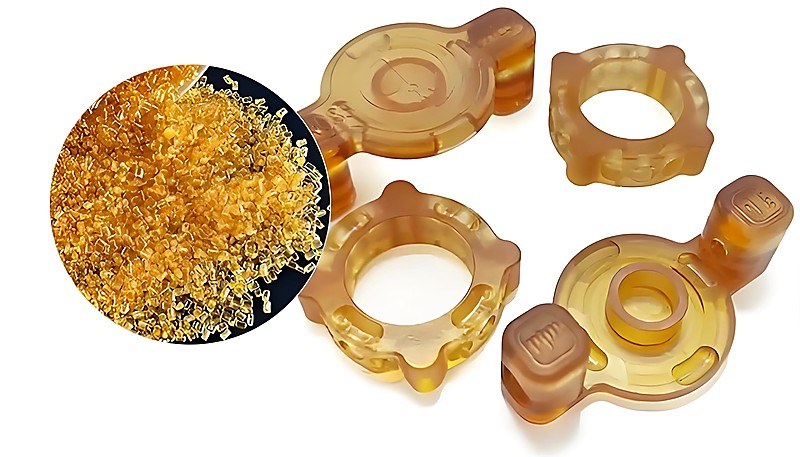
TPE-spuitgieten produceert flexibele, rubberachtige onderdelen op standaard thermoplastische verwerkingsapparatuur—zonder vulkanisatie of uithardingsovens en met aanzienlijk kortere cyclustijden dan traditioneel rubbervormen. Als u TPE overweegt voor afdichtingen, grepen, pakkingen of soft-touch overgieten1, is inzicht in het verwerkingsgedrag, de ontwerpbeperkingen en de kostenafwegingen ten opzichte van TPU en thermohardend rubber essentieel voor de juiste materiaalkeuze.
- TPE wordt zonder vulkanisatie op standaardspuitgietmachines verwerkt, waardoor de cyclustijd 50-70% korter is dan bij thermohardend rubber
- Het Shore-hardheidsbereik loopt van 20A tot 80D en omvat binnen één materiaalfamilie alles van zachte pakkingen tot stijve slijtdelen
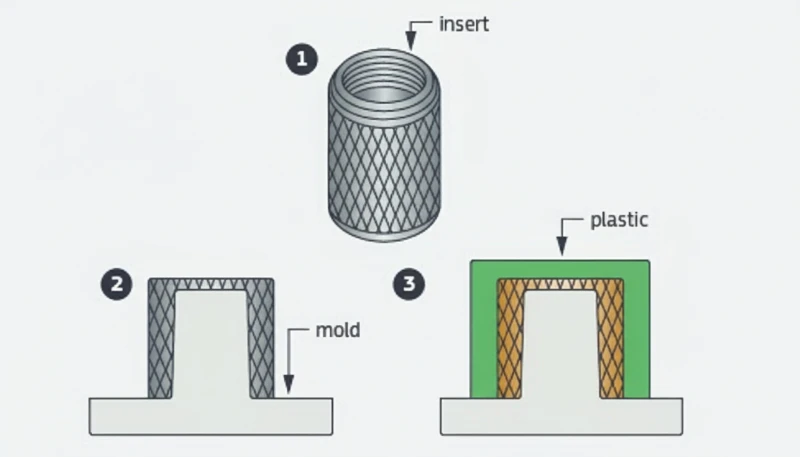
- TPE-overgieten op stijve substraten (PP, ABS, PC) maakt zachte handgrepen mogelijk zonder lijm of mechanische vergrendelingen
- Belangrijkste parameters: smelttemperatuur 180-240°C, matrijstemperatuur 20-60°C, matige tot hoge injectiesnelheid voor een consistente vulling
- TPE kost per kilogram 20-40% meer dan standaard-PP, maar maakt nabewerkingen overbodig, waardoor de totale productkosten vaak dalen
Wat is TPE-spuitgieten?
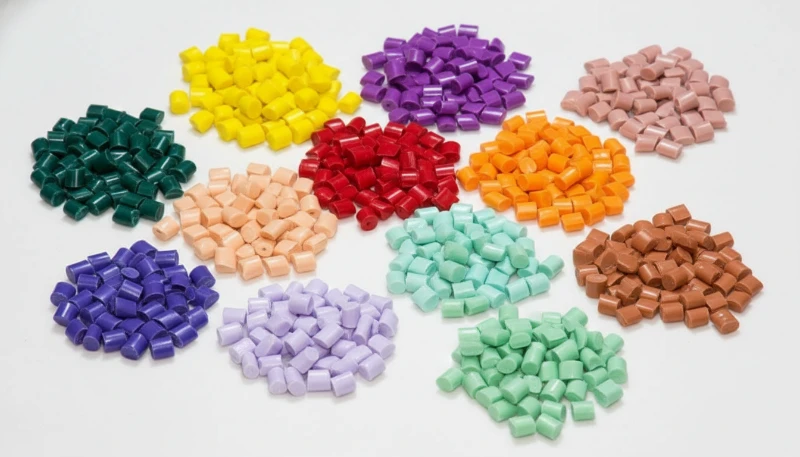
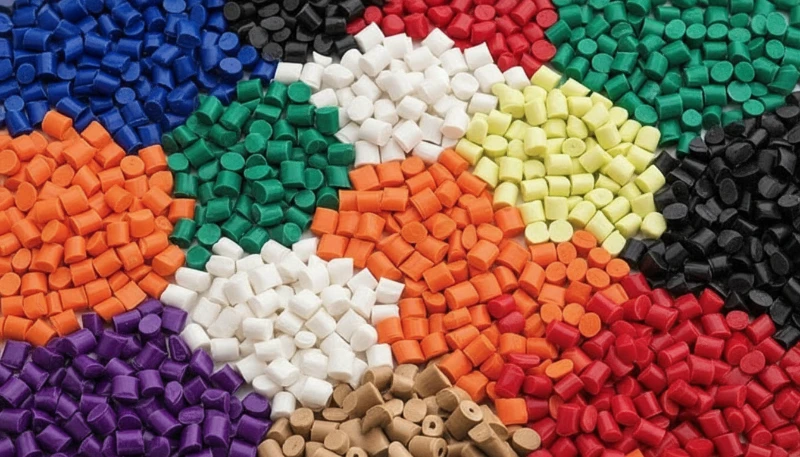
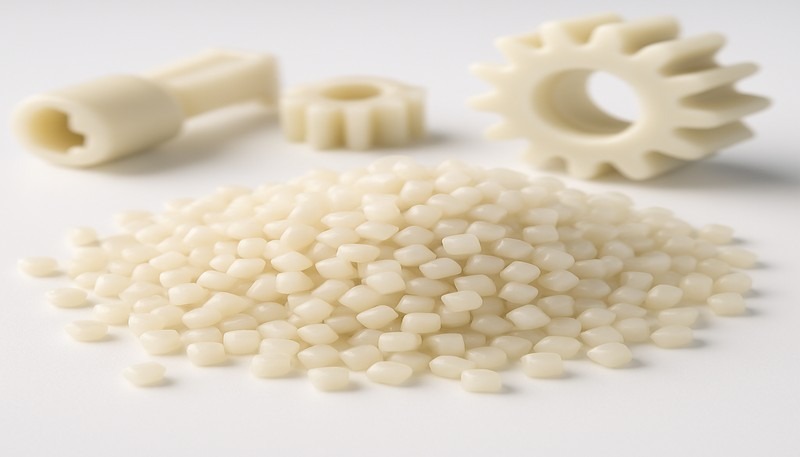
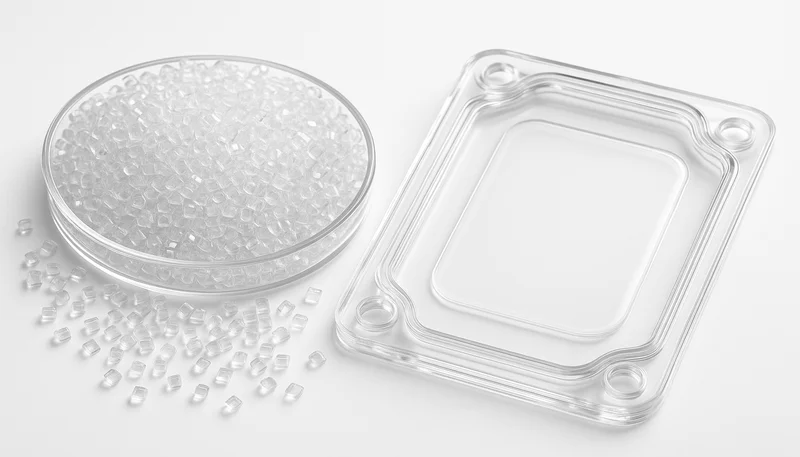
TPE-spuitgieten2 is het proces waarbij thermoplastische-elastomeerkorrels worden gesmolten en in een matrijs geïnjecteerd om flexibele, rubberachtige onderdelen te produceren. Anders dan thermohardend rubber, waarvoor chemische vulkanisatie van minuten tot uren nodig is, stolt TPE binnen enkele seconden door afkoeling op standaard thermoplastische apparatuur.
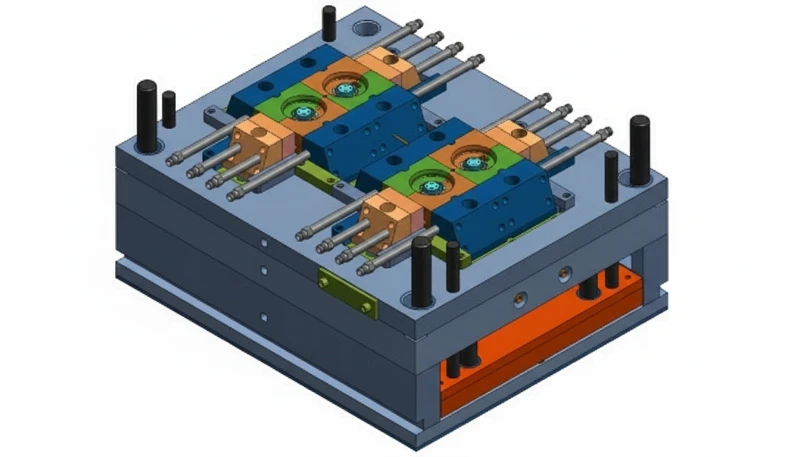
Voor een bredere blik op het ontwerp van spuitgietmatrijzen behandelt onze hoofdgids de gereedschapsconstructie, temperatuurbeheersing en afwegingen rond maakbaarheid.
Thermoplastische elastomeren vormen een brede familie blokcopolymeren die de elastische terugvering van gevulkaniseerd rubber combineren met de verwerkbaarheid in gesmolten toestand van conventionele kunststoffen. De moleculaire structuur bestaat uit harde kristallijne segmenten die structurele integriteit bieden en zachte amorfe segmenten die voor elasticiteit zorgen. Bij verhitting tot boven het smeltpunt van het harde segment vloeit het volledige polymeer als een thermoplast. Bij afkoeling kristalliseren de harde segmenten opnieuw en zetten ze het elastische netwerk vast zonder enige chemische vernettingsreactie.
Het praktische voordeel is enorm: een TPE-onderdeel dat 15 tot 30 seconden kost om te vormen op een standaardmachine, zou 2 tot 5 minuten perscureringstijd vereisen als het van thermohardend rubber wordt gemaakt. Deze cyclus tijdreductie vertaalt zich direct in lagere kosten per onderdeel, hogere machinebenutting en de mogelijkheid om meercavitetsmatrijzen te gebruiken voor serieproductie. Onze spuitgietprocesfaciliteit verwerkt dagelijks TPE-graden voor auto- en consumententoepassingen.
Wat zijn de belangrijkste materiaaleigenschappen van TPE voor spuitgieten?
TPE-eigenschappen verschillen aanzienlijk tussen de materiaalsubfamilies, maar verschillende kenmerken gelden voor de hele klasse. Inzicht hierin helpt u de juiste kwaliteit te kiezen en het spuitgietgedrag te voorspellen voordat u zich aan gereedschap committeert.
| Eigendom | SBS/SEBS (styreenhoudend) | TPO (olefinisch) | TPV (vulkanisaat) | TPC (copolyester) |
|---|---|---|---|---|
| Hardheidsbereik | 20A-80A | 60A-70D | 40A-80A | 40A-70D |
| Temperatuurbestendigheid | -40 tot 80°C | −40 tot 120 °C | -40 tot 135°C | -40 tot 150°C |
| Compressieset | Matig-redelijk | Eerlijk | Goed | Goed tot uitstekend |
| Chemische weerstand | Slecht | Goed | Goed | Uitstekend |
| Kosten (relatief) | Laag | Laag–gemiddeld | Gemiddeld | Hoog |
| Typische toepassing | Handgrepen, speelgoed | Afdichtingen voor auto's | Onderdelen onder de motorkap | Slang, kabel |
Shore-hardheid is het belangrijkste selectiecriterium. TPE-soorten lopen uiteen van ultrazacht 20 Shore A (vergelijkbaar met een gel) tot 80 Shore D (vergelijkbaar met stijf polyethyleen). Door dit brede bereik kan één materiaalfamilie toepassingen dekken van gedempte inlegzolen tot stijve structurele bussen, waardoor uw toeleveringsketen eenvoudiger wordt dan bij afzonderlijke voorraden rubber- en kunststofmaterialen.
Blijvende vervorming na compressie is het punt waarop TPE historisch achterblijft bij thermohardende rubber. Standaard styreen-TPE’s (SBS, SEBS) vertonen na 22 uur bij 70°C waarden voor compression set van 30 tot 50 procent, terwijl correct gevulkaniseerd EPDM-rubber minder dan 20 procent haalt. Voor statische afdichtingstoepassingen waarbij langdurig herstel na compressie belangrijk is, verkleinen TPV- en TPC-soorten deze kloof aanzienlijk, met waarden van 15 tot 25 procent.
In onze ervaring met het vormen van meer dan 400 kunststofmaterialen behoren TPE-graden tot de meest gevoelige voor procesafwijkingen — een verschuiving van 10°C in smelttemperatuur kan de gemeten Shore-hardheid met 3–5 punten veranderen. We raden altijd aan om een eersteartikelinspectie uit te voeren bij elke nieuwe TPE-partij vóór volledige productie.
Wat zijn de kritieke parameters voor het spuitgieten van TPE?
TPE-spuitgieten vereist smelttemperaturen van 180–240°C, matrijstemperaturen van 20–60°C en gemiddelde tot hoge injectiesnelheden. Deze vormparameters3 verschillen vooral van die voor stijve thermoplasten door hun gevoeligheid voor afschuifsnelheid en temperatuur. Onjuiste instellingen leiden tot braamvorming, onvolledige vulling of een inconsistente hardheid in het onderdeel—problemen die in productiegereedschap duur zijn om op te lossen.
"“Het drogen van TPE-korrels vóór het spuitgieten is essentieel, hoewel TPE minder vocht absorbeert dan nylon — restvocht aan het oppervlak veroorzaakt zilverstrepen en maatinstabiliteit in flexibele onderdelen waarbij de visuele kwaliteit een primair acceptatiecriterium is”"True
De meeste TPE-kwaliteiten moeten 2-4 uur bij 60-80°C worden gedroogd. Hoewel TPE minder hygroscopisch is dan PA of PBT, veroorzaakt oppervlaktevocht op korrels uiterlijke defecten die vooral zichtbaar zijn op zachte, doorschijnende TPE-onderdelen voor consumentenproducten.
"“Voor het spuitgieten van TPE gelden dezelfde procesparameters, ongeacht de specifieke TPE-grade of subfamilie”"False
SBS-kwaliteiten smelten bij 160-200°C, terwijl TPC-kwaliteiten 220-260°C vereisen. Injectiesnelheid, matrijstemperatuur en houddruk variëren allemaal aanzienlijk binnen de TPE-familie. Het gebruik van één parameterset voor alle kwaliteiten garandeert verwerkingsfouten.
De smelttemperatuur varieert voor de meeste commerciële TPE-kwaliteiten van 180 tot 240°C, met styreenhoudende TPE’s aan de onderkant en copolyester-TPE’s aan de bovenkant. Een matrijstemperatuur tussen 20 en 60°C is gebruikelijk; hogere matrijstemperaturen verbeteren de oppervlakteafwerking maar verlengen de cyclustijd. De injectiesnelheid moet gemiddeld tot hoog zijn — de viscositeit van TPE daalt sterk bij een toenemende afschuifsnelheid, zodat sneller vullen bij veel geometrieën juist consistentere producten oplevert.
Nadruk en nadruktijd zijn essentieel voor maatvastheid. TPE wordt onder druk aanzienlijk samengedrukt en bij een te korte nadruktijd kan het materiaal ontspannen en ongelijkmatig krimpen terwijl het onderdeel afkoelt. Een praktisch uitgangspunt is 40 tot 60 procent van de injectiedruk gedurende 1 tot 3 seconden, aangepast op basis van de tijdens bemonstering gemeten bevriezingstijd van de aanspuiting. Een te hoge nadruk veroorzaakt bramen op de deelnaad omdat TPE gemakkelijk in kleine spleten vloeit.
In onze fabriek in Shanghai hebben we 47 spuitgietmachines van 90T tot 1850T. Na meer dan 20 jaar TPE-verwerking hebben we geleerd dat het in één keer goed krijgen van de smelttemperatuur en injectiesnelheid weken van iteratie bespaart — onze DFM-beoordeling signaleert parameterproblemen voordat het staal wordt gesneden.
De koeltijd bepaalt de cyclustijd en onderdeelkwaliteit. TPE geleidt warmte langzaam vergeleken met stijve kunststoffen, waardoor dikke secties langer nodig hebben om te stollen dan u op basis van ervaring met PP of ABS zou verwachten. Bij wanddikten boven 3mm bedraagt de koeltijd doorgaans meer dan 15 seconden. Te vroeg uitwerpen veroorzaakt blijvende vervorming, omdat het onderdeel nog onvoldoende stijf is om de uitwerpkrachten zonder vervorming te weerstaan.
Welke ontwerpregels gelden voor gevormde TPE-onderdelen?
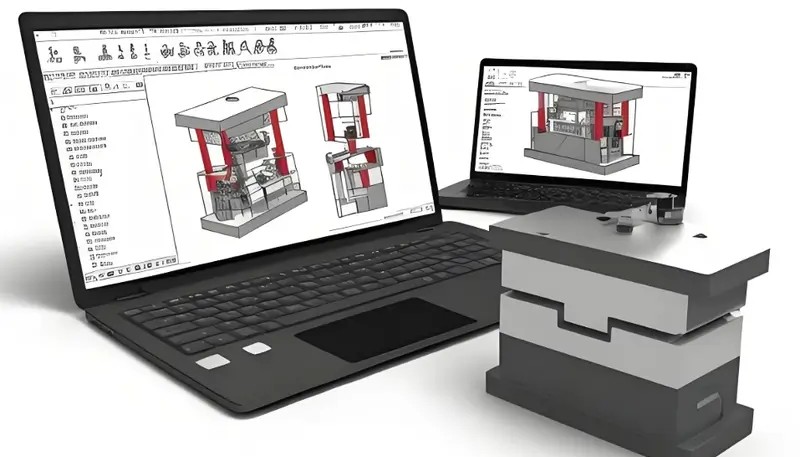
TPE-gevormde onderdelen moeten een uniforme wanddikte (1,0–4,0 mm), 1–2° ontwerphellingen en ruime radii op alle hoeken hebben. Hoewel het ontwerp van TPE de algemene principes van thermoplasten volgt, vereisen de flexibiliteit en lagere modulus van het materiaal belangrijke aanpassingen voor kenmerken zoals levende scharnieren, klikverbindingen en elastomere afdichtingen die bij starre kunststoffen onmogelijk zouden zijn.
Regels voor wanddikte en lossingshoek
De wanddikte moet waar mogelijk uniform zijn en tussen 1,0 en 4,0 mm liggen. TPE-onderdelen die dikker zijn dan 4 mm ontwikkelen aanzienlijke inval en vereisen langere koeltijden, waardoor het voordeel in cyclustijd ten opzichte van rubber afneemt. Overweeg bij constructieve toepassingen die stijfheid vereisen ribben op een dunnere basiswand in plaats van de totale dikte te vergroten. De ribhoogte mag niet meer dan driemaal de dikte van de basiswand bedragen en de breedte van de ribvoet moet 50 tot 70 procent van de wanddikte zijn om inval op het zichtoppervlak te beperken.
Lossingshoeken van 1 tot 2 graden zijn voor de meeste TPE-onderdelen voldoende, omdat het materiaal tijdens het uitwerpen buigt en loskomt uit ondersnijdingen waarin stijve kunststoffen zouden vastlopen. Verhoog de hoek bij diepe kernen of getextureerde oppervlakken tot minimaal 3 graden. Het uitwerpsysteem moet bladen met een groot oppervlak of afstrijkplaten gebruiken in plaats van pennen met een kleine diameter, die tijdens het uitwerpen door zacht TPE-materiaal kunnen drukken.
Ontwerpprincipes voor overspuiten
Overmolding is waar TPE de meeste waarde biedt. Door TPE op een stijf substraat (PP, ABS, PC, PA) te hechten, ontstaan in één spuitgietbewerking zachte oppervlakken, gripzones en omgevingsafdichtingen. De belangrijkste ontwerpregel is te zorgen voor mechanische verankeringen — ondersnijdingen, gaten of T-sleuven in het substraat — die de TPE fysiek vasthouden, ongeacht de chemische hechting. De chemische hechting tussen TPE en substraat hangt af van de materiaalcompatibiliteit en oppervlaktetemperatuur en neemt af door omgevingsveroudering.
TPE versus TPU versus rubber — wanneer is elk materiaal zinvol?
Kies TPE voor snelle cycli en eenvoudige recycling, TPU wanneer slijtvastheid cruciaal is, en thermohardend rubber voor extreme compressieset-eisen. De beslissing hangt af van drie praktische factoren: mechanische prestatiebehoeften, productievolume en totale kosten inclusief secundaire bewerkingen. De onderstaande tabel vergelijkt de belangrijkste eigenschappen naast elkaar.
| Criterium | TPE | TPU | Thermohardend rubber |
|---|---|---|---|
| Hardheidsbereik | 20A-80D | 60A-80D | 20A-90A |
| Schuurweerstand | Eerlijk | Uitstekend | Goed |
| Compressieset | Redelijk tot goed | Goed | Uitstekend |
| Verwerking | Standaard spuitgieten | Standaard spuitgieten | Persen/transferpersen |
| Cyclustijd | 15-30s | 20-40s | 2-5 min |
| Kosten gereedschap | Laag–gemiddeld | Gemiddeld | Hoog |
| Recyclebaar | Ja | Ja | Geen |
| Beste voor | Handgrepen, afdichtingen | Slijtdelen en transportbanden | Statische afdichtingen en banden |
Kies TPE wanneer u gematigde elasticiteit, korte cyclustijden en de mogelijkheid tot omspuiten op stijve substraten nodig hebt. TPE is de standaardkeuze voor zacht aanvoelende consumentenproducten, interieurcomponenten voor auto’s en universele afdichtingstoepassingen waarbij de eisen aan blijvende drukvervorming niet extreem zijn.
Kies TPU wanneer slijtvastheid cruciaal is — transportbanden, zwenkwielen, telefoonhoesjes en industriële slijtdelen. TPU kost per kilogram 30 tot 60 procent meer dan standaard TPE op basis van SEBS, maar biedt een aanzienlijk langere slijtagelevensduur en hogere treksterkte. TPU hecht na oppervlaktebehandeling ook goed aan textiel en metalen, waardoor meer omsputmogelijkheden ontstaan dan met standaard-TPE mogelijk zijn.
Kies thermohardend rubber (EPDM, NBR, FKM) wanneer de toepassing langdurig een compressieset van minder dan 15 procent, continue gebruikstemperaturen boven 150°C of bestendigheid tegen agressieve chemicaliën en brandstoffen vereist die TPE en TPU aantasten. De hogere gereedschapskosten en tragere verwerking zijn gerechtvaardigd voor statische oliekeerringen, hogetemperatuurpakkingen en chemicaliënbestendige membranen waarbij thermoplastische alternatieven eenvoudigweg niet aan de prestatiespecificatie kunnen voldoen.
Welke sectoren gebruiken spuitgegoten TPE-onderdelen?
TPE-spuitgietonderdelen worden gebruikt in de auto-industrie, consumentenelektronica, medische apparaten, industrie, bouw en voedselcontacttoepassingen. De materiaalfamilie beslaat zo’n breed hardheids- en prestatiebereik dat de grootste volume-applicaties zich concentreren in de auto-industrie, consumentenproducten en gezondheidszorg.
"“Toepassingen van TPE in auto-interieurs zijn sinds 2020 jaarlijks met 12 procent gegroeid, doordat OEM's PVC en thermohardend rubber vervangen door recyclebare TPE-kwaliteiten om aan de Europese ELV-richtlijnen voor recycling te voldoen”"True
De EU-regelgeving voor afgedankte voertuigen vereist dat 85 procent van het gewicht recyclebaar is. Met TPE overmolded componenten kunnen samen met het basismateriaal van het substraat worden vermalen en herverwerkt, terwijl PVC en gevulkaniseerd rubber moeten worden gescheiden en afgevoerd als niet-recyclebaar afval.
"“TPE kan niet worden gebruikt voor onderdelen van medische hulpmiddelen, omdat het materiaal niet aan de biocompatibiliteitseisen voldoet”"False
Verschillende SEBS- en TPC-kwaliteiten hebben USP-klasse VI- en ISO 10993-certificeringen voor biocompatibiliteit en zijn daardoor geschikt voor medische slangen, afdichtingen en behuizingen die huid of lichaamsvloeistoffen raken. TPE van medische kwaliteit vervangt PVC en latex in veel toepassingen om risico's door weekmakers en eiwitallergieën te vermijden.
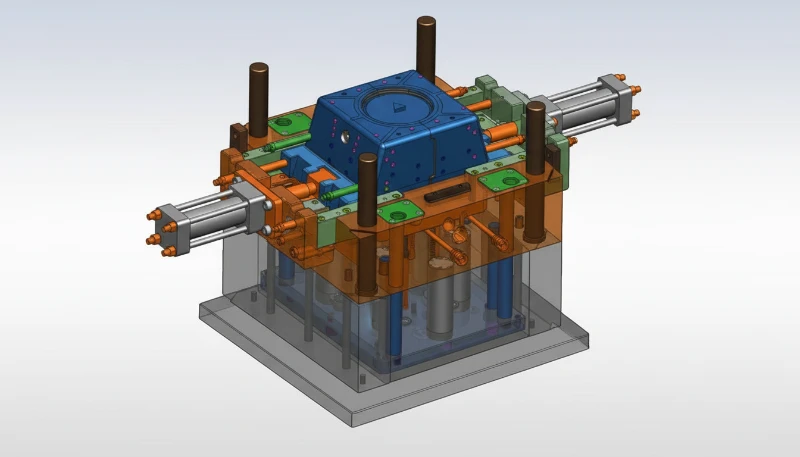
Belangrijkste toepassingssectoren voor TPE:
Automotive: interieurbekleding, afdichtingen, pakkingen en NVH-componenten
Consumentenelektronica: polsbandjes voor wearables, oordopjes en telefoonhoesjes
Medische hulpmiddelen: slangen, afdichtingen, mondstukken voor inhalatoren en doppen voor spuiten
Industrie: pakkingen, stootvoeten, trillingsdempers en kabelwartels
Bouw: raamrubbers, deurafdichtingen en dilatatievoegen
Consumentenelektronica en medische hulpmiddelen
Consumentenelektronica vormt het snelst groeiende segment, aangedreven door draagbare apparaten en draadloze oordopjes die zachte, huidveilige materialen in dunwandige geometrieën vereisen. TPE-kwaliteiten met een Shore A-hardheid tussen 30 en 50 domineren dit segment omdat ze comfort en grip combineren met de mogelijkheid om complexe geometrieën te vormen met filmscharnieren voor deksels van oplaadcases en kabelbeheerfuncties.
Voor industriële afdichtingen en trillingsdemping worden hardere TPE-kwaliteiten in het bereik van 60 tot 80 Shore A gebruikt voor pakkingen, stootvoeten en trillingsdempende bevestigingen. Deze onderdelen worden vaak om metalen inzetstukken gevormd voor montage met schroefdraad. Zo worden de afdichtingsfunctie en een stijf bevestigingspunt gecombineerd in één gevormd onderdeel, waardoor een afzonderlijke montagestap voor de pakking vervalt.
Bouw & contact met levensmiddelen
Bouwtoepassingen verbruiken steeds grotere hoeveelheden TPE voor raamafdichtingen, deurafdichtingen en dilatatievoegprofielen. TPE vervangt traditioneel EPDM-rubber in deze toepassingen omdat het met nauwere maattoleranties kan worden geëxtrudeerd of gevormd en zonder lakken kan worden gekleurd om bij architectonische elementen te passen. Het materiaal hecht tijdens co-extrusie ook aan PVC- en aluminiumprofielen, waardoor geïntegreerde afdichtingssystemen ontstaan.
Toepassingen met voedselcontact vereisen FDA-conforme TPE-soorten die extractietests volgens 21 CFR 177.2600 voor herhaaldelijk gebruikte voedselcontactoppervlakken doorstaan. Verschillende SEBS- en TPO-soorten hebben deze certificeringen, waardoor TPE kan worden gebruikt voor afdichtingen van voedselverwerkingsapparatuur, containersluitingen en doseerventielen. De afwezigheid van weekmakers — een aandachtspunt bij PVC voor voedselcontact — maakt TPE tot een steeds populairder vervangingsmateriaal in voedselverpakkingen en verwerkingsapparatuur.
Sport, vrije tijd en nieuwe toepassingen
De sport- en recreatiesector gebruikt TPE veel voor grepoppervlakken op fietshandvatten, gereedschapgrepen, fitnessapparatuurhandvatten en beschermende padding. Deze toepassingen maken gebruik van TPE’s vermogen om comfortabele soft-touch oppervlakken te leveren met goede vochtgrip en matige slijtvastheid tegen kosten die veel lager zijn dan die van speciale rubbermengsels.
Veelgestelde vragen over TPE-spuitgieten
Kan TPE tijdens het spuitgieten op metalen inzetstukken worden overmold?
Ja, TPE kan over metalen inzetstukken worden gespuitgiet, maar de verbinding berust hoofdzakelijk op mechanische vergrendeling en niet op chemische hechting. Ontwerp het metalen inzetstuk met karteling, gaten of ondersnijdingen die het TPE-materiaal fysiek vasthouden wanneer het tijdens het vormen rond en door het inzetstuk stroomt. Verwarm het metalen inzetstuk vóór het vormen voor tot 80–120 °C en kies een TPE-kwaliteit met een voor metaalhechting aangepaste formulering om de hechting te verbeteren.
Welk krimppercentage moet ik gebruiken bij het gereedschapsontwerp voor TPE-spuitgieten?
TPE-krimppercentages variëren van 1,0 tot 2,5 procent, afhankelijk van de specifieke graad, hardheid en procescondities. Zachtere gradaties onder 50 Shore A krimpen meer — typisch 1,5 tot 2,5 procent — terwijl hardere gradaties boven 70 Shore A 1,0 tot 1,5 procent krimpen. Gebruik altijd de datasheetwaarde van de materiaalleverancier voor gereedschapontwerp, en verifieer met een prototypeshot voordat je definitieve productiegietmaten vastlegt. Krimp varieert ook met stromrichting, ongeveer 0,3 procent hoger dwars op de stroming dan langs de stroming.
Moet TPE vóór het spuitgieten worden gedroogd?
De meeste TPE-soorten hebben baat bij 2 tot 4 uur drogen bij 60 tot 80°C vóór het vormen. Hoewel TPE minder hygroscopisch is dan nylon of polycarbonaat, veroorzaakt oppervlaktevocht op korrels zilverstrepen en maatvariatie die vooral op zachte, doorschijnende onderdelen zichtbaar zijn. Hygroscopische soorten zoals TPC-gebaseerde TPE’s vereisen intensiever drogen bij 80 tot 100°C gedurende minimaal 4 uur. Investeer in een hopperdroger voor een consistente productiekwaliteit.
Hoe werkt TPE-recycling bij spuitgietactiviteiten?
TPE is als thermoplastisch materiaal volledig recyclebaar. Runners, sprues en afgekeurde onderdelen kunnen voor de meeste commerciële soorten bij een maalgoedpercentage van 10 tot 30 procent worden vermalen en opnieuw verwerkt zonder aanzienlijk verlies van eigenschappen. Dit is een groot kostenvoordeel ten opzichte van thermohardende rubber, waarbij bramen en afgekeurde onderdelen niet-recyclebaar afval worden. Houd maalgoed schoon en droog en beperk de opgebouwde warmtegeschiedenis om voortschrijdende degradatie van elastische eigenschappen over meerdere herverwerkingscycli te voorkomen.
Wat is bij spuitgieten het verschil tussen TPE-kwaliteiten op basis van SEBS en SBS?
SEBS (styreen-ethyleen-butyleen-styreen) is de gehydrogeneerde versie van SBS (styreen-butadieen-styreen) en biedt aanzienlijk betere thermische stabiliteit, uv-bestendigheid en chemische bestendigheid. SBS-kwaliteiten kosten 20 tot 30 procent minder, maar breken boven 80°C af en vergelen snel onder uv-blootstelling. SEBS-kwaliteiten zijn bestand tegen continue gebruikstemperaturen tot 120°C en behouden buiten hun kleurstabiliteit. Voor elke toepassing die weersbestendigheid of gebruik bij verhoogde temperatuur vereist, is SEBS ondanks de meerprijs de juiste keuze.
Kunnen TPE-onderdelen siliconenrubber vervangen in afdichtingstoepassingen?
TPE kan siliconenrubber vervangen in veel afdichtingstoepassingen bij gematigde temperaturen onder 150°C, waar geen extreme weerstand tegen compressievervorming vereist is. Vergeleken met het vormen van vloeibare siliconenrubber biedt TPE kortere cyclustijden, lagere gereedschapskosten en volledige recyclebaarheid. Siliconen behouden hun afdichtende werking echter tot 250°C en bereiken compressiesetwaarden onder 10 procent — prestatieniveaus die geen enkele huidige TPE-kwaliteit kan evenaren. Beoordeel vóór een overstap de specifieke temperatuur, chemische blootstelling en compressievereisten van uw toepassing.
Waarom ZetarMold voor TPE-spuitgieten?
ZetarMold is een spuitgietfabrikant uit Shanghai met 47 machines (90T–1850T) en speciale tweecomponentenpersen voor TPE-overgieten. Dankzij onze eigen gereedschapsmakerij en ruim 20 jaar ervaring met TPE-verwerking kunnen we productiegereedschap binnen weken in plaats van maanden leveren. Voor complexe ontwerpen van spuitgietmatrijzen met meerdere caviteitsinzetstukken geeft ons engineeringteam DFM-feedback waarmee mogelijke problemen worden gevonden voordat het staal wordt verspaand.
Klaar om uw TPE-project te starten? Neem contact op met ons technische team voor materiaalselectieadvies en uitgebreide gereedschapsoffertes binnen 5 werkdagen.
Een offerte nodig voor uw spuitgietproject?
Ontvang een concurrerende prijs, DFM-feedback en productieplanning van het engineeringteam van ZetarMold.
Vraag een gratis offerte aan →
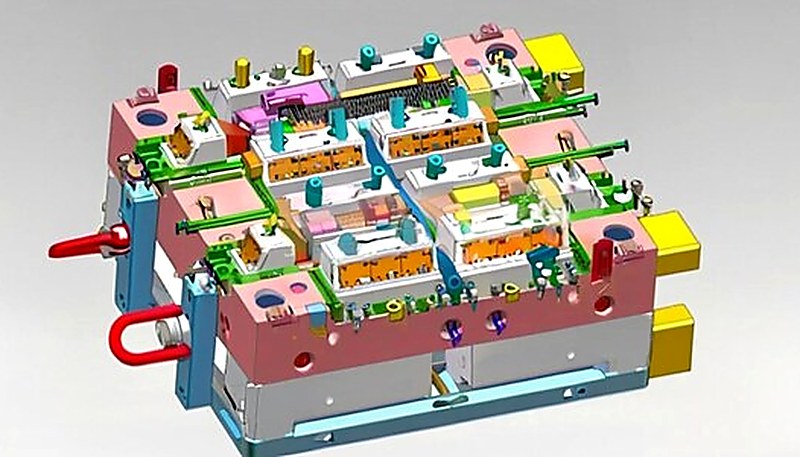
overgieten: Overgieten is een tweestaps-spuitgietproces waarbij een zacht materiaal (meestal TPE of TPU) over een stijve ondergrond wordt gevormd om zonder lijm een soft-touch oppervlak, grip of afdichting te maken. ↩
TPE-spuitgieten: Dit is het proces waarbij thermoplastische elastomeren met standaard spuitgietapparatuur worden gevormd tot flexibele componenten, zonder vulkanisatie. ↩
vormparameters: vormparameters zijn onder meer smelttemperatuur, matrijstemperatuur, injectiesnelheid, nadruk en koeltijd—de belangrijkste variabelen voor productkwaliteit, maatnauwkeurigheid en cyclusefficiëntie. ↩