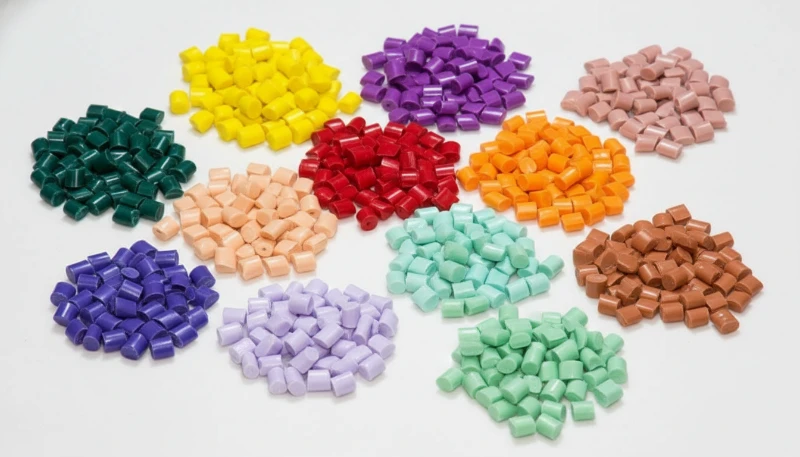
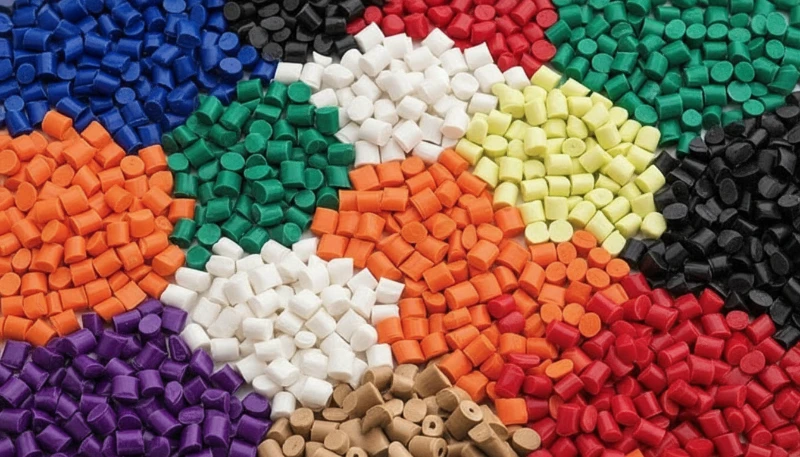
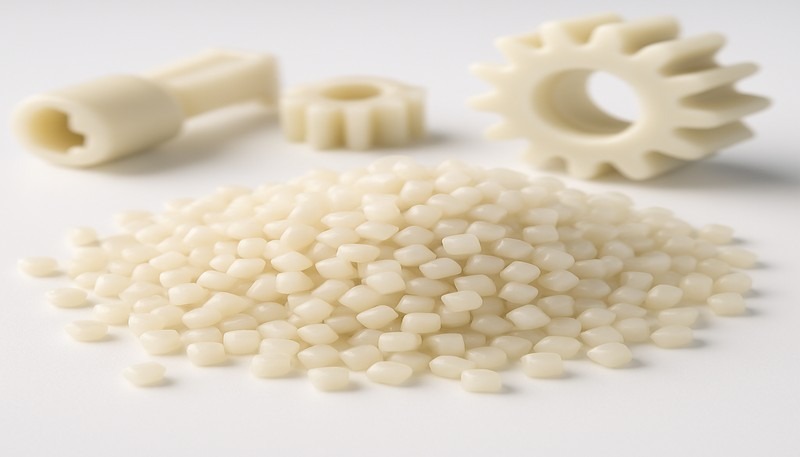
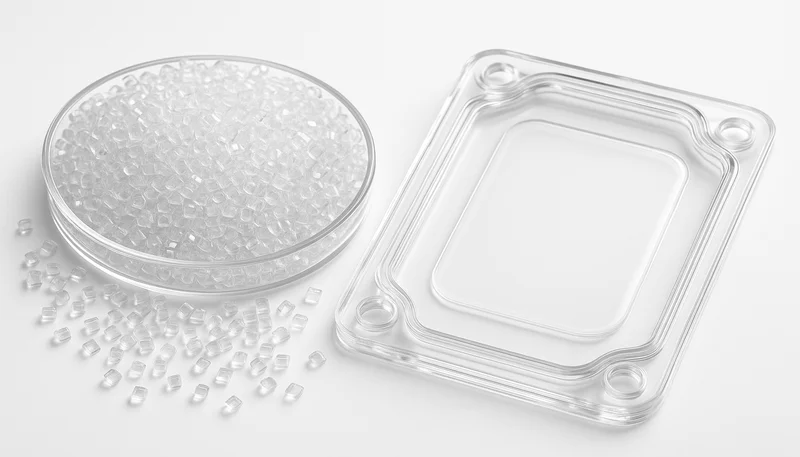
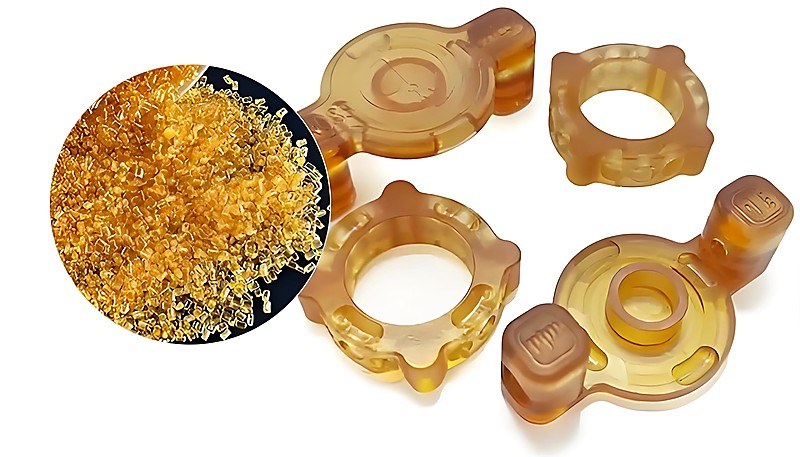
Литье под давлением ТПЭ позволяет производить гибкие резиноподобные детали с использованием стандартного оборудования для обработки термопластов — без вулканизации, без печей отверждения и со значительно меньшим временем цикла, чем традиционное формование резины. Если вы оцениваете ТПЭ для уплотнений, ручек, прокладок или мягких на ощупь формованных изделий1, понимание его технологических характеристик, конструктивных ограничений и ценовых компромиссов по сравнению с ТПУ и термореактивной резиной имеет важное значение для правильного выбора материала.
- TPE перерабатывается на стандартных термопластавтоматах без вулканизации, сокращая цикл на 50-70% по сравнению с реактопластичным каучуком
- Диапазон твердости Shore от 20A до 80D охватывает в одном семействе материалов изделия от мягких прокладок до жестких износостойких компонентов
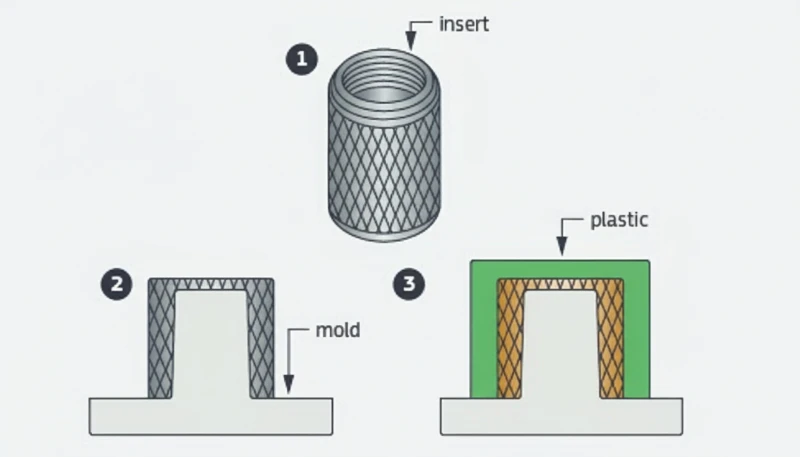
- Литье TPE с обливом жестких подложек (PP, ABS, PC) позволяет создавать мягкие на ощупь рукоятки без клея и механических фиксаторов
- Ключевые параметры: температура расплава 180-240°C, температура пресс-формы 20-60°C, скорость впрыска от умеренной до высокой для стабильного заполнения
- TPE стоит на 20-40% дороже за килограмм, чем стандартный PP, но устраняет вторичные операции, часто снижая общую себестоимость детали
Что такое литьё TPE под давлением?
Литье ТПЭ под давлением2 — это процесс плавления гранул термопластичного эластомера и впрыскивания их в форму для производства гибких резиноподобных деталей. В отличие от термореактивного каучука, химическая вулканизация которого занимает от нескольких минут до нескольких часов, ТПЭ затвердевает при охлаждении за секунды на стандартном оборудовании для термопластов.
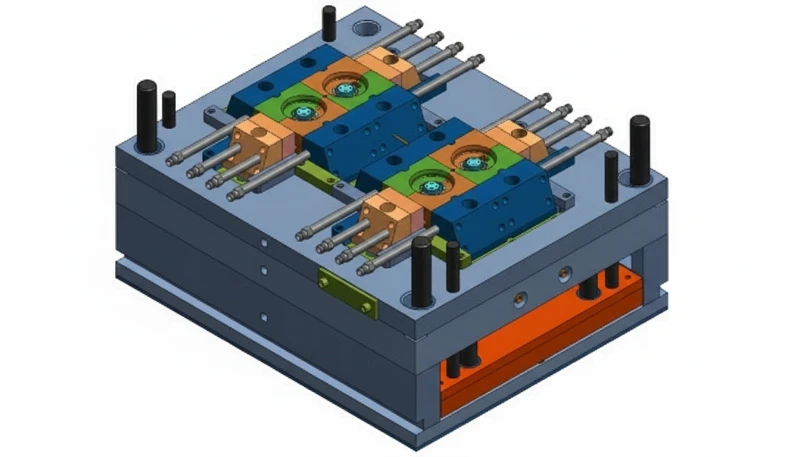
Чтобы получить более широкий взгляд на конструкцию литьевых форм, в нашем руководстве по столбцам рассматриваются конструкция оснастки, температурный контроль и компромиссы в области технологичности.
Термопластичные эластомеры представляют собой широкое семейство блок-сополимеров, сочетающих упругое восстановление вулканизированной резины с перерабатываемостью расплава обычных пластиков. Молекулярная структура состоит из твердых кристаллических сегментов, обеспечивающих структурную целостность, и мягких аморфных сегментов, придающих эластичность. При нагреве выше температуры плавления твердых сегментов весь полимер течет как термопласт. При охлаждении твердые сегменты повторно кристаллизуются, фиксируя эластичную сетку без какой-либо химической реакции сшивания.
Практическое преимущество огромно: деталь TPE, которая формовалась 15–30 секунд на стандартной машине, потребовала бы 2–5 минут времени прессовой вулканизации, если она была изготовлена из термореактивной резины. Это сокращение времени цикла напрямую приводит к снижению стоимости детали, повышению использования машины и возможности использования многогнездных форм для массового производства. Наша производственная база инжекционного формования ежедневно использует марки TPE для автомобильных и потребительских применений.
Каковы ключевые свойства TPE для литья под давлением?
Свойства TPE значительно различаются между подсемействами материалов, однако ряд характеристик универсален для всего класса. Их понимание помогает выбрать подходящую марку и спрогнозировать поведение при формовании до инвестиций в оснастку.
| Недвижимость | SBS/SEBS (стирольные) | TPO (олефиновый) | TPV (вулканизат) | TPC (сополиэфир) |
|---|---|---|---|---|
| Диапазон твёрдости | 20A-80A | 60A-70D | 40A-80A | 40A-70D |
| Термостойкость | от -40 до 80°C | от -40 до 120°C | от -40 до 135°C | Диапазон -40–150°C |
| Комплект для сжатия | Низкая–удовлетворительная | Ярмарка | Хорошо | От хорошей до превосходной |
| Химическая стойкость | Бедный | Хорошо | Хорошо | Превосходно |
| Стоимость (относительная) | Низкий | Низкая–средняя | Средний | Высокий |
| Типичное применение | Рукоятки, игрушки | Автомобильные уплотнения | Детали подкапотного пространства | Шланг, кабель |
Твёрдость по Шору — основной критерий выбора. Марки TPE охватывают диапазон от сверхмягких 20 Shore A, сопоставимых с гелем, до 80 Shore D, схожих с жёстким полиэтиленом. Такой широкий диапазон позволяет одному семейству материалов охватывать применения от амортизирующих стелек до жёстких конструкционных втулок, упрощая цепочку поставок по сравнению с ведением отдельных запасов резиновых и пластиковых материалов.
Остаточная деформация при сжатии — свойство, по которому TPE исторически уступает термореактивной резине. Стандартные стирольные TPE (SBS, SEBS) имеют 30–50% после 22 часов при 70°C, тогда как правильно вулканизированный EPDM — менее 20%. Для статических уплотнений, где важно длительное восстановление, марки TPV и TPC сокращают разрыв до 15–25%.
В ходе нашего опыта формования более 400 пластиковых материалов, марки TPE оказались наиболее чувствительными к отклонениям в обработке — изменение температуры расплава на 10°C может привести к изменению измеренной твердости по Шору на 3–5 пунктов. Мы всегда рекомендуем проводить проверку первого изделия для любой новой партии TPE перед запуском полного производства.
Каковы критически важные параметры литья TPE под давлением?
Литье ТПЭ под давлением требует температуры расплава 180–240°C, температуры формы 20–60°C и скорости впрыска от умеренной до высокой. Эти параметры формования3 отличаются от жестких термопластов прежде всего своей чувствительностью к скорости сдвига и температуре. Неправильное их выполнение проявляется в виде засветов, неправильных снимков или непостоянной твердости детали — проблемы, которые дорого исправить с помощью производственных инструментов.
"“Сушка гранул TPE перед литьём необходима, хотя TPE поглощает меньше влаги, чем нейлон: остаточная поверхностная влага вызывает серебрение и нестабильность размеров гибких деталей, для которых качество внешнего вида является основным критерием приёмки”"True
Большинству марок TPE требуется сушка в течение 2-4 часов при 60-80°C. Хотя TPE не так гигроскопичен, как PA или PBT, поверхностная влага на гранулах создаёт декоративные дефекты, особенно заметные на мягких полупрозрачных деталях TPE для потребительских изделий.
"“Для литья TPE под давлением требуются одинаковые параметры переработки независимо от конкретной марки или подгруппы TPE”"False
Марки SBS плавятся при 160-200°C, а для марок TPC требуется 220-260°C. Скорость впрыска, температура пресс-формы и давление выдержки существенно различаются для разных материалов семейства TPE. Использование одного набора параметров для всех марок гарантированно приводит к дефектам переработки.
Температура расплава для большинства коммерческих марок TPE составляет от 180 до 240°C: стирольные TPE находятся у нижней границы, а сополиэфирные TPE — у верхней. Типичная температура формы составляет от 20 до 60°C; более высокая температура формы улучшает качество поверхности, но увеличивает время цикла. Скорость впрыска должна быть от средней до высокой — вязкость TPE резко снижается с ростом скорости сдвига, поэтому во многих геометриях более быстрое заполнение фактически дает более стабильные детали.
Давление и время выдержки критически важны для стабильности размеров. TPE значительно сжимается под давлением, а недостаточное время выдержки позволяет материалу расслабляться и неравномерно усаживаться при охлаждении детали. Практическая начальная настройка — от 40 до 60 процентов давления впрыска в течение 1–3 секунд с корректировкой по времени застывания литника, измеренному при испытаниях образцов. Слишком высокое давление подпитки вызывает облой по линии разъема, поскольку TPE легко затекает в небольшие зазоры.
В нашей шанхайской фабрике мы используем 47 машин инжекционного формования от 90T до 1850T. За более чем 20 лет обработки TPE мы узнали, что правильная установка температуры расплава и скорости инжекции на первом испытании экономит недели итераций — наш анализ DFM выявляет проблемы параметров до изготовления инструмента.
Время охлаждения определяет длительность цикла и качество детали. TPE проводит тепло медленнее жёстких пластиков, поэтому толстые участки затвердевают дольше, чем можно ожидать по опыту работы с PP или ABS. При толщине стенки более 3mm время охлаждения обычно превышает 15 seconds. Слишком раннее извлечение вызывает остаточную деформацию, поскольку деталь ещё не приобрела достаточную жёсткость для сопротивления усилиям извлечения без искажения формы.
Какие правила проектирования применяются к деталям из TPE?
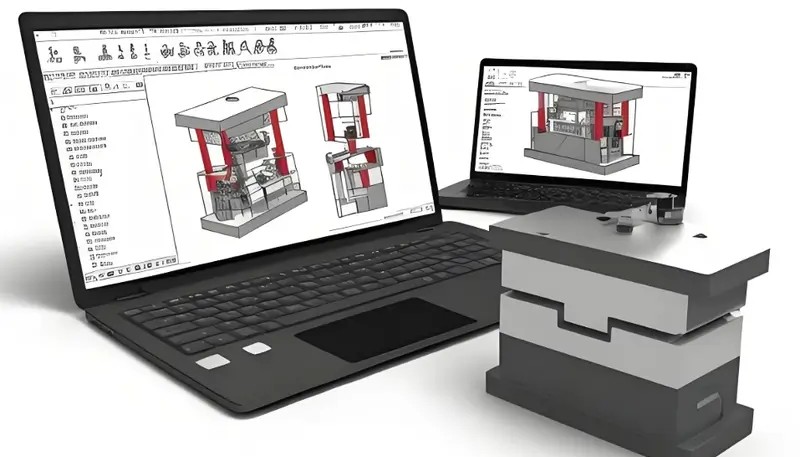
Формованные детали TPE должны иметь равномерную толщину стенок (1.0–4.0 мм), углы вытяжки 1–2° и большие радиусы на всех углах. Хотя проектирование TPE соответствует общим принципам термопластов, гибкость материала и более низкий модуль требуют важных корректировок для элементов, таких как живые шарниры, защелкивающиеся элементы и эластомерные уплотнения, которые невозможны в жестких пластиках.
Правила выбора толщины стенок и углов уклона
Толщина стенки по возможности должна быть равномерной и находиться в диапазоне от 1.0 до 4.0mm. В деталях из TPE толщиной более 4mm образуются значительные утяжины, а увеличенное время охлаждения сводит на нет преимущество по длительности цикла перед резиной. Для конструкционных применений, где требуется жёсткость, вместо увеличения общей толщины рассмотрите усиление рёбрами более тонкой базовой стенки. Высота ребра не должна превышать базовую толщину стенки более чем в 3 раза, а ширина основания ребра должна составлять от 50 до 70 процентов толщины стенки, чтобы минимизировать утяжины на декоративной поверхности.
Для большинства деталей TPE достаточно уклона 1–2 градуса, поскольку материал изгибается при выталкивании и выходит из поднутрений, удерживающих жёсткий пластик. Для глубоких сердечников или текстурированных поверхностей увеличьте уклон минимум до 3 градусов. Система выталкивания должна использовать широкие лопатки или съёмные плиты вместо штифтов малого диаметра, способных пробить мягкий TPE.
Принципы проектирования литья поверх основы
Переформование дает максимальную ценность TPE. Нанесение TPE на жесткую основу (PP, ABS, PC, PA) создает мягкие поверхности, зоны захвата и герметичные уплотнения за одну операцию формования. Главное правило проектирования — предусмотреть механические замки: поднутрения, отверстия или Т-образные пазы в основе, физически удерживающие TPE независимо от химической адгезии. Химическое соединение TPE с основой зависит от совместимости материалов и температуры поверхности и ухудшается при климатическом старении.
TPE, TPU или резина — когда оправдан каждый из вариантов?
Выбирайте TPE для быстрых циклов и простой переработки, TPU, когда критична устойчивость к истиранию, и термореактивную резину для требований к экстремальной компрессионной деформации. Решение зависит от трех практических факторов: потребностей в механических характеристиках, объема производства и общей стоимости, включая дополнительные операции. Таблица ниже сравнивает ключевые свойства параллельно.
| Критерий | TPE | TPU | Термореактивная резина |
|---|---|---|---|
| Диапазон твёрдости | 20A-80D | 60A-80D | 20A-90A |
| Устойчивость к истиранию | Ярмарка | Превосходно | Хорошо |
| Комплект для сжатия | Удовлетворительно–хорошо | Хорошо | Превосходно |
| Обработка | Стандартное литьё под давлением | Стандартное литьё под давлением | Компрессионное/трансферное |
| Время цикла | 15-30s | 20-40s | 2-5 min |
| Стоимость оснастки | Низкая–средняя | Средний | Высокий |
| Пригоден для переработки | Да | Да | Нет |
| Лучшее для | Рукоятки, уплотнения | Изнашиваемые детали, приводные ремни | Статические уплотнения, шины |
Выбирайте TPE, когда нужны умеренная эластичность, короткий цикл и возможность наносить его литьём на жёсткие подложки. TPE является стандартным выбором для потребительских изделий с мягкой поверхностью, компонентов салона автомобиля и универсальных уплотнений, где требования к остаточной деформации при сжатии не являются экстремальными.
Выбирайте TPU, когда критична стойкость к истиранию: для конвейерных лент, роликов, чехлов телефонов и промышленных изнашиваемых компонентов. TPU стоит на 30–60 процентов дороже за килограмм, чем стандартный TPE на основе SEBS, но обеспечивает значительно больший срок службы и прочность на растяжение. После обработки поверхности TPU также хорошо сцепляется с тканями и металлами, расширяя возможности многокомпонентного литья по сравнению со стандартным TPE.
Выбирайте термореактивную резину (EPDM, NBR, FKM), когда применение требует длительной остаточной деформации при сжатии ниже 15 процентов, температуры непрерывной эксплуатации выше 150°C или воздействия агрессивных химикатов и топлива, разрушающих TPE и TPU. Более высокая стоимость оснастки и медленная переработка оправданы для статических масляных уплотнений, высокотемпературных прокладок и химически стойких мембран, где термопластичные альтернативы просто не способны выполнить требования к характеристикам.
Какие отрасли используют детали из TPE, изготовленные литьём под давлением?
TPE детали, полученные методом инжекционного формования, используются в автомобильной промышленности, потребительской электронике, медицинских устройствах, промышленности, строительстве и пищевых контактах. Этот семейство материалов охватывает такой широкий диапазон твердости и производительности, что наибольшее количество применений сосредоточено в автомобильной промышленности, потребительских товарах и секторах здравоохранения.
"“Применение TPE в автомобильных интерьерах с 2020 года растет на 12 процентов ежегодно, поскольку OEM-производители заменяют PVC и термореактивную резину перерабатываемыми марками TPE для соответствия европейским директивам ELV по утилизации”"True
Нормативы EU для автомобилей с истекшим сроком службы требуют возможности переработки 85 процентов массы. Компоненты с покрытием TPE можно измельчать и перерабатывать вместе с материалом базовой основы, тогда как PVC и вулканизированная резина требуют отделения и утилизации как неперерабатываемые отходы.
"“TPE нельзя использовать для компонентов медицинских изделий, поскольку материал не соответствует требованиям биосовместимости”"False
Некоторые марки SEBS и TPC имеют сертификаты биосовместимости USP Class VI и ISO 10993, позволяющие использовать их для медицинских трубок, уплотнений и корпусов устройств, контактирующих с кожей или биологическими жидкостями. Медицинский TPE заменяет PVC и латекс во многих применениях, устраняя риски пластификаторов и аллергии на белки.
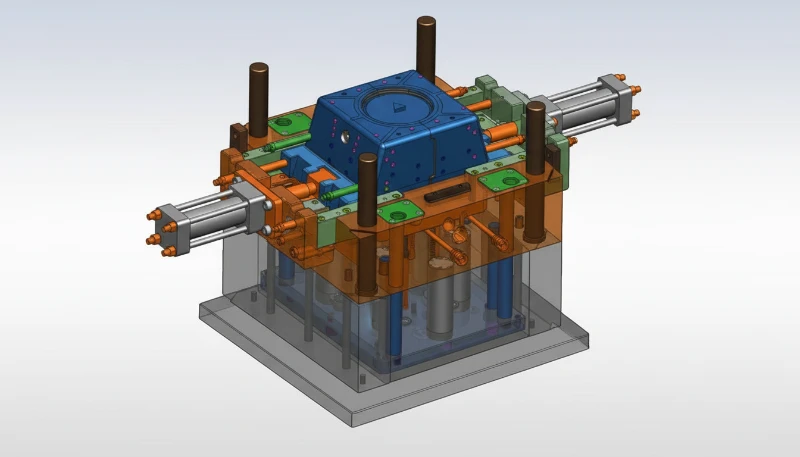
Основные области применения TPE:
Автомобильная промышленность: внутренняя отделка, уплотнения, прокладки, компоненты NVH.
Бытовая электроника: носимые браслеты, вкладыши для наушников, чехлы для телефонов.
Медицинские изделия: трубки, уплотнения, мундштуки для ингаляторов, колпачки для шприцев.
Промышленность: прокладки, ножки бампера, антивибрационные опоры, кабельные вводы.
Строительство: оконные уплотнители, дверные уплотнители, компенсационные швы.
Потребительская электроника и медицинские изделия
Потребительская электроника является самым быстрорастущим сегментом благодаря носимым устройствам и беспроводным наушникам, для которых требуются мягкие, безопасные для кожи материалы в тонкостенной геометрии. В этом сегменте преобладают марки TPE с твердостью по Шору A от 30 до 50, поскольку они сочетают комфорт, хорошее сцепление и возможность формования сложной геометрии с интегральными шарнирами для крышек зарядных футляров и элементов укладки кабелей.
В промышленных уплотнениях и виброизоляции применяются более твёрдые марки TPE с твёрдостью от 60 до 80 Shore A для прокладок, опорных ножек и антивибрационных креплений. Такие детали часто отливаются поверх металлических вставок для резьбовой сборки, объединяя функцию уплотнения и жёсткую точку крепления в одном формованном компоненте и устраняя отдельную операцию установки прокладки.
Строительство и контакт с пищевыми продуктами
В строительстве растет потребление TPE для оконных прокладок, дверных уплотнителей и профилей деформационных швов. В этих применениях TPE заменяет традиционный каучук EPDM, поскольку его можно экструдировать или формовать с более жесткими размерными допусками и окрашивать в цвет архитектурных элементов без покраски. Материал также соединяется с профилями из PVC и алюминия при соэкструзии, образуя интегрированные уплотнительные системы.
Для применения в контакте с пищевыми продуктами требуются соответствующие FDA марки TPE, прошедшие экстракционные испытания по 21 CFR 177.2600 для поверхностей многократного контакта с пищей. Такие сертификаты имеют несколько марок SEBS и TPO, что позволяет использовать TPE для уплотнений пищевого оборудования, крышек контейнеров и дозирующих клапанов. Отсутствие пластификаторов — проблемного фактора для PVC при контакте с пищей — делает TPE все более популярным заменителем в пищевой упаковке и технологическом оборудовании.
Спорт, досуг и новые области применения
Индустрия спорта и отдыха широко применяет TPE для поверхностей велосипедных и инструментальных рукояток, ручек тренажёров и защитных накладок. Эти изделия используют способность TPE обеспечивать удобную мягкую поверхность с хорошим сцеплением во влажных условиях и умеренной стойкостью к истиранию при стоимости значительно ниже заказных резиновых компаундов.
Часто задаваемые вопросы о литье TPE под давлением
Можно ли наносить TPE на металлические вставки методом литья под давлением?
Да, TPE можно наносить литьём на металлические вставки, но соединение основано преимущественно на механическом зацеплении, а не на химической адгезии. Предусмотрите на металлической вставке рифление, отверстия или поднутрения, которые физически удерживают TPE при его обтекании вставки и прохождении через неё во время литья. Для улучшения адгезии предварительно нагрейте металлическую вставку до 80–120°C и выберите марку TPE с модифицированной клеевой рецептурой для соединения с металлом.
Какой коэффициент усадки следует использовать при проектировании оснастки для литья под давлением из ТПЭ?
Усадка TPE составляет от 1.0 до 2.5 процента в зависимости от конкретной марки, твердости и условий переработки. Более мягкие марки ниже 50 Shore A усаживаются сильнее — обычно на 1.5–2.5 процента, тогда как более твердые марки выше 70 Shore A — на 1.0–1.5 процента. При проектировании оснастки всегда используйте значение из технического паспорта поставщика материала и проверяйте его пробным впрыском до утверждения размеров серийной пресс-формы. Усадка также зависит от направления течения и поперек потока примерно на 0.3 процента выше, чем вдоль него.
Требуется ли сушка TPE перед литьем под давлением?
Для большинства марок TPE полезна сушка в течение 2–4 часов при 60–80°C перед формованием. Хотя TPE менее гигроскопичен, чем нейлон или поликарбонат, поверхностная влага на гранулах вызывает веерообразные следы, серебристые полосы и отклонения размеров, особенно заметные на мягких полупрозрачных деталях. Гигроскопичные марки, например TPE на основе TPC, требуют более интенсивной сушки при 80–100°C не менее 4 часов. Для стабильного качества производства приобретите бункерную сушилку.
Как работает переработка ТПЭ в операциях литья под давлением?
TPE полностью пригоден для вторичной переработки как термопластичный материал. Литниковые каналы, центральные литники и бракованные детали можно измельчать и повторно перерабатывать при доле вторичного сырья от 10 до 30 процентов без существенной потери свойств для большинства коммерческих марок. Это значительное преимущество по стоимости перед термореактивной резиной, у которой облой и бракованные детали превращаются в неперерабатываемые отходы. Поддерживайте вторичное сырьё чистым и сухим и ограничивайте накопленное тепловое воздействие, чтобы избежать постепенного ухудшения эластичных свойств в ходе нескольких циклов переработки.
В чем разница между марками SEBS и SBS TPE для литья под давлением?
Процесс литья под давлением ТПЭ? | ZetarMold
Могут ли детали из TPE заменять силиконовый каучук в уплотнительных применениях?
TPE может заменить силиконовый каучук во многих уплотнениях для умеренных температур ниже 150°C, где не требуется исключительная стойкость к остаточной деформации при сжатии. По сравнению с литьём жидкого силиконового каучука TPE обеспечивает более короткие циклы, меньшую стоимость оснастки и полную перерабатываемость. Однако силикон сохраняет уплотняющие свойства при температуре до 250°C и достигает остаточной деформации при сжатии менее 10 процентов — уровней, недоступных ни одной современной марке TPE. Перед переходом оцените конкретные требования применения к температуре, химическому воздействию и сжатию.
Почему стоит выбрать ZetarMold для литья TPE под давлением?
ZetarMold — базирующийся в Шанхае производитель литьевого формования, располагающий 47 машинами (90–1850T) и специальными двухзаходными прессами для формования ТПЭ. Наш собственный инструментальный завод и более чем 20-летний опыт обработки ТПЭ означают, что мы можем поставить производственную оснастку за недели, а не месяцы. Для сложных конструкций литьевых форм со вставками с несколькими полостями наша команда инженеров предоставляет обратную связь DFM, которая выявляет потенциальные проблемы еще до начала резки стали.
Готовы начать ваш проект TPE? Свяжитесь с нашей инженерной группой для получения рекомендаций по выбору материала и комплексных предложений по инструментам в течение 5 рабочих дней.
Нужно коммерческое предложение для вашего проекта литья под давлением?
Получите конкурентное ценовое предложение, рекомендации DFM и производственный график от инженерной команды ZetarMold.
Запросить бесплатное предложение →
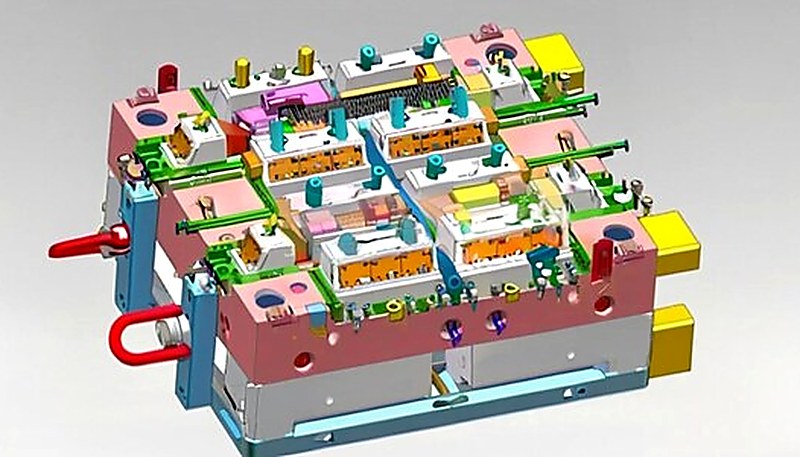
Формование: Формование — это двухэтапный процесс литья под давлением, при котором мягкий материал (обычно ТПЭ или ТПУ) формуется поверх жесткой подложки для создания мягкой на ощупь поверхности, захвата или уплотнения без клея. ↩
Литье ТПЭ под давлением: это относится к процессу формования термопластичных эластомерных материалов с использованием стандартного оборудования для литья под давлением для производства гибких компонентов без вулканизации. ↩
параметры формования: параметры формования относятся к параметрам литья под давлением, включая температуру расплава, температуру формы, скорость впрыска, давление выдержки и время охлаждения — ключевые переменные, которые определяют качество детали, точность размеров и эффективность цикла. ↩