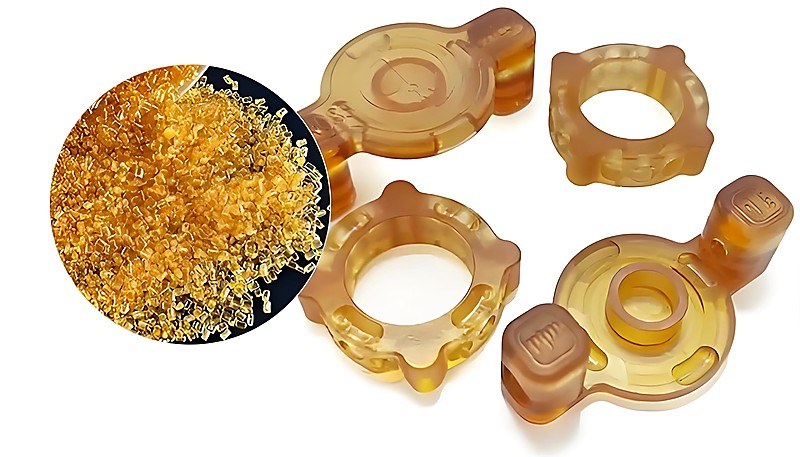
Formowanie wtryskowe TPE umożliwia produkcję elastycznych, gumopodobnych części na standardowych urządzeniach do przetwórstwa tworzyw termoplastycznych — bez wulkanizacji i pieców do utwardzania, przy znacznie krótszych czasach cyklu niż w tradycyjnym formowaniu gumy. Jeśli rozważasz TPE do uszczelek, uchwytów, podkładek uszczelniających lub miękkiego formowania nakładkowego1, zrozumienie jego zachowania podczas przetwarzania, ograniczeń projektowych oraz kompromisów kosztowych względem TPU i gumy termoutwardzalnej jest niezbędne do właściwego wyboru materiału.
- TPE przetwarza się na standardowych wtryskarkach bez wulkanizacji, co skraca czas cyklu o 50–70% w porównaniu z gumą termoutwardzalną
- Zakres twardości Shore’a od 20A do 80D obejmuje w jednej rodzinie materiałów zarówno miękkie uszczelki, jak i sztywne elementy odporne na zużycie
- Obtrysk TPE na sztywnych podłożach (PP, ABS, PC) umożliwia wykonywanie miękkich uchwytów bez klejów ani mechanicznych połączeń kształtowych
- Kluczowe parametry: temperatura stopu 180-240°C, temperatura formy 20-60°C, prędkość wtrysku od umiarkowanej do wysokiej w celu zapewnienia równomiernego wypełnienia
- TPE kosztuje o 20-40% więcej za kilogram niż standardowy PP, ale eliminuje operacje wtórne, często obniżając całkowity koszt detalu
Czym jest formowanie wtryskowe TPE?
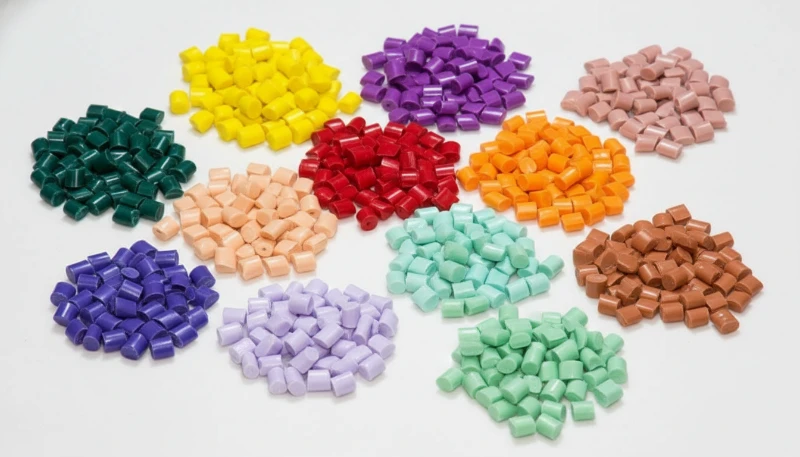
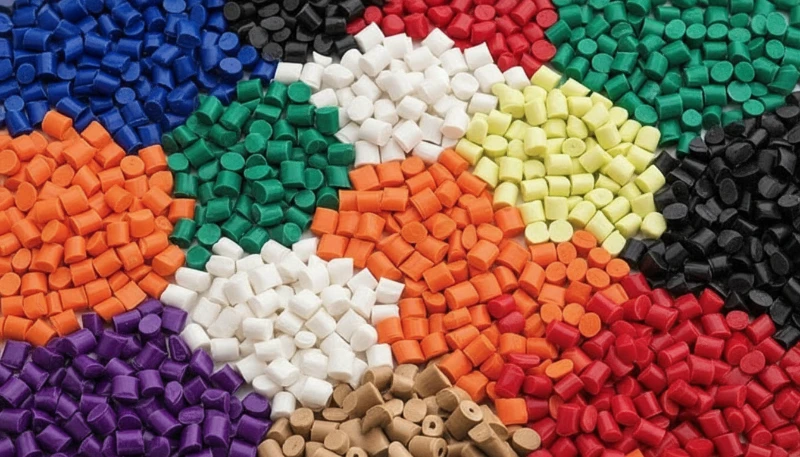
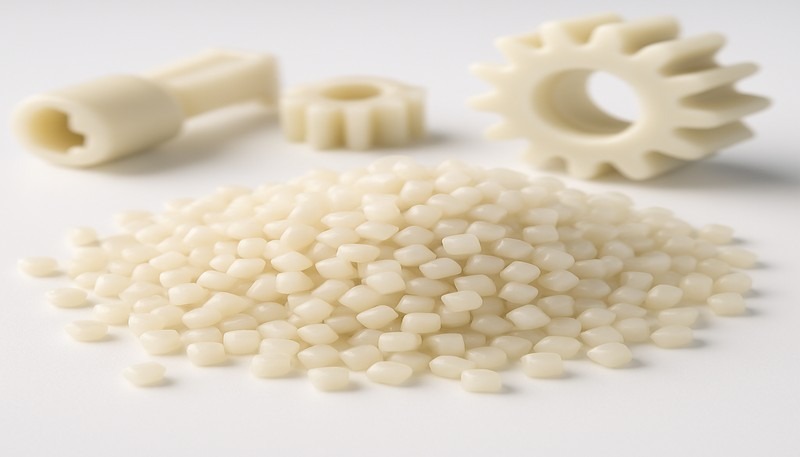
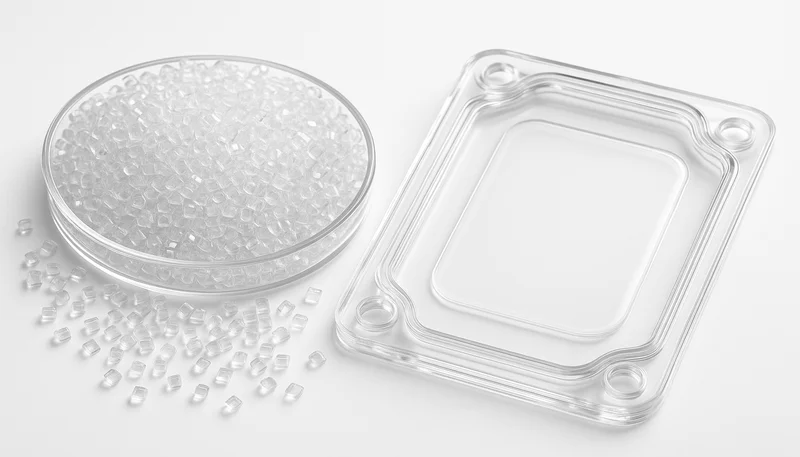
Formowanie wtryskowe TPE2 to proces topienia granulatu elastomeru termoplastycznego i wtryskiwania go do formy w celu wytworzenia elastycznych, gumopodobnych części. W przeciwieństwie do gumy termoutwardzalnej, która wymaga chemicznej wulkanizacji trwającej od kilku minut do kilku godzin, TPE zestala się przez chłodzenie w ciągu kilku sekund na standardowych urządzeniach do tworzyw termoplastycznych.
Szersze omówienie projektowania form wtryskowych zawiera nasz przewodnik główny po konstrukcji oprzyrządowania, kontroli cieplnej i kompromisach związanych z wykonalnością produkcji.
Elastomery termoplastyczne to szeroka rodzina kopolimerów blokowych, które łączą sprężysty powrót wulkanizowanej gumy z możliwością przetwarzania konwencjonalnych tworzyw w stanie stopionym. Struktura cząsteczkowa składa się z twardych segmentów krystalicznych zapewniających integralność strukturalną oraz miękkich segmentów amorficznych nadających elastyczność. Po podgrzaniu powyżej temperatury topnienia twardych segmentów cały polimer płynie jak tworzywo termoplastyczne. Po schłodzeniu twarde segmenty ponownie krystalizują, utrwalając elastyczną sieć bez jakiejkolwiek reakcji chemicznego sieciowania.
Praktyczna zaleta jest ogromna: element TPE, który wymaga 15 do 30 sekund formowania na standardowej maszynie, potrzebowałby 2 do 5 minut czasu utwardzania w prasie, jeśli był wykonany z gumy termoutwardzalnej. Ta redukcja czasu cyklu przekłada się bezpośrednio na niższy koszt jednostkowy, większe wykorzystanie maszyn i możliwość użycia form wielogniazdowych dla produkcji masowej. Nasza hala procesu wtrysku codziennie wykorzystuje gatunki TPE dla zastosowań automotive i konsumenckich.
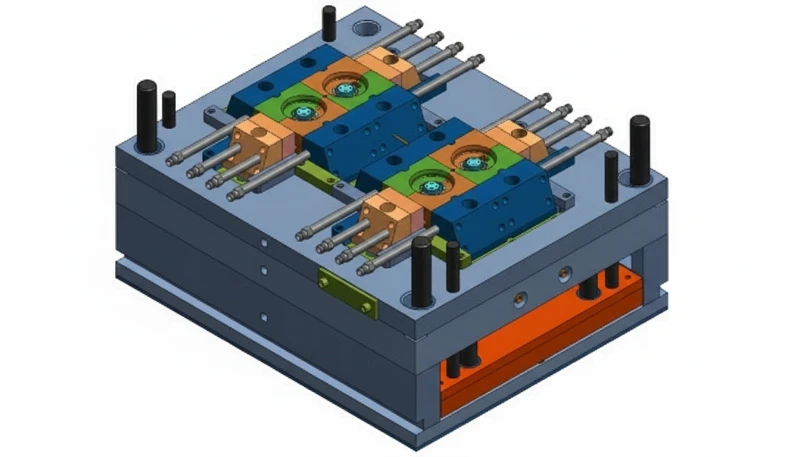
Jakie są kluczowe właściwości materiałowe TPE w formowaniu wtryskowym?
Właściwości TPE znacznie różnią się między podrodzinami materiałów, lecz kilka cech jest wspólnych dla całej klasy. Ich zrozumienie pomaga wybrać odpowiedni gatunek i przewidzieć zachowanie podczas formowania przed zleceniem wykonania oprzyrządowania.
| Własność | SBS/SEBS (styrenowe) | TPO (olefinowe) | TPV (wulkanizat termoplastyczny) | TPC (kopoliester) |
|---|---|---|---|---|
| Zakres twardości | 20A-80A | 60A-70D | 40A-80A | 40A-70D |
| Odporność temperaturowa | -40 do 80°C | Od -40 do 120°C | -40 do 135°C | od -40 do 150°C |
| Zestaw kompresyjny | Słabe–dostateczne | Uczciwy | Dobry | Dobry–doskonały |
| Odporność chemiczna | Słaby | Dobry | Dobry | Doskonały |
| Koszt (względny) | Niski | Niski–średni | Średni | Wysoki |
| Typowe zastosowanie | Uchwyty, zabawki | Uszczelnienia samochodowe | Części pod maską | Wąż, przewód |
Twardość Shore’a jest podstawowym kryterium wyboru. Gatunki TPE obejmują zakres od wyjątkowo miękkich 20 Shore A (porównywalnych z żelem) do 80 Shore D (podobnych do sztywnego polietylenu). Tak szeroki zakres oznacza, że jedna rodzina materiałów może obsługiwać zastosowania od amortyzujących wkładek po sztywne tuleje konstrukcyjne, upraszczając łańcuch dostaw w porównaniu z utrzymywaniem oddzielnych zapasów gumy i tworzyw.
Odporność na odkształcenie trwałe po ściskaniu jest właściwością, pod względem której TPE historycznie ustępują gumie termoutwardzalnej. Standardowe styrenowe TPE (SBS, SEBS) wykazują odkształcenie trwałe po ściskaniu wynoszące 30–50 procent po 22 godzinach w temperaturze 70°C, podczas gdy prawidłowo wulkanizowana guma EPDM osiąga wartość poniżej 20 procent. W zastosowaniach z uszczelnieniami statycznymi, w których liczy się długotrwały powrót do pierwotnego kształtu po ściskaniu, gatunki TPV i TPC znacznie zmniejszają tę różnicę, osiągając wartości 15–25 procent.
W naszym doświadczeniu z formowaniem ponad 400 materiałów plastikowych, gatunki TPE należą do najbardziej wrażliwych na dryft przetwarzania — zmiana temperatury stopu o 10°C może przesunąć zmierzoną twardość Shore’a o 3–5 punktów. Zawsze zalecamy przeprowadzenie inspekcji pierwszego wyrobu dla każdej nowej partii TPE przed pełną produkcją.
Jakie są krytyczne parametry formowania wtryskowego TPE?
Formowanie wtryskowe TPE wymaga temperatury stopu 180–240°C, temperatury formy 20–60°C oraz umiarkowanej lub dużej prędkości wtrysku. Te parametry formowania3 różnią się od parametrów sztywnych termoplastów głównie wrażliwością na szybkość ścinania i temperaturę. Nieprawidłowe ustawienia powodują wypływki, niedolewy lub nierównomierną twardość części — problemy kosztowne do usunięcia w oprzyrządowaniu produkcyjnym.
"„Suszenie granulatu TPE przed formowaniem jest niezbędne, mimo że TPE pochłania mniej wilgoci niż nylon — resztkowa wilgoć powierzchniowa powoduje smugi i niestabilność wymiarową elastycznych części, dla których jakość wizualna stanowi podstawowe kryterium odbioru”"True
Większość gatunków TPE wymaga suszenia przez 2–4 godziny w temperaturze 60–80°C. Choć TPE nie jest tak higroskopijny jak PA czy PBT, wilgoć powierzchniowa na granulacie powoduje wady estetyczne, które są szczególnie widoczne na miękkich, półprzezroczystych częściach TPE stosowanych w produktach konsumenckich.
"„Formowanie wtryskowe TPE wymaga takich samych parametrów przetwarzania niezależnie od konkretnego gatunku lub podrodziny TPE”"False
Gatunki SBS topią się w temperaturze 160–200°C, natomiast gatunki TPC wymagają 220–260°C. Prędkość wtrysku, temperatura formy i ciśnienie docisku znacznie różnią się w obrębie rodziny TPE. Stosowanie jednego zestawu parametrów dla wszystkich gatunków nieuchronnie prowadzi do wad przetwórczych.
Dla większości komercyjnych gatunków TPE temperatura stopu wynosi od 180 do 240°C, przy czym styrenowe TPE znajdują się na dolnym końcu zakresu, a kopoliestrowe TPE na górnym. Typowa temperatura formy wynosi od 20 do 60°C; wyższa temperatura poprawia wykończenie powierzchni, ale wydłuża czas cyklu. Prędkość wtrysku powinna być od umiarkowanej do dużej — lepkość TPE gwałtownie spada wraz ze wzrostem szybkości ścinania, dlatego w wielu geometriach szybsze wypełnianie zapewnia bardziej powtarzalne części.
Ciśnienie i czas docisku mają kluczowe znaczenie dla spójności wymiarowej. TPE znacznie ściska się pod ciśnieniem, a zbyt krótki czas docisku pozwala materiałowi odprężać się i nierównomiernie kurczyć podczas chłodzenia detalu. Praktycznym punktem wyjścia jest 40 do 60 procent ciśnienia wtrysku przez 1 do 3 sekund, z korektą na podstawie czasu zamarzania przewężki zmierzonego podczas prób. Zbyt wysokie ciśnienie docisku powoduje wypływki na linii podziału, ponieważ TPE łatwo wpływa w małe szczeliny.
W naszej fabryce w Shanghai działa 47 maszyn wtryskowych od 90T do 1850T. Po ponad 20 latach pracy z TPE nauczyliśmy się, że uzyskanie właściwej temperatury stopu i szybkości wtrysku w pierwszym próbie oszczędza tygodnie iteracji — nasza analiza DFM wychwyci problemy parametrów przed wykonaniem stali.
Czas chłodzenia decyduje o czasie cyklu i jakości części. TPE przewodzi ciepło wolniej niż sztywne tworzywa, dlatego grube przekroje krzepną dłużej, niż można oczekiwać na podstawie doświadczeń z PP lub ABS. Przy grubości ścianek powyżej 3mm czas chłodzenia zazwyczaj przekracza 15 sekund. Zbyt wczesne wypchnięcie powoduje trwałe odkształcenie, ponieważ część nie uzyskała jeszcze sztywności wystarczającej do przeciwstawienia się siłom wypychania bez deformacji.
Jakie zasady projektowe dotyczą części formowanych z TPE?
Elementy formowane z TPE wymagają jednolitej grubości ścianki (1.0–4.0mm), kątów odciągu 1–2° oraz dużych promieni na wszystkich krawędziach. Choć projektowanie TPE stosuje ogólne zasady termoplastów, elastyczność materiału i niższy moduł wymagają istotnych modyfikacji dla elementów takich jak żywe zawiasy, zatrzaski i uszczelnienia elastomerowe, które były niemożliwe w sztywnych plastikach.
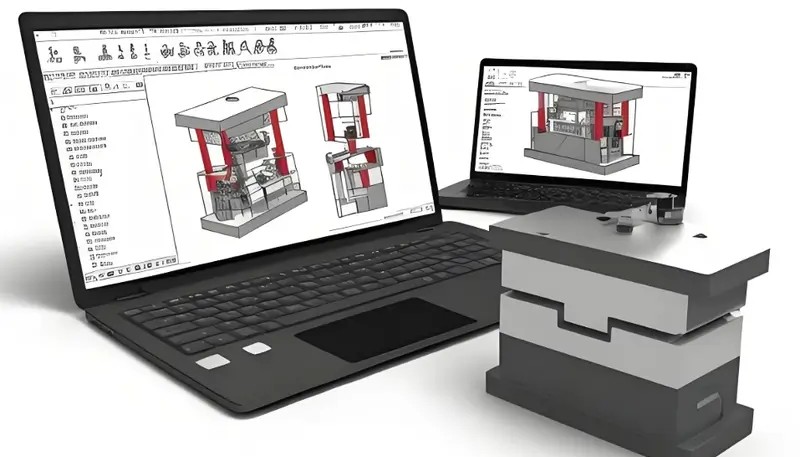
Zasady dotyczące grubości ścianek i kątów pochylenia
Wszędzie, gdzie to możliwe, grubość ścianek powinna być jednolita i wynosić od 1,0 do 4,0 mm. Części z TPE grubsze niż 4 mm mają znaczne zapadnięcia i wymagają wydłużonego chłodzenia, które niweluje przewagę czasu cyklu nad gumą. W zastosowaniach konstrukcyjnych wymagających sztywności lepiej zastosować żebra wzmacniające na cieńszej ściance bazowej niż zwiększać ogólną grubość. Wysokość żebra nie powinna przekraczać trzykrotności grubości ścianki bazowej, a szerokość podstawy żebra powinna wynosić 50–70% grubości ścianki, aby ograniczyć zapadnięcia na powierzchni dekoracyjnej.
Kąty pochylenia od 1 do 2 stopni są wystarczające dla większości części z TPE, ponieważ materiał ugina się podczas wypychania i uwalnia z podcięć, które uwięziłyby sztywne tworzywa. W przypadku głębokich rdzeni lub powierzchni teksturowanych zwiększ kąt do co najmniej 3 stopni. Układ wypychania powinien wykorzystywać łopatki o dużej powierzchni lub płyty zgarniacza zamiast trzpieni o małej średnicy, które podczas wypychania mogą przebić miękki materiał TPE.
Zasady projektowania obtrysku
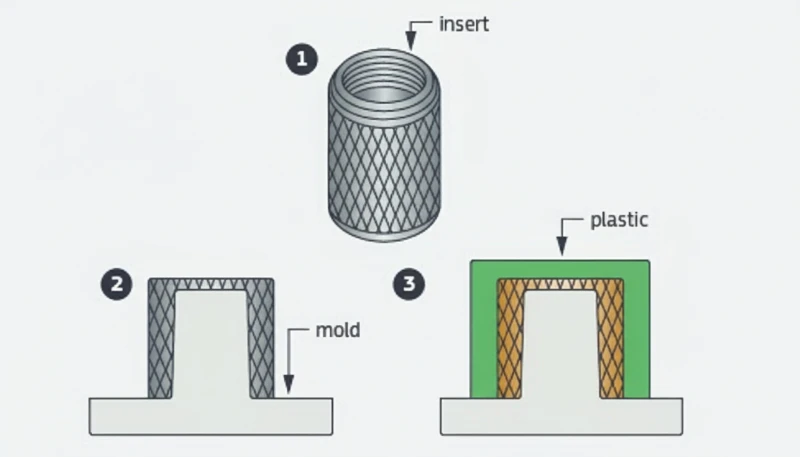
Obtrysk jest zastosowaniem, w którym TPE zapewnia największą wartość. Połączenie TPE ze sztywnym podłożem (PP, ABS, PC, PA) tworzy miękkie w dotyku powierzchnie, strefy chwytu i uszczelnienia środowiskowe w jednej operacji formowania. Kluczową zasadą projektową jest zastosowanie mechanicznych zakotwień — podcięć, otworów lub rowków teowych w podłożu — które fizycznie utrzymują TPE niezależnie od przyczepności chemicznej. Wiązanie chemiczne między TPE a podłożem zależy od zgodności materiałów i temperatury powierzchni, a jego trwałość pogarsza się wskutek starzenia środowiskowego.
TPE, TPU czy guma — kiedy warto wybrać każdy z tych materiałów?
Wybierz TPE dla szybkich cykli i łatwego recyklingu, TPU gdy odporność na ścieranie jest kluczowa, oraz gumę termoutwardzalną dla wymagań ekstremalnej setu kompresji. Decyzja zależy od trzech praktycznych czynników: potrzeb właściwości mechanicznych, wielkości produkcji i całkowitego kosztu, obejmującego operacje dodatkowe. Poniższa tabela porównuje kluczowe właściwości.
| Kryterium | TPE | TPU | Guma termoutwardzalna |
|---|---|---|---|
| Zakres twardości | 20A-80D | 60A-80D | 20A-90A |
| Odporność na ścieranie | Uczciwy | Doskonały | Dobry |
| Zestaw kompresyjny | Dostateczna–dobra | Dobry | Doskonały |
| Przetwarzanie | Standardowe formowanie wtryskowe | Standardowe formowanie wtryskowe | Prasowanie / formowanie przetłoczne |
| Czas cyklu | 15-30s | 20-40s | 2-5 min |
| Koszt oprzyrządowania | Niski–średni | Średni | Wysoki |
| Nadaje się do recyklingu | Tak | Tak | Nie |
| Najlepsze dla | Uchwyty, uszczelnienia | Części zużywalne, taśmy | Uszczelnienia statyczne, opony |
Wybierz TPE, gdy potrzebujesz umiarkowanej elastyczności, krótkich czasów cyklu i możliwości obtryskiwania sztywnych podłoży. TPE jest domyślnym wyborem do produktów konsumenckich o miękkiej w dotyku powierzchni, elementów wnętrza samochodu i uszczelnień ogólnego przeznaczenia, w których wymagania dotyczące odkształcenia trwałego po ściskaniu nie są skrajnie wysokie.
Wybierz TPU, gdy kluczowa jest odporność na ścieranie — w taśmach przenośnikowych, kółkach samonastawnych, etui na telefony i przemysłowych elementach zużywalnych. TPU kosztuje za kilogram o 30–60 procent więcej niż standardowy TPE na bazie SEBS, ale zapewnia znacznie wyższą trwałość ścierną i wytrzymałość na rozciąganie. Po obróbce powierzchniowej TPU dobrze łączy się również z tkaninami i metalami, rozszerzając możliwości formowania natryskowego poza zakres osiągalny dla standardowego TPE.
Wybierz kauczuk termoutwardzalny (EPDM, NBR, FKM), gdy zastosowanie wymaga długotrwałego odkształcenia trwałego przy ściskaniu poniżej 15 procent, ciągłej temperatury pracy powyżej 150°C albo odporności na agresywne chemikalia i paliwa niszczące TPE i TPU. Wyższy koszt oprzyrządowania i wolniejsze przetwarzanie są uzasadnione w przypadku statycznych uszczelnień olejowych, uszczelek wysokotemperaturowych i membran odpornych chemicznie, gdy alternatywy termoplastyczne po prostu nie spełniają wymagań eksploatacyjnych.
Które branże korzystają z detali z TPE formowanych wtryskowo?
Elementy wtryskowe z TPE są stosowane w automotive, elektronice konsumenckiej, urządzeniach medycznych, przemysłowych, budowlanych i branżach kontaktujących się z żywnością. Rodzina materiałów obejmuje tak szeroki zakres twardości i właściwości, że największe zastosowania skupiają się w automotive, produktach konsumenckich i sektorze zdrowia.
"„Zastosowanie TPE we wnętrzach samochodowych rośnie od 2020 roku o 12 procent rocznie, ponieważ producenci OEM zastępują PVC i gumę termoutwardzalną gatunkami TPE nadającymi się do recyklingu, aby spełnić wymagania europejskich dyrektyw ELV dotyczących recyklingu”"True
Przepisy UE dotyczące pojazdów wycofanych z eksploatacji wymagają możliwości recyklingu 85 procent masy. Komponenty z nadlewanym TPE można rozdrabniać i ponownie przetwarzać wraz z materiałem podłoża, natomiast PVC i wulkanizowana guma wymagają oddzielenia i utylizacji jako odpady nienadające się do recyklingu.
"“TPE nie można stosować do produkcji elementów wyrobów medycznych, ponieważ materiał ten nie spełnia wymagań dotyczących biokompatybilności”"False
Kilka gatunków SEBS i TPC ma certyfikaty biokompatybilności USP Class VI i ISO 10993, co kwalifikuje je do przewodów medycznych, uszczelek i obudów urządzeń mających kontakt ze skórą lub płynami ustrojowymi. TPE klasy medycznej zastępuje PVC i lateks w wielu zastosowaniach, eliminując problemy związane z plastyfikatorami i alergią na białka.
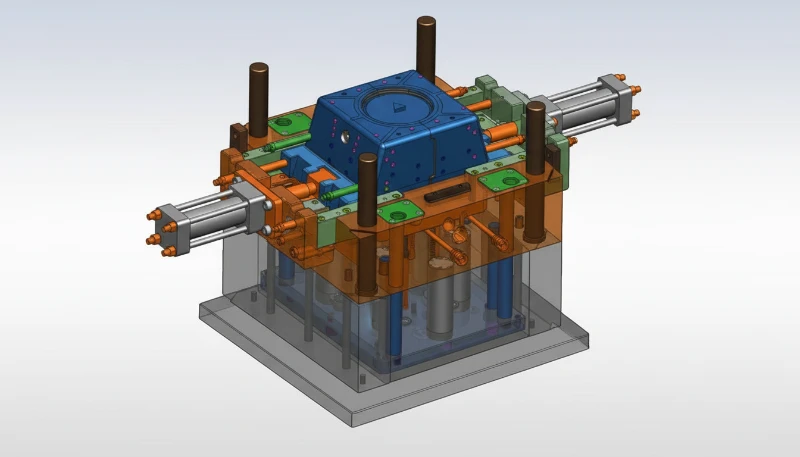
Główne sektory zastosowań TPE:
Motoryzacja: elementy wykończenia wnętrza, uszczelnienia, podkładki uszczelniające i elementy NVH
Elektronika użytkowa: paski urządzeń ubieralnych, końcówki słuchawek dousznych i etui na telefony
Wyroby medyczne: przewody, uszczelnienia, ustniki inhalatorów i nasadki strzykawek
Przemysł: podkładki uszczelniające, stopki odbojowe, mocowania antywibracyjne i dławiki kablowe
Budownictwo: uszczelki okienne, uszczelnienia drzwiowe i dylatacje
Elektronika użytkowa i wyroby medyczne
Elektronika użytkowa jest najszybciej rozwijającym się segmentem, napędzanym przez urządzenia ubieralne i bezprzewodowe słuchawki douszne, które wymagają miękkich, bezpiecznych dla skóry materiałów w geometriach cienkościennych. W tym segmencie dominują gatunki TPE o twardości Shore A od 30 do 50, ponieważ łączą wygodę, przyczepność i możliwość formowania złożonych geometrii z zawiasami integralnymi stosowanymi w pokrywach etui ładujących i elementach do prowadzenia przewodów.
W uszczelnieniach przemysłowych i tłumieniu drgań stosuje się twardsze gatunki TPE o twardości od 60 do 80 Shore A do uszczelek, odbojników i mocowań antywibracyjnych. Detale te są często obtryskiwane na metalowych wkładkach umożliwiających montaż gwintowany, dzięki czemu funkcja uszczelniania i sztywny punkt mocowania znajdują się w jednym formowanym elemencie, co eliminuje oddzielny etap montażu uszczelki.
Budownictwo i kontakt z żywnością
Budownictwo zużywa coraz większe ilości TPE na uszczelki okienne, uszczelnienia drzwi i profile szczelin dylatacyjnych. TPE zastępuje w tych zastosowaniach tradycyjną gumę EPDM, ponieważ można go wytłaczać lub formować z węższymi tolerancjami wymiarowymi oraz barwić tak, aby pasował do elementów architektonicznych bez malowania. Materiał łączy się również z profilami PVC i aluminiowymi podczas współwytłaczania, tworząc zintegrowane systemy uszczelniające.
Zastosowania mające kontakt z żywnością wymagają gatunków TPE zgodnych z FDA, które przechodzą badania ekstrakcji zgodnie z 21 CFR 177.2600 dla powierzchni wielokrotnego użytku mających kontakt z żywnością. Kilka gatunków SEBS i TPO ma takie certyfikaty, co umożliwia stosowanie TPE w uszczelnieniach urządzeń do przetwórstwa spożywczego, zamknięciach pojemników i zaworach dozujących. Brak plastyfikatorów — stanowiących problem w przypadku PVC w kontakcie z żywnością — sprawia, że TPE staje się coraz popularniejszym materiałem zastępczym w opakowaniach żywności i urządzeniach przetwórczych.
Sport, rekreacja i nowe zastosowania
Branża sportowa i rekreacyjna szeroko wykorzystuje TPE na powierzchniach chwytowych kierownic rowerowych, uchwytach narzędzi, uchwytach sprzętu fitness i wyściółkach ochronnych. Zastosowania te korzystają ze zdolności TPE do zapewniania wygodnych, miękkich w dotyku powierzchni o dobrej przyczepności w wilgoci i umiarkowanej odporności na ścieranie, przy kosztach znacznie niższych niż niestandardowe mieszanki gumowe.
Najczęściej zadawane pytania dotyczące formowania wtryskowego TPE
Czy TPE można nadlewać na wkładki metalowe podczas formowania wtryskowego?
Tak, TPE można obtryskiwać na wkładkach metalowych, lecz połączenie opiera się głównie na mechanicznym zakotwieniu, a nie na adhezji chemicznej. Zaprojektuj metalową wkładkę z radełkowaniem, otworami lub podcięciami, które fizycznie zatrzymają TPE przepływający wokół wkładki i przez nią podczas formowania. Aby poprawić przyczepność, przed formowaniem podgrzej wkładkę metalową do 80–120°C i wybierz gatunek TPE z modyfikowaną adhezyjnie recepturą przeznaczoną do łączenia z metalem.
Jaką współczynnik skurczu należy zastosować dla projektowania narzędzi do wtrysku TPE?
Skurcz TPE wynosi od 1.0 do 2.5 procent zależnie od konkretnego gatunku, twardości i warunków przetwarzania. Miększe gatunki poniżej 50 Shore A kurczą się bardziej — zwykle od 1.5 do 2.5 procent — natomiast twardsze gatunki powyżej 70 Shore A kurczą się od 1.0 do 1.5 procent. Przy projektowaniu oprzyrządowania zawsze należy korzystać z wartości podanej w karcie danych dostawcy materiału i zweryfikować ją w próbnym wtrysku przed zatwierdzeniem wymiarów formy produkcyjnej. Skurcz zależy również od kierunku przepływu i jest w poprzek przepływu o około 0.3 procent większy niż wzdłuż niego.
Czy TPE wymaga suszenia przed formowaniem wtryskowym?
Większość gatunków TPE korzysta na suszeniu przez 2–4 godziny w temperaturze 60–80°C przed formowaniem. Choć TPE jest mniej higroskopijny niż nylon lub poliwęglan, wilgoć powierzchniowa na granulkach powoduje ślady rozprysku, srebrne smugi i różnice wymiarowe, szczególnie widoczne na miękkich, półprzezroczystych częściach. Gatunki higroskopijne, takie jak TPE na bazie TPC, wymagają intensywniejszego suszenia w temperaturze 80–100°C przez co najmniej 4 godziny. Dla powtarzalnej jakości produkcji warto zainwestować w suszarkę lejową.
Jak działa recykling TPE w operacjach formowania wtryskowego?
TPE jako materiał termoplastyczny nadaje się w pełni do recyklingu. Kanały doprowadzające, wlewy i odrzucone części można zmielić i ponownie przetworzyć z udziałem 10–30 procent przemiału bez istotnej utraty właściwości w przypadku większości gatunków handlowych. Jest to duża przewaga kosztowa nad gumą termoutwardzalną, w której wypływka i odrzucone części stają się odpadem nienadającym się do recyklingu. Przemiał należy utrzymywać w czystości i suchości oraz ograniczać skumulowaną historię cieplną, aby uniknąć postępującej degradacji właściwości sprężystych podczas kolejnych cykli ponownego przetwarzania.
Jaka jest różnica między gatunkami TPE SEBS a SBS do formowania wtryskowego?
TPE Injection Molding Process? | ZetarMold
Czy części z TPE mogą zastąpić gumę silikonową w zastosowaniach uszczelniających?
TPE może zastąpić gumę silikonową w wielu zastosowaniach uszczelniających o umiarkowanej temperaturze poniżej 150°C, w których nie jest wymagana wyjątkowa odporność na odkształcenie trwałe przy ściskaniu. W porównaniu z formowaniem ciekłej gumy silikonowej TPE zapewnia krótsze czasy cyklu, niższe koszty oprzyrządowania i pełną możliwość recyklingu. Silikon zachowuje jednak właściwości uszczelniające w temperaturze do 250°C i osiąga odkształcenie trwałe przy ściskaniu poniżej 10 procent — poziomy parametrów nieosiągalne dla żadnego obecnego gatunku TPE. Przed zmianą należy ocenić konkretne wymagania zastosowania dotyczące temperatury, działania chemikaliów i ściskania.
Dlaczego warto wybrać ZetarMold do formowania wtryskowego TPE?
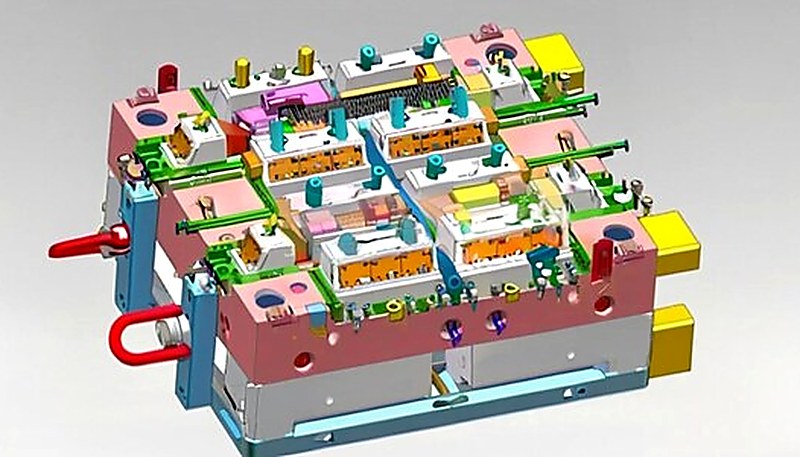
ZetarMold to producent formowania wtryskowego z siedzibą w Szanghaju, dysponujący 47 maszynami (90T–1850T) oraz dedykowanymi prasami dwukomponentowymi do formowania nakładkowego TPE. Własna narzędziownia i ponad 20 lat doświadczenia w przetwórstwie TPE pozwalają nam dostarczać oprzyrządowanie produkcyjne w ciągu tygodni, a nie miesięcy. W przypadku złożonych projektów form wtryskowych z wieloma wkładkami gniazd nasz zespół inżynierów przekazuje uwagi DFM, które pozwalają wykryć potencjalne problemy przed rozpoczęciem obróbki stali.
Gotowy do rozpoczęcia projektu TPE? Skontaktuj się z naszym zespołem inżynieryjnym dla wskazówek selekcji materiału i kompleksowych wycen narzędzi w ciągu 5 dni roboczych.
Potrzebujesz wyceny projektu formowania wtryskowego?
Uzyskaj konkurencyjną wycenę, informacje zwrotne DFM i harmonogram produkcji od zespołu inżynierów ZetarMold.
Poproś o bezpłatną wycenę →
formowanie nakładkowe: Formowanie nakładkowe to dwuetapowy proces formowania wtryskowego, w którym miękki materiał (zwykle TPE lub TPU) formuje się na sztywnym podłożu, tworząc bez klejów powierzchnię miękką w dotyku, uchwyt lub uszczelnienie. ↩
formowanie wtryskowe TPE: oznacza proces kształtowania elastomerów termoplastycznych za pomocą standardowych urządzeń do formowania wtryskowego w celu wytwarzania elastycznych elementów bez wulkanizacji. ↩
parametry formowania: parametry formowania obejmują temperaturę stopu, temperaturę formy, prędkość wtrysku, ciśnienie docisku i czas chłodzenia — kluczowe zmienne decydujące o jakości części, dokładności wymiarowej i wydajności cyklu. ↩