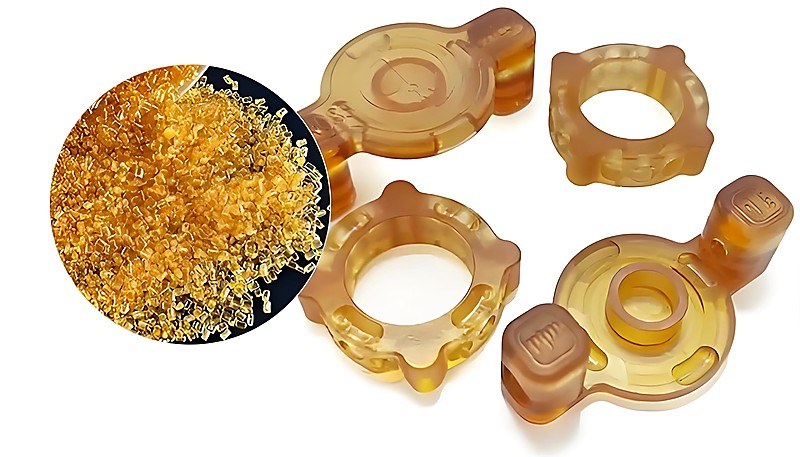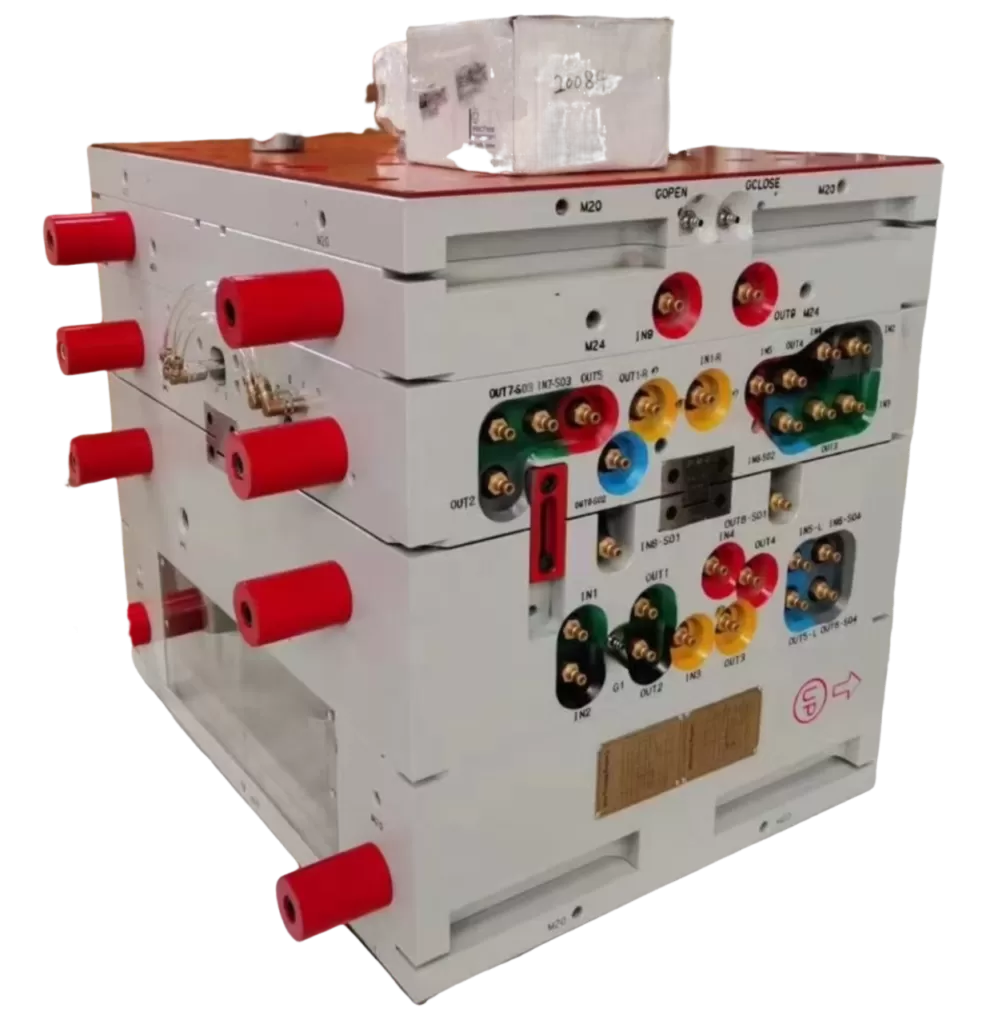
TPE enjeksiyon kalıplama, standart termoplastik işleme ekipmanıyla esnek ve kauçuk benzeri parçalar üretir; vulkanizasyon veya kürleme fırını gerektirmez ve çevrim süreleri geleneksel kauçuk kalıplamaya göre çok daha kısadır. Contalar, saplar, keçeler veya yumuşak dokulu üst kalıplama1 için TPE’yi değerlendiriyorsanız doğru malzeme kararını vermek için işleme davranışını, tasarım kısıtlarını ve TPU ile termoset kauçuğa karşı maliyet ödünleşimlerini anlamanız gerekir.
- TPE, standart enjeksiyon kalıplama makinelerinde vulkanizasyon olmadan işlenir, termoset kauçuğa kıyasla döngü süresini -70 azaltır
- Shore sertlik aralığı 20A'dan 80D'ye uzanır, tek bir malzeme ailesi içinde yumuşak sızdırmazlık elemanlarından rijit aşınma bileşenlerine kadar kapsar
- TPE'nin rijit alt tabakalar (PP, ABS, PC) üzerine kalıplanması, yapıştırıcı veya mekanik kilitleme olmadan yumuşak dokulu tutuşlar sağlar
- Ana parametreler: ergime sıcaklığı 180-240°C, kalıp sıcaklığı 20-60°C, tutarlı dolum için orta ila hızlı enjeksiyon hızı
- TPE, kilogram başına düşük maliyetli PP'den -40 daha pahalıdır ancak ikincil işlemleri ortadan kaldırarak genellikle toplam parça maliyetini düşürür
TPE Enjeksiyon Kalıplama Nedir?
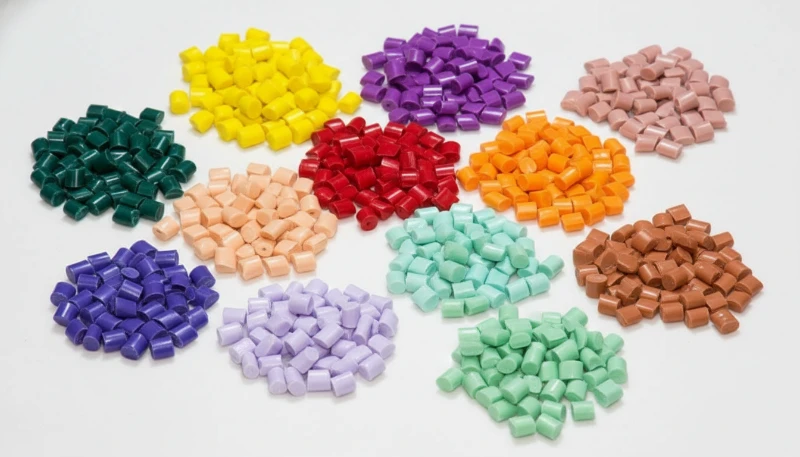
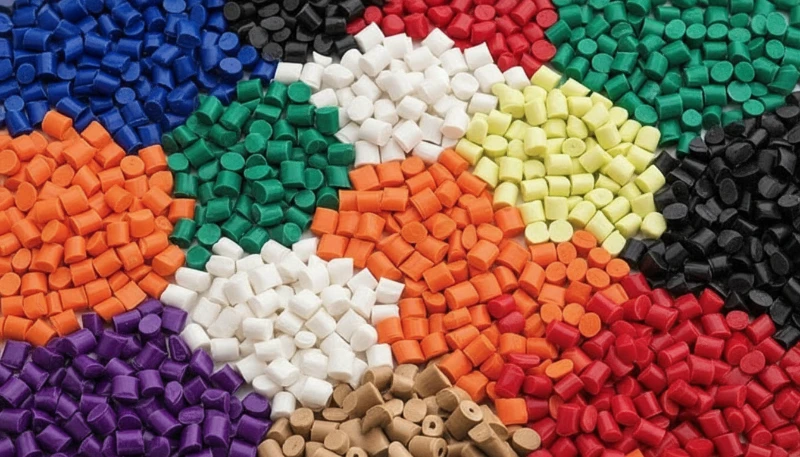
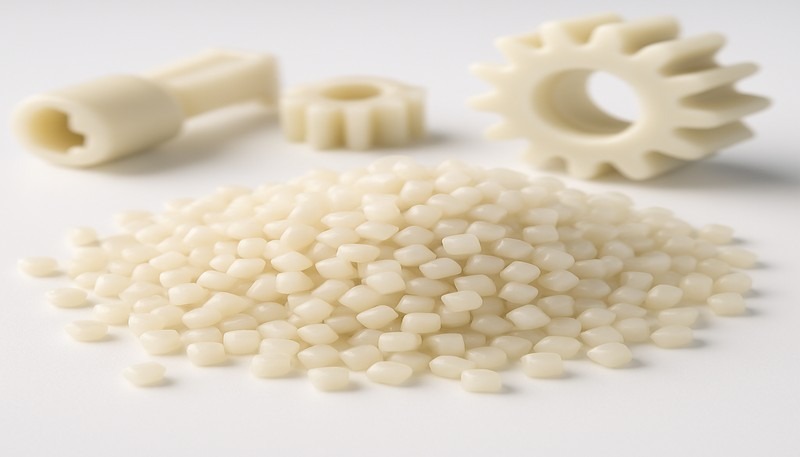
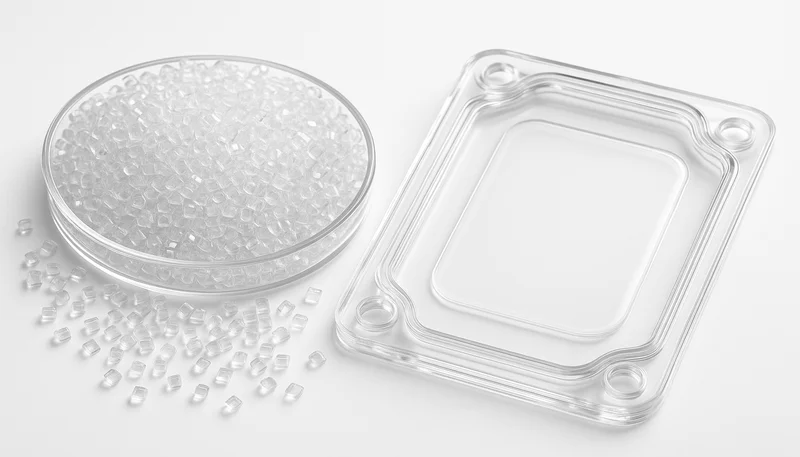
TPE enjeksiyon kalıplama2, termoplastik elastomer granüllerini eritip esnek, kauçuk benzeri parçalar üretmek üzere bir kalıba enjekte etme prosesidir. Dakikalar veya saatler süren kimyasal vulkanizasyon gerektiren termoset kauçuğun aksine TPE, standart termoplastik ekipmanda soğuyarak saniyeler içinde katılaşır.
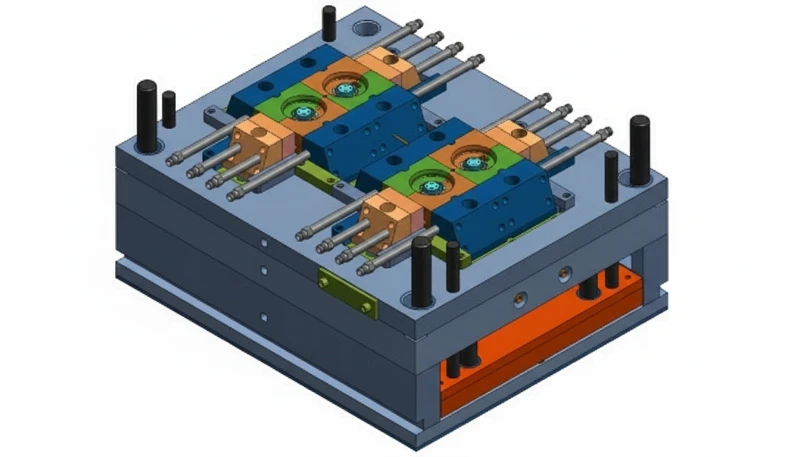
Enjeksiyon kalıbı tasarımına daha geniş bir bakış için ana kılavuzumuz takım yapısını, ısıl kontrolü ve üretilebilirlik ödünleşimlerini ele alır.
Termoplastik elastomerler, vulkanize kauçuğun esnek geri kazanımını geleneksel plastiklerin eriyik işlenebilirliği ile birleştiren geniş bir blok kopolimer ailesidir. Moleküler yapı, yapısal bütünlük sağlayan sert kristal segmentler ve esneklik sağlayan yumuşak amorf segmentlerden oluşur. Sert segment erime noktasının üzerinde ısıtıldığında, tüm polimer bir termoplastik gibi akar. Soğutulduğunda, sert segmentler yeniden kristalleşir ve herhangi bir kimyasal çapraz bağlanma reaksiyonu olmaksızın elastik ağı yerine kilitler.
Pratik avantajı çok büyüktür: standart bir makinede kalıplanması 15 ila 30 saniye süren bir TPE parçası, termoset kauçuktan yapılsaydı 2 ila 5 dakika pres kür süresi gerektirirdi. Bu döngü süresi azalması, doğrudan parça başına maliyetin düşmesine, makine kullanım oranının artmasına ve seri üretim için çok boşluklu kalıpların kullanılabilmesine olanak tanır. Enjeksiyon kalıplama tesisimiz, otomotiv ve tüketici uygulamaları için günlük olarak TPE sınıflarını çalıştırır.
Enjeksiyon Kalıplama İçin Anahtar TPE Malzeme Özellikleri Nelerdir?
TPE özellikleri, malzeme alt aileleri arasında önemli ölçüde değişir, ancak sınıfa özgü birkaç karakteristik evrenseldir. Bunları anlamak, doğru sınıfı seçmenize ve kalıplamaya karar vermeden önce kalıplama davranışını tahmin etmenize yardımcı olur.
| Mülkiyet | SBS/SEBS (Stirenik) | TPO (Olefinik) | TPV (Vulkanizat) | TPC (Kopoliester) |
|---|---|---|---|---|
| Sertlik Aralığı | 20A-80A | 60A-70D | 40A-80A | 40A-70D |
| Sıcaklık Direnci | -40 ila 80°C | -40 ila 120°C | -40 ila 135°C | -40 ila 150°C |
| Sıkıştırma Seti | Zayıf-Orta | Adil | İyi | İyi-Mükemmel |
| Kimyasal Direnç | Zayıf | İyi | İyi | Mükemmel |
| Maliyet (göreceli) | Düşük | Düşük-Orta | Orta | Yüksek |
| Tipik Kullanım | Tutuşlar, oyuncaklar | Otomotiv contaları | Kaput altı parçalar | Hortum, kablo |
Shore sertliği birincil seçim kriteridir. TPE dereceleri ultra yumuşak 20 Shore A’dan (jel ile karşılaştırılabilir) 80 Shore D’ye (rijit polietilene benzer) kadar uzanır. Geniş aralık, tek bir malzeme ailesinin yastıklı tabanlıklardan sert yapısal burçlara kadar uygulamaları karşılayabileceği anlamına gelir, bu da ayrı kauçuk ve plastik malzeme envanterleri tutmaya kıyasla tedarik zincirinizi basitleştirir.
Sıkışma seti direnci, TPE’nin tarihsel olarak termoset kauçuğun gerisinde kaldığı alandır. Standart stirenik TPE’ler (SBS, SEBS), 70°C’de 22 saat sonra ila 50 sıkışma seti değerleri sergilerken, uygun şekilde vulkanize edilmiş bir EPDM kauçuğu ‘nin altında değerler elde eder. Uzun süreli sıkışma toparlanmasının önemli olduğu statik conta uygulamaları için, TPV ve TPC sınıfları bu açığı önemli ölçüde kapatır, sıkışma seti değerleri ila 25 arasındadır.
400’den fazla plastik malzeme şekillendirme deneyimimizde, TPE dereceleri işleme kaymasına en hassas olanlar arasındadır — eriyik sıcaklığında 10°C’lik bir kayma ölçülen Shore sertliğini 3-5 puan değiştirebilir. Herhangi bir yeni TPE partisi için tam üretime geçmeden önce her zaman bir ilk parça muayenesi yapılmasını öneririz.
Kritik TPE Enjeksiyon Kalıplama Parametreleri Nelerdir?
TPE enjeksiyon kalıplama; 180–240°C eriyik sıcaklığı, 20–60°C kalıp sıcaklığı ve orta ila yüksek enjeksiyon hızları gerektirir. Bu kalıplama parametreleri3, esas olarak kesme hızına ve sıcaklığa duyarlılıkları bakımından rijit termoplastiklerden ayrılır. Yanlış ayarlar çapak, eksik dolum veya parça genelinde tutarsız sertlik olarak kendini gösterir; bunlar üretim takımlarında düzeltilmesi pahalı sorunlardır.
"“TPE peletlerinin kalıplamadan önce kurutulması zorunludur; TPE naylondan daha az nem emse de kalıntı yüzey nemi, görsel kalitenin temel kabul kriteri olduğu esnek parçalarda gümüşlenmeye ve boyutsal kararsızlığa yol açar”"True
Çoğu TPE sınıfı, 60-80°C'de 2-4 saat kurutma gerektirir. PA veya PBT kadar higroskopik olmasa da, granüller üzerindeki yüzey nemi, tüketici ürünlerinde kullanılan yumuşak, yarı saydam TPE parçalarında özellikle görünen kozmetik kusurlar yaratır.
"“TPE enjeksiyon kalıplama, belirli TPE sınıfı veya alt ailesinden bağımsız olarak aynı işleme parametrelerini gerektirir”"False
SBS dereceleri 160-200°C'de erirken, TPC dereceleri 220-260°C gerektirir. Enjeksiyon hızı, kalıp sıcaklığı ve tutma basıncı TPE ailesi boyunca önemli ölçüde değişir. Tüm dereceler için tek bir parametre seti kullanmak işleme kusurlarını garanti eder.
Çoğu ticari TPE sınıfında eriyik sıcaklığı 180 ile 240°C arasında değişir; stirenik TPE’ler alt uçta, kopolyester TPE’ler ise üst uçtadır. Tipik kalıp sıcaklığı 20 ile 60°C arasındadır; daha yüksek kalıp sıcaklıkları yüzey kalitesini iyileştirir, ancak çevrim süresini uzatır. Enjeksiyon hızı orta ila yüksek olmalıdır — TPE viskozitesi artan kesme hızıyla keskin biçimde düşer; bu nedenle daha hızlı dolum birçok geometride aslında daha tutarlı parçalar üretir.
Ütüleme basıncı ve süresi boyutsal tutarlılık açısından kritiktir. TPE basınç altında önemli ölçüde sıkışır ve yetersiz ütüleme süresi, parça soğurken malzemenin gevşeyip düzensiz çekmesine yol açar. Pratik bir başlangıç noktası, numune alma sırasında ölçülen yolluk donma süresine göre ayarlanmak üzere 1 ila 3 saniye boyunca enjeksiyon basıncının yüzde 40 ila 60 değeridir. Aşırı yüksek sıkıştırma basıncı, TPE küçük boşluklara kolayca aktığı için ayırma çizgisinde çapak oluşturur.
Şanghay fabrikamızda 90T ile 1850T arasında 47 enjeksiyon kalıplama makinesi çalıştırıyoruz. 20+ yıllık TPE işleme deneyimimiz boyunca eriyik sıcaklığını ve enjeksiyon hızını ilk denemede doğru ayarlamanın haftalarca sürecek yinelemeyi önlediğini öğrendik — DFM incelememiz, parametre sorunlarını çelik kesilmeden önce yakalar.
Soğutma süresi, çevrim süresini ve parça kalitesini belirler. TPE ısıyı rijit plastiklere kıyasla yavaş iletir; bu nedenle kalın kesitlerin katılaşması, PP veya ABS deneyiminize dayanarak beklediğinizden daha uzun sürer. 3mm’nin üzerindeki et kalınlıklarında soğutma süresi genellikle 15 saniyeyi aşar. Parça, çıkarma kuvvetlerine biçimi bozulmadan karşı koyacak yeterli rijitliğe ulaşmadığı için çok erken çıkarılması kalıcı deformasyona neden olur.
TPE Kalıplanmış Parçalara Hangi Tasarım Kuralları Uygulanır?
TPE kalıplanmış parçalarda tekdüze et kalınlığı (1.0–4.0mm), 1–2° kalıptan çıkma açıları ve tüm köşelerde geniş radyüsler uygulanır. TPE tasarımı genel termoplastik ilkelerini izlese de malzemenin esnekliği ve daha düşük modülü; sert plastiklerde mümkün olmayacak canlı menteşeler, geçmeli tırnaklar ve elastomer contalar gibi özellikler için önemli uyarlamalar gerektirir.
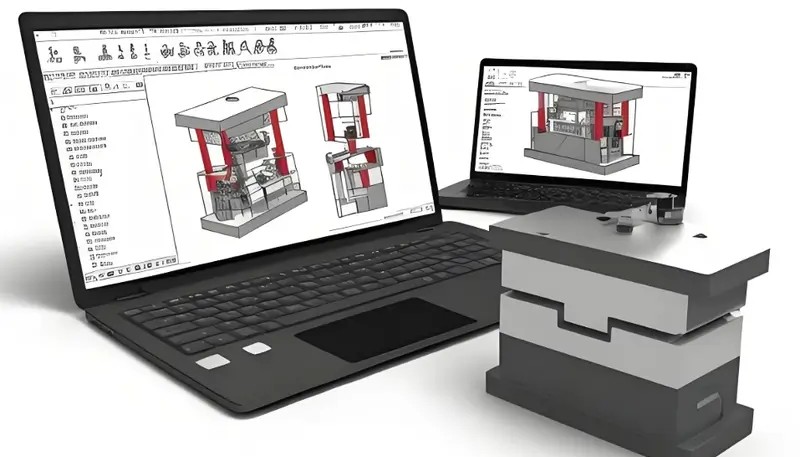
Et Kalınlığı ve Kalıp Çıkış Açısı Kuralları
Cidar kalınlığı mümkün olan her yerde eşit ve 1.0 ile 4.0mm arasında olmalıdır. 4mm’den kalın TPE parçalarda belirgin çökme izleri oluşur ve kauçuğa göre çevrim süresi avantajını azaltan uzun soğutma süreleri gerekir. Rijitlik gerektiren yapısal uygulamalarda toplam kalınlığı artırmak yerine daha ince taban cidarında nervür takviyesi kullanın. Kozmetik yüzeydeki çökmeyi azaltmak için nervür yüksekliği taban cidar kalınlığının 3 katını aşmamalı, nervür taban genişliği ise cidar kalınlığının yüzde 50 ila 70’i olmalıdır.
Malzeme çıkarma sırasında esneyip sert plastikleri hapsedecek ters açılardan kurtulduğu için çoğu TPE parçasında 1 ila 2 derecelik kalıptan çıkma açıları yeterlidir. Derin çekirdekler veya dokulu yüzeyler için açıyı en az 3 dereceye çıkarın. İtici sisteminde, çıkarma sırasında yumuşak TPE malzemesini delip geçebilecek küçük çaplı pimler yerine geniş yüzeyli bıçaklar veya sıyırıcı plakalar kullanılmalıdır.
Üzerine Kalıplama Tasarım İlkeleri
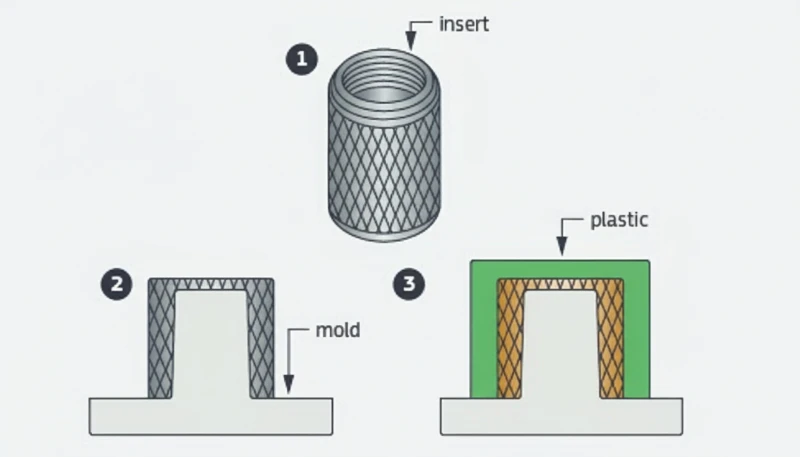
TPE en yüksek değeri overmolding uygulamasında sunar. TPE’nin rijit bir altlığa (PP, ABS, PC, PA) bağlanması, tek kalıplama işleminde yumuşak dokulu yüzeyler, kavrama bölgeleri ve çevresel sızdırmazlık elemanları oluşturur. Temel tasarım kuralı; kimyasal adezyondan bağımsız olarak TPE’yi fiziksel biçimde tutan alttan kesmeler, delikler veya T-slot tipi yuvalar gibi mekanik kilitler sağlamaktır. TPE ile altlık arasındaki kimyasal bağ, malzeme uyumluluğuna ve yüzey sıcaklığına bağlıdır; çevresel yaşlanmayla zayıflar.
TPE vs TPU vs Kauçuk — Her Biri Ne Zaman Mantıklıdır?
Hızlı çevrimler ve kolay geri dönüşüm için TPE’yi, aşınma direnci kritik olduğunda TPU’yu ve aşırı kalıcı basma deformasyonu gereksinimleri için termoset kauçuğu seçin. Karar üç pratik etkene bağlıdır: mekanik performans ihtiyaçları, üretim hacmi ve ikincil operasyonlar dâhil toplam maliyet. Aşağıdaki tablo temel özellikleri yan yana karşılaştırır.
| Kriter | TPE | TPU | Termoset Kauçuk |
|---|---|---|---|
| Sertlik Aralığı | 20A-80D | 60A-80D | 20A-90A |
| Aşınma Direnci | Adil | Mükemmel | İyi |
| Sıkıştırma Seti | Orta-İyi | İyi | Mükemmel |
| İşleme | Standart enjeksiyon kalıplama | Standart enjeksiyon kalıplama | Sıkıştırma/Transfer |
| Çevrim Süresi | 15-30s | 20-40s | 2-5 min |
| Kalıp Maliyeti | Düşük-Orta | Orta | Yüksek |
| Geri dönüştürülebilir | Evet | Evet | Hayır |
| İçin En İyisi | Kavramalar, contalar | Aşınan parçalar, kayışlar | Statik contalar, lastikler |
Orta düzey esneklik, hızlı çevrim süreleri ve rijit altlıklar üzerine kalıplama yeteneği gerektiğinde TPE seçin. TPE; basma seti gerekliliklerinin aşırı olmadığı yumuşak dokulu tüketici ürünleri, otomotiv iç bileşenleri ve genel amaçlı sızdırmazlık uygulamaları için varsayılan seçimdir.
Aşınma direncinin kritik olduğu konveyör bantları, tekerlekler, telefon kılıfları ve endüstriyel aşınma bileşenleri için TPU’yu seçin. TPU, kilogram başına standart SEBS bazlı TPE’den yüzde 30 ila 60 daha pahalıdır ancak belirgin biçimde daha uzun aşınma ömrü ve daha yüksek çekme dayanımı sağlar. TPU ayrıca yüzey işlemiyle kumaşlara ve metallere iyi bağlanarak üst kalıplama seçeneklerini standart TPE’nin sağlayabileceğinin ötesine taşır.
Uygulama uzun süreli sıkıştırma setinin yüzde 15’in altında olmasını, 150°C’nin üzerinde sürekli çalışma sıcaklığını veya TPE ve TPU’ya zarar veren agresif kimyasallara ve yakıtlara maruz kalmayı gerektiriyorsa termoset kauçuk (EPDM, NBR, FKM) seçin. Termoplastik alternatiflerin performans şartnamesini karşılayamadığı statik yağ keçelerinde, yüksek sıcaklık contalarında ve kimyasala dayanıklı diyaframlarda daha yüksek kalıp maliyeti ve daha yavaş işleme haklıdır.
TPE Enjeksiyon Kalıplı Parçaları Hangi Endüstriler Kullanır?
TPE enjeksiyon parçaları otomotiv, tüketici elektroniği, tıbbi cihaz, sanayi, inşaat ve gıdayla temas eden ürün sektörlerinde kullanılır. Bu malzeme ailesi çok geniş bir sertlik ve performans aralığını kapsadığından en yüksek hacimli uygulamalar otomotiv, tüketici ürünleri ve sağlık sektörlerinde yoğunlaşır.
"“OEM'ler Avrupa ELV geri dönüşüm direktiflerini karşılamak amacıyla PVC ve termoset kauçuk yerine geri dönüştürülebilir TPE sınıflarını kullandıkça otomotiv iç mekân TPE uygulamaları 2020'den beri yıllık yüzde 12 büyümüştür”"True
EU Ömrünü Tamamlamış Araç düzenlemeleri, ağırlıkça yüzde 85 geri dönüştürülebilirlik gerektirir. TPE üzerine kalıplanmış bileşenler ana alt tabaka malzemesiyle birlikte öğütülüp yeniden işlenebilirken PVC ve vulkanize kauçuğun ayrılması ve geri dönüştürülemeyen atık olarak bertaraf edilmesi gerekir.
"“TPE, malzeme biyouyumluluk gerekliliklerini karşılamadığı için tıbbi cihaz bileşenlerinde kullanılamaz”"False
Çeşitli SEBS ve TPC sınıfları USP Class VI ve ISO 10993 biyouyumluluk sertifikalarına sahiptir; bu sayede cilt veya vücut sıvılarıyla temas eden medikal hortumlar, contalar ve cihaz muhafazaları için uygundur. Medikal sınıf TPE, plastikleştirici ve protein alerjisi endişelerini gidermek amacıyla birçok uygulamada PVC ve lateksin yerini alır.
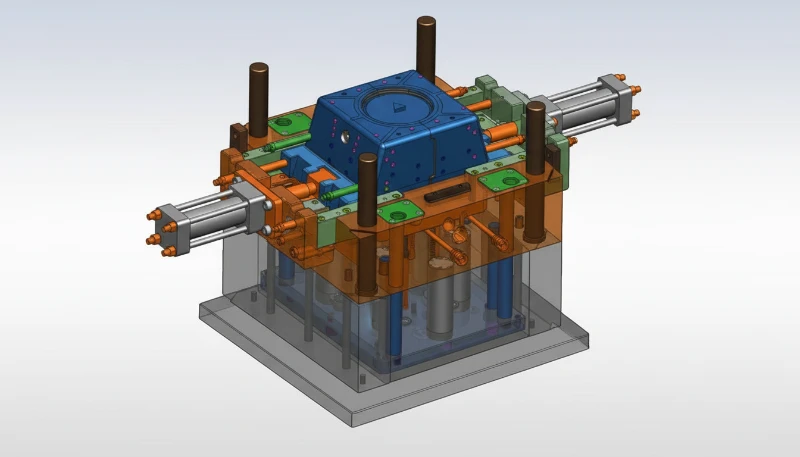
Başlıca TPE Uygulama Sektörleri:
Otomotiv: İç trim parçaları, keçeler, contalar, NVH bileşenleri
Tüketici elektroniği: Giyilebilir cihaz kayışları, kulaklık uçları, telefon kılıfları
Tıbbi cihazlar: Hortumlar, keçeler, inhaler ağızlıkları, şırınga kapakları
Endüstriyel: Contalar, tampon ayakları, titreşim önleyici bağlantılar, kablo rakorları
İnşaat: Pencere contaları, kapı fitilleri, genleşme derzleri
Tüketici Elektroniği ve Tıbbi Cihazlar
Tüketici elektroniği, ince cidarlı geometrilerde yumuşak ve cilt için güvenli malzemeler gerektiren giyilebilir cihazlar ile kablosuz kulaklıkların etkisiyle en hızlı büyüyen segmenttir. Shore A sertliği 30 ile 50 arasında olan TPE kaliteleri; konforu, kavramayı ve şarj kutusu kapaklarıyla kablo yönetimi unsurlarına yönelik esnek menteşeli karmaşık geometrileri kalıplama yeteneğini bir araya getirdiği için bu segmente hâkimdir.
Endüstriyel sızdırmazlık ve titreşim sönümleme uygulamalarında contalar, tampon ayakları ve titreşim önleyici bağlantılar için 60 to 80 Shore A aralığında daha sert TPE sınıfları kullanılır. Bu parçalar genellikle dişli montaj için metal insertlerin üzerine kalıplanır; böylece sızdırmazlık işleviyle rijit bağlantı noktası tek bir kalıplanmış bileşende birleştirilir ve ayrı conta montajı ortadan kalkar.
İnşaat ve Gıda Teması
İnşaat ve yapı uygulamalarında pencere contaları, kapı fitilleri ve genleşme derzi profilleri için giderek daha fazla TPE tüketilmektedir. TPE, daha sıkı boyutsal toleranslarla ekstrüde edilebildiği veya kalıplanabildiği ve boya gerektirmeden mimari unsurlara uyacak şekilde renklendirilebildiği için bu uygulamalarda geleneksel EPDM kauçuğun yerini alır. Malzeme ayrıca ortak ekstrüzyon sırasında PVC ve alüminyum profillere bağlanarak entegre sızdırmazlık sistemleri oluşturur.
Gıdayla temas uygulamaları, tekrar kullanılan gıda temas yüzeyleri için 21 CFR 177.2600 kapsamında ekstraksiyon testini geçen FDA uyumlu TPE sınıfları gerektirir. Birçok SEBS ve TPO sınıfı bu sertifikalara sahiptir; böylece TPE, gıda işleme ekipmanı contalarında, kap kapaklarında ve dozaj valflerinde kullanılabilir. Gıda temasında PVC ile ilgili bir endişe olan plastikleştiricilerin bulunmaması, TPE’yi gıda ambalajlama ve işleme ekipmanlarında giderek daha popüler bir ikame malzemesi yapmaktadır.
Spor, Eğlence ve Gelişmekte Olan Kullanım Alanları
Spor ve eğlence sektörü, bisiklet gidonları, el aleti sapları, fitness ekipmanı tutamakları ve koruyucu dolguların kavrama yüzeylerinde TPE’yi yaygın olarak kullanır. Bu uygulamalar, TPE’nin özel kauçuk bileşiklerinden önemli ölçüde daha düşük maliyetle iyi ıslak tutuş ve orta düzey aşınma direnci sunan konforlu, yumuşak dokunuşlu yüzeyler sağlama kabiliyetinden yararlanır.
TPE Enjeksiyon Kalıplama Hakkında Sıkça Sorulan Sorular
TPE, enjeksiyon kalıplama sırasında metal takviyelerin üzerine kaplanabilir mi?
Evet, TPE metal insertlerin üzerine kalıplanabilir; ancak bağ, kimyasal yapışmadan çok mekanik kenetlenmeye dayanır. Metal inserti, TPE malzemesini kalıplama sırasında insertin çevresinden ve içinden akarken fiziksel olarak hapseden tırtıl, delik veya ters açılarla tasarlayın. Yapışmayı iyileştirmek için metal inserti kalıplamadan önce 80 ila 120°C’ye ısıtın ve metal bağlama uygulamaları için geliştirilmiş, yapışkan modifiyeli bir TPE sınıfı seçin.
TPE enjeksiyon kalıp tasarımında hangi büzülme oranını kullanmalıyım?
TPE büzülme oranları, belirli derece, sertlik ve işleme koşullarına bağlı olarak 1,0 ile 2,5 arasında değişir. 50 Shore A altındaki daha yumuşak dereceler genellikle 1,5 ile 2,5 arasında büzülürken, 70 Shore A üzerindeki sert dereceler 1,0 ile 1,5 arasında büzülür. Kalıp tasarımında malzeme tedarikçisinin veri tablosu değerini kullanın ve üretim kalıp boyutlarına karar vermeden önce prototip bir enjeksiyon ile doğrulayın. Büzülme akış yönüne göre de değişir; akışa paralel olan büzülme akışa dik olan büzülmeden yaklaşık 0,3 daha fazladır.
TPE, enjeksiyon kalıplamadan önce kurutma gerektirir mi?
Çoğu TPE derecesi kalıplama öncesinde 60-80°C’de 2-4 saat kurutma ile fayda sağlar. TPE naylon veya polikarbonata kıyasla daha az higroskopik olmasına rağmen, pelletlerdeki yüzey nemi yumuşak, translusent parçalar üzerinde özellikle görülebilen splay izleri, gümüş çizgiler ve boyut varyasyonlarına yol açar. TPC bazlı TPEler gibi higroskopik dereceler 80-100°C’de en az 4 saat daha agresif kurutma gerektirir. Tutarlı üretim kalitesi için bir besleyici kurutucuya yatırım yapın.
TPE geri dönüşümü enjeksiyon kalıplama operasyonlarında nasıl çalışır?
TPE termoplastik bir malzeme olarak tamamen geri dönüştürülebilir. Çoğu ticari derece için önemli özellik kaybı olmaksızın, runnerlar, sprue’lar ve reddedilen parçalar 10-30 geri dönüştürülmüş malzeme oranında yeniden öğütülerek ve yeniden işlenebilir. Bu termoset kauçukta flash ve reddedilen parçalar geri dönüştürülemez atık haline geldiğinden, termoset kauçuğa karşı önemli bir maliyet avantajıdır. Geri dönüştürülmüş malzemeyi temiz ve kurutulmuş tutun ve çoklu yeniden işleme döngülerinde elastik özelliklerin kademeli bozulmasını önlemek için kümülatif ısı geçmişini sınırlayın.
SEBS ve SBS TPE dereceleri enjeksiyon kalıplama için arasındaki fark nedir?
SEBS (stiren-etilen-bütilen-stiren), SBS’nin (stiren-butadien-stiren) hidrojenlenmiş versiyonudur ve önemli ölçüde daha iyi termal stabilite, UV direnci ve kimyasal direnç sunar. SBS sınıfları ila 30 daha ucuzdur ancak 80°C üzerinde bozunur ve UV maruziyeti altında hızla sararır. SEBS sınıfları 120°C’ye kadar sürekli servis sıcaklıklarını kaldırır ve açık havada renk stabilitesini korur. Hava koşullarına dayanıklılık veya yüksek sıcaklık servisi gerektiren herhangi bir uygulama için, fiyat farkına rağmen SEBS doğru seçimdir.
TPE parçaları, sızdırmazlık uygulamalarında silikon kauçuğun yerini alabilir mi?
TPE, aşırı sıkıştırma seti direncinin gerekli olmadığı 150°C’nin altındaki birçok orta sıcaklıklı sızdırmazlık uygulamasında silikon kauçuğun yerini alabilir. TPE, sıvı silikon kauçuk kalıplamaya kıyasla daha hızlı döngü süreleri, daha düşük kalıp maliyetleri ve tam geri dönüştürülebilirlik sunar. Ancak silikon, 250°C’ye kadar sıcaklıklarda sızdırmazlık performansını korur ve ‘un altında sıkıştırma seti değerlerine ulaşır — mevcut hiçbir TPE sınıfının eşleşemediği performans seviyeleri. Değiştirmeden önce uygulamanızın özel sıcaklık, kimyasal maruziyet ve sıkıştırma gereksinimlerini değerlendirin.
TPE Enjeksiyon Kalıplama için ZetarMold Neden Tercih Edilir?
ZetarMold, Şanghay merkezli; 47 makineye (90T–1850T) ve TPE üst kalıplama için özel iki bileşenli preslere sahip bir enjeksiyon kalıplama üreticisidir. Şirket içi takım tesisimiz ve 20 yılı aşkın TPE işleme deneyimimiz sayesinde üretim takımlarını aylar değil, haftalar içinde teslim edebiliriz. Birden fazla kalıp gözü inserti içeren karmaşık enjeksiyon kalıbı tasarımlarında mühendislik ekibimiz, çelik kesilmeden önce olası sorunları yakalayan DFM geri bildirimi sunar.
TPE projenizi başlatmaya hazır mısınız? Malzeme seçimi rehberi ve 5 iş günü içinde kapsamlı kalıp teklifi için mühendislik ekibimiz ile iletişime geçin.
Enjeksiyon Kalıplama Projeniz İçin Teklif mi Gerekiyor?
ZetarMold’un mühendislik ekibinden rekabetçi fiyat, DFM geri bildirimi ve üretim takvimi alın.
Ücretsiz Fiyat Teklifi İsteyin →
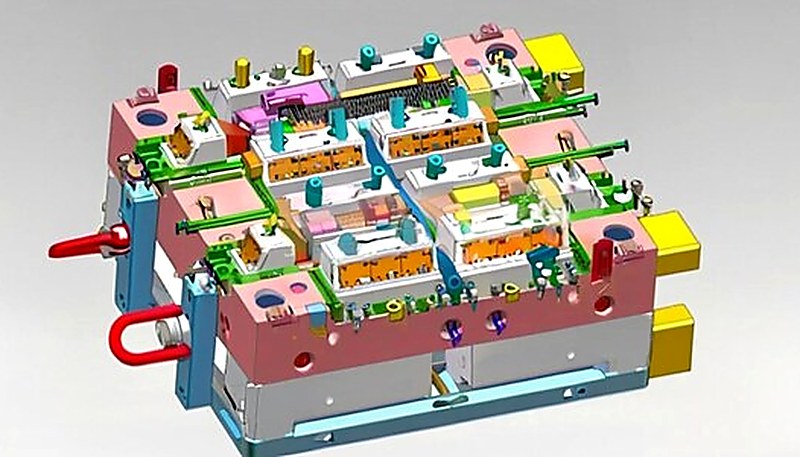
üst kalıplama: Üst kalıplama, yumuşak bir malzemenin (genellikle TPE veya TPU) rijit bir alt tabakanın üzerine kalıplanarak yapıştırıcı kullanılmadan yumuşak dokulu yüzey, tutuş alanı veya conta oluşturulduğu iki aşamalı bir enjeksiyon kalıplama prosesidir. ↩
TPE enjeksiyon kalıplama: Termoplastik elastomer malzemelerin, vulkanizasyon olmadan esnek bileşenler üretmek üzere standart enjeksiyon kalıplama ekipmanıyla biçimlendirilmesi prosesidir. ↩
kalıplama parametreleri: Kalıplama parametreleri; parça kalitesini, boyutsal doğruluğu ve çevrim verimliliğini belirleyen temel değişkenler olan eriyik sıcaklığı, kalıp sıcaklığı, enjeksiyon hızı, tutma basıncı ve soğutma süresini kapsar. ↩