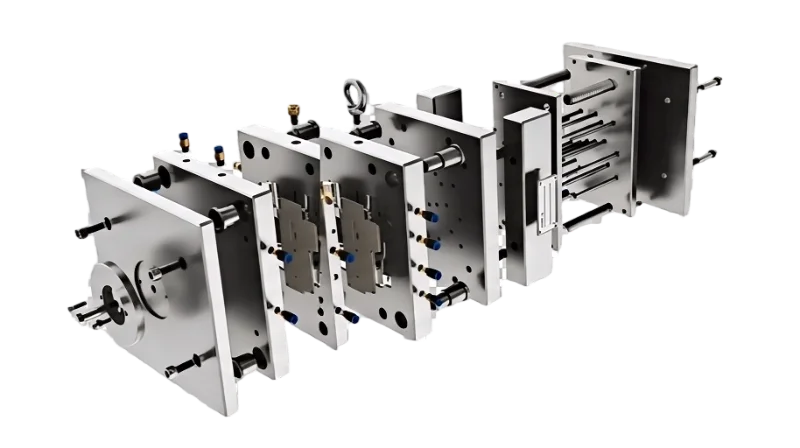
Wat is precies een spuitgietmatrijs met meerdere vormholten?
- Wat Is Een Meervoudige Holte Spuitgietmatrijs en Hoe Verhoogt Het De
- Het aantal vormholten varieert van 2 tot 128+ en wordt gekozen op basis van het jaarvolume, de onderdeelgrootte en de sluitkracht van de pers
- Een gebalanceerd kanaalontwerp en uniforme koeling zijn de twee belangrijkste factoren voor consistente onderdeelkwaliteit over alle caviteiten
- De initiële gereedschapskosten zijn hoger dan voor een matrijs met één vormholte, maar de ROI wordt vaak al binnen de eerste productieserie terugverdiend
- ZetarMold bouwt matrijzen met meerdere caviteiten tot 128 caviteiten, met een gewichtsvariatie tussen caviteiten van minder dan 1%
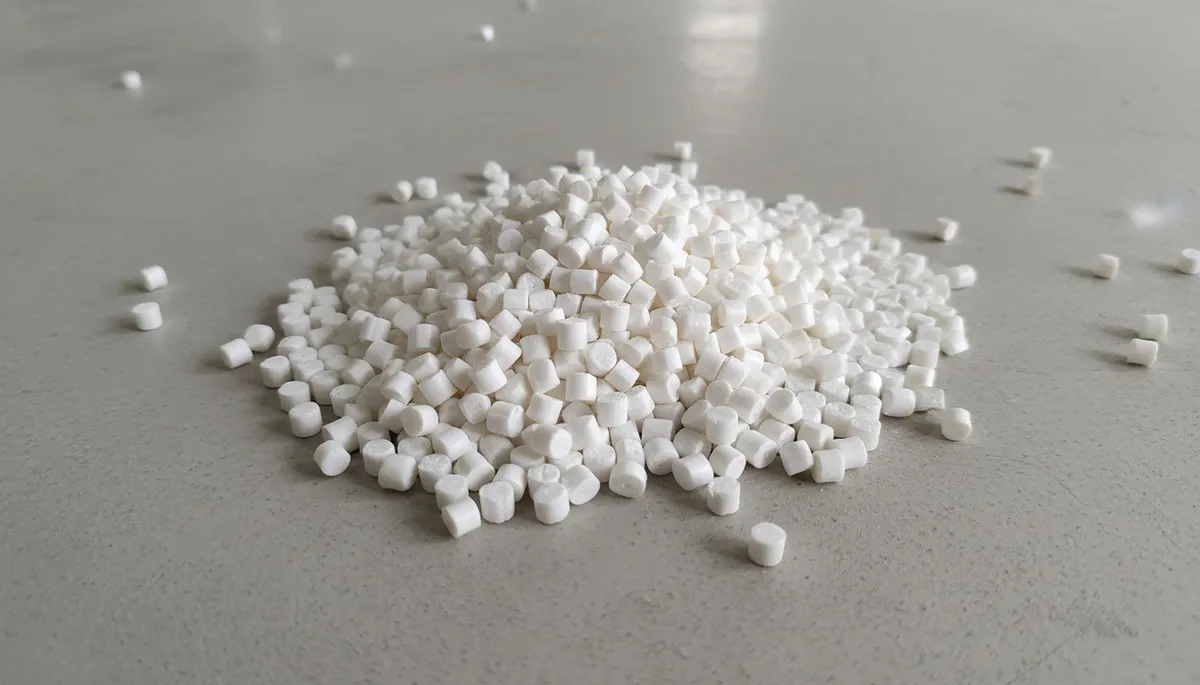
Voor lezers die spuitgietopties2 vergelijken, verbindt dit artikel de spuitgietmatrijs, het materiaalgedrag van kunststof3, de leveranciersbeoordeling en kwaliteitscontrolebeslissingen die bepalen of een project van ontwerp naar reproduceerbare productie kan gaan.
Vergelijk dit onderwerp voor een bredere context met het ontwerp van spuitgietmatrijzen en onze gids voor het selecteren van leveranciers.
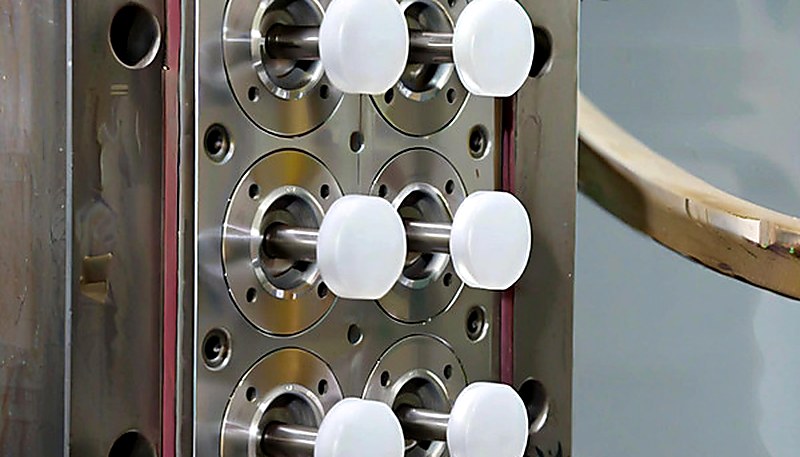
Een spuitgietmatrijs met meerdere caviteiten is een gereedschap met twee of meer identieke caviteiten die in dezelfde matrijsbasis zijn verspaand, zodat de pers bij elke cyclus meerdere onderdelen kan produceren. In plaats van één onderdeel per shot levert een matrijs met 16 caviteiten 16 onderdelen per shot—dezelfde hars, dezelfde cyclustijd en een fractie van de kosten per stuk.
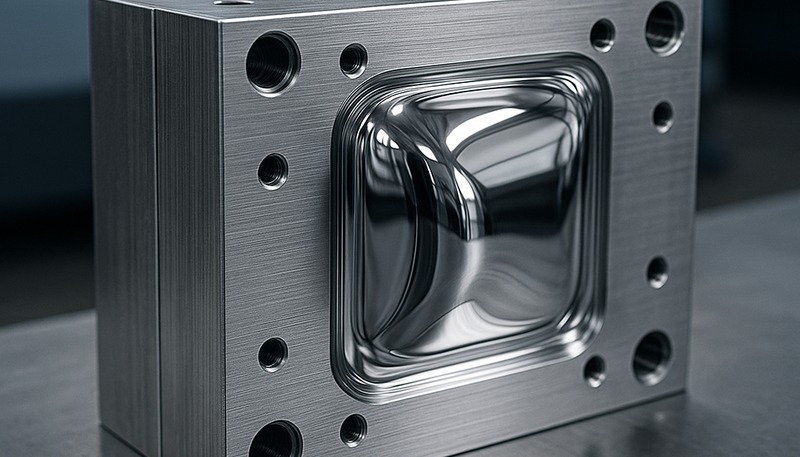
In onze fabriek bij ZetarMold, classificeren we mallen op cavity aantal: single-cavity (1), low multi-cavity (2–8), medium multi-cavity (16–32), en high multi-cavity (64–128+). De juiste categorie hangt af van je jaarlijkse volume doel, plastic precisie injectie mal ontwerp, en de beschikbare pers size.
Het concept is eenvoudig, maar de techniek erachter allesbehalve. Elke caviteit moet tegelijk worden gevuld, met dezelfde snelheid afkoelen en zonder onderlinge belemmering uitwerpen. Wanneer dit goed wordt uitgevoerd, is een matrijs met meerdere caviteiten de doeltreffendste manier om de spuitgietproductie op te schalen zonder meer machines te kopen.
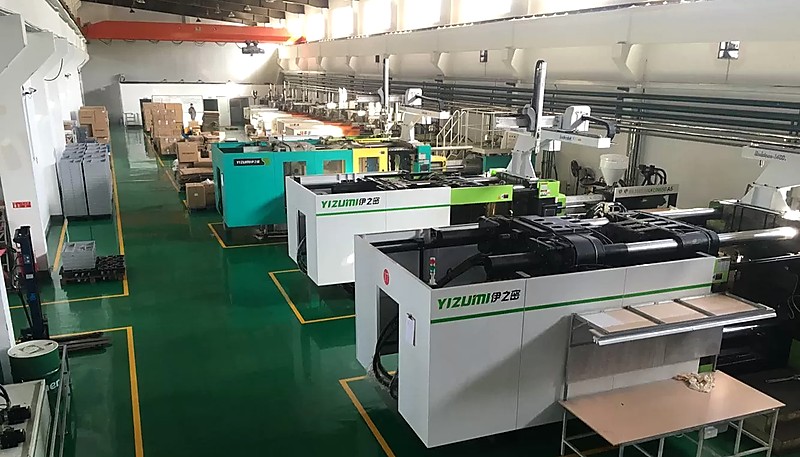
In onze fabriek in Shanghai draaien 47 spuitgietmachines van 90T tot 1850T. Met meer dan 20 jaar ervaring en een eigen matrijzenfabriek bouwen we matrijzen met meerdere caviteiten die in elke caviteit een constante onderdeelkwaliteit leveren.
Wat zijn de belangrijkste ontwerpparameters van een matrijs met meerdere holten?
De belangrijkste ontwerpparameters van een matrijs met meerdere caviteiten zijn de hoofdcategorieën of opties die in dit gedeelte worden toegelicht. Tot de kritieke ontwerpparameters behoren de caviteitsindeling, runnerbalans, plaatsing van koelkanalen, ontluchting en uitwerpstrategie. Als ook maar één hiervan verkeerd wordt uitgevoerd, leidt dat tot onvolledig gevulde producten, braamvorming of maatvariatie tussen caviteiten.
We hebben vastgesteld dat de balans van het verdeelkanaal het meest besproken onderwerp is bij het ontwerp van matrijzen met meerdere holten. Er zijn twee hoofdbenaderingen:
Natuurlijk gebalanceerde (geometrisch symmetrische) runners – elke holte ligt op dezelfde stromingsafstand van het spuitkanaal. Dit is de gouden standaard voor consistentie, maar vereist meer ruimte in de matrijs.
Kunstmatig gebalanceerde runners – de holten liggen asymmetrisch en de balans wordt bereikt door verschillende runnerdiameters of aanspuitafmetingen. Dit bespaart matrijsruimte, maar is moeilijker fijn af te stellen.
| Ontwerpparameter | Typisch bereik / waarde | Waarom dit belangrijk is |
|---|---|---|
| Aantal caviteiten | 2, 4, 8, 16, 32, 64, 128 | Bepaalt rechtstreeks de productie per cyclus |
| Kanaaltype | Coldrunner / hotrunner | Warmkanalen verminderen afval en verbeteren de balans |
| Afstand tussen matrijsholten | Minimaal 2× de wanddikte tussen matrijsholten | Voorkomt thermische overspraak en constructieve verzwakking |
| Diameter van het koelkanaal | 6–12 mm | Regelt cyclustijd en kromtrekken |
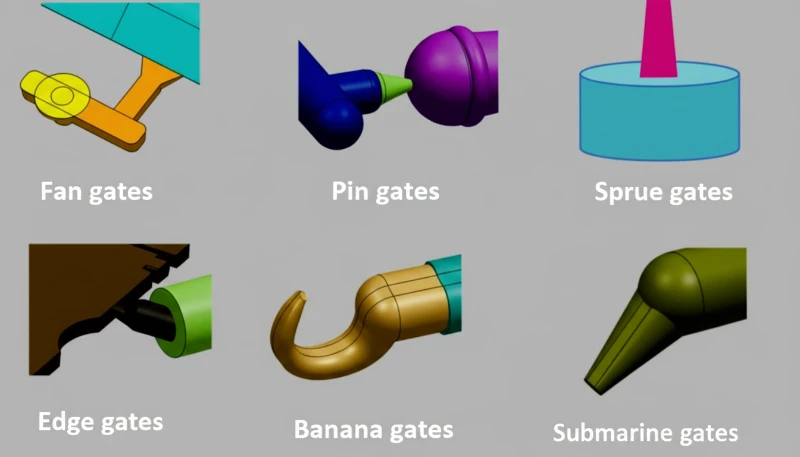
| Aanspuittype | Tunnelaanspuiting, puntaanspuiting, naaldafsluiter | Beïnvloedt aanspuitrestje, balans en automatisering |
| Gewichtsvariatie tussen caviteiten | < 1–2% | Belangrijkste kwaliteitsmaatstaf voor matrijzen met meerdere caviteiten |
| Matrijsstaal | P20, H13, S136 | Bepaalt de levensduur van de matrijs en de polijstmogelijkheden |
Bij ZetarMold, gebruiken we mold flow analyse op elk multi-cavity project voordat we steel snijden. De simulatie laat ons fill imbalance, weld line locaties, en cooling hot spots zien — problemen die veel kostenefficiënter op scherm te fixen zijn dan in metaal.
"“Matrijsstroomsimulatie is essentieel voor het ontwerp van matrijzen met meerdere caviteiten om een evenwichtige vulling van alle caviteiten te waarborgen.”"True
Simulatie toont verschillen in vultijd, drukverliezen en thermische onbalans tussen caviteiten voordat staal wordt bewerkt, zodat engineers kanaalafmetingen en aanspuitlocaties kunnen optimaliseren voor een gelijkmatige vulling.
"“U kunt een ééncaviteitsmatrijs eenvoudig kopiëren en dupliceren om een meervoudige matrijs te maken.”"False
Een matrijs met meerdere caviteiten vereist een volledig opnieuw ontworpen kanaalsysteem, koellay-out en uitwerpschema. Caviteiten simpelweg dupliceren zonder het toevoersysteem opnieuw te balanceren leidt tot vulonbalans, maatvariatie en kwaliteitsdefecten.
Waarom is een matrijs met meerdere caviteiten belangrijk voor de productie-efficiëntie?
Een matrijs met meerdere holten is belangrijk omdat deze de output vermenigvuldigt zonder de machinetijd, arbeid of vloeroppervlakte te vermenigvuldigen. Als uw matrijs met één holte een cyclus van 20 seconden draait, levert de overstap naar een matrijs met 8 holten in dezelfde 20 seconden 8× zoveel onderdelen op (de cyclustijd kan door het grotere shotvolume en de koelbehoefte iets toenemen—doorgaans 5–15%—maar de netto toename van de doorvoer is enorm).
Onze ervaring bij ZetarMold levert de volgende verdeling van voordelen op:
Lagere kosten per onderdeel – het uurtarief van de machine wordt over meer onderdelen verdeeld. Een matrijs met 16 holten kan de stukprijs met 60–80% verlagen ten opzichte van een enkelvoudige matrijs.
Minder arbeid per onderdeel – één operator bedient één pers, ongeacht het aantal holten.
Sneller opschalen naar volume – introducties met grote volumes voldoen sneller aan de vraag zonder meerdere matrijzen of persen nodig te hebben.
Constante kwaliteit – alle onderdelen worden in dezelfde cyclus onder dezelfde procescondities gemaakt, waardoor variatie tussen batches afneemt.
We hebben gezien dat klanten hun totale programmakosten met 40% verlaagden door voor een flessendopproject met een jaarproductie van 50 miljoen stuks simpelweg over te stappen van een matrijs met 4 holten naar een matrijs met 16 holten.
Wat zijn de veelvoorkomende uitdagingen en hoe lost u ze op?
De meest voorkomende uitdagingen zijn een ongebalanceerde vulling, ongelijkmatige koeling, hogere initiële gereedschapskosten en complexer onderhoud. Voor elk bestaan bewezen oplossingen die ervaren matrijzenmakers routinematig toepassen.
Een onbalans bij het vullen is het grootste probleem. Zelfs bij geometrisch gebalanceerde runners kan door afschuiving veroorzaakte onbalans ertoe leiden dat binnenste en buitenste holten verschillend worden gevuld. Wij lossen dit op met MeltFlipper®-technologie of kunstmatig aangepaste runnerdiameters, gevalideerd met simulaties en short-shot-onderzoek.
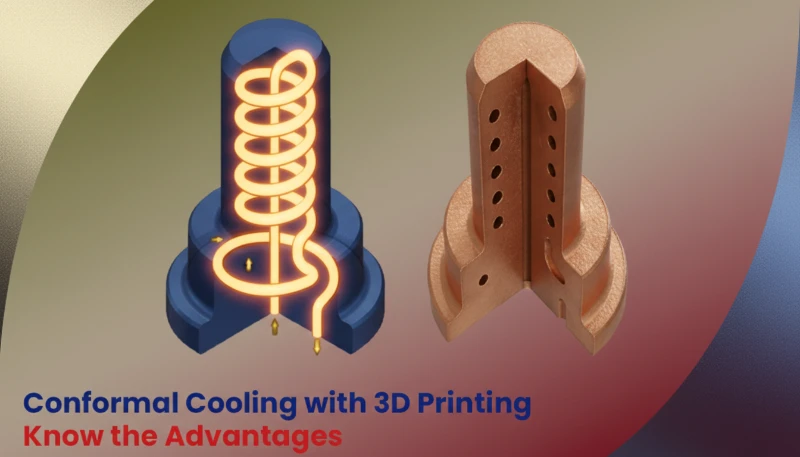
Ongelijkmatige koeling ontstaat wanneer holten in het midden van de matrijs warmer worden dan holten aan de randen. Wij pakken dit aan met conforme koelkanalen in kritieke zones en afzonderlijke koelcircuits per rij holten, bewaakt met thermokoppels tijdens proefproducties.
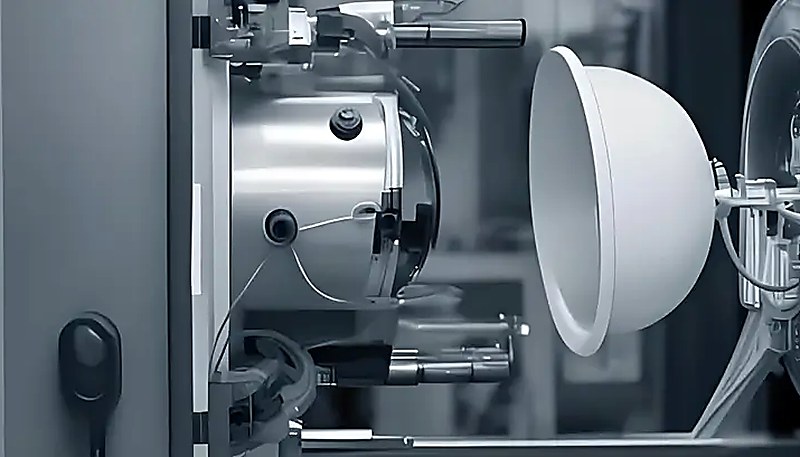
Hogere matrijskosten zijn reëel: een matrijs met 16 holten kan drie- tot vijfmaal zoveel kosten als een enkelvoudige uitvoering. Verdeeld over honderdduizenden of miljoenen onderdelen daalt de afschrijving per stuk echter ruim onder die van het enkelvoudige alternatief. Wij helpen klanten de ROI te berekenen voordat zij het aantal holten vastleggen.
De onderhoudscomplexiteit neemt toe met het aantal holten. Meer holten betekenen meer kernpennen, uitwerppennen en koelleidingen die moeten worden geïnspecteerd. ZetarMold ontwerpt modulaire holte-inzetstukken, zodat afzonderlijke holten voor reparatie kunnen worden verwijderd zonder de hele matrijs te demonteren.
Welke sectoren en toepassingen gebruiken matrijzen met meerdere holtes?
Matrijzen met meerdere caviteiten worden gebruikt waar grote volumes identieke kleine tot middelgrote onderdelen nodig zijn — verpakkingen, medische hulpmiddelen, consumentenelektronica, automobiel en huishoudelijke artikelen zijn de vijf belangrijkste sectoren.
Dit bouwen we het vaakst bij ZetarMold:
Verpakkingen – flessendoppen (32–128 holten), dunwandige verpakkingen, sluitingen
Medisch – spuitcilinders, pipetpunten, behuizingen voor diagnostische cartridges (16–64 holten, vaak van cleanroomgeschikt staal)
"“De primaire factor voor het optimale aantal matrijsholten is het jaarlijkse productievolume, afgewogen tegen de gereedschapsinvestering.”"True
Het aantal caviteiten is een economische optimalisatie: meer caviteiten verlagen de kosten per onderdeel, maar verhogen de initiële matrijskosten. Het break-evenpunt hangt af van het jaarvolume, de beoogde onderdeelprijs en de beschikbare perscapaciteit.
"“Matrijzen met meerdere caviteiten zijn alleen geschikt voor eenvoudige, vlakke onderdelen.”"False
Moderne matrijzen met meerdere holten kunnen complexe geometrieën verwerken, waaronder ondersnijdingen (via lichters en schuiven), getextureerde oppervlakken en nauwe toleranties. De belangrijkste beperking is de onderdeelgrootte ten opzichte van het beschikbare opspanplaatoppervlak van de pers, niet de geometrische complexiteit.
Elektronica – connectorbehuizingen, arrays van ledlenzen, schakelaarafdekkingen (8–32 holten)
Automotive – kleine clips, bevestigingsmiddelen, sensorbehuizingen (4–16 holten)
Consumentengoederen – tandenborstelkoppen, onderdelen van scheermescassettes, speelgoedonderdelen
De gemene deler is het jaarvolume. Als vuistregel is een matrijs met één of twee holten meestal voldoende als u minder dan 50.000 onderdelen per jaar produceert. Boven 500.000 onderdelen per jaar is gereedschap met meerdere holten vrijwel altijd economisch zinvol.
Hoe ziet het ontwerp- en productieproces eruit?
Het proces volgt een gestructureerde volgorde: DFM-beoordeling, optimalisatie van het aantal holtes, matrijsstroomsimulatie, gedetailleerd matrijsontwerp, staalbewerking, assemblage, proefrun en kwalificatie. Bij ZetarMold duurt de volledige cyclus van de ontwerpstart tot T1-monsters doorgaans 4–8 weken, afhankelijk van de complexiteit.
Zo pakken we het aan:
DFM-beoordeling – wij analyseren het onderdeelontwerp op maakbaarheid, lossingshoeken, gelijkmatigheid van de wanddikte en mogelijke aanspuitlocaties.
Onderzoek naar het aantal holten – op basis van het jaarvolume, de gewenste stukprijs en beschikbare persformaten adviseren wij een optimaal aantal holten met ROI-prognoses.
Matrijsstroomsimulatie – analyses van vullen, nadrukken, koelen en kromtrekken bevestigen de runnerbalans, koelprestaties en verwachte krimp.
Detailontwerp – volledig 3D-matrijsontwerp in NX/UG of SOLIDWORKS, inclusief runnersysteem, koelcircuits, uitwerplay-out en keuze van het matrijsframe.
Staalbewerking – CNC-frezen, vonkerosie, draadvonken en slijpen tot toleranties van ±0,005 mm op kritieke holteafmetingen.
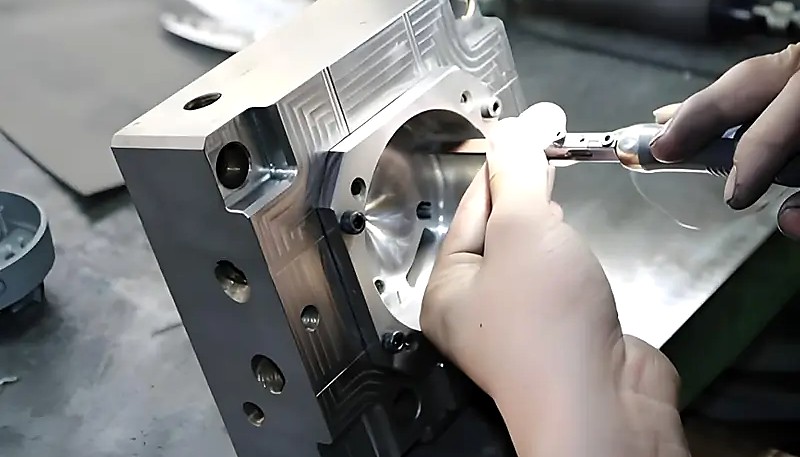
Montage en pascontrole – alle onderdelen worden gemonteerd, de passing van de deelnaad wordt met blauwdrukpasta gecontroleerd en de koelcircuits worden onder druk getest.
Matrijsproef (T1) – de eerste producten worden gespoten, aan de tekeningen getoetst en de procesparameters worden vastgelegd.
Optimalisatie (T2/T3 indien nodig) – runnerafmetingen, koeltijden of aanspuitafmetingen worden verfijnd totdat alle holten aan de specificaties voldoen.
Welke invloed heeft het aantal matrijsholten op de onderdeelkwaliteit en totale kosten?
Het aantal caviteiten beïnvloedt de kwaliteit via de vulbalans en uniforme koeling, en de totale kosten via de afweging tussen een hogere gereedschapsinvestering en lagere productiekosten per onderdeel. Het optimum is het aantal caviteiten waarbij de totale programmakosten (gereedschap + productie) minimaal zijn en de vereiste kwaliteitsnormen behouden blijven.
We hebben gegevens uit recente ZetarMold-projecten verzameld om de rendabiliteit te illustreren:
| Aantal caviteiten | Relatieve matrijskosten | Cyclustijd (s) | Onderdelen/uur | Kostenindex per onderdeel |
|---|---|---|---|---|
| 1 | 1.0× | 18 | 200 | 1.00 |
| 4 | 2.2× | 20 | 720 | 0.38 |
| 8 | 3.0× | 22 | 1,309 | 0.22 |
| 16 | 4.5× | 24 | 2,400 | 0.15 |
| 32 | 7.0× | 26 | 4,431 | 0.11 |
Zoals de tabel laat zien, verdubbeling van cavities verdubbelt niet de mal kosten — er zijn schaalvoordelen in de malbasis, hot runner systeem, en ontwerpwerk. Tegelijkertijd daalt de per-part kost sterk. Voor een programma dat meer dan 500.000 onderdelen jaarlijks produceert, betaalt de extra tooling investering zich typisch terug binnen 3 tot 6 maanden door cyclus tijd besparingen en lagere per-piece prijs. Dat gezegd, het break-even punt hangt sterk af van onderdeel geometrie, materiaal selectie, en of je side actions of lifters nodig hebt in de mal.
Op het gebied van kwaliteit vereisen hogere aantal cavities een strakker procescontrole. We monteren de gewichtsvariatie tussen cavities bij elke productierun — als een cavity meer dan 2% afwijkt van het gemiddelde, stoppen we en onderzoeken we. Veelvoorkomende oorzaken zijn versleten gate inserts, geblokkeerde koelcircuits, of inconsistente smeltemperatuur over een breed manifold. Wetenschappelijke spuitgietprincipes zoals gedecoupled molding en in-mold druksensoren helpen shot-to-shot consistentie over alle cavities te behouden. Voor kritische medische of automotive onderdelen, voegen we cavity-specifieke traceability toe zodat elk stuk teruggevoerd kan worden naar zijn exacte positie in de mal.
Veelgestelde vragen
Wat is het verschil tussen een matrijs met meerdere caviteiten en een familiematrijs?
Een matrijs met meerdere caviteiten produceert bij elk shot meerdere exemplaren van hetzelfde onderdeel, wat betekent dat elke caviteit identiek is. Een familiematrijs produceert daarentegen verschillende onderdelen in dezelfde matrijs, bijvoorbeeld een linker- en rechterbehuizing of een dop met bijpassende basis. Familiematrijzen zijn moeilijker te balanceren omdat verschillende onderdeelgeometrieën verschillende stromingsweerstanden, koeltijden en krimppercentages hebben. In de praktijk hebben matrijzen met meerdere caviteiten de voorkeur voor de productie van één onderdeel in grote volumes, terwijl familiematrijzen worden gebruikt wanneer meerdere verwante onderdelen nodig zijn die nauwkeurig op elkaar moeten aansluiten.
Hoe bepaal ik het juiste aantal caviteiten voor mijn project?
Ja. Meer matrijsholtes betekenen een groter totaal shotvolume en een groter geprojecteerd oppervlak op de deelnaad; beide vereisen meer sluitkracht en shotcapaciteit. Een matrijs met 16 matrijsholtes heeft doorgaans een pers nodig die 3 tot 4 keer groter is dan een enkelvoudige versie van hetzelfde onderdeel. De vereiste sluitkracht is ongeveer evenredig met het totale geprojecteerde oppervlak van de matrijsholtes, zodat een verdubbeling van het aantal matrijsholtes de vereiste tonnage ongeveer verdubbelt. Controleer voordat u een aantal matrijsholtes vastlegt of uw spuitgieter een pers heeft die groot genoeg is voor het berekende shotvolume en de benodigde opspanplaatmaat.
Vereisen matrijzen met meerdere holtes grotere spuitgietmachines?
Ja. Meer matrijsholtes betekenen een groter totaal shotvolume en een groter geprojecteerd oppervlak op de deelnaad; beide vereisen meer sluitkracht en shotcapaciteit. Een matrijs met 16 matrijsholtes heeft doorgaans een pers nodig die 3 tot 4 keer groter is dan een enkelvoudige versie van hetzelfde onderdeel. De vereiste sluitkracht is ongeveer evenredig met het totale geprojecteerde oppervlak van de matrijsholtes, zodat een verdubbeling van het aantal matrijsholtes de vereiste tonnage ongeveer verdubbelt. Controleer voordat u een aantal matrijsholtes vastlegt of uw spuitgieter een pers heeft die groot genoeg is voor het berekende shotvolume en de benodigde opspanplaatmaat.
Kan ik met minder matrijsholten beginnen en er later meer toevoegen?
Dit is mogelijk als de matrijsbasis vanaf het begin voor uitbreiding is ontworpen, vaak een schaalbare of uitbreidbare matrijsbasis genoemd. De matrijsontwerper laat lege posities voor holtes vrij, met vooraf geboorde koelkanalen en gaten voor uitwerppennen, zodat later extra inzetstukken kunnen worden toegevoegd. Achteraf holtes toevoegen aan een matrijs die daar oorspronkelijk niet voor is ontworpen, is doorgaans echter onpraktisch en kostbaar. We adviseren het uiteindelijke aantal holtes vooraf te plannen, ook als de inzetstukken gefaseerd worden toegevoegd om de initiële gereedschapsinvestering te beheren.
Hoe lang gaat een matrijs met meerdere caviteiten mee?
De levensduur van een matrijs hangt af van de staalsoort, het onderdeelmateriaal en de onderhoudskwaliteit. Een goed gebouwde meervoudige matrijs van gehard H13- of S136-staal gaat doorgaans 500,000 tot 2,000,000 of meer shots mee. Zachtere staalsoorten zoals P20 kunnen 300,000 tot 500,000 shots halen voordat een omvangrijke revisie nodig is. Regelmatig onderhoud, waaronder het reinigen van koelkanalen, vervangen van versleten uitwerppennen en polijsten van caviteitsoppervlakken, verlengt de standtijd aanzienlijk. Bij ZetarMold garanderen we de matrijslevensduur op basis van de SPI-matrijsklasse in de projectscope en leveren we preventieve onderhoudsschema’s voor alle productiegereedschappen.
Wat Maakt Multiple Cavity Molds de Sleutel tot Scalable Productie?
Een spuitgietmatrijs met meerdere caviteiten is het werkpaard achter de productie van kunststofonderdelen in grote volumes. Door per cyclus meerdere identieke onderdelen te produceren, verlaagt deze de kosten per stuk drastisch, maximaliseert ze de benutting van de pers en levert ze in elke caviteit constante kwaliteit. Daartegenover staan een hogere initiële investering in gereedschap en grotere technische complexiteit — maar voor programma’s boven 100,000 onderdelen per jaar is gereedschap met meerdere caviteiten vrijwel altijd economisch voordeliger.
Bij ZetarMold hebben we honderden matrijzen met 2 tot 128 caviteiten gebouwd voor verpakkingen, medische toepassingen, de automobielsector en consumentenelektronica. Onze aanpak combineert matrijsvulsimulatie, nauwkeurige CNC-bewerking tot ±0.005 mm en strikte proefprotocollen om identieke prestaties van elke caviteit te waarborgen. Plant u een hoogvolumeprogramma en wilt u matrijzen met meerdere caviteiten onderzoeken, neem dan contact op met ons engineeringteam voor een gratis DFM-beoordeling en advies over het aantal caviteiten.
Een offerte nodig voor uw spuitgietproject?
Ontvang concurrerende prijzen, DFM-feedback en een productieplanning van het engineeringteam van ZetarMold.
Vraag een gratis offerte aan →
spuitgietmatrijs: een precisiegereedschap dat de geometrie van het onderdeel, het koelgedrag, de uitwerping, aanspuiting, oppervlakteafwerking en reproduceerbaarheid bepaalt. ↩
spuitgieten: een productieproces waarbij kunststof wordt gesmolten, in een matrijsholte wordt geïnjecteerd, het onderdeel afkoelt en de cyclus wordt herhaald voor stabiele serieproductie. ↩
kunststof: een materiaalfamilie waarvan stroming, krimp, sterkte, hittebestendigheid, uiterlijke kwaliteit, cyclustijd en langetermijnprestaties de spuitgietkeuzes bepalen. ↩