¿Qué es exactamente un molde de inyección multicavidad?
- Un molde de inyección multicavidad produce varias piezas idénticas en un solo disparo, reduciendo drásticamente el costo por unidad y el tiempo de ciclo.
- El número de cavidades varía de 2 a 128+, elegido según el volumen anual, el tamaño de la pieza y la tonelada de la prensa.
- El diseño equilibrado del canal de alimentación y el enfriamiento uniforme son los dos factores más importantes para una calidad de pieza consistente en todas las cavidades.
- El costo inicial de la herramienta es mayor que el de un molde de una sola cavidad, pero el ROI a menudo se recupera durante la primera corrida de producción.
- ZetarMold construye herramientas multicavidad de hasta 128 cavidades con una variación de peso entre cavidades inferior al 1%.
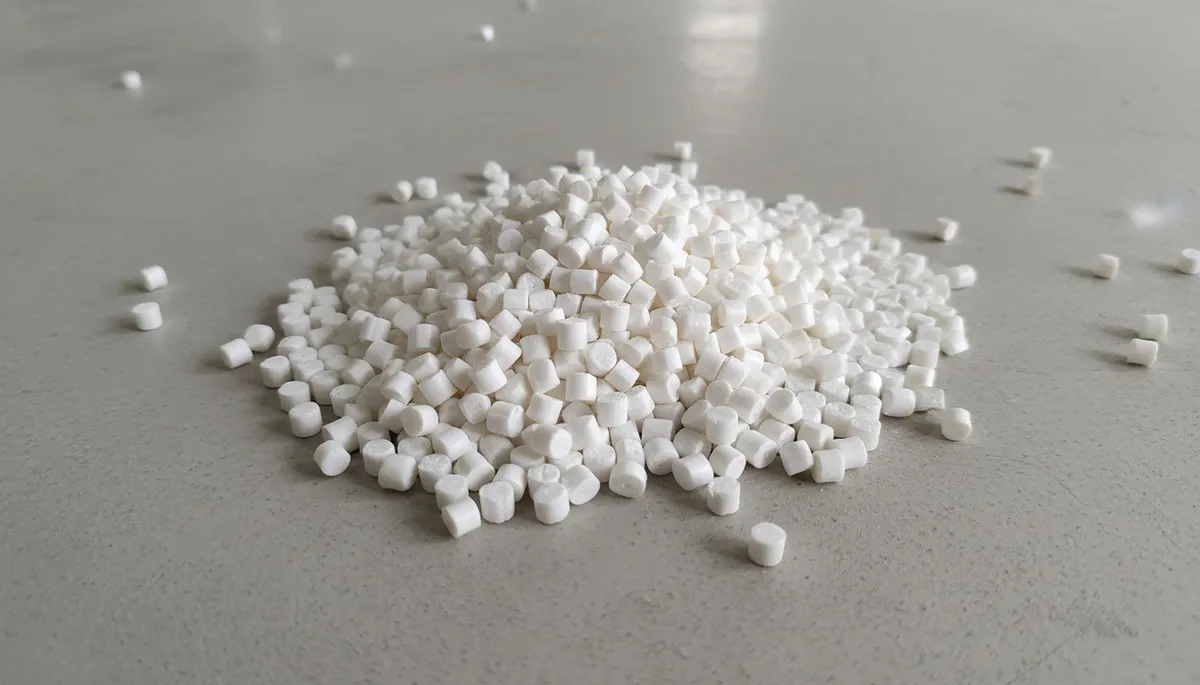
Para quienes comparan opciones de moldeo por inyección2, este artículo relaciona el molde de inyección, el comportamiento del material plástico3, la evaluación de proveedores y las decisiones de control de calidad que determinan si un proyecto puede pasar del diseño a una producción repetible.
Para ampliar el contexto, compare este tema con el diseño de moldes de inyección y la guía de selección de proveedores.
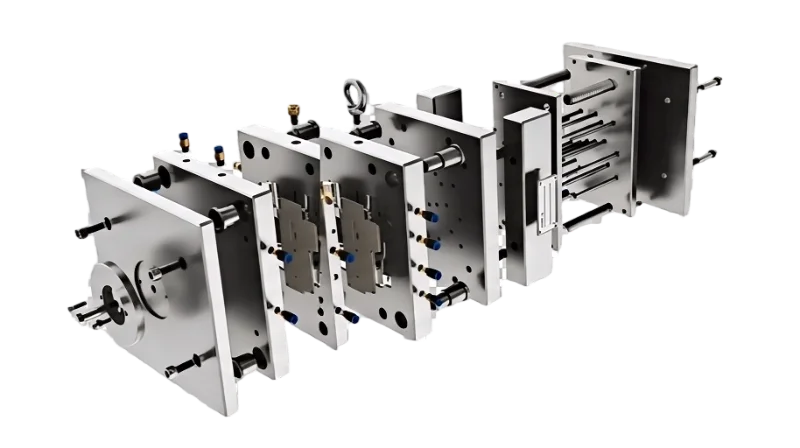
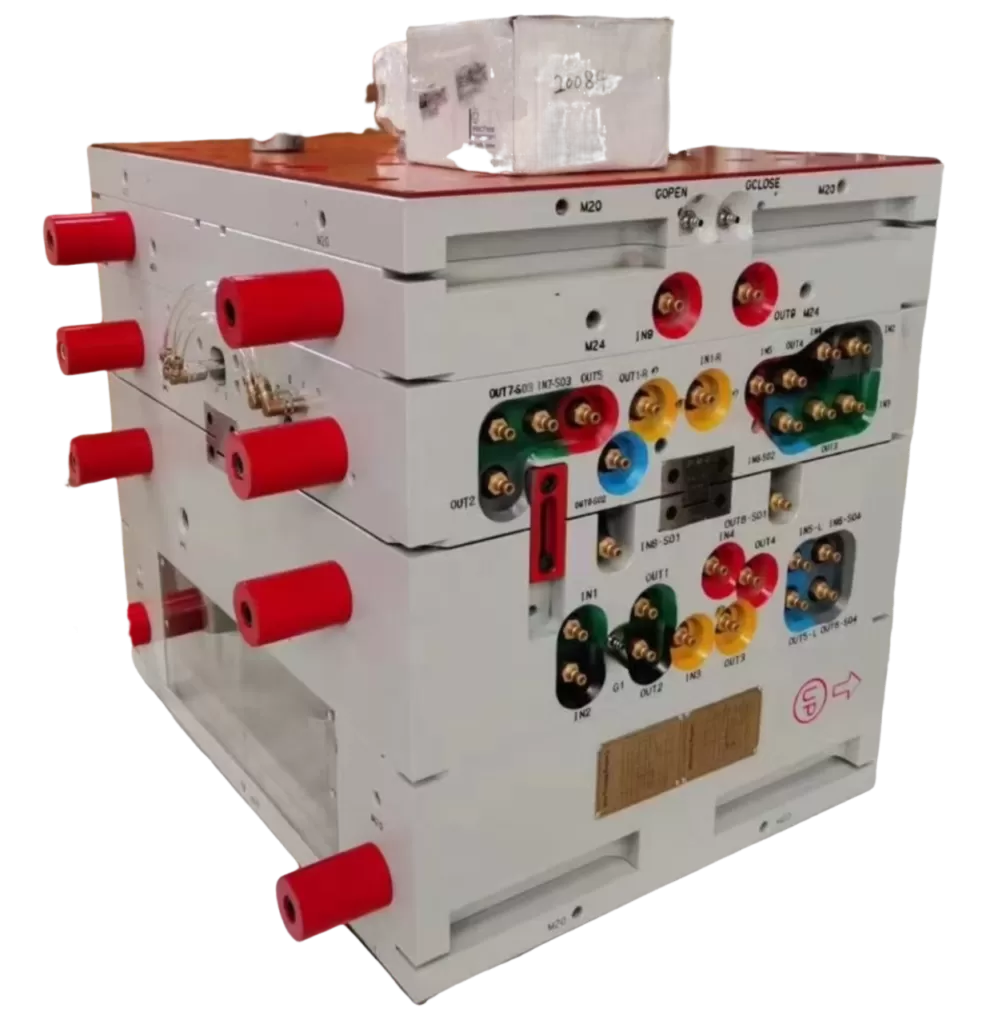
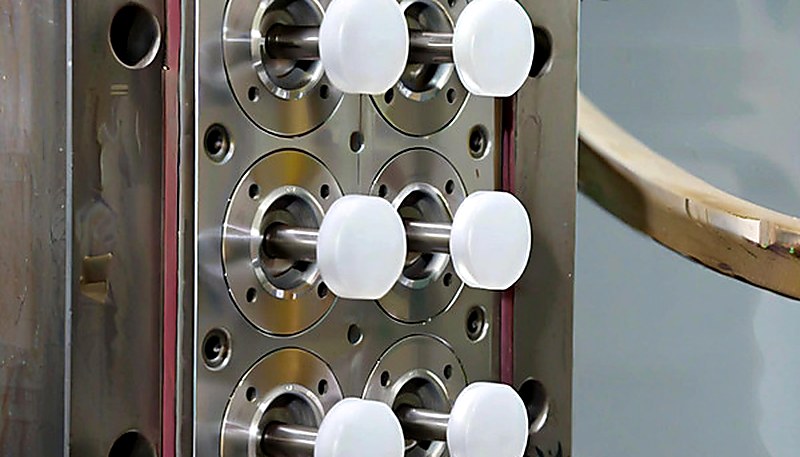
Un molde de inyección multicavidad es una herramienta que contiene dos o más cavidades idénticas mecanizadas en la misma base de molde, lo que permite a la prensa producir varias piezas en cada ciclo. En lugar de que una inyección produzca una pieza, un molde de 16 cavidades entrega 16 piezas por inyección: la misma resina, el mismo tiempo de ciclo y una fracción del coste por pieza.
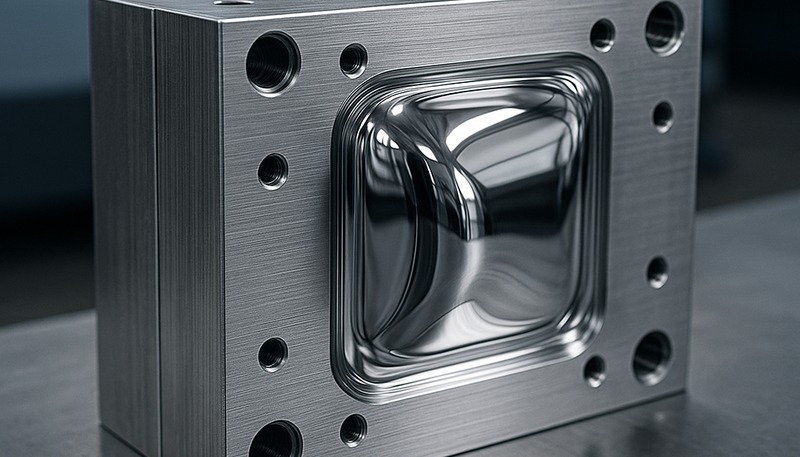
En nuestra fábrica en ZetarMold, clasificamos los moldes por número de cavidades: una sola cavidad (1), multicavidad baja (2–8), multicavidad media (16–32) y multicavidad alta (64–128+). La categoría correcta depende de su objetivo de volumen anual, el diseño del molde de inyección de plástico de precisión y el tamaño de prensa disponible.
El concepto es sencillo, pero la ingeniería que lo sustenta no lo es en absoluto. Todas las cavidades deben llenarse al mismo tiempo, enfriarse al mismo ritmo y expulsar las piezas sin interferencias. Cuando se ejecuta correctamente, un molde multicavidad es la forma más eficaz de aumentar la producción del moldeo por inyección sin comprar más máquinas.
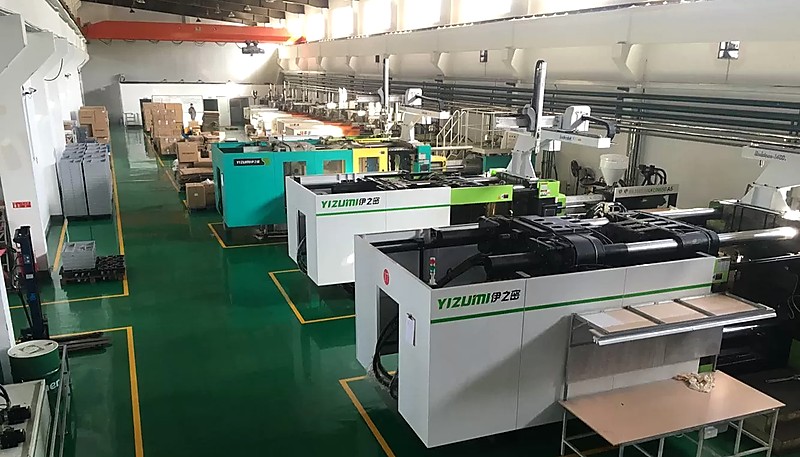
En nuestra fábrica de Shanghái, operamos 47 máquinas de moldeo por inyección desde 90T hasta 1850T. Con más de 20 años de experiencia y una instalación interna de fabricación de moldes, construimos herramientas de múltiples cavidades que ofrecen una calidad de pieza consistente en cada cavidad.
¿Cuáles son los parámetros de diseño clave de un molde multicavidad?
Los parámetros de diseño clave de un molde multicavidad son las categorías principales u opciones explicadas en esta sección. Los parámetros de diseño críticos incluyen el diseño de la cavidad, el equilibrio del canal de alimentación, la ubicación de los canales de enfriamiento, la ventilación y la estrategia de expulsión. Equivocarse en cualquiera de estos conduce a llenados incompletos, rebabas o variación dimensional entre cavidades.
Hemos comprobado que el equilibrio de los canales es el tema que más debate genera en el diseño de moldes multicavidad. Existen dos enfoques principales:
Canales equilibrados naturalmente (geométricamente simétricos): todas las cavidades están a la misma distancia de flujo del bebedero. Es el estándar de referencia para la uniformidad, pero requiere más espacio en el molde.
Canales equilibrados artificialmente: las cavidades están dispuestas de forma asimétrica y el equilibrio se logra variando los diámetros de los canales o el tamaño de las compuertas. Ahorra espacio, pero es más difícil de ajustar.
| Parámetro de diseño | Intervalo o valor típico | Por qué es importante |
|---|---|---|
| Número de cavidades | 2, 4, 8, 16, 32, 64, 128 | Determina directamente la producción por ciclo |
| Tipo de canal | Canal frío / Canal caliente | Los canales calientes reducen los residuos y mejoran el equilibrio |
| Separación entre cavidades | Mínimo 2× el espesor de pared entre cavidades | Evita la interferencia térmica y la debilidad estructural |
| Diámetro del canal de refrigeración | 6–12 mm | Controla el tiempo de ciclo y el alabeo |
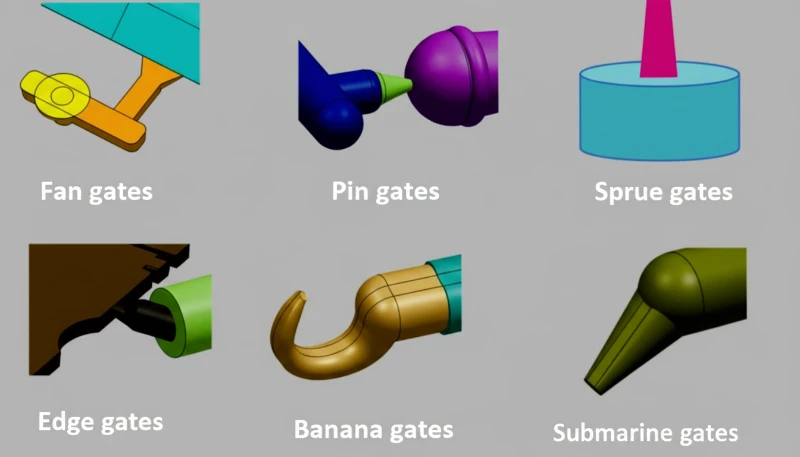
| Tipo de compuerta | Compuerta submarina, compuerta de aguja, compuerta de válvula | Afecta al vestigio, el equilibrio y la automatización |
| Variación de peso entre cavidades | < 1–2% | Métrica de calidad clave para herramientas multicavidad |
| Acero para moldes | El proceso sigue una secuencia estructurada: revisión de DFM, optimización del número de cavidades, simulación de flujo de molde, diseño detallado del molde, corte de acero, ensamblaje, prueba y calificación. En ZetarMold, todo el ciclo desde el inicio del diseño hasta las muestras T1 suele tomar de 4 a 8 semanas dependiendo de la complejidad. | Determina la vida útil del molde y su capacidad de pulido |
En ZetarMold, utilizamos análisis de flujo de molde en cada proyecto multicavidad antes de cortar el acero. La simulación nos muestra el desequilibrio de llenado, las ubicaciones de las líneas de soldadura y los puntos calientes de enfriamiento, problemas que son mucho más baratos de corregir en pantalla que en metal.
"“La simulación de flujo es esencial para diseñar moldes multicavidad y garantizar un llenado equilibrado de todas las cavidades.”"True
La simulación revela diferencias en el tiempo de llenado, caídas de presión y desequilibrios térmicos entre cavidades antes de cortar el acero, lo que permite a los ingenieros optimizar el tamaño de los canales y la ubicación de las compuertas para lograr un llenado uniforme.
"“Basta con copiar la disposición de un molde de una sola cavidad y duplicarla para crear una herramienta multicavidad.”"False
Un molde multicavidad requiere rediseñar por completo el sistema de canales, la disposición de refrigeración y el sistema de expulsión. Duplicar las cavidades sin reequilibrar el sistema de alimentación provoca desequilibrios de llenado, variaciones dimensionales y defectos de calidad.
¿Por qué es importante un molde multicavidad para la eficiencia de producción?
Un molde multicavidad es importante porque multiplica la producción sin multiplicar el tiempo de máquina, la mano de obra ni el espacio. Si un molde de una cavidad tiene un ciclo de 20 segundos, cambiar a una herramienta de 8 cavidades proporciona 8× piezas en los mismos 20 segundos (el ciclo puede aumentar ligeramente, normalmente un 5–15%, por el mayor volumen de inyección y las exigencias de refrigeración, pero la ganancia neta es enorme).
Según nuestra experiencia en ZetarMold, las ventajas se desglosan así:
Menor coste por pieza: la tarifa horaria de la máquina se reparte entre más piezas. Un molde de 16 cavidades puede reducir el precio unitario entre un 60 y un 80 % respecto a uno de una sola cavidad.
Menos mano de obra por pieza: un operador maneja una prensa independientemente del número de cavidades.
Menor tiempo hasta alcanzar el volumen objetivo: los lanzamientos de gran volumen satisfacen antes la demanda sin necesitar varios moldes o prensas.
Calidad uniforme: todas las piezas se fabrican con las mismas condiciones de proceso y en la misma inyección, lo que reduce la variación entre lotes.
Hemos visto a clientes reducir el coste total de su programa en un 40% simplemente cambiando de un molde de 4 cavidades a uno de 16 cavidades en un proyecto de tapones de botella que produce 50 millones de unidades al año.
¿Cuáles son los desafíos habituales y cómo se resuelven?
Los retos más comunes son el desequilibrio del llenado, la refrigeración desigual, el mayor coste inicial del utillaje y un mantenimiento más complejo. Todos ellos tienen soluciones probadas que los fabricantes de moldes experimentados aplican habitualmente.
El desequilibrio de llenado es el principal problema. Incluso con canales geométricamente equilibrados, el desequilibrio inducido por cizallamiento puede hacer que las cavidades interiores y exteriores se llenen de forma distinta. Lo resolvemos con la tecnología MeltFlipper® o con diámetros de canal ajustados y validados mediante simulaciones y estudios de llenado parcial.
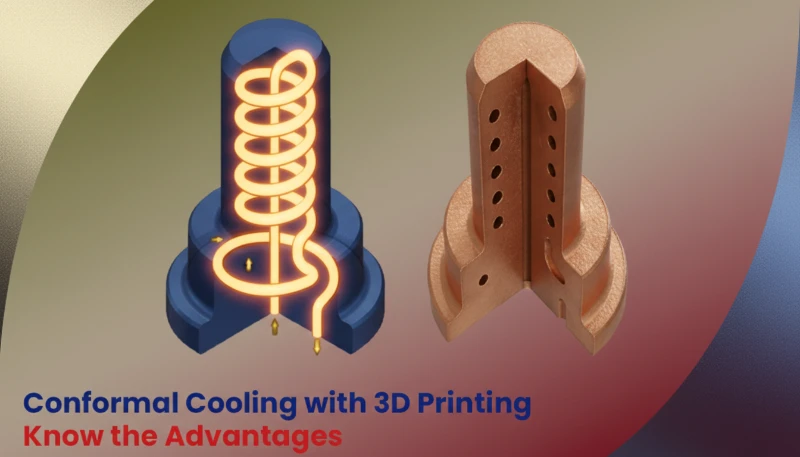
El enfriamiento desigual aparece cuando las cavidades centrales funcionan a mayor temperatura que las periféricas. Lo corregimos con canales de refrigeración conformados en zonas críticas y circuitos independientes por fila de cavidades, supervisados con termopares durante las pruebas.
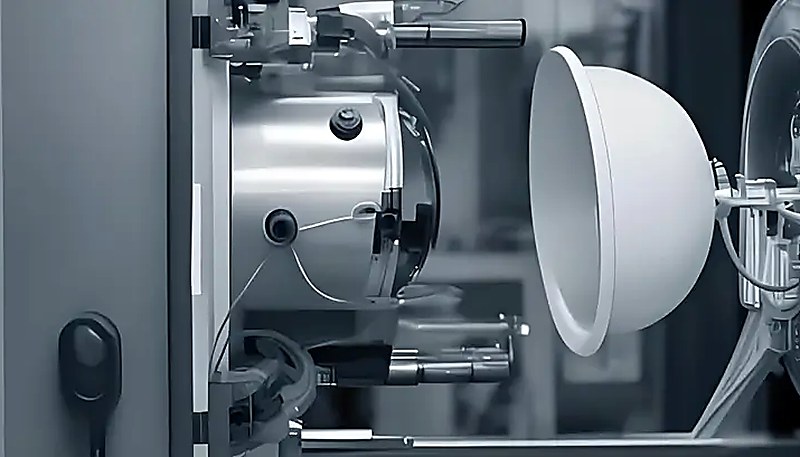
El mayor coste del utillaje es real: un molde de 16 cavidades puede costar entre 3 y 5 veces más que uno de una sola cavidad. Sin embargo, al amortizarlo entre cientos de miles o millones de piezas, el coste de utillaje por pieza queda muy por debajo de la alternativa. Ayudamos a calcular el ROI antes de decidir el número de cavidades.
La complejidad del mantenimiento aumenta con el número de cavidades: hay más pasadores de núcleo, expulsores y conductos de refrigeración que inspeccionar. En ZetarMold diseñamos insertos modulares para retirar y reparar una cavidad sin desmontar todo el molde.
¿Qué sectores y aplicaciones utilizan moldes multicavidad?
Los moldes multicavidad se utilizan siempre que se necesitan grandes volúmenes de piezas idénticas pequeñas o medianas; los cinco sectores principales son embalaje, dispositivos médicos, electrónica de consumo, automoción y artículos para el hogar.
Esto es lo que fabricamos con mayor frecuencia en ZetarMold:
Envases: tapones de botella (32–128 cavidades), recipientes de pared delgada y cierres.
Sector médico: cuerpos de jeringa, puntas de pipeta y carcasas de cartuchos de diagnóstico (16–64 cavidades, a menudo en acero apto para salas limpias).
"“El principal factor que determina el número óptimo de cavidades es el equilibrio entre el volumen de producción anual y la inversión en herramientas.”"True
El número de cavidades es una optimización económica: más cavidades reducen el coste por pieza, pero aumentan el gasto inicial en utillaje. El punto de equilibrio depende del volumen anual, el precio objetivo de la pieza y la capacidad disponible de las prensas.
"“Los moldes multicavidad solo son adecuados para piezas simples y planas.”"False
Los moldes multicavidad modernos admiten geometrías complejas, incluidos contrasalidas (mediante elevadores y correderas), superficies texturizadas y tolerancias estrechas. La limitación clave es el tamaño de la pieza en relación con el área disponible de la platina de la prensa, no la complejidad geométrica.
Electrónica: carcasas de conectores, matrices de lentes LED y cubiertas de interruptores (8–32 cavidades).
Automoción: clips pequeños, elementos de fijación y carcasas de sensores (4–16 cavidades).
Bienes de consumo: cabezales de cepillo de dientes, componentes de cartuchos de afeitar y piezas de juguetes.
El factor común es el volumen anual. Como regla general, si produce menos de 50,000 piezas al año, suele bastar un molde de una o 2 cavidades. Por encima de 500,000 piezas anuales, el utillaje multicavidad casi siempre tiene sentido económico.
¿Cómo es el proceso de diseño y fabricación?
El proceso sigue una secuencia estructurada: revisión DFM, optimización del número de cavidades, simulación de flujo del molde, diseño detallado del molde, corte del acero, montaje, prueba y cualificación. En ZetarMold, el ciclo completo desde el inicio del diseño hasta las muestras T1 suele durar entre 4–8 semanas, según la complejidad.
Así lo abordamos:
Revisión DFM: analizamos la moldeabilidad, los ángulos de desmoldeo, la uniformidad del espesor de pared y las opciones de ubicación de la compuerta.
Estudio del número de cavidades: según el volumen anual, el precio unitario objetivo y las prensas disponibles, recomendamos la cantidad óptima con proyecciones de ROI.
Simulación de flujo: los análisis de llenado, compactación, enfriamiento y deformación confirman el equilibrio de canales, el rendimiento térmico y la contracción prevista.
Diseño detallado: diseño 3D completo del molde en NX/UG o SOLIDWORKS, incluidos el sistema de canales, los circuitos de refrigeración, la expulsión y la selección de la base.
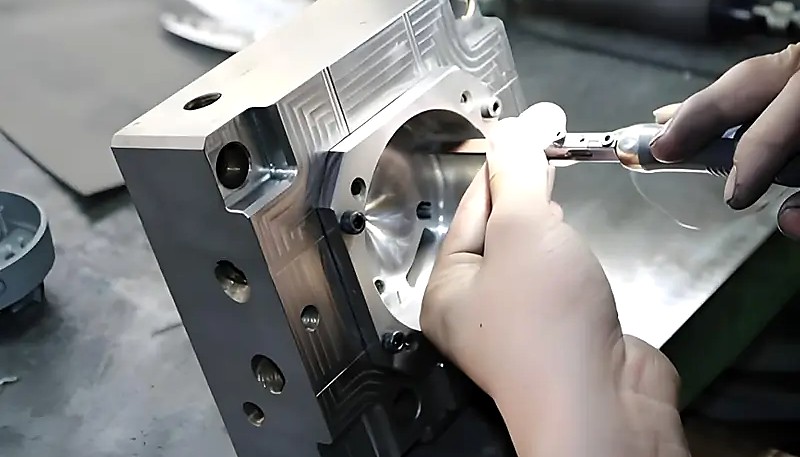
Mecanizado del acero: fresado CNC, EDM, EDM por hilo y rectificado con tolerancias de ±0,005 mm en dimensiones críticas de las cavidades.
Montaje y ajuste: se montan todos los componentes, se verifica el ajuste de la línea de partición mediante marcado con azul y se prueban a presión los circuitos de refrigeración.
Prueba del molde (T1): se realizan las primeras inyecciones, se miden las piezas con respecto a los planos y se documentan los parámetros de proceso.
Optimización (T2/T3 si es necesario): se ajustan los canales, los tiempos de enfriamiento o las dimensiones de las compuertas hasta que todas las cavidades cumplen las especificaciones.
¿Cómo afecta el número de cavidades a la calidad de la pieza y al coste total?
El número de cavidades afecta a la calidad por su influencia en el equilibrio de llenado y la uniformidad de enfriamiento, y al coste total por la compensación entre una mayor inversión en utillaje y un menor coste de producción por pieza. El punto óptimo es el número de cavidades que minimiza el coste total del programa (utillaje + producción) manteniendo los estándares de calidad exigidos.
Hemos recopilado datos de proyectos recientes de ZetarMold para ilustrar la rentabilidad:
| Número de cavidades | Coste relativo del molde | Tiempo de ciclo (s) | Piezas/hora | Índice de coste por pieza |
|---|---|---|---|---|
| 1 | 1.0× | 18 | 200 | 1.00 |
| 4 | 2.2× | 20 | 720 | 0.38 |
| 8 | 3.0× | 22 | 1,309 | 0.22 |
| 16 | 4.5× | 24 | 2,400 | 0.15 |
| 32 | 7.0× | 26 | 4,431 | 0.11 |
Como muestra la tabla, duplicar las cavidades no duplica el costo del molde; hay economías de escala en la base del molde, el sistema de canal caliente y el trabajo de diseño. Mientras tanto, el costo por pieza cae drásticamente. Para un programa que produce más de 500,000 piezas al año, la inversión adicional en herramienta normalmente se recupera en 3 a 6 meses gracias al ahorro en tiempo de ciclo y un menor precio por pieza. Dicho esto, el punto de equilibrio depende en gran medida de la geometría de la pieza, la selección del material y de si se necesitan acciones laterales o expulsores elevadores en el molde.
En cuanto a la calidad, los recuentos de cavidades más altos exigen un control de proceso más estricto. Monitoreamos la variación de peso entre cavidades en cada corrida de producción: si cualquier cavidad se desvía más del 2% de la media, paramos e investigamos. Los culpables comunes incluyen insertos de compuerta desgastados, circuitos de enfriamiento bloqueados o temperatura de fusión inconsistente en un distribuidor amplio. Los principios de moldeo científico, como el moldeo desacoplado y los sensores de presión en el molde, ayudan a mantener la consistencia de ciclo a ciclo en todas las cavidades. Para piezas médicas o automotrices críticas, agregamos trazabilidad específica por cavidad para que cada pieza pueda rastrearse hasta su posición exacta en el molde.
Preguntas frecuentes
¿Cuál es la diferencia entre un molde multicavidad y un molde familiar?
Un molde de múltiples cavidades produce múltiples copias de la misma pieza en cada ciclo, lo que significa que cada cavidad es idéntica. Un molde familiar, por otro lado, produce diferentes piezas en el mismo molde, por ejemplo, una carcasa izquierda y derecha, o una tapa y su base correspondiente. Los moldes familiares son más difíciles de equilibrar porque las diferentes geometrías de las piezas tienen diferente resistencia al flujo, tiempos de enfriamiento y tasas de contracción. En la práctica, los moldes de múltiples cavidades son preferidos para la producción de alto volumen de una sola pieza, mientras que los moldes familiares se usan cuando se necesitan varias piezas relacionadas que deben coincidir entre sí con precisión.
¿Cómo decido el número de cavidades adecuado para mi proyecto?
Sí. Más cavidades significan un volumen total de disparo mayor y un área proyectada más grande en la línea de partición, ambos requieren más tonelaje de cierre y capacidad de disparo. Un molde de 16 cavidades típicamente necesita una prensa de 3 a 4 veces más grande que una versión de una sola cavidad de la misma pieza. La fuerza de cierre requerida es aproximadamente proporcional al área total proyectada de la cavidad, por lo que duplicar el número de cavidades aproximadamente duplica el tonelaje requerido. Antes de decidir un número de cavidades, confirme que su moldeador tiene una prensa lo suficientemente grande para el volumen de disparo proyectado y el tamaño de la placa.
¿Los moldes multicavidad requieren máquinas de moldeo por inyección más grandes?
Sí. Más cavidades significan un volumen total de disparo mayor y un área proyectada más grande en la línea de partición, ambos requieren más tonelaje de cierre y capacidad de disparo. Un molde de 16 cavidades típicamente necesita una prensa de 3 a 4 veces más grande que una versión de una sola cavidad de la misma pieza. La fuerza de cierre requerida es aproximadamente proporcional al área total proyectada de la cavidad, por lo que duplicar el número de cavidades aproximadamente duplica el tonelaje requerido. Antes de decidir un número de cavidades, confirme que su moldeador tiene una prensa lo suficientemente grande para el volumen de disparo proyectado y el tamaño de la placa.
¿Puedo empezar con menos cavidades y añadir más posteriormente?
Es posible si la base del molde está diseñada para expansión desde el principio, a menudo llamada base de molde escalable o expandible. El diseñador del molde deja posiciones de cavidad en blanco con canales de enfriamiento pre-perforados y agujeros para pasadores eyectores para que se puedan agregar insertos adicionales más tarde. Sin embargo, adaptar cavidades a un molde que no fue diseñado originalmente para ello suele ser poco práctico y costoso. Recomendamos planificar el número final de cavidades desde el principio, incluso si se implementan los insertos de cavidad por fases con el tiempo para gestionar la inversión inicial en herramienta.
¿Cuánto dura un molde de múltiples cavidades?
La vida útil del molde depende del grado de acero, el material de la pieza y la calidad del mantenimiento. Un molde de múltiples cavidades bien construido en acero endurecido H13 o S136 típicamente dura de 500,000 a 2,000,000 o más ciclos. Aceros más blandos como el P20 pueden alcanzar de 300,000 a 500,000 ciclos antes de requerir una renovación significativa. El mantenimiento regular, que incluye limpiar los canales de enfriamiento, reemplazar pasadores eyectores desgastados y pulir las superficies de las cavidades, extiende considerablemente la vida útil de la herramienta. En ZetarMold, garantizamos la vida útil del molde según la clase de molde SPI especificada en el alcance del proyecto y proporcionamos programas de mantenimiento preventivo para todas las herramientas de producción.
¿Qué hace que los moldes multicavidad sean la clave para una producción escalable?
Un molde de inyección multicavidad es el pilar de la producción de piezas plásticas en grandes volúmenes. Al producir varias piezas idénticas por ciclo, reduce drásticamente el coste unitario, maximiza la utilización de la prensa y ofrece una calidad uniforme en todas las cavidades. La contrapartida es una mayor inversión inicial en utillaje y una mayor complejidad de ingeniería, pero para programas de más de 100,000 piezas al año, la economía casi siempre favorece el utillaje multicavidad.
En ZetarMold hemos fabricado cientos de moldes multicavidad, desde 2 hasta 128 cavidades, para aplicaciones de envase y embalaje, médicas, de automoción y de electrónica de consumo. Nuestro enfoque combina la simulación del flujo del molde, el mecanizado CNC de precisión con tolerancias de ±0.005 mm y rigurosos protocolos de prueba para garantizar que todas las cavidades funcionen de forma idéntica. Si está planificando un programa de gran volumen y desea estudiar el utillaje multicavidad, póngase en contacto con nuestro equipo de ingeniería para obtener gratuitamente una revisión de DFM y una recomendación sobre el número de cavidades.
¿Necesita un presupuesto para su proyecto de moldeo por inyección?
Obtenga precios competitivos, comentarios de DFM y un calendario de producción del equipo de ingeniería de ZetarMold.
Solicite un presupuesto gratuito →
molde de inyección: un molde de inyección es la herramienta de precisión que define la geometría de la pieza, el comportamiento térmico, la expulsión, la alimentación, el acabado superficial y la repetibilidad. ↩
moldeo por inyección: el moldeo por inyección es el proceso productivo que funde plástico, lo inyecta en una cavidad, enfría la pieza y repite el ciclo para una fabricación estable en volumen. ↩
plástico: los plásticos constituyen una familia de materiales cuyo flujo, contracción, resistencia, comportamiento térmico, calidad estética, tiempo de ciclo y rendimiento a largo plazo condicionan las decisiones de moldeo. ↩