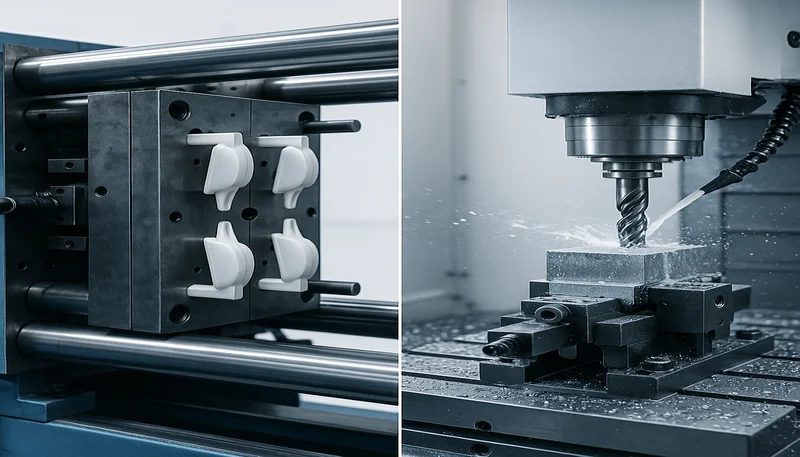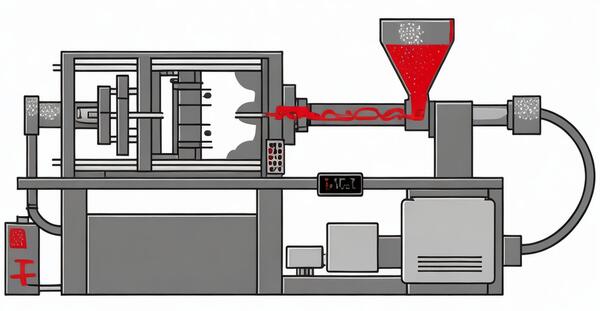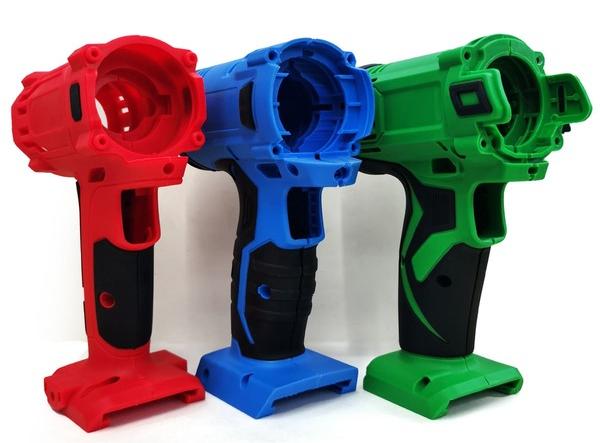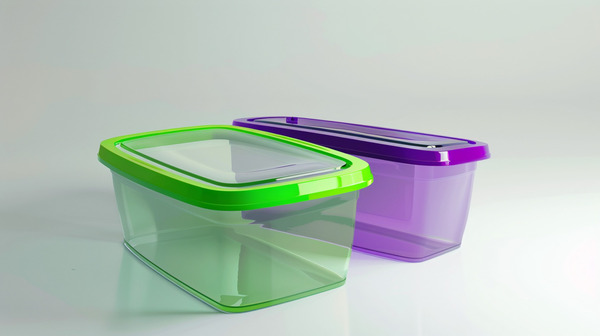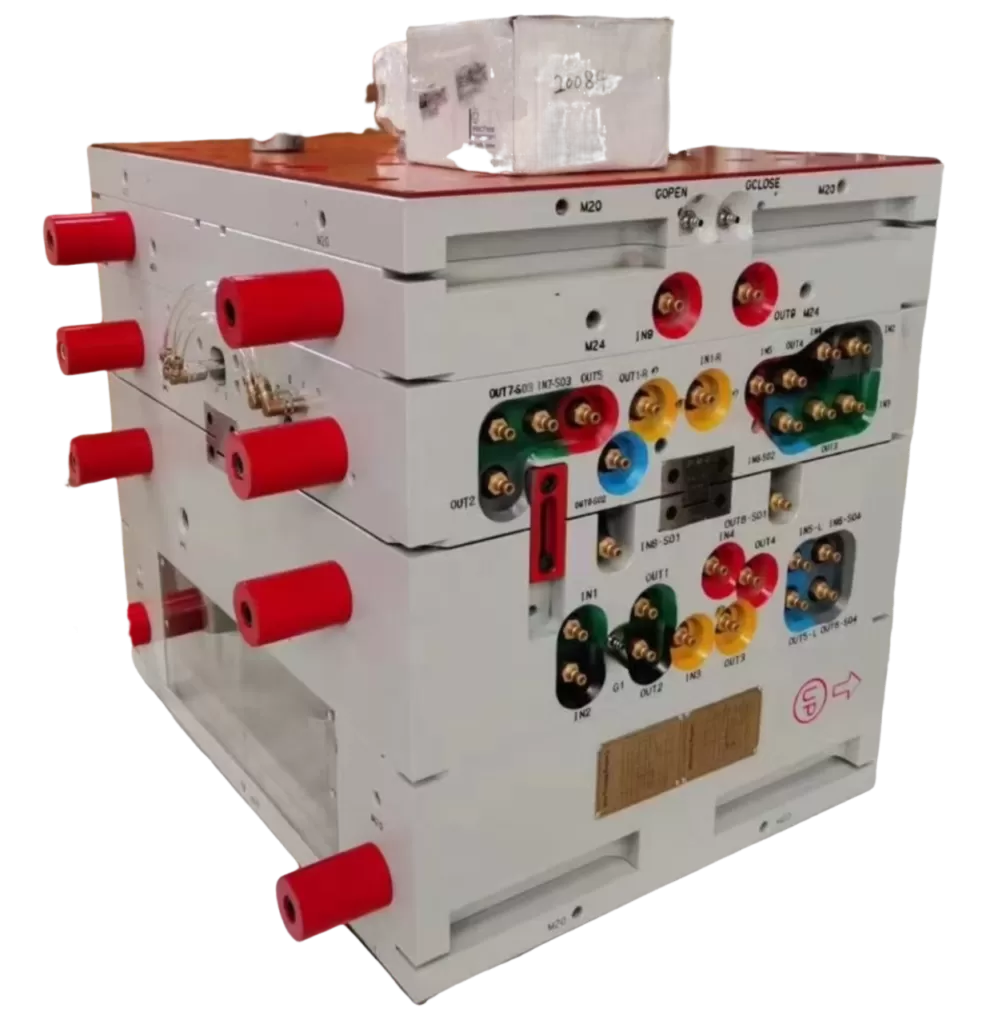
- Spuitgieten smelt thermoplastische korrels, spuit de gesmolten massa in een gesloten mal, koelt het onderdeel af en stoot een afgewerkt kunststofcomponent uit.
- Het proces is het meest geschikt voor herhaalbare 3D kunststofonderdelen met gecontroleerde afmetingen, oppervlakteafwerking, ribben, bussen, clips en complexe kenmerken.
- De vier praktische controles zijn matrijsontwerp, materiaalkeuze, smelt- en matrijstemperatuur, en cyclusduur balans.
- De meeste projectfouten komen voort uit zwakke DFM, slechte koellay-out, verkeerde harskwaliteit of onrealistische tolerantieverwachtingen.
- Een koper moet spuitgieten evalueren op basis van onderdeelgeometrie, jaarlijks volume, gereedschapsbudget, materiaalrisico en kwaliteitseisen.
Wat is spuitgieten?
Spuitgieten1 is een productieproces waarbij gesmolten kunststof in een gesloten matrijs wordt omgezet in reproduceerbare 3D-onderdelen. Kunststofkorrels worden in een cilinder verwarmd, door een schroef naar voren geduwd, in een matrijsholte gespoten, gecontroleerd gekoeld en als afgewerkt onderdeel uitgeworpen.
Gebruik voor een volledig proceskader onze complete gids voor spuitgieten. Deze pagina legt de werkvolgorde in duidelijke taal uit, zodat ingenieurs, inkopers en oprichters kunnen bepalen of een onderdeel moet worden gespuitgiet, herontworpen, als prototype gemaakt of met een ander proces vervaardigd.
Bij ZetarMold heeft onze fabriek in Shanghai 47 spuitgietmachines van 90T tot 1850T. Onze ingenieurs beoordelen wanddikte, inloop locatie, materiaalstroom, koel lay-out en jaarlijks volume voordat ze productiegereedschap aanbevelen.
Spuitgieten is niet alleen een machineactie. Het is een gecontroleerd systeem dat onderdeelontwerp, harsgedrag, gereedschapsstaal, koeling, machineherhaalbaarheid en inspectie met elkaar verbindt. Als een van deze elementen zwak is, kan het gespoten onderdeel flits, zinkmerken, korte schoten, vervorming of onstabiele afmetingen vertonen.
Hoe Werkt Spuitgieten Stap voor Stap?
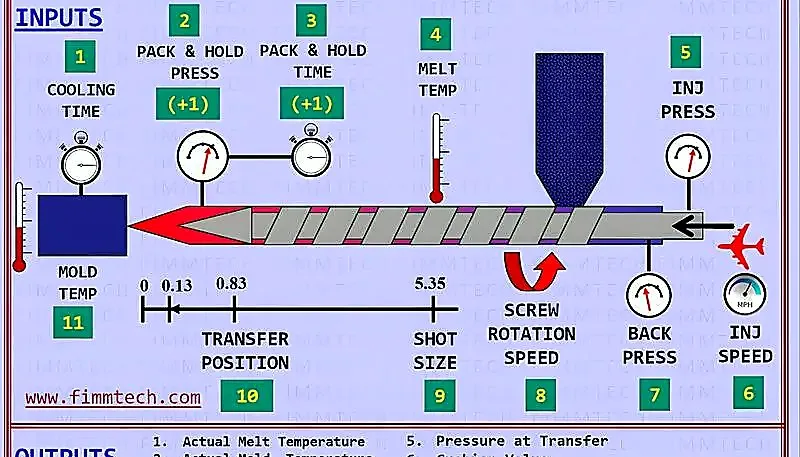
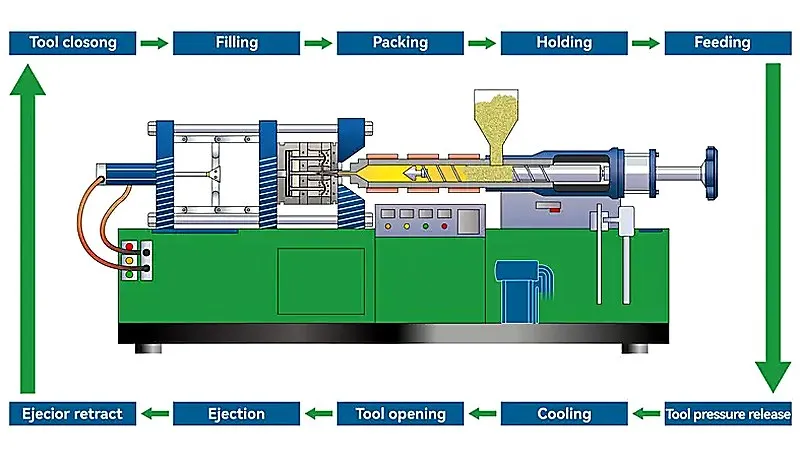
Spuitgieten is een herhaalbare cyclus: klem de mal, spuit de gesmolten massa in, houd druk vast, koel het kunststof, open de mal en stoot het onderdeel uit. Elke cyclus kan een paar seconden duren voor een klein dunwandig onderdeel of meer dan een minuut voor een dikke technische component.
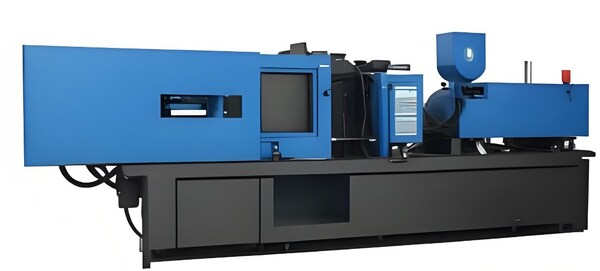
De machine sluit eerst de matrijs met voldoende sluitkracht om de inspuitdruk te weerstaan. Korrels komen in de verwarmde cilinder terecht, waar de draaiende schroef het materiaal smelt en mengt. Vervolgens duwt de schroefspuitgietmachine een afgemeten hoeveelheid via de spuitmond, aanspuitbus, het runnersysteem en de aanspuiting de matrijsholte in.
Tijdens het pakken en houden compenseert extra druk voor kunststofkrimp terwijl het materiaal afkoelt. Koelkanalen verwijderen warmte uit de mal zodat het onderdeel stijf genoeg kan worden voor uitstoting. Als de koeling ongelijk is, kan het onderdeel vervormen zelfs wanneer de holtevorm correct is.
"Spuitgieten is een cyclisch proces, geen continu proces."True
Een gegoten onderdeel wordt schot voor schot gemaakt. De matrijs sluit, vult, pakt, koelt, opent en stoot uit voordat de volgende cyclus begint. Dit verschilt van extrusie, waarbij materiaal continu door een matrijs wordt geduwd.
‘De matrijs geeft het onderdeel alleen zijn vorm; procesinstellingen doen er niet toe.’False
Malgeometrie is belangrijk, maar smelttemperatuur, inspuitsnelheid, houddruk, koeltijd en materiaaldroging bepalen ook de uiteindelijke kwaliteit. Een goede mal kan nog steeds slechte onderdelen produceren als het procesvenster onstabiel is.
Het uitgeworpen onderdeel wordt vervolgens geïnspecteerd, indien nodig bijgewerkt, en verpakt of naar secundaire bewerkingen gestuurd. De beste productieplannen definiëren de acceptabele cyclusduur, inspectiepunten en cosmetische normen voordat het gereedschap begint, niet nadat defecten verschijnen.
Een stabiel procesvenster wordt normaal gesproken opgebouwd tijdens het bemonsteren. Het team past vul snelheid, overdrachtspositie, houddruk, houdtijd, cilindertemperatuur, matrijstemperatuur en koeltijd aan totdat het onderdeel volledig gevuld is zonder uitstulpingen, brandvlekken, overmatige spanning of onacceptabele afmetingen. Zodra dat venster is gedocumenteerd, kunnen productieoperators dezelfde instellingen herhalen en weten wanneer een afwijking moet worden gecorrigeerd.
Voor inkopers is de belangrijkste les eenvoudig: de matrijs en de spuitgietmachine moeten samen worden beoordeeld. Een onderdeel kan mislukken door slechte ontluchting van het gereedschap, maar ook doordat de gekozen machine een onjuist spuitvolume, onvoldoende plastificeercapaciteit of instabiele temperatuurregeling heeft. Goede leveranciers controleren beide voordat ze een productieplan toezeggen.
Welke onderdelen zijn het meest geschikt voor spuitgieten?
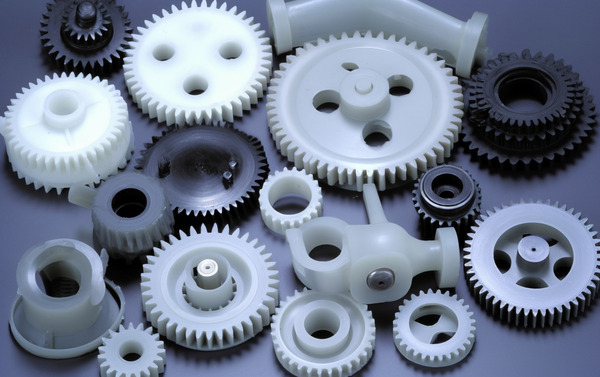
De beste spuitgietonderdelen zijn herhaalbare kunststofcomponenten met 3D-geometrie, consistente wanddelen en voldoende volume om gereedschap te rechtvaardigen. Behuizingen, beugels, doppen, connectoren, tandwielen, medische apparaatonderdelen en automotive clips zijn veelvoorkomende voorbeelden.
Spuitgieten is sterk wanneer het onderdeel geïntegreerde ribben, bazen, klikverbindingen, schroefdraden, inserts, levende scharnieren of cosmetische oppervlakken nodig heeft. Het is zwakker wanneer het onderdeel erg lang is, alleen een constante doorsnede heeft of vaak verandert tijdens de vroege productontwikkeling.
De geometrie van het onderdeel moet de gietregels respecteren. Wanddikte moet zo uniform mogelijk zijn, ribben niet te dik, scherpe interne hoeken moeten worden afgerond, en ontwerp hoeken moeten worden toegevoegd zodat het onderdeel de matrijs kan verlaten. Deze regels verminderen krimp, spanning, sleepsporen en uitwerp schade.
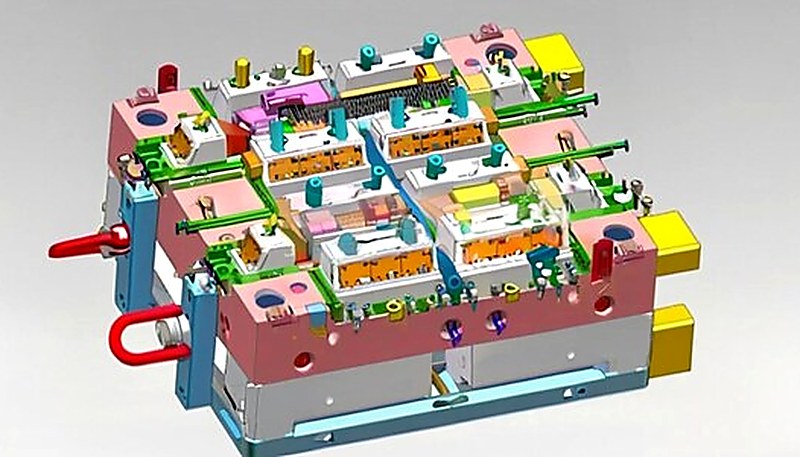
Vergelijk voor gereedschapsspecifieke beslissingen uw ontwerp met de complete gids voor spuitgietmatrijzen. Die gids behandelt de matrijsstructuur, aanspuitkeuzes, het koelontwerp, de uitwerperindeling en afwegingen rond gereedschappen uitvoeriger.
Welke materialen kunnen worden spuitgegoten?
De beste materialen zijn thermoplast2-kwaliteiten die passen bij de eisen voor sterkte, hitte, chemicaliën, uiterlijk en naleving van voorschriften. De meeste thermoplastfamilies kunnen worden gespuitgiet als de kwaliteit wordt gekozen op basis van de vereiste sterkte, hittebestendigheid, chemische blootstelling, kleur en regelgeving. Veelgebruikte opties zijn ABS, PP, PE, PC, PA, POM, PMMA, TPU, PEEK en vlamvertragende technische mengsels.
Materiaalkeuze beïnvloedt gereedschapsontwerp. Een hars met hoge krimp heeft een andere holtecompensatie nodig dan een hars met lage krimp. Een glasgevulde kwaliteit kan sterkere gereedschaps-oppervlakken en betere ontluchting vereisen. Een transparant onderdeel heeft strenger polijsten, stromingscontrole en poortplaatsing nodig dan een verborgen structurele beugel.
Vochtgevoelige materialen zoals nylon, PC, PBT en PET moeten correct worden gedroogd voor het gieten. Als drogen wordt verwaarloosd, kunnen gegoten onderdelen bubbels, zilverstrepen, lagere sterkte of onstabiele afmetingen vertonen. Materiaalvoorbereiding is daarom onderdeel van het proces, geen apart detail.
Hoe Beïnvloeden Kosten, Gereedschap en Cyclusduur de Beslissing?
De kostenbeslissing wordt bepaald door de investering in gereedschap, het onderdeelvolume, de materiaalprijs, het machinetonnage en de productietijd voor spuitgieten. Gereedschappen kunnen duur zijn, maar maken reproduceerbaarheid mogelijk wanneer hetzelfde onderdeel duizenden of miljoenen keren moet worden geproduceerd.
Cyclustijd is belangrijk omdat elke seconde zich herhaalt over de volledige productierun. Een besparing van 5 seconden kan klein lijken in een proefmonster, maar het kan de jaarlijkse capaciteit en eenheidsprijs veranderen wanneer de mal elke dag draait. Koeling is vaak het grootste deel van de cyclus, dus koellay-out verdient vroegtijdige technische aandacht.
"De koeltijd bepaalt vaak de economische haalbaarheid van spuitgieten."True
Voor veel onderdelen duurt koelen langer dan injecteren en uitwerpen. Een beter koelontwerp kan de cyclusduur verkorten, afmetingen stabiliseren en de kosten per onderdeel verlagen.
"De laagste offerte voor een matrijs levert meestal de laagste totale kosten op."False
Een goedkope matrijs kan duur worden als deze leidt tot uitstulpingen, korte levensduur, trage cycli, slechte koeling, frequente reparaties of hoog afval. Totale kosten moeten matrijsleven, cyclusduur, onderhoud en kwaliteitsrisico omvatten.
Inkopers moeten om DFM-feedback vragen voordat ze het gereedschapsstaal goedkeuren. De DFM-beoordeling moet ondersnijdingen, risico’s door wanddikte, zichtbare aanspuitmarkeringen, tolerantieconflicten, krimp van de hars en uitwerprisico’s signaleren. Bij maatproblemen moet matrijskrimp3 vóór de eerste bewerking van het staal worden geraamd. Voor een bredere procescontext beschrijft Britannica spuitgieten als een productietechniek4.
Welke kwaliteitsproblemen moeten kopers in de gaten houden?
Veelvoorkomende kwaliteitsproblemen zijn onvolledige vulling, braam, inval, vloeinaden, brandplekken, vervorming, kleurvariatie en broze onderdelen. De meeste zijn terug te voeren op productontwerp, matrijsontwerp, harsvoorbereiding of beheersing van het procesvenster.
Onvolledige vulling ontstaat wanneer de caviteit niet volledig wordt gevuld. Braam ontstaat wanneer kunststof bij de deellijn of rond inserts ontsnapt. Inval is meestal het gevolg van dikke secties die langzaam afkoelen. Kromtrekken wordt veroorzaakt door ongelijkmatige krimp, ongebalanceerde koeling of interne spanning.
De inspectie moet aansluiten op de functie van het onderdeel. Een verborgen beugel vereist mogelijk maat- en sterktecontroles, terwijl voor een zichtkap strengere eisen kunnen gelden voor kleur, glans, textuur en krassen. Een medisch of elektronisch onderdeel kan daarnaast traceerbaarheid, gecontroleerde verpakking en materiaalcertificaten vereisen.
Stuur voor de RFQ-voorbereiding een 3D-bestand, 2D-tekening, beoogde hars, jaarvolume, vereiste oppervlakteafwerking, kleurvereiste, tolerantienotities en verwachte gebruiksomgeving. Als een van deze gegevens ontbreekt, moet de leverancier gokken, en gissingen creëren kosten- en kwaliteitsrisico’s.
Een praktisch inspectieplan moet kritieke maten, functionele maten, cosmetische oppervlakken en niet-kritieke gebieden scheiden. Zo voorkomt u overmatige inspectie van eenvoudige kenmerken en houdt u klikverbindingen, afdichtvlakken, montagegaten en zichtvlakken strak onder controle. Bij herhaalorders helpt hetzelfde plan nieuwe productiepartijen met het goedgekeurde monster te vergelijken in plaats van op het geheugen te vertrouwen.
Documentatie is even belangrijk als het eerste proefstuk. Bewaar de goedgekeurde materiaalkwaliteit, kleurstandaard, tekeningrevisie, datum van goedkeuring van het proefstuk, meetmethode en verpakkingseis op één plaats. Wanneer een matrijs wordt gerepareerd of naar een andere pers wordt verplaatst, verkleinen deze gegevens het risico op ongemerkte procesafwijkingen en versnellen ze de analyse van de hoofdoorzaak.
Wat moeten inkopers doen voordat ze met een matrijs beginnen?
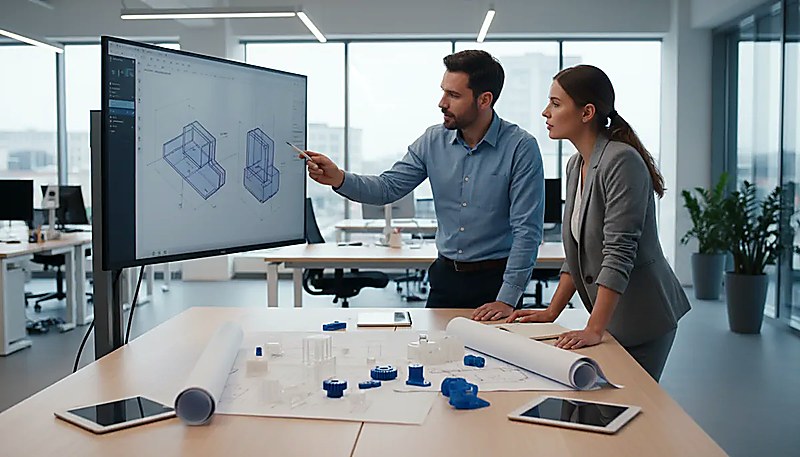
De beste volgende stap is te bevestigen dat de onderdeelgeometrie, hars, tolerantie, oppervlakteafwerking en het productievolume op elkaar zijn afgestemd voordat de gereedschapsproductie begint. Als die invoer stabiel is, kan spuitgieten op schaal reproduceerbare kwaliteit leveren. Als die invoer nog verandert, zijn prototypegereedschap of ontwerpiteratie mogelijk veiliger.
Vraag in de vroege RFQ-fase niet alleen om een prijs, maar ook om risicofeedback. Een goede leverancier licht problemen met wanddikte, poortopties, positie van de deellijn, uitwerprisico’s, koelstrategie, planning van monsters en inspectieplan toe. Dat overleg is vaak waardevoller dan een snelle offerte zonder technische details.
Als u een nieuw kunststofonderdeel voorbereidt, kan ZetarMold uw 3D-bestand, beoogde granulaat, jaarvolume en kwaliteitseisen beoordelen en vervolgens een praktisch traject voor matrijsbouw en spuitgieten voorstellen. Vraag een offerte aan met tekeningen en verwachte volumes, zodat het engineeringteam kan reageren met DFM-opmerkingen, kostenfactoren en productieplanning.
Bepaal vóór de keuze voor staal ook hoe toekomstige technische wijzigingen worden afgehandeld. Kleine wijzigingen in wanddikte, ribben, clips of schroefbussen kunnen stroming, krimp, koeling en uitwerping beïnvloeden. Een duidelijk revisieproces helpt de leverancier het goedgekeurde monster te bewaken, wijzigingskosten eerlijk te offreren en te voorkomen dat oude en nieuwe eisen tijdens de productie worden vermengd. Zo blijven inkoop, engineering en kwaliteit op één lijn wanneer het project zonder verwarring van monstergoedkeuring naar herhaalproductie gaat.
Veelgestelde vragen
Is spuitgieten alleen voor grootschalige productie?
Nee. Spuitgieten is het meest economisch bij middelgrote en grote volumes, maar prototype- en laagvolume-mallen kunnen ook zinvol zijn wanneer het onderdeel productieklasse materiaal, nauwkeurige geometrie of realistische functionele tests nodig heeft.
Hoe lang duurt een spuitgietcyclus?
Een typische cyclus kan variëren van minder dan 10 seconden tot meer dan 60 seconden. De exacte tijd hangt af van de dikte van het onderdeel, de hars, het koelontwerp, de machinegrootte, de uitwerpwijze en de kwaliteitseisen.
Wat is de grootste kostenpost bij spuitgieten?
De matrijs is meestal de grootste initiële kostenpost. Gedurende de levensduur van het product hebben materiaalkosten, cyclusduur, afvalpercentage, machinekracht, arbeid, inspectie en onderhoud ook invloed op de totale kosten.
Kan één mal meerdere onderdelen tegelijkertijd maken?
Ja. Een matrijs met meerdere holtes kan per cyclus verschillende identieke onderdelen maken, en een familiegietvorm kan gerelateerde onderdelen produceren. Het ontwerp moet het vullen, koelen en uitwerpen in balans houden.
Welke bestanden zijn nodig voor een offerte voor spuitgieten?
Een leverancier heeft normaal gesproken een 3D CAD-bestand, 2D tekening, materiaalvereiste, jaarlijks volume, oppervlakteafwerking, kleur, tolerantienotities en eventuele montage- of testvereisten nodig.
Hoe verminder ik spuitgietdefecten?
Begin met DFM, houd de wanddikte consistent, kies de juiste hars, ontwerp gebalanceerde aanspuitingen en koeling, droog vochtgevoelige materialen en valideer het procesvenster tijdens de bemonstering.
spuitgieten: een cyclisch productieproces waarbij gesmolten kunststof in een gesloten matrijsholte wordt gespoten om reproduceerbare 3D-onderdelen te maken. ↩
thermoplast: een polymeer dat zacht wordt bij verhitting en hard wordt bij afkoeling, waardoor het onder gecontroleerde omstandigheden herhaaldelijk kan worden verwerkt. ↩
matrijskrimp: de afname van afmetingen die optreedt wanneer gesmolten kunststof afkoelt en stolt in de matrijs of nadat het de matrijs heeft verlaten. ↩
productietechniek: een productiemethode die wordt gekozen op basis van reproduceerbaarheid, materiaalgedrag en onderdeelgeometrie, en niet voor één enkele prototyperun. ↩