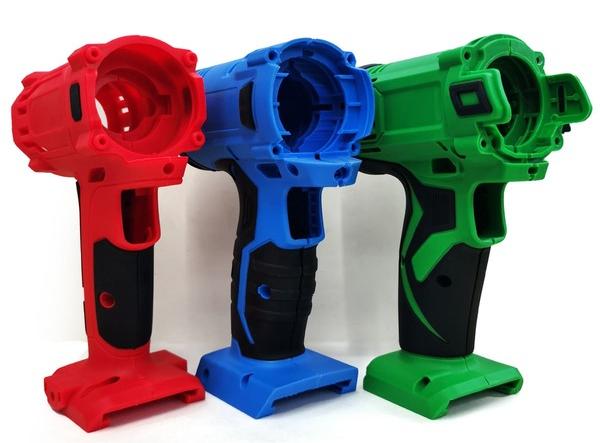
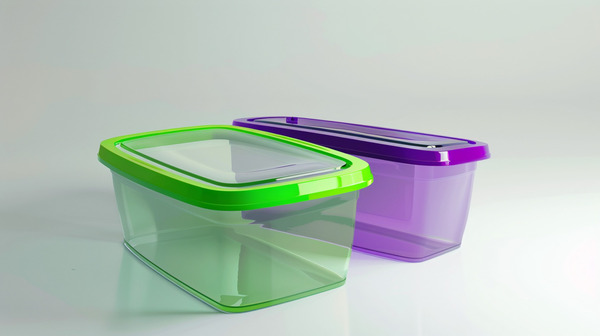
- Lo stampaggio a iniezione fonde granuli termoplastici, inietta il fuso in uno stampo chiuso, raffredda il pezzo ed espelle un componente plastico finito.
- Il processo è particolarmente adatto a pezzi plastici 3D ripetibili con dimensioni controllate, finitura superficiale, nervature, colonnine, clip e caratteristiche complesse.
- I quattro controlli pratici riguardano progettazione dello stampo, scelta del materiale, temperatura del fuso e dello stampo ed equilibrio del tempo ciclo.
- La maggior parte dei fallimenti di progetto deriva da un DFM carente, una disposizione inadeguata del raffreddamento, un grado di resina errato o aspettative di tolleranza irrealistiche.
- Un acquirente deve valutare lo stampaggio a iniezione in base a geometria della parte, volume annuo, budget delle attrezzature, rischio del materiale e requisiti qualitativi.
Che cos’è lo stampaggio a iniezione?
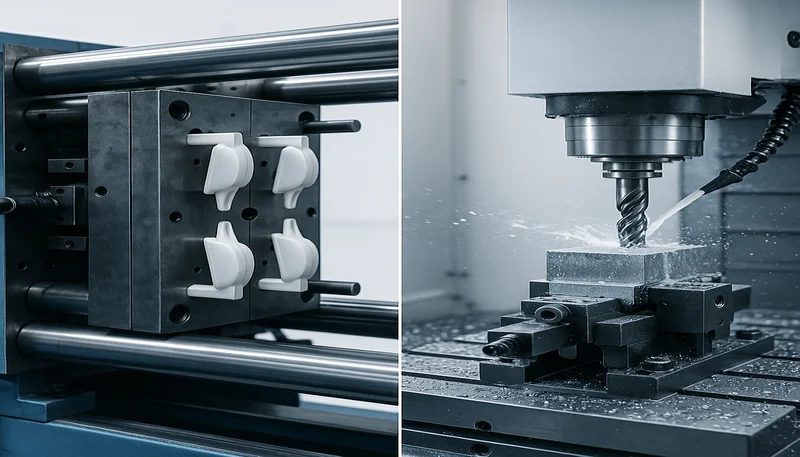
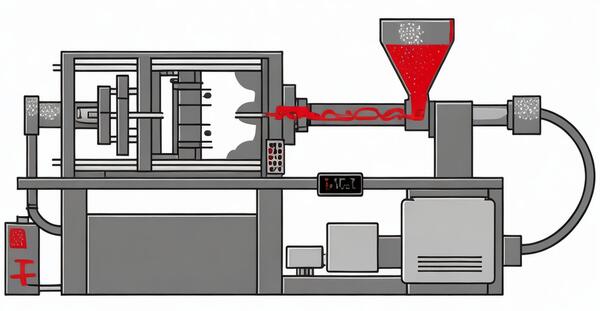
Lo stampaggio a iniezione1 è un processo produttivo che trasforma la plastica fusa in parti 3D ripetibili all’interno di uno stampo chiuso. I granuli di plastica vengono riscaldati in un cilindro, spinti in avanti da una vite, iniettati in una cavità, raffreddati in condizioni controllate ed espulsi come componenti finiti.
Per una panoramica completa del processo, consultate la nostra guida completa allo stampaggio a iniezione. Questa pagina ne illustra la sequenza operativa in modo chiaro, affinché ingegneri, acquirenti e fondatori possano decidere se un componente debba essere stampato, riprogettato, prototipato o realizzato con un altro processo.
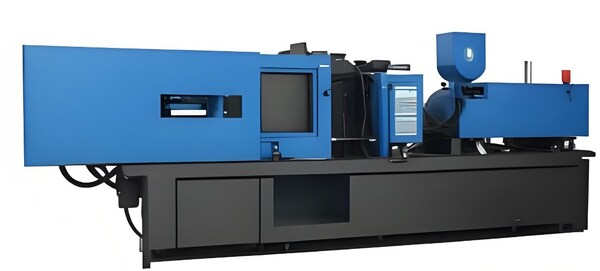
Nella nostra fabbrica di Shanghai, ZetarMold utilizza 47 presse a iniezione da 90T a 1850T. Prima di consigliare l'attrezzatura di produzione, i nostri ingegneri esaminano spessore delle pareti, posizione del punto di iniezione, flusso del materiale, configurazione del raffreddamento e volume annuo.
Lo stampaggio a iniezione non è una semplice operazione della macchina. È un sistema controllato che collega la progettazione del pezzo, il comportamento della resina, l’acciaio dello stampo, il raffreddamento, la ripetibilità della pressa e l’ispezione. Se uno di questi elementi è inadeguato, il pezzo stampato può presentare bave, segni di risucchio, riempimenti incompleti, deformazioni o instabilità dimensionali.
Come funziona lo stampaggio a iniezione, fase per fase?
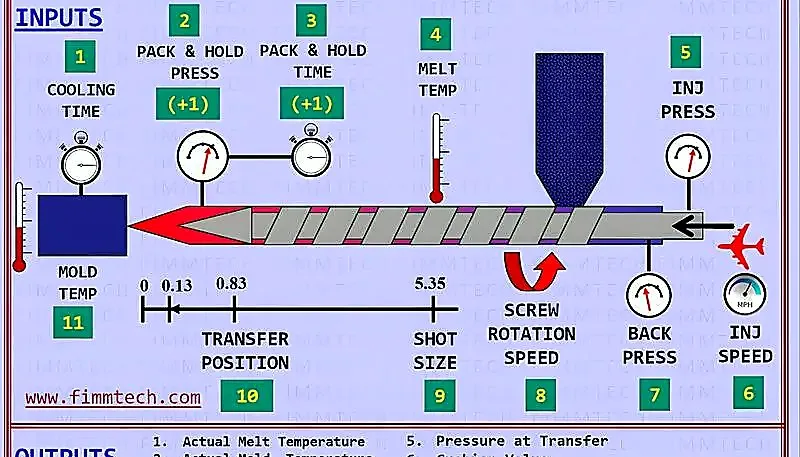
Lo stampaggio a iniezione è un ciclo ripetibile: si chiude lo stampo, si inietta il materiale fuso, si mantiene la pressione, si raffredda la plastica, si apre lo stampo e si espelle il pezzo. Ogni ciclo può durare pochi secondi per un piccolo pezzo a parete sottile o più di un minuto per un componente tecnico di elevato spessore.
La macchina chiude anzitutto lo stampo con una forza sufficiente a contrastare la pressione di iniezione. I granuli entrano nel cilindro riscaldato, dove la vite rotante fonde e miscela il materiale. La pressa a iniezione a vite spinge quindi una dose misurata attraverso ugello, materozza, canale e punto di iniezione fino alla cavità.
Durante compattazione e mantenimento, una pressione aggiuntiva compensa il ritiro della plastica mentre il materiale si raffredda. I canali di raffreddamento sottraggono calore allo stampo affinché il pezzo diventi abbastanza rigido da essere espulso. Se il raffreddamento non è uniforme, il pezzo può deformarsi anche quando la forma della cavità è corretta.
"Lo stampaggio a iniezione è un processo ciclico, non continuo."True
Un pezzo stampato viene prodotto in cicli successivi. Lo stampo si chiude, si riempie, mantiene la pressione, raffredda, si apre ed espelle il pezzo prima del ciclo seguente. È diverso dall'estrusione, che spinge continuamente il materiale attraverso una filiera.
"Lo stampo conferisce soltanto la forma al componente; le impostazioni di processo non sono importanti."False
La geometria dello stampo è importante, ma anche temperatura del fuso, velocità di iniezione, pressione di mantenimento, tempo di raffreddamento ed essiccazione del materiale determinano la qualità finale. Anche un buon stampo può produrre pezzi difettosi se la finestra di processo è instabile.
Il componente espulso viene quindi ispezionato, rifilato se necessario e imballato o inviato alle lavorazioni secondarie. I migliori piani di produzione definiscono il tempo di ciclo accettabile, i punti di ispezione e gli standard estetici prima dell’avvio della costruzione dello stampo, non dopo la comparsa dei difetti.
Una finestra di processo stabile si costruisce durante la campionatura, regolando velocità, commutazione, pressione e tempo di mantenimento, temperature e raffreddamento finché il pezzo è completo e privo di bave, bruciature, tensioni o dimensioni inaccettabili. Documentata la finestra, gli operatori possono ripetere le impostazioni e riconoscere le derive.
Per gli acquirenti, l’insegnamento importante è semplice: stampo e macchina devono essere valutati insieme. Un componente può risultare difettoso perché lo stampo ha uno sfiato inadeguato, ma anche perché la pressa a iniezione scelta presenta un volume di iniezione errato, una capacità di plastificazione insufficiente o un controllo instabile della temperatura. I buoni fornitori verificano entrambi gli aspetti prima di proporre un piano di produzione.
Quali pezzi sono più adatti allo stampaggio a iniezione?
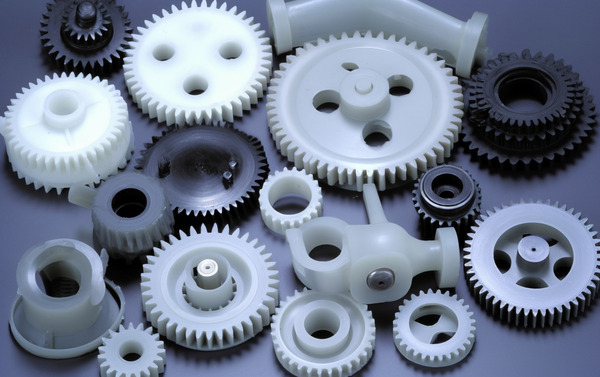
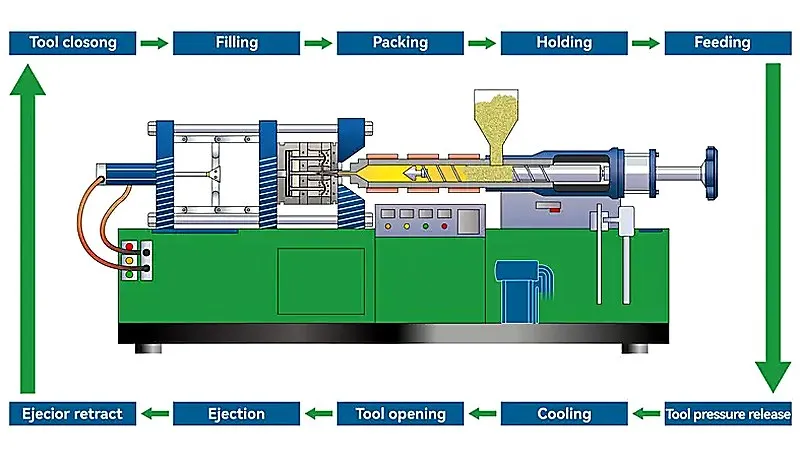
I pezzi più adatti allo stampaggio a iniezione sono componenti in plastica ripetibili, con geometria 3D, sezioni di parete uniformi e volumi sufficienti a giustificare le attrezzature. Alloggiamenti, staffe, tappi, connettori, ingranaggi, componenti per dispositivi medici e clip automobilistiche sono esempi comuni.
Lo stampaggio a iniezione è efficace quando il pezzo richiede nervature integrate, colonnine, incastri a scatto, filettature, inserti, cerniere integrate o superfici estetiche. È meno adatto quando il pezzo è molto lungo, presenta soltanto una sezione trasversale costante oppure cambia frequentemente nelle prime fasi dello sviluppo del prodotto.
La geometria del pezzo deve rispettare le regole di stampaggio. Lo spessore delle pareti deve essere il più uniforme possibile, le nervature non troppo spesse, gli spigoli interni raccordati e gli angoli di sformo adeguati. Queste regole riducono risucchi, tensioni, segni di trascinamento e danni da espulsione.
Per le decisioni specifiche sulle attrezzature, confrontate il vostro progetto con la guida completa agli stampi a iniezione. La guida approfondisce struttura dello stampo, scelta dei punti di iniezione, progettazione del raffreddamento, disposizione degli espulsori e compromessi relativi alle attrezzature.
Quali materiali possono essere stampati a iniezione?
I materiali migliori sono gradi termoplastici2 compatibili con i requisiti di resistenza meccanica e termica, esposizione chimica, aspetto e conformità del componente. La maggior parte delle famiglie termoplastiche può essere stampata a iniezione se il grado viene scelto in base alla resistenza richiesta, alla temperatura, agli agenti chimici, al colore e alle norme applicabili. Le opzioni comuni includono ABS, PP, PE, PC, PA, POM, PMMA, TPU, PEEK e miscele tecniche ritardanti di fiamma.
La scelta del materiale influisce sulla progettazione dell’attrezzatura. Una resina ad alto ritiro richiede una compensazione della cavità diversa da una resina a basso ritiro. Un grado caricato con fibra di vetro può richiedere superfici più resistenti e una migliore ventilazione. Un pezzo trasparente richiede lucidatura, controllo del flusso e posizionamento del punto di iniezione più rigorosi rispetto a una staffa strutturale nascosta.
I materiali sensibili all’umidità, come nylon, PC, PBT e PET, devono essere essiccati correttamente prima dello stampaggio. Se si trascura l’essiccazione, i pezzi stampati possono presentare bolle, striature argentate, resistenza inferiore o dimensioni instabili. La preparazione del materiale è quindi parte integrante del processo, non un dettaglio separato.
In che modo costi, attrezzature e tempo ciclo incidono sulla decisione?
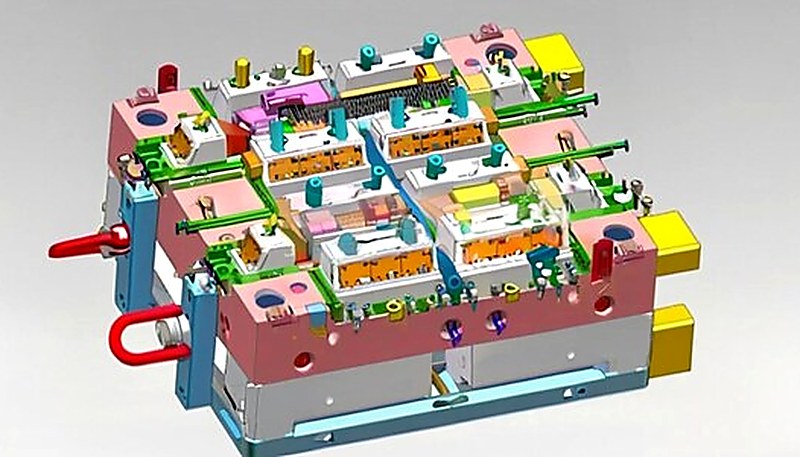
La valutazione dei costi dipende dall’investimento nelle attrezzature, dal volume dei componenti, dal prezzo del materiale, dal tonnellaggio della macchina e dai tempi di produzione dello stampaggio a iniezione. Le attrezzature possono essere costose, ma garantiscono ripetibilità quando occorre produrre lo stesso componente migliaia o milioni di volte.
Il tempo ciclo conta perché ogni secondo si ripete per l’intero lotto produttivo. Un risparmio di 5 secondi può sembrare minimo durante una prova, ma può modificare capacità annua e costo unitario quando lo stampo lavora ogni giorno. Il raffreddamento occupa spesso la maggior parte del ciclo, quindi la disposizione dei circuiti di raffreddamento va valutata fin dalle prime fasi di progettazione.
"Il tempo di raffreddamento determina spesso l'economia dello stampaggio a iniezione."True
Per molti pezzi, il raffreddamento richiede più tempo dell'iniezione e dell'espulsione. Una migliore progettazione del raffreddamento può ridurre il tempo di ciclo, stabilizzare le dimensioni e abbassare il costo unitario.
"Il preventivo stampo più basso corrisponde di solito al costo totale più basso."False
Uno stampo economico può diventare costoso se causa bava, durata ridotta, cicli lenti, raffreddamento insufficiente, riparazioni frequenti o molti scarti. Il costo totale deve includere durata dello stampo, tempo ciclo, manutenzione e rischio qualità.
Prima di approvare l’acciaio dello stampo, gli acquirenti dovrebbero richiedere un’analisi DFM. La revisione deve evidenziare sottosquadri, rischi legati allo spessore delle pareti, segni estetici dei punti di iniezione, conflitti tra tolleranze, ritiro nello stampo3 e rischi di espulsione. Il ritiro va stimato prima di iniziare la lavorazione dell’acciaio. Per un contesto più ampio, Britannica descrive lo stampaggio a iniezione come una tecnica produttiva4.
A quali problemi di qualità devono prestare attenzione gli acquirenti?
Problemi di qualità comuni sono short shots, flash, sink marks, weld lines, burn marks, warpage, variazione di colore e parti brittle. Molti di questi problemi possono essere tracciati a design della parte, design dello stampo, preparazione della resina o controllo del processo.
Short shots avvengono quando la cavità non si riempie completamente. Flash appare quando la plastica scappa alla linea di separazione o intorno agli inserti. Sink marks generalmente arrivano da sezioni thick che si raffreddano lentamente. Warpage è causato da ritiro non uniforme, raffreddamento non bilanciato o stress interno.
L’inspection dovrebbe corrispondere alla funzione della parte. Un bracket nascosto potrebbe necessitare controlli dimensionali e di forza, mentre un cover visibile potrebbe necessitare richieste più strette di colore, lucentezza, texture e graffi. Una parte medical o elettronica potrebbe anche necessitare tracciabilità, packaging controllato e certificati del materiale.
Per la preparazione della RFQ, inviare un file 3D, un disegno 2D, la resina target, il volume annuale, la richiesta di finitura superficiale, la richiesta di colore, note sulle tolleranze e l’ambiente di utilizzo previsto. Se uno di questi input manca, il fornitore deve supporre, e le supposizioni creano rischio di costo e qualità.
Un piano di inspection pratico dovrebbe separare dimensioni critiche, dimensioni funzionali, superfici cosmetiche e aree non critiche. Questo previene over-inspection su feature semplici mentre mantiene un controllo stretto su snap fits, facce di sealing, hole di assemblaggio e superfici visibili. Per ordini ripetuti, il stesso piano aiuta anche a comparare nuovi batch di produzione contro il sample approvato invece di affidarsi alla memoria.
La documentazione è importante quanto il primo sample. Mantieni la grade del materiale approvato, lo standard di colore, la revisione del disegno, la data di approvazione del sample, il metodo di misurazione e la richiesta di packaging in un posto. Quando un stampo è riparato o spostato su un altro press, questi record riducono il rischio di drift silenzioso del processo e rendono l’analisi root-cause più veloce.

Cosa devono fare gli acquirenti prima di avviare la costruzione di uno stampo?
Il miglior passo successivo è confermare che la geometria della parte, la resina, le tolleranze, la finitura superficiale e il volume di produzione siano allineati prima che inizi la costruzione dello stampo. Se questi input sono stabili, lo stampaggio a iniezione può fornire qualità ripetibile su larga scala. Se questi input sono ancora in cambiamento, un prototipo dello stampo o iterazioni di design possono essere più sicuri.
Usa la fase iniziale della RFQ per richiedere feedback sui rischi, non solo un prezzo. Un fornitore utile dovrebbe spiegare i problemi dello spessore delle pareti, le opzioni degli ingressi, la posizione della linea di separazione, le preoccupazioni sull’estrazione, la strategia di raffreddamento, la timeline del sample e il piano di inspection. Questa discussione è spesso più preziosa che una quotazione rapida senza dettagli ingegneristici.
Se stai preparando una nuova parte plastica, ZetarMold può revisionare il tuo file 3D, la resina target, il volume annuale e le richieste di qualità, poi suggerire un percorso pratico per lo stampo e lo stampaggio. Richiedi una quotazione con disegni e volumi previsti così il team ingegneristico può rispondere con note DFM, driver di costo e timing di produzione.
Prima di impegnarsi con lo stampo, decidere anche come saranno gestite le future modifiche ingegneristiche. Piccole modifiche al spessore delle pareti, nervature, clip o boss per viti possono influenzare il flusso, il ritiro, il raffreddamento e l’estrazione. Un processo di revisione chiaro aiuta il fornitore a proteggere il sample approvato, quotare i costi delle modifiche in modo trasparente e evitare di mescolare vecchie e nuove richieste durante la produzione. Questo mantiene anche purchasing, engineering e quality teams allineati quando il progetto passa dall’approvazione del sample alla produzione ripetuta senza confusione.
Domande frequenti
Lo stampaggio ad iniezione è solo per la produzione di grandi volumi?
No. Lo stampaggio a iniezione è più economico per volumi medi e alti, ma anche gli stampi per prototipi e bassi volumi possono avere senso quando il componente richiede materiale di qualità produttiva, geometria precisa o test funzionali realistici.
Quanto dura un ciclo di stampaggio a iniezione?
Un ciclo tipico può variare da meno di 10 secondi a più di 60 secondi. Il tempo preciso dipende dalla spessore della parte, dalla resina, dal design di raffreddamento, dalla dimensione della macchina, dal metodo di estrazione e dalle requisiti di qualità.
Qual è il costo maggiore nello stampaggio a iniezione?
Lo stampo è solitamente il costo iniziale più elevato. Durante la vita del prodotto, anche il costo del materiale, il tempo di ciclo, il tasso di scarto, la potenza della pressa, la manodopera, l’ispezione e la manutenzione influiscono sul costo totale.
È possibile che uno stampo produca più parti contemporaneamente?
Sì. Uno stampo a più cavità può produrre diverse parti identiche per ciclo, mentre uno stampo familiare può produrre parti correlate. Il progetto deve mantenere equilibrati il riempimento, il raffreddamento e l’espulsione.
Quali file sono necessari per un preventivo di stampaggio a iniezione?
Un fornitore normalmente necessita di un file CAD 3D, un disegno 2D, i requisiti del materiale, il volume annuale, la finitura superficiale, il colore, le note di tolleranza e qualsiasi requisito di assemblaggio o test.
Come ridurre i difetti nella stampa a iniezione?
Comincia con la DFM, mantieni una consistenza uniforme dello spessore delle pareti, scegli la resina appropriata, progetta ingressi e sistemi di raffreddamento bilanciati, asciuga i materiali sensibili all’umidità e valida il processo durante la fase di sampling.
Stampaggio a iniezione: processo produttivo ciclico che inietta plastica fusa nella cavità di uno stampo chiuso per ottenere parti 3D ripetibili. ↩
Termoplastico: polimero che si ammorbidisce quando viene riscaldato e si indurisce raffreddandosi, consentendo lavorazioni ripetute in condizioni controllate. ↩
Ritiro nello stampo: riduzione dimensionale che si verifica quando la plastica fusa si raffredda e solidifica all'interno dello stampo o dopo esserne uscita. ↩
Tecnica produttiva: metodo di produzione scelto in funzione della ripetibilità, del comportamento del materiale e della geometria del componente, anziché per realizzare un unico prototipo. ↩