- technika wytwarzania
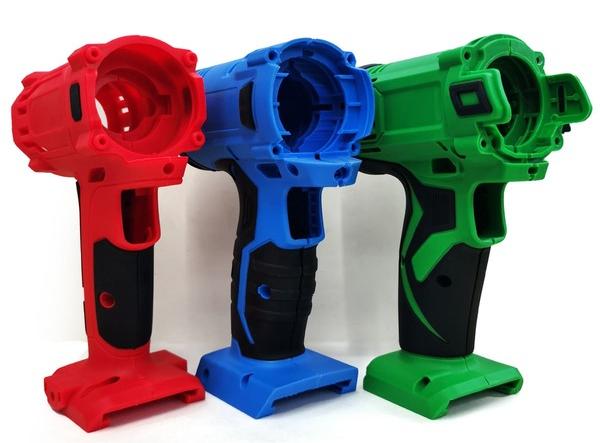
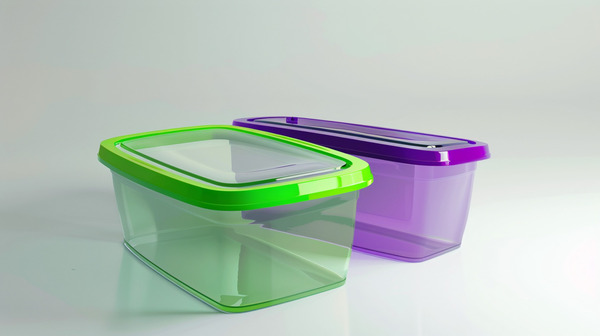
- Proces najlepiej nadaje się do powtarzalnych trójwymiarowych części z tworzywa o kontrolowanych wymiarach i wykończeniu powierzchni, zawierających żebra, tuleje montażowe, zaczepy i złożone elementy.
- Cztery praktyczne obszary kontroli to konstrukcja formy, dobór materiału, temperatura stopu i formy oraz równowaga czasu cyklu.
- Większość niepowodzeń projektów wynika ze słabej analizy DFM, niewłaściwego układu chłodzenia, błędnie dobranego gatunku żywicy lub nierealistycznych wymagań tolerancji.
- Nabywca powinien oceniać formowanie wtryskowe według geometrii detalu, rocznego wolumenu, budżetu na oprzyrządowanie, ryzyka materiałowego i wymagań jakościowych.
Czym jest formowanie wtryskowe?
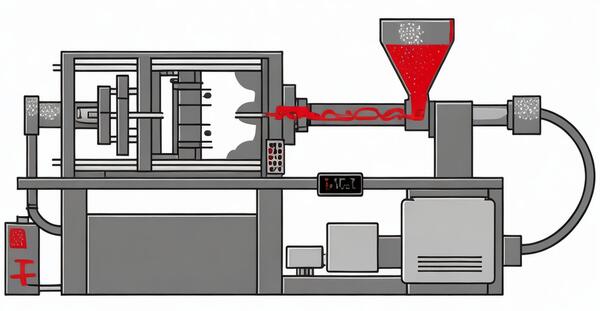
Formowanie wtryskowe1 to proces produkcyjny, w którym stopione tworzywo przekształca się w powtarzalne części 3D wewnątrz zamkniętej formy. Granulat jest ogrzewany w cylindrze, przesuwany ślimakiem, wtryskiwany do gniazda, chłodzony w kontrolowanych warunkach i wypychany jako gotowy komponent.
Pełne podstawy procesu przedstawia nasz kompletny przewodnik po formowaniu wtryskowym. Na tej stronie prostym językiem opisujemy przebieg procesu, aby inżynierowie, kupujący i założyciele firm mogli zdecydować, czy część należy formować, przeprojektować, wykonać jako prototyp czy wyprodukować inną metodą.
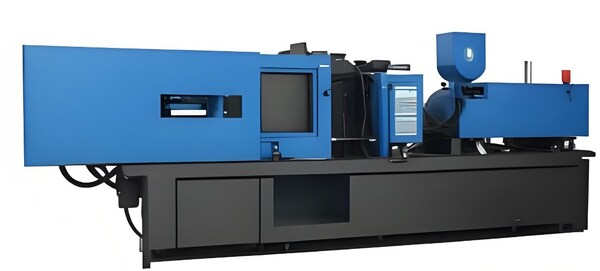
Fabryka ZetarMold w Szanghaju eksploatuje 47 wtryskarek o sile od 90 do 1850 ton. Przed zaleceniem oprzyrządowania produkcyjnego nasi inżynierowie analizują grubość ścianek, położenie przewężki, przepływ materiału, układ chłodzenia i roczną wielkość produkcji.
Formowanie wtryskowe nie jest tylko działaniem maszyny. To kontrolowany system łączący konstrukcję części, zachowanie żywicy, stal narzędziową, chłodzenie, powtarzalność maszyny i kontrolę. Jeśli jeden z tych elementów jest słaby, na formowanej części mogą wystąpić wypływki, zapadnięcia, niedolewy, wypaczenia lub niestabilne wymiary.
Jak przebiega formowanie wtryskowe krok po kroku?
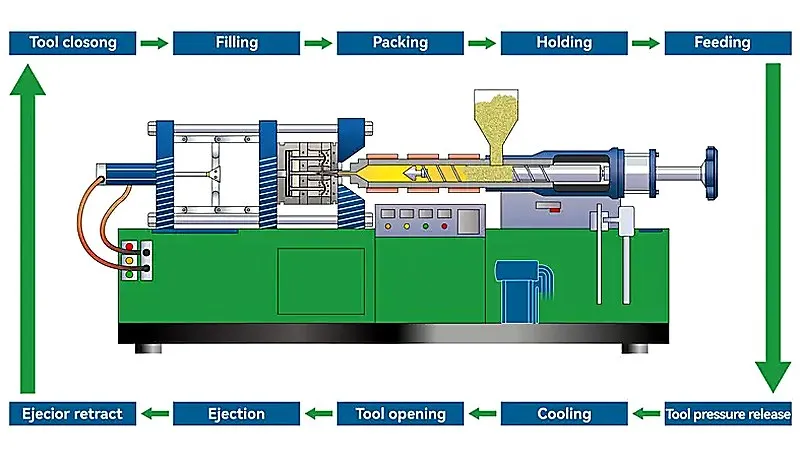
Formowanie wtryskowe jest powtarzalnym cyklem: zamknięcie formy, wtrysk stopionego tworzywa, docisk, chłodzenie tworzywa, otwarcie formy i wypchnięcie części. Cykl może trwać kilka sekund w przypadku małej części cienkościennej albo ponad minutę w przypadku grubego elementu konstrukcyjnego.
Maszyna najpierw zamyka formę z siłą wystarczającą do przeciwstawienia się ciśnieniu wtrysku. Granulat trafia do ogrzewanego cylindra, gdzie obracający się ślimak topi i miesza materiał. Następnie wtryskarka ślimakowa wtłacza odmierzoną porcję przez dyszę, kanał główny, kanały doprowadzające i przewężkę do gniazda.
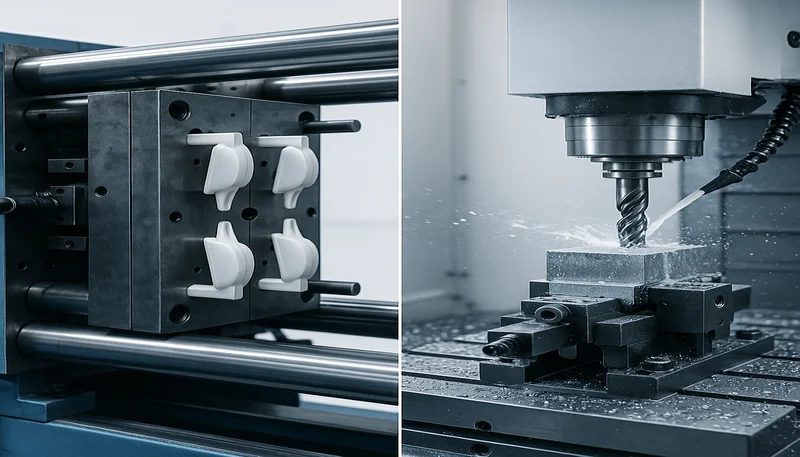
Podczas docisku i podtrzymania dodatkowe ciśnienie kompensuje skurcz tworzywa w trakcie chłodzenia. Kanały chłodzące odbierają ciepło z formy, aby część stała się wystarczająco sztywna do wypchnięcia. Jeśli chłodzenie jest nierównomierne, część może się wypaczyć nawet przy prawidłowym kształcie gniazda.
"Wtryskiwanie jest procesem cyklicznym, a nie ciągłym."True
Część formowana powstaje wtrysk po wtrysku. Przed rozpoczęciem kolejnego cyklu forma zamyka się, napełnia, dociska, chłodzi, otwiera i wypycha część. Różni się to od wytłaczania, w którym materiał jest stale przepychany przez głowicę.
"Forma jedynie nadaje detalowi kształt; ustawienia procesu nie mają znaczenia."False
Geometria formy ma znaczenie, lecz o końcowej jakości decydują również temperatura stopionego tworzywa, prędkość wtrysku, ciśnienie docisku, czas chłodzenia i suszenie materiału. Nawet dobra forma może wytwarzać wadliwe części, jeśli okno procesowe jest niestabilne.
Wypchnięta część jest następnie kontrolowana, w razie potrzeby okrawana, a potem pakowana lub przekazywana do operacji wtórnych. Najlepsze plany produkcji określają dopuszczalny czas cyklu, punkty kontroli i standardy wyglądu przed rozpoczęciem wykonywania oprzyrządowania, a nie po pojawieniu się wad.
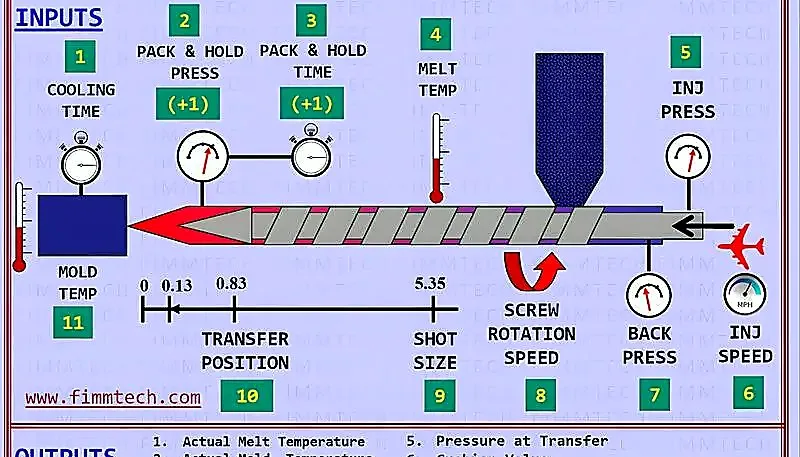
Stabilne okno procesowe ustala się zwykle podczas prób. Zespół reguluje prędkość napełniania, pozycję przełączenia, ciśnienie docisku, czas docisku, temperaturę cylindra, temperaturę formy i czas chłodzenia, aż część zostanie całkowicie wypełniona bez wypływki, przypaleń, nadmiernych naprężeń ani niedopuszczalnych odchyleń wymiarowych. Po udokumentowaniu tego okna operatorzy produkcji mogą powtarzać te same ustawienia i wiedzą, kiedy odchylenie procesu wymaga korekty.
Dla kupujących wniosek jest prosty: formę i maszynę trzeba oceniać łącznie. Część może być wadliwa z powodu niedostatecznego odpowietrzania narzędzia, ale również dlatego, że wybrana wtryskarka ma niewłaściwą objętość wtrysku, zbyt małą wydajność uplastyczniania lub niestabilną regulację temperatury. Dobry dostawca sprawdza oba obszary, zanim zaproponuje plan produkcji.
Jakie części najlepiej nadają się do formowania wtryskowego?
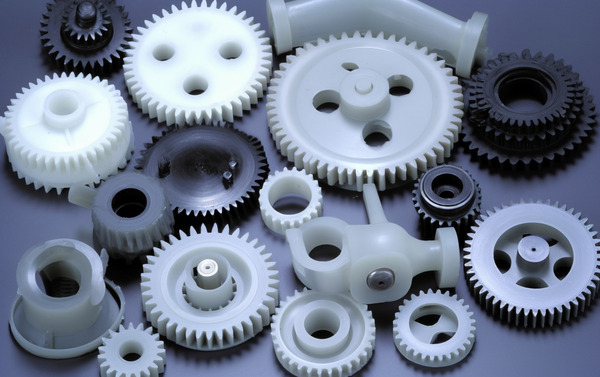
Najlepszymi wyrobami formowanymi wtryskowo są powtarzalne elementy z tworzywa o geometrii 3D, równomiernych przekrojach ścianek i wolumenie wystarczającym do uzasadnienia kosztu oprzyrządowania. Typowe przykłady to obudowy, wsporniki, nakrętki, złącza, koła zębate, części wyrobów medycznych i spinki samochodowe.
Formowanie wtryskowe sprawdza się, gdy część wymaga zintegrowanych żeber, występów, zatrzasków, gwintów, wkładek, zawiasów integralnych lub powierzchni kosmetycznych. Jest mniej odpowiednie, gdy część jest bardzo długa, ma stały przekrój albo często zmienia się na wczesnym etapie rozwoju produktu.
Geometria części musi uwzględniać zasady formowania. Grubość ścianek powinna być możliwie równomierna, żebra nie powinny być zbyt grube, ostre narożniki wewnętrzne należy zaokrąglić, a kąty pochylenia powinny umożliwiać wyjęcie części z formy. Zasady te ograniczają zapadnięcia, naprężenia, ślady tarcia i uszkodzenia podczas wypychania.
Przy podejmowaniu decyzji dotyczących oprzyrządowania porównaj projekt z kompletnym przewodnikiem po formach wtryskowych. Bardziej szczegółowo omawia on budowę formy, wybór przewężek, projekt chłodzenia, układ wypychaczy i kompromisy związane z oprzyrządowaniem.
Jakie materiały można formować wtryskowo?
Najlepsze są gatunki tworzyw termoplastycznych2 dopasowane do wymagań części dotyczących wytrzymałości, temperatury, chemikaliów, wyglądu i zgodności z przepisami. Większość rodzin termoplastów można formować wtryskowo, jeśli gatunek dobrano do wymaganej wytrzymałości, odporności cieplnej i chemicznej, koloru oraz wymogów prawnych. Popularne materiały to ABS, PP, PE, PC, PA, POM, PMMA, TPU, PEEK i trudnopalne mieszanki konstrukcyjne.
Dobór materiału wpływa na konstrukcję narzędzia. Tworzywo o wysokim skurczu wymaga innej kompensacji gniazda niż tworzywo o niskim skurczu. Gatunek wzmacniany włóknem szklanym może wymagać wytrzymalszych powierzchni narzędzia i lepszego odpowietrzania. Część przezroczysta wymaga dokładniejszego polerowania, kontroli przepływu i rozmieszczenia punktów wtrysku niż ukryty wspornik konstrukcyjny.
Materiały wrażliwe na wilgoć, takie jak nylon, PC, PBT i PET, muszą być prawidłowo wysuszone przed formowaniem. Pominięcie suszenia może powodować pęcherze, srebrne smugi, niższą wytrzymałość lub niestabilne wymiary wyprasek. Przygotowanie materiału jest zatem częścią procesu, a nie osobnym szczegółem.
Jak koszt, oprzyrządowanie i czas cyklu wpływają na decyzję?
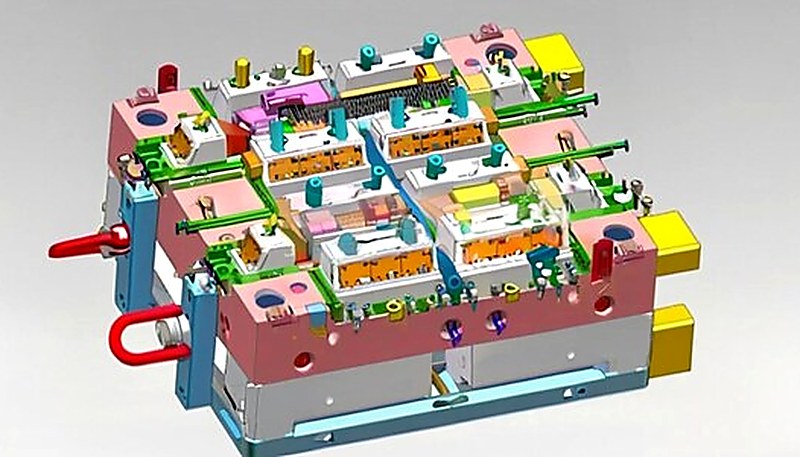
O kosztach decydują inwestycja w oprzyrządowanie, wielkość produkcji, cena materiału, tonaż maszyny i czas produkcji metodą formowania wtryskowego. Oprzyrządowanie może być drogie, ale zapewnia powtarzalność, gdy tę samą część trzeba wyprodukować w tysiącach lub milionach sztuk.
Czas cyklu ma znaczenie, ponieważ każda sekunda powtarza się w całej serii produkcyjnej. Oszczędność 5 sekund może wydawać się niewielka podczas próby, lecz może zmienić roczną zdolność produkcyjną i koszt jednostkowy, gdy forma pracuje codziennie. Chłodzenie często stanowi największą część cyklu, dlatego układ chłodzenia wymaga uwagi inżynieryjnej już na wczesnym etapie.
"Czas chłodzenia często decyduje o ekonomice formowania wtryskowego."True
W przypadku wielu detali chłodzenie trwa dłużej niż wtrysk i wypychanie. Lepsza konstrukcja chłodzenia może skrócić czas cyklu, ustabilizować wymiary i obniżyć koszt detalu.
"Najniższa oferta na formę zwykle oznacza najniższy koszt całkowity."False
Tania forma może okazać się droga, jeśli powoduje wypływki, ma krótką trwałość, wolne cykle, słabe chłodzenie, wymaga częstych napraw lub generuje dużo braków. Całkowity koszt powinien uwzględniać trwałość formy, czas cyklu, konserwację i ryzyko jakościowe.
Przed zatwierdzeniem stali narzędziowej kupujący powinni poprosić o analizę DFM. Powinna ona wskazać podcięcia, ryzyko związane z grubością ścianek, widoczne ślady przewężek, konflikty tolerancji, skurcz tworzywa i ryzyko podczas wypychania. W przypadku problemów wymiarowych skurcz formierski3 należy oszacować przed pierwszą obróbką stali. W szerszym kontekście procesu Britannica opisuje formowanie wtryskowe jako technikę produkcyjną4.
Na jakie problemy jakościowe powinni zwracać uwagę nabywcy?
Dowiedz się, jak działa wtrysk form, kiedy go stosować, kluczowe etapy maszyny i formy, wybór materiałów, ryzyka związane z jakością oraz wskazówki dotyczące RFQ od ZetarMold.
Niedolewy występują, gdy gniazdo nie zostaje całkowicie wypełnione. Wypływka powstaje, gdy tworzywo wydostaje się na linii podziału lub wokół wkładek. Zapadnięcia zwykle wynikają z grubych przekrojów, które stygną powoli. Paczenie jest spowodowane nierównomiernym skurczem, niezrównoważonym chłodzeniem lub naprężeniami wewnętrznymi.
Kontrola powinna odpowiadać funkcji detalu. Ukryty wspornik może wymagać kontroli wymiarów i wytrzymałości, natomiast widoczna pokrywa — bardziej rygorystycznych wymagań dotyczących koloru, połysku, tekstury i odporności na zarysowania. Detal medyczny lub elektroniczny może również wymagać identyfikowalności, kontrolowanego pakowania i certyfikatów materiałowych.
Przygotowując zapytanie ofertowe, prześlij plik 3D, rysunek 2D, docelową żywicę, roczną wielkość produkcji, wymagania dotyczące wykończenia powierzchni i koloru, uwagi dotyczące tolerancji oraz przewidywane środowisko użytkowania. Jeśli któregoś z tych danych brakuje, dostawca musi zgadywać, a takie założenia powodują ryzyko kosztowe i jakościowe.
Praktyczny plan kontroli powinien rozdzielać wymiary krytyczne, wymiary funkcjonalne, powierzchnie estetyczne i obszary niekrytyczne. Zapobiega to nadmiernej kontroli prostych cech, a jednocześnie utrzymuje ścisłą kontrolę zatrzasków, powierzchni uszczelniających, otworów montażowych i powierzchni widocznych. W przypadku zamówień powtarzalnych ten sam plan ułatwia również porównywanie nowych partii produkcyjnych z zatwierdzoną próbką zamiast polegania na pamięci.
Dokumentacja jest równie ważna jak pierwsza próbka. Zatwierdzony gatunek materiału, wzorzec koloru, rewizję rysunku, datę zatwierdzenia próbki, metodę pomiaru i wymagania dotyczące pakowania należy przechowywać w jednym miejscu. Gdy forma jest naprawiana lub przenoszona na inną prasę, zapisy te zmniejszają ryzyko niezauważonego dryfu procesu i przyspieszają analizę przyczyn źródłowych.
Co kupujący powinni zrobić przed rozpoczęciem budowy formy?
Najlepszym kolejnym krokiem jest potwierdzenie zgodności geometrii części, żywicy, tolerancji, wykończenia powierzchni i wolumenu produkcji przed rozpoczęciem wykonywania oprzyrządowania. Jeśli te dane są stabilne, formowanie wtryskowe może zapewnić powtarzalną jakość w dużej skali. Jeśli nadal się zmieniają, bezpieczniejsze może być oprzyrządowanie prototypowe lub kolejna iteracja projektu.
Wykorzystaj wczesny etap RFQ, aby poprosić nie tylko o cenę, lecz także o ocenę ryzyka. Kompetentny dostawca powinien omówić problemy z grubością ścianek, warianty punktów wtrysku, położenie linii podziału, kwestie wypychania, strategię chłodzenia, harmonogram próbek i plan kontroli. Taka rozmowa jest często cenniejsza niż szybka wycena pozbawiona szczegółów technicznych.
Jeśli przygotowujesz nową część z tworzywa sztucznego, ZetarMold może przeanalizować Twój plik 3D, docelową żywicę, roczną wielkość produkcji i wymagania jakościowe, a następnie zaproponować praktyczną ścieżkę wykonania oprzyrządowania i formowania. Poproś o wycenę, dołączając rysunki i oczekiwane wolumeny, aby zespół inżynierski mógł odpowiedzieć uwagami DFM, czynnikami kosztowymi i terminem produkcji.
Przed zatwierdzeniem wykonania formy stalowej ustal również sposób obsługi przyszłych zmian konstrukcyjnych. Niewielkie zmiany grubości ścianek, żeber, zatrzasków lub słupków śrubowych mogą wpływać na przepływ, skurcz, chłodzenie i wypychanie. Jasny proces wprowadzania rewizji pomaga dostawcy chronić zatwierdzoną próbkę, uczciwie wyceniać koszty zmian i unikać mieszania starych i nowych wymagań podczas produkcji. Utrzymuje też zgodność między zespołami zakupów, inżynierii i jakości, gdy projekt bez nieporozumień przechodzi od zatwierdzenia próbki do produkcji powtarzalnej.
Często zadawane pytania
Czy formowanie wtryskowe jest przeznaczone wyłącznie do produkcji wielkoseryjnej?
Nie. Formowanie wtryskowe jest najbardziej ekonomiczne przy średnich i dużych nakładach, ale prototypowe i niskonakładowe formy również mogą mieć sens, gdy część wymaga materiału produkcyjnego, dokładnej geometrii lub realistycznych testów funkcjonalnych.
Jak długo trwa cykl formowania wtryskowego?
Typiczny cykl może trwać od poniżej 10 sekund do ponad 60 sekund. Dokładny czas zależy od grubości części, żywicy, projektu chłodzenia, rozmiaru maszyny, metody wypychania i wymagań jakościowych.
Jaki jest największy koszt w formowaniu wtryskowym?
Forma jest zazwyczaj największym kosztem początkowym. W cyklu życia produktu koszt materiału, czas cyklu, wskaźnik odpadów, siła prasy, robocizna, kontrola i konserwacja również wpływają na całkowity koszt.
Czy jedna forma może wykonać wiele części jednocześnie?
Tak. Forma wielogniazdowa może produkować kilka identycznych części na cykl, a forma rodzinna może wytwarzać części pokrewne. Projekt musi zapewniać zrównoważone napełnianie, chłodzenie i wyrzucanie.
Jakie pliki są potrzebne do wyceny formowania wtryskowego?
Dostawca zazwyczaj potrzebuje pliku CAD 3D, rysunku 2D, wymagań materiałowych, rocznej wielkości produkcji, wykończenia powierzchni, koloru, not tolerancji oraz wszelkich wymagań dotyczących montażu lub testowania.
Jak zmniejszyć wady wtryskiwania?
Zacznij od DFM, utrzymuj jednakową grubość ścianek, wybierz odpowiednią żywicę, zaprojektuj zrównoważony układ przewężek i chłodzenia, susz materiały wrażliwe na wilgoć oraz zweryfikuj okno procesowe podczas prób.
Formowanie wtryskowe: cykliczny proces produkcyjny polegający na wtryskiwaniu stopionego tworzywa do zamkniętego gniazda formy w celu uzyskania powtarzalnych części 3D. ↩
Termoplast: polimer, który mięknie po podgrzaniu i twardnieje po schłodzeniu, dzięki czemu może być wielokrotnie przetwarzany w kontrolowanych warunkach. ↩
Skurcz formierski: zmniejszenie wymiarów zachodzące podczas chłodzenia i zestalania stopionego tworzywa wewnątrz formy lub po jego wyjęciu. ↩
Technika produkcyjna: metoda produkcji dobierana pod kątem powtarzalności, zachowania materiału i geometrii części, a nie jednorazowego wykonania prototypu. ↩