Wat is een spuitgietmatrijs precies en hoe werkt deze?
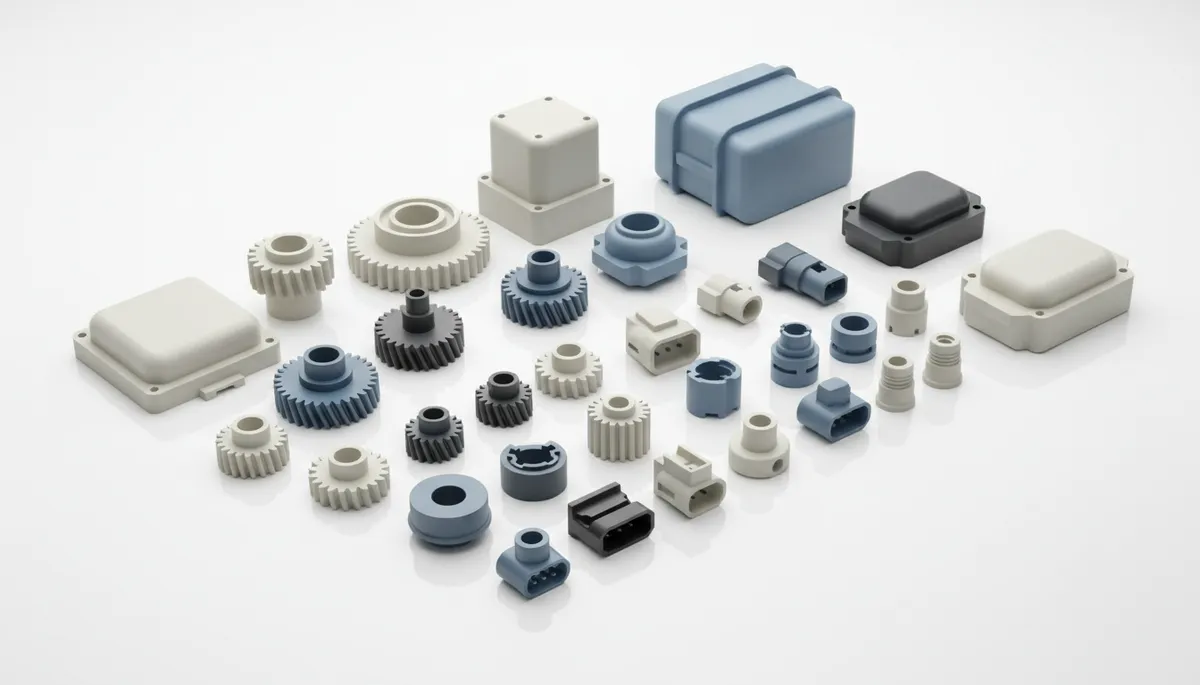
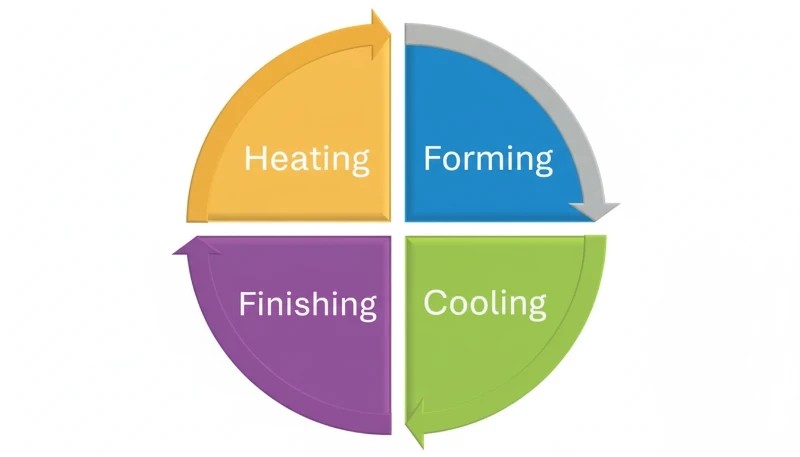
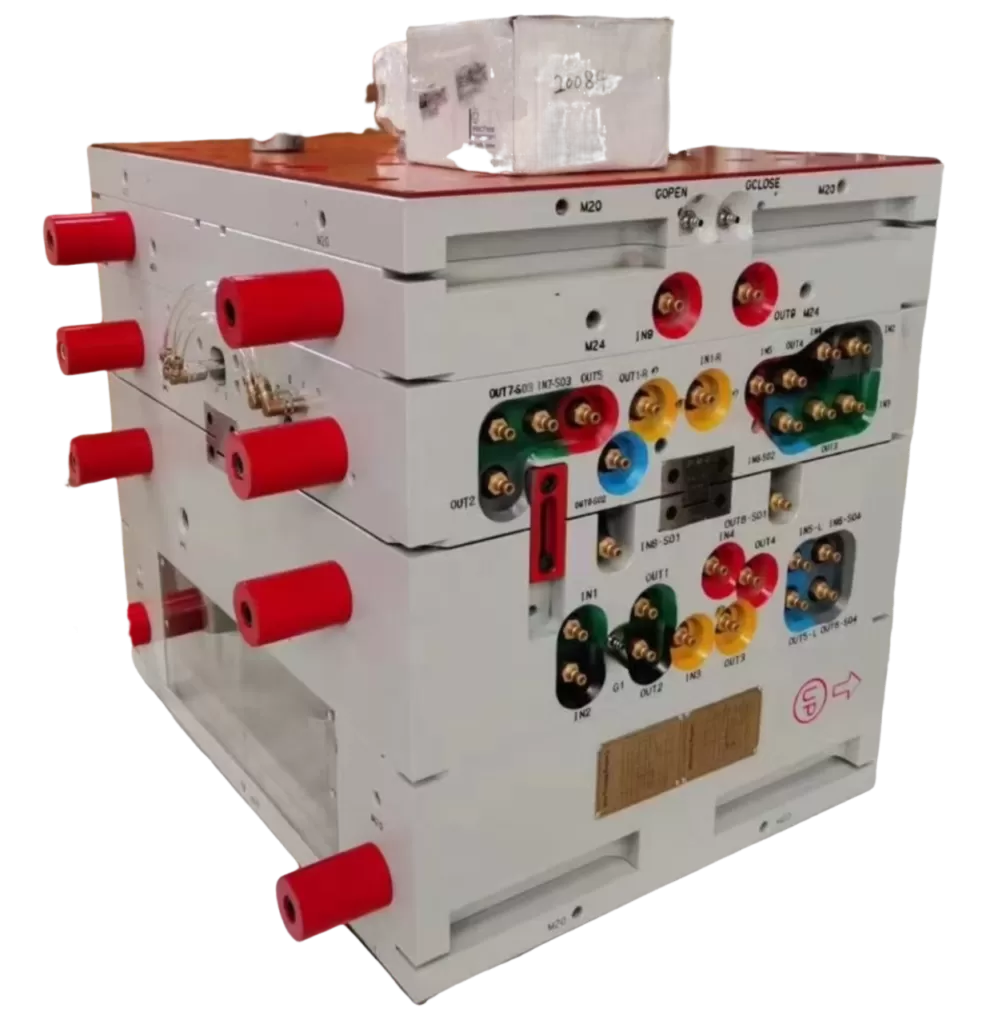
Een spuitgietmatrijs is een precisiegereedschap van staal of aluminium met gefreesde holtes die de vorm van een kunststof onderdeel bepalen. In onze fabriek omschrijven we het simpelweg: de matrijs is het hart van het spuitgieten. Gesmolten kunststof—verwarmd tot 200–320°C afhankelijk van het materiaal—wordt onder een druk van 700–1.400 bar in de gesloten matrijs geïnjecteerd. De koelkanalen van de matrijs verlagen de smelttemperatuur in seconden onder het stollingspunt van het materiaal, de matrijs opent, en uitwerppennen duwen het voltooide onderdeel vrij. De hele cyclus herhaalt zich in slechts 5 seconden voor dunwandige onderdelen of tot enkele minuten voor dikke structurele componenten.
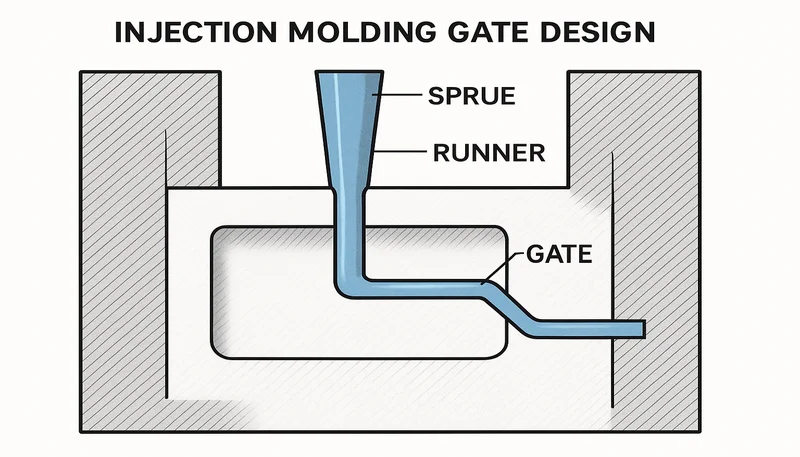
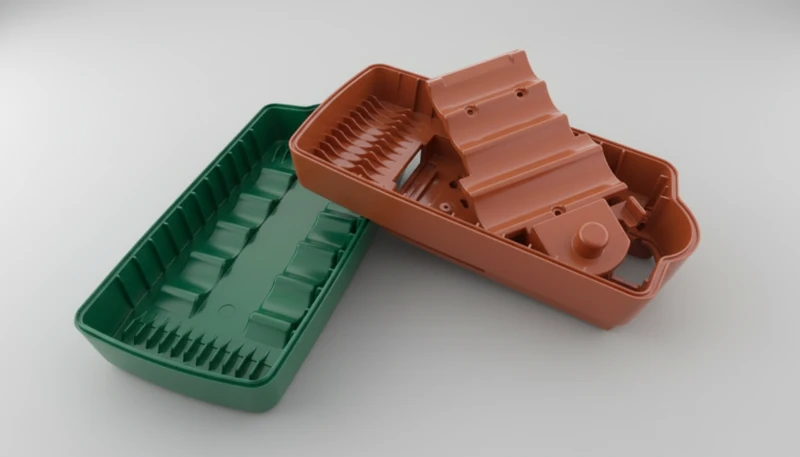
De matrijs zelf bestaat uit twee hoofdhelften: de holtezijde (A-plaat) en de kernzijde (B-plaat). Deze grijpen bij de deellijn in elkaar, die op de meeste vormdelen als een fijne naad zichtbaar is. Binnenin voert het runnersysteem kunststof van de machinenozzle via aanspuitkegels en runners naar de aanspuiting, het gecontroleerde ingangspunt van de holte. Ontluchtingen die 0,01–0,02 mm diep zijn bewerkt, laten ingesloten lucht ontsnappen zonder bramen te veroorzaken.
Wat zijn de belangrijkste typen spuitgietmatrijzen?
De belangrijkste typen spuitgietmatrijzen zijn tweeplatenmatrijzen, drieplatenmatrijzen, hotrunnermatrijzen, familiematrijzen en matrijzen met meerdere holten—elk geschikt voor andere productiebehoeften en onderdeelgeometrieën. In onze fabriek gebruiken we alle vijf typen dagelijks en de keuze van het juiste type is vaak de grootste afzonderlijke kostenbeslissing van een klant.
Tweeplatenmatrijzen zijn het werkpaard van de industrie. Ze splitsen langs één deelvlak in twee helften en zijn daardoor het eenvoudigst te ontwerpen, onderhouden en repareren. Wij gebruiken ze voor ongeveer 70% van onze projecten.
Drieplatenmatrijzen voegen een tweede deelvlak toe, waardoor de aanspuiting automatisch van het onderdeel wordt gescheiden. Zo kunnen ontwerpers de aanspuiting overal op het onderdeeloppervlak plaatsen, ideaal voor complexe geometrieën waarbij een zijaanspuiting een zichtbare afdruk zou achterlaten.
Hotrunnermatrijzen elimineren de koude aanspuiting volledig door de kunststof in de matrijs gesmolten te houden. Bij grote productieseries hebben we klanten 15–30% aan materiaalkosten bespaard door op hotrunners over te stappen, hoewel de initiële gereedschapskosten $8,000–$20,000 hoger liggen.
| Type matrijs | Typische meerkosten | Beste voor | Afval uit aanspuitkanalen |
|---|---|---|---|
| Tweeplatenmatrijs met koude runner | Uitgangswaarde | Algemene productie | 5–30 gewichtsprocent |
| Drieplaten-koudkanaalsysteem | +10–20% | Complexe positionering van aanspuitingen | 5–30 gewichtsprocent |
| Hete hardloper | +30–80% | Grote volumes, geen runnerafval | Vrijwel nul |
| Meerdere holten (8–32 holten) | +50–200% | Zeer grote volumes, hetzelfde onderdeel | Varieert |
| Familiematrijs | +20–40% | Meerdere verschillende onderdelen in één matrijs | Varieert |
"Een kostbaarder vorm produceert altijd beter onderdelen."False
De matrijskosten weerspiegelen de complexiteit en het aantal caviteiten, niet noodzakelijkerwijs de onderdeelkwaliteit. Een eenvoudige matrijs met één caviteit van $5.000, uitstekend staal en goed polijstwerk presteert altijd beter dan een slecht ontworpen matrijs met meerdere caviteiten van $50.000.
"Vormkwaliteit hangt af van designprecisie en staalselectie, niet alleen prijs."True
De belangrijkste kwaliteitsfactoren zijn goede ontluchting, uitgebalanceerde koelkanalen, correcte lossingshoeken en een staalhardheid die past bij het productievolume. Deze ontwerpbeslissingen zijn veel belangrijker dan de totale kosten.
Welke materialen worden gebruikt om spuitgietmatrijzen te maken?
Spuitgietmatrijzen worden hoofdzakelijk gemaakt van gereedschapsstaal—meestal P20, H13, S136 en NAK80—dat wordt geselecteerd op basis van het vereiste productievolume, het te verwerken kunststofmateriaal en de eisen aan de oppervlakteafwerking. Onze ervaring leert dat de verkeerde staalsoort kiezen een van de meest voorkomende en kostbaarste fouten bij de inkoop van matrijzen is.
P20 (voorveredeld staal, 28–32 HRC) is wereldwijd het meest gebruikte materiaal voor matrijsbases. Het is gemakkelijk te verspanen, kan goed tot de SPI B-2-norm worden gepolijst en doorstaat met de meeste standaardkunststoffen zoals ABS, PP en PE tot 500,000 cycli. Wij adviseren P20 voor de meeste productiematrijzen in het bereik van 50,000–500,000 cycli.
H13 (warmwerkstaal, 44–48 HRC na warmtebehandeling) presteert uitstekend met abrasieve harsen of harsen voor hoge temperaturen. Wanneer klanten glasvezelversterkt nylon of PC/ABS boven 300°C verwerken, specificeren wij H13-inzetstukken voor kern en matrijsholte. Bij goed onderhoud zijn 1–2 miljoen cycli haalbaar.
S136 (roestvast gereedschapsstaal) is onze standaardspecificatie voor medische, voedselcontact- en optische toepassingen. De corrosiebestendigheid voorkomt roest door uitgassing van PVC en behoudt spiegelgladde afwerkingen (SPI A-1 tot A-2) gedurende miljoenen cycli.
Voor prototypematrijzen die slechts 1.000–10.000 onderdelen hoeven te produceren, gebruiken we vaak aluminium 7075. Dit kan drie- tot vijfmaal sneller worden bewerkt dan staal, waardoor de doorlooptijd van een prototype daalt van 4 weken naar 1–2 weken, tegen 40–60% lagere kosten.
Hoe worden matrijskosten berekend en wat bepaalt de prijs?
De kosten van een spuitgietmatrijs worden berekend op basis van de complexiteit van het onderdeel, het aantal holten, de staalsoort, de oppervlakteafwerking en de vereiste toleranties—doorgaans van $3.000 voor eenvoudige prototypegereedschappen tot meer dan $150.000 voor complexe productiematrijzen. We offreren honderden matrijzen per jaar en hetzelfde onderdeel kan afhankelijk van de specificaties een factor drie in kosten verschillen.
De grootste kostenfactor is de bewerkingstijd. Het CNC-bewerken van complexe 3D-oppervlakken, het vonkeroderen van fijne details en het handmatig polijsten tot spiegelglans kunnen elk tientallen uren vergen. Een matrijs voor een eenvoudige vlakke afdekking kost in totaal misschien 80 bewerkingsuren; een complexe autostekker met schuiven en lifters kan meer dan 400 uur kosten.
De tweede belangrijke factor is het aantal matrijsholten. Een matrijs met 16 holten kost ongeveer 3–4× zoveel als een matrijs met één holte (niet 16×, omdat de matrijsbasis en de koel- en uitwerpsystemen worden gedeeld). Voor onderdelen waarvan jaarlijks meer dan 1 miljoen stuks nodig zijn, verdient een matrijs met meerdere holten zich snel terug dankzij lagere cyclustijden per stuk.
Toleranties en oppervlakteafwerking hebben eveneens grote invloed op de kosten. Een matrijs met een tolerantie van ±0.05 mm kost veel meer dan een met ±0.1 mm, niet omdat het doel moeilijker is, maar omdat de tijd voor inspectie, passing en handwerk sterk toeneemt. Spiegelgladde matrijsholten (SPI A-1) vereisen per holte 20–40 uur polijstwerk door ervaren vakmensen.
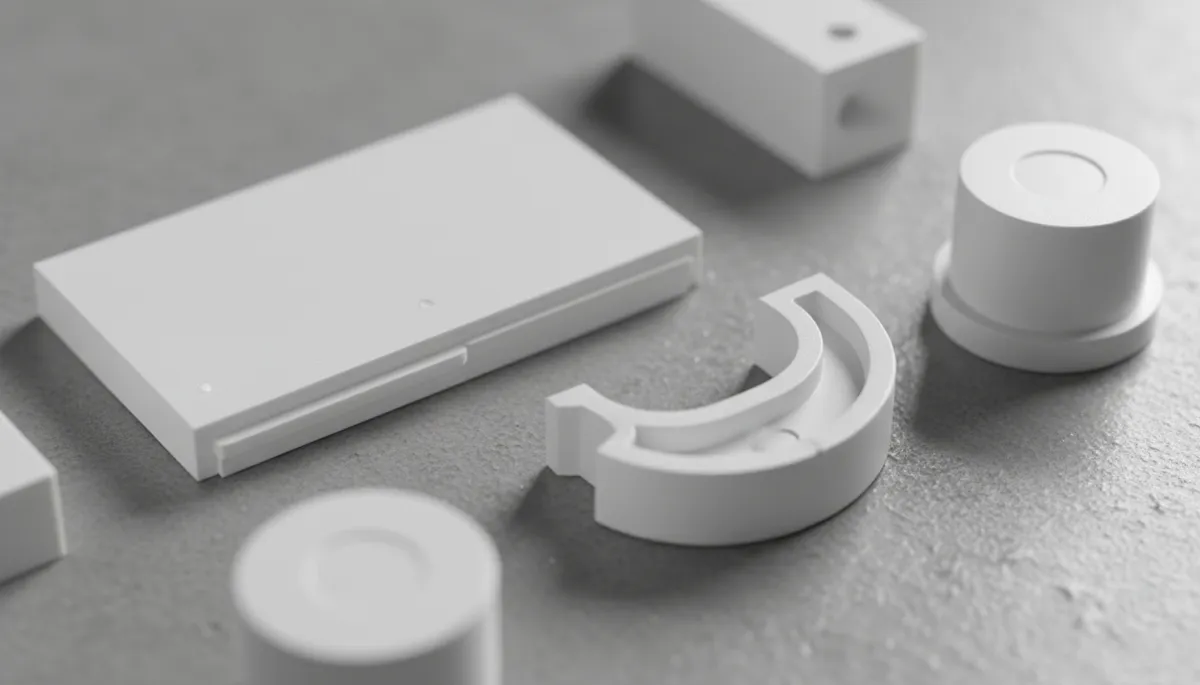
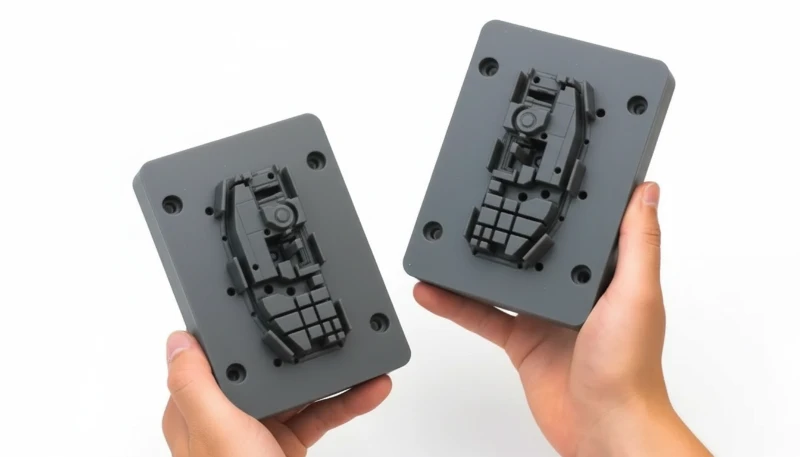
Diagram die laat zien hoe een spuitgietmatrijs werkt met holte, kern, runner en gate systeem
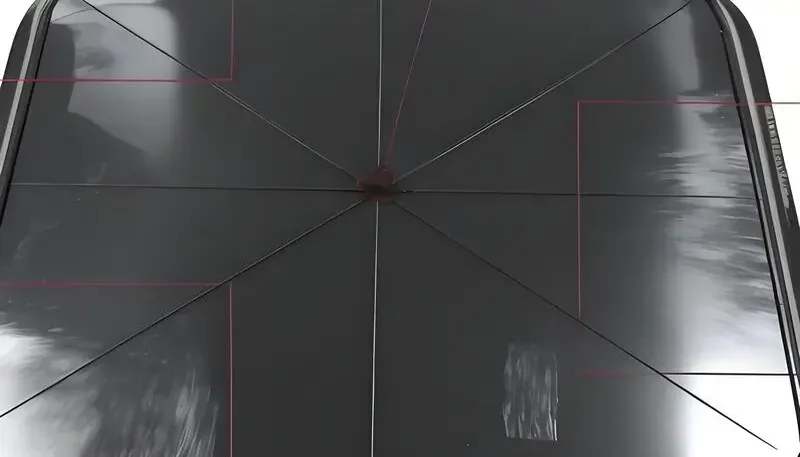
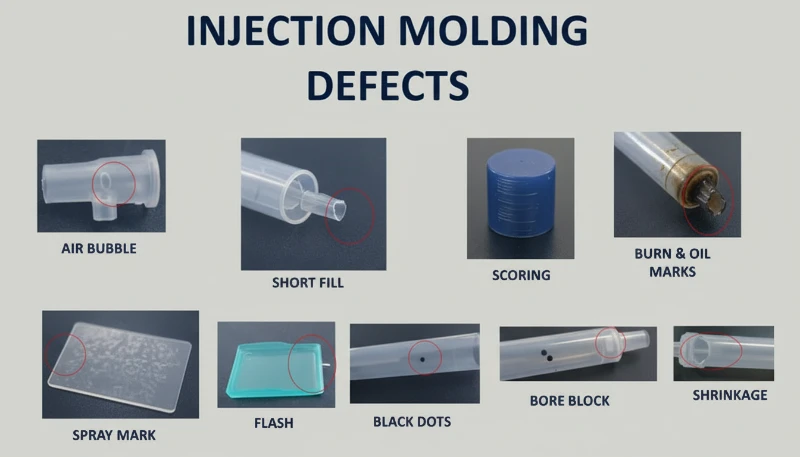
De meest voorkomende spuitgietdefecten zijn zinkplekken, vervorming, onvolledige injecties, uitsteeksels en laslijnen—allemaal kunnen ze doorgaans worden opgelost door procesparameters aan te passen, de matrijs aan te passen of het onderdeel te herontwerpen. In onze fabriek hebben we ontdekt dat meer dan 80% van de defecten voortkomt uit procesinstellingen in plaats van ontwerpfouten in de matrijs, wat goed nieuws is omdat procescorrecties sneller en goedkoper zijn dan gereedschapsaanpassingen.
Invalplekken verschijnen als verzakkingen in het oppervlak boven dikke delen. De hoofdoorzaak is een te grote wanddikte of onvoldoende krimpcompensatie1 in het matrijsontwerp. De meeste problemen met invalplekken lossen we op door de nadruk te verhogen (doorgaans 50–80% van de injectiedruk) en de nadruktijd met 0.5–2 seconden te verlengen.
Kromtrekken ontstaat door ongelijkmatige koeling, asymmetrische wanddikten of een niet-uniforme smelttemperatuur2 over het onderdeel. Een uitgebalanceerd ontwerp van de koelkanalen is de permanente oplossing; op korte termijn stellen we de matrijstemperatuur differentieel in en houden we de holle zijde warmer dan de bolle zijde om dit te compenseren.
Braam is een dunne kunststoflaag op het deelvlak, veroorzaakt door een te hoge injectiedruk, versleten matrijsoppervlakken of onvoldoende sluitkracht. We controleren de passing van het deelvlak op een vlakheid van 0.005 mm; als de matrijs in goede staat verkeert, duidt braam meestal op een injectiedruk die de sluitcapaciteit van de machine overschrijdt.
"Het verhogen van de injectiesnelheid lost altijd onvolledige injecties op."False
Onvolledige vulling wordt vaker veroorzaakt door onvoldoende ontluchting of geblokkeerde aanspuitingen dan door de injectiesnelheid. De snelheid blind verhogen kan brandplekken en straalvorming verergeren zonder het vulprobleem op te lossen.
"Het diagnosticeren van de oorzaak voordat procesparameters worden aangepast, voorkomt effectief onvolledige injecties."True
Een juiste diagnose — controle van ontluchtingsdiepte (moet 0.01–0.02 mm zijn), poortgrootte, smelttemperatuur en materiaalvocht — bepaalt vóór aanpassingen of de onvolledige vulling een gereedschaps-, proces- of materiaalprobleem is.
Hoe lang gaat een spuitgietmatrijs mee en hoe moet deze worden onderhouden?
Een goed onderhouden spuitgietmatrijs gaat doorgaans 500.000 tot 1.000.000 cycli mee voor P20-stalen matrijzen, 1–2 miljoen cycli voor H13-matrijzen en 5+ miljoen voor geharde S136- of 420SS-matrijzen. In onze fabriek hebben we matrijzen gezien die nog steeds sterk presteren bij 3 miljoen cycli—en andere die al na 50.000 cycli falen door slecht onderhoud. Het verschil is bijna volledig te wijten aan het onderhoudsprotocol.
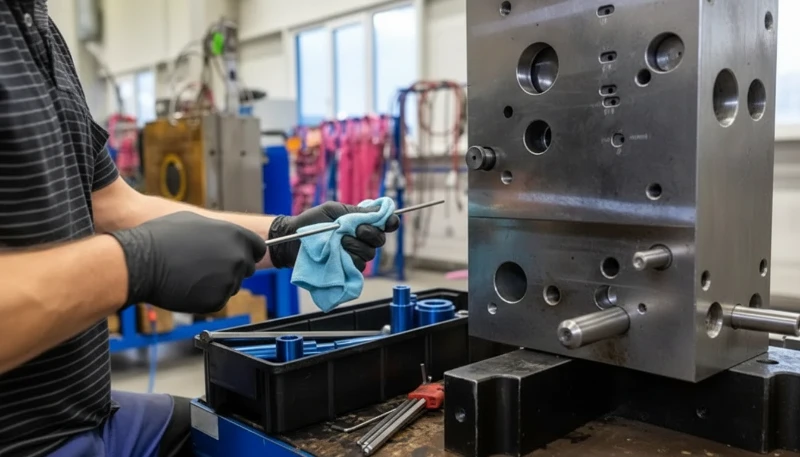
Na elke productieserie reinigen we de matrijs met goedgekeurde, kunststofveilige oplosmiddelen, blazen we de koelkanalen door, inspecteren we de deellijnen op slijtage of schade, brengen we roestwerende olie aan op alle stalen oppervlakken en slaan we de matrijs op in een geklimatiseerde omgeving. Deze routine duurt 1–2 uur per matrijs, maar voegt honderdduizenden shots aan de levensduur toe.
Het belangrijkste onderhoudsinterval is de preventieve onderhoudsinspectie (PM); in onze fabriek plannen we elke 50,000 cycli een volledige PM. Daarbij meten we de afmetingen van de matrijsholten aan de oorspronkelijke specificaties, zodat slijtage wordt ontdekt voordat de tolerantie wordt overschreden, controleren we passing en rechtheid van de uitwerppennen, testen we het debiet van de koelkanalen en polijsten we aanspuitzones met hoge schuifspanning opnieuw.
Wat is het verschil tussen een prototypematrijs en een productiematrijs?
Een prototypematrijs is goedkoper, heeft een kortere levertijd en is ontworpen voor 1.000–50.000 shots om het onderdeelontwerp te valideren; een productiematrijs is een gereedschap van gehard staal dat is ontworpen voor meer dan 500.000 shots met volledige productietoleranties. In ons bedrijf maken we beide en adviseren we elke klant om met een prototypematrijs te beginnen, tenzij die 100% vertrouwen heeft in het ontwerp.
Prototype matrijzen (ook wel ‘zachte gereedschappen’ genoemd) gebruiken doorgaans aluminium of P20-staal en worden gefreesd met toleranties van ±0,1 mm. Ze worden geproduceerd in 2–4 weken en kosten $3.000–$15.000. Hun doel is het genereren van echte, productie-representatieve onderdelen—geen 3D-geprinte monsters of RTV-gegoten onderdelen—voor functionele tests, regelgevingsindiening en assemblagevalidatie.
Productievormen gebruiken gehard H13 of S136-staal, worden gehouden aan ±0,01–0,05 mm toleranties, bevatten volledige koeling en ejectiesystemen geoptimaliseerd voor cyclustijd, en zijn gebouwd voor 5–20+ jaar service. Lead time is 4–8 weken en kosten zijn €8.000–€150.000+. We hebben gezien dat klanten de prototypefase overslaan en drie sets productievormmodificaties betalen—veel meer kostend dan de prototypevorm die ze vermeden.
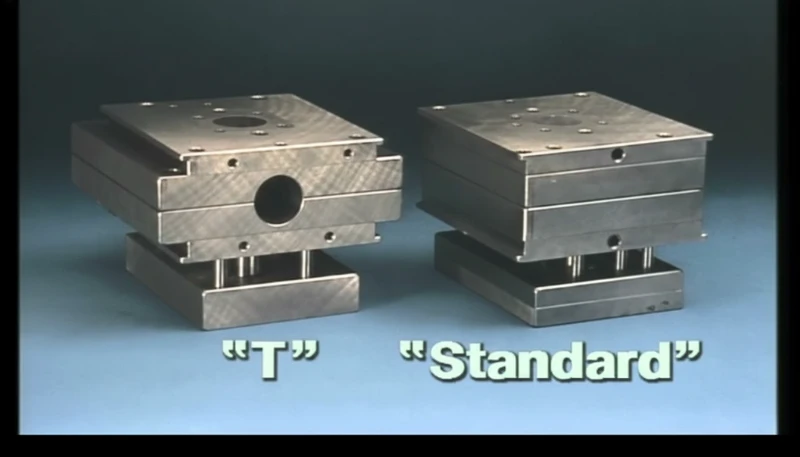
Veelgestelde vragen over spuitgietmatrijzen
V: Hoe lang duurt het om een spuitgietmatrijs te maken? A: Standaard productiematrijzen vergen 4–6 weken; complexe matrijzen met schuiven en lifters 6–10 weken. Aluminium prototypematrijzen kunnen in 1–3 weken worden voltooid. De doorlooptijd wordt vooral bepaald door de uren voor bewerking en polijsten, niet door wachttijd.
V: Wat is de minimale bestelhoeveelheid voor spuitgieten? A: Technisch gezien is er geen minimum; u kunt één cyclus uitvoeren. Economisch wordt spuitgieten ten opzichte van 3D-printen concurrerend bij ongeveer 500–1,000 onderdelen, afhankelijk van complexiteit en formaat. Daaronder zijn de afschrijvingskosten van de matrijs per onderdeel te hoog.
V: Kunnen beschadigde spuitgietmatrijzen worden gerepareerd? A: Ja, de meeste matrijsschade is herstelbaar. Veelvoorkomende reparaties zijn het lassen en opnieuw bewerken van versleten delen van de matrijsholte, het vervangen van beschadigde uitwerppennen, het opnieuw polijsten van bekraste oppervlakken en het opnieuw passend maken van versleten deelvlakken. In onze reparatiewerkplaats herstellen we matrijzen die klanten al hadden opgegeven en brengen we ze met succes terug in productiewaardige staat.
V: Welke ontwerphoek is vereist voor spuitgegoten onderdelen? A: Voor een soepele uitwerping uit de meeste matrijzen is per zijde een afschuining van minimaal 1°–2° vereist. Oppervlakken met textuur vereisen per 0.025 mm textuurdiepte een extra hoek van 3°–5°. Een onvoldoende lossingshoek3 is een van de meest voorkomende ontwerpfouten bij klanten die hun eerste spuitgietproject indienen.
V: Wat is een stromingssimulatie en heb ik die nodig? A: Een matrijsstroomanalyse4 (met software zoals Moldflow of Moldex3D) simuleert het vullen, nadrukken en koelen van kunststof om defecten te voorspellen voordat de matrijs wordt bewerkt. We adviseren dit voor elk onderdeel dikker dan 4 mm, onderdelen met wisselende wanddikte, optische componenten of constructieve onderdelen. De analysekosten van $500–$2,000 vallen in het niet bij een matrijswijziging van $20,000.
V: Hoeveel holten moet mijn matrijs hebben? A: Het aantal holten moet overeenkomen met uw jaarlijkse volumebehoefte gedeeld door het aantal machine-uren per jaar, rekening houdend met de cyclustijd. Als vuistregel: minder dan 100,000 onderdelen/jaar → 1–2 holten; 100,000–500,000 onderdelen/jaar → 4–8 holten; 500,000+ onderdelen/jaar → 8–32 holten. Bij elke offerte berekenen wij het optimale aantal holten.
V: Wat is het verschil tussen een koudrunner- en een hotrunnersysteem? A: Een koudrunner is een onverwarmd kanaal dat bij elke cyclus stolt en vervolgens wordt gerecycled of weggegooid; een hotrunner houdt de kunststof met elektrische verwarming permanent gesmolten in de matrijs en voorkomt zo aanspuitafval. Hotrunners kosten aanvankelijk meer ($8,000–$20,000 extra), maar verlagen bij grote productieseries de materiaal- en nabewerkingskosten en de cyclustijd.
Samenvatting
Spuitgieten blijft een van de veelzijdigste en voordeligste productieprocessen voor kunststofonderdelen. De sleutel tot succes is inzicht in de basisprincipes: het juiste matrijstype en staal voor uw volume kiezen, vanaf het begin ontwerpen op maakbaarheid (lossingshoeken, uniforme wanddikte, voldoende ontluchting) en een gedisciplineerd onderhoudsprogramma opstellen om uw investering in gereedschap te beschermen.
In onze fabriek hebben we geleerd dat de meeste frustraties van klanten—kostenoverschrijdingen, kwaliteitsproblemen, late leveringen—terug te leiden zijn naar beslissingen gemaakt in de designfase, niet op de productievloer. Een onderdeel ontworpen voor spuitgieten met correcte wanddikte, ontwerphellingen en gate-locatie zal excellente resultaten produceren zelfs in een matig kostbare tool. Een slecht ontworpen onderdeel zal moeilijkheden ondervinden zelfs in de meest kostbare vorm.
Of u nu uw eerste prototypematrijs bestelt of een productiematrijs met meerdere holten voor grote volumes plant, de vragen in deze gids helpen u beter onderbouwde beslissingen te nemen en effectiever met uw matrijzenbouwer samen te werken. Bekijk onze complete gids over spuitgieten voor een uitgebreid overzicht.
-
Krimpcompensatie houdt in dat matrijsholten iets groter worden ontworpen dan de gewenste eindafmetingen van het onderdeel, om rekening te houden met de volumevermindering wanneer gesmolten kunststof afkoelt en stolt; afhankelijk van de hars doorgaans 0.2–2.0%. ↩
-
De smelttemperatuur is de temperatuur waarbij het kunststofmateriaal volledig geplastificeerd en gereed voor injectie is; deze moet binnen het door de harsfabrikant aanbevolen bereik (doorgaans ±10°C) worden gehouden voor een consistente viscositeit, vulgedrag en onderdeelkwaliteit. ↩
-
De lossingshoek is de afschuining van de verticale wanden van een gegoten onderdeel loodrecht op het deelvlak, waardoor het onderdeel zonder schuren of vastlopen schoon uit de matrijs komt; een te kleine lossingshoek veroorzaakt uitwerpproblemen en oppervlakteschade. ↩
-
Matrijsstroomanalyse is een computersimulatietechniek die de stroming, afkoeling en stolling van gesmolten kunststof in een matrijsholte modelleert en mogelijke defecten zoals laslijnen, luchtinsluitingen en kromtrekken identificeert voordat de fysieke matrijs wordt vervaardigd. ↩
Ontvang concurrerende prijzen, DFM-feedback en een productieplanning van het engineeringteam van ZetarMold.
Vraag een gratis offerte aan → Bekijk onze complete gids over spuitgieten voor een uitgebreid overzicht.