 콘텐츠로 건너뛰기

PA6, PA66, PA12, PA1010은 가장 일반적으로 사용되는 네 가지 사출 성형 나일론 등급은 각각 수분 흡수율, 내열성, 기계적 특성이 달라 서로 다른 용도에 적합합니다. 잘못된 등급을 선택하면 치수 불안정성, 취성 파손 또는 불필요한 비용이 발생합니다. 이 가이드는 네 가지 등급을 모두 나란히 비교하여 사출 성형 프로젝트에 적합한 재료를 지정할 수 있도록 돕습니다.
재료 배경을 위해 폴리아미드, 나일론 6, 나일론 66에 대한 외부 참고 자료를 공급업체의 건조 데이터 시트와 비교하십시오. 이러한 참고 자료는 용어 이해에 유용하지만, 최종 가공 조건은 수지 등급, 수분 테스트, 금형 온도 및 시사출 결과를 통해 확인해야 합니다.
공정 계획은 나일론 선택을 기계 및 금형 거동과 연결해야 합니다. 스크류 회복 및 체류 시간 설정을 통해 스크류 회복 및 체류 시간을 검토하고, 생산 시간 분석을 통해 냉각 영향을 비교하며, 생산 승인 전 금형 수축 분석을 통해 치수 위험을 확인하십시오.
- PA66는 네 가지 등급 중 가장 높은 강성과 내열성을 제공하여 자동차 및 전기 응용 분야의 기본 선택입니다
- PA6은 PA66보다 수분을 더 많이 흡수하지만 가격은 15-25% 저렴하고 더 낮은 온도에서 가공되며, 소비자 및 산업용 부품에 이상적입니다
- PA12는 가장 낮은 수분 흡수율(0.25%)을 가져 습한 환경에서도 정밀한 치수 안정성을 가능하게 합니다
- PA1010은 재생 가능한 피마자유 원료에서 유래된 최고의 내화학성과 유연성을 제공합니다
- 네 가지 등급 모두 성형 전 스플레이 및 가수분해적 분해를 방지하기 위해 철저한 건조(80-120°C, 4-8시간)가 필요합니다.

PA6, PA66, PA12, PA1010 나일론 등급이란 무엇인가요?
PA6, PA66, PA12, PA1010은 서로 다른 열적, 기계적 및 수분 조건에 맞게 설계된 네 가지 반결정성 폴리아미드 등급입니다. 공급업체 비교 및 조달 계획을 위해 저희 injection molding supplier sourcing guide covers RFQ prep, qualification, and commercial risk checks.
나일론 등급은 반결정성 엔지니어링 열가소성 수지입니다. 폴리아미드(나일론)는 인접한 폴리머 사슬의 아미드 그룹 사이의 강한 수소 결합이 특징입니다. 이 분자간 결합은 나일론에 고강도, 내충격성 및 내마모성의 독특한 조합을 부여합니다. 각 등급 이름의 숫자는 단량체의 탄소 원자 수를 나타내며, 이는 결정성, 녹는점 및 수분 흡수 거동에 직접적인 영향을 미칩니다.
폴리아미드 열가소성 수지 계열 이해하기
PA6(폴리아미드 6)은 6탄소 단량체인 카프로락탐의 개환 중합으로 생산됩니다. 약 220°C에서 녹으며 적절한 비용으로 우수한 기계적 특성을 제공합니다. PA6은 PA66보다 느린 속도로 결정화되어 사이클 시간이 약간 길어지지만 복잡한 형상에서 뒤틀림 위험을 줄입니다. PA6은 전 세계적으로 가장 널리 성형되는 나일론 등급으로, 케이블 타이부터 자동차 흡기 매니폴드까지 모든 곳에 사용됩니다.
PA66: 고강성 엔지니어링 나일론
PA66(폴리아미드 6,6)은 두 개의 6탄소 단량체인 헥사메틸렌디아민과 아디프산의 중축합으로 생산됩니다. 대칭적인 분자 구조는 더 높은 결정성과 약 260°C의 더 높은 용융점을 생성합니다. PA66은 실온에서 PA6보다 약 15~20% 더 강하며, 고온에서도 충전제가 없는 나일론 등급 중 가장 우수한 기계적 특성을 유지합니다. 이로 인해 PA66은 120°C 이상에서 작동하는 자동차 후드 내부 부품 및 전기 커넥터의 표준 선택이 됩니다.
PA12: 저수분 정밀 나일론
PA12(폴리아미드 12)는 12개의 탄소로 이루어진 단량체인 라우로락탐으로 생산됩니다. 더 긴 지방족 사슬은 폴리머 백본을 따라 아마이드 그룹의 밀도를 감소시켜, PA6의 2.5~3.0%에 비해 수분 흡수율을 약 0.25%로 극적으로 낮춥니다. PA12는 약 178°C에서 녹으며 가공이 쉽고 습한 환경에서도 우수한 치수 안정성을 제공합니다. PA6 및 PA66에 비해 킬로그램당 일반적으로 3~5배 높은 상당한 가격 프리미엄을 형성합니다.
PA1010: 바이오 기반 유연 나일론
PA1010(폴리아미드 10,10)는 모두 피마자유에서 유래된 세바신산과 데카메틸렌디아민으로 생산됩니다. 이 재생 가능한 원료 기원은 바이오 기반 함량 인증이 필요한 응용 분야에서 PA1010을 매력적으로 만듭니다. PA1010은 낮은 수분 흡수율(약 1.0~1.5%)과 우수한 내화학성 및 유연성을 결합하여 성능과 비용 모두에서 PA12와 PA6 사이에 위치합니다. 재생 가능한 함량이 지정된 자동차 연료 라인 및 유압 튜브에서 채택이 증가하고 있습니다.
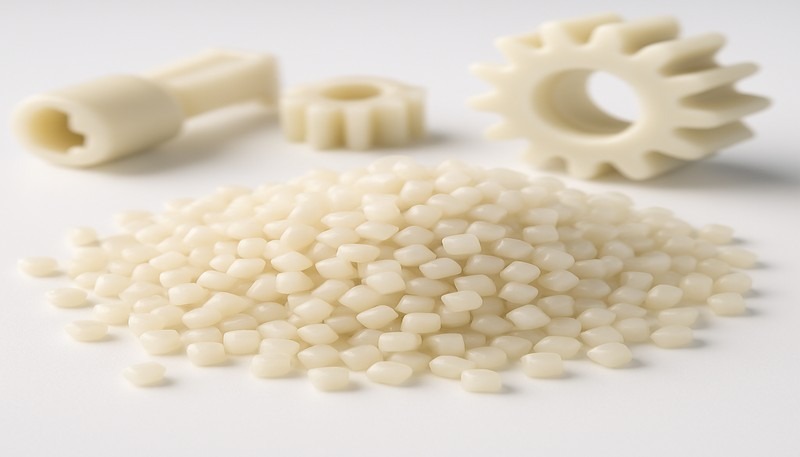
PA6, PA66, PA12, PA1010 간 주요 특성 차이는 무엇인가요?
PA66는 가장 강성이 높고, PA12는 수분 흡수가 가장 적으며, PA6은 비용이 가장 낮고, PA1010은 최고의 내화학성을 제공합니다. 이러한 차이는 부품 성능, 치수 안정성, 건조 시간 및 성형 온도에 영향을 미칩니다. 잘못된 등급을 선택하면 피할 수 있는 뒤틀림, 취성 또는 수분 관련 치수 변동이 발생할 수 있습니다.
| 속성 | PA6 | PA66 | PA12 | PA1010 |
|---|---|---|---|---|
| 녹는점 | 220°C | 260°C | 178°C | 200°C |
| 수분 흡수율(23°C/50% 상대습도) | 2.8% | 2.5% | 0.25% | 1.2% |
| 인장 강도 (건조 상태) | 80 MPa | 85 MPa | 50 MPa | 55 MPa |
| 굽힘 탄성률(건조 상태) | 2.8 GPa | 3.0 GPa | 1.5 GPa | 1.8 GPa |
| 이조드 충격 강도 (건조 상태) | 45 J/m | 40 J/m | 참고* | 참고* |
| 비용(PA6 대비) | 1.0x | 1.15x | 3.5x | 2.5배 |
Moisture absorption is the single most important differentiator for processing and application design. PA6 and PA66 absorb 2.5 to 3.0 percent moisture at equilibrium in a 50 percent relative humidity environment, which causes dimensional swelling of 0.5 to 1.0 percent and reduces stiffness by 50 to 60 percent compared to the dry-as-molded state. PA12 absorbs only 0.25 percent, making its dimensional change negligible. Proper 사출 금형 design accounts for these material-specific shrinkage differences. If your application requires tight tolerances in a humid environment, PA12 is the clear choice regardless of its higher raw material cost.
The notched Izod impact values marked NB (no break) for PA12 and PA1010 indicate that these grades are inherently tough and do not exhibit brittle fracture in standard impact tests. This toughness, combined with low moisture absorption, makes PA12 and PA1010 the preferred choices for fuel lines, hydraulic tubing, and pneumatic fittings where impact resistance must be maintained across temperature and humidity ranges.
각 나일론 등급의 중요한 가공 매개변수는 무엇인가요?
Nylon processing is sensitive to moisture and melt temperature. 나일론 사출 성형1 parameters are more demanding than commodity plastics like PP or PE because of the material’s high melting temperature, narrow processing window, and sensitivity to moisture. Getting drying and melt temperature wrong is the most common cause of defective nylon parts in production.
“Drying nylon to below 0.2 percent moisture content before molding is the single most impactful processing decision — inadequate drying causes splay, reduced molecular weight through hydrolysis2, and dimensional instability that no parameter adjustment downstream can fix”True
Nylon is hygroscopic and absorbs moisture rapidly from ambient air. Processing wet nylon causes the water to react with amide bonds in the polymer chain (hydrolysis), permanently reducing molecular weight and mechanical properties. This damage is irreversible and undetectable by appearance alone.
“PA6 and PA66 can be processed at the same melt temperature because they are both polyamide materials with similar molecular structures”False
PA6 melts at approximately 220°C and processes at 240-270°C, while PA66 melts at 260°C and requires 270-300°C melt temperature. Using PA6 temperatures for PA66 produces incomplete melting and high viscosity. Using PA66 temperatures for PA6 causes thermal degradation.
Recommended Drying Times and Temperatures by Grade
| 매개변수 | PA6 | PA66 | PA12 | PA1010 |
|---|---|---|---|---|
| 건조 온도 | 80-100°C | 80-100°C | 70-80°C | 80-90°C |
| 건조 시간 | 4-8 hours | 4-8 hours | 2-4 hours | 3-6 hours |
| Target Moisture | <0.2% | <0.2% | <0.1% | <0.15% |
| 용융 온도 | 240-270°C | 270-300°C | 190-230°C | 210-250°C |
| 금형 온도 | 60-90°C | 70-100°C | 30-50°C | 40-70°C |
| 사출 압력 | 80-130 MPa | 90-140 MPa | 70-110 MPa | 75-120 MPa |
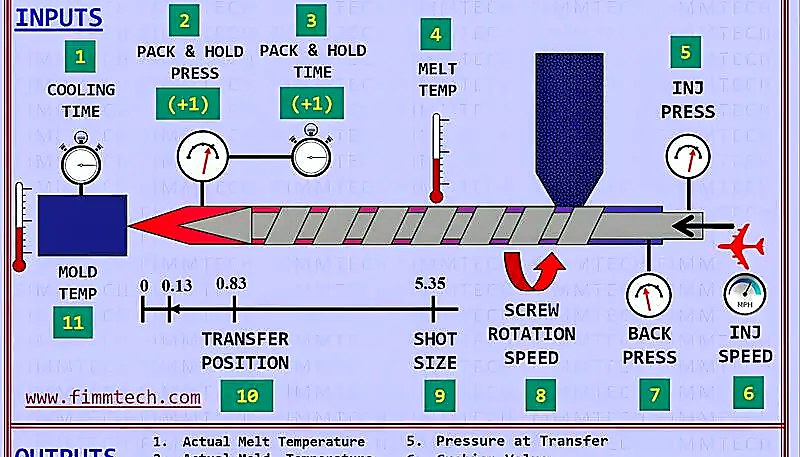
Drying requirements vary significantly across the four grades. PA6 and PA66 require 4 to 8 hours at 80 to 100°C in a dehumidifying hopper dryer to reach below 0.2 percent moisture. PA12 needs only 2 to 4 hours at 70 to 80°C due to its low moisture absorption. PA1010 falls between at 3 to 6 hours at 80 to 90°C. Verify moisture content with a Karl Fischer titration test before molding. All four grades should be dried immediately before molding — leaving dried pellets exposed to ambient air for more than 30 minutes negates the drying effort.
금형 설계가 나일론 부품 품질에 어떤 영향을 미치나요?
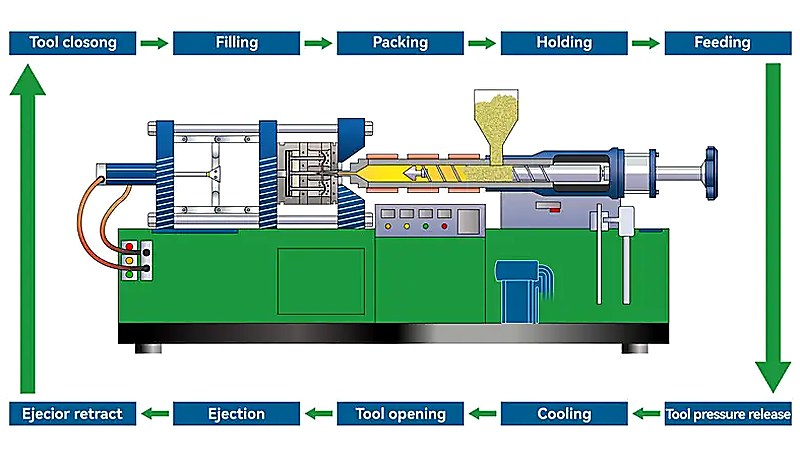
Mold design is the primary driver of nylon part quality through gate shear, cooling uniformity, and vent effectiveness. Proper 사출 금형 설계3 prevents flash, weld lines, and dimensional instability that nylon hygroscopic nature amplifies.
Gate design for nylon parts should prioritize flow balance and minimize shear heating. Edge gates and submarine gates are common for PA6 and PA66 parts, while hot-runner systems with valve gates reduce material waste for high-volume production. Gate size should be 50 to 80 percent of the nominal wall thickness at the gate location to minimize jetting and ensure progressive cavity fill without freeze-off before packing is complete.
Cooling channel design directly affects cycle time and dimensional consistency for nylon parts. Because PA6 and PA66 have relatively high mold temperature requirements (60 to 100°C), conformal cooling channels provide the most uniform thermal profile and reduce warpage in complex geometries. In practice, we have found that maintaining mold temperature variation below 5°C across the cavity surface reduces dimensional scatter by 30 to 40 percent on tight-tolerance PA66 parts. This is especially critical for glass-filled grades where fiber orientation amplifies differential shrinkage.
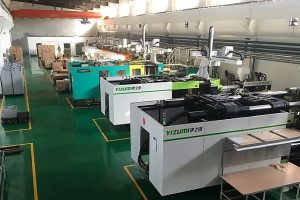
In our Shanghai factory, we run 47 injection molding machines from 90T to 1850T clamping force, giving us the range to handle everything from micro-nylon gears on small machines to large automotive structural brackets on high-tonnage presses. Our in-house mold manufacturing facility allows us to iterate on gate placement and cooling design quickly when optimizing new nylon part programs.
Ejection system design requires extra care with nylon because the material’s high friction coefficient and shrinkage around cores create significant ejection forces. Adequate draft angle (minimum 1 degree for unfilled nylon, 1.5 to 2 degrees for glass-filled grades) and sufficient ejector pin area prevent push-pin marks and part distortion during ejection. Stripper plates are preferred for cylindrical nylon parts where concentricity matters.
일반적인 나일론 성형 결함은 무엇이며 어떻게 예방하나요?
The most common nylon molding defects are moisture damage (splay, hydrolysis), temperature errors (short shots, flash), and dimensional warpage. Identifying which category your defect belongs to is the fastest path to a fix.
“PA12 costs 3 to 5 times more than PA6 per kilogram, making it uneconomical for applications where its low moisture absorption is not required”True
PA12 raw material typically costs $8-12/kg versus $2-3/kg for PA6. This premium is only justified when the application specifically demands dimensional stability in humid environments, fuel resistance, or low-temperature flexibility that PA6 cannot provide.
“Adding 30% glass fiber to PA6 eliminates moisture absorption entirely, so drying is unnecessary before molding glass-filled grades”False
Glass fiber reinforcement reduces but does not eliminate moisture absorption. Glass-filled PA6 still absorbs approximately 1.5% moisture at equilibrium and requires the same drying protocol as unfilled grades. Molding wet glass-filled nylon causes the same splay and hydrolysis damage, with the added risk of fiber-matrix interface degradation.
Splay and silver streaks are the most visible moisture-related defect. These appear as fan-shaped surface marks on the part where water vapor expands rapidly as the melt enters the cavity. The fix is always more drying time or higher drying temperature — never a parameter adjustment at the machine. Check hopper dryer dew point (target below -30°C) and verify actual material moisture content with a Karl Fischer test before adjusting anything else.
Warpage in nylon parts is driven by differential shrinkage between flow and cross-flow directions, amplified by fiber orientation in glass-filled grades. The most effective countermeasure is uniform mold temperature across all cavity surfaces, followed by balanced gate placement that equalizes flow lengths. Post-molding fixtures that hold parts in the desired geometry during the first 24 hours of cooling can reduce warp by 40 to 60 percent for flat parts with varying wall thickness.
응용 분야에 맞는 올바른 나일론 등급을 어떻게 선택하나요?
적절한 나일론 등급은 사용 온도, 허용 오차 요구 및 화학적 노출이라는 세 가지 요소로 결정됩니다. 아래 각 등급의 특성 프로필에 이러한 요구 사항을 맞추십시오.
| 응용 요구 | 추천 등급 | 주요 이유 |
|---|---|---|
| 120°C 이상의 사용 온도 | PA66 | 네 등급 중 가장 높은 열 변형 온도 |
| 습한 환경에서의 정밀 허용 오차 | PA12 | 최저 수분 흡수율(0.25%)로 치수 변화 최소화 |
| 100°C 미만의 비용 민감 구조 부품 | PA6 | PA66와 비교하여 적절한 성능을 갖춘 15-25% 낮은 재료 비용 |
| 연료 또는 화학적 저항성 필요 | PA12 또는 PA1010 | 탄화수소 및 용매에 대한 우수한 화학적 저항성 |
| 생물 기반 함량 인증 필요 | PA1010 | 재생 가능한 캐스터 오일 원료에서 유래 |
| 자동차 엔진룡 내부 부품 | PA66 (유리 섬유 강화) | 섬유 강화로 고온에서 강성 유지 |
| 의료용 튜브 및 카테터 | PA12 | 유연성, 생체 적합성 및 화학적 불활성 |
| 전기 커넥터 (UL94 V0) | PA66 (난연) | 적절한 FR 첨가제로 0.4mm에서 V0 달성 |
자동차 애플리케이션은 전 세계 PA66 생산량의 40% 이상을 소비합니다. 흡기 매니폴드, 엔진 커버 및 라디에이터 엔드 탱크와 같은 엔진룡 내부 부품은 PA6가 강성을 잃는 섭씨 120도 이상의 온도에서 작동합니다. 전기 커넥터, 센서 하우징 및 퓨즈 박스는 UL94 가연성 표준 요구 사항을 충족하는 난연성 PA66 등급(V0 등급)을 사용합니다. 내장 트림 및 구조 브래킷은 온도 노출이 보통인 경우 비용 효율성을 위해 PA6 또는 유리 섬유 강화 PA6를 사용합니다.
전기 및 전자 응용 분야는 나일론의 우수한 절연 특성과 난연성을 활용합니다. 적색 인 또는 질소계 난연제를 사용한 PA66 등급은 0.4mm 벽 두께에서 UL94 난연성 기준 V0 등급을 달성하여 커넥터, 스위치 및 차단기 하우징에 적합합니다. 성장하는 전기차 시장은 난연성과 구조적 성능을 결합한 PA66 배터리 모듈 구성품에 대한 수요를 증가시킵니다.
소비재 제조업체는 나일론의 강인성과 표면 품질의 균형을 위해 이를 선택합니다. 전동 공구 하우징은 합리적인 비용으로 충격 저항성을 위해 유리 섬유 강화 PA6를 사용합니다. 스키 바인딩 및 헬멧 하드웨어와 같은 스포츠 용품은 PA66의 피로 저항성에 의존합니다. 뜨거운 표면과 접촉하는 주방 가전 부품은 연속 섭씨 130도 사용 등급의 내열 안정화 PA66 등급이 필요합니다.
의료 기기 응용 분야는 문서화된 생체 적합성을 갖춘 특정 나일론 등급을 요구합니다. PA12는 유연성과 화학적 불활성 때문에 카테터 및 튜빙 용도에서 주로 사용됩니다. PA6는 121-134°C 사이의 열적 사이클링이 필요한 오토클레이브 살균이 요구되는 수술 기구 손잡이에 사용됩니다. ISO 10993 테스트는 환자 접촉 응용 분야에 대한 생체 적합성을 확인하며, 모든 의료 나일론 프로젝트에 대해 재료 추적성이 필수입니다.
20년 이상의 사출 성형 경험과 8명의 고급 엔지니어 팀을 갖춘 우리는 생산 라인에서 400여 종 이상의 플라스틱 재료를 처리했습니다. 생산 검토에서 엔지니어들은 나일론 작업을 시작하기 전에 수지의 습기, 용융 온도, 첫 사출 결함 패턴 및 치수 변동을 추적합니다. IQC부터 공정 검사, OQC까지의 품질 워크플로우는 스플레이 및 가수 분해 같은 나일론 특정 결함이 귀사의 조립 라인에 도달하기 전에 발견합니다.
자주 묻는 질문
사출 성형 전 PA6와 PA66를 얼마나 건조해야 할까요?
PA6과 PA66은 습도 함량이 0.2% 미만으로 떨어지기 위해 탈수 호퍼 건조기에서 80~100도에서 4~8시간 건조가 필요합니다. 정확한 시간은 초기 습도 수준, 펠릿 크기 및 건조기 공기 흐름 용량에 따라 다릅니다. 더 높은 녹는점을 가진 PA66은 PA6보다 잔류 습기에 약간 더 민감하므로, 의심스러울 때 건조 범위의 더 긴 끝을 선택하십시오. 성형 부품에서 스플레이 및 가수분해 결함을 피하기 위해 생산 시작 전에 항상 보정된 습도 분석기를 사용하여 확인하십시오.
PA6와 PA66은 기계 수정 없이 동일한 장비에서 성형할 수 있습니까?
예, PA6과 PA66은 같은 기계에서 운전할 수 있지만 다른 온도 프로필이 필요합니다. PA66은 270~300도의 배럴 온도를 필요하며 PA6은 240~270도입니다. 금형 온도도 다릅니다: PA66은 70~90도에서 최상의 성능을 보이며, PA6은 60~80도에서 작동합니다. 교체는 상호 오염 및 성능 저하 부품을 피하기 위해 호환 가능한 전환 물질로 배럴을 철저히 퍼징해야 합니다. 등급 간 배럴 설정 조정 후 온도 안정화를 위해 15~20분을 허용하십시오.
나일론을 적절한 건조 없이 성형하면 어떤 일이 발생할까요?
건조되지 않은 나일론을 성형하면 세 가지 점진적인 문제가 발생합니다. 첫째, 수분은 표면 스플레이 자국과 은색 줄무늬를 생성하여 부품 외관을 손상시킵니다. 둘째, 물은 가공 온도에서 가수분해를 유발하여 아미드 결합을 끊고 분자량을 영구적으로 감소시키며, 이는 충격 강도와 파단 연신율을 30~50% 낮춥니다. 셋째, 갇힌 수분은 냉각 중 부품이 고르지 않게 수분을 흡수하고 방출함에 따라 치수 변동을 일으킵니다. 이러한 결함은 폴리머 사슬 손상이 되돌릴 수 없고 영향을 받은 부품은 폐기해야 하기 때문에 성형 후 수리할 수 없습니다.
일반 응용 분야에서 PA12는 PA6보다 상당한 가격 상승을 가치 있습니까?
수분 흡수가 허용 가능하고 작동 온도가 섭씨 80도 이하인 일반 용도 애플리케이션의 경우, PA6는 PA12 가격의 약 1/3 수준으로 비용 효율적입니다. PA12는 예외적으로 낮은 0.25%의 수분 흡수율, 습한 환경에서의 우수한 치수 안정성, 자동차 연료 라인을 위한 연료 및 화학적 저항성, 또는 영하 40도까지의 뛰어난 저온 유연성이 필요한 경우에만 그 프리미엄 가격을 정당화합니다. 정밀 애플리케이션에서 PA12 대신 PA6를 선택하기 전에 품질 불량의 총 비용과 성형 후 컨디셔닝을 평가하십시오.
유리 섬유 보강은 나일론 사출 성형 공정에 어떤 영향을 미칩니까?
일반적으로 30% 단유리섬유를 사용하는 유리첨가 나일론 등급은 무첨가 등급보다 10~20도 높은 배럴 온도와 20~30% 높은 사출 압력이 필요합니다. 유리섬유는 용체 점도를 증가시키고, PA6의 수축을 1.2%에서 0.3%로 감소시키며, 강성을 2~3배 향상합니다. 섬유 마모로 금형 마모가 현저히 증가하므로, 100,000회 이상의 생산 런에는 H13 또는 S136 같은 경화된 금형 강철을 권장합니다. 스크루 설계는 플라스틱화 과정에서 섬유 파손을 최소화하기 위해 낮은 압축 비율을 사용해야 합니다.
조건화된 나일론 성질과 건조 성형된 나일론 성질의 차이는 무엇입니까?
성형 직후 건조 상태(Dry-as-molded) 특성은 수분 함량이 거의 0에 가까울 때 측정됩니다. 컨디셔닝 상태(Conditioned) 특성은 평형 수분 흡수를 반영하며, 일반적으로 상대 습도 50~60%에서 48시간 후에 도달합니다. 컨디셔닝된 PA6는 종종 건조 상태 데이터에 비해 인장 강도가 40~50% 낮지만 충격 저항성이 2~3배 더 높습니다. 설계 계산, 공차 검토 및 공급업체 RFQ에서 사용된 조건을 항상 명시하여 안전 계수가 잘못된 데이터 세트를 기반으로 하지 않도록 하십시오. 이 구분은 하중을 지지하는 나일론 부품에 매우 중요합니다.
나일론 금형 설계에 어떤 수축 값을 사용해야 합니까?
무첨가 PA6은 약 0.8~1.4% 수축하며, 무첨가 PA66은 벽 두께, 게이트 위치 및 금형 온도 설정에 따라 1.0~1.5% 수축합니다. 유리첨가 등급은 수축이 현저히 적습니다: PA6-GF30은 0.3~0.7%, PA66-GF30은 0.4~0.8% 수축합니다. 유리첨가 등급에서 수축은 비등방성을 가지며, 즉 흐름 방향과 횡방향 수축이 0.2~0.4% 차이가 있습니다. 금형 설계자는 캐비티 치수 계산에서 이 비등방성을 고려하여 생산 런 전체에서 일관된 정밀 공차를 달성해야 합니다.
나일론은 성형 전 과도하게 건조될 수 있습니까?
예, 섭씨 110도 이상 또는 12시간 이상의 과도한 건조는 열 산화를 일으켜 펠릿을 황변시키고 기계적 특성, 특히 충격 강도와 파단 연신율을 감소시킵니다. 재분쇄 또는 재생 나일론의 경우 열 이력이 여러 가공 주기에 걸쳐 누적되기 때문에 위험이 더 높습니다. 생산 일정 지연으로 인해 건조 시간을 8시간 이상 연장해야 하는 경우, 생산이 시작될 때까지 재료를 안전하게 보관하기 위해 온도를 섭씨 70~80도로 낮추십시오. 과건조 손상의 빠른 시각적 지표로 펠릿 색상을 모니터링하십시오.
나일론 사출 성형에 ZetarMold를 선택해야 하는 이유는?
ZetarMold는 47대의 프레스(90T–1850T), 등급별 전용 건조 시스템 및 20년 이상의 폴리아미드 전문 지식을 갖춘 신뢰할 수 있는 나일론 성형 파트너입니다. 우리는 교차 오염을 방지하기 위해 각 나일론 등급별 전용 호퍼 건조기를 유지하며, 모든 생산 교대 전 자동화된 수분 모니터링을 실행합니다. 유리 섬유 강화 나일론의 복잡한 사출 금형 설계 문제에 대해 당사 엔지니어링 팀은 48시간 이내에 DFM 피드백을 제공합니다.
ZetarMold는 47대의 프레스, 전용 건조 시스템 및 20년 이상의 폴리아미드 가공 경험을 결합하여 강력한 나일론 성형 파트너입니다. 우리는 교차 오염을 방지하기 위해 각 나일론 등급별 전용 호퍼 건조기를 유지하며, 생산 시작 전 자동화된 수분 검사를 실행합니다. 당사 엔지니어링 팀은 금형이 최종 결정되기 전에 PA6, PA66, PA12 및 PA1010을 공차, 열, 화학적 요구 사항 및 비용 요건에 대해 비교하는 데 도움을 드릴 수 있습니다.
간단한 규칙: PA6/PA66는 성형 전 섭씨 80–100도에서 4–8시간 건조하십시오. 섭씨 120도 이상 부품에는 PA66, 비용에 민감한 구조 부품에는 PA6, 유연하거나 화학 저항성이 필요한 애플리케이션에는 PA12, 바이오 함량이 중요한 경우에는 PA1010을 선택하십시오.
-
나일론 사출 성형: 나일론 사출 성형은 고강도와 내화학성을 가진 엔지니어링 부품을 생산하기 위해 사출 성형 장비를 사용하여 폴리아미드 열가소성 소재를 성형하는 제조 공정을 의미합니다. ↩
-
hydrolysis: 가수분해는 물 분자가 폴리아미드 고분자 사슬의 아마이드 결합을 절단하여 분자량을 영구적으로 감소시키고 나일론 소재의 기계적 특성을 저하시키는 화학 반응입니다. ↩
-
사출 금형 설계: 사출 금형 설계는 치수 정밀도가 높은 플라스틱 부품을 생산하기 위한 금형 형상, 냉각 채널 배치, 게이트 위치 및 이젝션 시스템 최적화를 포함하는 엔지니어링 분야를 의미합니다. ↩



 EN
EN  ES
ES  FR
FR  DE
DE  PT
PT  AR
AR  RU
RU  JA
JA  KO
KO  IT
IT  NL
NL  TR
TR  PL
PL 