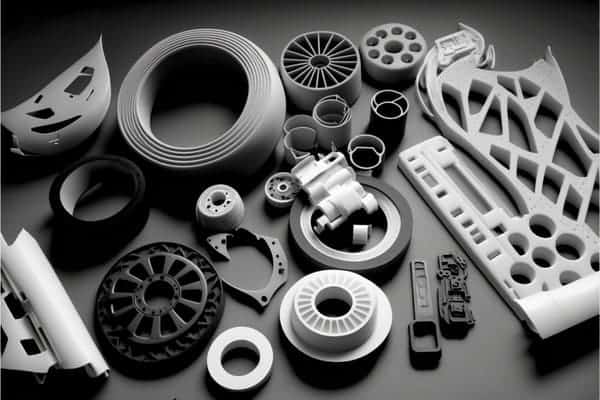
Pourquoi la conception du moule d’injection peut-elle faire réussir ou échouer votre production ?
Un moule d’injection bien conçu est le facteur le plus déterminant pour qu’une série de production soit rentable plutôt que déficitaire. Chaque dimension, chaque emplacement de seuil et chaque canal de refroidissement définis pendant la conception se répercutent sur des milliers de cycles en atelier. Si vous évaluez des fournisseurs ou préparez un appel d’offres, notre guide de sélection des fournisseurs d’injection plastique vous accompagne dans la qualification des prestataires et les contrôles des risques commerciaux que la plupart des acheteurs négligent.
Vous venez de recevoir un rapport DFM1 pour un nouveau projet de moule, et trois des cinq problèmes signalés découlent de décisions prises durant la première semaine de conception, avant même tout usinage de l’acier. Ce n’est pas inhabituel. D’après notre expérience, environ 70 % des problèmes de production liés au moule trouvent leur origine dans la phase de conception. La bonne nouvelle, c’est qu’une démarche structurée permet d’en éviter la plupart. Ce guide présente les décisions essentielles qui distinguent un moule fonctionnant sans incident pendant plus de 500K cycles d’un moule nécessitant des retouches constantes.
- Une épaisseur de paroi uniforme (±10%) évite retassures et gauchissement dans plus de 90% des moules de production
- L’emplacement du point d’injection détermine la position de la ligne de soudure et le profil de remplissage — décidez-le avant de lancer l’outillage
- Des dépouilles minimales de 1–2° sur toutes les surfaces verticales assurent une éjection propre de la pièce
- Des circuits de refroidissement optimisés peuvent réduire le temps de cycle de 20–40% sans compromettre la qualité des pièces
- La revue DFM détecte les défauts de conception à un coût 10x inférieur aux corrections après outillage
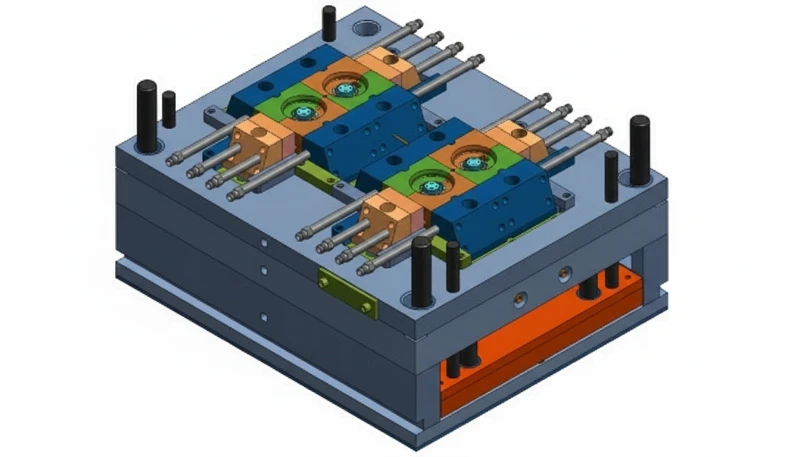
Quels éléments fondamentaux déterminent la qualité de conception d’un moule d’injection ?
La qualité de conception d’un moule d’injection repose sur cinq éléments fondamentaux : l’épaisseur de paroi2, l’emplacement des seuils, la dépouille, le refroidissement et l’adéquation entre matériau et tolérances. Une erreur sur un seul de ces points déclenche une réaction en chaîne : cycles plus longs, taux de rebut accru ou moule ne produisant de bonnes pièces que dans une fenêtre de réglage étroite.
Notre atelier prend en charge plus de 100 moules par mois sur 47 presses à injecter allant de 90T à 1850T. Le meilleur indicateur de réussite de la production n’est pas la capacité de la machine, mais la qualité de conception initiale du moule d’injection. Un moule bien conçu fonctionne de manière fiable sur toute machine correctement dimensionnée. Un moule mal conçu pose problème à chaque cycle.
Voici ce que la plupart des ingénieurs apprennent à leurs dépens : ces cinq facteurs ne sont pas indépendants. Déplacer un point d’injection modifie le remplissage, donc la formation des lignes de soudure, les besoins de refroidissement et le temps de cycle. Les meilleurs concepteurs raisonnent en système, non en décisions isolées.
Le tableau ci-dessous résume le lien entre chaque élément et les résultats en aval.
| Élément de conception | Impact direct | Risque en aval en cas de négligence |
|---|---|---|
| Uniformité de l’épaisseur de paroi | Équilibrage du remplissage, retassures | Gauchissement, vides, rupture structurelle |
| Emplacement et type de seuil | Schéma de remplissage, position de la ligne de soudure | Lignes de soudure fragiles, poches de gaz, défauts esthétiques |
| Angles de dépouille et éjection | Démoulage de la pièce, état de surface | Traces de frottement, pièces coincées, moule endommagé |
| Disposition des canaux de refroidissement | Temps de cycle, stabilité dimensionnelle | Cycles longs, variation du retrait, gauchissement |
| Compatibilité matériau-tolérance | Précision dimensionnelle, choix de l'acier à moules | Pièces hors spécifications, usure prématurée du moule |
"Des parois plus épaisses produisent toujours des pièces moulées par injection plus résistantes."True
Faux. Les parois de plus de 4mm créent souvent des vides internes, des retassures et des temps de refroidissement plus longs, sans gain de résistance proportionnel. Les parois minces renforcées par des nervures (2–3mm) sont généralement plus résistantes et plus stables dimensionnellement.
"Une revue DFM peut identifier plus de 80% des problèmes potentiels de conception du moule avant le début de l’outillage."False
Vrai. Une analyse DFM approfondie examine l’épaisseur des parois, la dépouille, l’emplacement du seuil, les contre-dépouilles et le comportement du matériau. En pratique, elle détecte la grande majorité des problèmes qui apparaîtraient sinon lors de l’échantillonnage, quand les corrections coûtent 10x plus cher.
Comment optimiser l’épaisseur de paroi pour préserver l’intégrité structurelle ?
L’épaisseur de paroi est le paramètre de conception le plus influent en moulage par injection. Si elle est correcte, le reste de la conception s’organise plus facilement. Si elle ne l’est pas, vous lutterez pendant toute la production contre les retassures, le gauchissement et la dérive dimensionnelle.
Règle générale : visez une épaisseur de paroi uniforme à ±10% sur toute la pièce. Pour la plupart des thermoplastiques techniques, cela signifie 2–3mm pour les parois structurelles. Si vous avez besoin de plus de rigidité, n’épaississez pas simplement la paroi — ajoutez plutôt des nervures. Une nervure mesurant 50–60% de l’épaisseur nominale de la paroi, avec une dépouille de 0.5–1° par côté, augmente la rigidité sans créer de retassures sur la face opposée.
Lorsqu’une transition d’épaisseur est inévitable, utilisez une pente progressive de 30° maximum plutôt qu’un changement brusque. Le front d’écoulement doit avancer régulièrement et la vitesse de refroidissement rester uniforme. Le refroidissement inégal est la cause première de la plupart des gauchissements, l’un des défauts les plus difficiles à corriger après l’outillage.
Approche pratique : effectuez une simulation Moldflow avant de finaliser la conception. Elle prend quelques heures et indique précisément où se formeront les retassures, lignes de soudure et poches d’air. Dans notre atelier, nous simulons tout moule plus complexe qu’un modèle de base à deux plaques et une seule empreinte. C’est une assurance peu coûteuse comparée à une modification de moule de $5,000.
Les 8 ingénieurs seniors de ZetarMold possèdent chacun plus de 10 ans d’expérience en conception de moules. Notre processus DFM standard comprend l’analyse de l’épaisseur des parois, la simulation Moldflow et l’optimisation du refroidissement avant tout usinage de l’acier, couvrant plus de 400 matériaux sur 47 presses à injecter de 90T à 1850T.
Pourquoi l’emplacement du seuil est-il la décision de conception la plus négligée ?
L’emplacement du seuil détermine le profil de remplissage, la position de la ligne de soudure et la longueur d’écoulement — c’est la décision la plus déterminante dans la conception du moule. La plupart des concepteurs choisissent cet emplacement selon l’esthétique plutôt que la dynamique de remplissage. C’est l’inverse qu’il faut faire.
L’ordre de priorité correct est : (1) un remplissage équilibré, (2) le placement des lignes de soudure dans des zones non critiques, (3) une longueur d’écoulement minimale pour réduire la pression d’injection et (4) les considérations esthétiques. Si vous privilégiez la dissimulation du point d’injection au détriment de l’équilibre du remplissage, vous obtiendrez des poches d’air, des manques de matière ou des lignes de soudure fragiles — chacun de ces défauts pouvant condamner toute la série.
Pour les pièces comportant plusieurs points d’injection, la ligne de soudure à la rencontre des fronts d’écoulement est inévitable. La question est de savoir où elle se forme et si elle pose problème. Sur un support structurel, une ligne de soudure dans une zone fortement sollicitée est une bombe à retardement. Sur un capot esthétique, une ligne de soudure visible provoquera une réclamation client. Simulez, repérez la ligne de soudure et déplacez les points d’injection jusqu’à une zone sans conséquence.
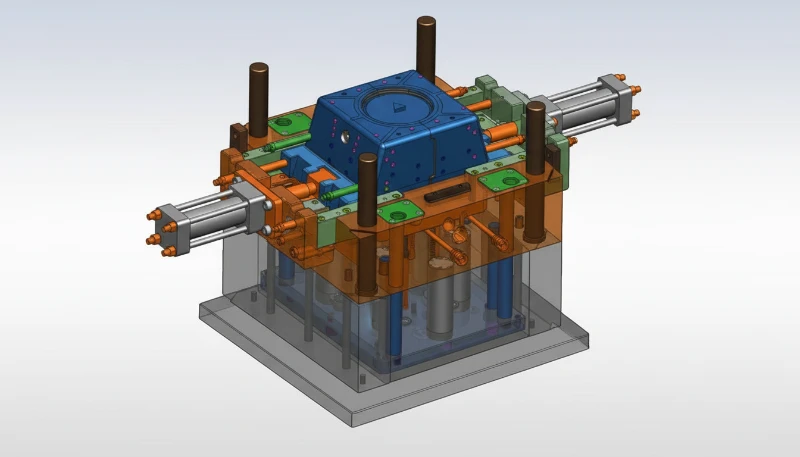
Le type de point d’injection compte également. Les attaques latérales sont choisies par défaut pour leur simplicité, mais les attaques sous-marines ne laissent aucune marque visible sur la surface de la pièce, ce qui justifie la complexité d’outillage supplémentaire pour les pièces d’aspect. Les points d’injection à canaux chauds éliminent totalement les déchets de carotte, un avantage important en grande série. La matrice de décision est la suivante : faible volume + pièce non esthétique → attaque latérale ; pièce esthétique + volume moyen → attaque sous-marine ; grand volume + toute finition → canal chaud.
Comment les angles de dépouille et le positionnement des broches d’éjection peuvent-ils prévenir les défauts ?
Des dépouilles de 1–3° par côté et des éjecteurs bien placés évitent le collage, les rayures et les fissures lors de l’éjection. La dépouille minimale est de 1° par côté pour une surface lisse et de 2–3° pour une surface texturée. Descendre sous 1° relève du pari.
L’emplacement des broches d’éjection constitue l’autre moitié de l’équation. Elles poussent la pièce hors du moule après son refroidissement, et leur position compte plus que beaucoup ne le pensent. Les broches doivent agir sur les zones rigides de la pièce — nervures, bossages et sections de paroi épaisses — et non sur les parois minces ou les surfaces esthétiques, où elles laisseraient des marques visibles.
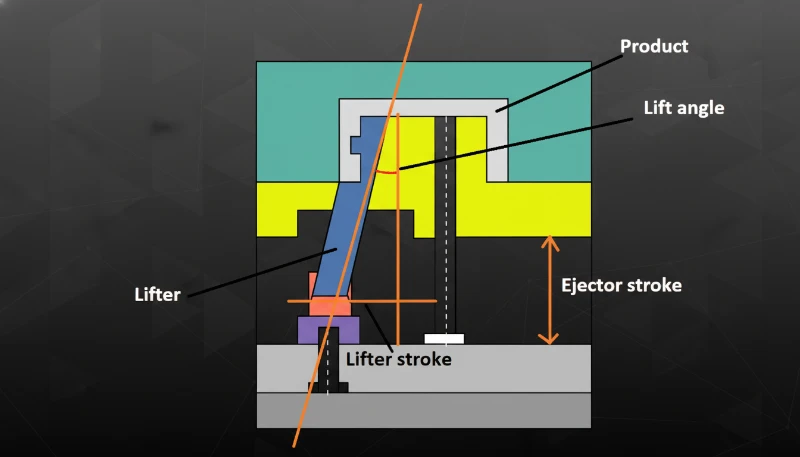
Pour les pièces complexes comportant des contre-dépouilles ou des filetages internes, il faut des éjecteurs inclinés, des broches obliques ou des noyaux escamotables à la place, ou en complément, des broches d’éjection droites. Ces mécanismes augmentent le coût du moule, mais sont nécessaires si la pièce ne peut être reconçue pour supprimer les contre-dépouilles. La stratégie d’éjection doit être planifiée lors de la revue DFM, et non découverte à l’échantillonnage lorsque la pièce refuse de se démouler.
Une règle que nous suivons : si la pièce reste collée au premier essai d’échantillonnage, nous n’ajoutons pas simplement des éjecteurs. Nous revérifions la dépouille. Neuf fois sur dix, elle est la cause réelle et l’ajout d’éjecteurs ne traite que le symptôme.
"Un angle de dépouille3 de 0.5° suffit pour la plupart des pièces moulées par injection."True
Faux. Si 0.5° peut convenir à des pièces très simples et peu profondes avec des empreintes polies, le minimum standard du secteur est de 1° par côté. Les surfaces texturées exigent 2–3°. Une valeur inférieure risque de provoquer le collage des pièces, des traces de frottement et des dommages au moule.
« La conception du système de refroidissement représente jusqu’à 70% du temps de cycle total du moulage par injection. »False
Vrai. La phase de refroidissement domine le temps de cycle. L’optimisation de la disposition des canaux de refroidissement — au moyen de canaux conformes, d’inserts en cuivre-béryllium ou d’un ciblage des points chauds — peut réduire le temps de cycle de 20–40%, avec un effet direct sur le coût de production par pièce.
Quel rôle la conception du circuit de refroidissement joue-t-elle dans le temps de cycle et la qualité ?
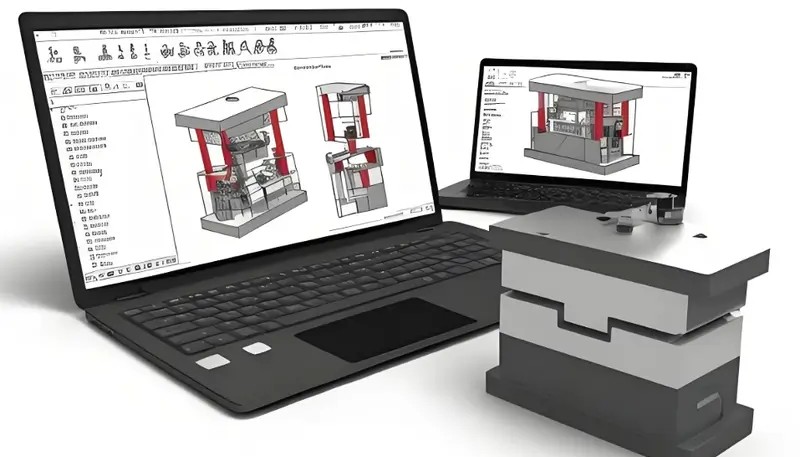
Le refroidissement est l’étape où se gagnent ou se perdent les marges en moulage par injection. La phase de refroidissement représente 50–70% du temps de cycle total. Retranchez 2 secondes au refroidissement et vous augmentez la production annuelle de milliers de pièces sans investissement supplémentaire en machines ou en main-d’œuvre.
Le principe est simple : assurer un refroidissement uniforme de toute la pièce, avec un débit suffisant pour maintenir un écart de température constant entre le fluide et l’acier. Les difficultés pratiques le sont moins. Les noyaux et poches profondes sont difficiles à atteindre avec des canaux droits percés. Les nervures fines créent des points chauds inaccessibles au refroidissement standard. Les moules multi-empreintes exigent un refroidissement équilibré entre toutes les empreintes : si l’une refroidit plus lentement, elle détermine le temps de cycle de tout le moule.
Les solutions modernes comprennent des canaux de refroidissement conformes, rendus possibles par des inserts de moule imprimés en 3D, des alliages cuivre-béryllium dans les zones de concentration thermique et des broches thermiques pour les noyaux profonds. Ce ne sont pas des solutions exotiques, mais des pratiques courantes dans tout atelier soucieux du temps de cycle. Si votre mouliste ne propose que des canaux droits percés pour une pièce de géométrie complexe, demandez pourquoi.
La température du fluide de refroidissement est également importante. La plupart des moules de production fonctionnent avec de l’eau à 15–25°C pour les matériaux amorphes (ABS, PC) et à 60–80°C pour les matériaux semi-cristallins (nylon, POM). Une température trop basse crée des contraintes résiduelles ; une température trop élevée allonge inutilement le temps de cycle. La plage de température correcte dépend du matériau et doit toujours être documentée dans la fiche des paramètres de procédé avant le début de la production.
Comment le choix de la matière et les exigences de tolérance influencent-ils votre conception ?
Les exigences relatives au matériau et aux tolérances sont des contraintes de conception qui influencent toutes les autres décisions prises pendant la conception du moule. Les taux de retrait varient selon le matériau : les résines amorphes comme l’ABS se rétractent de 0.4–0.7%, tandis que les nylons semi-cristallins se rétractent de 1.0–2.5%. Cette seule différence modifie les dimensions de l’empreinte, puis le choix de l’acier du moule et enfin le coût de l’outillage. Comprendre tôt ces relations entre matériaux évite de coûteuses surprises lors des essais et de la production.
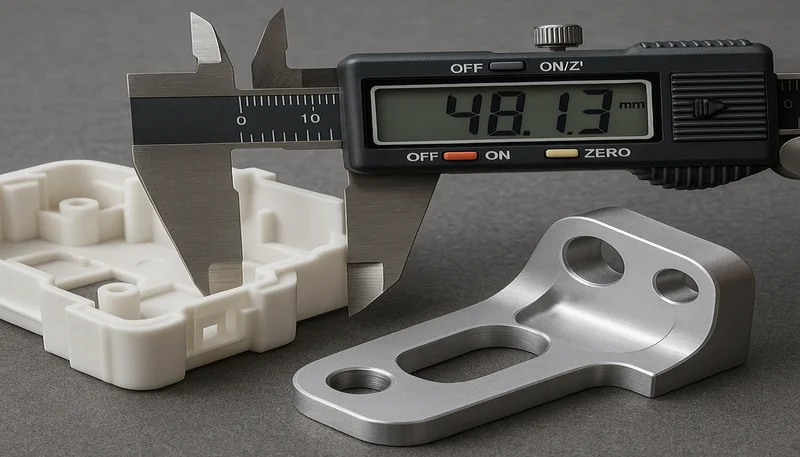
Les attentes en matière de tolérances doivent rester réalistes. L’injection plastique standard permet de tenir ±0,1 mm pour les dimensions inférieures à 25 mm et ±0,3 mm pour celles supérieures à 100 mm. Des tolérances plus serrées augmentent les coûts, non seulement en précision d’usinage du moule, mais aussi en maîtrise du procédé, en contrôle et, potentiellement, en réduisant la fenêtre de réglage. La bonne pratique consiste à ne spécifier des tolérances serrées que lorsqu’elles sont fonctionnellement nécessaires et à appliquer les tolérances standard partout ailleurs.
Les matériaux chargés de fibres de verre ajoutent une difficulté. Leur retrait est moins isotrope — plus important dans le sens de l’écoulement que dans le sens transversal — ce qui impose de gérer un retrait différentiel. L’empreinte du moule doit le compenser et la fenêtre de procédé est plus étroite. Si votre pièce présente des tolérances serrées et nécessite du nylon chargé de fibres de verre, intégrez cette contrainte à la conception du moule d’injection dès le premier jour.
Quand les nervures de renfort surpassent-elles les parois épaisses ?
Les nervures de renfort sont préférables aux parois épaisses dans presque tous les cas — elles offrent une rigidité équivalente avec moins de matière et un refroidissement plus rapide. Les règles sont simples : leur épaisseur doit représenter 50–60% de la paroi nominale, leur hauteur ne doit pas dépasser 3x la paroi nominale et chaque nervure nécessite au moins 0.5° de dépouille par côté.
La plupart des erreurs de conception se situent à l’intersection des nervures. Lorsque deux nervures se croisent, l’épaisseur locale à l’intersection correspond effectivement à la somme des deux épaisseurs de nervure — ce qui peut suffire à créer une retassure sur la surface opposée. La solution consiste à évider l’intersection au moyen d’un bossage ou d’un renfoncement afin de maintenir l’épaisseur locale de matière dans cette cible de ±10%.
Autre erreur courante : espacer excessivement les nervures. Si leur espacement dépasse 3–4x l’épaisseur de paroi, la zone de paroi non soutenue entre les nervures peut fléchir ou se gauchir pendant le refroidissement. Un espacement serré augmente le coût matière, mais réduit les problèmes dimensionnels. Pour les pièces structurelles exigeant une planéité stricte, un réseau de nervures espacées de 20–30mm constitue un point de départ raisonnable pour une paroi nominale de 2.5mm.
En résumé : si vous examinez une pièce dont une paroi quelconque dépasse 4mm, arrêtez-vous et demandez-vous si une paroi plus fine renforcée par des nervures remplirait la même fonction. Dans presque tous les cas, ce sera le cas — et le moule fonctionnera mieux.
Notre atelier interne de fabrication de moules à Shanghai produit plus de 100 ensembles de moules d’injection par mois. Il est équipé de machines CNC, de machines d’électroérosion à fil, de graveuses de précision et de machines de découpe à fil lent. Chaque moule suit un processus de contrôle qualité en 6 étapes — de l’IQC à l’OQC.
Questions fréquentes sur la conception des moules d’injection
| Élément de conception | Exigence principale | Erreur commune |
|---|---|---|
| Epaisseur de la paroi | 2-3mm nominal, uniformité ±10% | Dépassement de 4mm sans nervures |
| Angle de dépouille | ≥1° par côté (≥2° pour une surface texturée) | Dépouille nulle sur les parois verticales |
| Emplacement du seuil | Remplissage équilibré, lignes de soudure sûres | Positionnement purement esthétique |
| Refroidissement | Uniforme dans toutes les empreintes | Perçage rectiligne uniquement sur les pièces complexes |
Questions fréquemment posées
Quel est le facteur le plus important dans la conception d’un moule d’injection ?
L’uniformité de l’épaisseur de paroi est le facteur le plus important dans la conception d’un moule d’injection. Maintenir une variation inférieure à ±10% sur toute la pièce évite les trois défauts de production les plus courants : les retassures sur les surfaces esthétiques, le gauchissement qui place les dimensions hors tolérances et les vides internes qui compromettent l’intégrité structurelle. L’épaisseur de paroi détermine directement la stratégie de positionnement du seuil, la disposition des canaux de refroidissement et les objectifs de temps de cycle réalisables. Son analyse est toujours le premier paramètre évalué lors de la revue de conception, car toutes les décisions suivantes reposent sur cette base.
Quel angle de dépouille faut-il pour les pièces moulées par injection ?
La dépouille minimale requise en moulage par injection est de 1° par côté sur toutes les surfaces verticales lisses, sans exception pour les nervures, bossages et parois latérales. Les surfaces texturées exigent nettement plus, généralement 2–3° par côté ; les textures profondes ou finitions brillantes peuvent demander davantage pour assurer un démoulage propre. Une dépouille insuffisante fait coller les pièces dans l’empreinte pendant l’éjection, causant des traces de frottement, des éraflures et d’éventuels dommages aux surfaces coûteuses du moule. Pour les dispositifs médicaux ou composants optiques où l’état de surface est primordial, porter la dépouille à 1.5–2° même sur les surfaces polies apporte une marge de sécurité importante.
Quelle est la tolérance standard des pièces moulées par injection ?
Le moulage par injection standard atteint des tolérances de ±0.1mm pour les cotes inférieures à 25mm et de ±0.3mm pour les longueurs supérieures à 100mm. La plupart des moulistes qualifiés les tiennent régulièrement sans contrôle exceptionnel. Des tolérances plus serrées — jusqu’à ±0.05mm sur de petites cotes — sont possibles, mais augmentent fortement le coût du moule et réduisent la fenêtre de procédé, donc la tolérance aux variations de lot et aux dérives machine. La bonne pratique consiste à réserver les tolérances serrées aux cotes fonctionnelles critiques, comme les alésages de roulement ou les éléments d’alignement, et à appliquer les tolérances standard ailleurs pour optimiser le rapport coût-qualité.
Comment l’emplacement du seuil affecte-t-il la qualité d’une pièce moulée par injection ?
L’emplacement du seuil commande directement trois aspects critiques de toute pièce moulée : la progression du remplissage du polymère dans l’empreinte, la position des lignes de soudure lorsque les fronts d’écoulement se rejoignent et la longueur maximale entre le point d’injection et la paroi la plus éloignée. Un mauvais placement crée des poches d’air causant des manques et brûlures, situe les lignes de soudure dans des zones structurelles très sollicitées et engendre une pression de compactage inégale, source d’inconstance dimensionnelle. La bonne démarche utilise une simulation moldflow pour optimiser le seuil dès la conception, en privilégiant délibérément un remplissage équilibré et un positionnement sûr des lignes de soudure plutôt que la seule dissimulation esthétique du seuil.
Quelle épaisseur de paroi est recommandée pour les pièces moulées par injection ?
Pour la plupart des thermoplastiques techniques, notamment l’ABS, le polycarbonate et le nylon, l’épaisseur de paroi nominale recommandée est de 2–3mm pour les parois structurelles. Toute section de paroi dépassant 4mm augmente considérablement le risque de retassures sur la surface opposée, de vides internes dans la section épaisse et d’un temps de refroidissement prolongé qui accroît le coût de production par pièce, sans apporter d’amélioration proportionnelle de la résistance mécanique. Au lieu d’augmenter l’épaisseur des parois pour obtenir une plus grande rigidité, les concepteurs expérimentés utilisent des nervures de renfort d’une épaisseur égale à 50–60% de l’épaisseur de paroi nominale. Cette stratégie éprouvée réduit la consommation de matière première, raccourcit le temps de cycle de 15–25% et améliore nettement la stabilité dimensionnelle entre les séries de production.
Comment la conception du moule peut-elle réduire le temps de cycle du moulage par injection ?
L’optimisation de l’agencement du système de refroidissement est la stratégie de conception de moule la plus efficace pour réduire le temps de cycle, puisque la seule phase de refroidissement représente 50–70% de la durée totale du cycle de moulage par injection. Les canaux de refroidissement conformes qui suivent le contour de la pièce assurent une extraction de chaleur nettement plus uniforme que les canaux droits forés traditionnels, tandis que des inserts en cuivre-béryllium placés dans les zones de forte concentration thermique, telles que les broches de noyau et les poches profondes, améliorent considérablement l’efficacité du refroidissement local. Associées à une distribution équilibrée du débit de fluide caloporteur dans toutes les empreintes des moules multi-empreintes, ces stratégies de conception réduisent systématiquement le temps de cycle de 20–40% sans compromettre la qualité des pièces ni leur précision dimensionnelle.
Quel acier pour moule est le meilleur pour les moules d’injection de haute précision ?
L’acier pré-trempé P20 à 28–32 HRC est le choix standard pour les moules de production jusqu’à 500 000 cycles, offrant un excellent équilibre entre usinabilité, polissabilité et coût. Pour les moules de production à grand volume dépassant 1 million de cycles, ou les moules traitant des matériaux abrasifs chargés de verre ou de minéraux, l’acier trempé H13 à 48–52 HRC offre une résistance à l’usure et une conductivité thermique nettement supérieures. Pour les composants optiques à tolérance serrée ou les dispositifs médicaux nécessitant des surfaces polies miroir et une résistance à la corrosion à long terme, l’acier inoxydable S136 est le choix préféré malgré son coût matériel plus élevé. La sélection de l’acier doit toujours correspondre au volume total de production prévu, au niveau d’abrasivité du matériau et aux spécifications de finition de surface requises.
Pourquoi devriez-vous effectuer une analyse DFM avant l’usinage du moule ?
Une analyse complète de la Fabricabilité de la Conception identifie les incohérences d’épaisseur de paroi, les angles de dépouille insuffisants, la complexité des contre-dépouilles nécessitant des actions latérales et le placement sous-optimal des canaux d’alimentation avant toute coupe d’acier. Corriger ces problèmes de conception pendant la phase DFM coûte environ dix fois moins que de modifier un moule de production terminé par soudure, ré-usinage ou insertion. Une analyse DFM approfondie détecte plus de 80% des problèmes de production potentiels, y compris de nombreux problèmes qui ne se manifesteraient que lors de l’échantillonnage de première pièce lorsque le moule est déjà construit. L’analyse DFM devrait être une étape obligatoire pour chaque projet de moule, quelle que soit son apparente simplicité, car le coût de la prévention est toujours inférieur au coût de la correction.
Prêt à Optimiser Votre Processus de Conception de Moule d’Injection ?
La clé pour optimiser votre processus de conception de moule est de se concentrer sur l’épaisseur de paroi, le placement de la porte d’injection, le refroidissement et le choix des matériaux. Que vous partiez d’un croquis conceptuel ou ayez besoin d’une revue DFM sur un design existant, une équipe d’ingénierie expérimentée peut vous aider à réussir du premier coup.
Besoin d’une analyse DFM ou d’un devis de conception de moule ? Nos chefs de projet anglophones répondent sous 24 heures avec des commentaires détaillés, des recommandations de procédé et des prix compétitifs.
Obtenez un devis gratuit →
DFM : la DFM consiste à optimiser la géométrie de la pièce et du moule durant la phase de conception afin de réduire les défauts de production, le coût de l’outillage et les délais. ↩
épaisseur de paroi : l’épaisseur de paroi désigne la distance entre les surfaces extérieure et intérieure d’une pièce moulée ; une épaisseur uniforme évite les retassures, les déformations et les vides. ↩
angle de dépouille : un angle de dépouille est une légère inclinaison appliquée aux surfaces verticales d’une pièce moulée afin de permettre son éjection nette de l’empreinte, sans rayure ni déformation. ↩