- En las caras del núcleo y la cavidad del molde
- La ubicación de la superficie de partición controla simultáneamente la posición del punto de inyección, la disposición de los pasadores expulsores, el trazado del circuito de refrigeración y la estética final de la pieza.
- Una línea de partición mal ubicada añade entre 0,05 y 0,3 mm de rebaba, requiere operaciones secundarias de desbarbado y puede aumentar la tasa de desechos hasta un 12 %.
- Las superficies de partición planas minimizan el coste del utillaje y el tiempo de ciclo; las superficies de partición escalonadas o curvas son necesarias para geometrías complejas, pero aumentan el tiempo de mecanizado en un 20–40%.
- Los ángulos de desmoldeo de 1–3 grados en las paredes de la cavidad adyacentes a la superficie de partición evitan las marcas de arrastre y reducen la fuerza de expulsión hasta un 60%.
- La simulación de flujo puede predecir el riesgo de rebabas en la superficie de partición antes de mecanizar el acero, ahorrando 2–4 semanas de reprocesamiento.
¿Qué es una Línea de Partición en el Moldeo por Inyección?
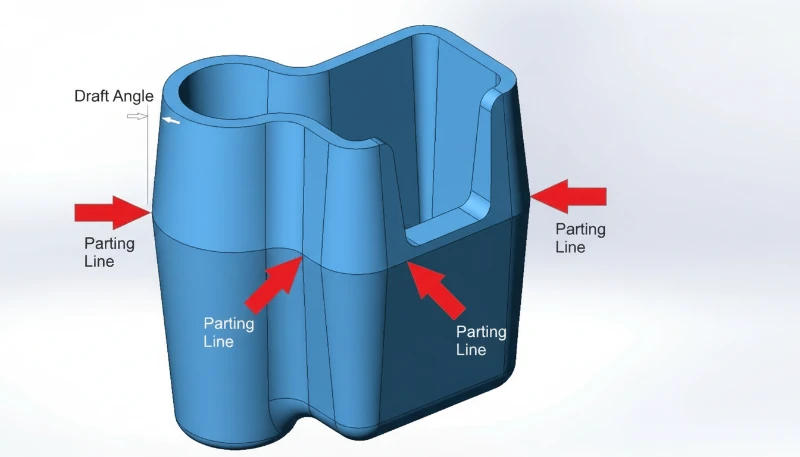
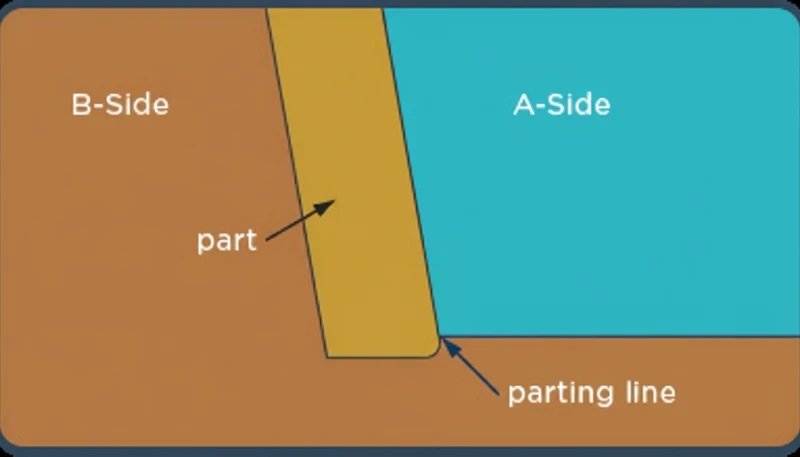
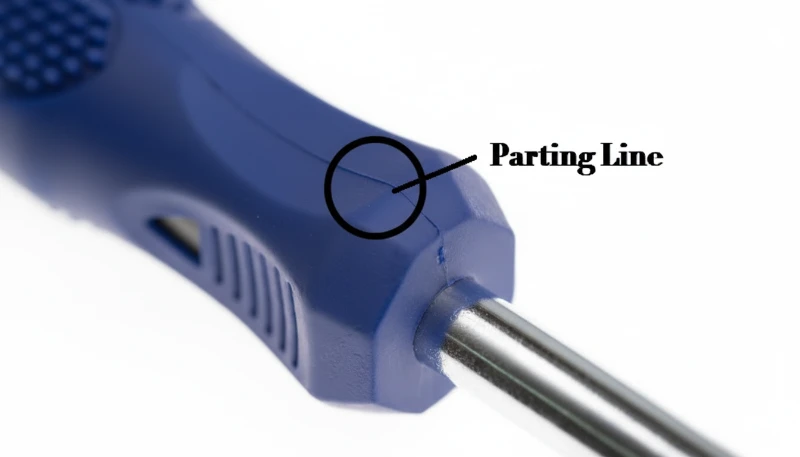
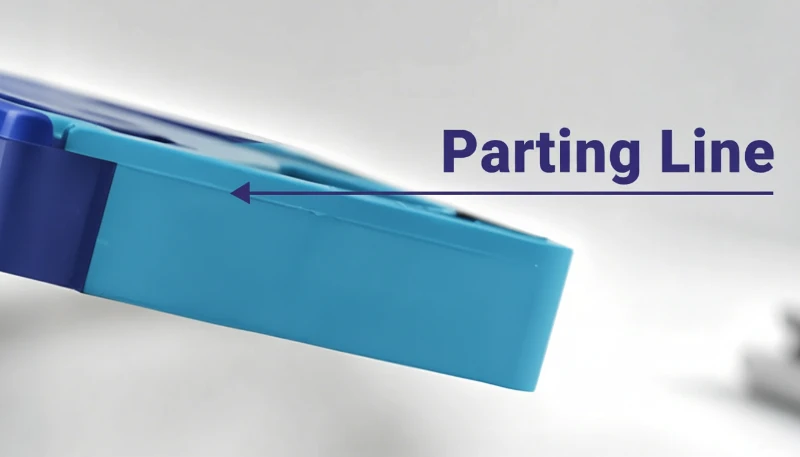
Una línea de partición1 en el moldeo por inyección se define por la función, las restricciones y los compromisos explicados en esta sección. Es la costura visible que queda en una pieza de plástico terminada justo en el límite donde las dos mitades del molde —núcleo y cavidad— se unen y se separan. No es un defecto, sino una inevitabilidad geométrica. Toda pieza moldeada por inyección tiene al menos una línea de partición, y su posición es una de las primeras decisiones del diseño del molde de inyección.
En nuestra fábrica, ubicamos la línea de partición identificando la silueta transversal más grande de la pieza —la envolvente máxima— perpendicular a la dirección de apertura del molde. En una caja sencilla, es el borde. En un soporte curvo de automoción, puede seguir un contorno tridimensional complejo que debe verificarse en CAD antes de iniciar cualquier mecanizado.
En nuestra fábrica de Shanghái, ZetarMold cuenta con más de 20 años de experiencia en moldeo por inyección y fabricación de moldes, opera 47 máquinas de moldeo por inyección de 90T a 1850T y respalda los proyectos con fabricación interna de moldes. Las decisiones sobre la superficie de partición2 se revisan pronto porque afectan al riesgo de rebaba3, la disposición de las compuertas, la expulsión y la estabilidad de la producción.
Tres funciones de ingeniería de la línea de partición
La línea de partición cumple simultáneamente tres funciones de ingeniería: define la dirección de apertura del molde, determina dónde quedarán las marcas de compuerta y de los pasadores expulsores, y establece la división estética visible para el usuario final. Una línea mal ubicada sobre una superficie cosmética de Clase A puede provocar el rechazo de toda una producción. Por eso su ubicación se revisa en cada reunión DFM y no se deja al criterio del fabricante del molde.
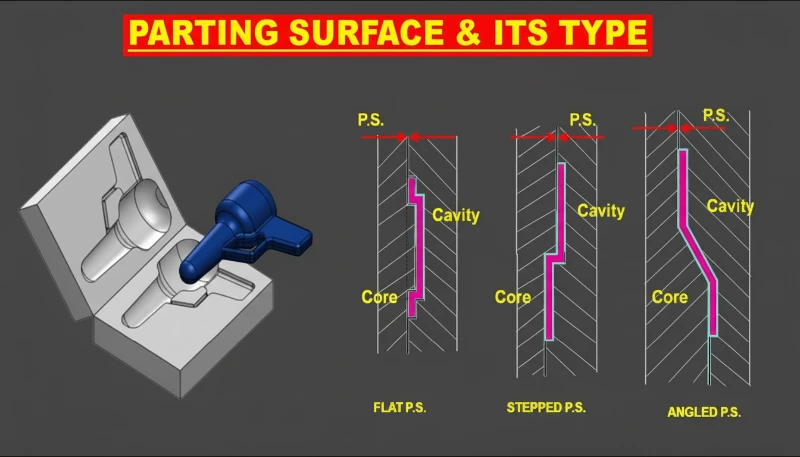
Las líneas de partición se clasifican por su geometría. Una línea de partición plana se encuentra en un único plano perpendicular a la dirección de apertura del molde: es la de menor coste y la más fácil de mecanizar. Una línea de partición escalonada utiliza dos planos horizontales desplazados conectados por un resalte vertical; permite que la cavidad capture características laterales sin correderas, pero genera cargas de cierre asimétricas. Una línea de partición curva o perfilada sigue el contorno natural de una pieza de forma orgánica, lo que minimiza las marcas visibles en las superficies expuestas, pero exige mecanizado CNC de cinco ejes y entre un 20–40% más de tiempo de fabricación del molde.
Ubicación de la línea de partición en sistemas de canal caliente frente a canal frío
"La posición de la línea de partición es la decisión más influyente en el diseño de moldes de inyección."True
La ubicación de la línea de partición controla simultáneamente la posición de la compuerta, la disposición de los expulsores, la posición de los respiraderos, los requisitos de correderas laterales y la ubicación de la división estética. Desplazarla incluso 2 mm puede desencadenar más de 15 cambios de diseño posteriores, por lo que es la decisión de mayor impacto en las primeras fases del desarrollo del molde.
"Las líneas de partición siempre aparecen como una línea horizontal recta alrededor del ecuador de la pieza."False
Muchas piezas requieren líneas de partición escalonadas, curvas o perfiladas que sigan la sección transversal máxima de la pieza. Las formas orgánicas —cubiertas de automóviles, carcasas de electrónica de consumo y envolventes de dispositivos médicos— utilizan habitualmente contornos de partición tridimensionales que no pueden describirse como una simple línea horizontal.
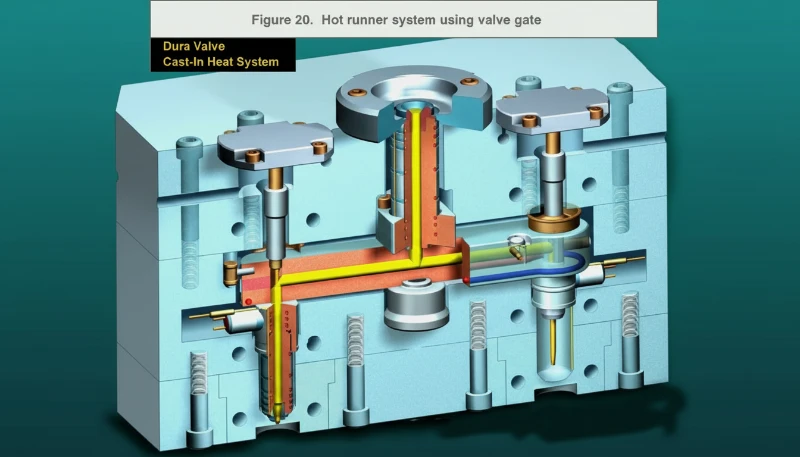
En los sistemas de canal frío, el bebedero y el canal suelen ubicarse en la superficie de partición, por lo que la línea de partición también define la geometría del canal. En los sistemas de canal caliente, el colector se encuentra dentro del molde y las gotas de compuerta pasan a través del inserto de la cavidad, lo que brinda a los ingenieros mayor libertad para colocar la línea de partición independientemente del diseño del canal. Este desacoplamiento es una razón clave por la que los moldes de canal caliente justifican su mayor costo inicial en piezas de alto volumen: la línea de partición puede optimizarse únicamente para la calidad de la pieza.
¿Qué es una superficie de partición en el moldeo por inyección?
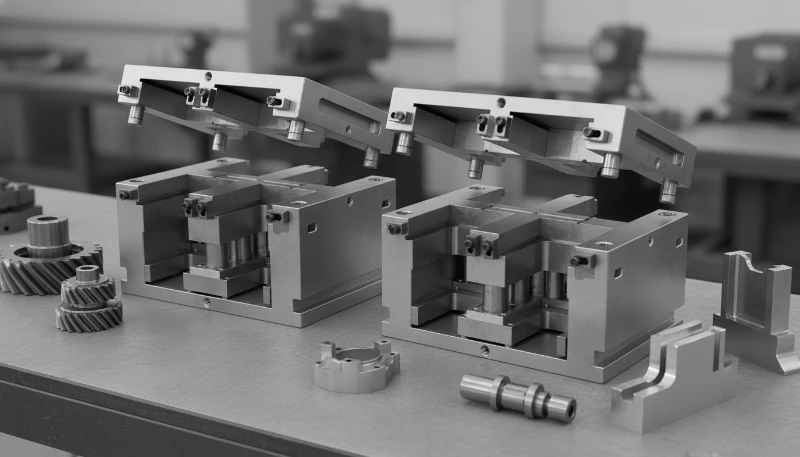
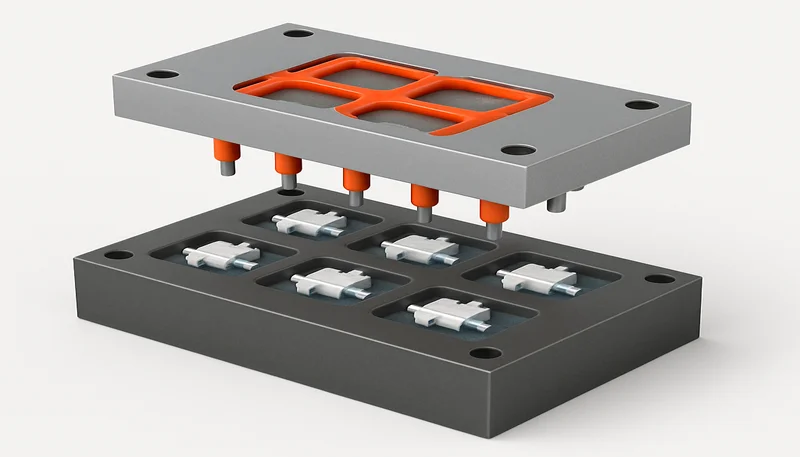
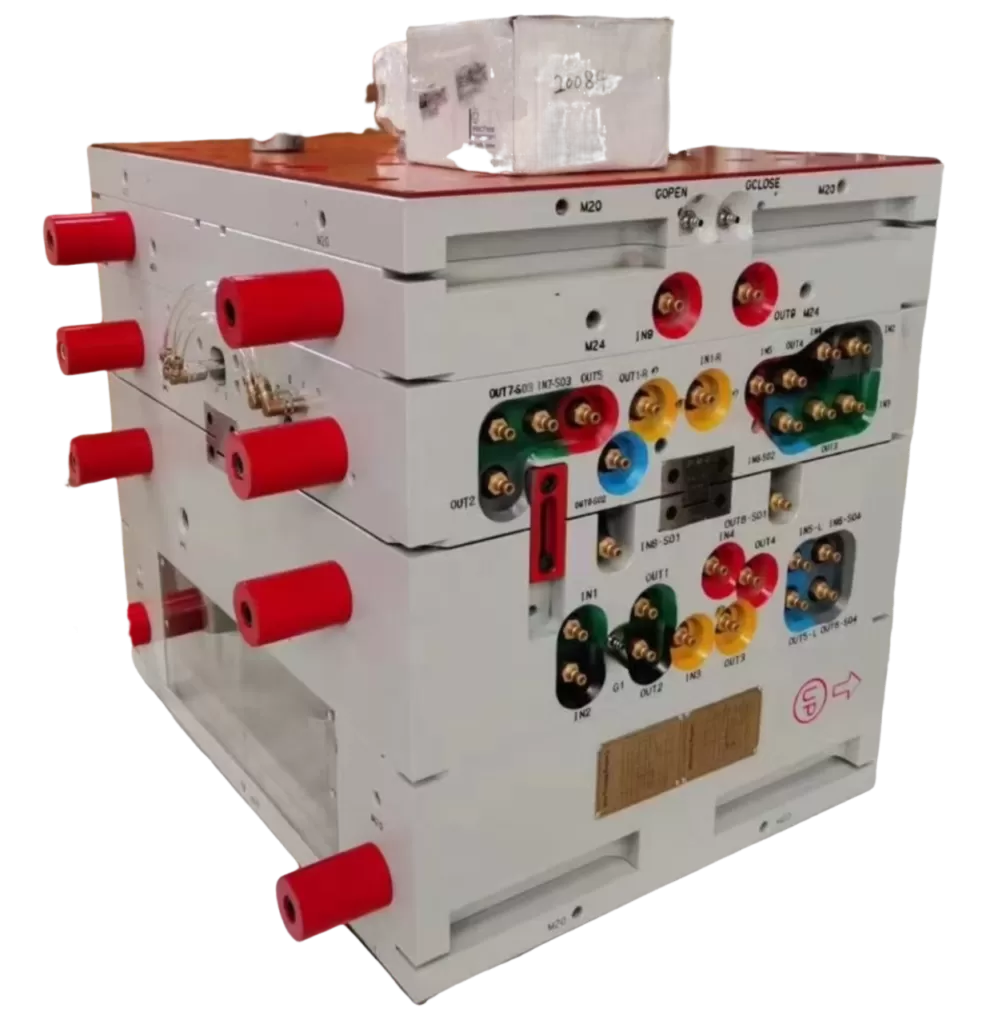
Una superficie de partición es toda la interfaz de contacto tridimensional entre la mitad del núcleo y la mitad de la cavidad de un molde de inyección. Es la cara de sellado completa que impide que el plástico fundido escape de la cavidad durante la inyección. Mientras que la línea de partición es una característica de borde unidimensional en la pieza acabada, la superficie de partición es una zona de ingeniería bidimensional o tridimensional del propio utillaje del molde: solo existe en el molde, no en la pieza acabada.
La superficie de partición debe desempeñar varios roles mecánicos simultáneos: sella la cavidad bajo presiones de inyección de 50–200 MPa, alinea las dos mitades del molde dentro de ±0.01 mm usando pasadores guía y bujes, y proporciona la superficie de apoyo que absorbe la fuerza de cierre, típicamente de 10–100 toneladas por decímetro cuadrado de área proyectada. Cualquier arañazo, rebaba o contaminación en la superficie de partición se traducirá directamente en rebabas en la pieza moldeada.
Cómo afecta la superficie de partición a los subsistemas del molde
Las decisiones sobre la superficie de partición repercuten en todos los demás subsistemas. Su extensión y planitud determinan el tonelaje de cierre: una superficie mayor y más compleja exige una prensa más grande. También dicta por dónde pueden pasar los canales de refrigeración, ya que ningún circuito puede cruzar el plano de partición sin un conector sellado.
En nuestra fábrica mecanizamos las superficies de partición con una planitud de ±0.005 mm sobre acero endurecido a 48–52 HRC, lo que garantiza un cierre uniforme durante millones de ciclos. Hay cuatro configuraciones habituales: plana (la más sencilla y económica), escalonada (compensa desniveles), inclinada (cuando el cierre no es perpendicular a la carrera de la prensa) y perfilada o curva (para contornos orgánicos). Cada configuración añade complejidad de mecanizado, pero reduce el riesgo de contrasalidas, líneas testigo y arrastre durante la expulsión de la pieza terminada.
Interacción entre la superficie de partición y la ubicación de la compuerta
"Una superficie de partición bien diseñada elimina la rebaba sin necesidad de aumentar el tonelaje de cierre."True
La rebaba se debe a la holgura de la superficie de partición, no solo a la presión de inyección. Una superficie de partición plana, mecanizada correctamente y con una planitud de ±0.005 mm sella eficazmente con presiones de cierre estándar. Aumentar el tonelaje de cierre para compensar una superficie de partición deficiente desperdicia energía y acelera el desgaste del molde; la solución correcta es corregir la geometría de la superficie.
"La superficie de partición y la línea de partición son nombres distintos para la misma característica."False
Son conceptos de ingeniería distintos. La línea de partición es un límite 1-D visible en la pieza moldeada: es una consecuencia. La superficie de partición es una interfaz 3-D de la herramienta de molde: es una causa. Confundirlas provoca errores en las revisiones de DFM, las cotizaciones de moldes y los criterios de inspección de calidad. Los ingenieros deben especificar ambas de forma independiente en cualquier documento de diseño del molde.
La ubicación de la compuerta está estrechamente vinculada con la geometría de la superficie de partición porque el punto de entrada de la compuerta debe estar sobre o adyacente a la superficie de partición en la mayoría de las configuraciones de molde. Desalinear la compuerta con respecto a la superficie de partición crea concentraciones de esfuerzo cortante que pueden causar chorreo, quemaduras o decoloración en la marca de la compuerta. Nuestro flujo de trabajo de análisis de flujo de molde siempre evalúa la posición de la compuerta como parte de la revisión de la superficie de partición, tratando ambas como una decisión integrada única.
¿Cuáles son las diferencias clave entre la línea de partición y la superficie de partición?
Las diferencias clave entre línea de partición y superficie de partición son las principales categorías u opciones explicadas en esta sección. Comprender esta distinción es fundamental para comunicarse con precisión con diseñadores de moldes, fabricantes de utillaje e ingenieros de calidad. La tabla siguiente resume las diferencias más importantes en ocho atributos técnicos. Para homologar proveedores, compare esta decisión DFM con nuestra lista de comprobación de proveedores de moldeo por inyección antes de aprobar el utillaje.
| Atributo | Línea de separación | Superficie de partición |
|---|---|---|
| Dimensionalidad | Borde 1-D en la pieza acabada | Cara 2D o 3D en el utillaje del molde |
| Ubicación | En la pieza moldeada | En las caras del núcleo y la cavidad del molde |
| y Colocación de Ventilación | Unión visible para el usuario final | Interno al molde, no en la pieza |
| Función principal | Define la separación estética | Sella la cavidad y transmite la fuerza de cierre |
| Origen de la rebaba | La rebaba aparece a lo largo de la línea | Rebaba causada por una separación en la superficie de partición |
| Aspecto de diseño | Estética, ubicación de compuerta/expulsor | Planitud, área de sujeción, sellado |
| Tolerancia | Plano de la pieza: ±0.05–0.2 mm | Plano del molde: ±0.005–0.01 mm |
| Afecta a | Aspecto de la pieza, ajuste del montaje | Vida del molde, tonelaje de prensa, estabilidad del ciclo |
Cuando un cliente presenta un plano de pieza con una indicación de la línea de partición, especifica dónde debe situarse la unión estética. Cuando un fabricante diseña el molde, desarrolla la geometría de la superficie de partición que produce esa unión. Son dos conversaciones distintas que deben vincularse; según nuestra experiencia, la falta de comunicación entre ambas es una de las causas más frecuentes de fallos en el primer artículo.
La implicación práctica es que una sola línea de partición en la pieza puede producirse mediante múltiples configuraciones diferentes de la superficie de partición en el molde. Una superficie de partición escalonada y una superficie de partición curva pueden producir la misma costura visual en la pieza, pero difieren drásticamente en costo, tiempo de ciclo y rendimiento de ventilación. La etapa de revisión DFM es el momento correcto para evaluar estas compensaciones; después de cortar el acero, el costo aumenta de 5 a 10 veces. En la práctica, especificar una ubicación de la línea de partición sin especificar también la configuración deseada de la superficie de partición deja decisiones críticas de fabricación sin resolver y es una de las principales causas de órdenes de cambio de herramental.
¿Cómo afecta el diseño de la superficie de partición a los defectos de la pieza?
La geometría de la superficie de partición es la causa principal de tres de los defectos más comunes en el moldeo por inyección: rebabas, piezas incompletas y delaminación superficial. Comprender el mecanismo ayuda a los ingenieros a prevenir problemas antes de que comience la producción, en lugar de solucionarlos durante las pruebas de producción, y evita el costoso error de ajustar los parámetros del proceso cuando el problema real es mecánico.
Los ingenieros que se apresuran a ajustar la velocidad de inyección o la temperatura de fusión suelen pasar por alto una superficie de separación desgastada o contaminada como verdadera causa raíz. En nuestra fábrica, la primera medida cuando aparece rebaba o una inyección incompleta en un proceso que por lo demás es estable consiste en inspeccionar y limpiar las caras de la superficie de separación antes de cambiar cualquier parámetro del proceso. Nuestros datos de producción muestran que el 70% de los problemas de rebaba en la primera pieza se deben directamente a holguras o contaminación de la superficie de separación, y no a errores en los parámetros del proceso. Este hallazgo por sí solo justifica incorporar una etapa de inspección de la superficie de separación en cada protocolo de prueba de herramientas nuevas.
¿Qué causa las rebabas y qué umbrales importan?
La rebaba se forma cuando el plástico fundido penetra a presión en el espacio entre las dos caras de la superficie de partición. El espacio puede proceder de tres fuentes: fuerza de cierre insuficiente (prensa demasiado pequeña para el área proyectada), desgaste de la superficie de partición tras ciclos repetidos o errores de mecanizado que dejan puntos altos e impiden el cierre completo del molde. En utillajes de precisión, la rebaba aparece en espacios de tan solo 0,02 mm para resinas de baja viscosidad como el nailon o el polipropileno. Para materiales de mayor viscosidad como el ABS o el policarbonato, el umbral aumenta a 0,05–0,08 mm. Por tanto, la selección de la resina influye directamente en la tolerancia de planitud de la superficie de partición especificada en el plano del molde.
Establecer un protocolo de inspección de la superficie de partición —comprobación visual con una linterna, medición con galgas de espesores en las cuatro esquinas y registro fotográfico— antes de cada prueba elimina el tiempo perdido en diagnósticos. En nuestra fábrica comprobamos que implantar únicamente este paso de inspección redujo nuestra tasa de rechazo de primeras muestras un 18% durante un periodo de 12 meses. La inspección solo añade 15 minutos a cada prueba, pero ahorra una media de seis horas de ajuste del proceso cuando detecta una separación en la superficie de partición que, de otro modo, se diagnosticaría erróneamente como un problema de presión de inyección o refrigeración.
Llenados incompletos, ventilación y delaminación
Las inyecciones incompletas —cuando la cavidad no se llena por completo— también pueden tener su origen en el diseño de la superficie de partición. En esta superficie se mecanizan ranuras de ventilación, normalmente de 0.01–0.02 mm de profundidad para termoplásticos y 0.05–0.08 mm de anchura, para que el aire atrapado escape a medida que avanza el frente de fusión. Los respiraderos obstruidos o demasiado pequeños crean una contrapresión que detiene el llenado antes de las últimas características y provoca nervios incompletos, tetones ausentes o bordes redondeados en la pieza final. Reubicar la superficie de partición para mejorar la posición de los respiraderos suele ser más eficaz que aumentar la presión de inyección y evita el riesgo de quemar la masa fundida cerca de la zona que se llena al final debido a la compresión adiabática del gas atrapado.
Las líneas de soldadura —las marcas tenues donde convergen dos frentes de flujo— quedan determinadas por la misma disposición de la superficie de partición que define la ubicación de la compuerta. Desplazar la compuerta 5–10 mm respecto de la superficie de partición puede trasladar una línea de soldadura estructural desde un nervio de carga hasta una cavidad oculta a la vista, lo que mejora tanto la resistencia mecánica como el aspecto superficial sin modificar la geometría de la pieza.
| Defecto | Causa raíz | Solución principal |
|---|---|---|
| Rebaba | Separación de la superficie de partición > 0,02–0,08 mm | Rectificar la superficie del molde o aumentar el tonelaje de cierre |
| Tiro corto | Ranuras de ventilación bloqueadas en la superficie de partición | Volver a mecanizar o reubicar los canales de ventilación |
| Línea de soldadura en la zona de carga | Compuerta mal situada respecto a la superficie de partición | Desplazar la compuerta 5–10 mm; verificar mediante análisis de flujo del molde |
| Deslaminación superficial | Resina contaminada transferida en la superficie de partición | Inspección y limpieza semanal de la superficie de partición |
La delaminación superficial cerca de la línea de partición ocurre cuando la resina contaminada forma rebaba sobre la superficie de partición y después se transfiere como una película fina a la siguiente inyección. La contaminación por humedad en resinas higroscópicas —nailon, PC o PET— también puede depositar vetas plateadas a lo largo de la línea de partición, que a menudo se diagnostican erróneamente como delaminación. La inspección y limpieza semanales de nuestro protocolo reducen la tasa real de defectos por delaminación en más del 90%. Documentamos cada inspección con una fotografía para seguir los patrones de desgaste de la superficie de partición durante la vida productiva del molde y programar un reacondicionamiento oportuno antes de que aparezcan defectos en las tiradas de producción.
¿Qué reglas de diseño optimizan la ubicación de la línea de partición?
La ubicación de la línea de partición se optimiza coordinando la dirección de apertura del molde, la prioridad estética, el desmoldeo, el área proyectada y el acceso de ventilación antes de cortar el acero. Nuestra fábrica aplica cinco comprobaciones a cada nuevo proyecto de molde y también revisa el tiempo de producción del moldeo por inyección y el riesgo de contracción del molde durante el DFM.
Reglas 1–3: Sección transversal, estética y equilibrio de cargas
Regla 1: Coloque la línea de partición en la sección transversal más grande. Esto minimiza los contrasalidas, elimina la necesidad de correderas en geometrías sencillas y garantiza que el molde se abra sin arrastrar lateralmente la pieza. Para el 80% de las piezas de productos de consumo, esta regla por sí sola determina la ubicación de la línea de partición y simplifica todas las decisiones posteriores de diseño del molde.
Regla 2: Mantenga la línea de partición alejada de las superficies cosméticas de clase A siempre que sea posible. Una línea de partición en una cara visible crea una junta que requiere posprocesado —lijado, pintura o alisado con vapor—, lo que añade coste y tiempo de ciclo. Llevar la línea de partición a un reborde oculto, una interfaz de ensamblaje o una nervadura no visible casi siempre compensa la complejidad adicional del molde.
Regla 3: equilibre el área proyectada a ambos lados de la superficie de partición. Un área desigual crea una carga de cierre excéntrica que abre el molde por un lado y genera rebabas asimétricas. Para piezas con contornos complejos calculamos el área en CAD y ajustamos la geometría para igualar la carga dentro de ±10% antes de finalizar el diseño.
Reglas 4–5: Ángulo de desmoldeo y colocación de ventilación
Línea de Partición vs Superficie de Partición: Una Guía para Ingenieros
Regla 5: diseñe la superficie de partición para admitir la futura colocación de respiraderos. Los respiraderos deben ser accesibles para limpiarlos y volver a mecanizarlos sin desmontar todo el molde. Incorporar canales de ventilación en el perímetro de la superficie de partición durante el diseño inicial apenas cuesta nada; añadirlos posteriormente tras repetidos llenados incompletos cuesta entre 8 y 15 horas de electroerosión o rectificado. Los datos de nuestra fábrica muestran que seguir las cinco reglas en la fase de DFM reduce las rondas de revisión del molde en una media de 2.3 por proyecto.
¿Qué configuración de superficie de partición debería usar?
Seleccionar la configuración correcta de la superficie de partición exige equilibrar los requisitos geométricos de la pieza, el presupuesto de utillaje y el volumen de producción. Cada configuración tiene un caso de uso específico en el que ofrece el mejor equilibrio entre coste y calidad, y elegir la incorrecta aumenta tanto el tiempo de fabricación como el riesgo de retrabajo.
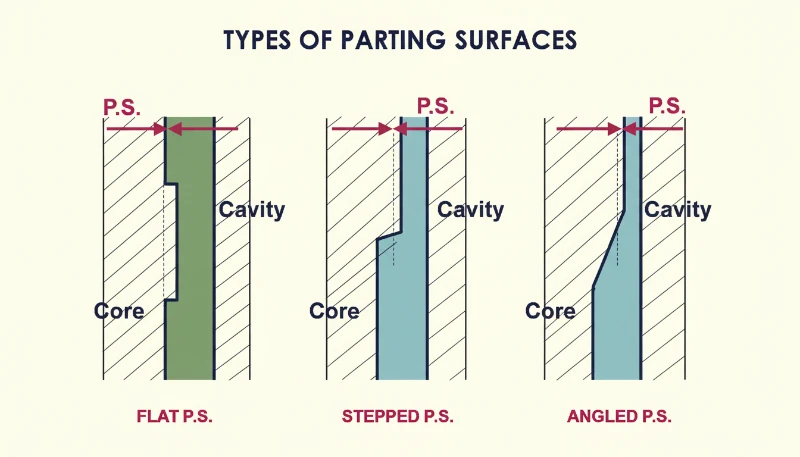
Configuraciones planas y escalonadas
Una superficie de partición plana es la opción predeterminada para piezas cuya sección transversal máxima es plana—tapas planas, soportes sencillos y carcasas rectangulares. Requiere el menor mecanizado, consigue la mejor uniformidad de sellado y permite la disposición más sencilla del circuito de refrigeración. Prima de coste de construcción respecto a un molde básico: cero. Si una pieza puede utilizar una superficie de partición plana, debe hacerlo, y nuestra lista de comprobación DFM pregunta explícitamente si una configuración plana es viable antes de considerar cualquier alternativa.
Una superficie de partición escalonada permite fabricar piezas con resaltes, salientes o características que sobresalen por encima o por debajo del plano de partición principal. El escalón permite que la cavidad capture estas características sin necesidad de una acción lateral ni un elevador. Sin embargo, la contrahuella vertical de la superficie de partición se convierte en una posible fuente de rebaba si las dos mitades se desalinean más de 0,01 mm, por lo que el guiado mediante columnas guía debe ser muy preciso. Esta configuración añade aproximadamente entre un 15 y un 25 % al tiempo de fabricación del molde respecto a una superficie de partición plana de igual complejidad.
Configuraciones angulares y perfiladas
Se especifica una superficie de partición angular o inclinada cuando la geometría de la pieza exige una dirección de apertura del molde que no sea perpendicular a la carrera de la prensa; por ejemplo, una carcasa con una brida de montaje inclinada. La superficie de partición inclinada convierte la carrera de la prensa en la dirección correcta de extracción, lo que elimina la necesidad de una acción lateral inclinada. Mecanizar y ajustar una superficie de partición inclinada requiere tolerancias angulares estrechas (±0.05 grados) para evitar el balanceo y un sellado desigual en la cara del molde.
Una superficie de partición perfilada o curva sigue el contorno orgánico de la geometría de la pieza, común en paneles exteriores automotrices, mangos ergonómicos y carcasas de dispositivos médicos. Esta es la opción más costosa, que requiere mecanizado CNC de cinco ejes y ajuste manual por parte de un moldeador calificado. En nuestra fábrica, operamos 47 máquinas de moldeo por inyección y apoyamos proyectos de moldes con herramental interno. Según nuestra experiencia, muchos de los nuevos proyectos utilizan superficies de partición planas, el 22% usa escalonadas, el 8% usa anguladas y el 5% requiere superficies perfiladas. El 5% perfilado representa el 30% de las horas de revisión del molde, lo que subraya por qué la revisión temprana de la configuración de la superficie de partición es tan importante.
Preguntas frecuentes
¿Puede ser completamente invisible la línea de partición de una pieza moldeada por inyección?
Una línea de partición no puede eliminarse por completo, pero puede hacerse casi invisible con un diseño cuidadoso. Si se coloca a lo largo de un borde natural, un escalón o una interfaz de montaje oculta, la unión existe pero no es visible durante el uso normal. En aplicaciones con requisitos estéticos críticos, una superficie de partición perfilada que sigue la curvatura de la pieza crea una unión tan fina —normalmente inferior a 0.03 mm— que resulta imperceptible sin aumento. Las operaciones secundarias, como la pintura o la aplicación de textura, pueden ocultarla aún más. La mejor estrategia siempre es alejar la línea de partición de las superficies de Clase A durante la fase inicial del diseño, antes de comenzar el utillaje.
¿Qué causa rebabas en la línea de partición y cómo se corrigen?
La rebaba en la línea de partición se produce cuando el plástico fundido escapa por un hueco de la superficie de partición. Las tres causas raíz son: fuerza de cierre insuficiente para el área proyectada de la pieza, caras de la superficie de partición desgastadas o dañadas y contaminación o rebabas que impiden el cierre completo del molde. La viscosidad del material también influye: las resinas de baja viscosidad, como el nailon (PA6), forman rebaba en huecos de tan solo 0.02 mm, mientras que los materiales más rígidos, como el PEEK reforzado con fibra de vidrio, requieren huecos mayores para que aparezca. Evitar la rebaba mediante un diseño correcto de la superficie de partición siempre resulta más económico que eliminarla mediante operaciones secundarias de desbarbado o recorte después del moldeo.
¿Cómo afecta la ubicación de la línea de partición a la colocación de los pasadores expulsores?
Los pasadores eyectores deben colocarse en el lado del núcleo del molde, la mitad a la que queda adherida la pieza tras la apertura. La línea de partición determina qué elementos quedan en el lado del núcleo y cuáles en el lado de la cavidad, por lo que su ubicación controla directamente dónde pueden colocarse los pasadores eyectores. Las marcas de los pasadores eyectores son pequeñas huellas circulares que quedan en la superficie de la pieza; situarlas en superficies no estéticas, caras ocultas o interfaces de montaje mantiene limpia la apariencia de la pieza. Cambiar la ubicación de la línea de partición en una fase avanzada del diseño del molde puede obligar a rediseñar por completo el sistema de expulsión, otra razón para definirla durante la revisión DFM.
¿Qué relación existe entre el ángulo de desmoldeo y el diseño de la superficie de partición?
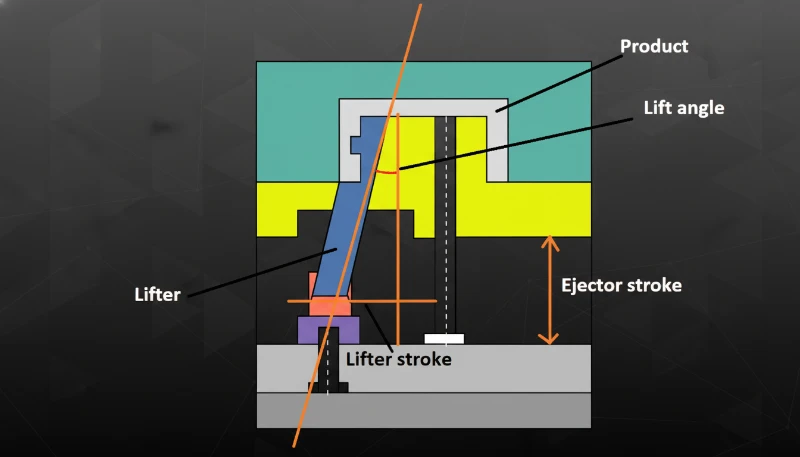
El ángulo de desmoldeo es la inclinación aplicada a las paredes de la pieza para permitir una expulsión limpia del molde. La ubicación de la superficie de partición determina qué paredes necesitan desmoldeo y en qué dirección: las paredes del lado de la cavidad se inclinan alejándose de esta y las del lado del núcleo se inclinan alejándose del núcleo. Un error común de DFM es especificar el ángulo de desmoldeo sin conocer la ubicación de la línea de partición, lo que puede hacer que se aplique en la dirección equivocada. En piezas con superficies texturizadas, los requisitos aumentan a 3–5 grados por cada 0.025 mm de profundidad de textura. Ejecutar una simulación de flujo del molde después de definir la superficie de partición confirma que todos los ángulos de desmoldeo sean suficientes.
¿Cómo difiere en la práctica una superficie de partición escalonada de una plana?
Una superficie de partición plana se encuentra íntegramente en un plano perpendicular a la carrera de la prensa. Una superficie escalonada contiene dos o más planos desplazados conectados por un tramo vertical. Se utiliza cuando ciertas características —como un resalte, un reborde o un logotipo rebajado— sobresalen por encima o por debajo del plano principal. En la práctica, el escalón añade un reto de sellado: el tramo vertical debe cerrar tan herméticamente como las caras horizontales, y cualquier desalineación entre las mitades genera rebabas en la esquina. Un sellado fiable requiere una guía mediante pasadores con precisión de ±0.01 mm. El coste de fabricación es un 15–25% mayor que el de un molde comparable con superficie plana.
¿Cuándo debe utilizarse la simulación del flujo del molde para evaluar la ubicación de la línea de partición?
La simulación de flujo del molde debe realizarse en la fase de DFM, antes de pedir el acero del molde. La simulación predice la posición de las líneas de soldadura, la ubicación de las trampas de aire, el patrón de llenado y el riesgo de rebaba en la superficie de partición; todos estos factores están directamente influidos por la ubicación de la línea de partición. Desplazar la línea de partición incluso 5–10 mm puede mover una línea de soldadura estructural desde una zona de carga crítica hasta una característica oculta estéticamente, mejorando simultáneamente la resistencia y la apariencia. En nuestra fábrica, la simulación en la fase de DFM evita una media de 2–4 semanas de retrabajo por proyecto. Para piezas de gran volumen o críticas para la seguridad, el coste de simulación de $500–2,000 es una fracción del coste de retrabajo si la línea de partición está mal ubicada.
línea de partición: una línea de partición es una costura visible o marca de borde que queda en una pieza moldeada por inyección donde las dos mitades del molde se unen y se separan durante la expulsión. ↩
superficie de partición: la superficie de partición es toda la interfaz del molde entre las mitades del núcleo y la cavidad que sella la cavidad durante el moldeo por inyección. ↩
rebaba: la rebaba es un defecto de moldeo por inyección consistente en plástico sobrante que escapa por una pequeña holgura en la superficie de partición del molde y se solidifica formando una aleta fina. ↩