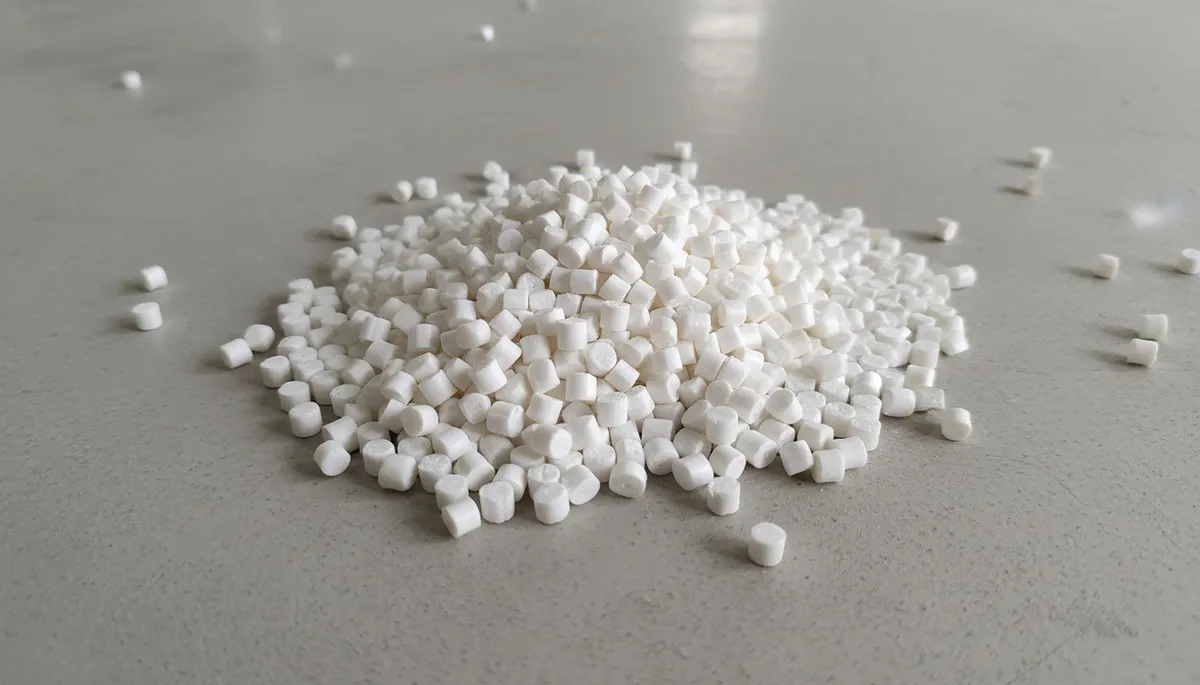
Was ist die Produktivität eines Spritzgießwerkzeugs und warum ist sie wichtig?
Die Produktivität einer Spritzgießform ist die Zahl der Gutteile pro Stunde, nachdem Zykluszeit1, Verfügbarkeit, Ausschuss, Arbeitsaufwand und Wartungsverluste berücksichtigt wurden. Ihre Steigerung senkt die Stückkosten, sichert Liefertermine und gewährleistet über lange Produktionsläufe eine gleichbleibende Qualität.
- Die Verkürzung der Zykluszeit ist der größte Hebel für die Produktivität der Form
- Konforme Kühlkanäle können die Zykluszeiten im Vergleich zu konventionellen Bohrungen um 20-40% verkürzen
- Wissenschaftliches Spritzgießen nutzt datengesteuerte Parameter für wiederholbare Produktionsqualität
- Heißkanalsysteme beseitigen Angussabfall und reduzieren die Zykluszeit pro Teil
- Echtzeitüberwachung ermöglicht vorausschauende Wartung und Prozessoptimierung
Warum ist das so wichtig? In der wettbewerbsintensiven Fertigungswelt zählen jede Sekunde und jedes Gramm Kunststoff. Eine höhere Werkzeugproduktivität wirkt sich direkt und erheblich auf das Ergebnis aus. Sie senkt die Kosten pro Teil und ermöglicht uns, unseren Kunden wettbewerbsfähigere Preise anzubieten. Sie erhöht den Werksdurchsatz, sodass wir größere Aufträge innerhalb kürzerer Fristen erfüllen können, ohne die Qualität zu beeinträchtigen. Eine hohe Produktivität senkt außerdem den Energieverbrauch pro Teil und trägt damit zu nachhaltigeren Fertigungsverfahren bei. Letztlich ist ein produktives Werkzeug das Herzstück eines erfolgreichen und skalierbaren Spritzgießbetriebs, der Rohmaterial mit maximaler Effizienz in Wert umwandelt.
Betrachten wir zwei Formen, die dasselbe Teil herstellen. Form A arbeitet mit einem 30-Sekunden-Zyklus und 2 % Ausschuss. Form B arbeitet mit einem 25-Sekunden-Zyklus, weist wegen Qualitätsproblemen aber 10 % Ausschuss auf. Auf dem Papier erscheint Form B schneller, ihre effektive Produktivität ist jedoch deutlich geringer, weil ein Zehntel ihrer Produktion unbrauchbar ist. Deshalb konzentrieren wir uns stets auf die Nettozahl der Gutteile. In unserem Werk beginnt jedes Projekt mit einer gründlichen Analyse, wie wir das Werkzeug bereits ab dem ersten Schuss für maximale und dauerhaft tragfähige Produktivität konstruieren und betreiben können.
Wie steigert die Optimierung der Zykluszeit die Produktivität von Spritzgießwerkzeugen?
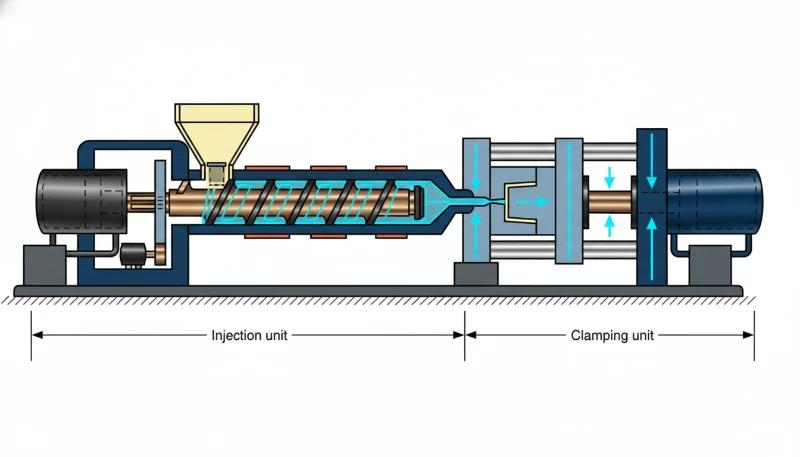
Der größte Einflussfaktor auf die Produktivität einer Spritzgießform ist die Zykluszeit. Jede Sekunde, die bei einer Form für hohe Stückzahlen eingespart wird, kann über die Projektlaufzeit Tausende Dollar Kosten senken und Hunderte zusätzliche Produktionsstunden schaffen. Der Spritzgießzyklus umfasst mehrere Phasen: Form schließen, Kunststoffschmelze einspritzen, zum Ausgleich der Schwindung verdichten und nachdrücken, das Teil bis zur Erstarrung kühlen, die Form öffnen und das Teil auswerfen. Unsere Verfahrenstechniker analysieren jede Phase auf Optimierungspotenzial.
Füllen und Nachdrücken sind für die Teilequalität entscheidend, doch die Kühlphase nimmt üblicherweise die meiste Zeit in Anspruch – häufig 50-80% des gesamten Zyklus. In dieser Phase geht das Teil vom geschmolzenen Zustand in eine feste, stabile Form über, die ohne Verzug ausgeworfen werden kann. Je schneller wir dem Kunststoff Wärme entziehen, desto kürzer kann die Zykluszeit sein. Deshalb konzentriert sich ein wesentlicher Teil unserer Maßnahmen zur Produktivitätssteigerung gezielt auf die Optimierung des Kühlprozesses. Dies reicht von der Anpassung von Kühlmitteltemperatur und Durchfluss bis zur grundlegenden Neukonstruktion des Kühlsystems im Werkzeug, die wir als Nächstes behandeln.
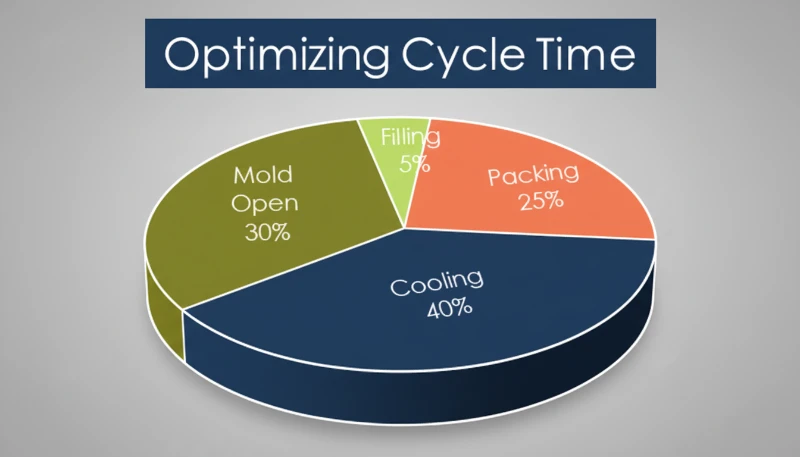
Neben der Kühlung prüfen wir auch die übrigen Teile des Zyklus genau. Kann sich die Form schneller öffnen und schließen? Kann der Roboter oder Bediener das Teil schneller entnehmen? Wir haben festgestellt, dass sich selbst scheinbar geringfügige Anpassungen summieren, etwa die Optimierung des Auswerferhubs oder die Feinabstimmung der Roboterbahn. Wenn eine Form Millionen Zyklen durchläuft, ist eine eingesparte halbe Sekunde ein enormer Erfolg. Es geht um Millimeter – oder vielmehr um Zehntelsekunden –, und unser Team arbeitet unermüdlich daran, diese zu gewinnen.
Welche Rolle spielt die Auslegung des Werkzeugkühlsystems für die Produktivität?
Wenn die Zykluszeit der König der Produktivität ist, dann ist das Kühlsystem der Königsmacher. Die Fähigkeit einer Form, der Kunststoffschmelze effizient und gleichmäßig Wärme zu entziehen, bestimmt nicht nur die Zykluszeit, sondern auch die endgültige Bauteilqualität. Ein schlecht ausgelegtes Kühlsystem führt zu langen Zyklen, Verzug, Einfallstellen und inneren Spannungen. Nach unserer Erfahrung amortisieren sich Vorabinvestitionen in eine fortschrittliche Kühlungsauslegung vielfach durch höhere Produktivität und geringere Ausschussraten.
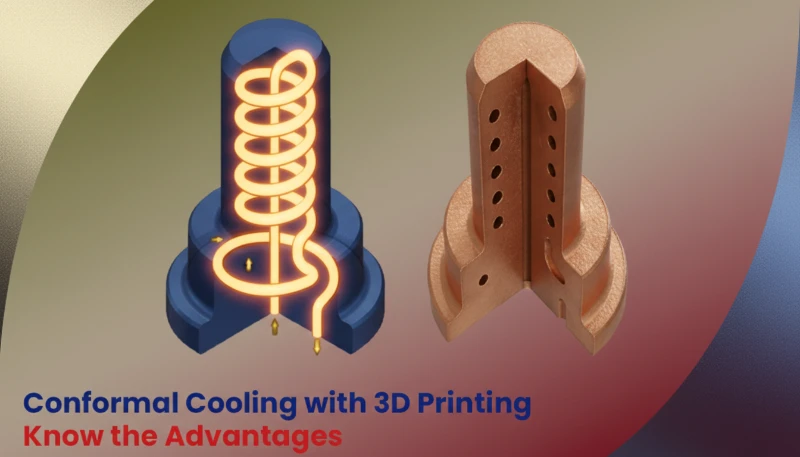
Bei der herkömmlichen Methode werden geradlinige Kühlkanäle in den Formaufbau gebohrt. Diese Kanäle sind einfach und kostengünstig herzustellen, ermöglichen aber gerade bei Teilen mit komplexer Geometrie häufig keine optimale Kühlung. Sie können zu weit von kritischen Wärmenestern entfernt sein oder verschiedene Teilbereiche nicht gleichmäßig kühlen. Hier wird das fortschrittlichere Konzept der konturnahen Kühlung2 zum entscheidenden Vorteil. Mit Verfahren wie dem 3D-Metalldruck (DMLS) lassen sich Kühlkanäle herstellen, die den Konturen des Teils wie eine Ummantelung exakt folgen. Dadurch wird selbst an schwer zugänglichen Stellen eine ausgesprochen gleichmäßige und schnelle Wärmeabfuhr erreicht.
Die Ergebnisse sind erheblich. Bei Projekten mit konturnaher Kühlung haben wir Zykluszeitverkürzungen von 30-50% erzielt und gleichzeitig die Geradheit und Maßstabilität der Teile verbessert. Entscheidend ist eine turbulente Strömung in den Kanälen, da sie Wärme deutlich wirksamer überträgt als eine laminare (gleichmäßige) Strömung. Unsere Ingenieure konstruieren und validieren Kühlkreisläufe mit moderner Strömungssimulationssoftware und optimieren Kanaldurchmesser, Verlauf und Kühlmitteldurchfluss für maximale Turbulenz und thermische Effizienz. Die Auslegung des Kühlsystems ist einer der stärksten Hebel zur deutlichen Steigerung der Werkzeugproduktivität.
"“Konturnahe Kühlkanäle können die Zykluszeiten bei komplexen Teilen um mehr als 30% reduzieren.”"True
Das ist richtig. Da konturnahe Kühlkanäle der Bauteilgeometrie folgen, ermöglichen sie im Vergleich zu konventionellen geradlinig gebohrten Kanälen eine gleichmäßigere und effizientere Wärmeabfuhr. Dies führt zu einer deutlich schnelleren Erstarrung, kürzeren Kühlzeiten und damit zu kürzeren Gesamtzykluszeiten, wobei die Verbesserung häufig mehr als 30% beträgt.
"„Die Verwendung von kaltem Leitungswasser zur Werkzeugkühlung ist immer die kostengünstigste und effizienteste Methode.“"False
Das ist falsch. Leitungswasser wirkt zwar günstig, enthält jedoch Mineralien, die Kalkablagerungen in den Kühlkanälen verursachen. Diese Ablagerungen wirken als Isolator, verringern die Kühlleistung drastisch, verlängern die Zykluszeiten und machen eine kostspielige und häufige Entkalkung erforderlich. Wir verwenden geschlossene Kreislaufsysteme mit aufbereitetem, gekühltem Wasser, um eine konstante Temperatur sicherzustellen und Ablagerungen zu verhindern. Dies ist langfristig deutlich wirksamer und wirtschaftlicher.
Die Wirkung der Produktivitätsoptimierung von Formen geht über kürzere Zykluszeiten hinaus. Wenn Spritzgussformen mit maximaler Effizienz arbeiten, profitieren Hersteller von geringeren Ausschussraten, niedrigerem Energieverbrauch pro Teil und besser planbaren Wartungsintervallen. Eine gut gewartete, richtig konstruierte Spritzgussform übertrifft eine vernachlässigte Form konstant – oft produziert sie bei gleicher Maschineninvestition 20–40% mehr Teile pro Schicht.
Wie verhindert regelmäßige Werkzeugwartung Stillstände und verbessert den Ausstoß?
Ein Spritzgusswerkzeug ist eine hochpräzise Anlage, die unter enormem Druck und hohen Temperaturen arbeitet. Die Annahme, es könne ohne regelmäßige Pflege Millionen Zyklen durchlaufen, führt direkt zu katastrophalem Versagen und kostspieligen Ausfallzeiten. Bei ZetarMold behandeln wir die Werkzeugwartung nicht als lästige Pflicht, sondern als zentrale Produktivitätsstrategie. Ein gut gewartetes Werkzeug läuft zuverlässiger, produziert hochwertigere Teile und hält erheblich länger. Vorbeugende Wartung ist stets günstiger als eine reaktive Reparatur.
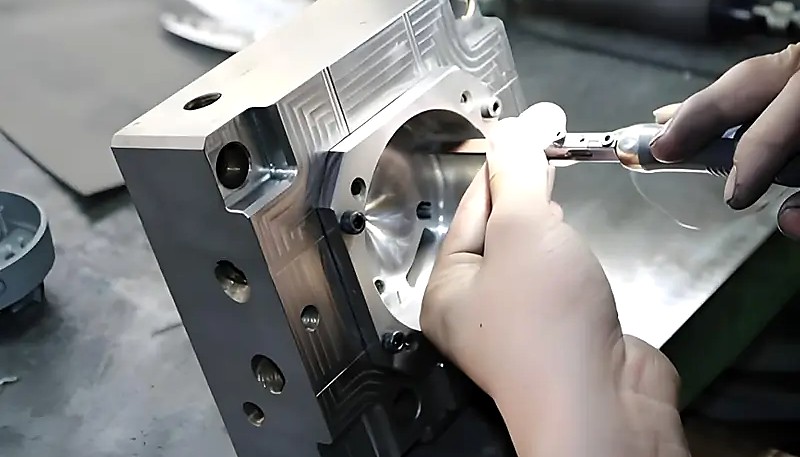
Unser Wartungsprogramm ist nach der Anzahl der Werkzeugzyklen gestaffelt. Nach einer festgelegten Schusszahl wird eine Form zur Wartung der Stufe 1 ausgebaut. Dabei reinigen unsere qualifizierten Werkzeugmacher die Trennflächen, Entlüftungen und Kavitäten gründlich. Sie prüfen auf Anzeichen von Verschleiß, Schäden oder Rückstandsbildung (Ausgasungen), die Gratbildung oder optische Fehler verursachen könnten. Auswerferstifte, Schieber und andere bewegliche Komponenten werden gereinigt und neu geschmiert. Dieses einfache, regelmäßig durchgeführte Verfahren verhindert zahlreiche gängige Spritzgießprobleme und stellt sicher, dass das Werkzeug mit höchster Effizienz einsatzbereit ist.
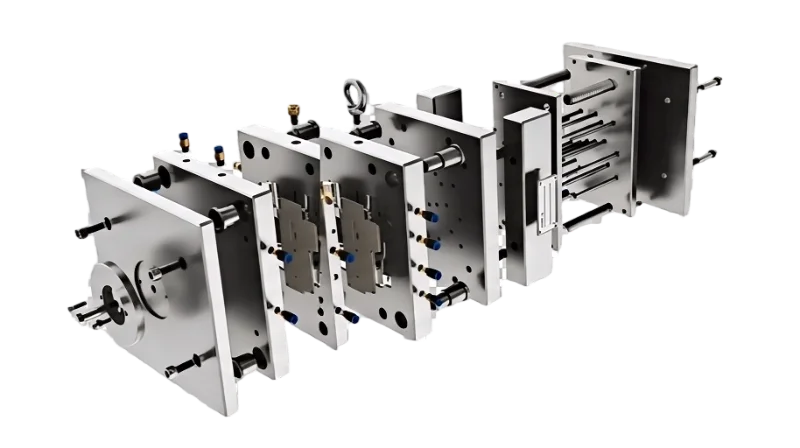
Für umfangreichere Wartungen der Stufe 2 oder Stufe 3 wird das Werkzeug vollständig zerlegt. Jede einzelne Komponente wird geprüft, anhand ihrer ursprünglichen Spezifikationen vermessen und gereinigt. Verschlissene oder beschädigte Teile—wie Anschnitteinsätze, Führungssäulen oder Auswerferhülsen—werden durch Neuteile aus unserem Ersatzteilbestand ersetzt, den wir zu Beginn jedes Projekts anlegen. Dieser vorbeugende Ansatz verhindert, dass ein verschlissener Stift mitten in der Produktion bricht, die Werkzeugkavität schwer beschädigt und zu ungeplanten Stillständen von Tagen oder sogar Wochen führt. Für unsere Kunden bedeutet dieses Wartungsengagement unmittelbar höhere Zuverlässigkeit und termingerechte Lieferung.
Welche Anpassungen von Werkstoff- und Prozessparametern steigern die Werkzeugeffizienz?
Neben dem physischen Werkzeug und der Maschine sind Materialien und Prozessparameter die dynamischen Variablen, die wir zur weiteren Produktivitätssteigerung anpassen können. Die Wahl des Kunststoffs selbst hat erheblichen Einfluss. Einige Werkstoffe, etwa hochfließendes Polypropylen oder ABS, sind so formuliert, dass sie das Werkzeug leichter und bei geringerem Druck füllen. Mit diesen Werkstoffen können teilweise höhere Einspritzgeschwindigkeiten und kürzere Füllzeiten erreicht werden. Die Materialauswahl wird jedoch fast immer durch die Anforderungen der Endanwendung bestimmt. Unser Hauptaugenmerk liegt daher auf der Optimierung des Prozesses für den vorgegebenen Werkstoff.
Hier kommen die Grundsätze des Scientific Molding3 zum Tragen. Statt uns auf Vermutungen oder überliefertes Erfahrungswissen zu verlassen, schaffen unsere Verfahrenstechniker mithilfe eines datenbasierten Ansatzes ein robustes und effizientes Prozessfenster. Wir entkoppeln und optimieren jede Prozessphase systematisch. Beispielsweise ermitteln wir durch rheologische Untersuchungen die ideale Schmelzetemperatur und Einspritzgeschwindigkeit, um das Teil ohne Materialabbau oder Scherbeanspruchung zu füllen. Durch Druckverluststudien bestimmen wir, welcher Druck erforderlich ist, um den Kunststoff durch Düse, Anguss, Anschnitt und Kavität zu fördern.
Sobald das Werkzeug gefüllt ist, optimieren wir die Nachdruckphase. Durch sorgfältige Steuerung von Nachdruck und -zeit stellen wir sicher, dass genügend Material in die Kavität gedrückt wird, um die Schwindung beim Abkühlen auszugleichen. Dadurch vermeiden wir Einfallstellen und Hohlräume, ohne Grat oder innere Spannungen zu erzeugen. Den Staudruck während der Schneckenrückführung stimmen wir so ab, dass eine homogene Schmelze entsteht, ohne den Zyklus unnötig zu verlängern. Dieser methodische, wissenschaftliche Ansatz ergibt einen äußerst stabilen, wiederholbaren Prozess, der die Gutteilproduktion maximiert und Ausschuss sowie Zykluszeit minimiert. Er macht das Formen von einer Kunst zur Wissenschaft — eine Voraussetzung für höchste Produktivität.
Wie verbessert Automatisierungstechnik die Produktivität beim Spritzgießen?
In einem modernen Spritzgießwerk ist Automatisierung kein Luxus, sondern ein grundlegender Bestandteil eines produktiven und wettbewerbsfähigen Betriebs. Die häufigste Automatisierungsform ist der Einsatz von Robotern oder „Entnahmegeräten“, um Teile aus dem Werkzeug zu entnehmen. Allein dies steigert die Produktivität gegenüber dem manuellen Betrieb erheblich. Ein Roboter bewegt sich jedes Mal vollkommen gleichmäßig und ermöglicht dadurch einen stabileren und häufig kürzeren Zyklus. Zudem beseitigt er das Risiko von Werkzeugschäden bei der manuellen Teileentnahme und erhöht die Bedienersicherheit.
Die Wirkung der Automatisierung reicht jedoch weit über die einfache Teileentnahme hinaus. Wir nutzen nachgelagerte Automatisierung für Aufgaben, die sonst Handarbeit erfordern würden, und steigern so Durchsatz und Konsistenz. Beispielsweise kann ein Sechsachsroboter ein Teil aus der Form entnehmen und es einem Bildverarbeitungssystem zur automatisierten Qualitätsprüfung zuführen. Anschließend kann er das Teil zu einer Station zum Abtrennen des Anschnitts bewegen, es in eine Baugruppe einsetzen oder direkt in der Endverpackung stapeln. Diese Integration der Arbeitsschritte nach dem Formen schafft eine nahtlose, effiziente Produktionszelle, senkt die Arbeitskosten, minimiert Handhabungsschäden und gibt unseren qualifizierten Technikern mehr Zeit für komplexere Aufgaben.
"„Sechsachsroboter bieten bei komplexen Nachbearbeitungsschritten nach dem Formen mehr Flexibilität als Dreiachsroboter.“"True
Das ist richtig. Während sich ein Dreiachsroboter (kartesischer Roboter) hervorragend für einfache Pick-and-Place-Aufgaben eignet, kann ein Sechsachsroboter (Knickarmroboter) die Bewegungen eines menschlichen Arms nachahmen. Dadurch kann er anspruchsvolle Aufgaben ausführen, etwa ein Teil zur Prüfung drehen, präzise beschneiden, schräg in eine Baugruppe einsetzen oder komplex palettieren, und bietet in einer vollautomatisierten Zelle einen wesentlich höheren Nutzen.
"“Die Automatisierung eines schlecht optimierten Spritzgießprozesses behebt dessen Ineffizienzen automatisch.”"False
Dies ist ein häufiges Missverständnis. Automatisierung führt einen Prozess lediglich schneller und konstanter aus. Ist der zugrunde liegende Prozess ineffizient, etwa weil er eine hohe Ausschussrate erzeugt, fertigt die Automatisierung schlechte Teile nur schneller. Der Prozess muss zunächst nach den Grundsätzen des Scientific Molding optimiert werden; anschließend kann Automatisierung eingesetzt werden, um diese Effizienz zu sichern und zu verstärken.
Eine weitere leistungsfähige Anwendung ist die In-Mold-Automatisierung. Bei Verfahren wie In-Mold Labeling (IML) oder In-Mold Decorating (IMD) legt ein Roboter vor dem Einspritzen eine Dekorfolie oder ein Etikett in die Form. Anschließend wird der Kunststoff über das Etikett gespritzt und dauerhaft mit dem Bauteil verbunden. Dadurch entfällt ein kompletter nachgelagerter Arbeitsgang, was Zeit und Arbeitsaufwand spart und zugleich eine haltbarere, hochwertigere Oberfläche erzeugt. Durch den gezielten Einsatz von Automatisierung verwandeln wir die Spritzgießmaschine von einer eigenständigen Einheit in das Herzstück eines hochproduktiven, integrierten Fertigungssystems.
Welche Konstruktionsverbesserungen können Werkzeuglebensdauer und Ausstoß erhöhen?
Die Produktivität einer Spritzgießform wird grundsätzlich bereits in der Konstruktionsphase festgelegt. Lange bevor der erste Stahlspan fällt, arbeiten unsere Ingenieure und Werkzeugkonstrukteure mit den Kunden zusammen, um die Form auf maximale Ausbringung und Lebensdauer auszulegen. Eine robuste Konstruktion läuft nicht nur schneller, sondern benötigt auch weniger Wartung und ist über Millionen Zyklen weniger ausfallanfällig. Dieser häufig als fertigungsgerechte Konstruktion (Design for Manufacturability, DFM) bezeichnete Prozess ist entscheidend.
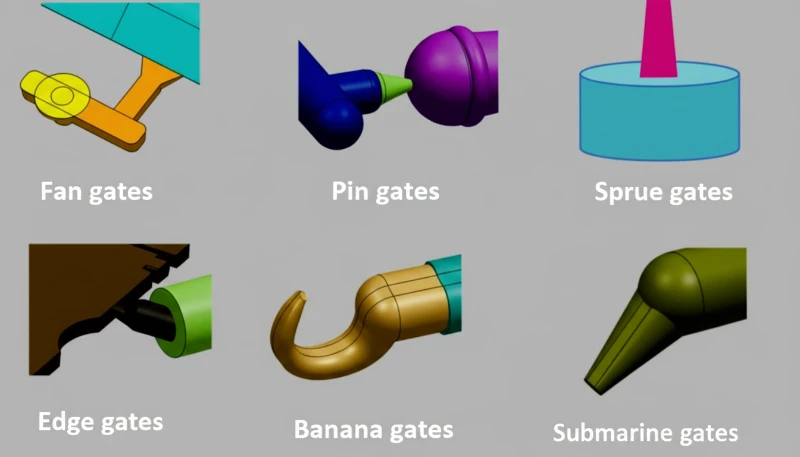
Eine der bedeutendsten Designentscheidungen, die die Produktivität beeinflussen, ist die Verwendung eines Heißkanalsystems im Vergleich zu einem konventionellen Kaltkanal. Ein Kaltkanal ist ein Kanal in der Form, der Kunststoff zu den Kavitäten transportiert; dieser Anguss erstarrt mit den Teilen und wird als Abfall ausgeworfen (der dann zerkleinert und recycelt wird). Ein Heißkanalsystem hingegen ist ein intern beheizter Verteiler, der den Kunststoff bis zum Anguss schmelzflüssig hält. Dies eliminiert den Anguss vollständig, spart Material, vermeidet einen sekundären Zerkleinerungsschritt und ermöglicht oft schnellere Zykluszeiten, da kein sperriger Anguss gekühlt werden muss.
Obwohl die anfänglichen Kosten höher sind, ist für die Serienfertigung ein Heißkanalsystem fast immer die produktivere und wirtschaftlichere Wahl.
Möglichkeiten zur Verbesserung der Produktivität von Spritzgussformen | ZetarMold
Wie können Echtzeitüberwachung und Datenanalyse die Leistung von Spritzgussformen optimieren?
Echtzeitüberwachung nutzt Maschinen- und Werkzeugsensordaten, um Zykluszeit, Kühlung, Druck und Wartung anzupassen, bevor der Output sinkt. Sie verwandelt Produktionssignale in schnellere Fehlerbehebung, weniger Ausschuss und eine vorhersehbarere Werkzeugleistung.
Unsere Strategie besteht darin, diese Daten zu erfassen und in verwertbare Erkenntnisse umzuwandeln. Wir nutzen spezialisierte Manufacturing Execution Systems (MES), um die Leistung jeder Maschine in unserem Werk in Echtzeit zu überwachen. Das System verfolgt Kennzahlen wie Zykluszeit, Betriebszeit, Stillstandszeit und Ausschussquote. Weicht die Zykluszeit einer Maschine auch nur um den Bruchteil einer Sekunde vom festgelegten Standard ab, wird ein Alarm ausgelöst, sodass ein Prozesstechniker sofort nachforschen kann. Dies verhindert, dass sich kleine Abweichungen zu großen Problemen entwickeln, die stundenlange Stillstände oder ein Los fehlerhafter Teile verursachen könnten.
Wir gehen einen Schritt weiter, indem wir Werkzeugsensoren verwenden. Durch die Platzierung von Druck- und Temperatursensoren direkt im Formhohlraum können wir genau sehen, was der Kunststoff während der Füll-, Nachdruck- und Kühlphase erfährt. Diese Daten sind unschätzbar für Prozessoptimierung und Qualitätskontrolle. Wenn beispielsweise die Kavitätendruckkurve eines Teils identisch mit der Kurve eines „Goldenen Teils“ ist, von dem wir wissen, dass es gut ist, können wir äußerst sicher sein, dass das Teil alle Qualitätsspezifikationen erfüllt, ohne es überhaupt messen zu müssen. Dies ermöglicht Echtzeit-Qualitätssicherung und vorausschauende Wartung.
Durch die Analyse von Trends in den Daten können wir vorhersagen, wann sich ein Entlüftungskanal zu verstopfen beginnt oder eine Komponente verschleißt, und Wartung einplanen, bevor es zu einem Ausfall kommt. Dieser datengesteuerte Ansatz ist die Zukunft zur Maximierung der Produktivität von Spritzgießwerkzeugen.
Häufig gestellte Fragen zur Produktivität von Spritzgussformen?
Was ist der größte Einzelfaktor, der die Produktivität von Spritzgussformen beeinflusst?
Während viele Faktoren wichtig sind, ist der bedeutendste fast immer die Zykluszeit. Der Kühlungsabschnitt des Zyklus bietet typischerweise die größte Chance zur Verbesserung. Jede Sekunde, die bei der Zykluszeit eines hochvolumigen Teils eingespart wird, hat einen massiven kumulativen Effekt auf die Gesamtproduktion und die Kosten pro Teil.
Wie oft sollte eine Hochvolumen-Spritzgussform gewartet werden?
Dies hängt von der Komplexität der Form, dem verwendeten Material (einige sind abrasiver oder korrosiver) und der Gesamtanzahl der Zyklen ab. Als allgemeine Regel führen wir eine grundlegende Reinigung und Inspektion im Presswerkzeug (Level 1) nach jeder 8-24 Stunden Betriebszeit durch. Eine gründlichere vorbeugende Wartung (Level 2), bei der die Form aus der Presse entfernt wird, wird typisch nach 25.000 bis 100.000 Zyklen geplant. Eine vollständige Demontage und Überholung (Level 3) kann nach 250.000 bis 1.000.000 Zyklen erfolgen.
Ist ein Heißkanalsystem immer produktiver als ein Kaltkanalsystem?
Für die Serienproduktion ist ein Heißkanalsystem fast immer die produktivere Wahl. Es vermeidet Materialverschwendung durch den Anguss, macht das Nachmahlen überflüssig und ermöglicht oft kürzere Zyklen, da kein fester Anguss gekühlt und ausgeworfen werden muss. Für Kleinserien, Prototypen oder bestimmte temperatur-empfindliche Materialien kann jedoch die Einfachheit und geringere Anschaffungskosten eines Kaltkanalsystems geeigneter sein.
Kann eine Familienform (Formen verschiedener Teile in derselben Form) die Produktivität steigern?
Ja, eine Familienform kann die Produktivität steigern, indem sie einen kompletten Satz verwandter Teile in einem einzigen Zyklus herstellt. Allerdings stellt sie erhebliche Designherausforderungen dar. Die Teile müssen von ähnlicher Größe und Volumen sein, und das Anguss-System muss sorgfältig ausbalanciert werden, um sicherzustellen, dass alle Kavitäten mit der gleichen Geschwindigkeit und dem gleichen Druck gefüllt werden. Wenn es nicht korrekt ausbalanciert ist, kann dies zu Qualitätsproblemen wie Kurzschüssen, Gratbildung oder Verzug bei einigen der Teile führen, was jegliche Produktivitätsgewinne zunichtemachen würde.
Was ist der Unterschied zwischen Produktivität und Effizienz beim Spritzgießen?
Obwohl beide Begriffe häufig synonym verwendet werden, haben sie in unserem Werk unterschiedliche Bedeutungen. Produktivität misst die Ausbringung pro Zeiteinheit (z. B. Gutteile pro Stunde). Effizienz beschreibt das Verhältnis von Ausbringung zu Einsatz (z. B. Gutteile pro Kilowattstunde Energie oder Gramm Material). Unser Ziel ist die Maximierung beider Größen: Wir wollen möglichst viele hochwertige Teile herstellen (Produktivität) und dabei möglichst wenige Ressourcen einsetzen (Effizienz).
Die Produktivität von Spritzgießwerkzeugen zu verbessern, ist kein einzelnes Wundermittel, sondern eine kontinuierliche, ganzheitliche Anstrengung, die Konstruktion, Werkzeugbau, Prozessführung und Wartung integriert. Von der anfänglichen DFM-Analyse bis zur finalen Implementierung von Echtzeit-Datenüberwachung bietet jeder Schritt eine Optimierungsmöglichkeit. Wie wir in unserer eigenen Fabrik gesehen haben, sind die Konzentration auf Kernbereiche wie Zykluszeitreduktion durch fortschrittliches Kühldesign, die Einrichtung rigoroser vorbeugender Wartungspläne und die Nutzung datengesteuerter Scientific-Molding-Prinzipien grundlegend. Wenn diese mit modernen Fortschritten wie Heißkanalsystemen, strategischer Automatisierung und Datenanalyse kombiniert werden, ist das Potenzial für erhöhten Durchsatz, reduzierte Kosten und verbesserte Qualität immens.
Letztendlich ist ein produktives Werkzeug das Ergebnis einer Partnerschaft zwischen einem erfahrenen Fertigungsteam und einem gut konstruierten Werkzeug, die harmonisch zusammenarbeiten, um maximalen Wert zu erreichen.
Benötigen Sie ein Angebot für Ihr Spritzgießprojekt?
Erhalten Sie wettbewerbsfähige Preise, DFM-Feedback und einen Produktionszeitplan vom Ingenieurteam von ZetarMold.
Kostenloses Angebot anfordern → Einen umfassenden Überblick finden Sie in unserem vollständigen Leitfaden zum Spritzgießen.
Zykluszeit: Die Zykluszeit ist die gesamte Zeit vom Schließen bis zum Öffnen der Form für einen einzelnen Spritzgießschuss. Bei thermoplastischen Teilen beträgt sie üblicherweise 15–60 Sekunden. ↩
konturnahe Kühlung: Bei der konturnahen Kühlung folgen die Kühlkanäle der dreidimensionalen Kontur der Formkavität. Gegenüber herkömmlichen geradlinig gebohrten Kanälen kann sie die Zykluszeit um 20–40 % verkürzen. ↩
Scientific Molding: Scientific Molding (auch Decoupled Molding genannt) ist eine datenbasierte Methodik, die Füll-, Verdichtungs- und Nachdruckphase trennt, um eine reproduzierbare, hochwertige Produktion zu erreichen. ↩