Czym jest wydajność formy wtryskowej i dlaczego ma znaczenie?
Wydajność formy wtryskowej to liczba dobrych części wytwarzanych na godzinę po uwzględnieniu czasu cyklu1, dostępności, braków, pracy i strat związanych z konserwacją. Jej poprawa obniża koszt części, chroni terminy dostaw i utrzymuje stabilną jakość podczas długich serii produkcyjnych.
- Redukcja czasu cyklu jest największym dźwignią produktywności formy
- Konforemne kanały chłodzące mogą skrócić czas cyklu o 20–40% w porównaniu z konwencjonalnym wierceniem
- Formowanie naukowe wykorzystuje parametry oparte na danych dla powtarzalnej jakości produkcji
- Systemy gorących kanałów likwidują odpad z kanału i redukują czas cyklu na część
- Monitorowanie w czasie rzeczywistym umożliwia konserwację predykcyjną i optymalizację procesu
Dlaczego ma to tak duże znaczenie? W konkurencyjnym świecie produkcji liczy się każda sekunda i każdy gram tworzywa. Poprawa wydajności formy ma bezpośredni i znaczący wpływ na wynik finansowy. Obniża koszt detalu, umożliwiając oferowanie klientom bardziej konkurencyjnych cen. Zwiększa przepustowość zakładu, dzięki czemu możemy realizować większe zamówienia w krótszych terminach bez pogorszenia jakości. Wysoka wydajność zmniejsza również zużycie energii na detal, wspierając bardziej zrównoważone praktyki produkcyjne. Ostatecznie wydajna forma jest sercem rentownej i skalowalnej operacji formowania wtryskowego, przekształcającej surowiec w wartość z maksymalną efektywnością.
Rozważmy dwie formy produkujące tę samą część. Forma A pracuje w cyklu 30-sekundowym i ma 2% braków. Forma B pracuje w cyklu 25-sekundowym, ale z powodu problemów jakościowych ma 10% braków. Choć na papierze forma B wydaje się szybsza, jej efektywna wydajność jest znacznie niższa, ponieważ jedna dziesiąta produkcji jest bezużyteczna. Dlatego zawsze koncentrujemy się na liczbie dobrych części netto. W naszej fabryce każdy projekt zaczyna się od szczegółowej analizy sposobu zaprojektowania i eksploatacji oprzyrządowania tak, aby od pierwszego wtrysku osiągnąć maksymalną, trwałą wydajność.
Jak optymalizacja czasu cyklu zwiększa wydajność formy wtryskowej?
Najważniejszym czynnikiem wpływającym na wydajność formy wtryskowej jest czas cyklu. Każda sekunda skrócona w cyklu formy wielkoseryjnej może w całym okresie projektu przynieść tysiące dolarów oszczędności i setki dodatkowych godzin zdolności produkcyjnej. Cykl formowania wtryskowego obejmuje zamknięcie formy, napełnienie stopionym tworzywem, docisk i podtrzymanie kompensujące skurcz, chłodzenie części do zestalenia, otwarcie formy oraz wyrzut części. Nasi inżynierowie procesu analizują każdą fazę w poszukiwaniu możliwości optymalizacji.
Choć napełnianie i docisk mają kluczowe znaczenie dla jakości części, faza chłodzenia zwykle zajmuje najwięcej czasu — często 50–80% całego cyklu. Wtedy część przechodzi ze stanu stopionego w stały, stabilny kształt, który można wypchnąć bez wypaczenia. Im szybciej odprowadzimy ciepło z tworzywa, tym krótszy może być czas cyklu. Dlatego znaczna część naszych działań zwiększających produktywność koncentruje się na optymalizacji procesu chłodzenia. Może to obejmować zarówno regulację temperatury i natężenia przepływu chłodziwa, jak i gruntowne przeprojektowanie układu chłodzenia formy, co omówimy dalej.
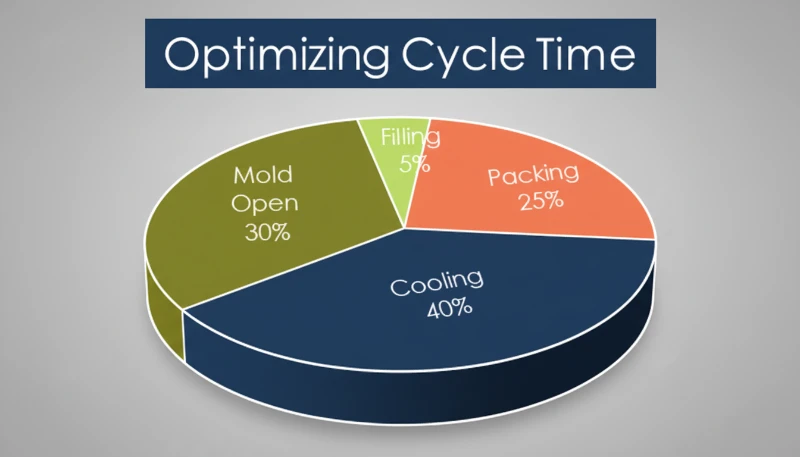
Poza chłodzeniem dokładnie analizujemy także pozostałe etapy cyklu. Czy forma może otwierać się i zamykać szybciej? Czy robot lub operator może sprawniej wyjąć detal? Odkryliśmy, że nawet pozornie drobne korekty, takie jak optymalizacja skoku wypychacza lub precyzyjne dostrojenie toru robota, łącznie przynoszą znaczący efekt. Gdy forma wykonuje miliony cykli, oszczędność pół sekundy jest ogromnym osiągnięciem. To gra o centymetry, a właściwie o dziesiąte części sekundy, i nasz zespół nieustannie dąży do zwycięstwa.
Jaką rolę w wydajności odgrywa konstrukcja układu chłodzenia formy?
Jeśli czas cyklu jest królem wydajności, układ chłodzenia jest tym, kto go koronuje. Zdolność formy do wydajnego i równomiernego odprowadzania ciepła ze stopionego tworzywa decyduje nie tylko o czasie cyklu, ale również o końcowej jakości części. Źle zaprojektowany układ chłodzenia prowadzi do długich cykli, odkształceń, zapadnięć i naprężeń wewnętrznych. Z naszego doświadczenia wynika, że początkowa inwestycja w zaawansowany projekt chłodzenia zwraca się wielokrotnie dzięki większej wydajności i mniejszemu odsetkowi braków.
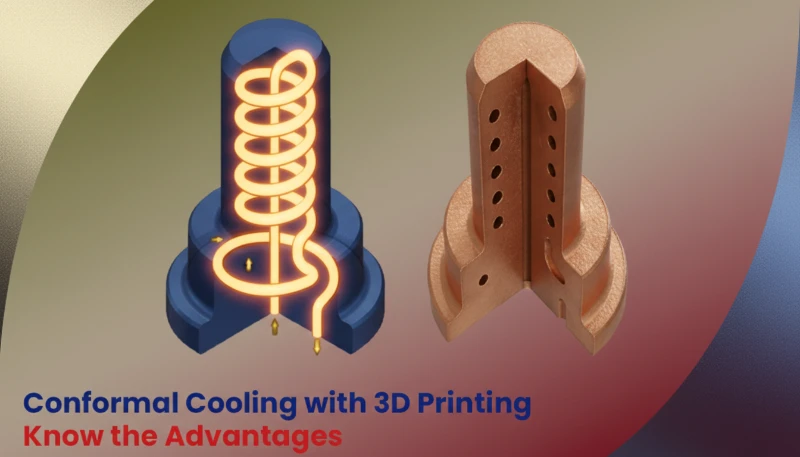
Tradycyjna metoda polega na wierceniu prostych kanałów chłodzących w podstawie formy. Choć są proste i niedrogie w wykonaniu, często nie zapewniają optymalnego chłodzenia, zwłaszcza części o złożonej geometrii. Mogą znajdować się zbyt daleko od krytycznych gorących punktów albo nie chłodzić różnych obszarów części w równym tempie. Przełomowym rozwiązaniem jest bardziej zaawansowane chłodzenie konformalne2. Technologie takie jak druk 3D z metalu (DMLS) pozwalają tworzyć kanały chłodzące biegnące dokładnie wzdłuż konturów części niczym płaszcz. Zapewnia to wyjątkowo równomierne i szybkie odprowadzanie ciepła nawet z trudno dostępnych miejsc.
Rezultaty są imponujące. Wdrożyliśmy chłodzenie konformalne w projektach i uzyskaliśmy skrócenie czasu cyklu o 30-50%, jednocześnie poprawiając prostoliniowość detali i stabilność wymiarową. Kluczowe jest zapewnienie przepływu turbulentnego w kanałach, ponieważ przekazuje on ciepło znacznie skuteczniej niż przepływ laminarny (spokojny). Nasi inżynierowie używają zaawansowanego oprogramowania do symulacji dynamiki płynów, aby projektować i walidować obiegi chłodzące, optymalizując średnicę i przebieg kanałów oraz natężenie przepływu chłodziwa w celu uzyskania maksymalnej turbulencji i sprawności cieplnej. Projekt układu chłodzenia jest jedną z najskuteczniejszych dźwigni zwiększania wydajności formy.
"“Konformalne kanały chłodzące mogą skrócić czas cyklu złożonych części o ponad 30%.”"True
To prawda. Dzięki dopasowaniu do geometrii części konformalne kanały chłodzące zapewniają bardziej równomierne i efektywne odprowadzanie ciepła niż konwencjonalne proste kanały wiercone. Prowadzi to do znacznie szybszego krzepnięcia, krótszego chłodzenia i w rezultacie skrócenia całkowitego czasu cyklu, często o ponad 30%.
„Chłodzenie formy zimną wodą wodociągową jest zawsze najbardziej opłacalną i wydajną metodą.”False
To nieprawda. Choć woda z kranu wydaje się tania, zawiera minerały powodujące osadzanie się kamienia wewnątrz kanałów chłodzących. Osad działa jak izolator, drastycznie obniżając wydajność chłodzenia, wydłużając czasy cyklu i wymuszając kosztowne, częste odkamienianie. Stosujemy układy zamknięte z uzdatnioną, schłodzoną wodą, aby zapewnić stałą temperaturę i zapobiec osadzaniu się kamienia, co w dłuższej perspektywie jest znacznie skuteczniejsze i bardziej ekonomiczne.
Wpływ optymalizacji wydajności formy wykracza poza samo skrócenie czasu cyklu. Gdy formy wtryskowe pracują z maksymalną sprawnością, producenci korzystają z niższego poziomu braków, mniejszego zużycia energii na część i bardziej przewidywalnych harmonogramów konserwacji. Dobrze utrzymana i prawidłowo zaprojektowana forma wtryskowa stale przewyższa formę zaniedbaną — często wytwarzając 20–40% więcej części na zmianę przy tej samej inwestycji w maszynę.
Jak regularna konserwacja form zapobiega przestojom i zwiększa wydajność?
Forma wtryskowa jest precyzyjnym urządzeniem pracującym pod ogromnym ciśnieniem i w wysokiej temperaturze. Przekonanie, że może wykonać miliony cykli bez regularnej konserwacji, prowadzi bezpośrednio do katastrofalnej awarii i kosztownego przestoju. W ZetarMold traktujemy konserwację form nie jako uciążliwy obowiązek, lecz jako podstawową strategię produktywności. Dobrze utrzymana forma działa bardziej niezawodnie, wytwarza części wyższej jakości i ma znacznie dłuższą żywotność. Konserwacja proaktywna jest zawsze tańsza niż naprawa reaktywna.
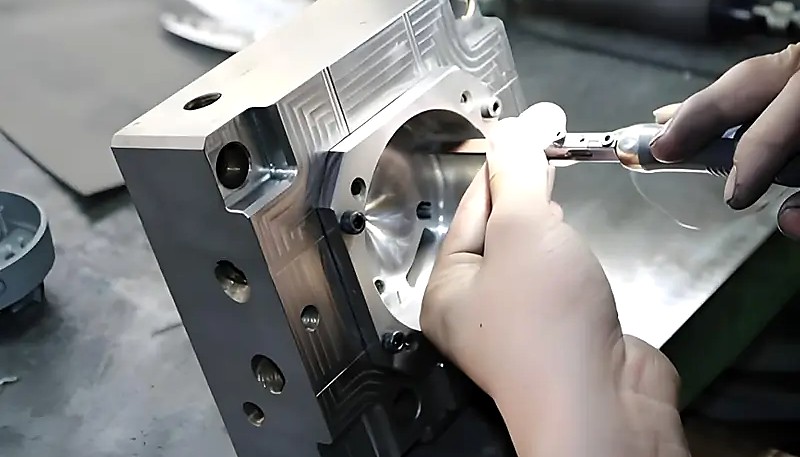
Nasz program konserwacji jest stopniowany według liczby cykli wykonanych przez formę. Po określonej liczbie wtrysków forma trafia na konserwację poziomu 1. Obejmuje ona dokładne czyszczenie powierzchni podziału, odpowietrzeń i gniazd przez wykwalifikowanych narzędziowców. Sprawdzają oni oznaki zużycia, uszkodzeń lub nagromadzenia osadów (produktów odgazowania), które mogłyby powodować wypływki lub wady estetyczne. Wypychacze, suwaki i inne ruchome elementy są czyszczone i ponownie smarowane. Ta prosta, regularnie wykonywana procedura zapobiega wielu typowym problemom wtrysku i zapewnia gotowość formy do pracy z maksymalną wydajnością.
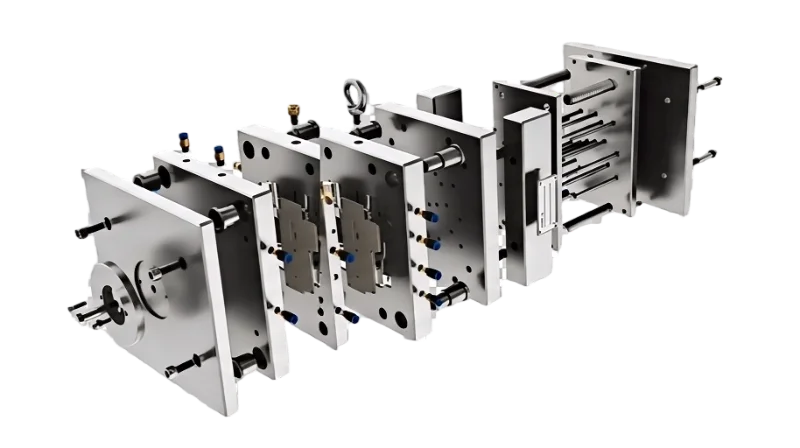
W przypadku szerszej konserwacji poziomu 2 lub 3 forma jest całkowicie demontowana. Każdy element podlega kontroli, pomiarowi względem pierwotnych specyfikacji i czyszczeniu. Zużyte lub uszkodzone części — takie jak wkładki wlewowe, słupy prowadzące czy tuleje wypychaczy — wymienia się na nowe z zapasu części zamiennych tworzonego na początku każdego projektu. Takie podejście zapobiegawcze gwarantuje, że zużyty trzpień nie pęknie w trakcie produkcji, co mogłoby poważnie uszkodzić gniazdo formy i spowodować dni lub tygodnie nieplanowanego przestoju. Dla klientów to zaangażowanie w konserwację przekłada się bezpośrednio na niezawodność i terminowe dostawy.
Jakie zmiany materiału i parametrów procesu zwiększają wydajność formy?
Poza fizyczną formą i maszyną materiał oraz parametry procesu są zmiennymi dynamicznymi, które możemy regulować, aby dalej zwiększać wydajność. Sam wybór żywicy ma istotny wpływ. Niektóre materiały, takie jak wysokopłynny polipropylen lub ABS, są opracowane tak, aby łatwiej wypełniać formę przy niższym ciśnieniu. Zastosowanie tych materiałów może czasem umożliwić większe prędkości wtrysku i krótszy czas napełniania. Dobór materiału jest jednak prawie zawsze podyktowany wymaganiami końcowego zastosowania detalu, dlatego skupiamy się przede wszystkim na optymalizacji procesu dla wskazanego materiału.
Tu zastosowanie znajdują zasady Scientific Molding3. Zamiast polegać na domysłach lub „wiedzy plemiennej”, nasi inżynierowie procesu wykorzystują podejście oparte na danych do wyznaczenia solidnego i wydajnego okna procesowego. Systematycznie rozdzielamy i optymalizujemy każdą fazę procesu. Prowadzimy na przykład badania reologiczne, aby ustalić idealną temperaturę stopu i prędkość wtrysku pozwalające napełnić część bez degradacji i naprężeń ścinających. Badania strat ciśnienia pokazują zaś, jakie ciśnienie jest potrzebne do przetłoczenia tworzywa przez dyszę, kanał, wlew i gniazdo.
Po napełnieniu formy optymalizujemy fazę dopakowania. Starannie sterując ciśnieniem i czasem, wtłaczamy do gniazda wystarczającą ilość materiału, aby skompensować skurcz podczas chłodzenia i zapobiec zapadnięciom oraz pustkom bez tworzenia wypływek ani naprężeń wewnętrznych. Podczas cofania ślimaka precyzyjnie regulujemy przeciwciśnienie, zapewniając jednorodny stop bez nadmiernego wydłużania cyklu. To metodyczne, naukowe podejście daje bardzo stabilny i powtarzalny proces, maksymalizuje liczbę dobrych detali oraz ogranicza braki i czas cyklu. Zamienia formowanie ze sztuki w naukę, co jest niezbędne dla najwyższej wydajności.
Jak technologia automatyzacji zwiększa wydajność formowania wtryskowego?
W nowoczesnym zakładzie formowania wtryskowego automatyzacja nie jest luksusem, lecz podstawowym elementem wydajnej i konkurencyjnej działalności. Najczęstszą formą automatyzacji jest stosowanie robotów, czyli „manipulatorów”, do wyjmowania części z formy. Już samo to zapewnia ogromny wzrost wydajności względem obsługi ręcznej. Robot za każdym razem porusza się z doskonałą powtarzalnością, umożliwiając stabilniejszy i często krótszy cykl. Eliminuje także ryzyko uszkodzenia formy podczas ręcznego wyjmowania części i poprawia bezpieczeństwo operatora.
Wpływ automatyzacji wykracza jednak daleko poza samo wyjmowanie detali. Wykorzystujemy automatyzację procesów „dalszego ciągu” do realizacji zadań, które w innym przypadku wymagałyby pracy ręcznej, zwiększając przepustowość i powtarzalność. Na przykład robot sześcioosiowy może wyjąć detal z formy i przedstawić go systemowi wizyjnemu do automatycznej kontroli jakości. Następnie może przenieść detal na stanowisko obcinania przewężki, umieścić go w zespole lub nawet ułożyć bezpośrednio w opakowaniu końcowym. Integracja operacji po formowaniu tworzy płynnie działającą, wydajną komórkę produkcyjną, obniża koszty pracy, minimalizuje uszkodzenia podczas manipulacji i pozwala naszym wykwalifikowanym technikom skupić się na bardziej złożonych zadaniach.
"„Roboty sześcioosiowe zapewniają większą elastyczność niż roboty trójosiowe w złożonych operacjach wykonywanych po formowaniu”."True
To prawda. Robot trzyosiowy (kartezjański) doskonale nadaje się do prostych zadań typu pobierz i odłóż, natomiast robot sześcioosiowy (przegubowy) może naśladować ruchy ludzkiego ramienia. Dzięki temu wykonuje złożone zadania, takie jak obracanie części do kontroli, precyzyjne przycinanie, wkładanie jej pod kątem do zespołu lub skomplikowana paletyzacja, zapewniając znacznie większą wartość w całkowicie zautomatyzowanym gnieździe.
"„Automatyzacja źle zoptymalizowanego procesu formowania wtryskowego automatycznie usunie jego nieefektywności”."False
To powszechne nieporozumienie. Automatyzacja jedynie wykonuje proces szybciej i bardziej powtarzalnie. Jeśli proces bazowy jest nieefektywny — na przykład generuje wysoki poziom braków — automatyzacja będzie po prostu szybciej wytwarzać wadliwe części. Najpierw trzeba zoptymalizować proces zgodnie z zasadami Scientific Molding, a dopiero potem zastosować automatyzację, aby utrwalić i wzmocnić uzyskane usprawnienia.
Sposoby na poprawę wydajności form wtryskowych | ZetarMold
Jakie ulepszenia konstrukcji mogą zwiększyć trwałość i wydajność formy?
Wydajność formy wtryskowej jest zasadniczo określana na etapie projektowania. Na długo przed pierwszym cięciem stali nasi inżynierowie i konstruktorzy narzędzi współpracują z klientami, optymalizując projekt formy pod kątem maksymalnej produkcji i trwałości. Solidna konstrukcja nie tylko pracuje szybciej, ale też wymaga mniej konserwacji i jest mniej podatna na awarie podczas milionów cykli. Proces ten, często nazywany projektowaniem pod kątem wytwarzania (DFM), ma kluczowe znaczenie.
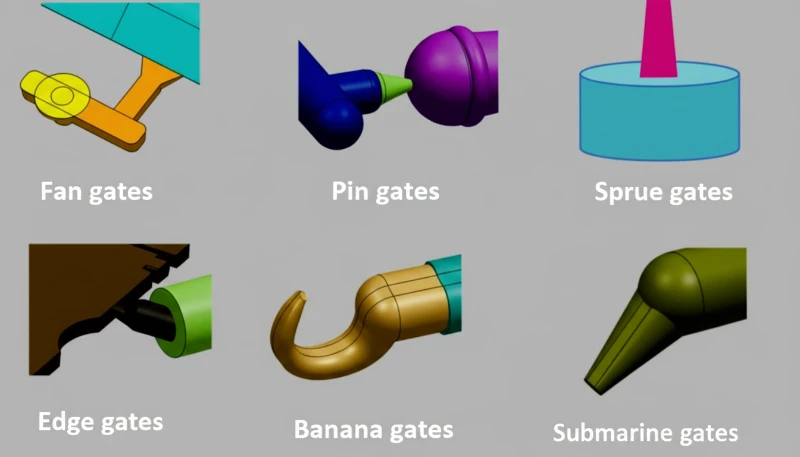
Jednym z najważniejszych wyborów projektowych wpływających na wydajność jest zastosowanie systemu gorącego kanału w porównaniu z konwencjonalnym zimnym kanałem. Zimny kanał to kanał w formie, który dostarcza plastik do gniazd; ten kanał zestala się wraz z częściami i jest usuwany jako odpad (który następnie jest rozdrabniany i poddawany recyklingowi). System gorącego kanału, z drugiej strony, to wewnętrznie podgrzewany kolektor, który utrzymuje plastik w stanie stopionym aż do bramki. Eliminuje to całkowicie kanał, oszczędzając materiał, unikając dodatkowego etapu rozdrabniania i często umożliwiając szybsze czasy cyklu, ponieważ nie ma masywnego kanału do schłodzenia.
Choć początkowy koszt jest wyższy, w przypadku produkcji wielkoseryjnej system gorących kanałów jest niemal zawsze bardziej wydajnym i ekonomicznym wyborem.
Inne elementy konstrukcji, na których się koncentrujemy, obejmują liczbę gniazd, układ wypychania i materiały użyte do wykonania samej formy. Forma wielogniazdowa zwiększa wydajność na cykl, ale zasadnicze znaczenie ma równomierne napełnianie i chłodzenie wszystkich gniazd — wyzwanie to rozwiązujemy za pomocą zaawansowanego oprogramowania do symulacji przepływu. Układ wypychania musi być wystarczająco wytrzymały, aby niezawodnie usuwać części przez miliony cykli bez przywierania ani uszkodzeń. Strategicznie stosujemy także różne gatunki stali i powłoki. W obszarach intensywnego zużycia, takich jak przewężki lub powierzchnie zamknięcia, używamy hartowanych stali narzędziowych. W obszarach o dużym obciążeniu cieplnym możemy stosować wkładki z dobrze przewodzącego stopu miedzi berylowej, aby szybciej odprowadzać ciepło. Te decyzje konstrukcyjne stanowią podstawę prawdziwie wydajnej formy.
Jak monitoring w czasie rzeczywistym i analiza danych mogą optymalizować działanie formy wtryskowej?
Monitorowanie w czasie rzeczywistym polega na wykorzystaniu danych z czujników maszyny i formy do dostosowania czasu cyklu, chłodzenia, ciśnienia i konserwacji, zanim spadnie wydajność. Zamienia sygnały produkcyjne w szybsze rozwiązywanie problemów, mniejsze odpady i bardziej przewidywalną wydajność formy.
Nasza strategia polega na gromadzeniu tych danych i przekształcaniu ich w praktyczną wiedzę. Używamy wyspecjalizowanych systemów realizacji produkcji (MES) do monitorowania wydajności każdej maszyny w fabryce w czasie rzeczywistym. System śledzi kluczowe wskaźniki, takie jak czas cyklu, czas pracy, przestoje i poziom braków. Jeśli czas cyklu maszyny odchyli się od ustalonego standardu choćby o ułamek sekundy, generowany jest alarm, dzięki czemu technik procesu może natychmiast rozpocząć analizę. Zapobiega to przekształcaniu się drobnych problemów w poważne zdarzenia, które mogłyby spowodować wielogodzinny przestój lub partię wadliwych części.
Idziemy o krok dalej, wykorzystując czujniki wewnątrzformowe. Umieszczając czujniki ciśnienia i temperatury bezpośrednio w gnieździe formy, możemy dokładnie zobaczyć, czego doświadcza plastik podczas faz napełniania, dociskania i chłodzenia. Dane te są nieocenione w optymalizacji procesu i kontroli jakości. Na przykład, jeśli krzywa ciśnienia w gnieździe dla części jest identyczna z krzywą „złotej części”, o której wiemy, że jest dobra, możemy być niezwykle pewni, że część spełnia wszystkie specyfikacje jakościowe, nawet bez konieczności jej pomiaru. Pozwala to na zapewnienie jakości w czasie rzeczywistym i umożliwia konserwację predykcyjną.
Analizując trendy w danych, możemy przewidzieć, kiedy odpowietrznik może zacząć się zatykać lub komponent się zużywa, i zaplanować konserwację, zanim spowoduje to awarię. To podejście oparte na danych jest przyszłością maksymalizacji wydajności form wtryskowych.
Często Zadawane Pytania Dotyczące Wydajności Formy Wtryskowej?
Jaki pojedynczy czynnik ma największy wpływ na wydajność formy wtryskowej?
Choć wiele czynników ma znaczenie, najważniejszym jest niemal zawsze czas cyklu. Faza chłodzenia zwykle daje największe możliwości poprawy. Każda sekunda skrócenia czasu cyklu części wielkoseryjnej ma ogromny skumulowany wpływ na całkowitą wydajność i koszt jednostkowy.
Jak często należy konserwować formę wtryskową pracującą w produkcji wielkoseryjnej?
Zależy to od złożoności formy, przetwarzanego materiału (niektóre materiały są bardziej ścierne lub korozyjne) oraz całkowitej liczby cykli. Zasadniczo podstawowe czyszczenie i kontrolę w prasie (Poziom 1) przeprowadzamy co 8-24 godziny pracy. Dokładniejszą konserwację zapobiegawczą (Poziom 2), podczas której formę wyjmuje się z prasy, zwykle planuje się co 25,000 do 100,000 cykli. Pełny demontaż i remont (Poziom 3) może być wykonywany co 250,000 do 1,000,000 cykli.
Czy system gorącokanałowy jest zawsze wydajniejszy od zimnokanałowego?
W produkcji wielkoseryjnej układ gorącokanałowy jest niemal zawsze wydajniejszym wyborem. Eliminuje odpady materiałowe z kanałów, usuwa potrzebę ponownego mielenia i często umożliwia szybsze cykle, ponieważ nie ma zestalonego kanału, który trzeba schłodzić i wypchnąć. Jednak w produkcji małoseryjnej, prototypowaniu lub w przypadku niektórych materiałów wrażliwych na temperaturę bardziej odpowiednie mogą być prostota i niższy koszt początkowy układu zimnokanałowego.
Czy forma rodzinna (różne części w tej samej formie) może zwiększyć wydajność?
Tak, forma rodzinna może zwiększyć wydajność, wytwarzając cały zestaw powiązanych detali w jednym cyklu. Stawia jednak poważne wyzwania projektowe. Detale muszą mieć podobne rozmiary i objętość, a układ kanałów trzeba starannie zrównoważyć, aby wszystkie gniazda napełniały się z tą samą prędkością i pod tym samym ciśnieniem. Nieprawidłowe zrównoważenie może powodować niedolewy, wypływki lub paczenie niektórych części, niwelując wzrost wydajności.
Jaka jest różnica między produktywnością a wydajnością w formowaniu wtryskowym?
Choć terminy te są często stosowane zamiennie, w naszej fabryce mają różne znaczenia. Produktywność mierzy wielkość produkcji w czasie (np. liczbę dobrych części na godzinę). Efektywność to stosunek wyniku do nakładu (np. liczba dobrych części na kilowatogodzinę energii lub gram materiału). Chcemy maksymalizować oba wskaźniki: wytwarzać jak najwięcej części wysokiej jakości przy minimalnym zużyciu zasobów.
Poprawa wydajności form wtryskowych nie polega na jednym magicznym rozwiązaniu, ale raczej na ciągłym, holistycznym wysiłku, który integruje projektowanie, narzędziowanie, przetwarzanie i konserwację. Od początkowej analizy DFM do końcowego wdrożenia monitorowania danych w czasie rzeczywistym, każdy krok stanowi okazję do optymalizacji. Jak widzieliśmy w naszej własnej fabryce, skupienie się na kluczowych obszarach, takich jak redukcja czasu cyklu poprzez zaawansowane projektowanie chłodzenia, ustalenie rygorystycznych harmonogramów prewencyjnej konserwacji oraz wykorzystanie opartych na danych zasad naukowego formowania, ma fundamentalne znaczenie. Gdy połączy się je z nowoczesnymi osiągnięciami, takimi jak systemy gorących kanałów, strategiczna automatyzacja i analiza danych, potencjał zwiększenia przepustowości, obniżenia kosztów i poprawy jakości jest ogromny.
Ostatecznie, wydajna forma jest wynikiem współpracy doświadczonego zespołu produkcyjnego i dobrze zaprojektowanego narzędzia, które harmonijnie współdziałają, aby osiągnąć maksymalną wartość.
Potrzebujesz wyceny projektu formowania wtryskowego?
Uzyskaj konkurencyjną wycenę, informacje zwrotne DFM i harmonogram produkcji od zespołu inżynierskiego ZetarMold.
Zamów darmową wycenę → Zobacz nasz kompleksowy przewodnik po formowaniu wtryskowym, aby uzyskać szczegółowy przegląd.
czas cyklu: całkowity czas od zamknięcia do otwarcia formy podczas jednego wtrysku; dla części termoplastycznych wynosi zwykle 15–60 sekund. ↩
chłodzenie konformalne: kanały chłodzące biegnące zgodnie z trójwymiarowym konturem gniazda formy, które skracają czas cyklu o 20–40% względem konwencjonalnych kanałów wierconych prosto. ↩
Scientific Molding: nazywane też Decoupled Molding, to oparta na danych metodyka rozdzielająca fazy napełniania, docisku i podtrzymania w celu uzyskania powtarzalnej produkcji wysokiej jakości. ↩