Sie haben gerade eine neue Projektspezifikation erhalten, die PC-Teile erfordert. Ihr Werkzeuglieferant möchte Ihre Trocknungszeit, Schmelztemperatur und Angusspräferenzen wissen. Das Problem: Ihr Team hat seit Jahren kein PC verarbeitet, und das alte Prozessblatt fehlt. Dies ist die Lücke, in der die meisten Fehler beim ersten Schuss auftreten – falsche Trocknung führt zu Hydrolyse, falsche Schmelztemperaturen verursachen Abbau, und schlechte Angusslage beeinträchtigt Ihre Maßhaltigkeit.
Einen breiteren Überblick bietet unser Leitfaden zum Spritzgießen. Wir erläutern, was PC ist, warum eine strenge Trocknung erforderlich ist, wie Verarbeitungsparameter eingestellt werden und wie Werkzeuge konstruiert werden, die mit diesem Material tatsächlich funktionieren. Keine akademische Theorie – sondern praxiserprobte Verfahren aus der Fertigung.
- PC muss vor dem Spritzgießen 3–4 Stunden bei 120–150 °C getrocknet werden
- Schmelzetemperatur: je nach Typ und Fließweglänge 280-310°C
- Werkzeugtemperatur: 80-120°C für Dimensionsstabilität
- Wanddicke: typischerweise 1.5-4.0 mm; abrupte Übergänge vermeiden
- Scharfe Ecken vermeiden und an Angusspositionen Radien von 0.5-1.0 mm verwenden
Was ist Polycarbonat-Spritzgießen?
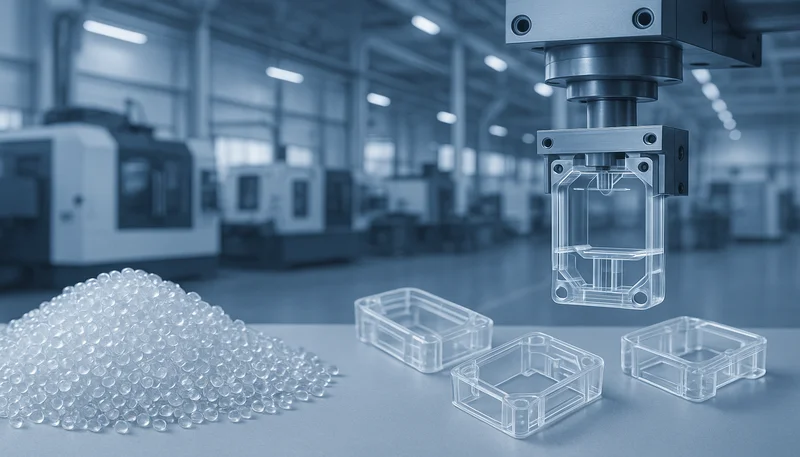
Das Spritzgießen von Polycarbonat1 ist ein Verarbeitungsverfahren, bei dem PC-Harz geschmolzen, in ein Werkzeug eingespritzt und abgekühlt wird, um Bauteile mit den endgültigen Abmessungen herzustellen. Das Spritzgießverfahren2 für PC erfordert eine präzise Steuerung, da dieser amorphe Thermoplast eine hohe Schlagzähigkeit, optische Klarheit und Wärmebeständigkeit bis 135 °C im Dauerbetrieb besitzt. Ingenieure wählen PC für Anwendungen, die Transparenz, Zähigkeit oder Maßstabilität verlangen.
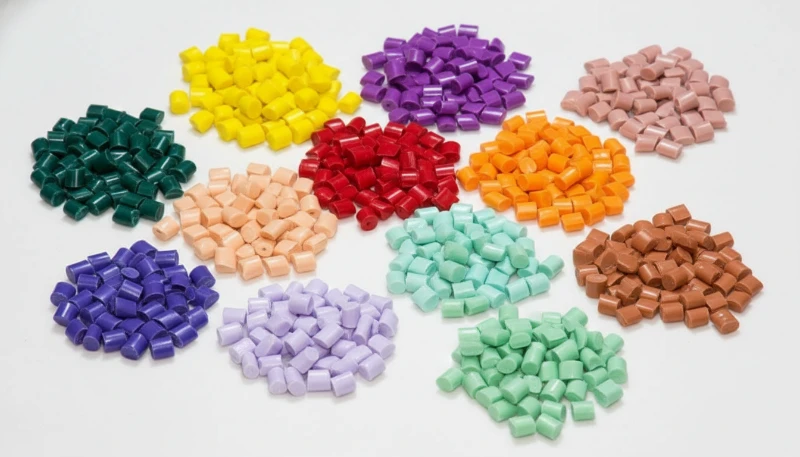
In unserem Werk in Shanghai verarbeiten wir mehr als 400 Werkstoffe, darunter mehrere PC-Typen: Standard-, flammhemmende, medizinische und UV-stabilisierte Varianten. Jeder Typ verschiebt das Prozessfenster geringfügig. Flammhemmendes PC benötigt wegen der Additive nach unserer Erfahrung etwas höhere Schmelzetemperaturen und längere Zykluszeiten. Medizinisches PC erfordert eine strengere Trocknung und bisweilen eigene Trockenbehälter, um Verunreinigungen zu vermeiden.
Die Realität: PC ist nicht nachsichtig. Im Gegensatz zu ABS oder PP verursachen kleine Abweichungen in der Trocknungszeit oder Schmelztemperatur sofort sichtbare Defekte. Sie erhalten Streifen, Silbereffekte oder spröde Teile nach einem schlechten Schuss. Deshalb behandeln Ingenieure, die mit PC erfolgreich sind, es als Hochpräzisionsprozess und nicht als generisches Thermoplast-Spritzgießen.
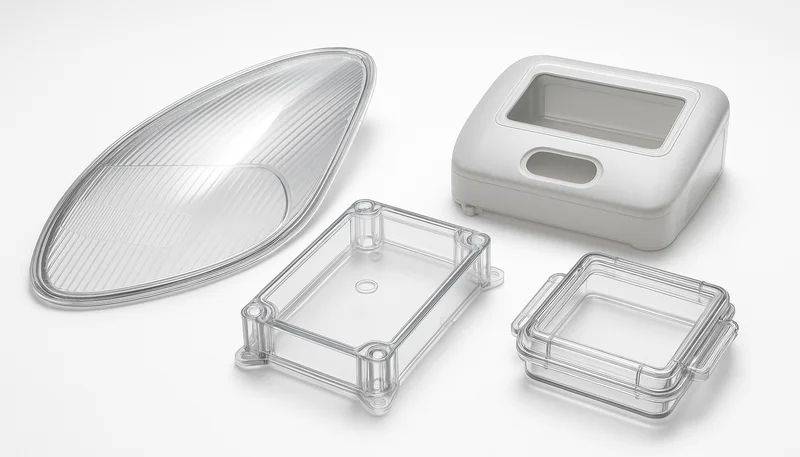
Der Kompromiss lohnt sich. PC bietet Eigenschaften, die nur wenige andere Werkstoffe erreichen: eine Kerbschlagzähigkeit nach Izod von etwa 850 J/m, eine Lichtdurchlässigkeit bis 90% sowie gute Chemikalien- und Flammenbeständigkeit. Diese Kombination macht PC zum bevorzugten Werkstoff für Fahrzeugscheinwerferlinsen, Medizinproduktegehäuse, Elektronikgehäuse und Sicherheitsverglasungen.
Wie wird PC vor dem Spritzgießen getrocknet?
PC vor dem Spritzgießen 3-4 Stunden bei 120-150°C mit einem Trockenlufttrockner trocknen. PC nimmt Feuchtigkeit aus der Luft auf und hydrolysiert bei feuchter Verarbeitung, wodurch Molekulargewicht und mechanische Eigenschaften abnehmen. Vor der Materialzufuhr in den Trichter muss der Feuchtigkeitsgehalt unter 0.02% liegen.
Hier ist, was passiert, wenn Sie das Trocknen überspringen: Wasser reagiert bei Verarbeitungstemperaturen mit PC-Ketten und bricht Polymerbindungen. Das Ergebnis ist eine Verringerung des Molekulargewichts, Verlust der Schlagzähigkeit und Oberflächendefekte wie Silberstreifen oder Spritzer. Dieses Versagensmuster sehen wir ständig – neue Teams spritzen PC hastig in die Maschine, erhalten trübe Teile ohne Schlagzähigkeit und geben der Materialqualität die Schuld.
Unser Standard-Trocknungsprotokoll verwendet Trockenmitteltrockner mit einem Taupunkt von −40 °C. Bei Standard-PC-Typen sind 120–130 °C für 3 Stunden geeignet. Bei hochtemperaturbeständigem oder glasfasergefülltem PC wird auf 140–150 °C für 4 Stunden erhöht. Entscheidend ist, die Temperatur im gesamten Trichter aufrechtzuerhalten, nicht nur am Trocknerausgang. Umgebungsfeuchtigkeit wird schnell wieder aufgenommen – bereits 30 Minuten offen liegendes getrocknetes Granulat kann den Feuchtigkeitsgehalt wieder erhöhen.
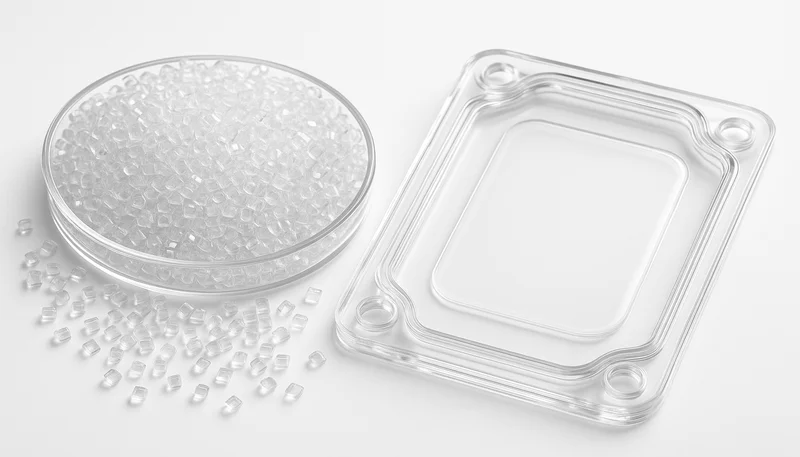
Praktischer Tipp: Verwenden Sie einen Feuchtigkeitsanalysator oder ein einfaches Feuchtigkeitsmessgerät, um die Trocknung vor Produktionsbeginn zu überprüfen. Verlassen Sie sich nicht allein auf die Trocknereinstellungen. Wir haben gesehen, dass Trockner defekt sind oder Thermoelemente abweichen, die 130°C anzeigen, während die tatsächliche Materialtemperatur 90°C beträgt. Diese Lücke kostet Sie eine schlechte Charge und verlorene Produktionszeit.
Für die Großserienproduktion sollten Trichtertrockner mit Feuchtesensoren im geschlossenen Regelkreis in Betracht gezogen werden. Sie verursachen zusätzliche Kosten, verhindern jedoch die häufigste Fehlerursache bei PC. In 20 Jahren Erfahrung mit dem Spritzgießen von PC führen unserer Schätzung nach 70 % der Fehler beim ersten Schuss auf unzureichende Trocknung zurück. Wird die Trocknung von Anfang an richtig ausgelegt, verschwindet die Hälfte der PC-Probleme.
„PC muss vor dem Spritzgießen 3-4 Stunden bei 120-150°C getrocknet werden.“True
Polycarbonat nimmt Feuchtigkeit aus der Umgebungsluft auf und muss mithilfe von Trockenlufttrocknern auf einen Feuchtigkeitsgehalt unter 0.02% getrocknet werden, um eine Hydrolyse bei der Schmelzeverarbeitung zu verhindern.
„Sie können PC-Granulat über Nacht in einem Umgebungsofen trocknen.“False
Umgebungsluftöfen haben keinen kontrollierten Taupunkt und können den Feuchtigkeitsgehalt sogar erhöhen. Für eine wirksame Entfeuchtung von PC ist eine Trockenmitteltrocknung bei einem Taupunkt von -40°C erforderlich.
Welche Temperaturen sind für das PC-Spritzgießen optimal?
Stellen Sie für die meisten PC-Spritzgießanwendungen eine Schmelzetemperatur von 280–310 °C und eine Werkzeugtemperatur von 80–120 °C ein. Die genaue Schmelzetemperatur hängt von Fließweg, Teiledicke und PC-Typ ab. Die Werkzeugtemperatur beeinflusst Kristallinität und Spannungsniveau – höhere Temperaturen verringern Eigenspannungen und verbessern die optische Klarheit.
Ausgangspunkt: 290-300°C Schmelzetemperatur, 90-100°C Formtemperatur für die meisten Allzweck-PC-Teile. Bei unvollständiger Füllung oder Fließmarken erhöhen Sie die Schmelzetemperatur in Schritten von 5-10°C bis maximal 310°C. Bei Zersetzung, Verfärbung oder Gasspuren senken Sie die Schmelzetemperatur. Das Prozessfenster ist enger als bei ABS oder PP: Zu kalt führt zu Kurzschüssen, zu heiß zersetzt das Material schnell.
Die Werkzeugtemperatur wird häufig übersehen, ist für PC jedoch entscheidend. Kalte Werkzeuge (unter 60°C) verursachen hohe Eigenspannungen, Verzug und eine schlechte Oberflächengüte. Heiße Werkzeuge (über 120°C) verlängern die Zykluszeit und können zum Anhaften führen. Die meisten PC-Werkzeuge betreiben wir bei 90-110°C mit umlaufendem Öl oder Patronenheizungen. Bei optischen Teilen mit hohen Transparenzanforderungen sollte die Werkzeugtemperatur auf 110-120°C erhöht werden.
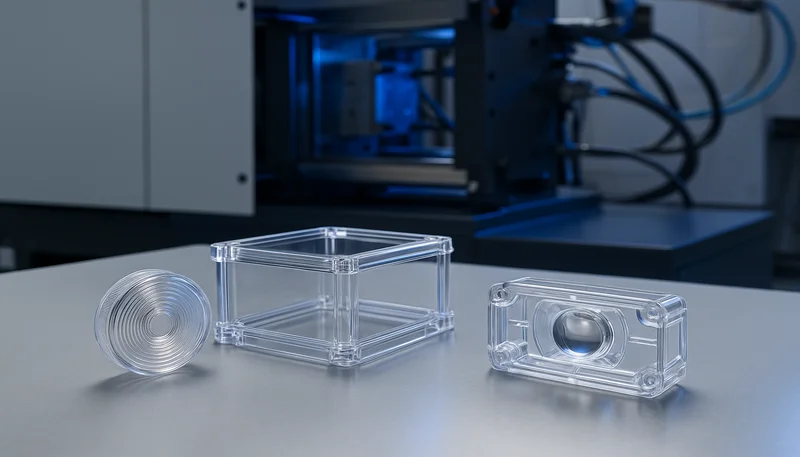
Die Temperaturrampe ist ebenfalls wichtig. Fahren Sie das Material nicht abrupt von 20°C auf 300°C hoch. Verwenden Sie ein allmähliches Profil über die Zylinderzonen, um ein gleichmäßiges Schmelzen zu gewährleisten. Typische Zoneneinstellungen: hinten 260°C, Mitte 280°C, vorne 295°C, Düse 300°C. Dies gibt PC Zeit, die Schmelzhomogenität zu stabilisieren, bevor es in das Werkzeug gelangt.
Die Überwachung ist entscheidend. Verwenden Sie Schmelztemperatursensoren und regelmäßige Viskositätsprüfungen, um sicherzustellen, dass die tatsächliche Schmelztemperatur den Maschineneinstellungen entspricht. Wir haben beobachtet, dass sich Fühlerthermoelemente im Laufe von Monaten der Produktion um 10-15°C verschieben können, was zu allmählichen Qualitätsproblemen führt, die Teams nur schwer diagnostizieren können. Kalibrieren Sie regelmäßig und überprüfen Sie gegebenenfalls mit einem Pyrometer.
Auch Unterschiede zwischen Werkstofftypen erfordern Temperaturanpassungen. Flammgeschütztes PC benötigt wegen der flammhemmenden Zusätze, die die Fließfähigkeit verringern können, häufig höhere Schmelzetemperaturen. UV-stabilisiertes PC kann sich bei der Verarbeitung geringfügig anders verhalten als Standardtypen. Beachten Sie stets das Werkstoffdatenblatt mit den vom Kunststoffhersteller empfohlenen Temperaturbereichen und passen Sie die Werte an Ihr konkretes Werkzeug und die Bauteilgeometrie an.
„PC-Schmelztemperaturen liegen typischerweise zwischen 280-310°C.“True
Polycarbonat benötigt wegen seiner hohen Glasübergangstemperatur von etwa 147°C und seiner hohen Schmelzeviskosität höhere Massetemperaturen als viele andere Thermoplaste.
„Kalte Werkzeuge (unter 60°C) verbessern die Zykluszeit für PC.“False
Kalte Werkzeuge erhöhen Eigenspannungen und Verzug in PC-Teilen und führen trotz kürzerer Kühlzeiten häufig zu Maßinstabilität und schlechten mechanischen Eigenschaften.
Wie konstruiert man Spritzgießwerkzeuge für PC?
Eine sachgerechte Spritzgießwerkzeugkonstruktion3 für PC erfordert eine gleichmäßige Wanddicke von 1,5–4,0 mm, sanfte Übergänge mit einem Dickenverhältnis von 3:1, ausreichende Entformungsschrägen von 1–2° und großzügige Radien von 0,5–1,0 mm, um Spannungskonzentrationen zu minimieren. Die Werkzeugoberfläche beeinflusst die optische Klarheit: Eine Hochglanzpolitur erzeugt transparente Bauteile, während strukturierte Oberflächen das Licht streuen und ein diffuses Erscheinungsbild schaffen.
Eine gleichmäßige Wanddicke ist bei PC unverzichtbar. Abrupte Dickenänderungen verursachen unterschiedliche Kühlung und führen zu Verzug, Einfallstellen und inneren Spannungen. Erfordert Ihre Konstruktion unterschiedliche Dicken, gestalten Sie den Übergang allmählich über eine Strecke von mindestens dem Dreifachen der Dickendifferenz. Bei einem Sprung von 2mm auf 4mm ist eine Rampe mit mindestens 6mm Übergangslänge vorzusehen.
Die Angussauslegung erfordert Aufmerksamkeit. PC hat eine hohe Viskosität, daher ist die Angussgröße wichtiger als bei niedrigviskoseren Harzen. Verwenden Sie Kantenangüsse mit 1.0-1.5mm Dicke für Bauteile bis 3mm Wanddicke. U-Boot- oder Tunnelangüsse mit 0.8-1.2mm Durchmesser eignen sich für kleinere Bauteile. Heißkanalsysteme sind für PC hervorragend geeignet – sie reduzieren Materialabfall und ermöglichen eine bessere Temperaturregelung, erfordern jedoch höhere Anfangsinvestitionen.
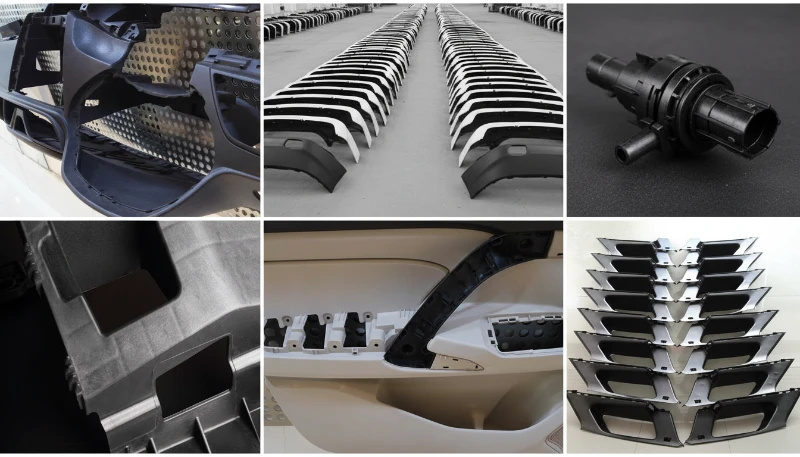
Die Entlüftung ist entscheidend. PC erzeugt mehr Gas als manche anderen Harze, insbesondere wenn es leicht übertrocknet wurde oder nahe der oberen Temperaturgrenze verarbeitet wird. Sorgen Sie für eine ausreichende Werkzeugentlüftung — 0.02-0.04mm Entlüftungstiefe, alle 50-80mm entlang der Trennlinie. Eine mangelhafte Entlüftung verursacht selbst bei korrekten Einspritzparametern Brandstellen, Gaseinschlüsse und unvollständige Füllungen.
Die Auswerferkonstruktion erfordert Sorgfalt. PC-Teile können stark haften und leicht verkratzen. Verwenden Sie Auswerferstifte mit mindestens 5 mm Durchmesser und glatten, abgerundeten Enden. Ergänzen Sie bei großen, flachen Teilen Abstreifplatten oder eine Luftauswerfung. Polieren Sie die Auswerferstifte und stellen Sie sicher, dass keine scharfen Kanten sichtbare Flächen berühren — PC zeigt jede Unvollkommenheit. Erwägen Sie eine in die Auswerferkonstruktion integrierte Trennlinienentlüftung, um das Entweichen von Gas während der Füllung zu verbessern.
Das Design der Kühlkanäle beeinflusst Verzug und Zykluszeit erheblich. Gleichmäßige Kühlung reduziert innere Spannungen und verhindert Verzug. Entwerfen Sie Kühlkanäle nach Möglichkeit so, dass sie den Teilkonturen folgen – konforme Kühlung ist ideal, aber teuer. Wenn konforme Kühlung nicht möglich ist, stellen Sie sicher, dass die Kühlkanäle gleichmäßig verteilt und für die Wärmelast angemessen dimensioniert sind. Eine Wassertemperaturregelung innerhalb von ±2°C hilft, die Maßhaltigkeit zu erhalten.
Was sind häufige Fehler beim PC-Spritzgießen?
Zu den häufigen Fehlern beim PC-Spritzgießen gehören Silberstreifen und Schlieren durch Feuchtigkeit, Spannungsweißbruch und Rissbildung durch Eigenspannungen, Verzug durch ungleichmäßige Kühlung, Verfärbung durch thermischen Abbau sowie Einfallstellen durch unzureichenden Nachdruck. Jeder Fehler hat eine bestimmte Ursache und erfordert gezielte Korrekturmaßnahmen.
Silberstreifen oder Schlieren erscheinen als wellenförmige silberne Linien auf der Teileoberfläche. Dies weist fast immer auf Feuchtigkeit im Werkstoff hin. Selbst nach dreistündiger Trocknung muss geprüft werden, ob der Feuchtegehalt unter 0.02% liegt. Kontrollieren Sie die Funktion des Trockners, stellen Sie sicher, dass die Trichterdeckel geschlossen sind, und verhindern Sie, dass der Werkstoff ungeschützt der Umgebungsluft ausgesetzt bleibt. Wir beobachten dies ständig: Die Trockner sind korrekt eingestellt, doch die Bediener lassen den Trichterdeckel stundenlang offen.
Spannungsweißbruch zeigt sich als milchige Flecken, wenn Teile gebogen oder belastet werden. Dies weist auf hohe Restspannungen durch zu schnelles Abkühlen oder unsachgemäßes Auswerfen hin. Erhöhen Sie die Formtemperatur um 10-20°C, um die Spannung zu reduzieren. Prüfen Sie auf Hinterschnitte oder scharfe Merkmale, die hohe Auswerferkräfte verursachen. Sorgen Sie für ausreichenden Nachdruck, vermeiden Sie jedoch Überpacken, da dadurch Spannungen im Teil eingeschlossen werden.
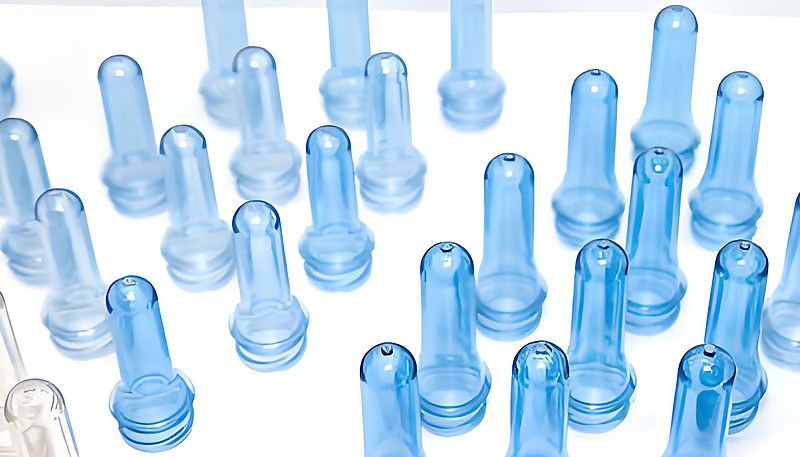
Verzug und Maßinstabilität sind auf ungleichmäßige Kühlung oder schwankende Wandstärken zurückzuführen. Prüfen Sie die Anordnung der Kühlkanäle und stellen Sie eine gleichmäßige Kühlung des gesamten Teils sicher. Wenn unterschiedliche Wandstärken unvermeidbar sind, passen Sie Nachdruck- und Kühlzeiten zum Ausgleich an. Mitunter helfen eine andere Anschnittposition oder zusätzliche Fließhilfen dabei, die Abkühlraten im gesamten Teil auszugleichen. Eine höhere Formtemperatur kann außerdem Eigenspannungen reduzieren und die Maßstabilität verbessern.
Verfärbungen – Vergilben oder Bräunen – deuten auf thermischen Abbau hin. Reduzieren Sie die Schmelztemperatur um 5-10°C. Überprüfen Sie die Verweilzeit im Zylinder – stellen Sie sicher, dass geschmolzenes Material nicht zu lange zwischen den Zyklen gehalten wird. Suchen Sie nach Totzonen im Zylinder oder in der Schnecke, wo Material stagniert. Bei der Verwendung von Regranulat begrenzen Sie es auf maximal 25-30 % und stellen Sie sicher, dass es gründlich getrocknet ist. Prüfen Sie auch auf Kontamination – Fremdmaterialien oder Kreuzkontaminationen durch andere Kunststoffe können Farbveränderungen verursachen.
Auch Fließmarkierungen und Bindenähte treten bei PC-Teilen häufig auf, besonders bei langen Fließwegen oder komplexen Geometrien. Fließmarkierungen erscheinen als sichtbare Linien, an denen Schmelzefronten zusammentreffen. Bindenähte entstehen, wenn das Material ein Hindernis umströmt und dahinter wieder zusammenfließt. Diese Stellen können strukturelle Schwachpunkte sein. Optimieren Sie die Anschnittposition, um den Fließweg zu minimieren, erwägen Sie bei großen Teilen mehrere Anschnitte und erhöhen Sie die Schmelzetemperatur, damit die Ströme besser verschmelzen. Eine strukturierte Oberfläche kaschiert kleinere Fließmarkierungen besser als eine glänzende.
„Silberstreifen in PC-Teilen deuten normalerweise auf unzureichende Trocknung hin.“True
Feuchtigkeit in PC verdampft bei Schmelzetemperaturen und erzeugt Gasblasen, die als Silberstreifen auf der Teileoberfläche erscheinen. Eine ordnungsgemäße Trockenmitteltrocknung beseitigt diesen Fehler.
„Höhere Werkzeugtemperatur reduziert immer die Zykluszeit.“False
Eine höhere Werkzeugtemperatur reduziert zwar Eigenspannungen und verbessert die Teilequalität, verlängert jedoch die Kühl- und damit die Zykluszeit. Die optimale Werkzeugtemperatur stellt ein Gleichgewicht zwischen Qualität und Effizienz her.
Wie optimieren Sie die Verarbeitungsparameter für PC?
Optimieren Sie die PC-Verarbeitung, indem Sie zum Füllen eine mittlere bis hohe Einspritzgeschwindigkeit einstellen, für 2–4 Sekunden einen Nachdruck von 50–80 % des Einspritzdrucks verwenden, die Kühlzeit abhängig von der Wanddicke bei etwa 10–12 Sekunden pro mm halten und mit einem Staudruck von 50–150 bar die Schmelzehomogenität verbessern. Eine Schneckendrehzahl von 50–100 U/min sorgt für ausreichende Durchmischung ohne übermäßige Schererwärmung.
Die Einspritzgeschwindigkeit beeinflusst die Teilequalität erheblich. Bei zu geringer Geschwindigkeit erstarrt das Material vorzeitig, was zu unvollständiger Füllung oder Bindenähten führt. Eine zu hohe Geschwindigkeit verursacht Freistrahlbildung, starke Schererwärmung und möglicherweise Materialabbau. Beginnen Sie mit einer mittleren Geschwindigkeit und passen Sie sie anhand des Bauteilbilds an. Bei dünnwandigen Teilen mit langen Fließwegen ist eine höhere Geschwindigkeit sinnvoll. Bei dicken Teilen, bei denen Gratbildung droht, sollte sie reduziert werden.
Der Nachdruck gleicht die Schwindung beim Abkühlen des Materials aus. PC weist eine relativ geringe Schwindung (0,5-0,7 %) auf, dennoch ist der Nachdruck für die Maßhaltigkeit wichtig. Beginnen Sie 3 Sekunden lang mit einem Nachdruck von 60 % des Einspritzdrucks und passen Sie ihn anschließend an. Zu geringer Nachdruck verursacht Einfallstellen und Maßunterschreitungen. Zu hoher Nachdruck führt zu Gratbildung, hohen Eigenspannungen und kann sogar Entformungsprobleme verursachen.
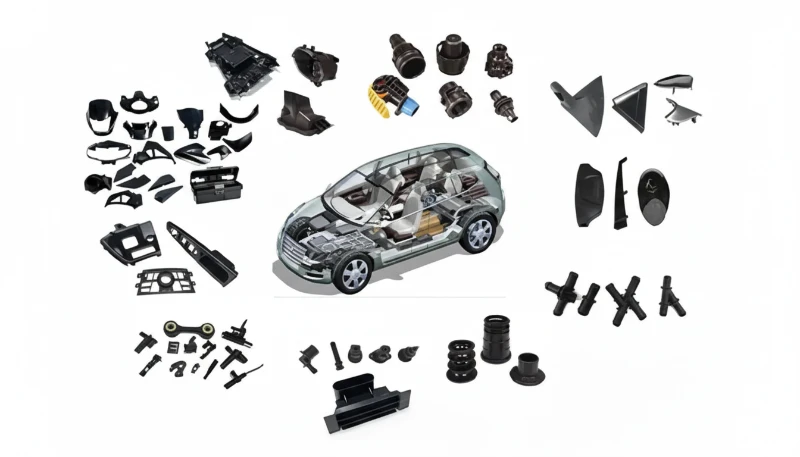
Die Kühlzeit hängt hauptsächlich von der Wanddicke, aber auch von der Werkzeugtemperatur ab. Ein grober Richtwert für PC lautet 10–12 Sekunden pro Millimeter Wanddicke. Eine 3-mm-Wand benötigt etwa 30–36 Sekunden Kühlzeit. Bei dickeren Bereichen oder Bauteilen mit hohen Anforderungen an die Maßhaltigkeit ist dieser Wert zu erhöhen. Verwenden Sie Infrarot-Temperaturfühler oder Wärmebildtechnik, um zu prüfen, ob das Bauteil gleichmäßig erstarrt.
Schneckendosierung und Staudruck beeinflussen die Schmelzequalität. Verwenden Sie einen Staudruck von 50-150 bar, um die Schmelzehomogenität zu verbessern und Lufteinschlüsse zu reduzieren. Halten Sie die Schneckendrehzahl moderat – 50-100 U/min –, um übermäßige Schererwärmung zu vermeiden, die PC abbauen kann. Stellen Sie sicher, dass das Schussvolumen 20-30 % der Zylinderkapazität beträgt, damit die Schmelzetemperatur zwischen den Schüssen konstant bleibt.
„Das Schwindmaß von PC beträgt typischerweise 0,5-0,7 %.“True
Polycarbonat weist im Vergleich zu teilkristallinen Werkstoffen eine relativ geringe Schwindung auf, doch Nachdruck- und Kühlparameter beeinflussen die Endmaße und Stabilität weiterhin entscheidend.
„Höherer Gegendruck verbessert immer die Bauteilqualität.“False
Staudruck verbessert zwar die Homogenität der Schmelze, doch übermäßiger Staudruck kann Materialabbau verursachen, die Zylindertemperatur erhöhen und Farbverschiebungen hervorrufen. Optimieren Sie den Staudruck, statt ihn zu maximieren.
Was sind typische Anwendungen des PC-Spritzgießens?
PC-Spritzguss wird für Scheinwerferlinsen und Leuchtenabdeckungen im Automobilbau, Elektronikgehäuse und Steckverbinder, Gehäuse und Komponenten medizinischer Geräte, Sicherheitsverglasungen und Schutzschilde, optische Datenträger und Linsen sowie schlagfeste, transparente Unterhaltungselektronik eingesetzt. Die Kombination aus optischen Eigenschaften, Zähigkeit und Wärmebeständigkeit macht PC branchenübergreifend vielseitig einsetzbar.
Fahrzeuganwendungen dominieren die PC-Nutzung. Scheinwerferlinsen, Nebelscheinwerferabdeckungen und Rückleuchteneinheiten erfordern Transparenz und Schlagzähigkeit. PC widersteht mit geeigneten Stabilisatoren UV-Strahlung und bleibt bei erhöhten Temperaturen im Motorraum klar. Wir fertigen Fahrzeugleuchtenkomponenten mit engen optischen Spezifikationen – Transmission über 88 % und Vergilbungsindex unter 2.0.
Elektronik- und Elektroanwendungen verwenden PC für Gehäuse, Stecker und Komponenten, die Flammhemmung erfordern. Flammhemmende PC-Typen erfüllen UL94 V-0-Normen bei Beibehaltung der mechanischen Eigenschaften. Diese Teile müssen auch Hitze von elektronischen Komponenten widerstehen und elektrische Isolierung bieten. Die Durchschlagsfestigkeit von PC von 15-20 kV/mm eignet sich für viele elektrische Anwendungen.
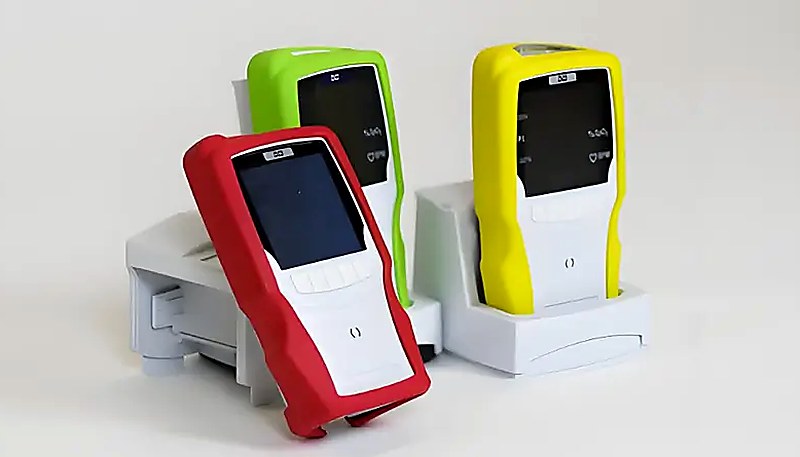
Medizinische Geräte stellen einen wachsenden PC-Markt dar. Gehäuse für chirurgische Instrumente, Komponenten für die Fluidhandhabung und Gehäuse für medizinische Geräte profitieren von der Zähigkeit, Klarheit und Sterilisationskompatibilität von PC. Medizinisch zugelassener PC erfordert Biokompatibilität und strenge Prozesskontrolle – oft ist dafür dedizierte Ausrüstung erforderlich, um Kreuzkontamination zu verhindern. Unsere Anlage in Shanghai arbeitet mit ISO-13485-Zertifizierung für die Herstellung von Medizinprodukten.
Häufig gestellte Fragen
Wie lange muss PC vor dem Spritzgießen getrocknet werden?
PC muss vor dem Spritzgießen 3–4 Stunden bei 120–150 °C mit Trockenmitteltechnik getrocknet werden. Der Feuchtegehalt muss unter 0,02 % liegen, um Hydrolyse in der Schmelze zu verhindern. Glasfaserverstärkte oder hochtemperaturbeständige PC-Typen benötigen 140–150 °C. Umgebungstrocknung oder ausgelassene Trocknung ist die häufigste Ursache für PC-Teilversagen. Verwenden Sie einen Trockenmitteltrockner mit −40 °C Taupunkt und prüfen Sie die Feuchte vor Produktionsbeginn. Auch getrocknetes PC nimmt an Luft rasch Feuchtigkeit auf; halten Sie Trichter geschlossen und Material versiegelt.
Was ist die ideale Schmelzetemperatur beim PC-Spritzgießen?
Die ideale Schmelzetemperatur für PC liegt je nach Typ und Bauteilgeometrie zwischen 280-310°C. Universal-PC wird typischerweise bei 290-300°C verarbeitet. Flammgeschützte oder glasfasergefüllte Typen können etwas höhere Temperaturen bis 310°C erfordern. Bei mehr als 310°C drohen thermischer Abbau und Verfärbung. Beginnen Sie bei 290°C und passen Sie die Temperatur anhand des Füllbilds und der Oberflächenqualität in Schritten von 5-10°C an. Verwenden Sie über die Zylinderzonen hinweg ein allmähliches Temperaturprofil, um ein gleichmäßiges Aufschmelzen ohne Temperaturschock sicherzustellen. Achten Sie auf Abbauanzeichen wie Vergilbung oder Gasmarkierungen.
Welche Werkzeugtemperatur ist für PC-Teile am besten geeignet?
Die optimale Werkzeugtemperatur für PC liegt bei 80-120°C, wobei 90-110°C für die meisten Anwendungen typisch sind. Höhere Werkzeugtemperaturen von 110-120°C verringern Eigenspannungen und verbessern die optische Klarheit transparenter Teile. Niedrigere Werkzeugtemperaturen von 80-90°C ermöglichen kürzere Zykluszeiten, können jedoch das Verzugsrisiko erhöhen. Passen Sie die Temperatur an die Teileanforderungen an: Optische Teile benötigen wärmere Werkzeuge als blickdichte Komponenten. Umlauföl oder Heizpatronen sorgen bei PC-Werkzeugen für eine gleichmäßige Temperaturregelung. Kalte Werkzeuge unter 60°C verursachen hohe Eigenspannungen und eine schlechte Oberflächengüte.
Warum weisen PC-Teile Silberstreifen auf der Oberfläche auf?
Silberstreifen oder Schlieren an PC-Teilen weisen auf Feuchtigkeit im Material hin, die meist durch unzureichende Trocknung entsteht. Selbst getrocknetes PC kann erneut Feuchtigkeit aufnehmen, wenn es der Umgebungsluft ausgesetzt bleibt. Stellen Sie eine Trockenmitteltrocknung bei 120–150 °C für 3–4 Stunden mit einem Taupunkttrockner bei -40 °C sicher. Prüfen Sie vor dem Formen, dass der Feuchtigkeitsgehalt unter 0,02 % liegt. Kontrollieren Sie die Trocknerfunktion und halten Sie die Trichterdeckel geschlossen, um eine erneute Feuchtigkeitsaufnahme zu verhindern. Silberstreifen sind das sichtbarste Zeichen einer feuchtigkeitsbedingten Hydrolyse während der Schmelzeverarbeitung. Dies ist der häufigste PC-Fehler und erfordert eine sofortige Überprüfung der Trocknung.
Was verursacht Verzug bei PC-Spritzgussteilen?
PC-Verzug resultiert hauptsächlich aus ungleichmäßiger Abkühlung, unterschiedlichen Wandstärken oder hohen Eigenspannungen. Sorgen Sie für gleichmäßige Wandstärken mit sanften Übergängen (3:1-Verhältnis) und ausreichenden Kühlkanälen. Erhöhen Sie die Werkzeugtemperatur um 10-20°C, um Eigenspannungen zu reduzieren. Prüfen Sie, ob die Abkühlzeit für die dicksten Bereiche ausreichend ist. Manchmal hilft die Anpassung der Angusslage oder das Hinzufügen von Fließleitern, die Abkühlraten über das Teil auszugleichen. Verzug verschlechtert sich oft mit der Zeit, wenn Eigenspannungen während des Spritzgießens nicht kontrolliert werden. Verwenden Sie Moldflow-Analysen, um potenzielle Verzugsbereiche vor der Werkzeugherstellung zu identifizieren.
Können im PC-Spritzguss transparente Teile hergestellt werden?
Ja, mit dem PC-Spritzgießen lassen sich transparente Teile mit einer Lichtdurchlässigkeit von bis zu 90% herstellen. Transparenz erfordert hohe Werkzeugtemperaturen (110-120°C), sachgerechte Trocknung zur Vermeidung von Silberschlieren und hochpolierte Werkzeugoberflächen. Die Oberflächenbeschaffenheit des Werkzeugs überträgt sich unmittelbar auf das Teil — hochglanzpolierte Kavitäten ergeben klare Teile, strukturierte Oberflächen hingegen ein diffuses oder transluzentes Erscheinungsbild. Vermeiden Sie Kratzer oder Unvollkommenheiten im Werkzeug, die die optische Qualität beeinträchtigen. Verwenden Sie speziell für optische Anwendungen formulierte PC-Typen statt Standardharz. Überwachen Sie den Vergilbungsindex, um eine gleichbleibende Klarheit sicherzustellen.
Wie hoch ist die Schwindungsrate von PC beim Spritzgießen?
PC weist eine typische Schwindungsrate von 0.5-0.7 % auf, die im Vergleich zu teilkristallinen Materialien relativ niedrig ist. Die geringe Schwindung unterstützt die Maßhaltigkeit, ersetzt jedoch keine ordnungsgemäße Verarbeitung. Nachdruck, Kühlzeit und Werkzeugtemperatur beeinflussen die Endabmessungen. Verwenden Sie für die anfängliche Werkzeugkonstruktion Standard-Schwindungswerte, validieren Sie die tatsächliche Schwindung jedoch bei der T1-Bemusterung mit dem konkreten PC-Typ. Verschiedene PC-Typen können leicht unterschiedliche Schwindungseigenschaften aufweisen. Messen Sie die Schwindung in Fließrichtung und quer dazu, da die Werte abweichen können.
Faustregel: PC 3-4 Stunden bei 120-150°C trocknen, die Schmelze bei 290-300°C verarbeiten, das Werkzeug auf 90-110°C halten und eine gleichmäßige Wanddicke sicherstellen. Bei Silberstreifen die Trocknung prüfen. Bei Verzug die Kühlung ausbalancieren. Bei Maßabweichungen den Nachdruck anpassen. Wer diese Grundlagen beherrscht, macht PC zu einem zuverlässigen Standardwerkstoff statt zu einem problematischen Material.
In unserem Werk in Shanghai mit 45 Spritzgießmaschinen und über 20 Jahren Erfahrung seit 2005 verarbeiten wir täglich PC für Automobil-, Elektronik- und Medizinanwendungen. Unsere 8 Senior-Ingenieure und 30+ englischsprachige Projektmanager verstehen die Anforderungen des Materials und können Ihnen helfen, Ihr Werkzeug und Ihren Prozess für PC-Teile zu optimieren.
In unserem eigenen Werkzeugbau fertigen wir monatlich über 100 Werkzeuge und unterstützen Projekte vom Rapid Prototyping bis zur Großserienproduktion. Unsere Materialkompetenz umfasst über 400 Werkstoffe, darunter mehrere PC-Typen; für Qualitätsmanagement und die Herstellung von Medizinprodukten sind wir nach ISO 9001 und 13485 zertifiziert.
Bereit, PC-Teile zuverlässig zu formen? Erhalten Sie ein kostenloses Angebot und eine technische Beratung für Ihr Projekt.
Polycarbonat: Polycarbonat ist ein amorpher technischer Thermoplast mit hervorragender Schlagzähigkeit und optischer Klarheit, der typischerweise für Bauteile eingesetzt wird, die hohe Zähigkeit und Transparenz erfordern. ↩
Spritzgießverfahren: Das Spritzgießverfahren ist eine Fertigungsmethode, bei der geschmolzener Kunststoff unter hohem Druck in eine Werkzeugkavität eingespritzt, abgekühlt und als festes Bauteil ausgeworfen wird. ↩
Spritzgießwerkzeugkonstruktion: Die Spritzgießwerkzeugkonstruktion bezeichnet den technischen Prozess zur Auslegung der Werkzeugkomponenten und -merkmale, die bestimmen, wie Kunststoffteile während des Formzyklus geformt werden. ↩