- Enjeksiyon kalıplama, düşük birim maliyetle hızlı ve tekrarlanabilir üretim sağlar
- Makineler kapalı çevrim proses kontrolüyle ±0.1 mm toleransa ulaşır
- Modern tam elektrikli makineler, hidrolik modellere göre 50–70% daha az enerji kullanır
- 400'den fazla termoplastik ve elastomer malzeme işlenebilir
Enjeksiyon Kalıplama Makinesinin Avantajı Nedir?
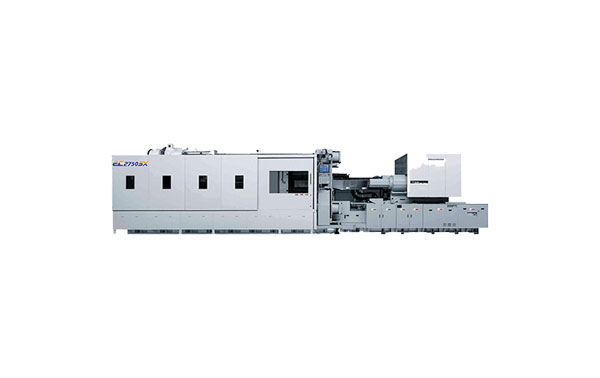
Bir enjeksiyon kalıplama makinesinin faydası, bu bölümde açıklanan işlev, kısıtlamalar ve ödünleşimlerle belirlenir. Plastik parçalar için bir üretim yöntemi seçiyorsanız değerlendireceğiniz en önemli ekipman büyük olasılıkla enjeksiyon kalıplama makinesidir. Granül plastiği alır, eritir, hassas işlenmiş bir enjeksiyon kalıbına enjekte eder ve bazen 10 saniyenin altında olmak üzere her çevrimde aynı parçaları üretir. Yalnızca Şanghay fabrikamızda 417 enjeksiyon kalıplama makinesi çalıştırıyoruz; bu makinelerin tonajı 90T ile 18520T arasında değişiyor. Dolayısıyla neler yapabildiklerini ve yapamadıklarını ilk elden açıkça biliyoruz.
Enjeksiyon Kalıplama Makinesi Nasıl Çalışır?
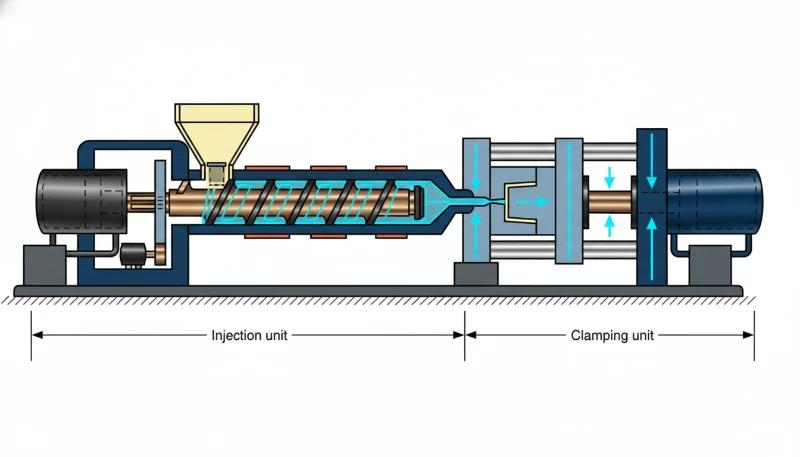
Bir enjeksiyon kalıplama makinesi, bu bölümde açıklanan aşamalar ve ayarlar üzerinden çalışan kontrollü bir süreç dizisidir. Ham plastik granülleri dört tekrarlanan aşamayla bitmiş parçalara dönüştürür: sıkma, enjeksiyon, soğutma ve çıkarma. Sıkma sırasında kalıbın iki yarısı 1.000 tonu aşabilen kuvvetlerle kapanır. Ardından enjeksiyon ünitesi plastiği eritip kalıp boşluğuna basar. Kontrollü bir soğutma döneminden sonra kalıp açılır ve bitmiş parça çıkarılır. Çevrim, parça boyutuna ve malzemeye bağlı olarak genellikle 10 ila 60 saniye sürer.
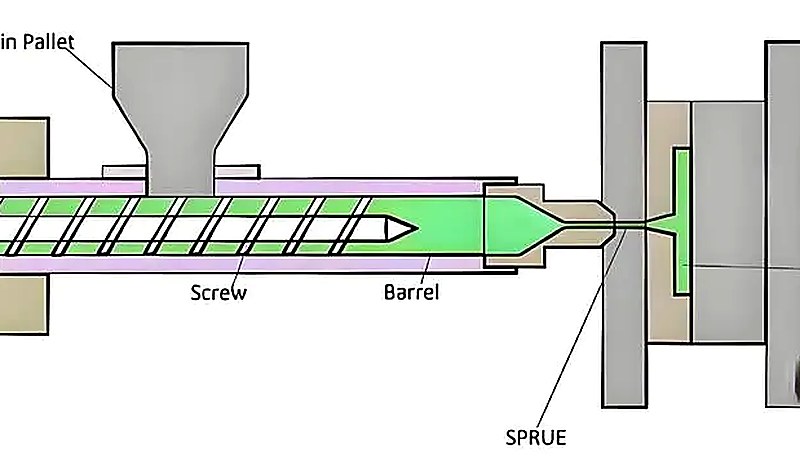
Makinenin kalbi, kovanın içindeki ileri geri hareket eden vidadır. Vida dönerken ham malzemeyi hem taşır hem de plastikleştirir. Plastik memeye ulaştığında sıcaklığı ve basıncı hassas biçimde kontrol edilen homojen bir eriyik hâline gelmiştir. Uygulamada kapalı çevrim geri beslemeli makineler, enjeksiyonlar arasındaki ağırlık değişimini %0,5’in altında tutabilir; enjeksiyon kalıplamanın tıp ve otomotiv gibi sektörlerin talep ettiği tutarlılığı3 sağlamasının nedeni budur.¹
Yüksek Hızlı Üretimin Temel Avantajları Nelerdir?
Hız tartışmasız en büyük avantajdır. Tek bir makine saatte yüzlerce parça üretebilir. Çok kaviteli kalıplar bu verimi daha da artırır: 15 saniyelik çevrimle çalışan 4 kaviteli bir kalıp saatte yaklaşık 960 parça üretir. CNC işleme veya 3D baskıyla karşılaştırıldığında fark kademeli değil, katlar mertebesindedir. Bu nedenle enjeksiyon kalıplama yüksek hacimli üretime hâkimdir. Tesisimizde, sıkı teslim sürelerinde on binlerce özdeş bileşene ihtiyaç duyan otomotiv ve elektronik müşterileri için düzenli olarak 24/7 üretim yapıyoruz.
Hacim arttıkça birim maliyet önemli ölçüde düşer. Kalıp, başlangıçtaki ana yatırımdır — bir üretim kalıbı $5,000 ile $100,000+ arasında olabilir — ancak kalıp tamamlandığında her parçanın malzeme ve makine süresi maliyeti yalnızca birkaç sent olabilir. 5,000 adedin üzerindeki serilerde enjeksiyon kalıplama neredeyse her zaman en uygun maliyetli seçenektir.
"Enjeksiyon kalıplama makineleri, PEEK ve PEI gibi mühendislik sınıfı reçineler dahil 400 üzerinde farklı plastik malzemeyi işleyebilir."True
Doğru. Modern enjeksiyon kalıplama makineleri çok geniş bir termoplastik, termoset ve elastomer yelpazesini işler. Uygun kovan ve vida yapılandırmasıyla PEEK gibi yüksek sıcaklıklı mühendislik reçineleri (360–400°C eriyik) bile rutin olarak işlenir.
"Enjeksiyon kalıplama, seri üretimde 3D baskıya kıyasla çok yavaştır."False
Yanlış. Enjeksiyon kalıplama çevrim süreleri tipik olarak 10–60 saniyedir; bu da üretim hacimlerinde onu 3D baskıdan 10–100× daha hızlı yapar. 3D baskı, seri üretimde değil prototiplemede üstündür.
Hassasiyet ve Tekrarlanabilirlik Neden Önemlidir?
Hassasiyet ve tekrarlanabilirlik, parça kalitesini, üretim tutarlılığını ve toplam üretim maliyetini doğrudan etkilediği için önemlidir. Modern enjeksiyon kalıplama makineleri, kritik özelliklerde ±0.1 mm veya daha dar boyutsal toleranslara ulaşır.² Bu hassasiyet üç unsurun birlikte çalışmasından kaynaklanır: kalıbın işlenmiş geometrisi, makinenin basınç ve hız üzerindeki kapalı çevrim kontrolü ve tutarlı eriyik malzeme kalitesi. Proses doğrulandıktan sonra makine, ihmal edilebilir değişkenlikle aynı parçayı binlerce kez üretir. Tıbbi cihazlar, elektrik konnektörleri veya hassas dişliler için bu tekrarlanabilirlik bir lüks değil, mevzuat gerekliliğidir.
Kendi üretim sahamızda bunu her gün görüyoruz. Otomotiv sensör muhafazası kalıbı 200T makinede çalışır ve makine enjeksiyon basıncını her çevrimde ayar noktasında tuttuğu için her parça spesifikasyon içinde ölçülür. Bir ölçü saptığında neden neredeyse her zaman makine değil kalıp aşınmasıdır; bu da kök neden analizini kolaylaştırır.
Shanghai'daki fabrikamızda 90T ile 1850T arasında 47 enjeksiyon kalıplama makinesi çalıştırıyoruz. Fabrika ekibimiz aynı üretim sahasında küçük mikro kalıplama parçalarından büyük otomotiv bileşenlerine kadar her şeyi üretmek için bu tonaj aralığını kullandı ve makine kapasitesini parça boyutuna uydurmanın gereksiz sıkma kuvvetini nasıl önlediğini gördü.
Enjeksiyon Kalıplama Makineleri İşçilik Maliyetlerini Nasıl Azaltır?
Kalıp yüklendikten ve süreç parametreleri sabitlendikten sonra makine çok az insan müdahalesiyle çalışır. Tek bir operatör aynı anda 2–4 makineyi yönetebilir. Otomatik parça alma robotları, konveyör sistemleri ve görüntülü denetim, el emeği ihtiyacını daha da azaltır. Manuel montaj, CNC frezeleme veya elle katmanlamayla karşılaştırıldığında parça başına işçilik maliyeti toplam maliyetin çok küçük bir bölümüdür4.³ Prototipten üretime geçen üreticiler için birim ekonomisinin negatiften pozitife döndüğü an çoğu zaman budur.
Otomasyon yalnızca kalıplama çevrimiyle sınırlı değildir. Modern makineler malzeme taşıma sistemleriyle (kurutucular, yükleyiciler, yeniden öğütülecek malzeme için kırıcılar) ve kalite sistemleriyle (SPC yazılımı, görsel muayene) entegre olur. Bu uçtan uca otomasyon, her parçayı belirli bir makineye, kalıba ve malzeme partisine kadar izlemenizi sağlar — ISO 9001 ve IATF 16949 uyumluluğu için kritik önemdedir.
Enjeksiyon Kalıplama Makineleri Hangi Malzemeleri İşleyebilir?
Enjeksiyon kalıplama makineleri malzeme bakımından son derece çok yönlüdür. Termoplastikleri (PP, PE, ABS, PC, Naylon, POM, PEEK ve yüzlercesi), termosetleri, elastomerleri (TPE, TPU, silikon) ve hatta özel MIM (metal enjeksiyon kalıplama) uygulamalarında metal tozlarını işlerler. Kendi proses deneyimimizde 400+ malzemeyle, malzeme seçiminin parça performansını nasıl belirlediğini ve doğru makine ayarlarının her reçine için ne kadar kritik olduğunu gördük.
Malzeme yönetimi, birçok imalatçının tökezlediği noktadır. Her reçinenin kendine özgü kurutma gereksinimleri, eriyik sıcaklığı aralığı ve ideal kalıp sıcaklığı vardır. Örneğin naylon, işlenmeden önce nem içeriği 0.2%‘in altına düşene kadar kurutulmalıdır; aksi halde gümüş çizgileri ve zayıflamış kaynak çizgileri oluşur. PC daha yüksek silindir sıcaklıkları (280–320°C) gerektirir, ancak soğutma hızı yanlışsa artık gerilime karşı hassastır. Hassas sıcaklık bölgesi kontrolüne ve yeterli kurutma ekipmanına sahip iyi bir makine büyük fark yaratır.
Enjeksiyon Kalıplama Karmaşık Parça Tasarımını Nasıl Destekler?
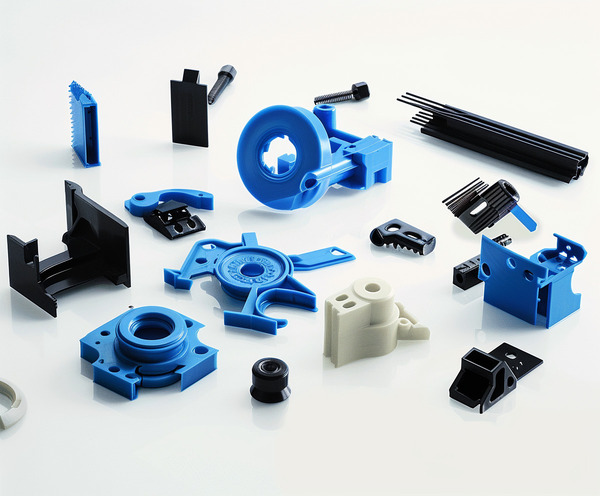
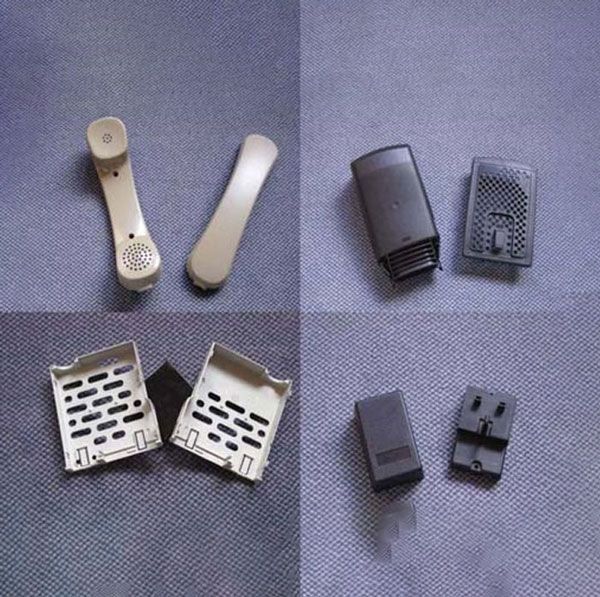
Enjeksiyon kalıplama; takım özgürlüğünü, tekrarlanabilir proses kontrolünü ve malzeme seçimini birleştirdiği için karmaşık parça tasarımını güçlü biçimde destekler. Talaşlı işlemenin (malzemeyi kaldırır) veya sac şekillendirmenin (düz levhayı büker) aksine enjeksiyon kalıplama, üç boyutlu geometrileri tek operasyonda oluşturur. Ters açılar, dişler, esnek menteşeler, geçme bağlantılar ve entegre sabitleme özelliklerinin tümü doğrudan parçaya kalıplanabilir. Bu, ikincil operasyonları ortadan kaldırır ve montaj maliyetlerini düşürür. CNC ile işlenip monte edilmiş beş parça gerektirecek bir tüketici elektroniği muhafazası çoğu zaman birbirine geçen bir veya iki yarım parça olarak kalıplanabilir.
Bunun karşılığı, başlangıçtaki kalıp karmaşıklığı ve maliyetidir. Karmaşık parçalar; kaldırıcılar, sürgüler, maçalar ve başka unsurlar içeren karmaşık kalıplar gerektirir. Ancak bu tek seferlik bir yatırımdır. 50,000+ parçalık bir üretim serisinde birim başına amorti edilmiş kalıp maliyeti ihmal edilebilir hale gelir. Şirket içi kalıp üretim tesisimiz ayda 100+ kalıp setini desteklediğinden, kalıba yatırım yapılmadan önce müşterilerin parça tasarımını üretilebilirlik (DFM) açısından optimize etmelerine düzenli olarak yardımcı olur ve maliyetli hataları erkenden yakalarız.
"Tek bir enjeksiyon kalıplama makinesi, yalnızca kalıbı ve malzemeyi değiştirerek birden çok sektöre parça üretebilir."True
Doğru. Bu esneklik temel avantajlardan biridir. Uygun temizlik ve değişim prosedürleri uygulandığında aynı makine, kalıplar değiştirilip proses parametreleri ayarlanarak sabah otomotiv klipsleri, öğleden sonra tıbbi cihaz muhafazaları üretebilir.
"Enjeksiyon kalıplama, iç dişli veya ters açılı parçalar üretemez."False
Yanlış. Kalıp tasarımında vidalı çıkarma maçaları, eğik iticiler ve katlanabilir maçalar kullanılarak enjeksiyon kalıplamayla iç dişler, ters açılar ve işlenmesi son derece pahalı olacak karmaşık iç geometriler üretilebilir.
Çevresel ve Enerji Açısından Faydaları Nelerdir?
Çevre ve enerji avantajları, bu bölümde açıklanan başlıca kategoriler veya seçeneklerdir. Modern tamamen elektrikli enjeksiyon kalıplama makineleri, eski hidrolik modellere göre %505–70 daha az enerji tüketir.⁴ Sıkma ünitesi açılırken enerjiyi geri kazanırlar; ayrıca ısıtılıp soğutulacak hidrolik yağ bulunmadığından hem enerji kullanımı hem de bakım maliyetleri düşer. Servo tahrikli makineler daha sessiz çalışarak fabrika çalışma ortamını da iyileştirir. Malzeme açısından enjeksiyon kalıplama nispeten az atık üretir: yolluklar ve giriş kanalları çoğu termoplastik için yeniden öğütülüp işlenebilir, tüketici sonrası geri dönüştürülmüş içerik de yeni üretim partilerine karıştırılabilir.
AB’ye ve düzenlemeye tabi diğer pazarlara sevkiyat yapan üreticiler için çevre mevzuatına uyum giderek daha önemli hale gelmektedir. ISO 14001 çevre yönetim sistemleri altında çalışan enjeksiyon kalıplama makineleri — bizimkiler gibi — malzeme tedariki, enerji tüketimi ve atık yönetimi için belgelenmiş izlenebilirlik sağlar. Bu yalnızca işaretlenecek bir kutu değildir; sürdürülebilirliğe önem veren OEM’lerden sözleşme kazanma kabiliyetinizi doğrudan etkiler.
Enjeksiyon Kalıplama Makinelerinden En Çok Hangi Sektörler Yararlanır?
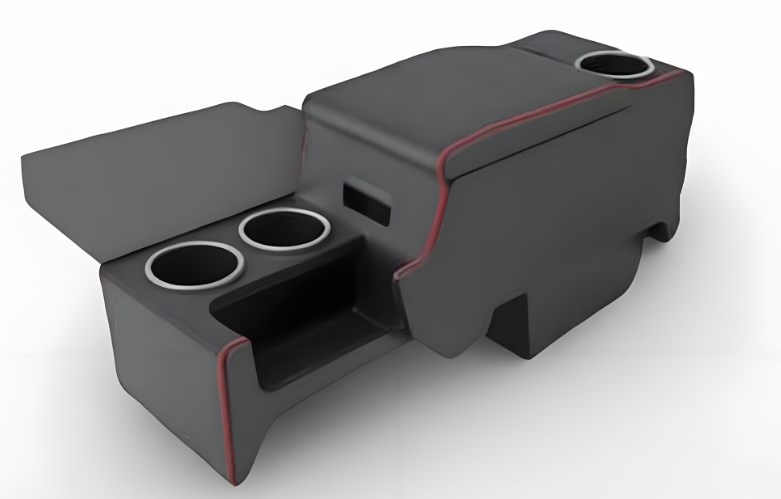
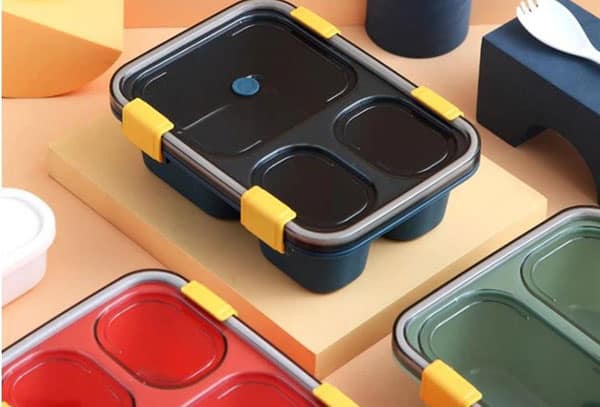
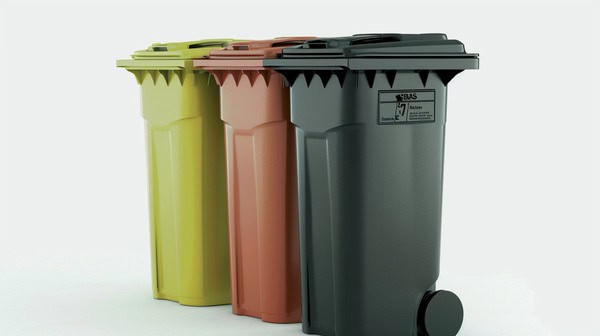
Enjeksiyon kalıplama makineleri, hemen her sektörde plastik üretiminin bel kemiğidir. Otomotiv sektörü tampon kirişlerinden gösterge panellerine ve hassas sensör gövdelerine kadar her şey için bu makinelere güvenir. Tıbbi cihaz üreticileri; şırıngalar, cerrahi alet sapları ve temiz oda kalıplaması gerektiren implante edilebilir bileşenler için bunları kullanır. Elektronik sektörü, enjeksiyonla kalıplanmış konektörler, gövdeler ve yalıtkanlar olmadan var olamazdı. Diş fırçalarından elektrikli el aleti gövdelerine kadar tüketici ürünlerinin neredeyse tamamı enjeksiyonla kalıplanır.⁵
Doğru enjeksiyon kalıplama tedarikçisini bulması gereken şirketler için temel nokta, parça gereksinimlerini uygun makine tonajına, malzeme deneyimine ve kalite sistemlerine sahip bir üreticiyle eşleştirmektir. Yalnızca 100T makineler çalıştıran bir fabrika büyük otomotiv parçalarında zorlanır; temiz oda imkânı olmayan bir fabrika da tıbbi cihaz üretemez. Doğru üretim ortağını seçmek, doğru malzemeyi veya tasarımı seçmek kadar önemlidir.
Sıkça Sorulan Sorular
Bir enjeksiyon kalıplama makinesinin temel avantajı nedir?
Başlıca avantaj, büyük miktarlarda özdeş ve yüksek hassasiyetli plastik parçayı çok düşük birim maliyetle üretebilmesidir. Kalıp üretildikten ve proses doğrulandıktan sonra makine, baskılar arasında asgari değişkenlikle aynı çevrimi tekrarlar ve ekonomik seri üretim sağlar. Tek bir çok kaviteli kalıp, parça başına yalnızca birkaç sentlik malzeme maliyetiyle saatte yüzlerce parça üretebilir. 3D baskı, CNC işleme veya termoform dahil başka hiçbir plastik üretim yöntemi; üretim ölçeğinde hız, hassasiyet ve birim ekonomi birleşimine erişemez.
Bir enjeksiyon kalıplama makinesi parçaları ne kadar hızlı üretebilir?
Çevrim süreleri; parça boyutuna, et kalınlığına, malzemeye ve kalıp karmaşıklığına bağlı olarak tipik biçimde 10 ila 60 saniye arasında değişir. Çok boşluklu kalıplarda tek bir makine saatte yüzlerce, hatta binlerce parça üretebilir. İnce cidarlı ambalaj uygulamaları için optimize edilmiş yüksek hızlı makineler 5 saniyenin altında çevrim sürelerine ulaşabilir. Gerçek üretim hızı; kalıptaki boşluk sayısına, malzemenin gerektirdiği soğutma süresine ve çevrimler arasındaki boşta kalma süresini azaltmak için robotik parça çıkarma kullanılıp kullanılmadığına bağlıdır.
Bir enjeksiyon kalıplama makinesinin tipik kullanım ömrü nedir?
Bakımı iyi yapılan bir enjeksiyon kalıplama makinesi normal çalışma koşullarında 15 ila 20 yıl veya daha uzun süre kullanılabilir. Tamamen elektrikli makinelerde bakım gerektiren hidrolik conta, pompa veya yağ bulunmadığından kullanım ömrü boyunca bakım maliyetleri hidrolik makinelere göre daha düşüktür. Makine ömrünü belirleyen temel etkenler yıllık çalışma saati, işlenen malzeme türleri ve önleyici bakım programının titizliğidir. OEM tarafından önerilen bakım programlarına uyan tesisler sürekli olarak en uzun makine ömrüne ulaşır.
Enjeksiyon kalıplama makineleri mühendislik sınıfı plastikleri işleyebilir mi?
Evet. Modern enjeksiyon kalıplama makineleri, 400 degrees Celsius’a varan daha yüksek kovan sıcaklıkları ve hassas ısıl kontrol gerektiren PEEK, PEI (Ultem), PPS, LCP ve PPSU gibi mühendislik reçinelerini işler. Bu yüksek performanslı malzemeler; PP veya ABS gibi standart emtia reçinelerinin performans gereksinimlerini karşılayamadığı havacılık, tıbbi implant ve zorlu elektrik uygulamalarında kullanılır. Bu reçinelerin işlenmesi; yüksek sıcaklıklı kovan bölgelerine, korozyona dayanıklı vidalara ve sıkı proses izlemeye sahip makineler gerektirir. Tesisimizde özel yüksek sıcaklık makine konfigürasyonları kullanarak rutin olarak PEEK ve PEI bileşenleri kalıplıyoruz.
Bir enjeksiyon kalıplama makinesinin maliyeti nedir?
Fiyatlar kapama kuvveti, enjeksiyon kapasitesi ve tahrik sistemine göre büyük ölçüde değişir. Prototiplemeye uygun küçük bir 50T tezgâh üstü makine 15000 ila 30000 dolar tutabilirken orta sınıf bir 200 ila 500T üretim makinesi genellikle 50000 ila 200000 dolar aralığındadır. Otomotiv ve beyaz eşya parçalarına yönelik büyük 1000T üzeri makineler 500000 doları aşabilir. Tam elektrikli makineler, hidrolik muadillerinden yüzde 20 ila 40 daha pahalıdır; ancak yüzde 50 ila 70 enerji tasarrufu ve daha yüksek hassasiyet sunarak beş ila on yıllık sahiplik döneminde daha uygun maliyetli hâle gelir.
Enjeksiyon kalıplama düşük hacimli üretime uygun mudur?
Geleneksel enjeksiyon kalıplama, başlangıçtaki kalıp yatırımı nedeniyle yüksek hacimli üretim için optimize edilmiştir; bu yatırım genellikle 5000 ila 50000 dolar veya daha fazladır. Bununla birlikte, alüminyum takım ve hızlı takım yöntemleri, 100 ila 500 parça kadar düşük miktarlarda kısa seri enjeksiyon kalıplamayı uygulanabilir hâle getirmiştir. Prototipler ve 50 parçanın altındaki çok düşük hacimler için 3D baskı veya üretan döküm daha ekonomik olabilir. 3D baskı ile enjeksiyon kalıplama arasındaki başa baş noktası, parça karmaşıklığına ve gerekli toleranslara bağlı olarak genellikle 100 ila 1000 adet arasındadır.
Hidrolik ve tamamen elektrikli enjeksiyon kalıplama makineleri arasındaki fark nedir?
Hidrolik makineler, kapama ve enjeksiyon için yağ bazlı sistemler kullanır; daha düşük satın alma fiyatıyla yüksek kapama kuvveti sunar. Büyük parçalar ve yüksek tonajlı uygulamalar için uygundur. Tam elektrikli makineler, her hareket ekseninde hassas servo motorlar kullanarak daha kısa çevrim süreleri, daha yüksek tekrarlanabilirlik, %50 ila %70 enerji tasarrufu ve hidrolik yağ içermeyen daha temiz çalışma sağlar. Temiz oda kalıplama ve yüksek hassasiyetli uygulamalar için tam elektrikli makineler açık ara doğru seçimdir. Büyük parçaların ağır hizmet tipi kalıplanmasında ise hidrolik makineler maliyet etkinliğini korur.
Enjeksiyon kalıplama makinesi hangi bakımları gerektirir?
Düzenli bakım; vida ve kovanın aşınma açısından incelenmesini, hidrolik makinelerde hidrolik yağ ve filtre değişimlerini, ısıtıcı bant ve termokupl kontrollerini, mafsal ve plaka yağlamasını ve enjeksiyon basıncı ile sıcaklık sensörlerinin kalibrasyonunu içerir. Önleyici bakım, makinenin çalışma saatlerine göre planlanmalıdır; önemli servis kalemleri için bu süre genellikle 2000 ila 4000 saattir. Yapılandırılmış bir önleyici bakım programı izleyen tesisler, yalnızca arıza sonrası bakım yaklaşımlarına kıyasla çok daha az plansız duruş yaşar ve makine ömrünü 5 ila 10 yıl uzatır.
Sonuç
Enjeksiyon kalıplama makineleri; üretim ölçeğinde başka hiçbir plastik imalat teknolojisinin eşleştiremediği hız, hassasiyet, malzeme esnekliği ve maliyet verimliliği bileşimini sunar. Yüksek hacimde birim maliyetleri düşürmekten karmaşık geometrileri tek çevrimde üretmeye kadar bu makineler modern imalatın temel iş gücüdür. Otomotiv bileşenleri, tıbbi cihazlar veya tüketici elektroniği üretiyor olsanız da bu avantajları anlamak daha iyi tedarik ve tasarım kararları vermenize yardımcı olur.
Enjeksiyon Kalıplama Projeniz İçin Teklife mi İhtiyacınız Var? ZetarMold’un mühendislik ekibinden rekabetçi fiyat, DFM geri bildirimi ve üretim takvimi alın. 20 yılı aşkın deneyimimiz, 47 makinemiz ve ISO 9001 / ISO 13485 sertifikalı kalite sistemlerimizle tasarımdan üretime geçmenize yardımcı olmaya hazırız. Ücretsiz Teklif İsteyin →
4: ISO 20421-1:2023, boyutsal hassasiyet ve operatör koruma standartları dâhil olmak üzere enjeksiyon kalıplama makinelerine yönelik güvenlik gereksinimlerini belirleyen uluslararası bir standarttır. ↩
5: Küresel enjeksiyon kalıplama pazarı; otomotiv, tıp, elektronik ve tüketim ürünleri sektörlerini kapsayan ve hassas plastik bileşenlere yönelik talebin tetiklediği istikrarlı büyümeyi gösteren bir sektör analizidir. ↩
tıp ve otomotiv gibi sektörlerin talep ettiği tutarlılık: Boyutsal tolerans, parça ölçülerinde izin verilen sapmayı ifade eder; modern enjeksiyon kalıplama, ISO 20421-1 standartları kapsamında kritik özelliklerde ±0,1 mm veya daha dar toleranslara ulaşır. ↩
parça başına işçilik maliyeti toplam maliyetin çok küçük bir bölümüdür: Enerji tasarrufu, tamamen elektrikli enjeksiyon kalıplama makinelerinin enerji geri kazanımlı servo tahrik sistemleri sayesinde hidrolik modellere göre %50–70 daha az enerji tüketmesini ifade eder. ↩
tamamen elektrikli enjeksiyon kalıplama makineleri 50: Enjeksiyondan enjeksiyona tekrarlanabilirlik, bir enjeksiyon kalıplama makinesinin bir çevrimden diğerine tutarlı ağırlık ve boyutlarda parçalar üretme kabiliyetidir; modern kapalı çevrim kontrolünde değişim genellikle %0,5'in altındadır. ↩