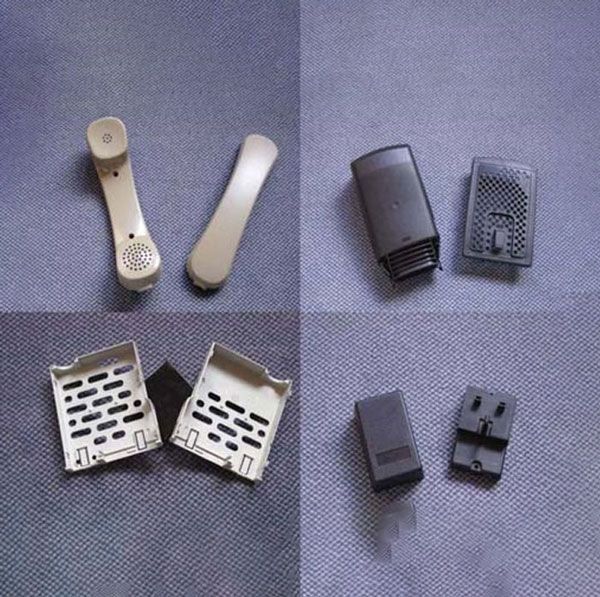
- Spuitgieten maakt snelle, herhaalbare productie mogelijk tegen lage kosten per eenheid
- Machines behalen toleranties van ±0.1 mm met gesloten-lusprocesregeling
- Moderne volledig elektrische machines gebruiken 50–70% minder energie dan hydraulische modellen
- Meer dan 400 thermoplastische en elastomere materialen kunnen worden verwerkt
Wat is het voordeel van een spuitgietmachine?
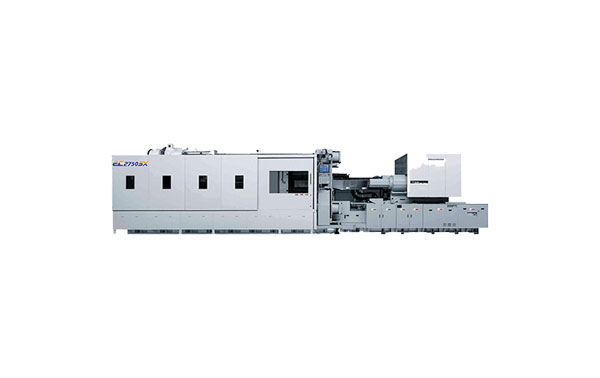
Het voordeel van een spuitgietmachine wordt bepaald door de functie, beperkingen en afwegingen die in dit gedeelte worden uitgelegd. Als u een productiemethode voor kunststofonderdelen kiest, is de spuitgietmachine waarschijnlijk de belangrijkste machine die u beoordeelt. De machine neemt kunststofgranulaat, smelt het, injecteert het in een nauwkeurig bewerkte spuitgietmatrijs en produceert cyclus na cyclus identieke onderdelen, soms in minder dan 10 seconden. Alleen al in onze fabriek in Shanghai gebruiken we 417 spuitgietmachines van 90T tot 18520T. Daardoor weten we uit eigen ervaring precies wat deze machines wel en niet kunnen.
Hoe werkt een spuitgietmachine?
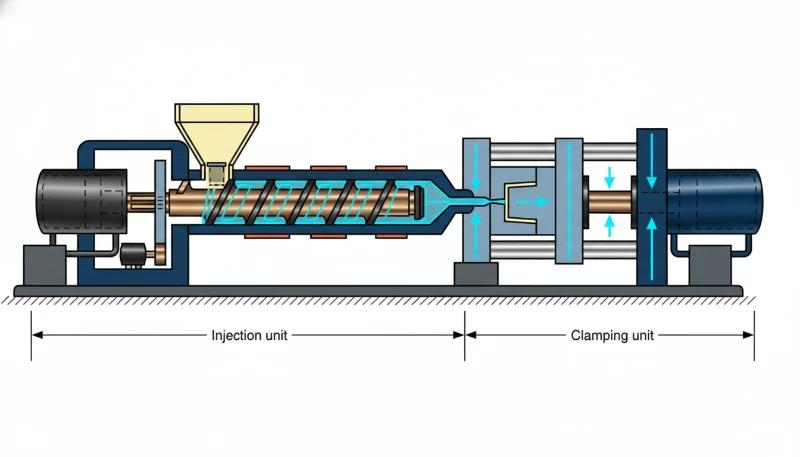
Een spuitgietmachine voert een gecontroleerde procesreeks uit volgens de fasen en instellingen die in dit gedeelte worden uitgelegd. De machine zet ruwe kunststofkorrels in vier herhalende fasen om in afgewerkte onderdelen: sluiten, injecteren, koelen en uitwerpen. Tijdens het sluiten worden de twee matrijshelften met een kracht van soms meer dan 1.000 ton tegen elkaar gedrukt. Vervolgens smelt de injectie-eenheid de kunststof en perst deze in de matrijsholte. Na een gecontroleerde koelperiode opent de matrijs en wordt het afgewerkte onderdeel uitgeworpen. Afhankelijk van de grootte en het materiaal van het onderdeel duurt een cyclus doorgaans 10 tot 60 seconden.
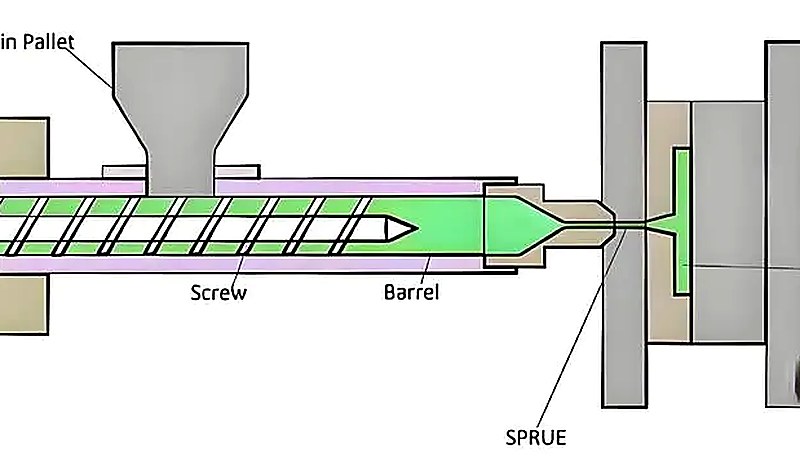
Het hart van de machine is de heen-en-weer bewegende schroef in de cilinder. Terwijl de schroef draait, transporteert en plastificeert deze de grondstof. Tegen de tijd dat de kunststof de spuitmond bereikt, is het een homogene smelt met nauwkeurig geregelde temperatuur en druk. In de praktijk kunnen machines met gesloten regelkring de gewichtsvariatie tussen opeenvolgende injecties onder 0,5% houden. Daarom biedt spuitgieten de constante kwaliteit die sectoren zoals de medische en auto-industrie vereisen3.¹
Wat zijn de belangrijkste voordelen van hogesnelheidsproductie?
Snelheid is misschien wel het grootste voordeel. Eén machine kan honderden onderdelen per uur produceren. Meervoudige matrijzen vermenigvuldigen die output — een matrijs met 4 caviteiten en een cyclustijd van 15 seconden levert ongeveer 960 onderdelen per uur. Vergeleken met CNC-verspaning of 3D-printen is het verschil niet incrementeel maar van een andere orde. Daarom domineert spuitgieten de productie van grote volumes. In onze fabriek draaien we regelmatig 24/7-productieschema’s voor klanten in de automobiel- en elektronicasector die binnen korte termijnen tienduizenden identieke componenten nodig hebben.
De kosten per eenheid dalen sterk naarmate het volume toeneemt. De matrijs is de belangrijkste initiële investering — een productiematrijs kan $5,000 tot $100,000+ kosten — maar zodra deze is gebouwd, kost elk onderdeel mogelijk slechts enkele centen aan materiaal en machinetijd. Voor series van meer dan 5,000 stuks is spuitgieten vrijwel altijd de voordeligste keuze.
"Spuitgietmachines kunnen meer dan 400 verschillende kunststoffen verwerken, waaronder technische harsen zoals PEEK en PEI."True
Juist. Moderne spuitgietmachines verwerken een zeer breed scala aan thermoplasten, thermoharders en elastomeren. Met de juiste cilinder- en schroefconfiguratie worden zelfs technische hogetemperatuurharsen zoals PEEK (smelt bij 360–400°C) routinematig verwerkt.
"Spuitgieten is vergeleken met 3D-printen te traag voor massaproductie."False
Onjuist. Spuitgietcycli duren doorgaans 10–60 seconden, waardoor het bij productievolumes 10–100× sneller is dan 3D-printen. 3D-printen blinkt uit in prototyping, niet in massaproductie.
Waarom zijn precisie en herhaalbaarheid belangrijk?
Precisie en herhaalbaarheid zijn belangrijk omdat ze rechtstreeks van invloed zijn op de onderdeelkwaliteit, productieconsistentie en totale productiekosten. Moderne spuitgietmachines bereiken maattoleranties van ±0.1 mm of nauwer voor kritieke kenmerken.² Deze precisie ontstaat door het samenspel van drie factoren: de bewerkte geometrie van de matrijs, de gesloten-lusregeling van druk en snelheid door de machine en een constante kwaliteit van de materiaalsmelt. Zodra een proces is gevalideerd, produceert de machine hetzelfde onderdeel duizenden keren met verwaarloosbare variatie. Voor medische hulpmiddelen, elektrische connectoren of precisietandwielen is deze herhaalbaarheid geen luxe — het is een wettelijke vereiste.
Op onze eigen productievloer zien wij dit dagelijks. Een matrijs voor een automotive sensorbehuizing draait op een 200T-machine en elk onderdeel blijft binnen specificatie, omdat de machine cyclus na cyclus de injectiedruk op de instelling houdt. Als een maat verloopt, is matrijsslijtage vrijwel altijd de oorzaak en niet de machine, waardoor de hoofdoorzaakanalyse eenvoudig is.
In onze fabriek in Shanghai gebruiken we 47 spuitgietmachines van 90T tot 1850T. Ons fabrieksteam heeft dit tonnagebereik gebruikt om op dezelfde productievloer alles te produceren, van minuscule microspuitgietonderdelen tot grote automobielcomponenten, en we hebben gezien hoe het afstemmen van de machinecapaciteit op de onderdeelgrootte verspilling van sluitkracht voorkomt.
Hoe verlagen spuitgietmachines de arbeidskosten?
Zodra een matrijs is geplaatst en de procesparameters zijn vastgelegd, draait de machine met minimale menselijke tussenkomst. Eén operator kan tegelijk 2–4 machines bedienen. Robots voor het automatisch uitnemen van onderdelen, transportsystemen en visuele inspectie beperken de behoefte aan handarbeid nog verder. Vergeleken met handmatige assemblage, CNC-frezen of handlamineren vormt het arbeidsaandeel per onderdeel slechts een fractie van de kosten4.³ Voor fabrikanten die van prototype naar productie opschalen, is dit vaak het moment waarop de kosten per eenheid omslaan van verlies naar winst.
De automatisering gaat verder dan alleen de spuitgietcyclus. Moderne machines worden geïntegreerd met materiaalverwerkingssystemen (drogers, toevoerapparaten en granulatoren voor maalgoed) en kwaliteitssystemen (SPC-software en visuele inspectie). Dankzij deze end-to-endautomatisering kan elk onderdeel worden herleid tot een specifieke machine, matrijs en materiaalbatch — essentieel voor naleving van ISO 9001 en IATF 16949.
Welke materialen kunnen spuitgietmachines verwerken?
Spuitgietmachines zijn opmerkelijk veelzijdig wat materialen betreft. Ze verwerken thermoplasten (PP, PE, ABS, PC, Nylon, POM, PEEK en honderden andere), thermoharders, elastomeren (TPE, TPU, silicone) en zelfs metaalpoeders in gespecialiseerde MIM-toepassingen (metal injection molding). Met meer dan 400+ materialen in onze eigen verwerkingservaring hebben we gezien hoe de materiaalkeuze de prestaties van onderdelen bepaalt — en hoe cruciaal de juiste machine-instellingen voor elke hars zijn.
Materiaalbehandeling is waar veel fabrikanten struikelen. Elke hars heeft eigen droogeisen, een smelttemperatuurvenster en een optimale matrijstemperatuur. Nylon moet bijvoorbeeld vóór verwerking tot minder dan 0,2% vocht worden gedroogd, anders ontstaan zilverstrepen en verzwakte lasnaden. PC vereist hogere cilindertemperaturen (280–320°C), maar is gevoelig voor restspanning als de koelsnelheid niet klopt. Een goede machine met nauwkeurige regeling van de temperatuurzones en voldoende droogapparatuur maakt het verschil.
Hoe ondersteunt spuitgieten het ontwerp van complexe onderdelen?
Spuitgieten ondersteunt complexe productontwerpen sterk door ontwerpvrijheid, herhaalbare procesregeling en materiaalkeuze te combineren. Anders dan verspanen of plaatvormen creëert spuitgieten driedimensionale geometrieën in één bewerking. Ondersnijdingen, schroefdraad, filmscharnieren, klikverbindingen en geïntegreerde bevestigingen kunnen direct worden meegegoten. Dit elimineert nabewerkingen en verlaagt montagekosten. Een behuizing voor consumentenelektronica die vijf CNC-bewerkte en gemonteerde delen vereist, kan vaak als één of twee in elkaar klikkende helften worden gegoten.
De keerzijde is hogere initiële matrijscomplexiteit en -kosten. Complexe onderdelen vereisen lifters, schuiven en kernen, maar dit is een eenmalige investering. Bij 50,000+ onderdelen worden afgeschreven matrijskosten per stuk verwaarloosbaar. Onze interne matrijzenbouw ondersteunt 100+ matrijssets per maand en helpt klanten vóór investering met DFM-optimalisatie, zodat kostbare fouten vroeg worden gevonden.
"Eén spuitgietmachine kan onderdelen voor meerdere industrieën produceren door alleen de matrijs en het materiaal te wisselen."True
Waar. Deze flexibiliteit is een van de belangrijkste voordelen. Door matrijzen te wisselen en procesparameters aan te passen, kan dezelfde machine 's ochtends autoclips en 's middags behuizingen voor medische hulpmiddelen produceren, mits de juiste reinigings- en omstelprocedures worden gevolgd.
"Spuitgieten kan geen onderdelen met binnendraad of ondersnijdingen produceren."False
Onjuist. Met uitschroefkernen, schuine uitwerpers en inklapbare kernen in het matrijsontwerp kan spuitgieten binnendraad, ondersnijdingen en complexe interne geometrieën produceren die extreem duur zouden zijn om te verspanen.
Wat zijn de milieu- en energievoordelen?
De milieu- en energievoordelen zijn de belangrijkste categorieën of mogelijkheden die in dit gedeelte worden uitgelegd. Moderne volledig elektrische spuitgietmachines verbruiken 505–70% minder energie dan oudere hydraulische modellen.⁴ Ze winnen energie terug tijdens het openen van de sluiting. Omdat er geen hydraulische olie hoeft te worden verwarmd en gekoeld, dalen zowel het energieverbruik als de onderhoudskosten. Servogestuurde machines werken bovendien stiller, wat de werkomgeving in de fabriek verbetert. Qua materiaal veroorzaakt spuitgieten relatief weinig afval: aanspuitingen en verdeelkanalen kunnen bij de meeste thermoplasten worden vermalen en opnieuw verwerkt, en gerecycled consumentenmateriaal kan in nieuwe productieseries worden bijgemengd.
Milieunaleving wordt steeds belangrijker voor producenten die aan de EU en andere gereguleerde markten leveren. Spuitgietmachines die werken onder ISO 14001-milieubeheersystemen — zoals de onze — bieden gedocumenteerde traceerbaarheid voor materiaalinkoop, energieverbruik en afvalverwerking. Dit is niet slechts een vinkje; het beïnvloedt rechtstreeks uw vermogen om contracten te winnen van duurzaamheidsgerichte OEMs.
Welke sectoren profiteren het meest van spuitgietmachines?
Spuitgietmachines vormen de ruggengraat van de kunststofproductie in vrijwel elke sector. De auto-industrie gebruikt ze voor alles van bumperbalken en instrumentenpanelen tot nauwkeurige sensorbehuizingen. Fabrikanten van medische hulpmiddelen gebruiken ze voor spuiten, handgrepen van chirurgische instrumenten en implanteerbare componenten die cleanroomproductie vereisen. De elektronica-industrie zou niet kunnen bestaan zonder spuitgegoten connectoren, behuizingen en isolatoren. Consumentenproducten — van tandenborstels tot behuizingen van elektrisch gereedschap — worden vrijwel uitsluitend gespuitgegoten.⁵
Voor bedrijven die de juiste spuitgietleverancier moeten vinden, is het essentieel om de onderdeelvereisten te koppelen aan een fabrikant met de juiste machinecapaciteit, materiaalervaring en kwaliteitssystemen. Een fabriek met alleen machines van 100T zal moeite hebben met grote auto-onderdelen, net zoals een fabriek zonder cleanroom geen medische hulpmiddelen kan produceren. De keuze van de juiste productiepartner is even belangrijk als de keuze van het juiste materiaal of ontwerp.
Veelgestelde vragen
Wat is het belangrijkste voordeel van een spuitgietmachine?
Het belangrijkste voordeel is het vermogen om grote volumes identieke, hoogprecisie kunststofonderdelen te produceren tegen zeer lage kosten per eenheid. Zodra de matrijs is gebouwd en het proces is gevalideerd, herhaalt de machine dezelfde cyclus met minimale shot-to-shot variatie, waardoor kosteneffectieve massaproductie mogelijk is. Een enkele meerholte matrijs kan honderden onderdelen per uur produceren tegen materiaalkosten van slechts een paar cent per eenheid. Geen andere kunststofproductiemethode, inclusief 3D-printen, CNC-bewerking of thermoforming, kan deze combinatie van snelheid, precisie en kosten per eenheid op productieschaal evenaren.
Hoe snel kan een spuitgietmachine onderdelen produceren?
Cyclustijden variëren doorgaans van 10 tot 60 seconden, afhankelijk van onderdeelgrootte, wanddikte, materiaal en matrijscomplexiteit. Met meerholte matrijzen kan een enkele machine honderden of zelfs duizenden onderdelen per uur produceren. Hogesnelheidsmachines geoptimaliseerd voor dunwandige verpakkingsapplicaties kunnen cyclustijden onder 5 seconden bereiken. De werkelijke doorvoer hangt af van het aantal holtes in de matrijs, de benodigde koeltijd voor het specifieke materiaal, en of robotische onderdeelverwijdering wordt gebruikt om de stilstandtijd tussen cycli te minimaliseren.
Wat is de typische levensduur van een spuitgietmachine?
Een goed onderhouden spuitgietmachine kan onder normale bedrijfsomstandigheden 15 tot 20 jaar of langer meegaan. Volledig elektrische machines hebben over hun levensduur meestal lagere onderhoudskosten in vergelijking met hydraulische machines omdat er geen hydraulische afdichtingen, pompen of olie zijn die onderhouden moeten worden. De belangrijkste factoren die de levensduur van de machine bepalen zijn het aantal bedrijfsuren per jaar, de soorten verwerkte materialen en de grondigheid van het preventief onderhoudsprogramma. Fabrieken die de door de OEM aanbevolen onderhoudsschema’s consequent volgen, behalen de langste levensduur van de machine.
Kunnen spuitgietmachines technische kunststoffen verwerken?
Ja. Moderne spuitgietmachines verwerken technische harsen zoals PEEK, PEI (Ultem), PPS, LCP en PPSU, die hogere cilindertemperaturen tot 400 graden Celsius en precieze thermische regeling vereisen. Deze hoogprestatiefmaterialen worden gebruikt in lucht- en ruimtevaart, medische implantaten en veeleisende elektrische toepassingen waar standaard bulkharsen zoals PP of ABS niet aan de prestatie-eisen kunnen voldoen. Het verwerken van deze harsen vereist machines met hogetemperatuur cilinderzones, corrosiebestendige schroeven en nauwkeurige procesbewaking. In onze faciliteit gieten we routinematig PEEK- en PEI-componenten met behulp van toegewijde hogetemperatuur machineconfiguraties.
Hoeveel kost een spuitgietmachine?
Prijzen variëren sterk op basis van sluitkracht, spuitgroottecapaciteit en aandrijfsysteem. Een kleine 50T tafelmodelmachine geschikt voor prototyping kan 15000 tot 30000 dollar kosten, terwijl een middenklasse 200 tot 500T productiemachine doorgaans tussen 50000 en 200000 dollar ligt. Grote machines van 1000T en meer voor auto- en huishoudelijke onderdelen kunnen meer dan 500000 dollar kosten. All-elektrische machines hebben een premie van 20 tot 40 procent ten opzichte van hydraulische equivalenten, maar bieden energiebesparingen van 50 tot 70 procent en hogere precisie, waardoor ze kosteneffectiever zijn over een periode van vijf tot tien jaar eigendom.
Is spuitgieten geschikt voor productie in kleine series?
Traditioneel spuitgieten is geoptimaliseerd voor hoge volumes vanwege de initiële matrijsinvestering, die doorgaans tussen 5000 en 50000 dollar of meer ligt. Echter, aluminium gereedschap en snelle gereedschapsmethoden hebben spuitgieten voor kleine series levensvatbaar gemaakt voor hoeveelheden vanaf 100 tot 500 onderdelen. Voor prototyping en zeer lage volumes onder 50 onderdelen kunnen 3D-printen of urethaan gieten economischer zijn. Het break-even punt tussen 3D-printen en spuitgieten ligt meestal tussen 100 en 1000 eenheden, afhankelijk van onderdeelcomplexiteit en vereiste toleranties.
Wat is het verschil tussen hydraulische en volledig elektrische spuitgietmachines?
Hydraulische machines gebruiken op olie gebaseerde systemen voor het klemmen en inspuiten, wat een hoge klemkracht biedt tegen een lagere aankoopprijs. Ze zijn zeer geschikt voor grote onderdelen en toepassingen met hoog tonnage. Volledig elektrische machines gebruiken precisie-servomotoren voor elke bewegingsas, wat snellere cyclustijden, hogere herhaalbaarheid, lager energieverbruik van 50 tot 70 procent besparing en schonere werking zonder hydraulische olie biedt. Voor cleanroom-gieten en hoogprecisie-toepassingen is volledig elektrisch de duidelijke keuze. Voor zwaar gietwerk van grote onderdelen blijven hydraulische machines kosteneffectief.
Welk onderhoud vereist een spuitgietmachine?
Regelmatig onderhoud omvat inspectie van schroef en cilinder op slijtage, hydraulische olie- en filtervervanging voor hydraulische machines, controle van verwarmingselementen en thermokoppels, smering van knielmechanisme en platen, en kalibratie van inspuitdruk- en temperatuursensoren. Preventief onderhoud moet worden gepland op basis van machinebedrijfsuren, doorgaans elke 2000 tot 4000 uur voor grote service-items. Faciliteiten die een gestructureerd preventief onderhoudsprogramma volgen, ervaren aanzienlijk minder ongeplande stilstand en verlengen de levensduur van de machine met 5 tot 10 jaar vergeleken met alleen reactieve onderhoudsbenaderingen.
Conclusie
Spuitgietmachines bieden een combinatie van snelheid, precisie, materiaalveelzijdigheid en kostenefficiëntie die geen andere kunststofproductietechnologie op productieschaal kan evenaren. Van het verlagen van de kosten per eenheid bij grote volumes tot het mogelijk maken van complexe geometrieën in één cyclus, deze machines vormen het werkpaard van de moderne productie. Of u nu auto-onderdelen, medische apparaten of consumentenelektronica produceert, het begrijpen van deze voordelen helpt u betere inkoop- en ontwerpbeslissingen te nemen.
Offerte nodig voor uw spuitgietproject? Ontvang concurrerende prijzen, DFM-feedback en een productieplanning van het engineeringteam van ZetarMold. Met meer dan 20 jaar ervaring, 47 machines en volgens ISO 9001 / ISO 13485 gecertificeerde kwaliteitssystemen staan wij klaar om u van ontwerp tot productie te begeleiden. Vraag een gratis offerte aan →
4: ISO 20421-1:2023 is een internationale norm die veiligheidseisen voor spuitgietmachines vastlegt, waaronder normen voor maatnauwkeurigheid en bescherming van operators. ↩
5: De wereldwijde spuitgietmarkt is een sectoranalyse die de auto-industrie, medische techniek, elektronica en consumptiegoederen omvat en een gestage groei laat zien door de vraag naar nauwkeurige kunststofcomponenten. ↩
constante kwaliteit die sectoren zoals de medische en auto-industrie vereisen: Maattolerantie is de toegestane variatie in de afmetingen van een onderdeel. Modern spuitgieten behaalt volgens ISO 20421-1 voor kritieke kenmerken een tolerantie van ±0,1 mm of kleiner. ↩
arbeidsaandeel per onderdeel slechts een fractie van de kosten: Energiebesparing houdt in dat volledig elektrische spuitgietmachines dankzij servogestuurde systemen met energieterugwinning 50–70% minder energie verbruiken dan hydraulische modellen. ↩
volledig elektrische spuitgietmachines verbruiken 50: Herhaalbaarheid tussen opeenvolgende injecties is het vermogen van een spuitgietmachine om per cyclus onderdelen met een constant gewicht en constante afmetingen te produceren. Bij moderne regeling met gesloten regelkring ligt de variatie doorgaans onder 0,5%. ↩