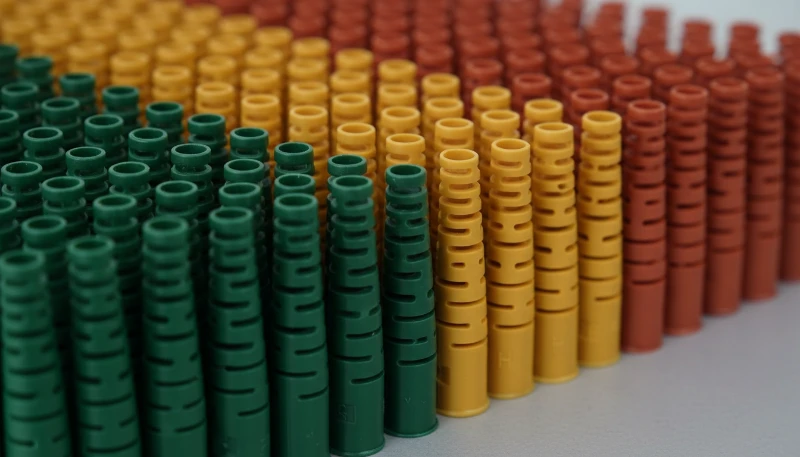
- Konformal soğutma, düz delinmiş kanallara kıyasla çevrim süresini %15–30 azaltır
- Bölme plakaları ve fıskiyeler, kalın kesitlerde ısı transferini iyileştirir
- Soğutma sistemi tasarımı parça kalitesini, çevrim süresini ve kalıp maliyetini etkiler
- Bimetalik kalıplar yüksek ısılı malzemeler için bakır alaşımları kullanır
- Simülasyon yazılımı, çelik işlenmeden önce soğutma kanalı yerleşimini optimize etmeye yardımcı olur
Enjeksiyon Kalıbı Soğutma Sistemleri Nelerdir?
Enjeksiyon kalıbı soğutma sistemleri, erimiş plastiği katılaştırmak için kalıptaki kanallarda soğutucu dolaştıran ısı tahliye sistemleridir. Şanghay tesisindeki deneyimimizde, çevrim süresi ile parça kalitesini dengelemek için 400+ malzeme sınıfının soğutma sistemlerini her gün optimize ediyoruz. Doğru soğutma; enjeksiyon kalıplama çevrim süresini, parçanın boyutsal kararlılığını ve üretim verimliliğini doğrudan etkiler. Her enjeksiyon kalıplama operasyonu üç rakip etkeni dengeler: kalıp malzemesi (çelik türü), parça geometrisi ve soğutma kapasitesi.
Temel prensip, soğutucunun — genellikle suyun — kalıp içinde işlenmiş kanallarda dolaştırılmasıdır. Isı transferi verimliliği, bir parçanın çıkarma sıcaklığına ne kadar çabuk ulaştığını belirler. Daha hızlı soğutma daha kısa çevrimlere ve daha yüksek üretim kapasitesine olanak tanır; ancak agresif soğutma, kalın kesitlerde çarpılmaya veya çökme izlerine neden olabilir.
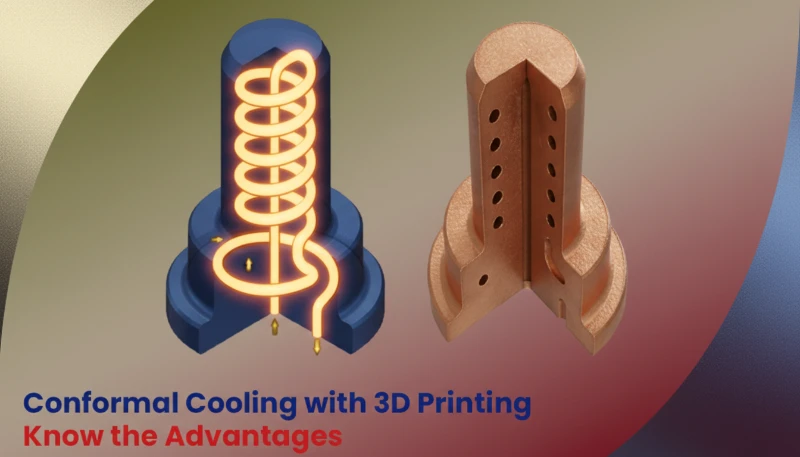
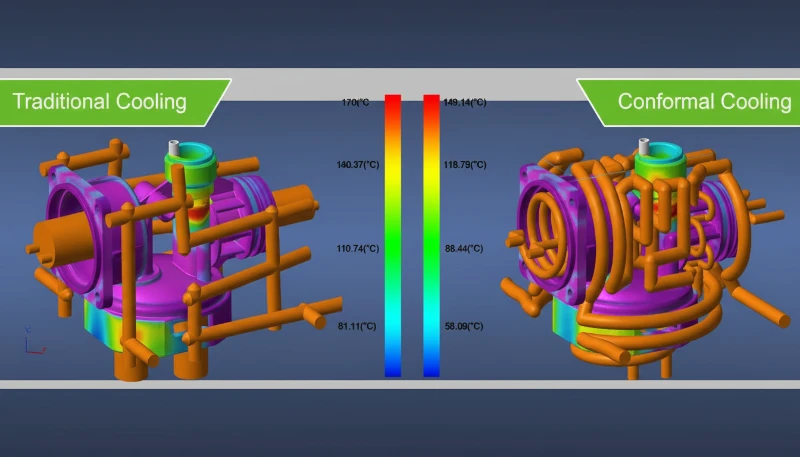
“Konformal soğutma, kalıp yüzeyine sabit mesafeyi koruyan kavisli soğutma kanallarıyla parça geometrisini izleyerek düz delinmiş kanallara kıyasla çevrim süresini 15–30% oranında azaltır.”True
Tutarlı soğutma mesafesi, plastiğin daha hızlı ve daha eşit katılaşmasını sağlayarak toplam çevrim süresini kısaltır. Bu %15-30 iyileşme, yüksek hacimli üretim için önemlidir.
“Düz delinmiş soğutma kanalları her zaman konformal soğutmadan daha iyidir.”False
Gerçekte düz kanallar daha düşük maliyetlidir ve basit geometrilerde iyi çalışır; ancak konformal soğutma, karmaşık parçaların yüksek hacimli üretiminde çevrim süresini çok daha fazla kısaltır. Seçim, üretim hacmine ve parça karmaşıklığına bağlıdır.
Üreticiler soğutma sistemi karmaşıklığını yıllık parça hacmine göre seçer. Yüksek hacimli üretim (yılda milyonlarca parça), yüzlerce kanallı kontura uyumlu soğutmayı haklı çıkarır. Prototip veya düşük hacimli kalıplarda (50.000 parçanın altında) basit düz delinmiş kanallar kullanılabilir. Karar enjeksiyon kalıbı1 takımının başlangıçtaki yaşam döngüsü maliyetini etkiler, ancak daha hızlı çevrimlerle ürün ömrü boyunca tasarruf sağlar.
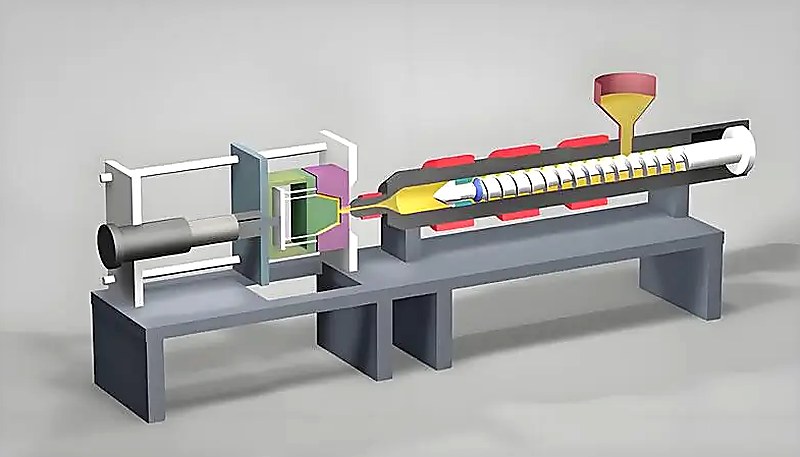
Soğutma kanalı yerleşimi, kalıp yüzeyi sıcaklık dağılımını doğrudan belirler. Mühendisler üretim kalıplarında kanal yerleşimini kesinleştirmeden önce boşluk yüzeyindeki sıcaklık gradyanlarını haritalamak için termal simülasyon yazılımı kullanır. Bu simülasyonlar, kalıp yüzeyi ile en yakın soğutma kanalı arasındaki mesafenin optimum 3–5 mm eşiğini aştığı sıcak noktaları ortaya çıkarır. Giderilmeyen sıcak noktalar farklı oranlarda çekmeye, daha uzun çevrim sürelerine ve üretim serileri arasında boyutsal tutarsızlığa neden olur.
Kanallardaki soğutucu akışının Reynolds sayısı, ısı transferinin zorlanmış taşınım mı yoksa doğal taşınım yoluyla mı gerçekleşeceğini belirler. Etkili soğutma için tasarımcılar, taşınımla ısı transfer katsayısını en üst düzeye çıkarmak amacıyla türbülanslı akışı (Reynolds sayısı 4000’in üzerinde) hedefler. Laminer akış, ısı giderme verimliliğini 50%‘ye kadar düşüren yalıtıcı bir sınır tabakası oluşturur; dolayısıyla türbülanslı akış sağlanmadan yalnızca soğutucu basıncını artırmak, soğutma performansına giderek daha az katkı sağlar.
Geleneksel Düz Delikli Soğutma Nedir?
Geleneksel düz delinmiş soğutma kanalları, standart delme makineleriyle kalıp plakalarına açılan eş çaplı kanallardır. Delme makineleri basit geometrik desenleri izleyerek dik veya paralel kanallar oluşturur. Bu yaklaşım daha ucuzdur ve eşit cidar kalınlığına sahip kutu biçimli parçalarda iyi çalışır.
Düz delinmiş kanallar, parça etleri tekdüze ve soğutma mesafesi kalıp yüzeyi boyunca tutarlı olduğunda en iyi sonucu verir. Tasarımcılar tekdüze katılaşmayı sağlamak için herhangi bir parça yüzeyinden en yakın soğutma kanalına olan maksimum mesafe şeklinde tanımlanan soğutma mesafesini hesaplar. Düz kanallar, ABS, PP ve HDPE gibi standart mühendislik termoplastiklerinde genellikle 2–4 mm aralık bırakır.
Düz plakalar veya dikdörtgen kutular gibi basit geometrilerde düz delinmiş soğutma kanalları, asgari maliyetle yeterli performans sağlar. Çoğu prototip kalıp ve düşük hacimli üretim takımı bu yaklaşımı kullanır; çünkü işleme maliyeti öngörülebilirdir ve gerektiğinde kanallar kolayca değiştirilebilir. Ancak parça karmaşıklığı nervürler, bosslar ve değişken et kalınlıklarıyla arttıkça düz kanallar tüm yüzeylerden tutarlı soğutma mesafesini korumakta zorlanır. Bu sınırlama, 0.1 mm altındaki ölçü toleransları gerektiren hassas parçalarda kritik hâle gelir.
Konformal Soğutma Sistemleri Nasıl Çalışır?
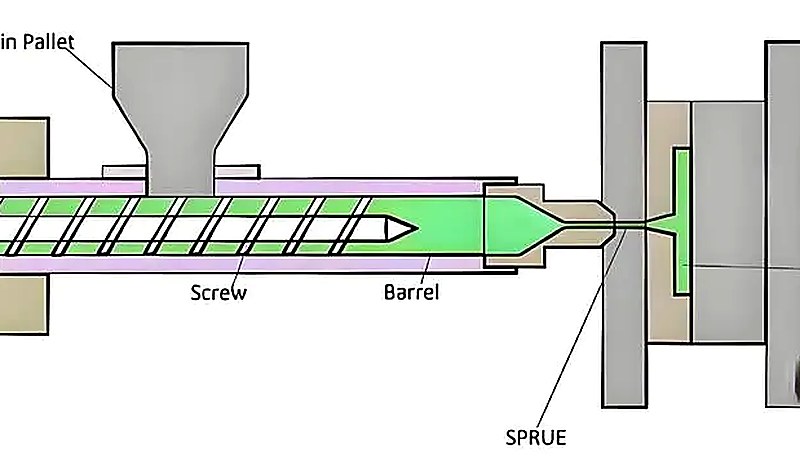
Konformal soğutma sistemleri, parça geometrisini 3–5 mm aralığı koruyan kavisli soğutma kanallarıyla izler. Bu kanallar kalıp boyunca, özellikle köşelerde, nervürlerde ve karmaşık özelliklerde parça yüzeylerine sabit mesafede kalır. Bu kavisli yollar CNC işleme veya eklemeli imalatla oluşturulur.
Kontura uyumlu soğutma yüksek hacimli üretimde yatırım getirisi sağlar. Yılda 2 milyon baskı üreten ve çevrimi 45 saniye olan bir parça, 60 saniyelik geleneksel soğutma çevrimine göre yaklaşık 375 saat kazandırır. Bu ek kapasite yüksek ilk takım yatırımına rağmen parça başı maliyeti düşürür. soğutma sistemi yatırım getirisi2 değerlendirilirken, kontura uyumlu soğutma projelerinin çoğu hacimli üretimde 12–18 ay içinde kendini amorti eder.
“ABS ve PC gibi amorf plastikler daha az agresif soğutmayı tolere eder ve kademeli olarak katılaşır; bu da onları geleneksel düz delinmiş soğutma tasarımlarına karşı daha toleranslı kılar.”True
Amorf malzemeler eşit biçimde büzülür ve yarı kristal malzemelere kıyasla soğuma hızı değişimlerine daha az duyarlıdır. 3-4 çaplık standart kanal aralığıyla iyi çalışabilirler.
“Soğutma sistemi tasarımı parça çarpılmasını etkilemez.”False
Gerçekte düzensiz soğutma, özellikle PP ve naylon gibi yarı kristalin malzemelerde enjeksiyon kalıplamadaki başlıca çarpılma nedenlerinden biridir. Konformal soğutma, farklı çekme oranlarının dengelenmesine yardımcı olur.
Temel Soğutma Kanalı Tasarım İlkeleri Nelerdir?
Maça soğutma kanalı tasarımının temel ilkeleri; kanalları 3–5 çap aralıkla yerleştirmek, 8–12 mm çap kullanmak ve 1–3 m/s akış hızını hedeflemektir. Etkili soğutma sistemi tasarımı, kanal türünden bağımsız olarak temel ilkelere uyar. Eşit aralık, tüm kalıp yüzeylerinden ısının dengeli biçimde uzaklaştırılmasını sağlar. Kalın kesitlerden çok uzağa yerleştirilen kanallar, çevrim süresini uzatan veya boyutsal sorunlara neden olan sıcak noktalar oluşturur.
Standart kanallarda çoğu uygulama için 8–12 mm çap kullanılır. Daha küçük çaplar soğutucu hızını artırırken sistemdeki basınç düşüşünü yükseltir. Daha büyük çaplar akış hızını düşürür ancak daha fazla kanal kullanılmasına imkân verir. Soğutucu ile kalıp çeliği yüzeyi arasındaki ısı transfer katsayısını en üst düzeye çıkarmak için soğutma kanallarında genellikle 1–3 m/s akış hızı hedeflenir. Bu hızlardaki türbülanslı akış, verimli taşınımlı ısı transferi sağlar ve durağan sınır tabakalarının kalıp yüzeyini soğutucu akışından yalıtmasını önler.
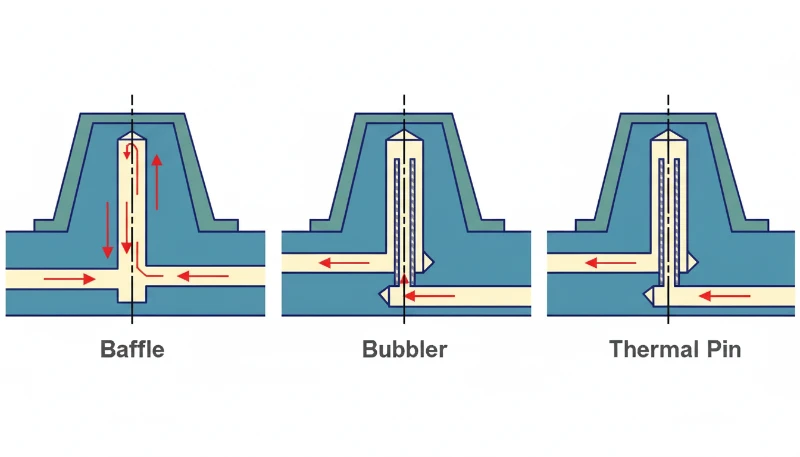
Yönlendirme perdeleri, soğutma sıvısının akışını kalıp maçalarının derin bölgelerine ulaştırır. Fıskiyeler, düz kanalların erişemediği kör deliklere soğutma sıvısını doğrudan püskürtür. Bu bileşenler, parça kalitesinin maça sıcaklığı kontrolüne bağlı olduğu uzun ve derin maçalarda soğutmayı iyileştirir. Deneyimlerimize göre derin maçalarda doğru perde yerleşimi, akü kutuları ve kap kalıpları gibi uzun silindirik parçalarda çevrim süresini 10-15% azaltır.
Seri ve Paralel Soğutma Bağlantıları
Su manifoldu, soğutma akışkanını tek bir girişten birden fazla kalıp bölgesine dağıtır. Seri bağlantı (bir kanalın diğerine bağlanması) düzensiz soğutmaya yol açar—girişten uzaktaki bölgeler daha sıcak akışkan alır. Paralel bağlantı, her bölgenin aynı sıcaklıkta soğutma akışkanı almasını sağlar; bu, tüm kavitelerde tutarlı boyutlara sahip parçalar üreten çok kaviteli kalıplar için kritik önemdedir.
Farklı Malzemeler Soğutma Gereksinimlerini Nasıl Etkiler?
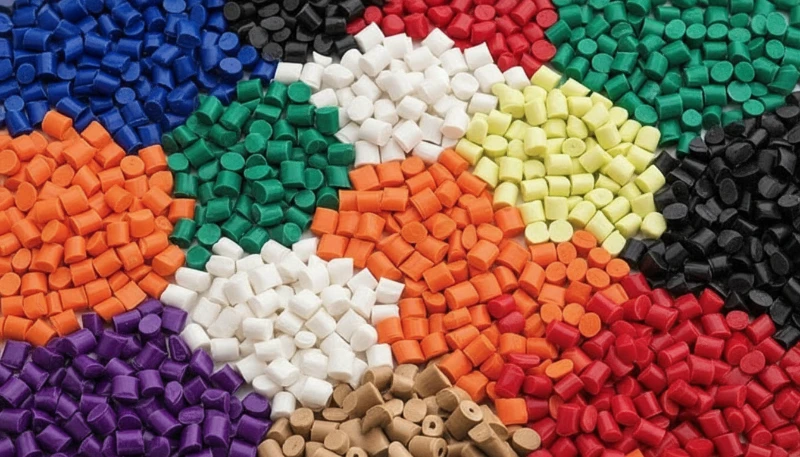
Farklı malzemeler, moleküler yapıya bağlı olarak 10–60% farklı soğutma süreleri gerektirerek soğutmayı etkiler. Amorf plastikler (ABS, PC, PS) kademeli katılaşır ve homojen çeker. Biraz daha düşük yoğunluklu soğutmayı tolere ederler, ancak iç gerilmeleri en aza indirmek için yine de homojen sıcaklık gerekir. Bu malzemeler standart kanal aralığıyla (3–4 çap) iyi çalışır.
Yarı kristalin malzemeler (PP, PE, POM) soğuma sırasında kristalleşir ve daha fazla çeker. Karmaşık geometrilerde yönlü çekmeyi kontrol etmek için kontura uyumlu soğutmadan yararlanırlar. Kalıp yüzeyi sıcaklığı kristalinliği ve nihai parça rijitliğini etkiler. Bu kristallik etkilerini3 anlamak doğru soğutma yaklaşımını seçmek için gereklidir. Yılda milyonlarca PA6 ve PA66 parça üretirken, en iyi mekanik özelliklere ulaşmak için yarı kristalin malzemelerin ABS gibi amorf plastiklerden %20–30 daha uzun soğutma süresi gerektirdiğini gözlemledik.
Malzemeye Özgü Soğutma Süreleri
Soğutma süresi malzeme türüne ve duvar kalınlığına bağlı olarak önemli ölçüde değişir. Naylon gibi yarı kristalin malzemeler ABS gibi amorf plastiklere göre 20–30% daha uzun soğutma gerektirir; daha kalın duvarlar ise iç ısı iletiminin yavaşlaması nedeniyle soğutma süresini üstel olarak artırır.
Kristalin Malzemelerin Soğutma Gereklilikleri
Kristalin malzemeler (PA6, PA66, PEEK) hassas kalıp sıcaklığı kontrolü gerektirir. Bu malzemeler kristaller oluşurken önemli ölçüde büzülür. Kalıp yüzeyi sıcaklık değişimiyle (sıcak ve soğuk bölgeler) birlikte kullanılan konformal soğutma, büzülmeyi yönetir ve çarpılmayı azaltır. Soğutma verimliliği mekanik özellikleri doğrudan etkiler; daha hızlı soğutma daha küçük, daha homojen kristaller ve daha yüksek çekme dayanımı üretir.
PPS, PEEK ve LCP gibi yüksek performanslı mühendislik reçineleri 120–200 °C kalıp sıcaklığı gerektirir. Bu yüksek sıcaklıklar su yerine yağ bazlı soğutma devreleri gerektirerek sistem karmaşıklığını ve enerji maliyetini artırır. Kalıp çeliğinin ısıl kütlesi de etkilidir: daha ağır kalıpların ısıl dengeye ulaşması daha uzun sürer, ancak çevrim sırasında sıcaklığı daha kararlı tutarak kritik boyutlarda parçalar arası değişimi azaltır.
Cam elyaf dolgulu malzemeler ek soğutma zorlukları oluşturur. Cam elyaflar kristalleşme sırasında polimer zincirlerinin hareketini kısıtlar; düzensiz soğutmada çarpılmaya neden olan iç gerilmeler oluşur. 30% cam elyaf dolgulu naylon (PA6-GF30) için üretim boyunca tutarlı mekanik özellikler elde etmek üzere kalıp sıcaklığı ±2 °C içinde hassas biçimde kontrol edilmelidir. Bu kontrol seviyesi, ayrı termolatör bağlantılarına sahip birden fazla bağımsız soğutma bölgesi gerektirir.
Yaygın Soğutma Sistemi Kusurları ve Çözümleri Nelerdir?
Yaygın soğutma sistemi kusurları; kötü soğutma tasarımından kaynaklanan çökme izleri, çarpılma ve çevrim süresi dalgalanmalarıdır. Yetersiz soğutma, birkaç yaygın enjeksiyon kalıplama kusuruna yol açar: İç kısmın yüzeyden daha yavaş soğuduğu kalın kesitlerde çökme izleri oluşur. Malzeme katılaşırken içe doğru çeker. Çözümler arasında kalın kesitlerin yakınına soğutma kanalları eklemek, derin maçalarda yönlendiriciler kullanmak veya konturu izleyen konformal kanallar uygulamak yer alır.
Çarpılma ve Düzensiz Soğutma
Çarpılma, parçanın farklı bölümleri eşit olmayan hızlarda soğuduğunda oluşur — bir taraf diğerinden önce katılaşıp büzülür. Çözümler arasında akış düzenini dengelemek için konformal soğutma, ayarlanmış kanal yerleşimi veya değiştirilmiş kapı konumları bulunur.
Soğutma Sistemi Bakımı ve Kararlılığı
Çevrim süresi dalgalanmaları; tutarsız soğutucu sıcaklığı, kirlenmiş kanallar veya akış değişimleri kaynaklı soğutma kararsızlığına işaret eder. Düzenli kireç giderme ve sıcaklık kontrolleri öngörülebilir çevrimleri korur.
Sıcak kalıplar çapağa neden olur; soğuk kalıplar boşluk dolumunu engeller. Doğru soğutma, dolum ile çevrim süresini dengeler.
Termal görüntüleme kameraları kalıp denemeleri sırasında gerçek zamanlı geri bildirim sağlar. Mühendisler, çevrim sırasında kalıp yüzeyinin kızılötesi görüntülerini alarak yüzey sıcaklığı problarının algılayamadığı sıcak noktaları belirler. Bu termal haritalar, seri üretim başlamadan önce soğutma kanalı ayarlarına yön verir. Tipik bir termal analiz, sıcaklık kararlılığını doğrulamak için 10 çevrimlik aralıklarla görüntü alır; böylece üretim kalifikasyon çalışması başlamadan önce soğutma sisteminin termal dengeye ulaşması sağlanır.
Termal görüntüleme kameraları kalıp denemeleri sırasında gerçek zamanlı geri bildirim sağlar. Mühendisler, çevrim sırasında kalıp yüzeyinin kızılötesi görüntülerini alarak yüzey sıcaklık problarının göremediği sıcak noktaları belirler. Bu termal haritalar, seri üretim başlamadan önce soğutma kanalı ayarlarına yön verir. Tipik bir termal analiz, sıcaklığın kararlı hâle geldiğini doğrulamak için 10 çevrimlik aralıklarla görüntü alır. Termal profillerin belgelenmesi gelecekteki bakım için bir referans oluşturur; çevrim süreleri saptığında güncel termal görüntülerin referansla karşılaştırılması, kök nedenin kirlenmiş kanallar mı yoksa bozulmuş contalar mı olduğunu gösterir.
Bimetalik ve Konformal Ek Parçaları Ne Zaman Kullanmalısınız?
Bimetalik ve konformal insertler yüksek ısılı bölgelerde, sıcak yolluk manifoldlarında ve hassas sıcaklık kontrolü gerektiren malzemelerde kullanılır. Bimetalik kalıplar, standart çelik yapıyı yüksek ısılı bölgelerdeki bakır veya bakır alaşımlı insertlerle birleştirir. Bakırın ısıl iletkenliği (yaklaşık 385 W/m·K), P20 çeliğininkini (29–33 W/m·K) 10 kattan fazla aşar. Bu büyük iletkenlik farkı, bakır insertlerin yerel sıcak bölgelerden ısıyı yalnızca çeliğe kıyasla çok daha verimli uzaklaştırmasını sağlar.
Yüksek ısı yüküne sahip sıcak yolluk manifoldlarında, soğutulması zor küçük maça pimlerinde, çelikte konformal kanalların uygulanamadığı bölgelerde ve yüksek sıcaklık malzemeleri (PEEK, LCP) işleyen kalıplarda bimetalik insertler kullanın. Bimetalik yapı maliyeti artırır, ancak yerel sıcak bölgelerde çevrim süresini önemli ölçüde kısaltır.
Bimetalik Insert ROI’si Nasıl Hesaplanır?
Üreticiler ROI’yi çevrim süresindeki azalmayı insert maliyetiyle karşılaştırarak hesaplar. Yıllık 2 milyon baskılık üretimde 5 saniyelik çevrim iyileştirmesi yılda yaklaşık 2,778 saat makine süresi kazandırır. Şanghay tesisimizde düzinelerce yüksek hacimli üretim kalıbında bimetalik soğutma çözümleri uyguladık ve en sıcak kalıp bölgelerinde düzenli olarak 10-20% çevrim süresi azalması sağladık.
Doğrudan metal lazer sinterleme (DMLS) ile üretilen konformal insertler, belirli kalıp bölgelerinde soğutmayı iyileştirmenin başka bir yolunu sunar. Bu 3D baskılı insertler, geleneksel delmeyle elde edilemeyen karmaşık parça geometrilerini izleyen soğutma kanalları oluşturur. DMLS insertler işlenmiş bakır alaşımlarından 3–5 kat daha pahalı olsa da geleneksel yöntemlerin ulaşamadığı derin nervür bölgelerinde ve konturlu yüzeylerde üstün soğutma performansı sağlar.
Bimetalik bakır insertler ile konformal 3D baskılı insertler arasındaki seçim, parça geometrisinin karmaşıklığına ve üretim hacmine bağlıdır. Bakır insertler, yüksek ısı akısına sahip düz veya hafif kavisli yüzeylerde üstündür. DMLS konformal insertler; derin çekişli, dar yarıçaplı veya soğutma mesafesinin boşluk yüzeyi boyunca büyük ölçüde değiştiği değişken duvar kalınlıklı bölümlere sahip kalıplarda maliyetlerini karşılar.
Soğutma Sistemleri Hakkında Sık Sorulan Sorular
Enjeksiyon kalıplama için ideal soğuma süresi nedir?
İdeal soğutma süresi parça kalınlığına, malzemeye ve kalıp tasarımına bağlıdır. ABS’de 2 mm duvar kalınlığı için soğutma genellikle 15–20 saniye sürer. Daha kalın kesitler veya yüksek kristalliğe sahip malzemeler 30–60 saniye gerektirir. Simülasyon yazılımı, parça geometrisine ve soğutma kanalı düzenine göre soğutma süresini öngörür.
Kalıbımın konformal soğutmaya ihtiyacı olduğunu nasıl anlarım?
Yıllık hacmi ve parça karmaşıklığını değerlendirin. Karmaşık geometrilere sahip yüksek hacimli üretim (yılda 500,000+ baskı), konformal soğutmadan yarar sağlar. Çevrim süresindeki azalmayı ek kalıp maliyetiyle karşılaştırarak ROI hesaplayın. Konformal soğutma projelerinin çoğu, seri üretimde yatırımını 12–18 ay içinde geri öder; bu da onları her yüksek hacimli üretim programı için sağlam bir yatırım hâline getirir.
Mevcut bir kalıba soğutma kanalları ekleyebilir miyim?
Soğutma kanalı modifikasyonu mümkündür; ancak pahalı ve risklidir. Mevcut çeliğin değiştirilmesi kalıp yapısını zayıflatabilir veya su kaçağına neden olabilir. Konformal ek parçalar (bimetalik veya katmanlı üretimle yapılmış bakır ek parçalar) ya da kalıp sıcaklığı ve çevrim süresi gibi proses parametrelerini ayarlamak daha iyi seçeneklerdir.
Hangi soğutucu sıcaklığını kullanmalıyım?
Soğutucu sıcaklığı malzeme ve parça gereksinimlerine bağlıdır. Çoğu uygulamada 10–20 °C su kullanılır. Daha yüksek sıcaklıktaki soğutucular (40–60 °C), ısıl gerilimi azaltmak için PC veya PEEK gibi sıcak kalıp gerektiren malzemelerde kullanılır. Daha düşük sıcaklıklar çevrim süresini artırır ancak yoğuşma ve su kalitesi sorunlarına neden olabilir.
Bazı kalıplar neden birden fazla soğutma bölgesi kullanır?
Birden fazla bölge, farklı kalıp alanlarında bağımsız sıcaklık kontrolü sağlar. 8 gözlü bir aile kalıbı, gözler arasındaki geometri farklarını karşılamak için 4–6 bölgeye ihtiyaç duyabilir. Bölge dengelemesi, tüm gözlerin tutarlı biçimde dolmasını ve eşdeğer kalitede parçalar üretmesini sağlar.
Soğutma kanallarını ne sıklıkla temizlemeliyim?
Kanalları her 3–6 ayda bir veya çevrim süresi beklenmedik şekilde arttığında temizleyin. Sudaki mineraller kanallarda tortu oluşturarak akışı kısıtlar. Kalıplama malzemesinden gelen döküntüler de küçük kanalları veya fıskiyeleri tıkayabilir. Mineral birikimi için kireç çözücü kimyasallar, parçacıkları gidermek için yüksek basınçlı suyla yıkama kullanın.
Seri ve paralel soğutma suyu bağlantıları arasındaki fark nedir?
Seri soğutmada bir kanal diğerine bağlanır; su bir sonraki bölgeye ulaşmadan önce bir bölgeden geçer. Paralel soğutma, ortak bir manifolddan tüm bölgelere eş zamanlı soğutma sıvısı dağıtır. Paralel bağlantı daha homojen kalıp sıcaklığı sağlar ve çoğu çok gözlü veya aile kalıbında tercih edilir.
: Soğutma sistemi tasarımıyla ilgili tek bir şeyi hatırlayacaksanız, maliyeti çevrim süresi tasarrufuyla dengeleyin. Yılda 500,000 baskılık bir üretimde çevrim başına 3 saniye kazandıran $5,000 tutarındaki konformal soğutma yatırımı, üretim verimliliğiyle kendini amorti eder. Ürün yaşam döngüsü boyunca kısa çevrimler, parça başı maliyeti ilk takım tasarrufundan daha fazla düşürür. Geleneksel düz delinmiş kanallar ile konformal soğutma arasında seçim yapmadan önce ROI hesaplayın.
ZetarMold Soğutma Sistemi Tasarımını Nasıl Optimize Eder?
ZetarMold, 90T ile 1850T arasında 45 enjeksiyon kalıplama makinesi işletmektedir. Shanghai tesisimiz, 2005’ten bu yana 20+ yıllık enjeksiyon kalıplama deneyimine sahiptir. Tüm malzeme türlerinde parça kalitesi ve üretim verimliliği için optimize edilmiş soğutma sistemleri tasarlıyoruz. Mühendislik ekibimiz, yüksek hacimli programlar için konformal soğutma çözümleri ve düşük hacimli projeler için hızlı prototip çevrimleri sunar.
Takım Yaşam Döngüsü Maliyeti: Bir kalıbın toplam sahip olma ve işletme maliyeti; tasarım, üretim, bakım ve çevrim çalıştırma giderlerini (makine süresi, malzeme, enerji) içerir. Soğutma sistemi tasarımı hem ilk takım maliyetini hem de devam eden çevrim maliyetini etkiler. ↩
Yatırım Getirisi Hesabı: Kalıp iyileştirmelerinde yatırım getirisi, ilk maliyeti üretim hacmi boyunca sağlanan tasarrufla karşılaştırır. Kontura uyumlu soğutma için: (çevrim süresi azalması × üretim hacmi) / 3600 = saat olarak kazanılan makine süresi. Geri ödeme süresini belirlemek için kazanılan saatleri saatlik makine ücretinizle değerlendirin. ↩
Kristallik Etkileri: Naylon gibi kristalin polimerler soğurken düzenli moleküler yapılar oluşturur. Soğuma hızı kristal boyutunu ve dağılımını etkiler; daha hızlı soğuma daha küçük ve eşit kristaller oluşturarak rijitliği ve çekme dayanımını artırır, ancak darbe tokluğunu azaltabilir. ↩
Pratik kural: Çoğu projede düz delinmiş soğutma kanalları ve kontura uyumlu yönlendiricilerle başlayın; kontura uyumlu kanallara yalnızca ≥%30 çevrim süresi azalması gerekiyorsa veya geleneksel soğutmanın sıcak noktalar oluşturduğu karmaşık parça geometrisi varsa geçin.