EVA köpük ayakkabı tabanları için yeni bir teklif aldınız: 50.000 çift, altı haftada teslim. Kalıp maliyeti makul görünüyor, ancak enjeksiyon atölyeniz “EVA zor bir malzemedir” diyerek işi sürekli reddediyor. Haksız değiller. EVA (etilen-vinil asetat1) enjeksiyon kalıplama, çoğu termoplastiğe göre daha dar bir işlem penceresine sahiptir ve köpüğün genleşme davranışı birçok kişiyi hazırlıksız yakalar. Bu makale gerçekten önemli noktaları ele alıyor: sıcaklıklar, çekme, kalıp tasarımındaki tuzaklar ve EVA parçalarını en sık kullanılmaz hâle getiren üç kusurun nasıl önleneceği.
- EVA 160–220°C'de işlenir; 250°C'nin aşılması bozunmaya yol açar
- Çekme 1.0–2.0% düzeyindedir — PP veya PE'nin iki katı
- Cidar kalınlığı 1,5 mm ile 4,0 mm arasında kalmalıdır
- Kalıp sıcaklığı 20–40 °C; soğuk yolluklar tercih edilir
- VA içeriği (%8–28), esnekliği ve köpük yoğunluğunu belirler
EVA Enjeksiyon Kalıplama Nedir ve Ne Zaman Kullanılmalıdır?
EVA enjeksiyon kalıplamanın ne olduğu ve ne zaman kullanılması gerektiği, bu bölümde açıklanan işlevler, kısıtlar ve ödünleşimlerle belirlenir. EVA enjeksiyon kalıplama, köpürtülebilir bir termoplastik olan etilen-vinil asetat kopolimerinin geleneksel enjeksiyon kalıplama ekipmanlarıyla şekillendirilmesi işlemidir. VA (vinil asetat) oranı genellikle %8 ile %28 arasındadır ve bu oran en önemli değişkendir: düşük VA (%8-14) sert, PE benzeri bir malzeme; yüksek VA (%18-28) ise yumuşak, kauçuksu bir köpük sağlar.
Uygulamada EVA, iyi darbe emilimiyle birlikte hafif yastıklama gerektiğinde tercih edilen malzemedir. Ayakkabı orta tabanlarını, spor pedlerini, kask astarlarını, yoga matlarını ve koruyucu ambalajları düşünün. Yapısal rijitlik, kimyasal direnç veya dar boyutsal toleranslar gerekiyorsa doğru seçim değildir; bunlar için PC, PA veya POM kullanılan enjeksiyon kalıbı uygulamalarını değerlendirin.
EVA ile standart termoplastikler arasındaki temel fark şudur: EVA soğurken genleşir. Bu köpük genleşmesi yastıklama ve düşük yoğunluk sağlar (köpük sınıflarında 0.15–0.40 g/cm³), ancak çekmeyi daha az öngörülebilir kılar ve parça boyutları standart bir polimerden beklenenden daha fazla değişir.
"Standart enjeksiyon kalıplama makineleri EVA'yı değişiklik yapmadan işleyebilir."True
Doğru. Genel amaçlı vida (20:1 L/D oranı) ve standart kovan sorunsuz çalışır. Önerilen tek ekleme, EVA'nın düşük eriyik viskozitesi tutma ve soğutma aşamalarında malzemenin açık nozullardan sızmasına neden olduğundan kapalı çevrimli nozuldur.
"EVA yalnızca bir polietilen türüdür ve tam olarak PE gibi işlenir."False
Yanlış. EVA, etilen ve vinil asetat kopolimeri olsa da VA içeriği davranışını temelden değiştirir. EVA köpük soğuma sırasında genleşir, PE'den 2–4× daha fazla çeker ve daha düşük sıcaklıkta ayrışır (PE için 300+ °C'ye karşılık 250 °C). EVA'yı PE ayarlarında çalıştırmak çapak, yanık izleri ve boyutsal retlere yol açar.
Enjeksiyon Kalıplama Adımlarında EVA’yı Kontrol Eden İşleme Parametreleri Nedir?
Bu bölüm, enjeksiyon kalıplama adımlarında EVA işlem parametrelerinin kontrolünü ve bunun maliyet, kalite, süre veya tedarik riski üzerindeki etkisini ele alır. EVA, diğer termoplastiklerle aynı enjeksiyon kalıplama adımlarıyla işlenir; ancak ısı ve kalış süresi kontrol edilmezse köpürebildiği, sızabildiği veya bozunabildiği için sıcaklık aralığı daha dardır. Kovan sıcaklığı, kalıp sıcaklığı, enjeksiyon hızı, tutma basıncı ve soğutma süresiyle başlayın; ardından deneme sırasında her seferinde yalnızca bir değişkeni ayarlayın.
| Parametre | Aralık | Notlar |
|---|---|---|
| Erime sıcaklığı | 160–220 °C | 250 °C üzeri = ayrışma (asetik asit kokusu) |
| Kalıp sıcaklığı | 20–40 °C | Su devrelerini soğutun; daha yüksek sıcaklıklar büzülmeyi artırır |
| Enjeksiyon basıncı | 40–80 MPa | Rijit plastiklere göre daha düşük; aşırı basınç köpüğü sıkıştırır |
| Enjeksiyon hızı | Orta ila yavaş | Hızlı dolum havayı hapseder ve yanık izlerine yol açar |
| Tutma basıncı | 20–40 MPa | Kısa tutma süresi (2–5 s); gerisini köpük genleşmesi gerçekleştirir |
| Kurutma sıcaklığı | 60–70 °C | 2–4 saat; EVA naylondan daha az nem emer ancak yine de kurutulmalıdır |
| Küçülme | 1.0–2.0% | Daha yüksek VA içeriği = daha yüksek çekme |
Gördüğümüz en büyük hata, EVA’yı PE veya PP ile aynı sıcaklıklarda işlemektir. EVA’nın termal aralığı daha dardır. Kalıplama sırasında sirke (asetik asit) kokusu alıyorsanız bozunma bölgesine girmişsinizdir; kovan sıcaklığını 15–20 °C düşürün ve kovanı temizleyin.
Sık gözden kaçan bir diğer konu tutma basıncı ve süresidir. EVA köpük parçalar çok kısa tutma süreleri gerektirir; en fazla 2 ila 5 saniye. Köpüğün genleşmesi kaviteyi içeriden ütüler. Basıncı fazla uzun süre tutarsanız köpük yapısını sıkıştırır ve yumuşak ve hafif olması gereken bölgelerde yoğun, ağır noktalar oluşturursunuz.
VA İçeriği EVA Malzeme Özelliklerini Nasıl Etkiler?
VA yüzdesi her şeyi kontrol eden ayardır: sertlik, esneklik, şeffaflık, köpük yoğunluğu ve kimyasal direnç. Gerçek uygulamalardaki dağılım şöyledir:
| VA İçeriği | Shore Sertliği | Özellikler | Tipik Uygulamalar |
|---|---|---|---|
| 30–60 saniye (daha uzun, köpük soğutma) | Shore D 40–55 | Rijit, PE benzeri, iyi şeffaflık | Sert ambalaj, borular, otomotiv iç kaplamaları |
| 15–18% | Shore A 80–95 | Esnek fakat dayanıklı | Kablo kaplama, sıkma oyuncakları, tutamaklar |
| 19–28% | Shore A sertliği 30–70 | Yumuşak, kauçuksu, mükemmel köpürebilirlik | Ayakkabı orta tabanları, spor dolguları, yoga matları, kask içlikleri |
Enjeksiyonla kalıplanmış köpük parçalarda (“EVA kalıplama” denildiğinde çoğunlukla kastedilen budur) VA oranı neredeyse her zaman %18-28 aralığındadır. Malzemeye, belirli bir sıcaklıkta etkinleşerek gaz açığa çıkaran ve parça soğurken genleşmesini sağlayan kimyasal bir şişirici madde (genellikle azodikarbonamid2 veya sodyum bikarbonat) katılır.
Pratik ipucu: parça ağırlıkları tutarsızsa ilk şüphelenmeniz gereken, şişirici maddenin dağılımıdır. Makinede karıştırmaya çalışmak yerine malzeme tedarikçinizden şişirici maddesi önceden dağıtılmış bir masterbatch isteyin. Tutarlılıktaki iyileşme, 10–15% oranındaki ek malzeme maliyetine değer.
"EVA'daki daha yüksek VA içeriği, daha iyi köpürebilen, daha yumuşak ve esnek bir malzeme sağlar."True
Doğru. VA içeriği %8'den %28'e yükseldikçe malzeme sert ve PE benzeri yapıdan yumuşak ve kauçuksu yapıya geçer. Daha yüksek VA içeriği daha fazla köpük genleşmesine de olanak tanıyarak daha iyi yastıklama özelliklerine sahip düşük yoğunluklu parçalar üretir.
"Daha iyi köpük elde etmek için herhangi bir EVA sınıfına yalnızca daha fazla şişirici madde ekleyebilirsiniz."False
Yanlış. Şişirici madde dozajı, VA içeriğine ve hedef köpük yoğunluğuna uygun olmalıdır. Fazla şişirici madde, parça yapısını zayıflatan ve yüzeyde kabarcıklanmaya neden olabilen büyük, düzensiz hücreler oluşturur. Maddenin ayrıca bir raf ömrü vardır (6–12 ay); süresi geçmiş malzeme, miktarı ne olursa olsun düzgün şekilde etkinleşmez.
EVA Enjeksiyon Kalıplamada Yaygın Kusurlar Nelerdir?
EVA’da, üretim sahasında gördüğümüz kalite sorunlarının muhtemelen 80%‘ini oluşturan üç tekrarlayan hata vardır:
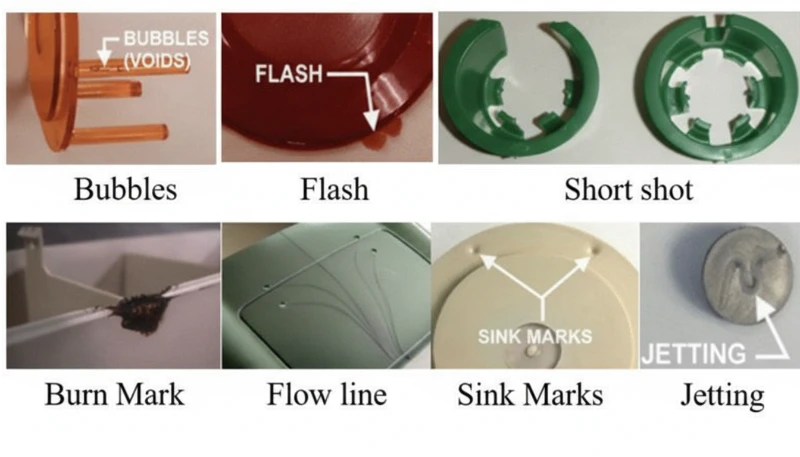
1. Çökme izleri ve yüzey çukurları. EVA köpük soğuma sırasında genleştiğinden, kalın kesitler malzemeyi dışarı doğru itmeye devam ederken bitişik ince kesitler çoktan katılaşmıştır. Sonuç, görünen yüzeyde belirgin çukurlardır. Düzeltme: duvar kalınlığını olabildiğince eşit tutun; en kalın ve en ince kesitler arasında en fazla 2:1 oranını hedefleyin.
2. Köpük parçalarda eksik dolum (kısa baskı). Köpüğün genleşmesi kalıbın sıkıştırılmasına yardımcı olur; ancak eriyik sıcaklığı çok düşük veya enjeksiyon hızı çok yavaşsa boşluk dolmadan malzemenin yüzeyi donar. Çözüm: eriyik sıcaklığını 5–10 °C artırın, enjeksiyon hızını bir kademe yükseltin ve köpürtücü maddenizin son kullanma tarihini kontrol edin (evet, köpürtücü maddelerin raf ömrü vardır — genellikle 6–12 ay).
3. Yanık izleri ve renk değişimi. Bu termal bozunmadır; sirke kokusu belirgin işarettir. EVA, 250 °C üzerinde bozulmaya başlar ve bozunan malzeme koyu çizgiler veya kahverengi yanık izleri oluşturur. Çözüm: kovan sıcaklığını düşürün, vida hızını yavaşlatın (kesme ısınmasını azaltır) ve nozulun kovan bölgelerinden daha sıcak çalışmadığını kontrol edin.
Bir nokta daha: EVA’nın işlem sıcaklığındaki düşük viskozitesi, özellikle ayırma çizgilerinde çapak riskini artırır. Kalıbınızda aşınmış insertler veya yetersiz kapama yüzeyleri varsa PP ya da ABS için uygun olan basınçlarda çapak görürsünüz. EVA için kalıp yaptırıyorsanız daha sıkı kalıp toleranslarını bütçenize dahil edin.
EVA Parçalar İçin Kalıpları Nasıl Tasarlamalısınız?
Bu bölüm, eva parçaları için kalıp tasarımını ve bunun maliyet, kalite, süre veya tedarik riski üzerindeki etkisini ele alır. EVA için kalıp tasarımı, rijit termoplastiklerdekiyle aynı değildir. Köpük genleşmesi üç temel alandaki kuralları değiştirir:
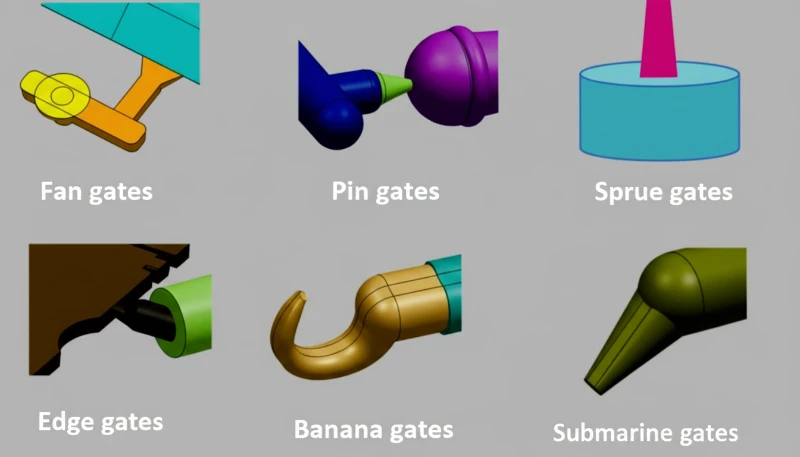
Giriş tasarımı: Eşdeğer boyuttaki rijit parçalarda kullanacağınızdan daha büyük girişler kullanın. 1.5–3.0 mm kalınlığındaki sekme veya yelpaze girişleri iyi çalışır. Noktasal girişlerden kaçının; malzemenin düşük viskozitesi ve köpük genleşmesi küçük bir girişten fışkırmaya ve görünür yüzeyde girdap izleri oluşturmaya yol açar.
Cidar kalınlığı: Hedef 1.5–4.0 mm. 1.5 mm altında köpük genleşmesi gerektiği gibi gelişemez ve yoğun, sert kesitler oluşur. 4.0 mm üzerinde çekme ve çökme izlerini kontrol etmek zorlaşır. Parçanızda işlevsel kalın kesitler (örneğin ayakkabı tabanının topuk bölgesi) varsa arka tarafı boşaltmak, dış profili kaybetmeden etkin kalınlığı azaltır.
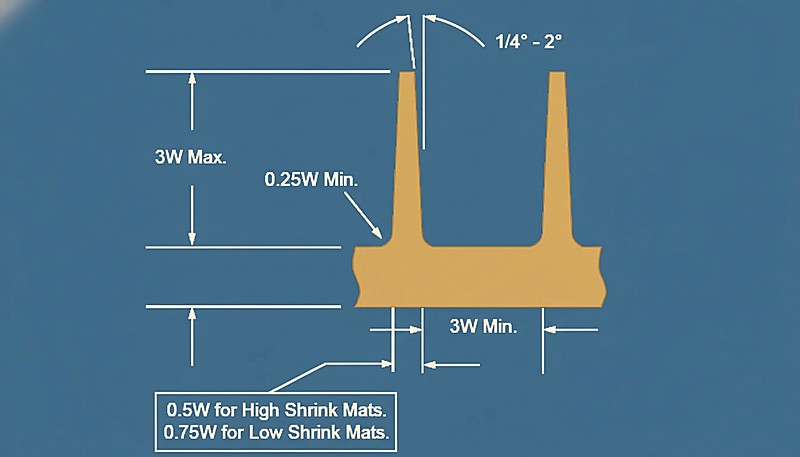
Kalıp çıkış açısı ve çıkarma: EVA’nın esnekliği aslında burada yardımcı olur; parça çıkarma sırasında sıkışır ve ardından eski şekline döner. Ancak köpük parçalar derin nervürlere yapışma eğilimindedir. Her taraf için en az 1.5° kalıp çıkış açısı kullanın (2° daha iyidir) ve geniş çaplı itici pimleri tercih edin. Yumuşak bir köpük parçada küçük pimler, parçayı dışarı itmek yerine yalnızca delik açar.
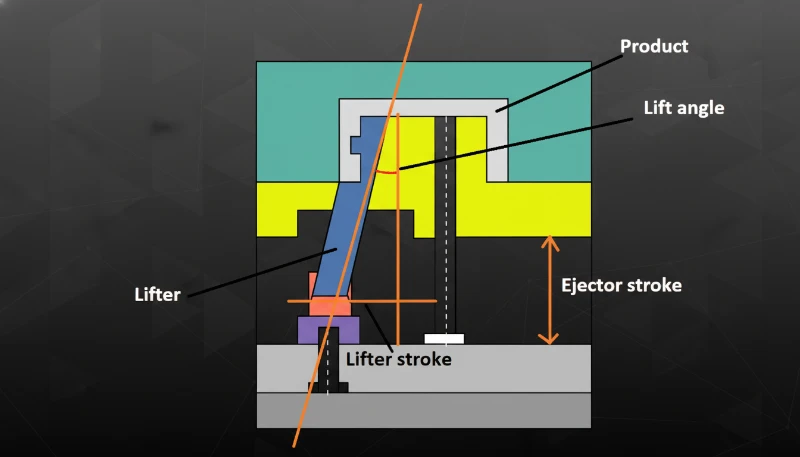
Soğutma: EVA parçalar sıcakken kalıptan çıkarılır — köpük, kalıp açıldıktan sonra birkaç saniye daha genleşmeye devam eder. Soğutma devrelerini yüzeyi hızla soğutacak biçimde tasarlayın ve duvar kalınlığına bağlı olarak 30–60 saniyelik çevrim süreleri bekleyin. 15–25 °C su iyi sonuç verir; ısıtılmış kalıplar EVA için fayda sağlamaz.
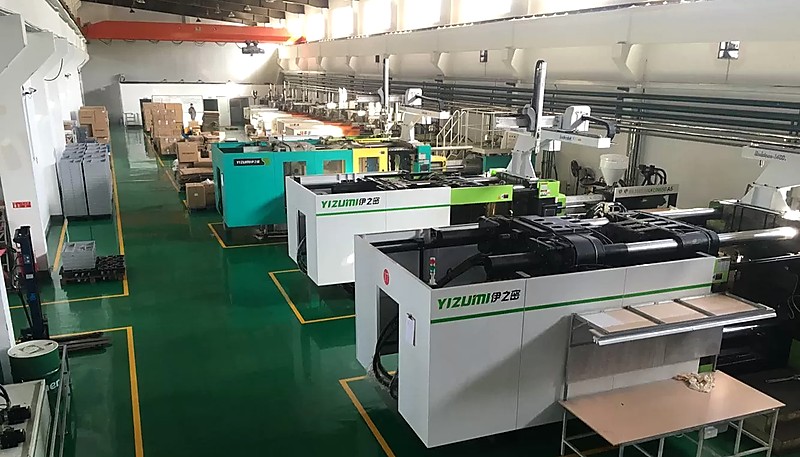
Shanghai fabrikamızda, ekibimiz 90T ila 1850T arasında 47 enjeksiyon kalıplama makinesi çalıştırır. EVA parçalar için, mühendislerimiz kalıplama öncesinde düşük viskozite eriyik davranışı, hava kanalları, çıkarma alanı ve büzülme riskini kontrol eder, 20+ yıl kalıplama deneyimi ve 120+ personel üretim ekibiyle hacim üretimi öncesinde deneme sorunlarını görünür tutar.
"EVA köpük parçaları, kalıp açıldıktan sonra birkaç saniye boyunca genleşmeye devam eder."True
Doğru. Kalıptan çıkarıldığında büzülen sert termoplastiklerin aksine EVA köpük parçalar, kalan şişirici madde reaksiyonunu tamamlayıp hapsolmuş gaz hücreleri dengeye gelirken genişlemeye devam eder. Bu nedenle, çıkarma sonrasındaki ilk 2–5 dakika boyunca boyutsal doğruluğu korumak için çoğu zaman soğutma fikstürleri gerekir.
"Alüminyum kalıplar EVA enjeksiyon kalıplama üretimi için hiçbir zaman uygun değildir."False
Yanlış. Alüminyum kalıplar prototipleme ve düşük ila orta hacimli EVA üretiminde (100,000 atımın altında) kullanılabilir. EVA aşındırıcı değildir ve nispeten düşük sıcaklıklarda işlenir; bu nedenle alüminyum takım ömrü 50,000–100,000 atıma ulaşabilir. Yüksek hacimli üretimde standart tercih P20 çeliğidir.
EVA Enjeksiyon Kalıplamayı En Çok Hangi Sektörler Kullanır?
Bu bölüm, eva enjeksiyon kalıplamayı en çok kullanan sektörleri ve bunun maliyet, kalite, süre veya tedarik riski üzerindeki etkisini ele almaktadır. EVA’nın hafiflik, darbe emme ve nem direnci birleşimi, onu dört sektörde baskın kılar:
Ayakkabı (en yüksek hacimli alan). Ayakkabı orta tabanları, iç tabanları ve dış tabanları: EVA köpük, dünya genelinde spor ve günlük ayakkabılarda varsayılan malzemedir. Tek atışta renk eşleştirmesi ve doku uygulanabilir, çift yoğunluklu kalıplanabilir. Ayakkabı kalıpları tedarik ediyorsanız, orta tabanlarda EVA sıkıştırma kalıplama (CMEVA3) aslında enjeksiyondan daha yaygındır; ancak dış tabanlarda ve daha küçük bileşenlerde enjeksiyon baskındır.
Spor ve koruyucu ekipmanlar. Kask astarları, tekmelikler, dizlikler, ağız koruyucuları. EVA, dibe vurmadan darbe enerjisini emer ve geniş bir sıcaklık aralığında (çoğu sınıf için -40 °C ila +80 °C) özelliklerini korur.
Ambalaj. Elektronik ürünler, tıbbi cihazlar ve hassas ürünler için koruyucu ek parçalar. EVA köpük ek parçalar ürünün tam şekline göre kalıplanabilir ve orta hacimlerde (5.000–100.000 adet) benzer maliyetle kesilmiş PE köpükten daha iyi koruma sağlar.
Oyuncaklar ve tüketici ürünleri. Banyo oyuncakları, deniz yatakları, sıkma oyuncakları, kavramalar ve tutamaklar. EVA’nın toksik olmaması (gıdayla temas eden kaliteler mevcuttur) ve yumuşak dokusu onu çocuk ürünleri için uygun kılar; ancak hedef pazarınız için özel mevzuat uygunluğunu (ASTM F963, EN 71) doğrulamanız gerekir.
EVA İşleme Maliyetleri Diğer Malzemelerle Nasıl Karşılaştırılır?
EVA maliyeti yalnızca reçine fiyatından ibaret değildir; toplam enjeksiyon kalıplama üretim süresini, hurda oranını, kalıptan çıkarma kararlılığını ve kalıp sonrası soğutma alanını da kapsar. Köpük yoğunluğu değişiyorsa, parçaların düz biçimde uzun süre soğutulması gerekiyorsa veya operatörler çıkarıldıktan sonra deforme olan yumuşak parçaları ayıklamak için zaman harcıyorsa ucuz bir malzeme yine de pahalıya gelebilir.
| Maliyet Faktörü | EVA ile PP/PE karşılaştırması | EVA ve TPU Karşılaştırması |
|---|---|---|
| Hammadde | +30–70% | -20–40% |
| Çevrim süresi | 30–60s (daha uzun, köpük soğutma) | EVA Enjeksiyon Kalıplama: Süreç, Parametreler ve Tasarım İpuçları |
| Kalıp maliyeti | +%10–20 (daha dar toleranslar) | EVA Enjeksiyon Kalıplama: Süreç, Parametreler ve Tasarım İpuçları |
| Fire oranı | %5–8 (sert plastiklerden daha yüksek) | EVA Enjeksiyon Kalıplama: Süreç, Parametreler ve Tasarım İpuçları |
| Son işlem | Genellikle kırpma/çapak alma gerektirir | Daha az |
Sonuç: EVA, hafif yastıklama + kalıplanabilirlik + renk seçenekleri bileşimine ihtiyaç duyduğunuzda uygun maliyetlidir. Gereksinimleri PP veya PE ile karşılayabiliyorsanız bunlar daha ucuzdur. Esnekliğin yanında kimyasal direnç gerekiyorsa yükseltme yolu TPU’dur.
EVA Enjeksiyon Kalıplama Üretimi İçin En İyi Uygulamalar Nelerdir?
EVA enjeksiyon kalıplama üretimine yönelik en iyi uygulamalar, bu bölümde açıklanan ana kategoriler veya seçeneklerdir. Yüzlerce üretim siparişinde EVA parçalar çalıştırdıktan sonra, üretim sahasında gerçekten fark yaratan unsurlar şunlardır:
Malzeme işleme: EVA’yı kalıplamadan önce 60–70 °C’de 2–4 saat kurutun. Naylon gibi nem emmez ancak yüzey nemi gümüşlenme izlerine ve düzensiz köpük genleşmesine yol açar. Sızdırmaz biçimde saklayın; şişirici maddeler neme maruz kaldığında bozunur.
Malzeme geçişlerinde sistemi iyice temizleyin. EVA, kovan sıcaklığında hareketsiz kalırsa hızla bozunur. EVA’dan başka bir malzemeye (veya tersine) geçerken temizleme bileşiğiyle 3–5 baskı yapın. Çapraz bulaşmanın tüm üretim partilerini mahvettiğini gördük; bozunmuş EVA’dan çıkan asetik asit zamanla kovanı ve vidayı aşındırır.
Yalnızca boyutları değil parça ağırlığını izleyin. Köpük parçalarda ağırlık en iyi proses göstergesidir. Ağırlık kontrol grafiği (X-bar R) oluşturun ve her 50–100 baskıda numune alın. ±%3 ağırlık sapması, boyutsal sorunları görmeden önce genellikle kovan sıcaklığı veya şişirici madde etkinliğinde değişiklik olduğunu gösterir.
Kalıptan çıkarmaya uygun tasarlayın. EVA köpük parçalar kalıptan çıktıklarında sıcak ve yumuşaktır. Hemen üst üste dizilirlerse deforme olurlar. Düz bir yüzeyde 2–5 dakika hava ile soğutma planlayın veya kritik ölçülü parçalar için soğutma fikstürleri kullanın.
Ekibimiz 400+ plastik malzeme deneyimi sahibidir, yastıklama, paketleme, tüketici ürünleri ve medikal yakın uygulamalar için kullanılan çoklu EVA dereceleri dahil. ZetarMold ISO 9001, ISO 13485, ISO 14001 ve ISO 45001 sistemleri altında çalışır, bu nedenle EVA malzeme seçimi, ilk parça kontrolü, paketleme kontrolleri ve çıkış kontrolü hacim üretimi başlamadan önce kaydedilebilir.
EVA Enjeksiyon Kalıplama Hakkında Satın Alıcılar Ne Sorular Sorar?
Sıkça Sorulan Sorular
EVA enjeksiyon kalıplamada hangi sıcaklık kullanılır?
EVA genellikle 160 ila 220 C namlu sıcaklığında ve 20 ila 40 C civarında kalıp sıcaklığında işlenir. Kesin ayarlar VA içeriği, köpük yoğunluğu, parça kalınlığı ve kimyasal köpük oluşturucu kullanımına bağlıdır. Kritik kural, fazla ısınmaktan kaçınmaktır. Yaklaşık 250 C üzerinde, EVA bozunabilir ve koku, kahverengi lekeler ve ekipman korozyonu yaratabilen asidik yan ürünler salabilir. Düşük başlayın, akış kararlılığını kontrol edin, ardından deneme sırasında sıcaklığı küçük adımlarla ayarlayın ve her değişimi kaydedin.
EVA standart makinelerde enjeksiyonla kalıplanabilir mi?
Evet, EVA standart enjeksiyon kalıplama makinelerinde çalışabilir, ancak kurulum dikkat gerektirir, çünkü eriyik yumuşak ve düşük viskozitedir. Kapalı uçlu nozul sızmayı önlemeye yardımcı olur ve genel amaçlı bir vida normal dereceler için genellikle yeterlidir. Kalıp geniş hava kanalları, düzgün akış yolları ve yeterli çıkarma alanına sahip olmalıdır, çünkü EVA köpük genişleme sonrası boşluğu tutabilir. Üretim için, daha büyük zorluk makine uyumluluğu değil; her parti için büzülme, yoğunluk ve boyutsal tekrarlanabilirlik kontrolüdür.
EVA enjeksiyonla kalıplanmış parçaların çekme oranı nedir?
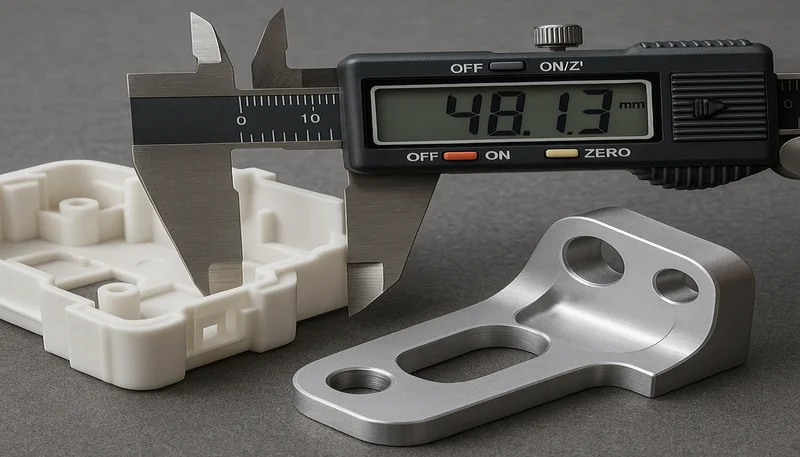
EVA büzülmesi genellikle 1.0% ila 2.0% arasında olur, ancak köpük yoğunluğu, VA içeriği, duvar kalınlığı veya kalıp sıcaklığı değiştiğinde bu aralığın dışına çıkabilir. Yüksek VA içeriği ve güçlü köpüklenme genellikle büzülmeyi artırır. Bu nedenle EVA kalıpları sadece nominal CAD boyutlarından kesilmemelidir. Beklenen büzülme kalıp tasarımında dahil edilmelidir, ardından ilk parça numunelerle kontrol edilmelidir. Kritik uyumlar için tam soğuma sonrası parçalar ölçülmelidir, çünkü EVA çıkarma ve depolama sonrası gevşemeye devam edebilir.
Enjeksiyon kalıplı EVA köpük geri dönüştürülebilir mi?
EVA bir termoplastik olduğundan, teknik olarak atık yeniden öğütülebilir ve yeniden işlenebilir. Sınırlama, köpüklenmiş EVA’nın ilk kalıplama döngüsünden sonra aynı yapıya geri dönmemesidir, çünkü köpük oluşturucu reaksiyonu gerçekleşmiştir. Yeniden öğütme genellikle yoğun, daha az homojen parçalar üretir, bu nedenle kozmetik olmayan veya köpüklenmemiş uygulamalar için daha iyidir. Geri dönüştürülmüş içerik gerekiyorsa, üretim öncesinde kesin yeniden öğütme yüzdesini test edin ve yoğunluk, yüzey kalitesi, koku, büzülme ve geri tepme değişimlerini validasyon denemelerinde izleyin.
EVA enjeksiyon kalıplama ile sıkıştırma kalıplama arasındaki fark nedir?
Enjeksiyon kalıplama, eriyik EVA’yı kapalı kalıp boşluğuna zorlar, bu da karmaşık geometriler, çoklu boşluklu kalıplar ve yüksek hacimli üretim serileri için daha iyi olmasını sağlar. Kompresyon kalıplama (CMEVA), önceden tartılmış bir EVA bileşimini açık kalıba yerleştirir ve ısı ve basınç altında kapatır — kompresyon tüm parçada daha homojen köpük yoğunluğu sağladığı için düz ayakkabı tabanları için standart işlemdir. Enjeksiyon her döngü için daha hızlıdır (30–60 saniye vs. kompresyon için 4–8 dakika) ancak karmaşık kalıp gerektirir. Çoğu ayakkabı bileşeni için, parça geometrisi ve üretim hacim gereksinimlerine bağlı olarak her iki metot beraber bulunur.
EVA kalıplı parçalar için hangi duvar kalınlığı önerilir?
EVA enjeksiyon kalıplama köpüğü için pratik bir duvar kalınlığı aralığı yaklaşık 1.5 ila 4.0 mm’dir. 1.5 mm altındaki ince kesitler stabil köpük genişlemesine izin vermeyebilirken, 4.0 mm üzerindeki kalın kesitler çökme izleri, dengesiz yoğunluk ve uzun soğuma zamanı gösterir. Duvar kalınlığını mümkün olduğunca uniform tutun ve ani geçişlerden kaçının. Kalın tampon gerekiyorsa, tek bir solid blok yapmak yerine nervürler, boşluk özellikleri veya kontrollü köpük yoğunluğu kullanın. İlk-shot numuneler hem boyutları hem rebound hissiyi doğrulamalı.
etilen-vinil asetat: Etilen-vinil asetat, etilen ve vinil asetattan oluşan bir kopolimerdir; VA oranı esnekliği, köpük yoğunluğunu ve darbe dayanımını belirler. ↩
azodikarbonamid: Azodikarbonamid, 200–220 °C'de ayrışarak azot gazı açığa çıkaran ve EVA ile diğer polimerlerde köpük yapısı oluşturan kimyasal bir şişirici maddedir. ↩
CMEVA: Sıkıştırma kalıplı EVA (CMEVA), önceden tartılmış EVA bileşiğinin ısıtılmış bir kalıba yerleştirilip sıkıştırıldığı ve yaygın olarak ayakkabı orta tabanlarında kullanılan bir üretim sürecidir. ↩