Sie haben gerade ein Angebot für Schuhsohlen aus EVA-Schaum erhalten – 50,000 Paare, Lieferung in sechs Wochen. Die Werkzeugkosten erscheinen angemessen, doch Ihr Spritzgießbetrieb lehnt den Auftrag immer wieder ab, weil „EVA anspruchsvoll ist“. Damit liegt er nicht falsch. Beim Spritzgießen von EVA (Ethylen-Vinylacetat1) ist das Prozessfenster enger als bei den meisten Thermoplasten, und das Expansionsverhalten des Schaums überrascht viele. Dieser Artikel erläutert, worauf es wirklich ankommt: Temperaturen, Schwindung, Tücken der Werkzeugkonstruktion und die Vermeidung der drei Fehler, die EVA-Teile am häufigsten unbrauchbar machen.
- EVA wird bei 160–220 °C verarbeitet; oberhalb von 250 °C zersetzt es sich
- Die Schwindung beträgt 1.0–2.0% — doppelt so viel wie bei PP oder PE
- Die Wanddicke sollte zwischen 1.5 mm und 4.0 mm liegen
- Formtemperatur 20–40 °C; Kaltkanäle bevorzugt
- Der VA-Gehalt (8–28 %) bestimmt Flexibilität und Schaumdichte
Was ist EVA-Spritzgießen und wann sollten Sie es einsetzen?
Was EVA-Spritzgießen ist und wann es eingesetzt werden sollte, ergibt sich aus den in diesem Abschnitt erläuterten Funktionen, Einschränkungen und Zielkonflikten. Beim EVA-Spritzgießen wird Ethylen-Vinylacetat-Copolymer – ein schäumbarer Thermoplast – auf herkömmlichen Spritzgießmaschinen geformt. Der VA-Anteil (Vinylacetat) liegt typischerweise zwischen 8% und 28% und ist die wichtigste Einzelvariable: Ein niedriger VA-Anteil (8–14%) ergibt einen steifen, PE-ähnlichen Werkstoff; ein hoher VA-Anteil (18–28%) einen weichen, gummiartigen Schaum.
In der Praxis ist EVA das bevorzugte Material, wenn eine leichte Polsterung mit guter Stoßdämpfung benötigt wird. Typische Beispiele sind Schuhzwischensohlen, Sportpolster, Helmauskleidungen, Yogamatten und Schutzverpackungen. Für strukturelle Steifigkeit, Chemikalienbeständigkeit oder enge Maßtoleranzen ist es dagegen ungeeignet; hierfür kommen Spritzgießanwendungen mit PC, PA oder POM infrage.
Der wesentliche Unterschied zwischen EVA und Standardthermoplasten: EVA dehnt sich beim Abkühlen aus. Diese Schaumausdehnung sorgt für Dämpfung und geringe Dichte (0.15–0.40 g/cm³ bei Schaumtypen), macht die Schwindung jedoch weniger vorhersehbar und führt zu stärkeren Maßänderungen als bei einem Standardpolymer.
"Standard-Spritzgießmaschinen können EVA ohne Modifikation verarbeiten."True
Richtig. Eine Universalschnecke (20:1 L/D-Verhältnis) und ein Standardzylinder sind ausreichend. Empfohlen wird lediglich eine geschlossene Düse zur Vermeidung von Fadenziehen, da die niedrige Schmelzeviskosität von EVA während der Nachdruck- und Kühlphase zum Austreten von Material aus offenen Düsen führt.
"EVA ist lediglich eine Polyethylenart und wird genauso verarbeitet wie PE."False
Falsch. EVA ist zwar ein Copolymer aus Ethylen und Vinylacetat, doch der VA-Gehalt verändert sein Verhalten grundlegend. EVA-Schaum expandiert beim Abkühlen, weist eine 2–4× höhere Schwindung als PE auf und zersetzt sich bei einer niedrigeren Temperatur (250 °C gegenüber 300+ °C bei PE). Wird EVA mit PE-Einstellungen verarbeitet, entstehen Grat, Brandstellen und maßlich fehlerhafte Ausschussteile.
Welche Prozessparameter steuern EVA in den Schritten des Spritzgießen?
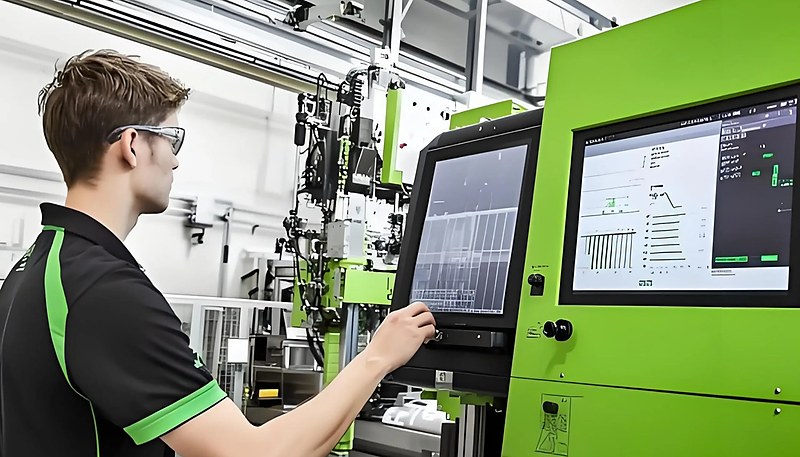
Dieser Abschnitt behandelt die Kontrolle der EVA-Verarbeitungsparameter in den Schritten des Spritzgießens und deren Einfluss auf Kosten, Qualität, Termine oder Beschaffungsrisiken. EVA durchläuft dieselben Schritte des Spritzgießens wie andere Thermoplaste, doch das Temperaturfenster ist enger, da EVA bei unzureichender Kontrolle von Wärme und Verweilzeit aufschäumen, aus der Düse austreten oder sich zersetzen kann. Beginnen Sie mit Zylindertemperatur, Werkzeugtemperatur, Einspritzgeschwindigkeit, Nachdruck und Kühlzeit und ändern Sie beim Versuch jeweils nur eine Variable.
| Kenngröße | Bereich | Anmerkungen |
|---|---|---|
| Schmelztemperatur | 160–220 °C | Über 250 °C = Zersetzung (Essigsäuregeruch) |
| Temperatur der Form | 20–40 °C | Kühlwasserkreisläufe; höhere Temperaturen verstärken die Schwindung |
| Einspritzdruck | 40–80 MPa | Niedriger als bei steifen Kunststoffen; zu viel Druck komprimiert den Schaum |
| Einspritzgeschwindigkeit | Mittel bis langsam | Schnelles Füllen schließt Luft ein und verursacht Brandstellen |
| Nachdruck | 20–40 MPa | Kurze Nachdruckzeit (2–5 s); die Schaumausdehnung erledigt den Rest |
| Trocknungstemperatur | 60–70 °C | 2–4 Stunden; EVA nimmt weniger Feuchtigkeit auf als Nylon, muss aber dennoch getrocknet werden |
| Schrumpfung | 1.0–2.0% | Höherer VA-Gehalt = höhere Schwindung |
Der größte Fehler, den wir beobachten: EVA wird bei denselben Temperaturen verarbeitet wie PE oder PP. Das thermische Prozessfenster von EVA ist enger. Wenn Sie beim Spritzgießen Essig (Essigsäure) riechen, hat die Zersetzung bereits begonnen — senken Sie die Zylindertemperatur um 15–20 °C und spülen Sie den Zylinder.
Ein weiterer häufig übersehener Punkt sind Nachdruck und Nachdruckzeit. EVA-Schaumteile benötigen sehr kurze Nachdruckzeiten — höchstens 2 bis 5 Sekunden. Die Schaumausdehnung verdichtet die Kavität von innen. Wird der Druck zu lange gehalten, verdichtet sich die Schaumstruktur und es entstehen dichte, schwere Stellen, die weich und leicht sein sollten.
Wie beeinflusst der VA-Gehalt die Materialeigenschaften von EVA?
Der VA-Anteil ist die Stellgröße, die alle Eigenschaften bestimmt — Härte, Flexibilität, Transparenz, Schaumdichte und Chemikalienbeständigkeit. So wirkt er sich in realen Anwendungen aus:
| VA-Inhalt | Shore-Härte | Merkmale | Typische Anwendungen |
|---|---|---|---|
| 8–14% | Härte Shore D 40–55 | Ähnlich | Starre Verpackungen, Rohre, Innenverkleidungen für Automobile |
| 15–18% | Shore A 80–95 | Flexibel, aber formstabil | Kabelummantelungen, Quetschspielzeug, Griffe |
| 19–28% | Shore-A-Härte 30–70 | Weich, gummiartig, hervorragend schäumbar | Schuhzwischensohlen, Sportpolster, Yogamatten, Helmpolster |
Bei spritzgegossenen Schaumteilen – die meist gemeint sind, wenn von „EVA-Formteilen“ die Rede ist – liegt der VA-Anteil fast immer zwischen 18–28%. Dem Material wird ein chemisches Treibmittel zugesetzt, üblicherweise Azodicarbonamid2 oder Natriumbicarbonat. Es wird bei einer bestimmten Temperatur aktiviert, setzt Gas frei und lässt das Teil beim Abkühlen expandieren.
Praxistipp: Bei schwankenden Bauteilgewichten sollte zuerst die Verteilung des Treibmittels geprüft werden. Fordern Sie von Ihrem Materiallieferanten ein Masterbatch mit vordispergiertem Treibmittel an, statt das Material an der Maschine zu mischen. Die verbesserte Reproduzierbarkeit rechtfertigt den Materialpreisaufschlag von 10–15%.
"Ein höherer VA-Gehalt in EVA führt zu einem weicheren, flexibleren Material mit besserer Schäumfähigkeit."True
Richtig. Wenn der VA-Anteil von 8 % auf 28 % steigt, verändert sich das Material von steif und PE-ähnlich zu weich und gummiartig. Der höhere VA-Anteil ermöglicht außerdem eine stärkere Schaumausdehnung und erzeugt Teile mit geringerer Dichte und besseren Dämpfungseigenschaften.
"Sie können jedem EVA-Typ einfach mehr Treibmittel zusetzen, um einen besseren Schaum zu erhalten."False
Falsch. Die Treibmitteldosierung muss auf den VA-Gehalt und die angestrebte Schaumdichte abgestimmt sein. Zu viel Treibmittel erzeugt große, unregelmäßige Zellen, die die Bauteilstruktur schwächen und Oberflächenblasen verursachen können. Das Mittel hat zudem eine Haltbarkeit von 6–12 Monaten — abgelaufenes Material aktiviert sich unabhängig von der Menge nicht richtig.
Welche Fehler treten beim EVA-Spritzgießen häufig auf?
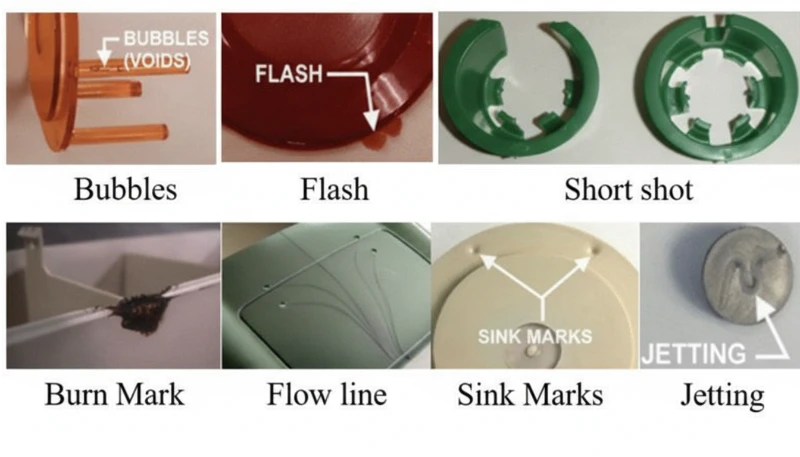
Bei EVA treten drei wiederkehrende Fehler auf, die schätzungsweise 80% der von uns in der Produktion beobachteten Qualitätsprobleme ausmachen:
1. Einfallstellen und Oberflächenvertiefungen. Da EVA-Schaum beim Abkühlen expandiert, drücken dicke Bereiche weiterhin Material nach außen, während angrenzende dünnere Bereiche bereits erstarrt sind. Das Ergebnis sind sichtbare Vertiefungen auf der Sichtfläche. Abhilfe: Wanddicke so gleichmäßig wie möglich halten und ein Verhältnis von höchstens 2:1 zwischen dem dicksten und dünnsten Bereich anstreben.
2. Unvollständige Füllung (Short Shots) bei Schaumteilen. Die Schaumausdehnung unterstützt das Füllen des Werkzeugs, doch bei zu niedriger Schmelzetemperatur oder zu geringer Einspritzgeschwindigkeit erstarrt die Materialhaut, bevor die Kavität gefüllt ist. Abhilfe: Erhöhen Sie die Schmelzetemperatur um 5–10 °C, erhöhen Sie die Einspritzgeschwindigkeit um eine Stufe und prüfen Sie, ob Ihr Treibmittel abgelaufen ist (ja, Treibmittel haben eine Haltbarkeit — üblicherweise 6–12 Monate).
3. Brandstellen und Verfärbungen. Hierbei handelt es sich um thermische Zersetzung — der Essiggeruch ist das eindeutige Anzeichen. EVA beginnt sich oberhalb von 250 °C zu zersetzen, und zersetztes Material erzeugt dunkle Schlieren oder braune Brandstellen. Abhilfe: Zylindertemperatur senken, Schneckendrehzahl reduzieren (verringert die Schererwärmung) und prüfen, ob die Düse heißer als die Zylinderzonen betrieben wird.
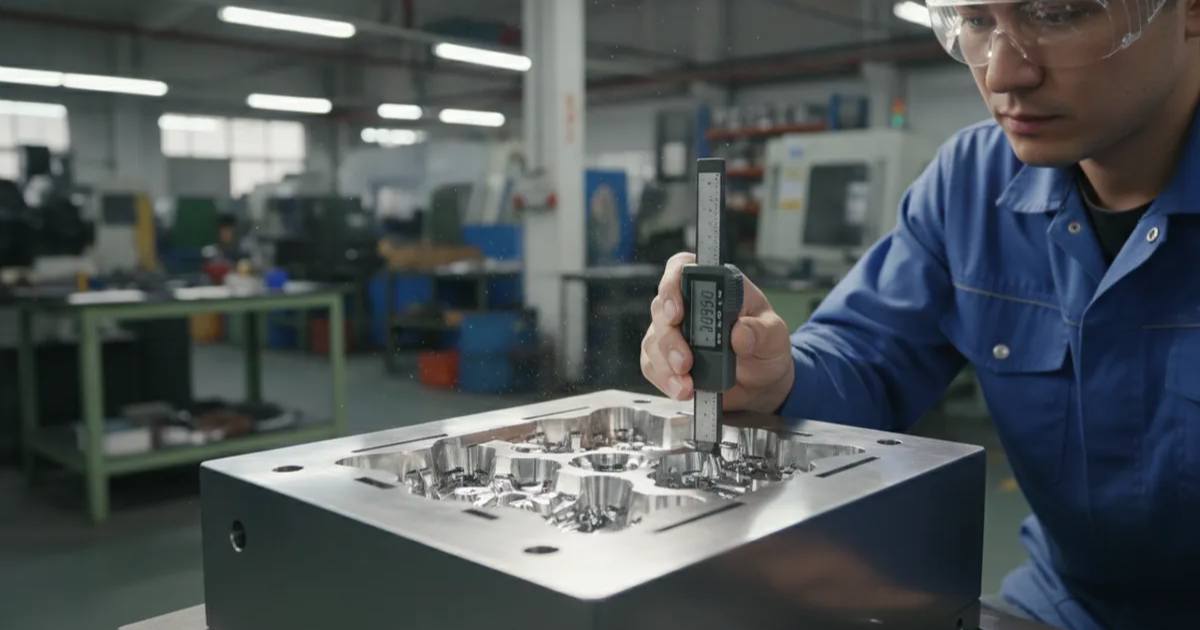
Ein weiterer Punkt: Aufgrund der niedrigen Viskosität von EVA bei Verarbeitungstemperatur besteht ein erhebliches Gratbildungsrisiko, insbesondere an Trennlinien. Wenn Ihr Werkzeug verschlissene Einsätze oder unzureichende Abschaltflächen aufweist, tritt bei Drücken Gratbildung auf, die für PP oder ABS unproblematisch wären. Planen Sie engere Werkzeugtoleranzen ein, wenn Sie ein Werkzeug für EVA fertigen lassen.
Wie sollten Formen für EVA-Teile konstruiert werden?
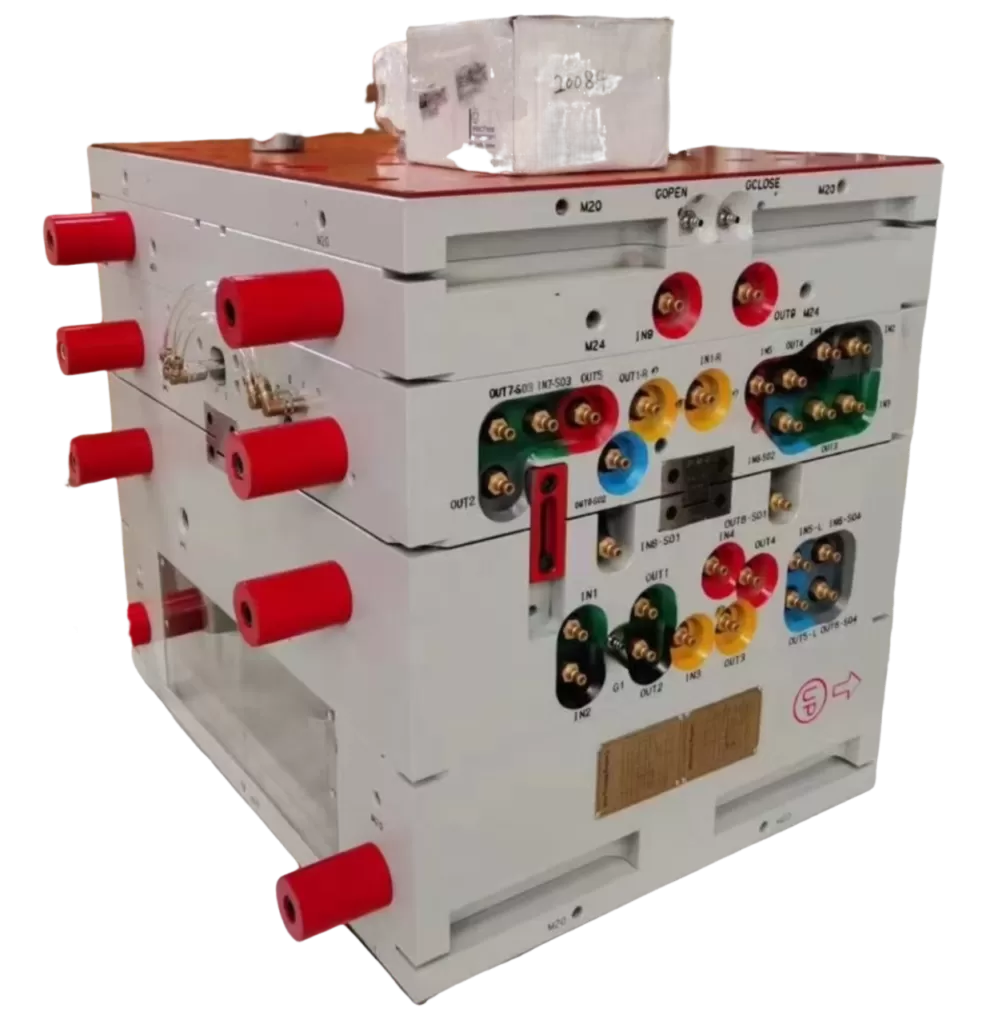
Dieser Abschnitt behandelt die Werkzeugkonstruktion für eva-Bauteile und deren Auswirkungen auf Kosten, Qualität, Termine oder Beschaffungsrisiken. Die Werkzeugkonstruktion für EVA unterscheidet sich von der für steife Thermoplaste. Die Schaumexpansion verändert die Regeln in drei wesentlichen Bereichen:
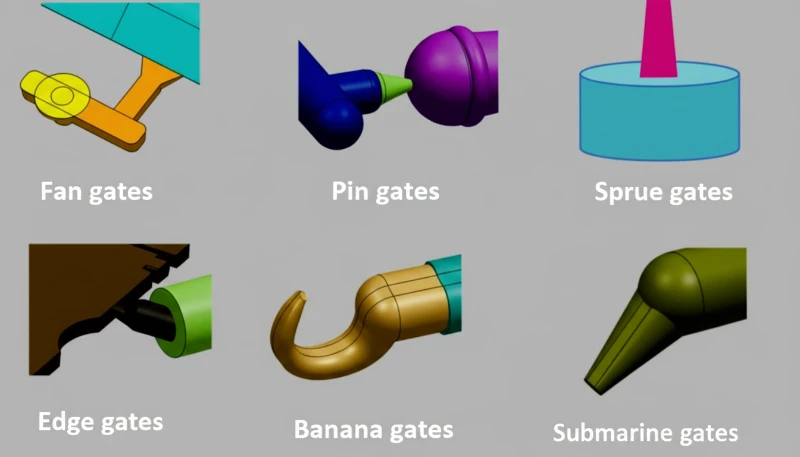
Anschnittkonstruktion: Verwenden Sie größere Anschnitte als bei gleich großen steifen Teilen. Laschen- oder Fächeranschnitte mit 1.5–3.0 mm Dicke funktionieren gut. Vermeiden Sie Punktanschnitte — die niedrige Viskosität und Schaumausdehnung des Materials führen bei einem kleinen Anschnitt zur Freistrahlbildung und erzeugen Wirbelmarken auf der Sichtfläche.
Wanddicke: Zielwert 1.5–4.0 mm. Unter 1.5 mm kann sich der Schaum nicht ordnungsgemäß ausdehnen, sodass dichte, steife Bereiche entstehen. Über 4.0 mm lassen sich Schwindung und Einfallstellen nur schwer kontrollieren. Besitzt das Bauteil funktional bedingte dicke Bereiche, etwa den Fersenbereich einer Schuhsohle, reduziert ein rückseitiges Aushöhlen die wirksame Dicke, ohne das Außenprofil zu verändern.
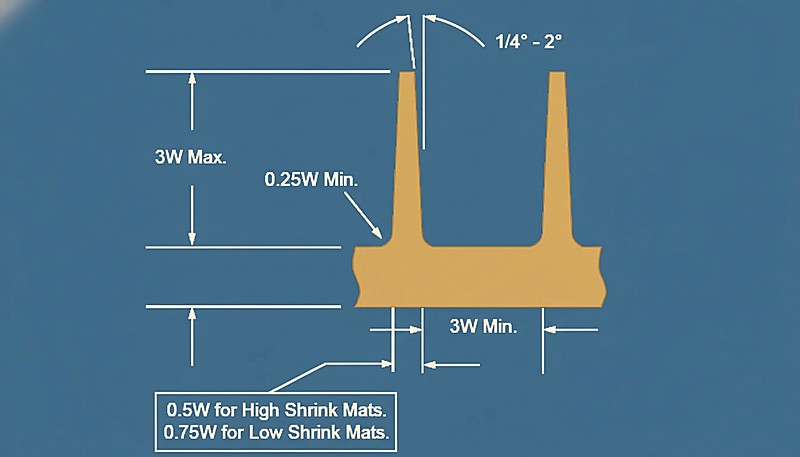
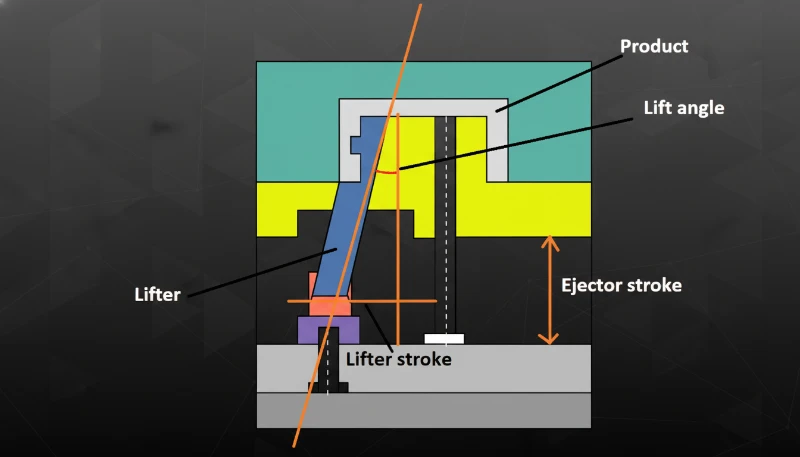
Entformungsschräge und Auswerfen: Die Flexibilität von EVA ist hier hilfreich — das Teil wird beim Auswerfen zusammengedrückt und nimmt anschließend wieder seine Form an. Schaumteile neigen jedoch dazu, in tiefen Rippen zu haften. Verwenden Sie mindestens 1.5° Entformungsschräge pro Seite (2° sind besser) und großzügige Auswerferstiftdurchmesser. Kleine Stifte stanzen bei einem weichen Schaumteil lediglich Löcher, statt es auszuwerfen.
Kühlung: EVA-Teile werden heiß entformt — der Schaum expandiert nach dem Öffnen des Werkzeugs noch mehrere Sekunden weiter. Legen Sie die Kühlkreisläufe für ein schnelles Abkühlen der Oberfläche aus und rechnen Sie je nach Wanddicke mit Zykluszeiten von 30–60 Sekunden. Wasser mit 15–25 °C eignet sich gut; beheizte Werkzeuge bieten bei EVA keinen Vorteil.
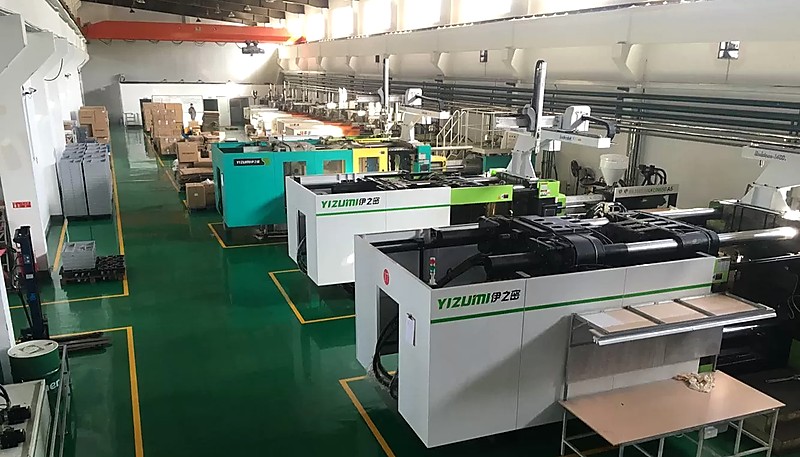
In unserem Shanghai Werk betreibt unser Team 47 Spritzgießmaschinen von 90T bis 1850T. Für EVA-Teile prüfen unsere Ingenieore vor der Werkzeugfertigung das Verhalten von niedrigviskosen Schmelzen, Entlüftung, Ausstoßbereich und Schrumpfrisiko, nutzen dabei über 20 Jahre Spritzgusserfahrung und ein Produktionsteam mit über 120 Mitarbeitern, um Probleme bei Versuchen vor der Serienproduktion sichtbar zu halten.
"EVA-Schaumteile expandieren nach dem Öffnen der Form noch mehrere Sekunden weiter."True
Richtig. Im Gegensatz zu starren Thermoplasten, die beim Entformen schrumpfen, dehnen sich EVA-Schaumteile weiter aus, während das verbleibende Treibmittel seine Reaktion abschließt und eingeschlossene Gaszellen sich ausgleichen. Deshalb sind häufig Kühlvorrichtungen erforderlich, um während der ersten 2–5 Minuten nach dem Auswerfen die Maßhaltigkeit zu sichern.
"Aluminiumwerkzeuge eignen sich niemals für die EVA-Spritzgießproduktion."False
Falsch. Aluminiumwerkzeuge eignen sich für Prototypen und EVA-Produktionen in kleinen bis mittleren Stückzahlen (unter 100.000 Schüsse). EVA ist nicht abrasiv und wird bei relativ niedrigen Temperaturen verarbeitet, sodass Aluminiumwerkzeuge 50.000–100.000 Schüsse erreichen können. Für die Großserienproduktion ist P20-Stahl die Standardwahl.
Welche Branchen nutzen EVA-Spritzgießen am häufigsten?
Dieser Abschnitt behandelt die Branchen, die EVA-Spritzguss am häufigsten einsetzen, und die Auswirkungen auf Kosten, Qualität, Termine und Beschaffungsrisiken. Die Kombination aus geringem Gewicht, Dämpfung und Feuchtigkeitsbeständigkeit macht EVA in vier Branchen zum dominierenden Werkstoff:
Schuhwaren (größtes Volumen). Schuhzwischen-, Innen- und Laufsohlen – EVA-Schaum ist weltweit das Standardmaterial für Sport- und Freizeitschuhe. Das Material kann farblich abgestimmt, strukturiert und in einem Schuss mit zwei Dichten geformt werden. Wenn Sie Schuhwerkzeuge beschaffen, ist das EVA-Formpressen (CMEVA3) bei Zwischensohlen tatsächlich verbreiteter als das Spritzgießen; bei Laufsohlen und kleineren Komponenten dominiert jedoch das Spritzgießen.
Sport- und Schutzausrüstung. Helmpolster, Schienbeinschoner, Knieschützer, Mundschutz. EVA absorbiert Aufprallenergie, ohne vollständig zusammengedrückt zu werden, und behält seine Eigenschaften über einen breiten Temperaturbereich (-40 °C bis +80 °C bei den meisten Typen).
Verpackung. Schutzeinsätze für Elektronik, medizinische Geräte und empfindliche Waren. EVA-Schaumeinsätze können exakt an die Produktform angepasst werden und bieten bei mittleren Stückzahlen (5.000–100.000 Einheiten) besseren Schutz als zugeschnittener PE-Schaum bei vergleichbaren Kosten.
Spielzeug und Konsumgüter. Badespielzeug, Schwimmtiere, Quetschspielzeug, Griffe und Handgriffe. EVA ist ungiftig, auch Qualitäten für den Lebensmittelkontakt sind verfügbar, und fühlt sich weich an. Dadurch eignet es sich für Kinderprodukte; für den Zielmarkt muss jedoch die Einhaltung der jeweiligen Vorschriften wie ASTM F963 und EN 71 geprüft werden.
Wie verhalten sich die Verarbeitungskosten von EVA im Vergleich zu anderen Materialien?
Die Kosten von EVA bestehen nicht nur aus dem Harzpreis, sondern umfassen auch die gesamte Spritzgieß-Produktionszeit, die Ausschussquote, die Entformungsstabilität und den Platzbedarf für die Kühlung nach dem Formen. Ein günstiger Werkstoff kann dennoch teuer sein, wenn die Schaumdichte schwankt, Teile lange flach auskühlen müssen oder Bediener Zeit für das Aussortieren weicher Teile aufwenden, die sich nach dem Auswerfen verformen.
| Kostenfaktor | EVA im Vergleich zu PP/PE | EVA im Vergleich zu TPU |
|---|---|---|
| Rohmaterial | +30–70% | -20–40% |
| Zykluszeit | 30–60s (länger, Schaumkühlung) | Ähnlich |
| Werkzeugkosten | EVA-Spritzguss: Prozess, Parameter & Design-Tipps | Ähnlich |
| Ausschussquote | 5–8% (höher als bei starren Kunststoffen) | Ähnlich |
| Nachbearbeitung | Erfordert häufig Beschneiden/Entgraten | Weniger |
Fazit: EVA ist wirtschaftlich, wenn Sie die spezielle Kombination aus leichter Polsterung, Formbarkeit und Farbauswahl benötigen. Falls PP oder PE Ihre Anforderungen erfüllen, sind diese günstiger. Benötigen Sie Flexibilität zusammen mit Chemikalienbeständigkeit, ist TPU die höherwertige Alternative.
Was sind die bewährten Verfahren für die EVA-Spritzgussproduktion?
Die bewährten Verfahren für die EVA-Spritzgießproduktion sind die in diesem Abschnitt erläuterten Hauptkategorien beziehungsweise Optionen. Nach Hunderten von Produktionsaufträgen für EVA-Bauteile zeigt sich, was in der Fertigung tatsächlich den Unterschied macht:
Materialhandhabung: Trocknen Sie EVA vor dem Spritzguss 2–4 Stunden bei 60–70 °C. Es nimmt Feuchtigkeit nicht wie Nylon auf, doch Oberflächenfeuchte verursacht Silberstreifen und eine ungleichmäßige Schaumausdehnung. Dicht verschlossen lagern — Treibmittel bauen sich bei Feuchtigkeitseinwirkung ab.
Spülen Sie beim Materialwechsel gründlich. EVA zersetzt sich schnell, wenn es bei Zylindertemperatur ohne Bewegung verbleibt. Beim Wechsel von EVA zu einem anderen Material oder umgekehrt sind 3–5 Schuss Spülmasse erforderlich. Kreuzkontamination kann ganze Produktionsläufe unbrauchbar machen — die Essigsäure aus zersetztem EVA korrodiert mit der Zeit Zylinder und Schnecke.
Überwachen Sie das Teilegewicht und nicht nur die Abmessungen. Bei Schaumteilen ist das Gewicht der beste Prozessindikator. Richten Sie eine Regelkarte für das Gewicht (X-quer/R) ein und nehmen Sie alle 50–100 Schüsse eine Probe. Eine Gewichtsabweichung von ±3% zeigt eine Veränderung an, meist bei Zylindertemperatur oder Treibmittelaktivität, bevor Maßprobleme sichtbar werden.
Entformungsgerecht konstruieren. EVA-Schaumteile sind beim Entformen warm und weich. Werden sie sofort gestapelt, verformen sie sich. Planen Sie 2–5 Minuten Luftkühlung auf einer ebenen Fläche ein oder verwenden Sie Kühlvorrichtungen für Teile mit kritischen Abmessungen.
Unser Team hat Erfahrung mit über 400 Kunststoffmaterialien, einschließlich verschiedener EVA-Typen für Dämpfung, Verpackung, Konsumgüter und medizinnahe Anwendungen. ZetarMold arbeitet unter ISO 9001, ISO 13485, ISO 14001 und ISO 45001 Systemen, sodass EVA-Materialauswahl, Erststückprüfung, Verpackungsprüfung und Ausgangsprüfung dokumentiert werden können, bevor die Serienproduktion beginnt.
Welche Fragen stellen Käufer zu EVA-Spritzguss?
Häufig gestellte Fragen
Welche Temperatur wird beim EVA-Spritzgießen verwendet?
EVA wird üblicherweise bei einer Zylindertemperatur von 160 bis 220 °C und einer Formtemperatur von etwa 20 bis 40 °C verarbeitet. Die genauen Einstellungen hängen vom VA-Gehalt, der Schaumdichte, der Bauteildicke und der Verwendung eines chemischen Treibmittels ab. Die entscheidende Regel ist, Überhitzung zu vermeiden. Bei Temperaturen über etwa 250 °C kann EVA zersetzt werden und saure Nebenprodukte freisetzen, die Geruch, braune Flecken und Korrosion an der Ausrüstung verursachen. Beginnen Sie niedrig, bestätigen Sie die Stabilität des Schmelzflusses, passen Sie dann die Temperatur in kleinen Schritten während des Versuchs an und protokollieren Sie jede Änderung.
Kann EVA auf Standardmaschinen spritzgegossen werden?
Ja, EVA kann auf Standard-Spritzgießmaschinen verarbeitet werden, aber die Einrichtung benötigt Aufmerksamkeit, weil die Schmelze weich und niedrigviskos ist. Eine geschlossene Düse hilft, Tropfen zu vermeiden, und ein Universalschnecke ist normalerweise ausreichend für normale Typen. Das Werkzeug sollte großzügige Entlüftungen, glatte Fließwege und genug Ausstoßbereich haben, weil EVA-Schaum nach Expansion die Kavität festhalten kann. Für die Produktion ist die größere Herausforderung nicht Maschinenkompatibilität; es ist die Kontrolle von Schrumpfung, Dichte und dimensionaler Wiederholgenauigkeit über jede Charge.
Wie hoch ist die Schwindungsrate von EVA-Spritzgussteilen?
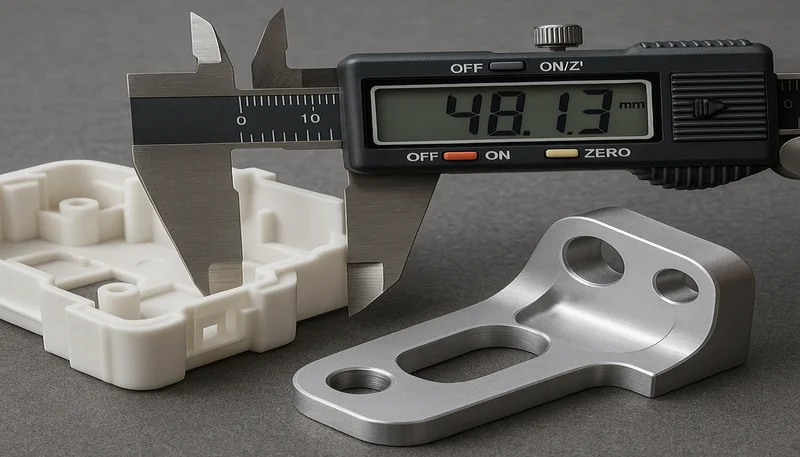
EVA-Schrumpfung liegt normalerweise zwischen 1,0 Prozent und 2,0 Prozent, kann aber außerhalb dieses Bereichs liegen, wenn Schaumdichte, VA-Anteil, Wanddicke oder Werkzeugtemperatur sich ändern. Höherer VA-Anteil und stärkeres Schäumen erhöhen generell die Schrumpfung. Deshalb sollte EVA-Werkzeugfertigung nicht nur von nominalen CAD-Dimensionen ausgehen. Integrieren Sie die erwartete Schrumpfung in die Werkzeuggestaltung und verifizieren Sie mit Erststück-Proben. Für kritische Passungen messen Sie Teile nach vollständiger Kühlung, weil EVA nach Ausstoß und Lagerung weiter relaxieren kann.
Ist spritzgegossener EVA-Schaum recycelbar?
EVA ist ein Thermoplast, daher kann Abfall technisch wiedergeschreddert und neu verarbeitet werden. Die Einschränkung ist, dass geschäumtes EVA nach dem ersten Formzyklus nicht zur gleichen Struktur zurückkehrt, weil das Treibmittel bereits reagiert hat. Regranulat erzeugt oft dichtere, weniger gleichmäßige Teile, daher ist es besser für nicht kosmetische oder nicht geschäumte Anwendungen. Wenn Recyclinganteil erforderlich ist, testen Sie den exakten Regranulatanteil vor der Produktion und achten Sie auf Veränderungen in Dichte, Oberflächenqualität, Geruch, Schrumpfung und Rückprall während Validierungsversuchen.
Worin unterscheiden sich EVA-Spritzgießen und Formpressen?
Spritzgießen presst geschmolzenes EVA in eine geschlossene Werkzeugkavität, macht es besser für komplexe Geometrien, Mehrkavitätenwerkzeuge und höhere Serienproduktion. Kompressionsgießen (CMEVA) platziert eine vorab gewogene EVA-Formmasse in ein offenes Werkzeug und schließt es unter Hitze und Druck – es ist der Standardprozess für flache Schuhmittelsohlen, wo Kompression gleichmäßigeren Schaum über das gesamte Teil gibt. Spritzgießen ist schneller pro Zyklus (30–60 Sekunden vs. 4–8 Minuten für Kompression) aber benötigt komplexeres Werkzeug. Für meisten Schuhkomponenten existieren beide Methoden nebeneinander, abhängig von Teilgeometrie und Produktionsvolumen.
Welche Wanddicke wird für EVA-Formteile empfohlen?
Für EVA-Spritzgießschaum ist ein praktischer Wanddickenbereich etwa 1,5 bis 4,0 mm. Dünne Bereiche unter 1,5 mm können keine stabile Schaumexpansion ermöglichen, während dickere Bereiche über 4,0 mm Sinkstellen, ungleichmäßige Dichte und lange Kühlzeit zeigen können. Halten Sie Wanddicken möglichst gleichmäßig und vermeiden Sie abrupte Übergänge. Wenn dickere Dämpfung erforderlich ist, verwenden Sie Rippen, Hohlstrukturen oder kontrollierte Schaumdichte statt eines massiven Blocks. Erstschuss-Proben sollten sowohl Dimensionen als auch Rückprallgefühl bestätigen.
Ethylen-Vinylacetat: Ethylen-Vinylacetat ist ein Copolymer aus Ethylen und Vinylacetat, dessen VA-Anteil die Flexibilität, Schaumdichte und Schlagfestigkeit bestimmt. ↩
Azodicarbonamid: Azodicarbonamid ist ein chemisches Treibmittel, das sich bei 200–220 °C zersetzt und dabei Stickstoffgas freisetzt, um in EVA und anderen Polymeren eine Schaumstruktur zu erzeugen. ↩
CMEVA: Formgepresstes EVA (CMEVA) ist ein Fertigungsverfahren, bei dem eine abgewogene EVA-Mischung in ein beheiztes Werkzeug eingelegt und verdichtet wird; es kommt häufig für Schuhzwischensohlen zum Einsatz. ↩