Hai appena ricevuto un preventivo per suole da scarpa in schiuma EVA: 50.000 paia, con consegna in sei settimane. Il costo dello stampo sembra ragionevole, ma il tuo fornitore continua a rifiutare il lavoro perché «l’EVA è difficile da lavorare». E non ha torto. Lo stampaggio a iniezione dell’EVA (etilene-vinil acetato1) ha una finestra di processo più ristretta rispetto alla maggior parte dei materiali termoplastici e il comportamento della schiuma durante l’espansione coglie molti alla sprovvista. Questo articolo illustra ciò che conta davvero: temperature, ritiro, insidie nella progettazione dello stampo e come evitare i tre difetti che più spesso compromettono i pezzi in EVA.
- L'EVA viene lavorato a 160–220 °C; superare 250 °C causa decomposizione
- Il ritiro è dell’1.0–2.0% — il doppio rispetto al PP o al PE
- Lo spessore di parete deve rimanere compreso tra 1.5 mm e 4.0 mm
- Temperatura dello stampo 20–40 °C; preferibili i canali freddi
- Il contenuto di VA (8–28%) determina la flessibilità e la densità della schiuma
Che cos’è lo stampaggio a iniezione dell’EVA e quando conviene utilizzarlo?
Lo stampaggio a iniezione dell’EVA e i casi in cui conviene utilizzarlo dipendono dalla funzione, dai vincoli e dai compromessi illustrati in questa sezione. Consiste nel sagomare il copolimero etilene-vinil acetato, un termoplastico espandibile, mediante normali attrezzature per lo stampaggio a iniezione. Il contenuto di VA (vinil acetato) varia in genere dall’8% al 28% ed è la variabile più importante: una percentuale bassa di VA (8–14%) produce un materiale rigido, simile al PE; una percentuale alta (18–28%) produce invece una schiuma morbida e gommosa.
In pratica, l’EVA è il materiale di riferimento quando serve un’imbottitura leggera con un buon assorbimento degli urti. Si pensi a intersuole, protezioni sportive, imbottiture per caschi, tappetini da yoga e imballaggi protettivi. Non è la scelta giusta quando occorrono rigidità strutturale, resistenza chimica o tolleranze dimensionali strette: in questi casi conviene considerare applicazioni di stampaggio a iniezione con PC, PA o POM.
Differenza chiave: l’EVA si espande durante il raffreddamento. L’espansione della schiuma produce ammortizzazione e bassa densità (0.15–0.40 g/cm³), ma rende il ritiro meno prevedibile e aumenta la variazione dimensionale rispetto a un polimero standard.
"Le presse a iniezione standard possono lavorare l'EVA senza modifiche."True
Vero. Una vite universale (rapporto L/D 20:1) e un cilindro standard sono adeguati. L'unica aggiunta consigliata è un ugello a circuito chiuso per evitare il gocciolamento, poiché la bassa viscosità del fuso EVA provoca perdite dagli ugelli aperti durante le fasi di mantenimento e raffreddamento.
"EVA è solo un tipo di polietilene e si lavora esattamente come il PE."False
Falso. Sebbene l'EVA sia un copolimero di etilene e acetato di vinile, il contenuto di VA ne modifica radicalmente il comportamento. La schiuma EVA si espande durante il raffreddamento, presenta un ritiro 2–4 volte superiore al PE e si decompone a una temperatura inferiore, 250 °C rispetto a oltre 300 °C per il PE. Lavorare l'EVA con le impostazioni del PE genera bava, bruciature e scarti dimensionali.
Quali Parametri di Processo Controllano l’EVA nelle Fasi della Stampa a Iniezione?
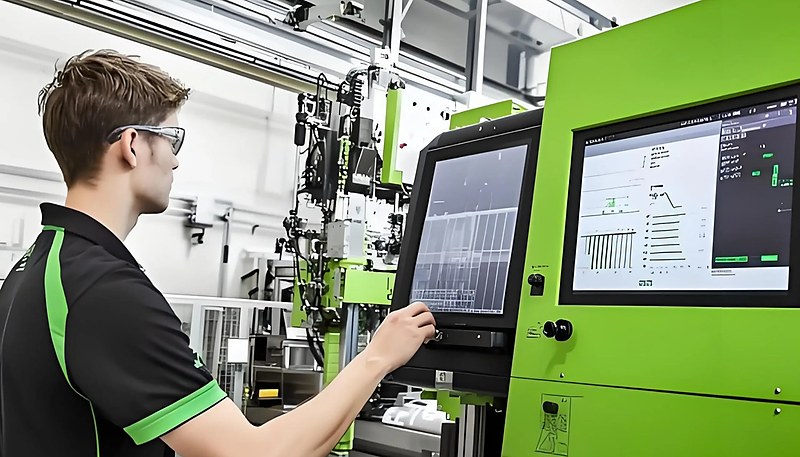
Questa sezione spiega come controllare i parametri di lavorazione dell’EVA nelle fasi dello stampaggio a iniezione e quale sia il loro impatto su costi, qualità, tempi e rischi di approvvigionamento. La lavorazione dell’EVA segue le stesse fasi degli altri materiali termoplastici, ma la finestra di temperatura è più ristretta perché, se il calore e il tempo di permanenza non sono controllati, l’EVA può espandersi, colare o degradarsi. Inizia regolando la temperatura del cilindro e dello stampo, la velocità di iniezione, la pressione di mantenimento e il tempo di raffreddamento, quindi modifica una variabile alla volta durante la prova.
| Parametro | Intervallo | Note |
|---|---|---|
| Temperatura di fusione | 160–220 °C | Sopra 250 °C = decomposizione (odore di acido acetico) |
| Temperatura dello stampo | 20–40 °C | Raffreddare i circuiti dell'acqua; temperature più elevate peggiorano il ritiro |
| Pressione di iniezione | 40–80 MPa | Inferiore rispetto alle plastiche rigide; una pressione eccessiva comprime la schiuma |
| Velocità di iniezione | Da media a lenta | I riempimenti rapidi intrappolano aria e provocano bruciature |
| Pressione di mantenimento | 20–40 MPa | Tempo di mantenimento breve (2–5 s); l'espansione della schiuma fa il resto |
| Temperatura di essiccazione | 60–70 °C | 2–4 ore; l'EVA assorbe meno umidità del nylon, ma richiede comunque l'essiccazione |
| Restringimento | 1.0–2.0% | Maggiore contenuto di VA = maggiore ritiro |
L’errore più grave che vediamo è lavorare l’EVA alle stesse temperature usate per PE o PP. La finestra termica dell’EVA è più stretta. Se durante lo stampaggio si avverte odore di aceto (acido acetico), la decomposizione è già iniziata: ridurre la temperatura del cilindro di 15–20 °C e spurgarlo.
Un’altra svista comune riguarda la pressione e il tempo di mantenimento. I pezzi in schiuma EVA richiedono tempi di mantenimento molto brevi — al massimo da 2 a 5 secondi. L’espansione della schiuma compatta la cavità dall’interno. Se si mantiene la pressione troppo a lungo, si comprime la struttura della schiuma e si ottengono zone dense e pesanti che dovrebbero essere morbide e leggere.
In che modo il contenuto di VA influisce sulle proprietà del materiale EVA?
La percentuale di VA è il parametro che controlla ogni aspetto: durezza, flessibilità, trasparenza, densità della schiuma e resistenza chimica. Ecco come si articola nelle applicazioni reali:
| Contenuto VA | Durezza Shore | Caratteristiche | Applicazioni tipiche |
|---|---|---|---|
| 8–14% | Durezza Shore D 40–55 | Rigido, simile al PE, buona trasparenza | Imballaggi rigidi, tubi, rivestimenti interni per autoveicoli |
| 15–18% | Shore A 80–95 | Flessibile ma resiliente | Rivestimenti per cavi, giocattoli comprimibili, impugnature |
| 19–28% | Post-elaborazione | Morbido, gommoso, eccellente espandibilità | Intersuole per calzature, imbottiture sportive, tappetini da yoga, rivestimenti per caschi |
Per i pezzi in schiuma stampati a iniezione, ossia ciò che in genere si intende per «stampaggio dell’EVA», la percentuale di VA è quasi sempre compresa tra il 18% e il 28%. Il materiale viene miscelato con un agente espandente chimico, solitamente azodicarbonammide2 o bicarbonato di sodio, che si attiva a una determinata temperatura, libera gas e fa espandere il pezzo durante il raffreddamento.
Consiglio pratico: se il peso dei pezzi è incoerente, il primo sospetto è la distribuzione dell’agente espandente. Chiedete al fornitore del materiale un masterbatch con agente espandente premiscelato, anziché tentare di miscelarlo sulla macchina. Il miglioramento della uniformità vale il sovrapprezzo del 10–15% sul materiale.
"Un maggiore contenuto di VA nell'EVA produce un materiale più morbido e flessibile, con migliore capacità di espansione."True
Vero. Quando il contenuto di VA aumenta dall'8% al 28%, il materiale passa da rigido e simile al PE a morbido e gommoso. Un contenuto di VA più elevato consente inoltre una maggiore espansione della schiuma, producendo pezzi a densità inferiore con migliori proprietà ammortizzanti.
"È possibile aggiungere semplicemente più agente espandente a qualsiasi grado di EVA per ottenere una schiuma migliore."False
Falso. Il dosaggio dell'agente espandente deve essere adeguato al contenuto di VA e alla densità target della schiuma. Una quantità eccessiva di agente espandente genera celle grandi e irregolari, che indeboliscono la struttura del componente e possono causare bolle superficiali. L'agente ha inoltre una durata di conservazione di 6–12 mesi: una volta scaduto, il materiale non si attiva correttamente, indipendentemente dalla quantità utilizzata.
Quali sono i difetti comuni nello stampaggio a iniezione dell’EVA?
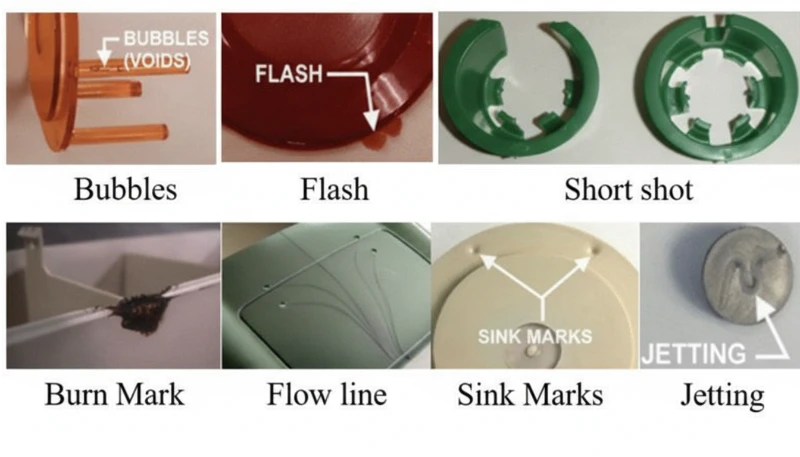
L’EVA presenta tre difetti ricorrenti che rappresentano probabilmente l’80% dei problemi di qualità riscontrati in reparto:
1. Risucchi e depressioni superficiali. Poiché la schiuma EVA si espande durante il raffreddamento, le sezioni spesse continuano a spingere il materiale verso l’esterno mentre quelle adiacenti più sottili si sono già solidificate. Ne derivano depressioni visibili sulla superficie estetica. Correzione: mantenere lo spessore delle pareti il più uniforme possibile, puntando a un rapporto massimo di 2:1 tra la sezione più spessa e quella più sottile.
2. Riempimenti incompleti (short shot) nei pezzi espansi. L’espansione aiuta a compattare lo stampo, ma se la temperatura del fuso è troppo bassa o l’iniezione troppo lenta, la pelle del materiale congela prima del riempimento. Soluzione: aumentare la temperatura del fuso di 5–10 °C, aumentare di uno scatto la velocità d’iniezione e verificare che l’agente espandente non sia scaduto (sì, dura in genere 6–12 mesi).
3. Bruciature e scolorimento. Si tratta di decomposizione termica: l’odore di aceto è il segnale rivelatore. L’EVA inizia a degradarsi oltre 250 °C e il materiale decomposto produce striature scure o bruciature marroni. Soluzione: abbassare la temperatura del cilindro, ridurre la velocità della vite (per diminuire il riscaldamento da taglio) e verificare che l’ugello non funzioni a una temperatura superiore rispetto alle zone del cilindro.
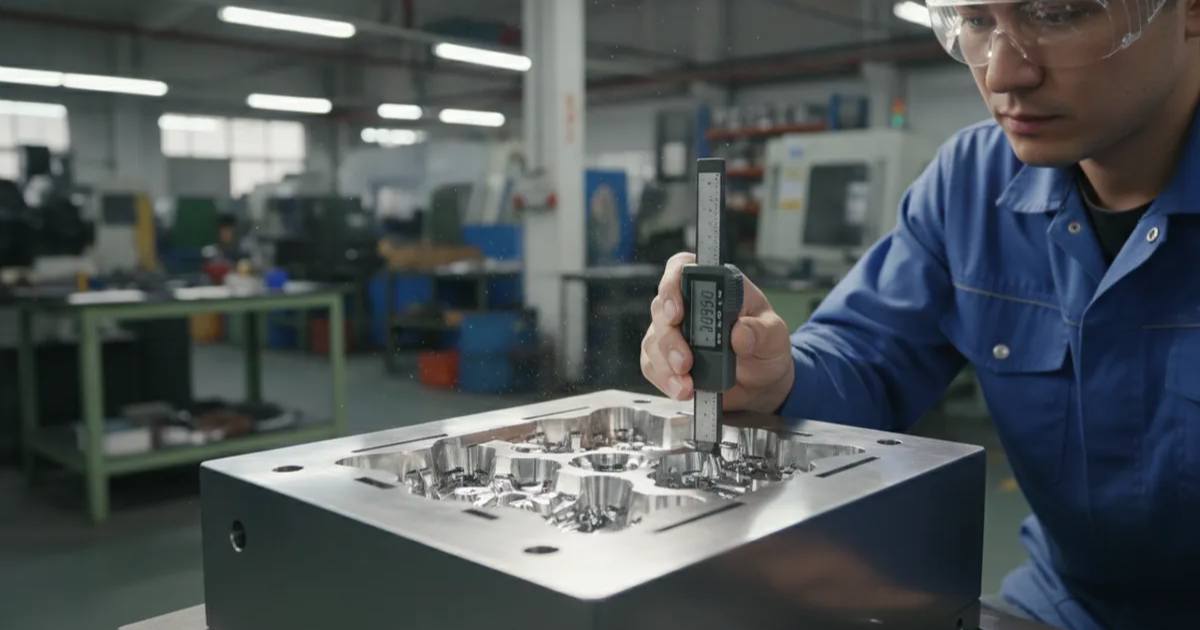
Un altro aspetto: la bassa viscosità dell’EVA alla temperatura di processo comporta un rischio concreto di bave, soprattutto sulle linee di divisione. Se lo stampo presenta inserti usurati o superfici di chiusura appena sufficienti, compariranno bave a pressioni che sarebbero adeguate per PP o ABS. Prevedere tolleranze dello stampo più strette quando si realizza un’attrezzatura per EVA.
Come progettare gli stampi per pezzi in EVA?
Questa sezione tratta la progettazione degli stampi per pezzi in eva e il relativo impatto su costi, qualità, tempi e rischi di approvvigionamento. Progettare stampi per EVA non equivale a progettarli per termoplastici rigidi. L’espansione della schiuma modifica le regole in tre aree fondamentali:
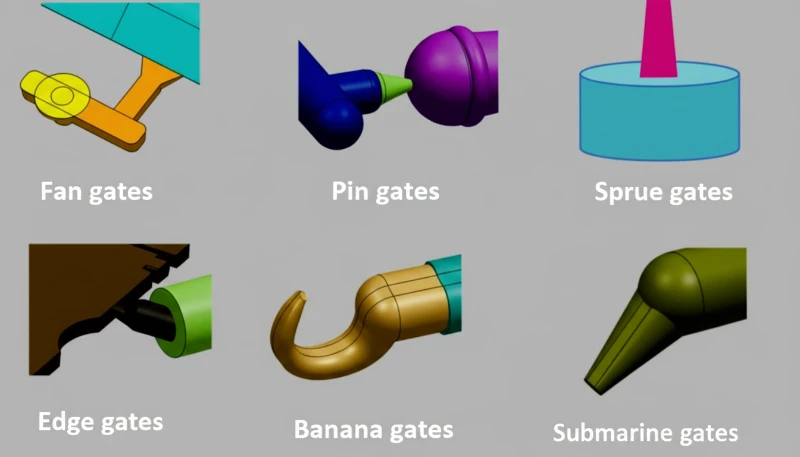
Progettazione del punto di iniezione: usare punti più grandi rispetto a parti rigide equivalenti. Punti a linguetta o a ventaglio spessi 1.5–3.0 mm funzionano bene. Evitare punti capillari: bassa viscosità ed espansione della schiuma causano un getto attraverso il piccolo punto e segni a vortice sulla superficie visibile.
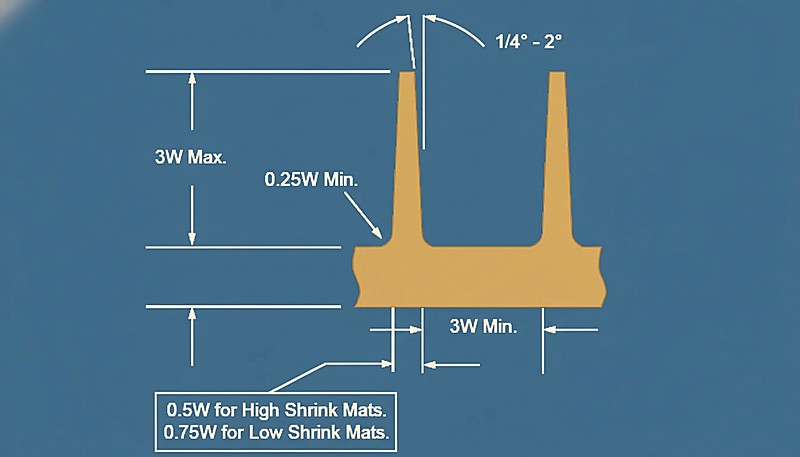
Spessore della parete: obiettivo 1.5–4.0 mm. Sotto 1.5 mm, l’espansione della schiuma non si sviluppa correttamente e si ottengono sezioni dense e rigide. Sopra 4.0 mm, ritiro e segni di risucchio diventano difficili da controllare. Se il pezzo presenta sezioni funzionali spesse, come il tallone di una suola, lo svuotamento sul retro riduce lo spessore effettivo senza perdere il profilo esterno.
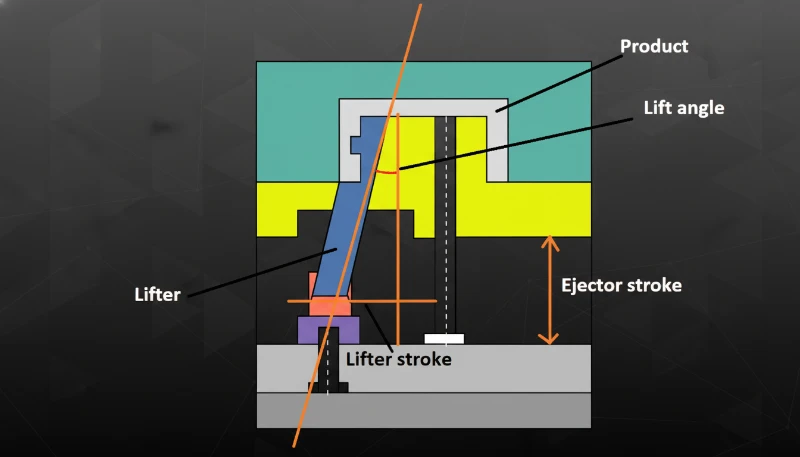
Sformo ed espulsione: la flessibilità dell’EVA è effettivamente utile in questa fase — il pezzo si comprime durante l’espulsione e poi recupera la forma. Tuttavia, i pezzi in schiuma tendono ad aderire alle nervature profonde. Prevedere un angolo di sformo minimo di 1.5° per lato (meglio 2°) e perni espulsori di diametro generoso. Su un pezzo in schiuma morbida, i perni piccoli si limitano a perforarlo anziché spingerlo fuori.
Raffreddamento: i componenti in EVA vengono sformati caldi — la schiuma continua a espandersi per diversi secondi dopo l’apertura dello stampo. Progettare i circuiti di raffreddamento in modo da raffreddare rapidamente la superficie e prevedere tempi di ciclo di 30–60 secondi, a seconda dello spessore della parete. L’acqua a 15–25 °C è efficace; gli stampi riscaldati non offrono alcun vantaggio per l’EVA.
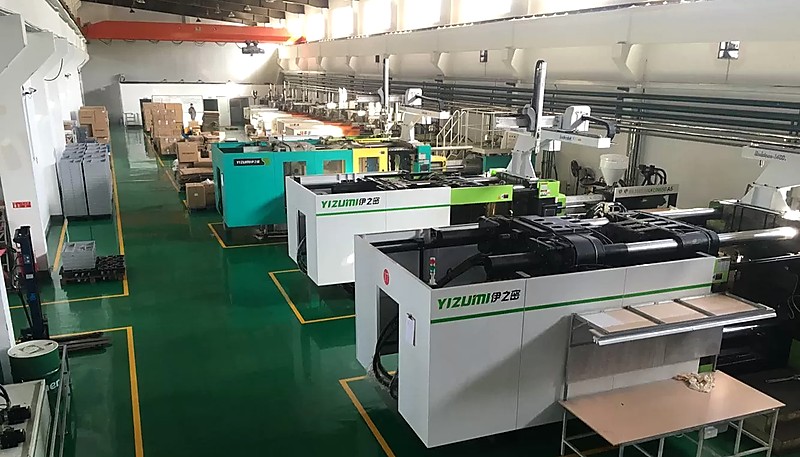
Nel nostro stabilimento di Shanghai, il nostro team gestisce 47 macchine per stampaggio a iniezione da 90T a 1850T. Per le parti in EVA, i nostri ingegneri verificano il comportamento del melt a bassa viscosità, la ventilazione, l'area di estrazione e il rischio di ritiro prima della realizzazione dello stampo, utilizzando oltre 20 anni di esperienza nello stampaggio e un team di produzione di oltre 120 persone per mantenere visibili i problemi durante le prove prima della produzione in volume.
"I componenti in schiuma EVA continuano a espandersi per diversi secondi dopo l'apertura dello stampo."True
Vero. A differenza dei termoplastici rigidi che si ritirano durante la sformatura, i componenti in schiuma EVA continuano a espandersi mentre l'agente espandente residuo completa la reazione e le celle di gas intrappolate raggiungono l'equilibrio. Ciò significa che spesso sono necessarie dime di raffreddamento per mantenere la precisione dimensionale nei primi 2–5 minuti dopo l'espulsione.
"Gli stampi in alluminio non sono mai adatti alla produzione mediante stampaggio a iniezione di EVA."False
Falso. Gli stampi in alluminio sono adatti alla prototipazione e alla produzione di EVA a basso o medio volume, inferiore a 100.000 cicli. L'EVA non è abrasivo e viene lavorato a temperature relativamente basse, quindi la vita di uno stampo in alluminio può raggiungere 50.000–100.000 cicli. Per la produzione ad alto volume, l'acciaio P20 è la scelta standard.
Quali settori utilizzano maggiormente lo stampaggio a iniezione dell’EVA?
Questa sezione descrive i settori che utilizzano maggiormente lo stampaggio a iniezione dell’EVA e il relativo impatto su costi, qualità, tempi o rischio di approvvigionamento. La combinazione di leggerezza, ammortizzazione e resistenza all’umidità rende l’EVA dominante in quattro settori:
Calzature (il settore con i volumi maggiori). Intersuole, solette e suole: la schiuma EVA è il materiale standard per le calzature sportive e casual in tutto il mondo. Può essere prodotta nel colore desiderato, testurizzata e stampata a doppia densità in un’unica iniezione. Se ti occupi dell’approvvigionamento di stampi per calzature, per le intersuole lo stampaggio a compressione dell’EVA (CMEVA3) è in realtà più comune di quello a iniezione; quest’ultimo prevale però per le suole e i componenti più piccoli.
Attrezzature sportive e protettive. Imbottiture per caschi, parastinchi, ginocchiere, paradenti. L’EVA assorbe l’energia d’urto senza arrivare a fondo corsa e mantiene le proprie caratteristiche in un ampio intervallo di temperature (da -40 °C a +80 °C per la maggior parte dei gradi).
Imballaggi. Inserti protettivi per elettronica, dispositivi medici e merci fragili. Gli inserti in schiuma EVA possono essere stampati secondo l’esatta forma del prodotto, offrendo una protezione migliore rispetto alla schiuma PE tagliata a un costo analogo per volumi medi (5.000–100.000 unità).
Giocattoli e beni di consumo: giochi da bagno, gonfiabili, giochi comprimibili, impugnature e maniglie. L’EVA atossico (disponibile per contatto alimentare) e morbido è adatto ai bambini, previa verifica normativa (ASTM F963, EN 71).
Come si confrontano i costi di lavorazione dell’EVA con quelli degli altri materiali?
Il costo dell’EVA non dipende soltanto dal prezzo della resina, ma anche dal tempo totale di produzione mediante stampaggio a iniezione, dal tasso di scarto, dalla stabilità dell’estrazione e dallo spazio necessario per il raffreddamento dopo lo stampaggio. Anche un materiale economico può risultare costoso se la densità della schiuma varia, se i pezzi devono raffreddarsi a lungo in piano o se gli operatori perdono tempo a selezionare i pezzi morbidi che si deformano dopo l’espulsione.
| Fattore di costo | EVA rispetto a PP/PE | EVA rispetto a TPU |
|---|---|---|
| Materia prima | +30–70% | -20–40% |
| Tempo di ciclo | 30–60s (più lungo, raffreddamento dell'espanso) | Simile |
| Costo dello stampo | +10–20% (tolleranze più strette) | Simile |
| Tasso di scarto | 5–8% (superiore alle plastiche rigide) | Simile |
| Post-lavorazione | Diagramma della corsa dell'elevatore e dell'espulsore dello stampo per iniezione | Minore |
In sintesi: l’EVA è conveniente quando serve la combinazione specifica di ammortizzazione leggera + stampabilità + scelta dei colori. Se i requisiti possono essere soddisfatti con PP o PE, questi materiali sono più economici. Se occorre flessibilità ma anche resistenza chimica, il TPU rappresenta l’opzione superiore.
Quali sono le migliori pratiche per la produzione mediante stampaggio a iniezione dell’EVA?
Le migliori pratiche per la produzione mediante stampaggio a iniezione di EVA sono le principali categorie o opzioni illustrate in questa sezione. Dopo aver prodotto pezzi in EVA per centinaia di ordini, ecco cosa fa realmente la differenza in reparto:
Gestione materiale: essiccare l’EVA a 60–70 °C per 2–4 ore. Non assorbe umidità come il nylon, ma l’umidità superficiale causa striature e un’espansione irregolare della schiuma. Conservare sigillato: gli agenti espandenti degradano con l’umidità.
Spurga accuratamente tra un materiale e l’altro. L’EVA si degrada rapidamente se resta fermo alla temperatura del cilindro. Passando dall’EVA a un altro materiale o viceversa, esegui 3–5 colpi di composto di spurgo. Abbiamo visto contaminazioni incrociate rovinare intere produzioni: l’acido acetico dell’EVA decomposto corrode nel tempo cilindro e vite.
Monitorate il peso del pezzo, non soltanto le dimensioni. Per i componenti espansi, il peso è il miglior indicatore del processo. Impostate un grafico di controllo del peso (X-bar R) e prelevate un campione ogni 50–100 cicli. Una deriva del peso di ±3% indica che qualcosa è cambiato — generalmente la temperatura del cilindro o l’attività dell’agente espandente — prima che compaiano problemi dimensionali.
Progettare per la sformatura. Le parti in schiuma EVA sono calde e morbide all’uscita dallo stampo e si deformano se impilate subito. Prevedere 2–5 minuti di raffreddamento ad aria su una superficie piana o usare attrezzature di raffreddamento per quote critiche.
Il nostro team ha esperienza con oltre 400 materiali plastici, inclusi diversi gradi di EVA utilizzati per ammortizzazione, packaging, beni di consumo e applicazioni medical-adjacent. ZetarMold opera sotto sistemi ISO 9001, ISO 13485, ISO 14001 e ISO 45001, quindi la selezione del materiale EVA, l'ispezione del primo articolo, i controlli del packaging e l'ispezione outgoing possono essere documentati prima che inizi la produzione in volume.
Quali Domande Fanno gli Acquirenti sulla Stampa a Iniezione dell’EVA?
Domande frequenti
Quale temperatura si utilizza per lo stampaggio a iniezione dell’EVA?
L’EVA viene generalmente processato a temperature del cilindro da 160 a 220 °C con temperatura dello stampo intorno a 20-40 °C. L’impostazione precisa dipende dal contenuto di VA, dalla densità della schiuma, dallo spessore della parte e dall’uso di un agente espandente chimico. La regola critica è evitare il surriscaldamento. Sopra circa 250 °C, l’EVA può decomporsi e rilasciare sottoprodotti acidi che causano odore, macchie marroni e corrosione delle apparecchiature. Iniziare basso, confermare la stabilità del flusso del melt, poi regolare la temperatura a piccoli passi durante la prova e registrare ogni cambiamento.
L’EVA può essere stampato a iniezione su macchine standard?
Sì, l’EVA può essere processato su macchine per stampaggio a iniezione standard, ma l’impostazione richiede attenzione perché il melt è morbido e a bassa viscosità. Un ugello closed-loop aiuta a prevenire il drool, e una vite general-purpose è generalmente sufficiente per i normali gradi. Lo stampo dovrebbe avere ampie prese d’aria, percorsi di flusso lisci e sufficiente area di estrazione perché la schiuma di EVA può aggrapparsi alla cavità dopo l’espansione. Per la produzione, la sfida maggiore non è la compatibilità della macchina; è controllare il ritiro, la densità e la ripetibilità dimensionale in ogni batch.
Qual è il tasso di ritiro dei pezzi in EVA stampati a iniezione?
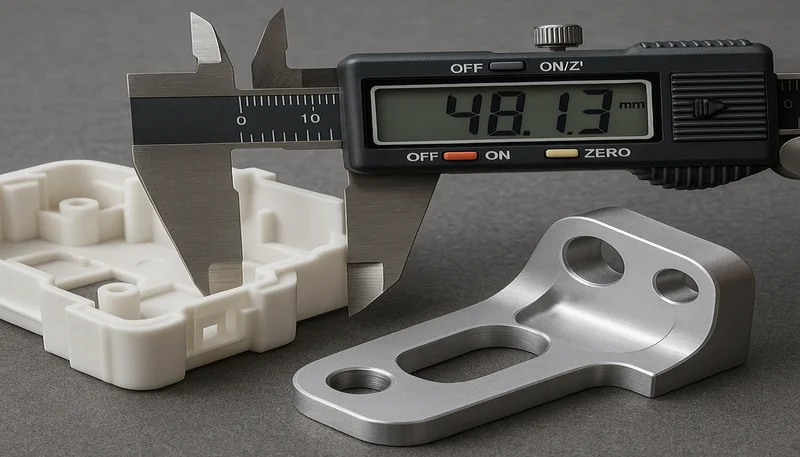
Il ritiro dell’EVA varia generalmente da 1,0% a 2,0%, ma può deviare da questo range quando cambia la densità della schiuma, il contenuto di VA, lo spessore delle pareti o la temperatura dello stampo. Un contenuto di VA più elevato e una schiumatura più intensa generalmente aumentano il ritiro. Questo è il motivo per cui gli stampi per EVA non dovrebbero essere tagliati solo dalle dimensioni CAD nominali. Integrare il ritiro previsto nel design dello stampo, poi verificare con i campioni del primo articolo. Per gli incastri critici, misurare le parti dopo il completo raffreddamento perché l’EVA può continuare a rilassarsi dopo l’estrazione e lo stoccaggio.
La schiuma EVA stampata a iniezione è riciclabile?
L’EVA è un termoplastico, quindi lo scarto può tecnicamente essere riciclato e riprocessato. La limitazione è che l’EVA espanso non ritorna alla stessa struttura dopo il primo ciclo di stampaggio perché l’agente espandente ha già reagito. Il riciclato spesso produce parti più dense e meno uniformi, quindi è meglio per applicazioni non cosmetiche o non espansa. Se è richiesto contenuto riciclato, testare la percentuale esatta di riciclato prima della produzione e monitorare i cambiamenti in densità, qualità superficiale, odore, ritiro e rebound durante le prove di validazione.
Qual è la differenza tra lo stampaggio a iniezione dell’EVA e lo stampaggio a compressione?
La stampa a iniezione forza l’EVA fuso in una cavità dello stampo chiusa, rendendola migliore per geometrie complesse, stampi multi-cavità e produzioni di volume elevato. Lo stampaggio a compressione (CMEVA) posiziona un composto di EVA pre-pesato in un stampo aperto e lo chiude sotto calore e pressione — è il processo standard per le solette delle scarpe dove la compressione conferisce una densità della schiuma più uniforme su tutta la parte. L’iniezione è più veloce per ciclo (30–60 secondi vs. 4–8 minuti per la compressione) ma richiede stampi più complessi. Per la maggior parte dei componenti per calzature, i due metodi coesistono dipendendo dalla geometria della parte e dalle richieste di volume di produzione.
Quale spessore di parete è consigliato per i componenti stampati in EVA?
Per la schiuma di EVA stampata a iniezione, un range pratico di spessore delle pareti è circa 1,5-4,0 mm. Sezioni sottili sotto 1,5 mm potrebbero non permettere una espansione della schiuma stabile, mentre sezioni spesse sopra 4,0 mm possono mostrare segni di affondamento, densità irregolare e lunghi tempi di raffreddamento. Mantenere lo spessore delle pareti quanto più uniforme possibile e evitare transizioni brusche. Se è richiesto un ammortizzamento spesso, utilizzare nervature, caratteristiche cave o densità della schiuma controllata invece di creare un blocco solido. I campioni del primo stampaggio dovrebbero confermare sia le dimensioni sia la sensazione di rebound.
etilene-vinil acetato: l’etilene-vinil acetato è un copolimero di etilene e vinil acetato, nel quale la percentuale di VA determina flessibilità, densità della schiuma e resistenza agli urti. ↩
azodicarbonammide: l’azodicarbonammide è un agente espandente chimico che si decompone a 200–220 °C, liberando azoto e creando una struttura espansa nell’EVA e in altri polimeri. ↩
CMEVA: lo stampaggio a compressione dell’EVA (CMEVA) è un processo produttivo nel quale una quantità predosata di mescola EVA viene inserita in uno stampo riscaldato e compressa; è comunemente utilizzato per le intersuole delle calzature. ↩