Перейти к содержанию
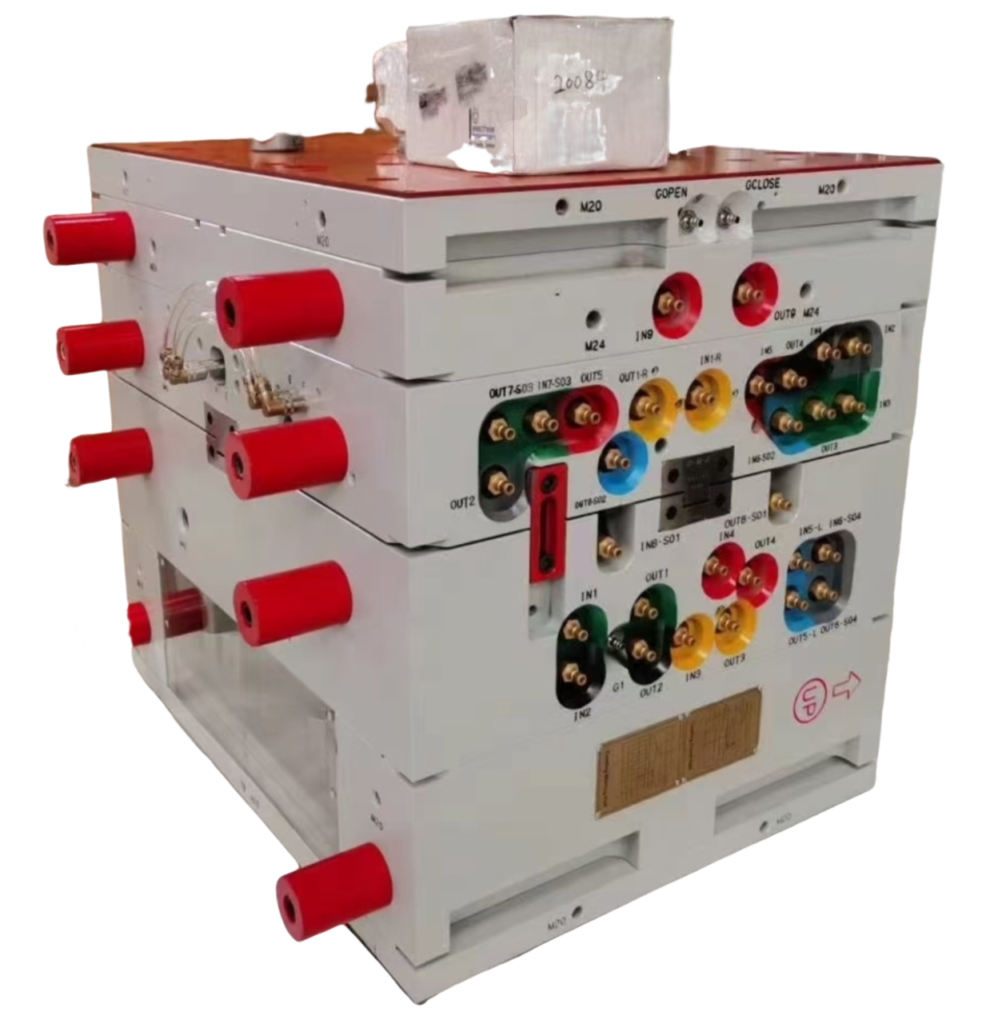
- DOE — это структурированный метод для одновременного тестирования нескольких параметров литья под давлением.
- Полный факторный план DOE проверяет каждую комбинацию факторов; метод Тагути использует меньше запусков для более быстрых результатов.
- Ключевые факторы DOE включают температуру расплава, давление впрыска, давление подпрессовки и время охлаждения.
- DOE сокращает количество пробных итераций с десятков запусков до 8–16 контролируемых экспериментов.
- Правильная документация DOE поддерживает требования валидации процессов PPAP и IQ/OQ/PQ.
Что такое DOE (Планирование эксперимента) в литье под давлением?
DOE (планирование эксперимента) в литье под давлением определяется функцией, ограничениями и компромиссами, описанными в этом разделе. Для читателей, сравнивающих варианты литья под давлением, эта статья связывает литьевая форма1, пластик2 поведение материала, оценка поставщиков и решения по контролю качества, которые определяют, может ли проект перейти от проектирования к повторяемому производству.
For broader context, compare this topic with supplier sourcing guide.
Планирование эксперимента (литьё под давлением3) — это статистический метод, который позволяет тестировать несколько параметров литья под давлением одновременно, вместо изменения одной переменной за испытание. Если вы когда-либо тратили три дня, настраивая температуру формы, затем давление подпрессовки, затем время охлаждения — только чтобы вернуться к исходной точке — DOE это инструмент, который останавливает этот цикл.
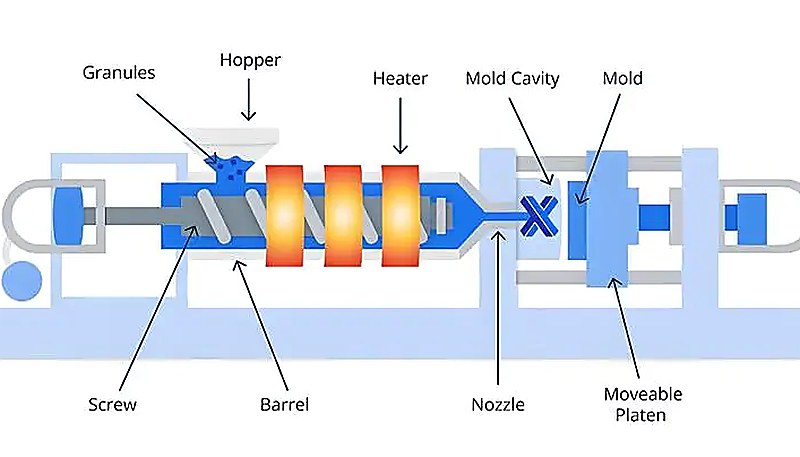
В литье под давлением DOE отвечает на конкретный вопрос: какая комбинация настроек машины обеспечивает наилучшее качество детали при минимальном времени цикла? Вместо догадок вы создаете структурированную матрицу экспериментальных запусков, измеряете результаты и позволяете данным показать, что важно, а что нет.
Результат реален. Правильно проведенный DOE может сократить время квалификации с недель до дней, уменьшить брак при валидации и предоставить обоснованное окно процесса для передачи отделу качества. Для автомобильных и медицинских деталей результаты DOE часто являются обязательной частью документации процесса литья под давлением.
Почему DOE важен для оптимизации процесса литья под давлением?
This section is about es doe matter for injection molding process optimization and its impact on cost, quality, timing, or sourcing risk. Injection molding has at least six interacting parameters that affect part quality: melt temperature, mold temperature, injection speed, packing pressure, packing time, and cooling time. Change one, and the others shift in ways that aren’t always obvious. If you optimize them one at a time (литьё под давлением), вы упускаете взаимодействия — а именно во взаимодействиях скрываются реальные проблемы.
Рассмотрим типичный сценарий: вы увеличиваете давление подпрессовки, чтобы устранить утяжину, но деталь теперь прилипает к форме, потому что вы не скорректировали время охлаждения. DOE протестировал бы оба фактора вместе и показал вам компромисс за один набор запусков. Данные дают вам карту процесса, а не просто единичную уставку.
DOE также дает вам то, чего никогда не даст OFAT: количественный рейтинг значимости параметров. Вы получаете графики основных эффектов и взаимодействий, которые показывают, например, что температура расплава отвечает за 45% вариации размеров, а время охлаждения — за 12%. Это практическая информация для вашей инженерной команды и заказчика.
Какие основные методы DOE используются в литье под давлением?
Три подхода DOE покрывают 95% применений в литье под давлением. Каждый по-разному жертвует детализацией ради скорости, и правильный выбор зависит от того, сколько факторов вы изучаете и сколько времени у вас есть.
| Метод DOE | Лучшее для | Количество запусков (4 фактора) | Сложность |
|---|---|---|---|
| Полный факторный план | Полная оптимизация, <5 факторов | 16–32 запуска | Высокий |
| Тагути (L8, L16) | Быстрый скрининг многих факторов | 8–16 запусков | Средний |
| Дробный факторный | Баланс детализации и скорости | 8–16 запусков | Средний и высокий |
Полный факторный эксперимент DOE
Полный факторный план проверяет каждую комбинацию каждого фактора на каждом уровне. Для 4 факторов на 2 уровнях это 2⁴ = 16 запусков. Для 3 уровней это 3⁴ = 81 запуск. Полный факторный план — это золотой стандарт, потому что он учитывает все взаимодействия, но становится непрактичным при более чем 5 факторах. Используйте его на финальной стадии оптимизации, когда вы уже сузили круг до 3–4 ключевых параметров.
DOE по методу Тагути
Планы Тагути используют ортогональные массивы для тестирования части полных комбинаций, сохраняя при этом основные эффекты. Массив L8 обрабатывает до 7 факторов на 2 уровнях всего за 8 запусков. Массив L16 обрабатывает до 15 факторов на 2 уровнях за 16 запусков. Компромисс: вы теряете часть информации о взаимодействиях. Метод Тагути идеально подходит для этапа скрининга, когда у вас много кандидатных факторов и нужно быстро найти важные.
Дробный факторный план DOE
Дробный факторный план — это золотая середина. Вы тестируете тщательно выбранное подмножество полной факторной матрицы, сохраняя наиболее важные взаимодействия и пропуская взаимодействия высших порядков, которые редко имеют значение на практике. Половина дробности от плана 2⁴ даёт вам 8 запусков вместо 16, но вы всё ещё можете оценить двухфакторные взаимодействия. Это рабочий метод для большинства DOE в литье под давлением.
Как настроить DOE для литья под давлением?
Проведение DOE без должной подготовки хуже, чем его отсутствие — вы получите данные, которые выглядят научно, но приведут к неверным выводам. Вот пошаговый процесс, который работает на практике.
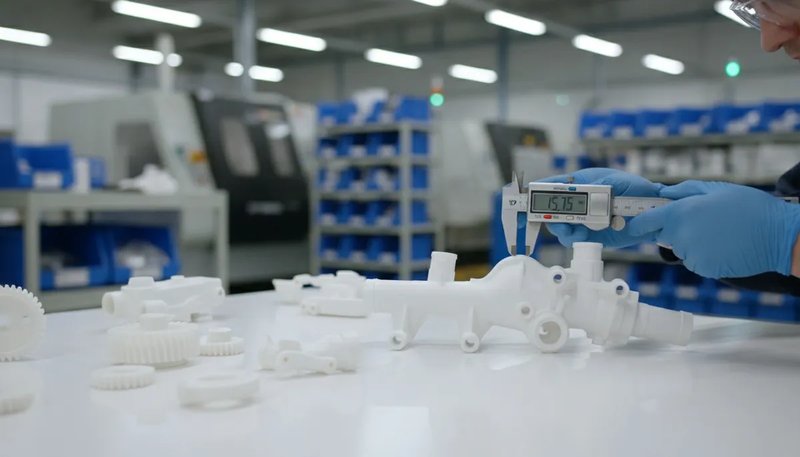
Шаг 1: Определение переменной отклика
Что вы измеряете? Уточните. «Лучшее качество» — это не переменная ответа. «Усадка по оси X, измеренная с точностью ±0,05 мм» — это переменная ответа. Общие переменные ответа в литье под давлением включают вес изделия, отклонение размеров, коробление, глубину следов усадки и время цикла. Выберите один основной ответ и максимум два второстепенных.
Шаг 2: Выбор факторов и уровней
Основываясь на ваших инженерных знаниях, выберите 3–6 факторов, которые, скорее всего, влияют на ваш отклик. Для каждого фактора установите два уровня (низкий и высокий), представляющие реалистичный диапазон. Не делайте диапазон слишком широким — вы столкнётесь с дефектами обработки. Не делайте его слишком узким — вы не увидите эффекта. Хорошее эмпирическое правило: используйте ±10–15% от вашей текущей производственной уставки в качестве диапазона.
Шаг 3: Выбор плана DOE и проведение экспериментов
Сопоставьте количество факторов и уровней с подходящим ортогональным массивом или факторным планом. По возможности рандомизируйте порядок запусков — это предотвратит смещение результатов из-за дрейфа машины. Тщательно фиксируйте каждый запуск: фактические настройки машины, условия окружающей среды, температуру формы и все наблюдения.
Шаг 4: Анализ результатов
Постройте графики основных эффектов (как каждый фактор влияет на результат) и эффектов взаимодействия (как комбинации факторов влияют на результат). Используйте литьё под давлением (Анализ дисперсии) для определения статистически значимых факторов — обычно при p < 0.05. Результат показывает, какие факторы нужно оптимизировать, а какие можно безопасно игнорировать.
Какие ключевые параметры литья под давлением следует тестировать в DOE?
Ключевые параметры литья под давлением для тестирования в DOE — это основные категории или варианты, объясненные в этом разделе. Не каждый параметр подходит для DOE. Факторы, которые вы выбираете, должны быть теми, которые вы действительно можете контролировать на машине и которые имеют физическую связь с вашей переменной ответа. Вот шесть наиболее распространенных факторов, оцененных по частоте их значимости в опубликованных исследованиях и наших собственных производственных данных.
| Параметр | Typical Range | Affects | Обычно значимо? |
|---|---|---|---|
| Температура расплава | ±15°C от номинала | Вязкость, заполнение формы, деформация | Да (ранг 1–2) |
| Давление впрыска | ±15% от номинала | Полнота заполнения, облой, размеры | Да (ранг 1–3) |
| Давление уплотнения | ±20% от номинала | Усадка, следы утяжины, вес | Да (ранг 1–2) |
| Время охлаждения | ±30% от номинала | Коробление, время цикла, размеры | Часто |
| Температура пресс-формы | ±10°C от номинального значения | Шероховатость поверхности, кристалличность, деформация | Часто |
| Скорость впрыска | ±20% от номинала | Струйность, линии сварки, картина заполнения | Sometimes |
По нашему опыту в ZetarMold, температура расплава и давление подпрессовки являются основными причинами размерных вариаций в большинстве деталей. Время охлаждения — третий по распространенности значимый фактор, особенно для деталей с неравномерной толщиной стенок. Скорость впрыска наиболее важна для тонкостенных деталей или материалов с узким технологическим окном, таких как ПК или стеклонаполненный нейлон.
ZetarMold’s 8 senior engineers each have 10+ years of injection molding experience. When running DOE for customer validation, we typically use our 90T–1850T machine range to match production conditions exactly. Our 400+ material database includes known parameter starting points that speed up DOE setup by 40–60%.
Как метод DOE поддерживает валидацию процесса (IQ/OQ/PQ)?
Doe is a strong support for process validation (iq/oq/pq) because it combines tooling freedom, repeatable process control, and material selection. If you supply parts to automotive or medical customers, process validation isn’t optional. The injection molding framework requires you to prove your process is stable and capable—and DOE is the tool that makes OQ (Operational Qualification) actually work.
Во время IQ (валидации установки) вы проверяете, что машина установлена правильно и соответствует спецификациям. Во время OQ вам нужно показать, что процесс производит приемлемые детали в пределах своего рабочего диапазона. Здесь проявляется преимущество DOE: вы проводите матрицу экспериментов, устанавливаете оптимальные параметры и фиксируете пределы процесса. Результаты DOE становятся доказательством того, что вы понимаете процесс, а не просто нашли параметры, которые работали один раз.
During PQ (Performance Qualification), you run production batches at the DOE-optimized settings to confirm long-term stability. If you’ve done your DOE correctly, PQ should pass on the first attempt—because you already know the process window and the sensitivity of each parameter. Without DOE, PQ often becomes an expensive series of trial runs with unpredictable outcomes.
“A Taguchi L8 array can screen up to 7 factors in just 8 experimental runs.”Правда
Ортогональный массив Тагути L8 проверяет 7 двухуровневых факторов за 8 запусков, что делает его одним из самых эффективных скрининговых планов для определения значимых факторов перед проведением полного исследования оптимизации.
“DOE eliminates all process variation in injection molding.”Ложь
DOE определяет, какие факторы вызывают вариации, и количественно оценивает их влияние, но не может устранить присущую материалу или машине изменчивость. Он помогает контролировать вариацию в допустимых пределах, а не устранять её полностью.
Какие программные инструменты используются для DOE в литье под давлением?
Этот раздел посвящен программным инструментам, используемым для DOE в литье под давлением, и их влиянию на стоимость, качество, сроки или риски поставок. Вы можете анализировать простой DOE Тагучи в Excel, но специализированные программы экономит время и снижает ошибки. Minitab — стандарт в производстве — он обрабатывает дизайн DOE, ANOVA и создает графики публикационного качества. JMP (от SAS) популярен в автомобильной и авиационной промышленности благодаря интерактивной визуализации. Для бюджетных команд R и Python (statsmodels, pyDOE2) предлагают бесплатные возможности DOE с более сложным обучением.
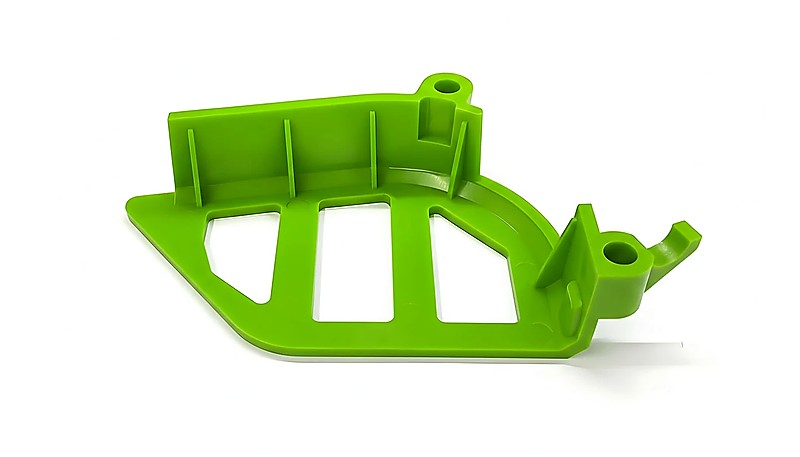
Moldflow and Moldex3D simulation software can also generate DOE-like data virtually. You set up a parameter matrix in the simulator and get predicted outcomes without burning real material or machine time. Virtual DOE is excellent for narrowing down factor ranges before running a physical DOE—but it should never replace physical validation entirely, because simulations don’t capture real-world variation in material batches, mold wear, or ambient conditions.
Какие типичные ошибки DOE встречаются в литье под давлением?
Распространенные ошибки DOE в литье под давлением — это основные категории или варианты, объясненные в этом разделе. После проведения десятков DOE на сотнях проектирование пресс-форм для литья под давлением проектах, те же ошибки появляются повторно. Вот пять основных, оцененных по степени причиняемого ущерба.
Ошибка 1: Слишком много факторов
Engineers love to include every parameter they can think of. A 10-factor DOE requires 1,024 runs at 2 levels in a full factorial. Even with fractional designs, more than 6–7 factors make the analysis noisy and the results hard to interpret. Use a screening DOE (Taguchi L8 or Plackett-Burman) first, then focus your optimization DOE on the 3–4 factors that actually matter.
Mistake 2: Ignoring Machine Warm-Up and Drift
Injection molding machines are not instantly stable. If you start your DOE runs before the barrel and mold reach thermal equilibrium, your first few runs will be outliers that skew the entire analysis. Always run 10–15 warm-up shots and verify that barrel temperature, mold temperature, and part weight are stable before starting the experimental matrix.
Mistake 3: Not Randomizing Run Order
Running the DOE matrix in standard order means factor levels change systematically, which confounds factor effects with any time-dependent drift. If the machine slowly warms up over the experiment, standard order will attribute that drift to whichever factor happens to be increasing. Randomization is the simplest defense against this.
“DOE results are mold-specific and should not be directly transferred between different molds.”Правда
Mold geometry, gate location, cooling channel layout, and runner system all affect how parameters interact. Each mold requires its own DOE to establish accurate process parameters, though the methodology and factor selection can be reused.
“You can skip randomization if your machine has good temperature control.”Ложь
Even with precise temperature control, material batch variation, hydraulic drift, and ambient humidity changes can introduce systematic bias. Randomization costs nothing but protects against all time-dependent confounding factors.
Как читать результаты DOE для литья под давлением?
A DOE report is useless if you can’t interpret it. Here’s what the key outputs mean and how to act on them.
Main Effects Plot
This shows the average response at each level of each factor. A steep line means that factor has a strong effect. A flat line means it doesn’t matter. Look for the factors with the steepest slopes—those are your process levers. The sign of the slope tells you the direction: positive slope means increasing the factor increases the response.
Interaction Plot
Two lines that are parallel = no interaction. Two lines that cross or diverge = interaction. Interactions mean the effect of one factor depends on the level of another. In injection molding, melt temperature × packing pressure and cooling time × mold temperature are the most common significant interactions. If you ignore interactions, you’ll optimize the wrong parameter.
ANOVA Table
The ANOVA table gives you the statistical evidence. The p-value for each factor tells you whether its effect is statistically significant (p < 0.05 is the standard threshold). The R² value tells you how much of the total variation your model explains. An R² above 0.85 means your DOE captured most of the important factors. Below 0.60 means you’re missing something.
Когда следует проводить DOE, а когда допустим метод проб и ошибок?
This section is about run a doe vs. when is trial-and-error acceptable and its impact on cost, quality, timing, or sourcing risk. Not every molding problem needs a DOE. If you’re running a single-cavity mold with a well-known material and the part is a simple geometry, experienced process engineers can dial in the machine in 30 minutes without a formal DOE. Trial-and-error (or more precisely, engineering judgment) is fine when the stakes are low and the process window is wide.
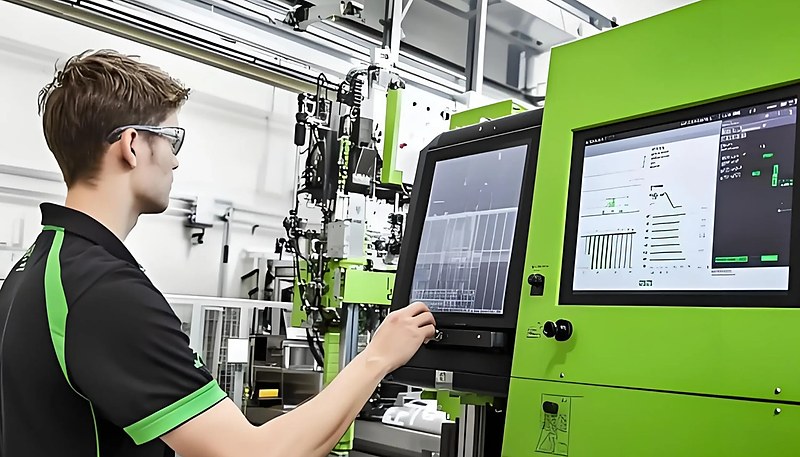
DOE becomes necessary when any of these conditions apply: tight tolerances (±0.05mm or less), multi-cavity molds where cavity-to-cavity balance matters, medical or automotive parts requiring formal process validation, new materials or unfamiliar mold designs, or persistent defects that resisted earlier troubleshooting. In these cases, the cost of a DOE (typically 1–2 days of machine time and engineering effort) is far less than the cost of failed validation, production scrap, or customer charge-backs.
At ZetarMold, we run DOE as part of our standard process qualification for all automotive and medical molds. With 47 injection molding machines in our Shanghai facility, we can dedicate a machine to DOE runs without disrupting production schedules. Our typical DOE cycle—from setup to results analysis—takes 1–2 working days.
“A well-designed 8-run Taguchi array with the right factors can outperform a poorly planned 32-run full factorial.”Правда
Quality of experimental design matters more than quantity of runs. A focused Taguchi array testing the right parameters delivers clearer, more actionable results than a large but unfocused full factorial that includes irrelevant factors.
“DOE is only necessary for medical and automotive injection molding.”Ложь
While medical and automotive industries formally require DOE as part of process validation, any molder producing tight-tolerance parts, multi-cavity molds, or parts with persistent quality issues benefits from DOE. Consumer electronics, connectors, and precision optics are examples where DOE adds value without regulatory pressure.
How Does DOE Work in Practice? A Glass-Filled Nylon Bracket Case Study
This section is about es doe work in practice? a glass-filled nylon bracket case study and its impact on cost, quality, timing, or sourcing risk. Here’s a real example from our production floor. A customer needed a PA66-GF30 bracket with a critical hole diameter tolerance of ±0.03mm. Initial sampling showed diameter variation of ±0.08mm—nearly three times the tolerance. The part was failing dimensional inspection on 40% of samples.
We set up a Taguchi L8 DOE with four factors at two levels: melt temperature (270°C/290°C), packing pressure (60/80 MPa), packing time (3s/5s), and cooling time (15s/20s). The response variable was hole diameter measured on a CMM. Eight runs, each producing 15 measured parts, completed in one afternoon.
Results: melt temperature accounted for 52% of variation, packing pressure for 28%, and cooling time for 12%. Packing time was not statistically significant (p = 0.34). The optimal settings—290°C melt, 75 MPa packing, 18s cooling—reduced diameter variation to ±0.025mm. First-pass yield went from 60% to 97%. Total DOE cost: one day of machine time and two hours of engineering analysis.
Часто задаваемые вопросы
What is the minimum number of DOE runs needed for injection molding?
For a screening DOE with 4–7 factors, a Taguchi L8 array requires just 8 runs total, making it one of the most efficient experimental designs available. For full optimization with 3–4 factors at two levels, a 2-level full factorial needs 8–16 runs. The key is choosing the right design for your objective: screening studies use fewer runs to identify which factors matter most, while optimization studies use more runs but deliver detailed interaction data and a precise process window for production.
Can DOE be used for multi-cavity mold balancing?
Yes, multi-cavity mold balancing is one of the most valuable DOE applications in injection molding production environments. You can set cavity-to-cavity dimensional variation as the response variable and test factors like injection speed, packing pressure, and mold temperature to systematically minimize imbalance. This structured experimental approach is critical for achieving consistent quality across all cavities, especially in 8-, 16-, or 32-cavity production molds where even small dimensional imbalances create significant yield losses over large production volumes and long production runs.
How long does a typical injection molding DOE take?
A typical DOE with 8–16 experimental runs takes 4–8 hours of machine time, plus 1–2 hours for initial setup and 2–4 hours for data analysis and report generation after the runs. Most DOEs at our facility are completed within one working day from start to finish. The main bottleneck is usually not the runs themselves but the measurement step—CMM or optical inspection of parts from each run can take longer than the actual molding process, especially for tight-tolerance parts with multiple critical measurement points that each require careful fixturing.
What is the difference between DOE and scientific molding?
Scientific molding is a broader manufacturing philosophy that uses data-driven methods to understand and control the entire injection molding process from fill to pack to cool. DOE is one of the primary statistical tools within scientific molding, but the methodology also includes cavity pressure monitoring, decoupled molding strategies, and systematic process documentation with traceable records. In practice, scientific molding defines the overall approach to process control, while DOE provides the specific experimental framework for generating the quantitative data that scientific molding decisions rely on.
Should I use DOE for every new injection molding project?
Not necessarily. For simple parts with wide tolerances and familiar materials that your team has processed many times before, experienced process engineers can set parameters efficiently without a formal DOE study. Reserve DOE for tight-tolerance parts with critical dimensions, new or unfamiliar materials, multi-cavity molds where cavity balance is critical, or components requiring formal process validation for automotive or medical customers. The return on investment from a properly executed DOE increases significantly with part complexity, quality requirements, and overall production volume over the life of the tool.
What happens if my DOE results have a low R-squared value?
A low R-squared value below 0.60 means your model is not explaining most of the total variation in your response variable, which is a useful diagnostic signal. Common causes include missing an important factor that you didn’t include in the study, setting factor ranges too narrow to produce measurable effects, excessive measurement noise in your inspection process, or an uncontrolled variable like mold temperature fluctuation that varies between experimental runs. The solution is to systematically add the missing factor or widen the ranges and re-run the experiment.
Can simulation replace physical DOE in injection molding?
Simulation software like Moldflow or Moldex3D can run virtual DOEs to narrow down factor ranges and identify likely significant parameters before physical trials, which substantially reduces the number of real runs needed. However, simulation cannot fully replace physical DOE because it doesn’t account for real-world variation in material batches, machine calibration drift, mold wear patterns, or ambient humidity and temperature conditions. The recommended best practice is using virtual DOE as a screening tool followed by targeted physical validation runs to confirm the simulation predictions.
Заключение
DOE transforms injection molding from a trial-and-error craft into a data-driven engineering discipline. Whether you’re running a quick Taguchi screening with 8 runs or a full factorial optimization with 32, the methodology gives you something gut-feel never will: quantified evidence of which parameters matter, how they interact, and what your optimal process window looks like.
For automotive and medical parts, DOE isn’t optional—it’s part of your process validation package. But even for commercial parts, the ROI is compelling: fewer iterations during sampling, higher first-pass yields, and a documented process you can reproduce consistently. If you’re still dialing in molds by changing one parameter at a time, you’re leaving time and money on the table.
Нужна помощь в проведении плана эксперимента (DOE) для вашего следующего проекта литья под давлением? Обратитесь к нашей инженерной команде — наш инженерный отдел имеет более 20 лет опыта в научном формовании и оптимизации процессов для более чем 400 материалов. Мы разработаем план эксперимента, проведём испытания и предоставим полностью документированный пакет квалификации процесса.
-
injection mold: injection mold refers to an injection mold is the precision tool that defines part geometry, cooling behavior, ejection, gating, surface finish, and repeatability. ↩
-
plastic: Литьевые формы: Полное руководство | ZetarMold ↩
-
injection molding: injection molding refers to is the production process that melts plastic, injects it into a mold cavity, cools the part, and repeats the cycle for stable volume manufacturing. ↩




 EN
EN  ES
ES  FR
FR  DE
DE  PT
PT  AR
AR  RU
RU  JA
JA  KO
KO  IT
IT  NL
NL  TR
TR  PL
PL