- DOE é um método estruturado para testar múltiplos parâmetros de moldação por injeção simultaneamente.
- Um DOE fatorial completo testa todas as combinações de fatores; um DOE de Taguchi utiliza menos execuções para resultados mais rápidos.
- Os fatores-chave do DOE incluem temperatura do material fundido, pressão de injeção, pressão de embalamento e tempo de arrefecimento.
- O DOE reduz as iterações de tentativa e erro de dezenas de execuções para 8 a 16 experiências controladas.
- Uma documentação adequada do DOE suporta os requisitos de validação de processo PPAP e IQ/OQ/PQ.
O Que é o DOE (Desenho de Experiências) na Moldagem por Injeção?
O DOE (planejamento de experimentos) na moldagem por injeção é definido pela função, pelas restrições e pelos compromissos explicados nesta seção. Para quem compara opções de moldagem por injeção, este artigo relaciona o molde de injeção1, o comportamento do material plástico2, a avaliação de fornecedores e as decisões de controle da qualidade que determinam se um projeto pode avançar do desenvolvimento para uma produção repetível.
Para obter um contexto mais amplo, compare este tema com o guia de seleção de fornecedores.
O planejamento de experimentos (moldagem por injeção3) é um método estatístico que permite testar vários parâmetros de moldagem por injeção ao mesmo tempo, em vez de alterar uma variável por ensaio. Se você já passou três dias ajustando a temperatura do molde, depois a pressão de recalque e depois o tempo de resfriamento — apenas para terminar onde começou —, o DOE é a ferramenta que interrompe esse ciclo.
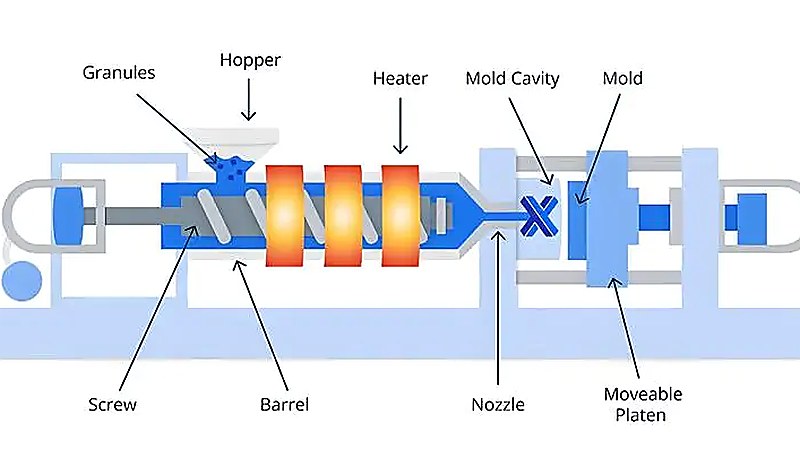
Na moldagem por injeção, o DOE responde a uma pergunta específica: que combinação de configurações da máquina proporciona a melhor qualidade da peça com o menor tempo de ciclo? Em vez de fazer suposições, define-se uma matriz estruturada de ensaios experimentais, medem-se os resultados e deixam-se os dados indicar o que importa e o que não importa.
A recompensa é real. Um DOE bem executado pode reduzir o tempo de qualificação de semanas para dias, diminuir o desperdício durante a validação e fornecer uma janela de processo defensável que pode ser entregue à sua equipa de qualidade. Para peças automóveis e médicas, os resultados DOE são frequentemente uma parte obrigatória da documentação do processo de moldação por injeção.
Por Que é que o DOE é Importante para a Otimização do Processo de Moldagem por Injeção?
Esta seção explica por que o DOE é importante para otimizar o processo de moldagem por injeção e seu impacto no custo, na qualidade, no prazo ou no risco de fornecimento. A moldagem por injeção tem pelo menos seis parâmetros interdependentes que afetam a qualidade da peça: temperatura do fundido, temperatura do molde, velocidade de injeção, pressão de recalque, tempo de recalque e tempo de resfriamento. Ao alterar um deles, os demais mudam de maneiras nem sempre evidentes. Se você os otimizar um de cada vez (moldagem por injeção), perderá as interações — e é nelas que estão os problemas reais.
Considere um cenário comum: aumenta a pressão de compactação para corrigir um rechupe, mas a peça passa a ficar presa ao molde porque não ajustou o tempo de arrefecimento. Um DOE teria testado ambos os fatores em conjunto e mostrado o compromisso numa única série de ensaios. Os dados fornecem-lhe um mapa do processo, não apenas um único valor de regulação.
O DOE também oferece algo que o OFAT nunca dará: uma classificação quantificada dos parâmetros mais importantes. Obtém gráficos de efeitos principais e gráficos de interação que indicam, por exemplo, que a temperatura do fundido representa 45% da variação dimensional, enquanto o tempo de arrefecimento representa 12%. Trata-se de informação prática para a sua equipa de engenharia e para o seu cliente.
Quais São os Principais Métodos DOE Usados na Moldagem por Injeção?
Três abordagens DOE abrangem 95% das aplicações de moldação por injeção. Cada uma equilibra de forma diferente o nível de pormenor e a rapidez, e a escolha certa depende do número de fatores em estudo e do tempo disponível.
| Método DOE | Melhor para | Número de Execuções (4 fatores) | Complexidade |
|---|---|---|---|
| Factorial Completo | Otimização exaustiva, <5 fatores | 16–32 execuções | Elevado |
| Taguchi (L8, L16) | Rastrear muitos fatores rapidamente | 8–16 ensaios | Médio |
| Fatorial Fracionado | Equilibrar detalhe e velocidade | 8–16 ensaios | Médio-Alto |
DOE Fatorial Completo
Um plano fatorial completo testa todas as combinações de todos os fatores em todos os níveis. Para 4 fatores a 2 níveis, são 2⁴ = 16 ensaios. Para 3 níveis, são 3⁴ = 81 ensaios. O plano fatorial completo é a referência porque capta todas as interações, mas torna-se impraticável acima de 5 fatores. Utilize-o quando estiver na fase final de otimização e já tiver reduzido a análise a 3–4 parâmetros fundamentais.
DOE Taguchi
Os desenhos de Taguchi utilizam matrizes ortogonais para testar uma fração das combinações completas, mantendo a captura dos efeitos principais. Uma matriz L8 lida com até 7 fatores em 2 níveis em apenas 8 ensaios. Uma matriz L16 lida com até 15 fatores em 2 níveis em 16 ensaios. A contrapartida: perde-se alguma informação sobre interações. O DOE de Taguchi é ideal para a fase de triagem, quando existem muitos fatores candidatos e é necessário identificar os mais importantes rapidamente.
DOE Factorial Fracionado
O factorial fracionado é o ponto intermédio. Testa-se um subconjunto cuidadosamente escolhido da matriz factorial completa, preservando as interações mais importantes e ignorando as de ordem superior que raramente são relevantes na prática. Uma meia-fração de um desenho 2⁴ proporciona 8 ensaios em vez de 16, mas ainda permite estimar interações de dois fatores. Este é o método de trabalho para a maioria dos DOEs de moldação por injeção.
Como Configurar um DOE para Moldação por Injeção?
Realizar um DOE sem uma configuração adequada é pior do que não o realizar — obterá números que parecem científicos, mas que o conduzem a conclusões erradas. Este é o processo passo a passo que funciona na prática.
Passo 1: Definir a Variável de Resposta
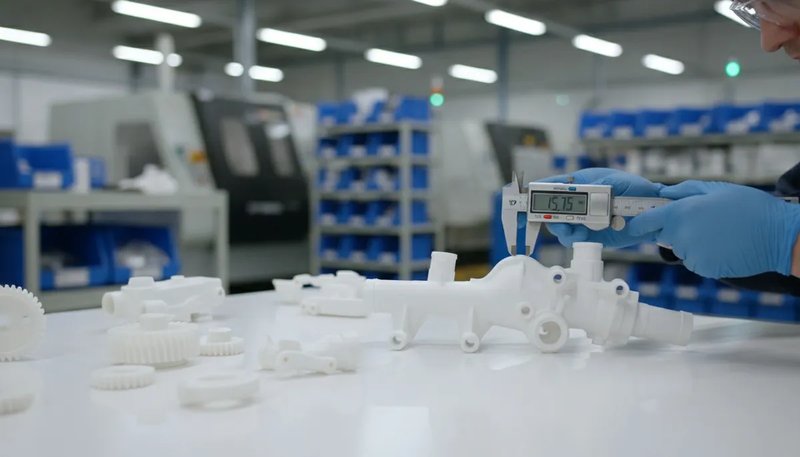
O que está a medir? Seja específico. “Melhor qualidade” não é uma variável de resposta. “Contração no eixo X medida com ±0.05mm” é. Entre as variáveis de resposta comuns na moldação por injeção encontram-se o peso da peça, o desvio dimensional, o empeno, a profundidade dos rechupes e o tempo de ciclo. Escolha uma resposta principal e, no máximo, duas respostas secundárias.
Passo 2: Selecionar Fatores e Níveis
Com base nos seus conhecimentos de engenharia, selecione 3–6 fatores com maior probabilidade de afetar a resposta. Para cada fator, defina dois níveis (baixo e alto) que representem um intervalo realista. Não escolha um intervalo demasiado amplo — provocará defeitos de processamento. Não escolha um intervalo demasiado estreito — não observará qualquer efeito. Regra prática: utilize ±10–15% do valor de referência atual da produção como intervalo.
Passo 3: Escolher a Matriz DOE e Executar os Experimentos
Ajuste a contagem de fatores e de níveis ao desenho fatorial ou matriz ortogonal apropriados. Aleatorize a ordem dos ensaios sempre que possível — isto evita que a deriva da máquina enviesar os resultados. Registe meticulosamente cada ensaio: configurações reais da máquina, condições ambientais, temperatura do molde e quaisquer observações.
Passo 4: Analisar os Resultados
Trace os efeitos principais (como cada fator afeta a resposta) e os efeitos de interação (como as combinações de fatores afetam a resposta). Use a moldagem por injeção (análise de variância) para determinar quais fatores são estatisticamente significativos — normalmente com p < 0,05. O resultado indica quais fatores devem ser otimizados e quais podem ser ignorados com segurança.
Quais São os Principais Parâmetros de Moldagem por Injeção a Testar num DOE?
Os principais parâmetros de moldação por injeção a testar num DOE são as categorias principais ou opções explicadas nesta secção. Nem todos os parâmetros pertencem a um DOE. Os fatores que escolher devem ser aqueles que consegue efetivamente controlar na máquina e que têm uma relação física plausível com a sua variável de resposta. Aqui estão os seis fatores mais comuns, classificados pela frequência com que aparecem como significativos em estudos publicados e nos nossos próprios dados de produção.
| Parâmetro | Faixa típica | Afeta | Geralmente Significativo? |
|---|---|---|---|
| Temperatura de fusão | ±15°C do valor nominal | Viscosidade, padrão de enchimento, empenamento | Sim (posição 1–2) |
| Pressão de injeção | ±15% do valor nominal | Completude do enchimento, rebarbas, dimensões | Sim (posição 1–3) |
| Pressão de Compactação | ±20% do nominal | Retração, marcas de afundamento, peso | Sim (posição 1–2) |
| Tempo de arrefecimento | ±30% do nominal | Empenamento, tempo de ciclo, dimensões | Frequentemente |
| Temperatura do molde | ±10°C do nominal | Acabamento superficial, cristalinidade, deformação | Frequentemente |
| Velocidade de injeção | ±20% do nominal | Jetting, linhas de solda, padrão de enchimento | Às vezes |
Na nossa experiência na ZetarMold, a temperatura de fusão e a pressão de compactação são responsáveis pela maioria da variação dimensional na maioria das peças. O tempo de arrefecimento é o terceiro fator significativo mais comum, especialmente para peças com espessura de parede irregular. A velocidade de injeção é mais importante para peças de parede fina ou materiais com janelas de processamento estreitas, como PC ou nylon com carga de vidro.
Os 8 engenheiros seniores da ZetarMold têm, cada um, 10+ anos de experiência em moldação por injeção. Ao executarmos DOE para validação pelo cliente, utilizamos normalmente a nossa gama de máquinas de 90T–1850T para reproduzir exatamente as condições de produção. A nossa base de dados de 400+ materiais inclui pontos de partida conhecidos para os parâmetros, que aceleram em 40–60% a configuração do DOE.
Como o DOE Apoia a Validação do Processo (IQ/OQ/PQ)?
O DOE constitui um forte apoio à validação do processo (iq/oq/pq), pois combina liberdade nas ferramentas, controlo repetível do processo e seleção de materiais. Se fornecer peças a clientes dos setores automóvel ou médico, a validação do processo não é opcional. O quadro da moldação por injeção exige que demonstre que o seu processo é estável e capaz — e o DOE é a ferramenta que permite que a OQ (Qualificação Operacional) funcione efetivamente.
Durante a IQ (Qualificação de Instalação), verifica-se que a máquina está instalada correctamente e cumpre as especificações. Durante a OQ, é necessário demonstrar que o processo produz peças aceitáveis dentro da sua janela operacional. É aqui que o DOE se destaca: executa a matriz experimental, estabelece as configurações óptimas e documenta os limites do processo. O output do DOE torna-se a prova que compreende o processo, não apenas que encontrou configurações que funcionaram uma vez.
Durante a PQ (Performance Qualification), são executados lotes de produção com as definições otimizadas por DOE para confirmar a estabilidade a longo prazo. Se tiver realizado corretamente o DOE, a PQ deverá passar à primeira tentativa — porque já conhece a janela do processo e a sensibilidade de cada parâmetro. Sem DOE, a PQ transforma-se frequentemente numa série dispendiosa de ensaios com resultados imprevisíveis.
"Uma matriz Taguchi L8 consegue analisar até 7 fatores em apenas 8 ensaios experimentais."True
O array ortogonal Taguchi L8 testa 7 factores de dois níveis em 8 execuções, tornando-o um dos designs de screening mais eficientes para identificar quais factores são importantes antes de comprometer-se com um estudo de otimização completo.
"O DOE elimina toda a variação do processo na moldagem por injeção."False
O DOE identifica quais factores causam variação e quantifica seu impacto, mas não pode eliminar a variabilidade intrínseca do material ou da máquina. Ajuda a controlar a variação dentro de limites aceitáveis, não a remover totalmente.
Quais Ferramentas de Software São Usadas para DOE em Moldagem por Injeção?
Esta secção trata das ferramentas de software utilizadas para DOE em moldagem por injecção e seu impacto no custo, qualidade, timing ou risco de sourcing. Pode analisar um DOE Taguchi simples no Excel, mas software especializado economiza tempo e reduz erros. Minitab é o padrão da indústria na manufactura — trata do design DOE, ANOVA e gera gráficos de qualidade para publicação. JMP (da SAS) é popular na indústria automóvel e aeroespacial pela sua visualização interactiva. Para equipas com budget limitado, R e Python (statsmodels, pyDOE2) oferecem capacidades DOE gratuitas com uma curva de aprendizagem mais acentuada.
O software de simulação Moldflow e Moldex3D também pode gerar virtualmente dados semelhantes aos de um DOE. Configura-se uma matriz de parâmetros no simulador e obtêm-se resultados previstos sem consumir material real nem tempo de máquina. O DOE virtual é excelente para restringir os intervalos dos fatores antes de executar um DOE físico — mas nunca deve substituir totalmente a validação física, porque as simulações não captam a variação real entre lotes de material, o desgaste do molde ou as condições ambientais.
Quais São os Erros Comuns de DOE na Moldagem por Injeção?
Os erros comuns de DOE na moldagem por injeção são as principais categorias explicadas nesta seção. Depois de executar dezenas de DOEs em centenas de projetos de moldes de injeção, os mesmos erros aparecem repetidamente. Estes são os cinco principais, classificados pelo dano que causam.
Erro 1: Demasiados Fatores
Os engenheiros adoram incluir todos os parâmetros que conseguem imaginar. Um DOE de 10 fatores requer 1024 corridas a 2 níveis num fatorial completo. Mesmo com desenhos fracionários, mais de 6–7 fatores tornam a análise ruidosa e os resultados difíceis de interpretar. Use primeiro um DOE de triagem (Taguchi L8 ou Plackett-Burman), depois foque o seu DOE de otimização nos 3–4 fatores que realmente importam.
Erro 2: Ignorar o Pré-Aquecimento e a Deriva da Máquina
As máquinas de moldagem por injecção não ficam instantaneamente estáveis. Se iniciar as corridas do DOE antes que o barril e o molde atingam o equilíbrio térmico, as primeiras corridas serão outliers que distorcem toda a análise. Execute sempre 10–15 ciclos de pré-aquecimento e verifique que a temperatura do barril, a temperatura do molde e o peso da peça estão estáveis antes de iniciar a matriz experimental.
Erro 3: Não Randomizar a Ordem das Execuções
Executar a matriz DOE por ordem padrão significa que os níveis dos fatores mudam sistematicamente, o que confunde os efeitos dos fatores com qualquer deriva dependente do tempo. Se a máquina aquece lentamente durante a experiência, a ordem padrão atribuirá essa deriva a qualquer fator que esteja a aumentar. A randomização é a defesa mais simples contra isto.
"Os resultados de DOE são específicos de cada molde e não devem ser transferidos diretamente entre moldes diferentes."True
A geometria do molde, a localização da entrada, o layout dos canais de refrigeração e o sistema de distribuição afetam a interação dos parâmetros. Cada molde requer seu próprio DOE para estabelecer parâmetros de processo precisos, embora a metodologia e a seleção de fatores podem ser reutilizadas.
"Pode ignorar a aleatorização se a sua máquina tiver um bom controlo de temperatura."False
Mesmo com controle preciso da temperatura, a variação dos lotes de material, o desvio hidráulico e as mudanças de humidade ambiente podem introduzir um bias sistemático. A randomização não custa nada, mas protege contra todos os factores de confusão dependentes do tempo.
Como Interpretar os Resultados de DOE para Moldagem por Injeção?
Um relatório DOE é inútil se não souber interpretá-lo. Eis o significado dos principais resultados e como agir em função deles.
Gráfico de Efeitos Principais
Isto mostra a resposta média em cada nível de cada fator. Uma linha inclinada significa que esse fator tem um efeito forte. Uma linha horizontal significa que é irrelevante. Procure os fatores com os declives mais acentuados — são essas as variáveis que permitem controlar o processo. O sinal do declive indica a direção: um declive positivo significa que o aumento do fator aumenta a resposta.
Gráfico de Interação
Duas linhas paralelas = ausência de interação. Duas linhas que se cruzam ou divergem = interação. As interações significam que o efeito de um fator depende do nível de outro. Na moldação por injeção, temperatura de fusão × pressão de compactação e tempo de arrefecimento × temperatura do molde são as interações significativas mais comuns. Se ignorar as interações, otimizará o parâmetro errado.
Tabela ANOVA
A tabela ANOVA fornece as provas estatísticas. O valor p de cada fator indica se o seu efeito é estatisticamente significativo (p < 0.05 é o limiar padrão). O valor R² indica a proporção da variação total explicada pelo modelo. Um R² superior a 0.85 significa que o DOE abrangeu a maioria dos fatores importantes. Um valor inferior a 0.60 significa que falta algum fator.
Quando Deve Realizar uma DOE vs. Quando é Aceitável o Método Trial-and-Error?
Esta secção aborda quando executar um DOE, quando a tentativa e erro é aceitável e o respetivo impacto no custo, qualidade, prazo ou risco de aprovisionamento. Nem todos os problemas de moldação exigem um DOE. Se estiver a utilizar um molde de uma cavidade com um material bem conhecido e a peça tiver uma geometria simples, engenheiros de processo experientes conseguem afinar a máquina em 30 minutos sem um DOE formal. A tentativa e erro — ou, mais precisamente, o critério de engenharia — é adequada quando o risco é baixo e a janela de processo é ampla.
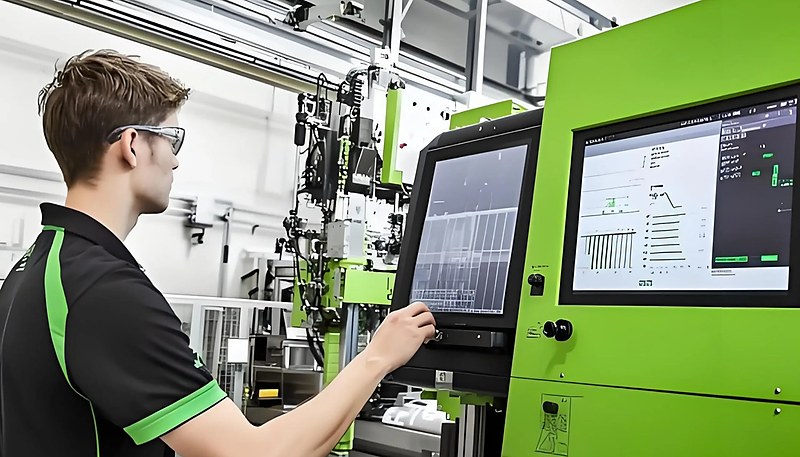
O DOE torna-se necessário quando alguma destas condições se aplica: tolerâncias apertadas (±0,05 mm ou menos), moldes multicavidade em que o equilíbrio entre cavidades é importante, peças médicas ou automóveis que exigem validação formal do processo, novos materiais ou projetos de molde desconhecidos, ou defeitos persistentes que resistiram a resolução de problemas anteriores. Nestes casos, o custo de um DOE (tipicamente 1 a 2 dias de tempo de máquina e esforço de engenharia) é muito inferior ao custo de uma validação falhada, refugo de produção ou devoluções de custo por parte do cliente.
Na ZetarMold, executamos o DOE como parte do nosso processo padrão de qualificação para todos os moldes automóveis e médicos. Com 47 máquinas de moldagem por injeção na nossa instalação de Xangai, podemos dedicar uma máquina a ensaios de DOE sem perturbar os calendários de produção. O nosso ciclo típico de DOE — desde a configuração até à análise de resultados — demora 1 a 2 dias úteis.
"Uma matriz Taguchi de 8 execuções bem concebida, com os fatores certos, pode superar uma experiência fatorial completa de 32 execuções mal planeada."True
A qualidade do design experimental é mais importante que a quantidade de corridas. Um array Taguchi concentrado que testa os parâmetros adequados fornece resultados mais claros e mais acionáveis que um factorial completo grande mas disperso que inclui fatores irrelevantes.
"O DOE só é necessário na moldação por injeção para os setores médico e automóvel."False
Embora as indústrias médica e automotiva formalmente requerem DOE como parte da validação de processo, qualquer moldador que produz peças de tight-tolerance, moldes multi-cavity ou peças com problemas persistentes de qualidade beneficia de DOE. Electrónicos de consumo, conectores e ópticas de precisão são exemplos onde DOE acrescenta valor sem pressão regulatória.
Como Funciona DOE na Prática? Um Caso de Estudo de um Bracket de Nylon com Glass-Filled
Esta secção aborda o funcionamento na prática: um estudo de caso de um suporte de nylon reforçado com fibra de vidro e o seu impacto no custo, na qualidade, nos prazos ou no risco de aquisição. Segue-se um exemplo real da nossa área de produção. Um cliente precisava de um suporte em PA66-GF30 com uma tolerância crítica de ±0.03mm no diâmetro de um furo. A amostragem inicial revelou uma variação do diâmetro de ±0.08mm — quase três vezes a tolerância. A peça reprovava na inspeção dimensional em 40% das amostras.
Configurámos uma DOE Taguchi L8 com quatro fatores em dois níveis: temperatura de fusão (270°C/290°C), pressão de packing (60/80 MPa), tempo de packing (3s/5s) e tempo de cooling (15s/20s). A variável de resposta foi o diâmetro do orifício medido num CMM. Oito corridas, cada uma produzindo 15 peças medidas, completadas numa tarde.
Resultados: temperatura de fusão representou 52% da variação, pressão de packing 28% e tempo de cooling 12%. O tempo de packing não foi estatisticamente significativo (p = 0.34). As configurações ótimas—fusão a 290°C, packing a 75 MPa, cooling de 18s—reduziram a variação do diâmetro para ±0.025mm. O yield de primeira passagem passou de 60% para 97%. Custos total da DOE: um dia de tempo de máquina e duas horas de análise de engenharia.
Perguntas mais frequentes
Qual é o número mínimo de ensaios de DOE necessário para moldagem por injeção?
Para um DOE de triagem com 4 a 7 fatores, um arranjo Taguchi L8 requer apenas 8 ensaios no total, tornando-o um dos desenhos experimentais mais eficientes disponíveis. Para otimização completa com 3 a 4 fatores em dois níveis, um fatorial completo de 2 níveis precisa de 8 a 16 ensaios. A chave é escolher o desenho certo para o seu objetivo: estudos de triagem usam menos ensaios para identificar quais os fatores mais importantes, enquanto estudos de otimização usam mais ensaios mas fornecem dados detalhados de interação e uma janela de processo precisa para produção.
O DOE pode ser utilizado para equilíbrio de moldes multicavidade?
Sim, o equilíbrio de moldes multicavidade é uma das aplicações de DOE mais valiosas em ambientes de produção de moldagem por injeção. Pode definir a variação dimensional entre cavidades como variável de resposta e testar fatores como velocidade de injeção, pressão de compactação e temperatura do molde para minimizar sistematicamente o desequilíbrio. Esta abordagem experimental estruturada é crítica para alcançar qualidade consistente em todas as cavidades, especialmente em moldes de produção de 8, 16 ou 32 cavidades, onde mesmo pequenos desequilíbrios dimensionais criam perdas de rendimento significativas em grandes volumes de produção e longas séries de produção.
Quanto tempo demora um DOE típico de moldagem por injeção?
Uma DOE típica com 8–16 corridas experimentais toma 4–8 horas de tempo de máquina, mais 1–2 horas para setup inicial e 2–4 horas para análise de dados e geração de report após as corridas. A maioria das DOEs em nossa facility são completadas dentro de um dia de trabalho de início ao fim. O bottleneck principal normalmente não são as corridas em si mas o passo de medição—CMM ou inspeção óptica de peças de cada corrida pode tomar mais tempo que o processo de moldação real, especialmente para peças de tight-tolerance com múltiplos pontos críticos de medição que cada um requer fixturing cuidadoso.
Qual é a diferença entre DOE e moldação científica?
A moldação científica é uma filosofia de fabrico mais ampla que utiliza métodos data-driven para compreender e controlar todo o processo de moldação por injecção desde o fill ao pack ao cool. DOE é uma das principais ferramentas estatísticas dentro da moldação científica, mas a metodologia também inclui monitorização de pressão da cavidade, estratégias de moldação decoupled e documentação sistemática de processo com registos traceáveis. Na prática, a moldação científica define a abordagem geral para o controlo de processo, enquanto DOE fornece o framework experimental específico para gerar os dados quantitativos que as decisões de moldação científica dependem.
Devo utilizar DOE para cada novo projeto de moldagem por injeção?
Não necessariamente. Para peças simples com tolerâncias amplas e materiais familiares que a sua equipa já processou muitas vezes, engenheiros de processo experientes podem definir parâmetros de forma eficiente sem um estudo formal de DOE. Reserve o DOE para peças com tolerâncias apertadas e dimensões críticas, novos materiais ou materiais desconhecidos, moldes multicavidade em que o equilíbrio entre cavidades é crítico, ou componentes que exijam validação formal do processo para clientes automóveis ou médicos. O retorno do investimento de um DOE executado corretamente aumenta significativamente com a complexidade da peça, os requisitos de qualidade e o volume total de produção ao longo da vida útil do molde.
O que acontece se os meus resultados de DOE tiverem um valor de R-quadrado baixo?
Um valor baixo de R-quadrado, inferior a 0.60, significa que o modelo não explica a maior parte da variação total da variável de resposta, o que constitui um sinal de diagnóstico útil. As causas comuns incluem a omissão de um fator importante não incluído no estudo, a definição de intervalos de fatores demasiado estreitos para produzir efeitos mensuráveis, ruído de medição excessivo no processo de inspeção ou uma variável não controlada, como uma oscilação da temperatura do molde que varia entre ensaios experimentais. A solução consiste em acrescentar sistematicamente o fator em falta ou alargar os intervalos e repetir a experiência.
A simulação pode substituir o DOE físico na moldagem por injeção?
Software de simulação como o Moldflow ou o Moldex3D pode executar DOE virtuais para restringir os intervalos dos fatores e identificar os parâmetros provavelmente significativos antes dos ensaios físicos, reduzindo substancialmente o número de execuções reais necessárias. Contudo, a simulação não pode substituir integralmente o DOE físico, porque não considera a variação real entre lotes de material, o desvio de calibração da máquina, os padrões de desgaste do molde nem as condições ambientais de humidade e temperatura. A melhor prática recomendada consiste em utilizar o DOE virtual como ferramenta de triagem, seguido de ensaios físicos de validação direcionados para confirmar as previsões da simulação.
Conclusão
O DOE transforma a moldação por injeção de uma prática de tentativa e erro numa disciplina de engenharia orientada por dados. Quer execute uma triagem Taguchi rápida com 8 ensaios, quer uma otimização fatorial completa com 32, a metodologia fornece algo que a intuição nunca dará: provas quantificadas de quais os parâmetros relevantes, como interagem e qual é a sua janela de processo ideal.
Para peças automóveis e médicas, o DOE não é opcional—faz parte do pacote de validação do processo. Contudo, mesmo para peças comerciais, o ROI é convincente: menos iterações durante a amostragem, maior rendimento à primeira passagem e um processo documentado que pode ser reproduzido de forma consistente. Se ainda estiver a afinar os moldes alterando um parâmetro de cada vez, está a desperdiçar tempo e dinheiro.
Precisa de ajuda para executar um DOE no seu próximo projeto de moldação por injeção? Contacte a nossa equipa de engenharia — tem 20+ anos de experiência em moldação científica e otimização de processos com 400+ materiais. Configuraremos o DOE, realizaremos as experiências e entregaremos um pacote de qualificação do processo totalmente documentado.
molde de injeção: É a ferramenta de precisão que define a geometria da peça, o comportamento do resfriamento, a extração, a alimentação, o acabamento superficial e a repetibilidade. ↩
plástico: É uma família de materiais cujo fluxo, contração, resistência, resistência térmica, qualidade estética, tempo de ciclo e desempenho de longo prazo orientam as decisões de moldagem. ↩
moldagem por injeção: É o processo de produção que funde o plástico, injeta-o em uma cavidade de molde, resfria a peça e repete o ciclo para uma fabricação estável em volume. ↩